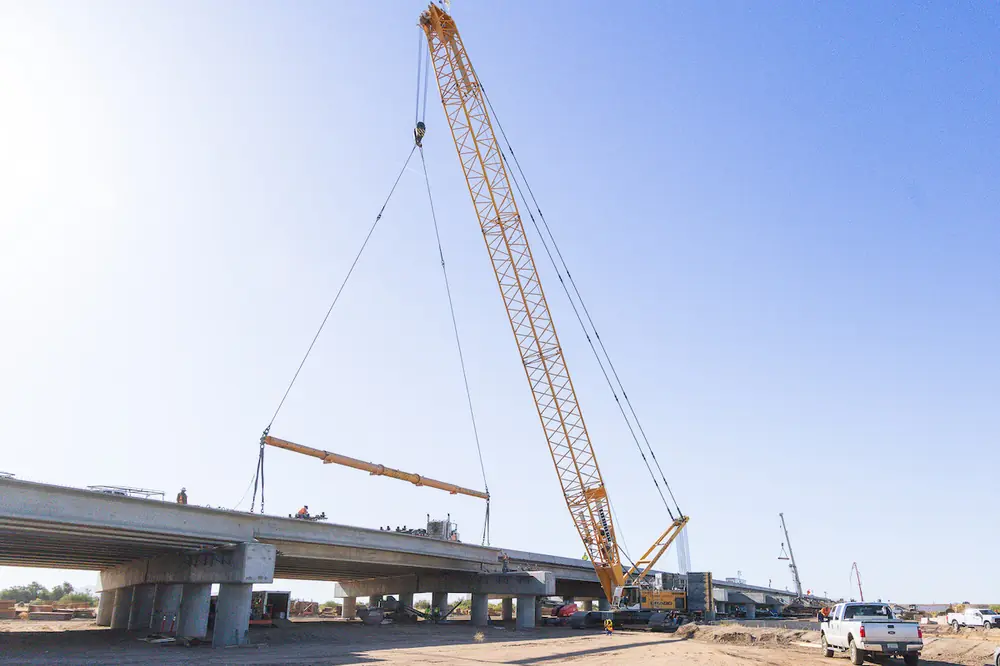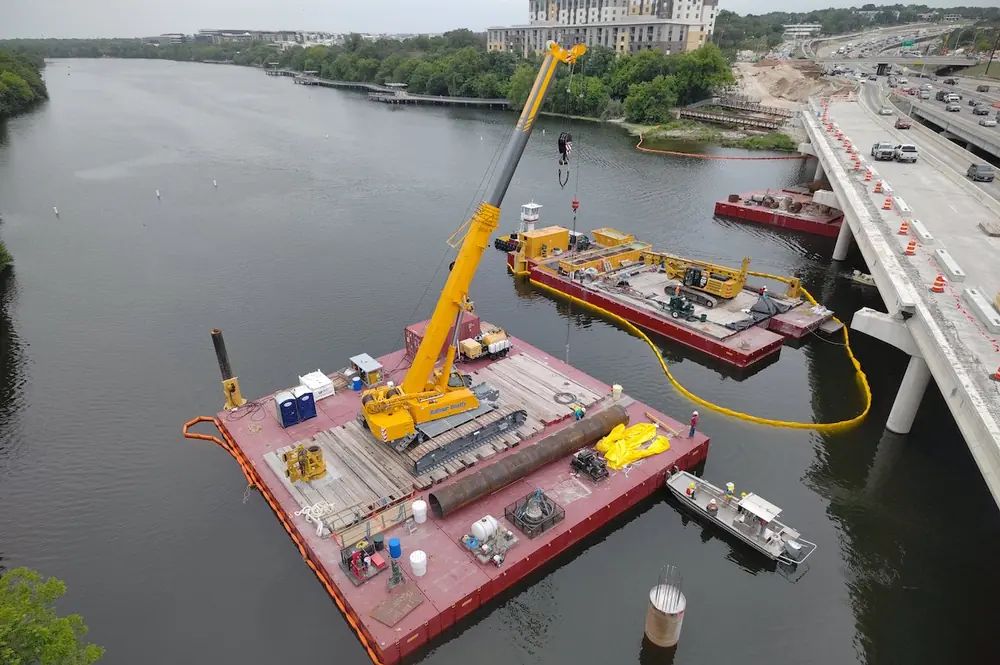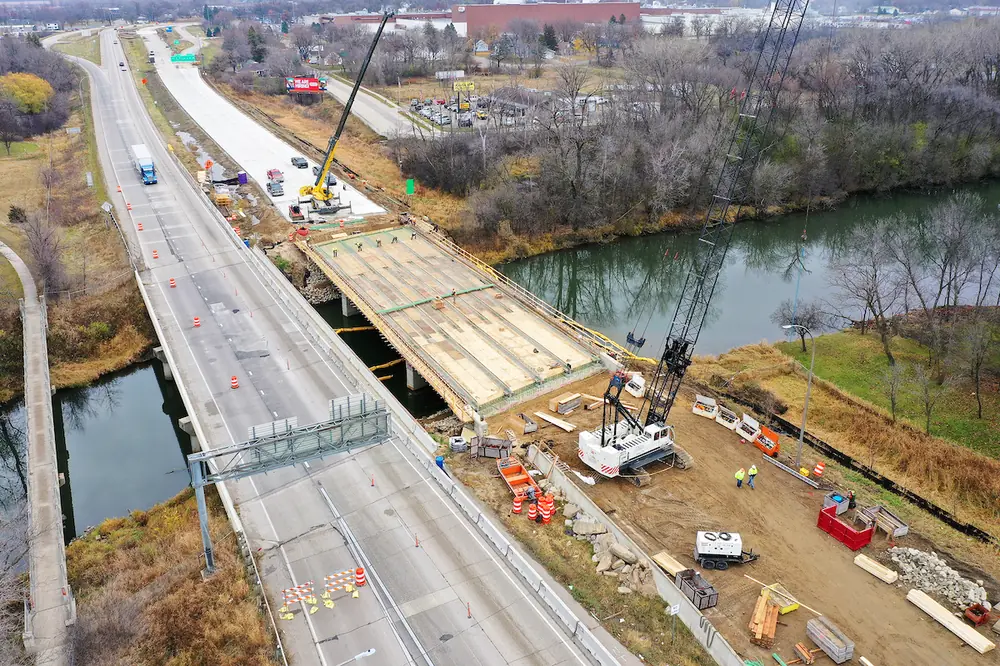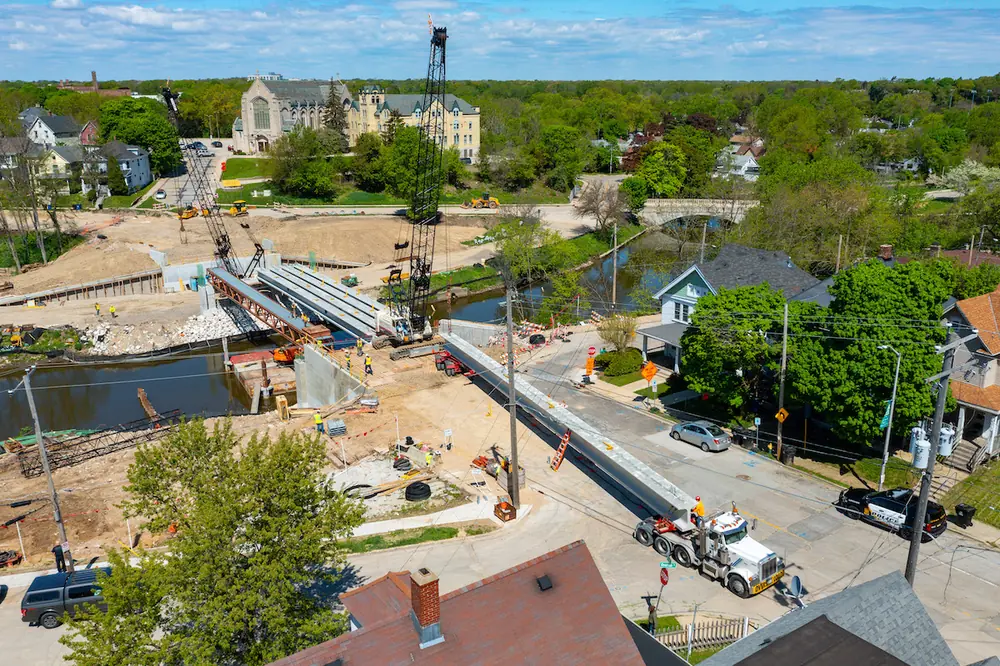

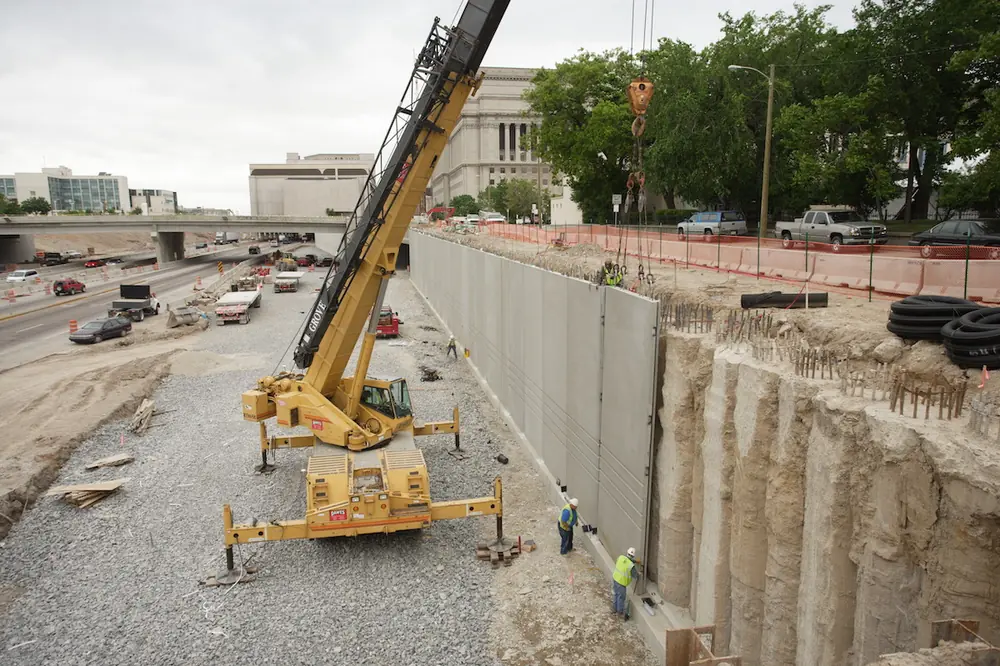

As economic and stakeholder pressures challenge contractors of all sizes, prefabricated and modular concrete solutions present a strategic tool to help deliver projects on time and on budget while improving project quality. But to unlock these benefits on complex projects, especially in infrastructure, prefabrication partners must collaborate with architects, designers, engineers, and building system providers early in the design process.
This roadmap outlines steps contractors can take to effectively leverage prefabrication — from preconstruction engagement to installation — and build stakeholder collaboration that drives project success.
Ensure the design group knows that early collaboration is a priority that benefits everyone. When the building solution provider has a seat at the table alongside other partners during the design phase, the team can influence prefabrication design decisions, reducing surprises during construction. Contractors are ultimately responsible for delivering the project on time, on budget, and with minimal surprises. One of the biggest advantages of prefabrication is that early involvement reduces unanticipated late changes, saving time and money on both building and infrastructure projects.
When involved early, prefabrication building providers can bring transparency to the project, pairing construction options with an itemized cost analysis detailing the potential savings for different prefabricated options. The benefits of collaboration don’t stop there. Contractors who continue to consult with their prefabrication partners during construction can optimize cost and time savings throughout the project in ways that may not be apparent to those outside the field. For example, in modular concrete infrastructure projects, a prefab expert might identify opportunities to design repetitive systems or modify existing systems to meet structural load requirements over longer spans, creating significant efficiencies.
Design-assist is an in-depth workflow that engages project partners early in design and construction to minimize risk by resolving issues before they become costly in the field. Look for a process that emphasizes “getting into the weeds” of the design with the project team to reach a consensus for the most cost- and time-efficient building solution while maintaining the original owner’s design intent.
With a design-assist approach, contractors and prefabrication engineers are brought in early, offering on-the-ground experience and insights that architects and other project planners may overlook. Aside from this, contractors can:
- Participate in cross-discipline sessions with designers, engineers, and prefabrication partners
- Review models from a lens of field installation and logistics to co-develop contract documents
- Offer solutions to keep the project on-time and on-budget

| Your local Komatsu America Corp dealer |
|---|
| Road Machinery and Supplies Company |
Everyone involved in a project has a valuable role in keeping multidisciplinary teams aligned and empowering each contributor to own their area of expertise. Start early and embrace a design-assist approach to deliver the best building solution — one that meets the timeline and budget.
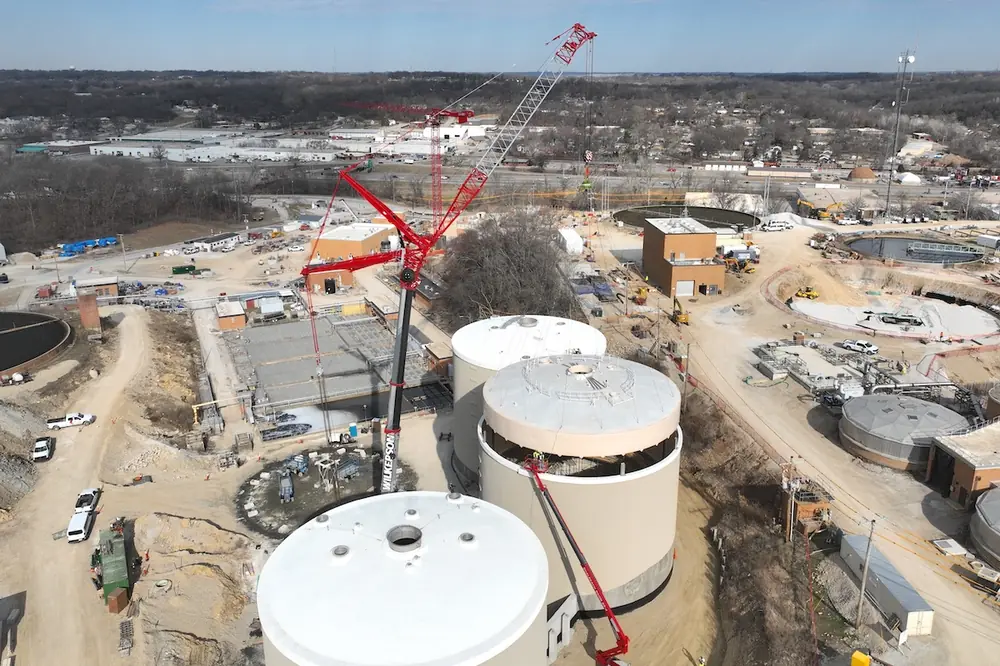
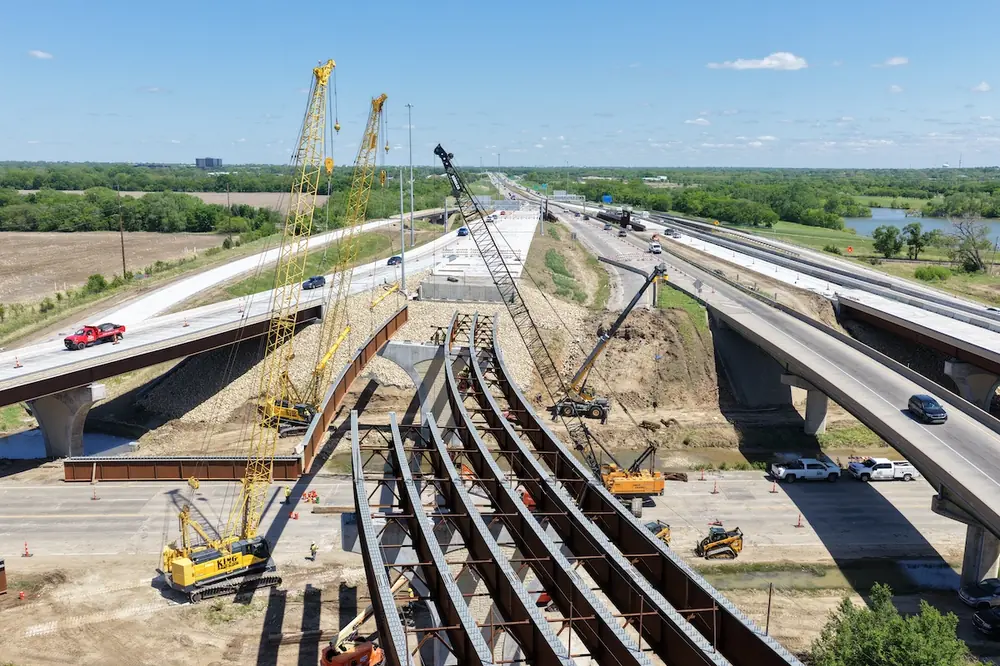
Logistics, which includes deliverables, permits, storage, and crane and heavy machinery placement, can be a major challenge with highway, bridge, and other infrastructure projects. Because of this, project stakeholders should work with their prefabrication specialist to outline roles and desired outcomes early to avoid unexpected changes that affect schedule or cost, and to enable project partners to own their areas of expertise, especially for large, modular concrete components.
It’s important during the early collaboration phase to define and clearly communicate coordination expectations. The prefabrication building provider can communicate real-time delivery needs and enforce safety plans. Plus, this coordination improves the integration of other stakeholders and trades.
Working with prefabricated concrete offers an advantage when contractors plan site sequencing. Precast concrete is manufactured off-site, allowing work to proceed up to 50 percent faster than traditional field construction, which can significantly improve project schedules. When contractors align prefabrication, manufacturing, and erection schedules with field sequencing, projects can be delivered ahead of schedule.
When thinking about partner collaboration, don’t overlook timeline integration. To optimize timelines for the team, contractors should:
- Align erection sequences with critical path activities
- Coordinate deliveries to reduce on-site congestion
- Assign dedicated field coordination leads in order to increase job site activity monitoring and uphold safety protocols
- Did the schedule improve over time, or compared to the initial estimate?
- Did prefab delivery windows align with field operations?
- What could be improved about the process?

| Your local Iowa Mold Tooling Co Inc dealer |
|---|
| Star Equipment LTD |
When planning is aligned, faster on-site prefab installation enables trades to work more efficiently, reducing overall project duration. Getting the heavy, modular installation done before the trades are on site also improves project safety.
After a project is completed, contractors should review what did and didn’t work, and adjust for future projects:
Documenting these lessons helps refine internal standards and strengthens credibility with owners, designers, and prefabrication building providers on future builds. It creates a valuable record of best practices and demonstrates how leadership contributed to the project's overall outcome. Demonstrating that success can create an important and persuasive sales tool for the next project stakeholders.
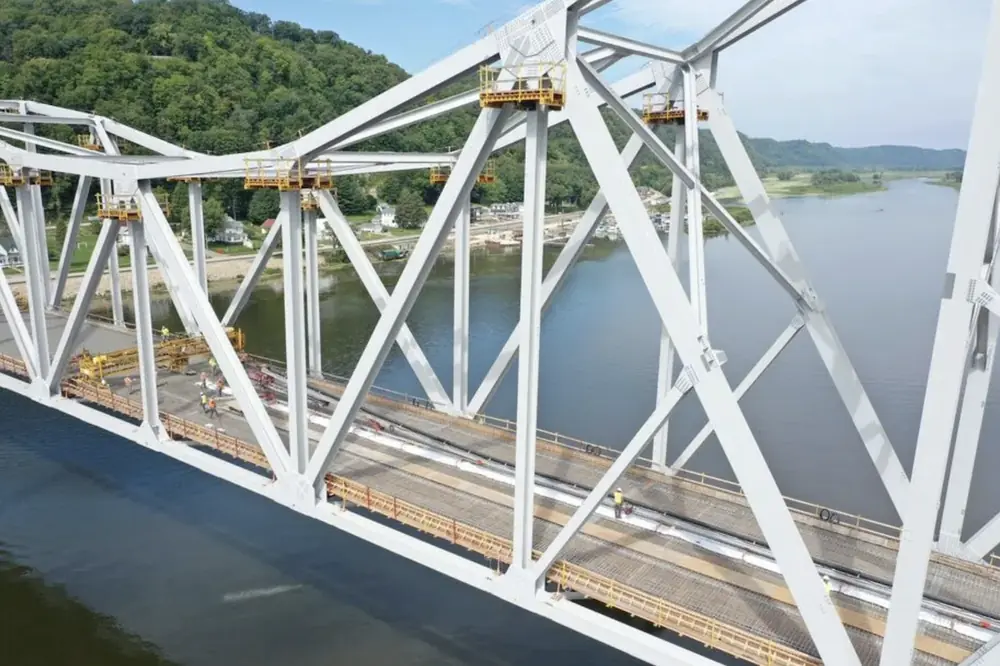
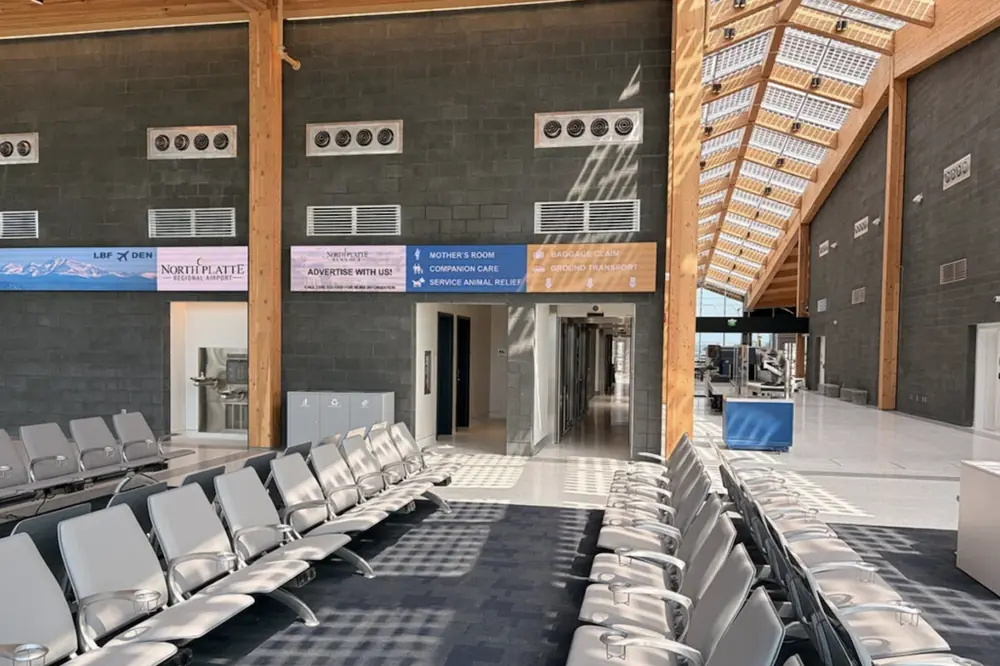
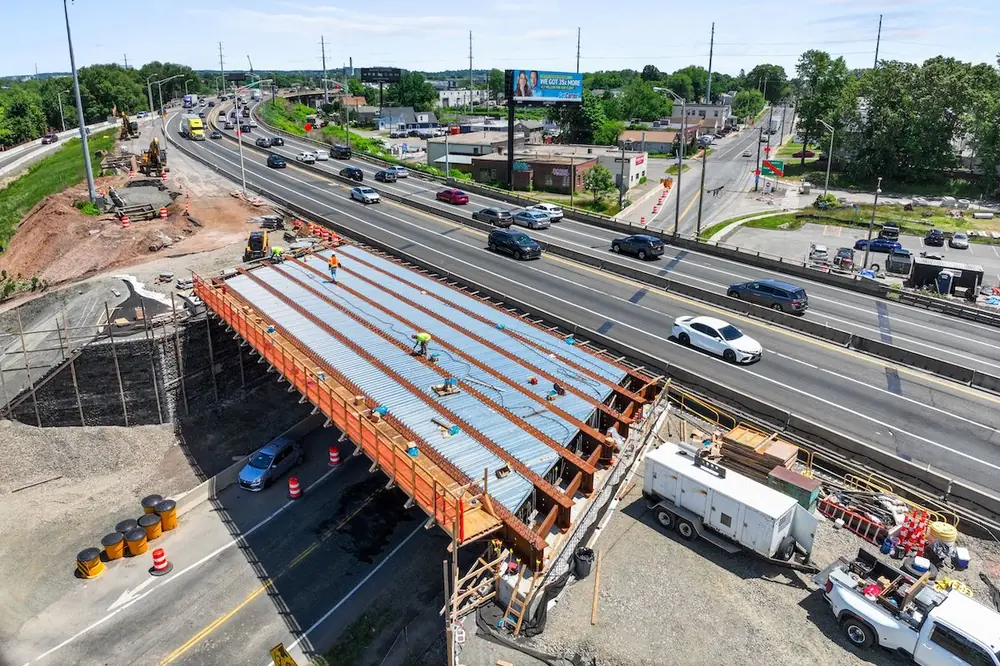
Contractors engaged in projects of all scopes and sizes, especially infrastructure projects, including bridges, transit stations, and public works facilities, can benefit from using prefab concrete and modular systems. Prefabrication offers faster installation, better quality control for critical components, and reduced field labor and safety risk.
Contractors across the U.S. can use this roadmap to improve collaboration with stakeholders in the project process, shaping outcomes that are safer, faster, and more cost-predictable.

| Your local Manitou dealer |
|---|
| Star Equipment LTD |
George Miks is the Director of Design and Engineering for Wells’ Midwest region, with over 30 years of experience in the construction industry. He mentors and leads Wells’ design and engineering team, helping provide solutions to problems relating to design, schedule, manufacturing, and installation. George is licensed in 42 states and is an active member of ASCE, PCI, and ACI. He holds a bachelor’s degree in civil engineering with an emphasis in structures from the University of Minnesota.