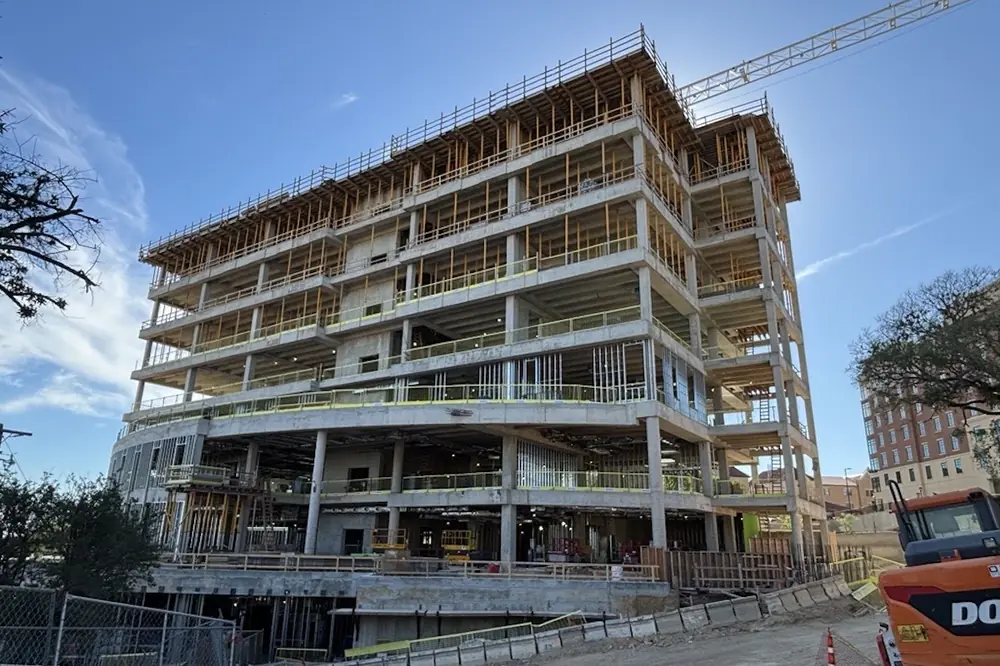

Texas State University’s rapid enrollment growth is reshaping its San Marcos campus — including the addition of a new home for science, technology, engineering, and mathematics (STEM) programs.
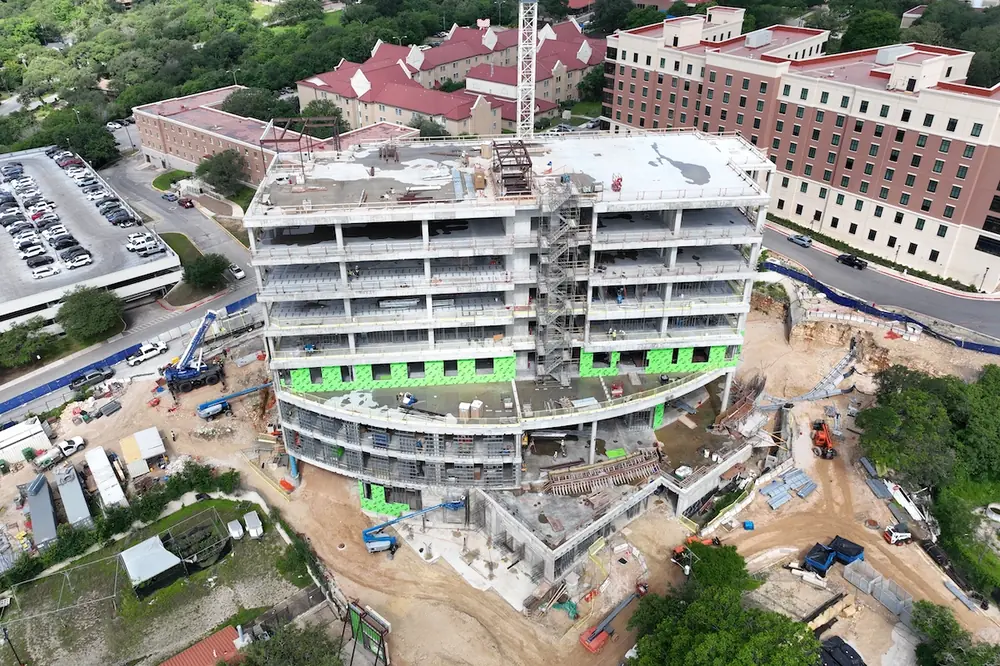
With nearly 45,000 students enrolled and increasing demand for STEM programs, the university partnered with Skanska to construct a new eight-story STEM Classroom Building that will consolidate departments currently spread across campus while creating space for future growth.
Texas State continues to expand, with 2025 student enrollment reaching a record level and growing nearly 10 percent higher than the university’s previous peak. In addition, STEM majors have become increasingly popular.
Since 1982, the Department of Computer Science and Department of Mathematics have been sharing the Math and Computer Science Building, but the departments have outgrown this shared space. For decades now, both departments have adapted to the space constraints by operating across multiple buildings throughout the San Marcos campus.
Inadequate facilities and the need to be spread across multiple buildings dilute the departments’ identity and create a hassle for both faculty and staff, who need to hustle around the large campus to get to classes on time.

| Your local Case Construction Equipment Inc dealer |
|---|
| Beauregard Equipment |
| Monroe Tractor |
The new STEM Classroom Building is intended to prepare for the future, as the university positions itself to handle continued enrollment growth at its main campus.
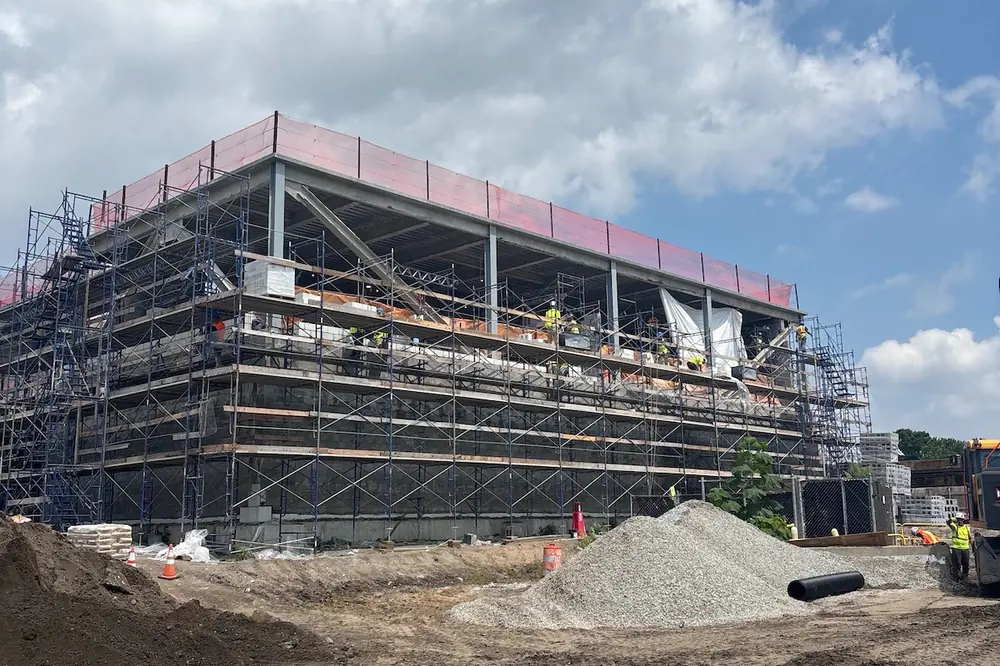
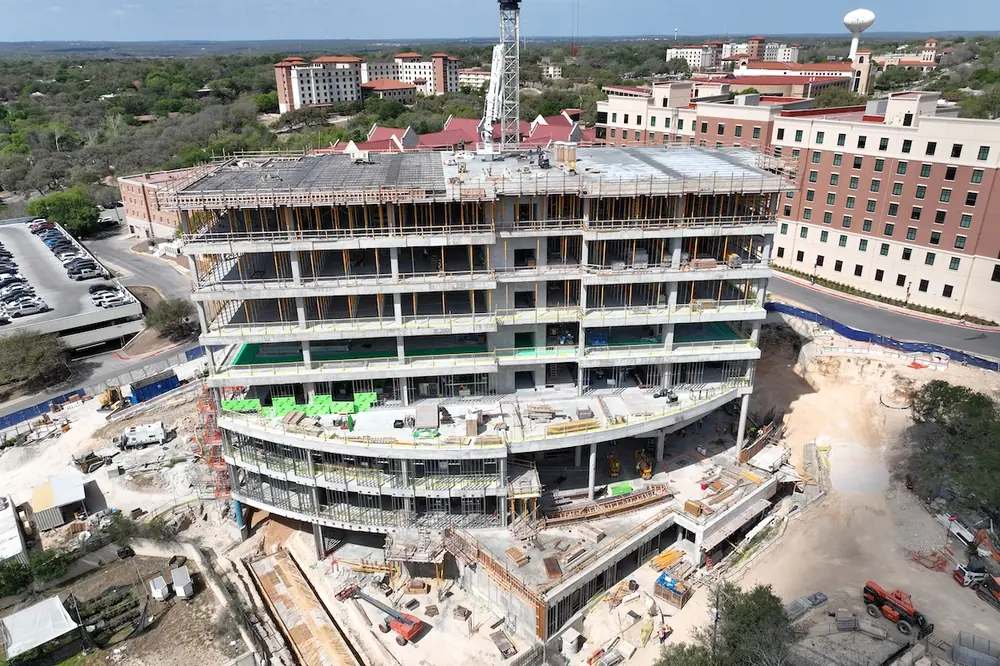
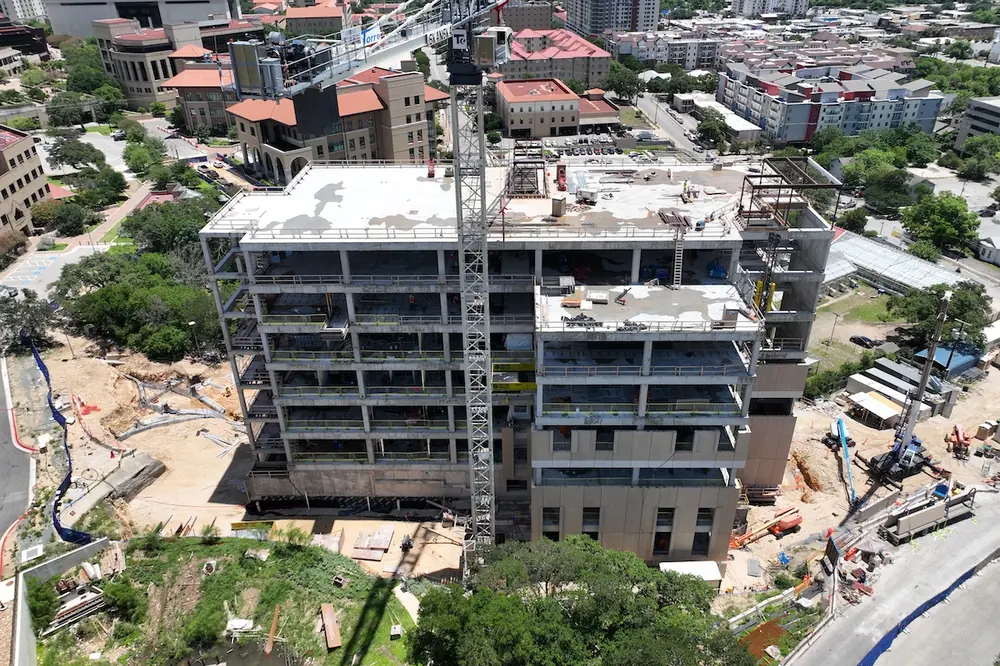
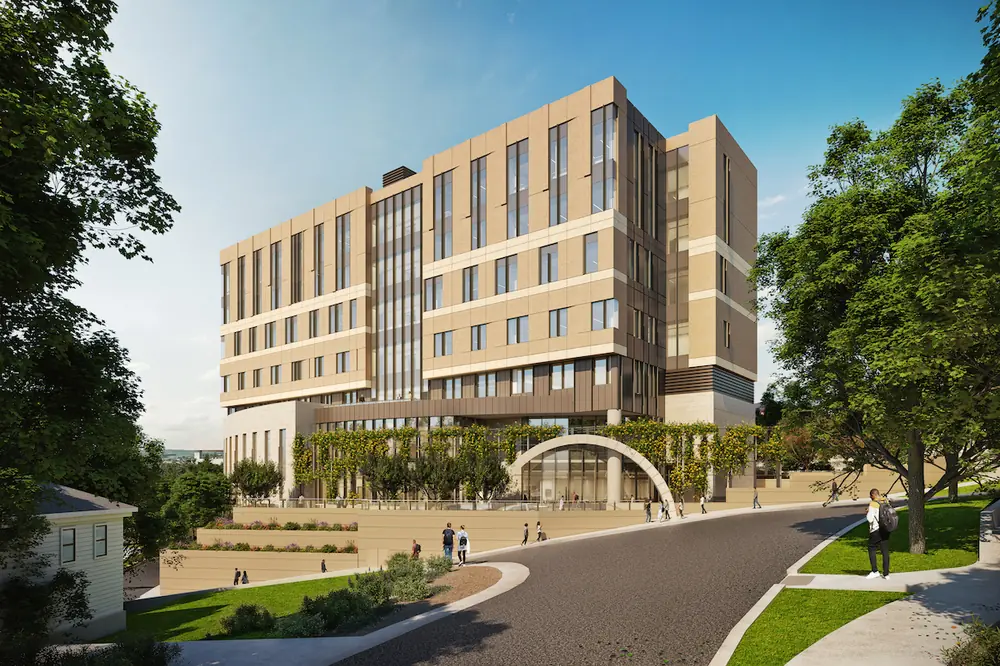
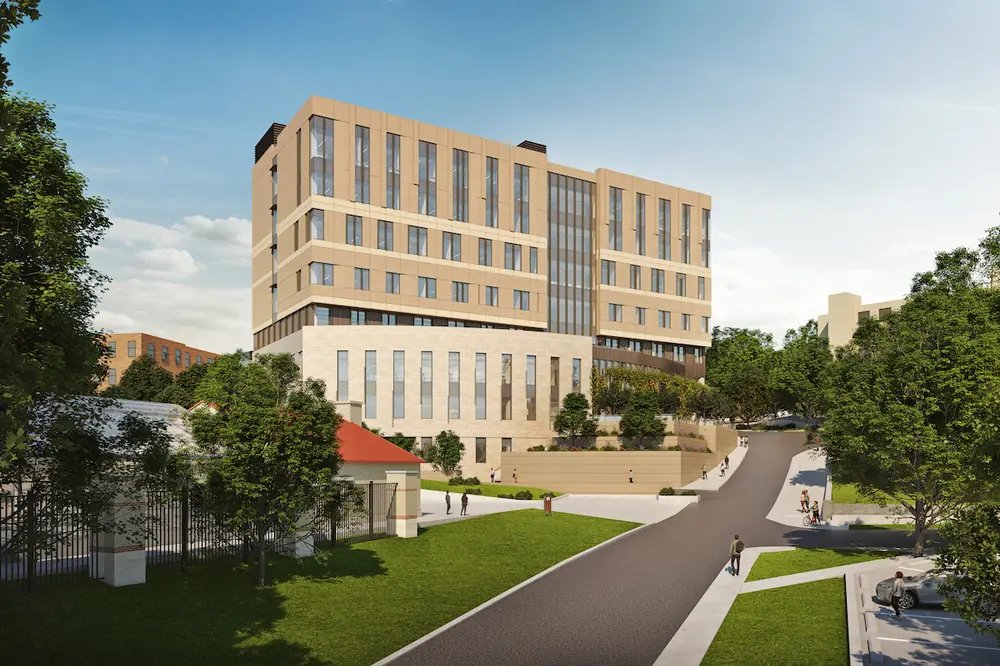
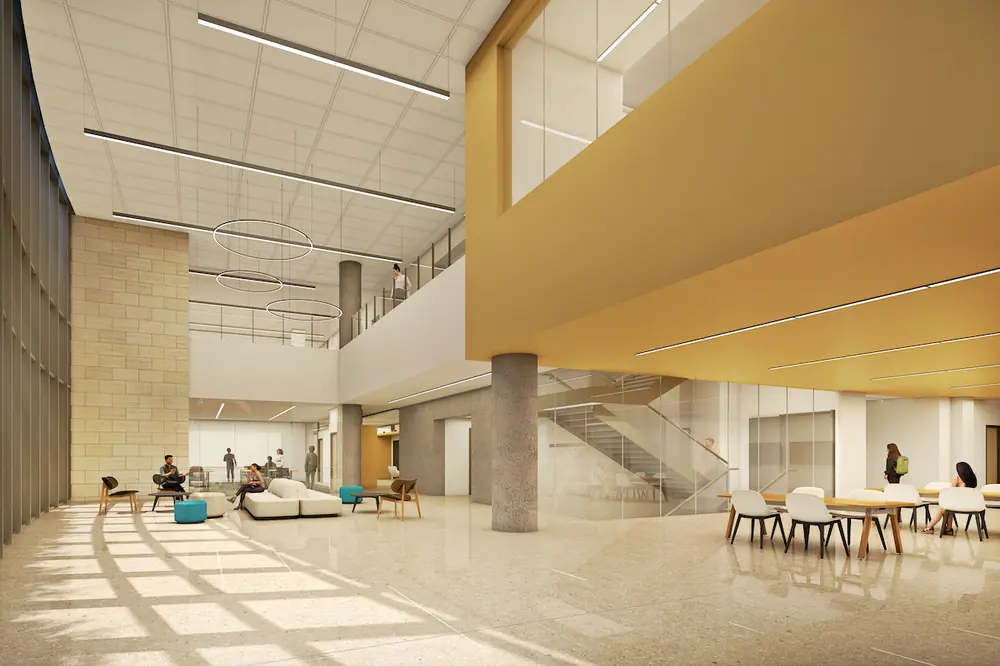
Upon completion, the STEM building will have eight stories and include just over 170,000 square feet. The cast-in-place concrete building will include classrooms, conference spaces, and faculty spaces on the upper floors.
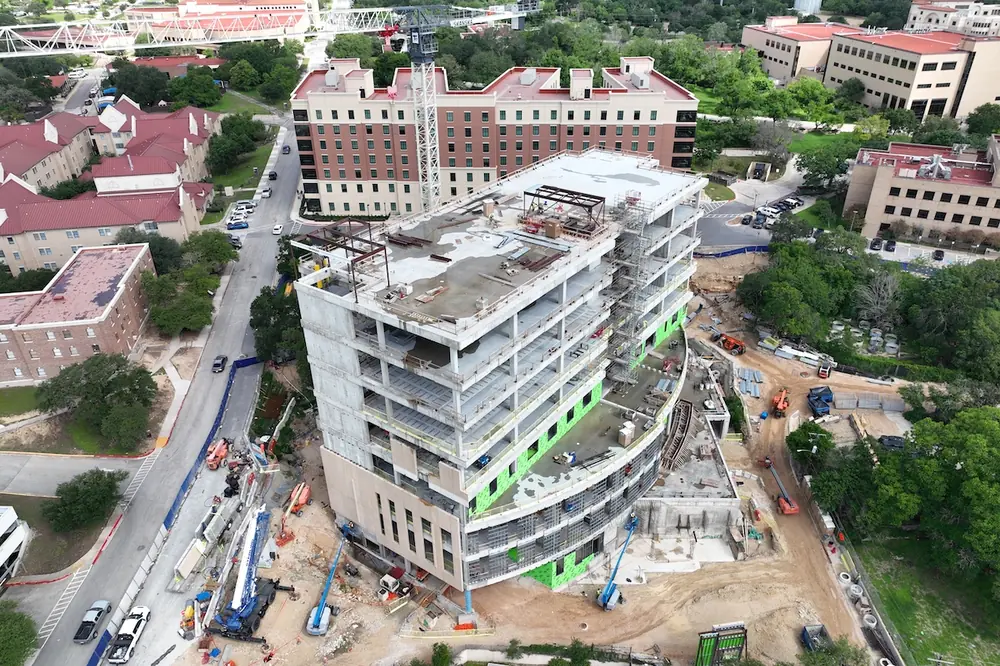
The building will sit on the western side of campus and across the street from a 1,000-bed dormitory, which opened in fall 2025. The residence hall includes dedicated space for STEM and Art & Design Living Learning Communities to support student academic achievement.
“Space is very limited on the campus, so the university utilized this small window at the edge of campus for this project,” Skanska Senior Project Manager Chris Mattingly said. “The new facility will also support future infrastructure and the other needs on the west side of the campus.”

| Your local Volvo Construction Equipment dealer |
|---|
| Tyler Equipment |
Besides growing this section of campus, the new facility is changing its overall look.
“There are many brick buildings on the campus, and there's not a lot of variance in what the brick looks like,” Mattingly said.
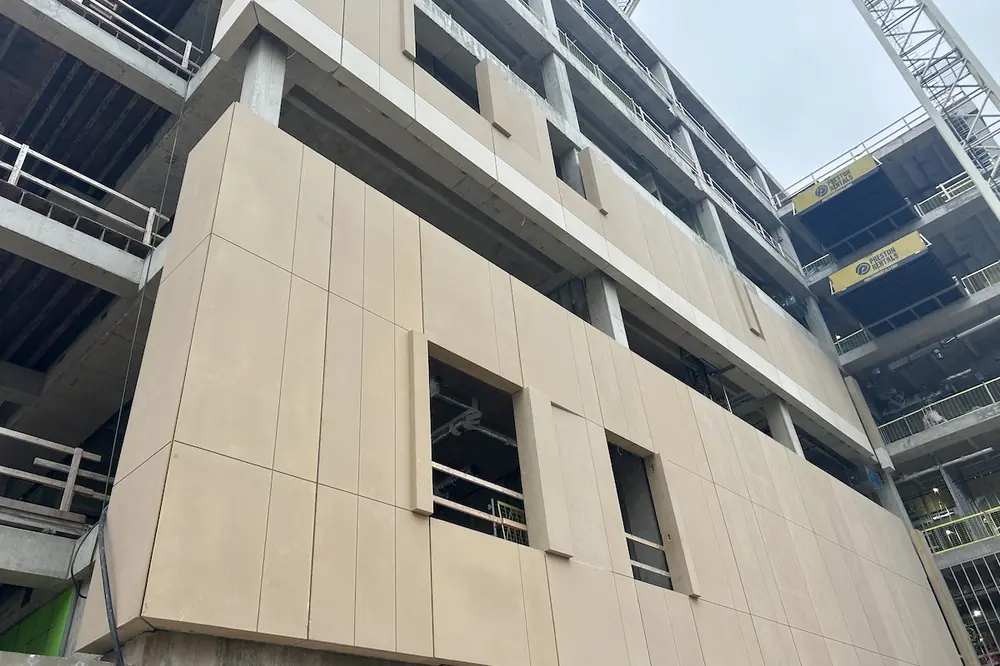
Instead of brick, the STEM building has architectural precast concrete panels across its facade. The building’s design matches the new dorm.
“The two facilities offer a more updated design,” Mattingly said.

| Your local Wirtgen America dealer |
|---|
| WI Clark |
| Dobbs Equipment (SC) |
| United Construction & Forestry |
He expects that future buildings on campus will follow the STEM building’s style rather than the red brick of the other university structures.
Constructing a major academic building on an active university campus has required extensive coordination.
The team has to keep foot traffic in mind as students and faculty bustle about. On top of that, there is significant traffic in the city of San Marcos, which has a population of over 91,000 as of January 1, 2026, and is expected to reach 110,000 by 2035.
On the STEM Classroom Building project, the team faces an additional challenge: working in a tight footprint.

| Your local Hyundai dealer |
|---|
| Equipment East |
“Our construction limits are very tight to our actual structure,” Mattingly said.
The space had greater limitations when construction began, as an adjacent contractor was building the dorm just north of the STEM Building. The two projects shared a construction fence.
The separate project teams had weekly meetings up until the dorm was completed.
“We would meet with their project management team and talk through major deliveries we both had, how we could coordinate deliveries, and how we could work together,” Mattingly said.

| Your local Esco Corporation dealer |
|---|
| Genalco |
Since the dorm was completed, a new project is underway just south of the STEM building. The teams are working through similar coordination efforts.
“The roadways are very tight out here, and the university has a lot of foot traffic, so it’s congested,” Mattingly said. “Pedestrian safety is the first thing on everybody's mind, so when we meet, we try to figure out how to reconfigure roadways.”
The team was adamant about minimizing the impact on the roadways. If a shutdown was necessary, it was thoroughly communicated to the university and other parties involved to ensure they were comfortable with what was to come.
“As part of the project’s kick-off, the university requested we present the traffic and pedestrian flow changes that were to come to the students at their dormitories, which is somewhat unique to Texas State,” Mattingly said. “Over pizza, we discussed how students would get around the project and where the foot traffic would be.”

| Your local Trimble Construction Division dealer |
|---|
| SITECH Northeast |
The team reconfigured a couple of roadways during the project.
“We worked with the university so faculty could retain access to a specific parking lot when we needed to use its roadway to install utilities,” Mattingly said. “The workaround was to build a temporary asphalt roadway so faculty could still access the lot, and we directed and maintained student foot traffic with water-filled barricades.”
Another example relates to the main delivery street, which is two lanes. The team has kept it open throughout the project.
“In order to keep traffic moving, we built our main construction entrance, a third lane, over a sidewalk,” Mattingly said. “This allowed the two-way traffic to continue flowing without shutting down any of those roads.”
| Your local Case Construction Equipment Inc dealer |
|---|
| Beauregard Equipment |
| Monroe Tractor |
The rigid construction limits have had additional impacts, which are exacerbated by working in a university setting.
The team was not permitted to take over an entire area, so they had to tie in with existing utilities.
“When it comes to shutting down systems, we work around class schedules, as our goal is to minimize the impact to Texas State, the faculty, the staff, and the students,” Mattingly said.
He explained that, on one occasion, the team performed an electrical shutdown on a building.
| Your local Case Construction Equipment Inc dealer |
|---|
| Beauregard Equipment |
| Monroe Tractor |
“They had some extended research projects going on,” he said. “So we were able to coordinate with the faculty and ensure we weren't going to impact any classes or ongoing projects.”
The great size of the precast panels used for the facade — weighing up to 23,000 pounds and ranging from 3 feet by 4 feet to 4 feet by 20 feet — is another unique element of the project. They have concrete insulation in the center, followed by another layer of concrete.
The team maintains a tower crane and a secondary trip crane on site. They have a timeline for when the two cranes have to be hooked up to hoist the panels.
“It requires significant coordination and communication between the crane operators, riggers, and whistlemen to ensure the panels are properly attached,” Mattingly said. “We coordinated the schedule for the lifts at the beginning of the project.”
| Your local Case Construction Equipment Inc dealer |
|---|
| Beauregard Equipment |
| Monroe Tractor |
Skanska classifies it as a critical lift, which automatically cues the team to increase the planning and coordination efforts.
This project is the first collaboration between Skanska and Texas State University. Skanska, however, has lots of higher education experience. Multiple team members, including Mattingly and the Lead Superintendent, worked together on higher education projects in San Antonio and Dallas, Texas.
The team hopes to continue working with Texas State University on future projects, building on the partnership established through this effort.
Skanska’s San Antonio office leads the Texas State project, and with an active presence in Austin, the team was able to draw on local resources and established relationships within the contracting community. These connections helped streamline team assembly.
| Your local Case Construction Equipment Inc dealer |
|---|
| Beauregard Equipment |
| Monroe Tractor |
The project is being delivered via the construction manager at risk delivery method.
The project has a construction budget of $102 million and is currently under budget, which Mattingly attributes to a well-planned and well-executed contract.
“We got the trades involved early in the design documents, and they were encouraged to communicate about what they saw and needed,” he said.
Construction on the project began in September 2024 and is currently scheduled to conclude in December 2026. The project is on schedule.
| Your local Case Construction Equipment Inc dealer |
|---|
| Beauregard Equipment |
| Monroe Tractor |
“A big reason is the preconstruction effort made by the project team of staying in close contact with the design teams and consultants to fill any kind of gaps through that design phase,” Mattingly said. “We made sure that all items were covered, so the trades are squared away from the start and know how this project's going to get executed.”
When complete, the STEM Classroom Building will bring Texas State University’s STEM departments together under one roof, creating a centralized destination for students and faculty while supporting the university’s next phase of growth.
- Owner: Texas State University System
- General Contractor: Skanska USA Building, San Antonio, Texas
- Architect of Record: PGAL Inc., Houston, Texas
- Engineer: Guerra Engineering, Austin, Texas; Datum Rios, San Antonio, Texas; Garza EMC, Austin, Texas; Ayers Saint Gross, Baltimore, Maryland
- Other Contractors: Datacom Group, Austin, Texas; Coleman & Associates, Austin, Texas