
Across the country, state departments of transportation are continuing the shift from legacy NCHRP 350 crash-testing criteria to the newer MASH (Manual for Assessing Safety Hardware) TL-3 standard for roadside safety hardware.
For contractors working on highways and heavy construction, this transition is no longer just a specification issue. It affects material availability, installation methods, equipment needs, traffic control planning, and overall project execution.
NCHRP 350 was developed in the 1990s based on vehicle sizes, weights, and roadway conditions that differ from those on today’s roads. Passenger vehicles are heavier, SUVs and pickups dominate the market, and highway speeds increased in many regions. The MASH TL-3 standard was introduced to reflect more current crash conditions and performance expectations for roadside safety protection.
From a safety standpoint, the shift is understandable. From a project delivery standpoint, however, it creates new pressures. Many barrier systems that were developed and tested under NCHRP 350 criteria do not automatically meet current MASH requirements. In some cases, they must be modified, retested, replaced, or phased out as state requirements take effect.
The biggest impacts of this shift are often practical.

| Your local Hyundai dealer |
|---|
| Equipment East |
Availability can be a challenge, especially when MASH-compliant options are not yet widely distributed or where state approval lists are still evolving.
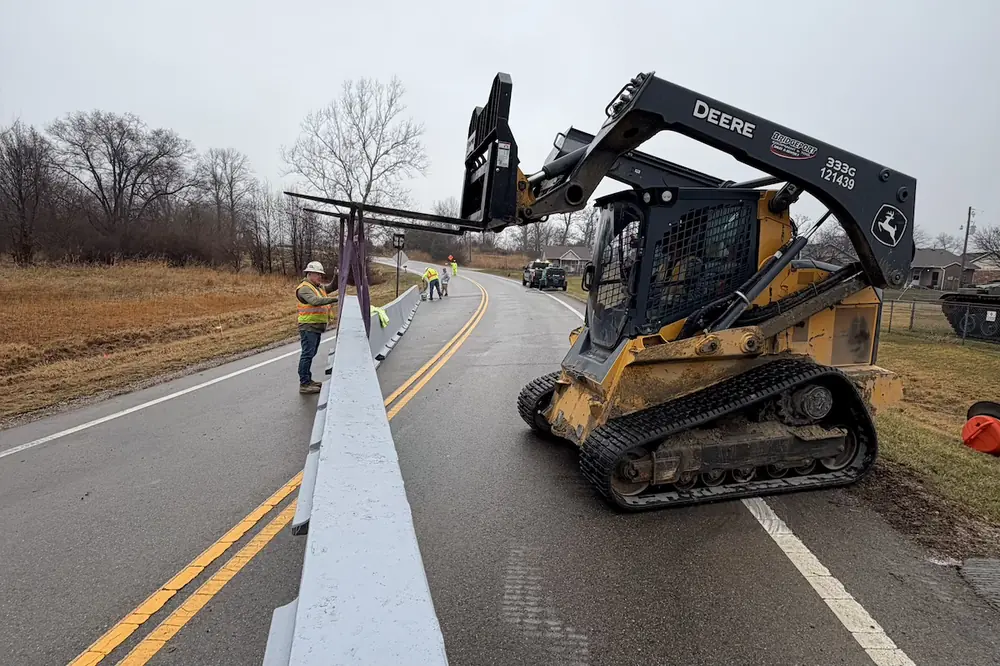
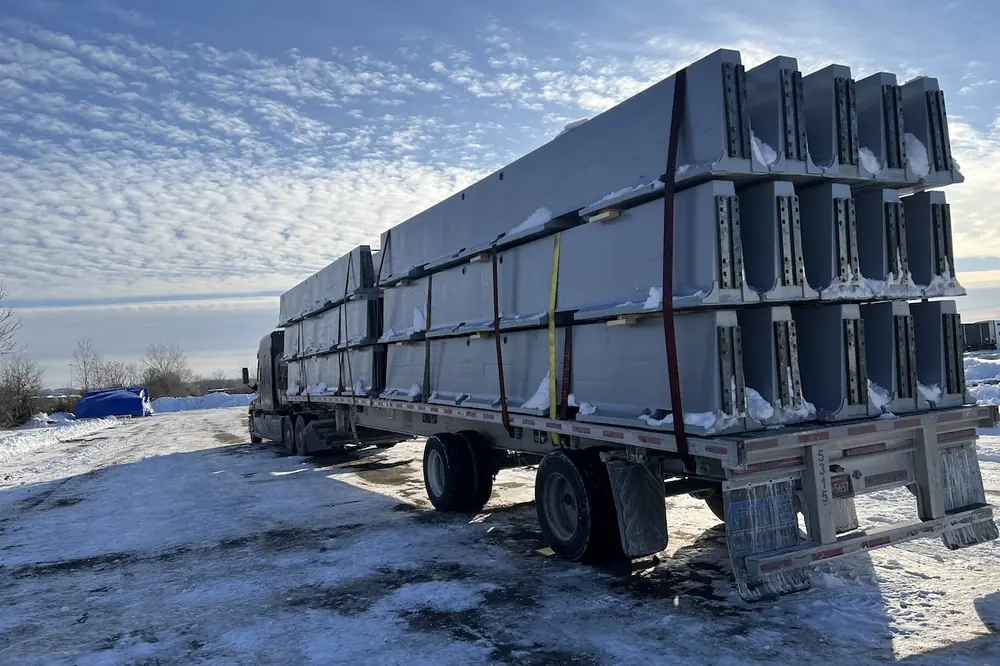
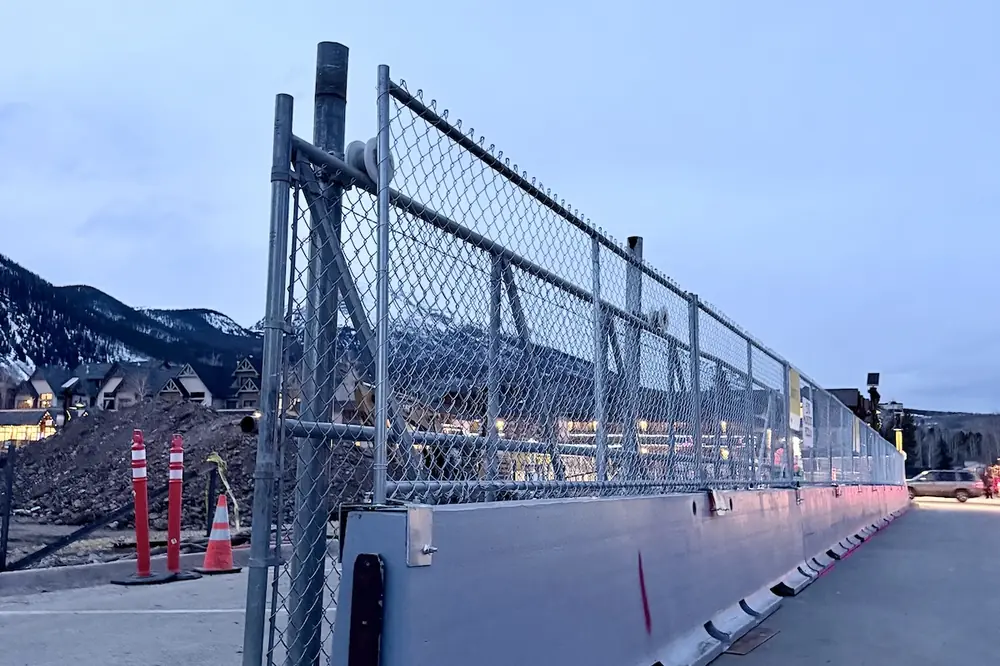
Installation logistics are another issue. Traditional precast concrete barriers can weigh between 8,000 and 10,000 pounds and require significant equipment for transport and installation. Moving, staging, and resetting them often involves cranes or large loaders, adding cost and complexity. On projects with tight staging areas, limited closure windows, or multiple traffic shifts, those requirements can add labor, fuel use, coordination time, and cost.
Those challenges tend to compound on phased jobs. If a barrier system must be moved several times during construction, the time and equipment required for each reset can become a meaningful part of the work zone plan, not just a minor line item.
Work zone safety is often discussed in terms of impact performance, durability, and compliance. Those remain essential. But contractors also know that safety is influenced by how efficiently a system can be deployed and reconfigured.

| Your local Esco Corporation dealer |
|---|
| Genalco |
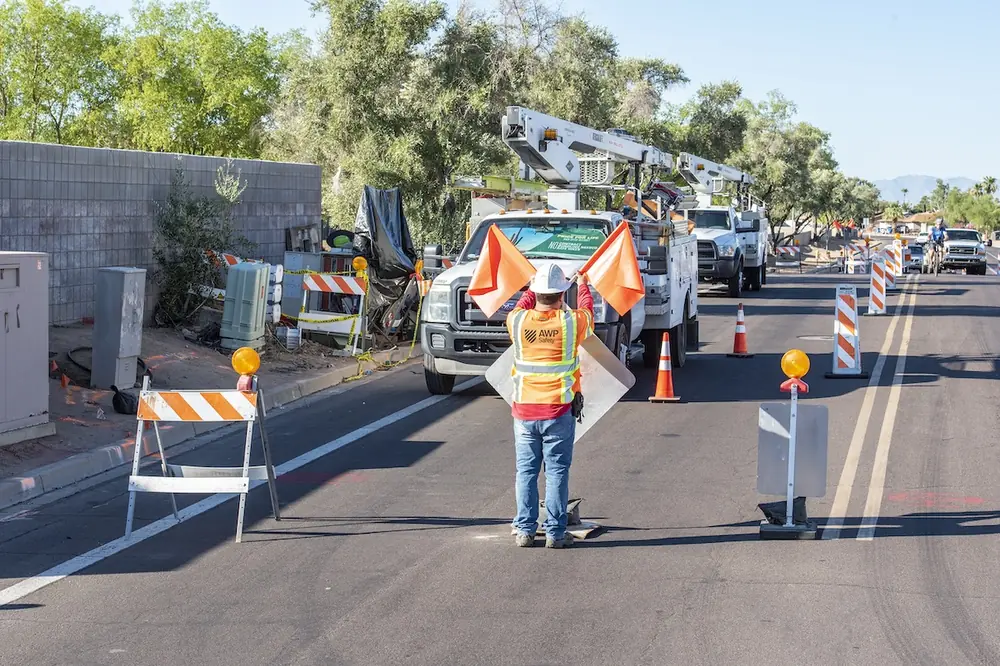
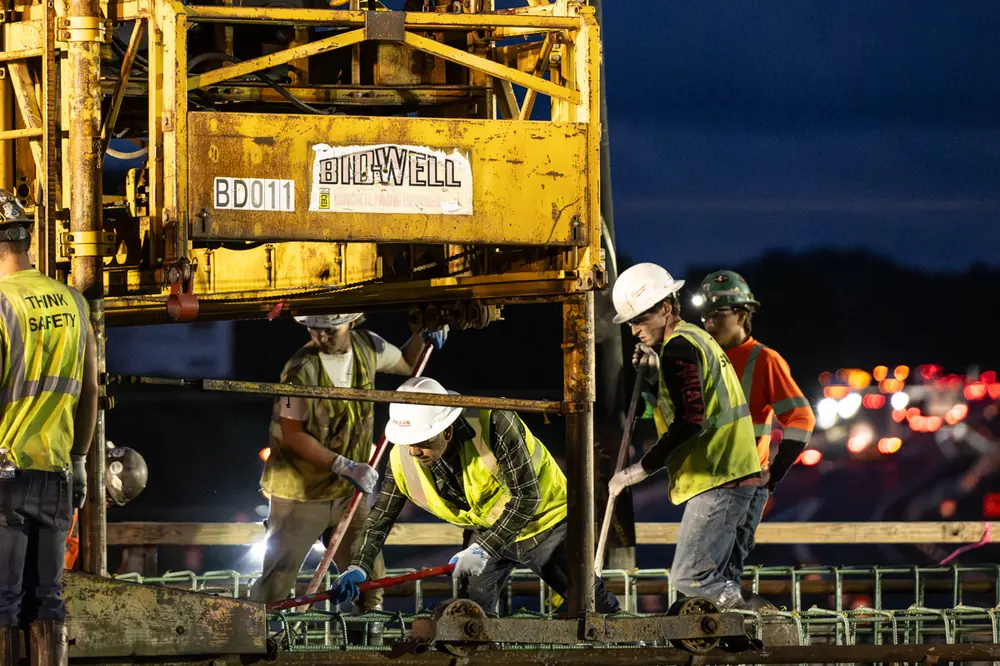
Shorter installation times can reduce worker exposure in live traffic. Simpler handling can reduce dependence on heavy equipment and the risks that come with repeated lifting and repositioning. On urban jobs or night work, the ability to install or shift protection quickly can also help minimize lane closure duration and traffic disruption.
There is also a driver-facing consideration. In narrow work zones, even modest differences in barrier width or profile can affect available operating space, especially for trucks moving through temporary traffic control setups.
As agencies and contractors adapt to MASH requirements, more attention is being paid to barrier systems that approach performance differently. One area of interest is alternative materials, including composites.
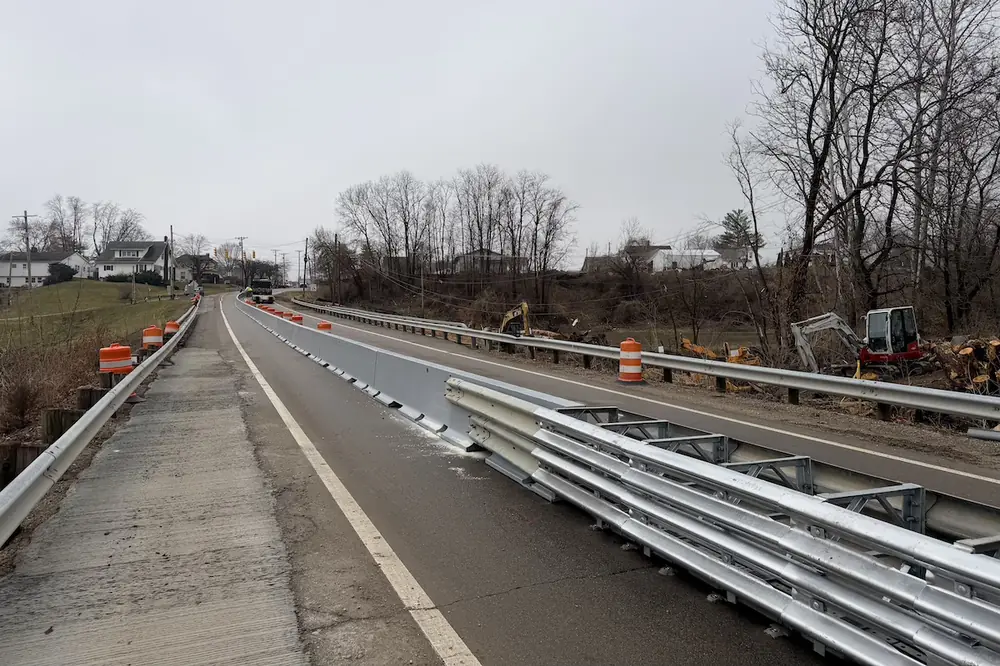
These systems do not rely on mass in the same way traditional concrete barriers do. Instead, they use engineered materials to achieve required performance characteristics through a different design approach. In many applications, that offers advantages in transport, handling, installation flexibility, and equipment demands.

| Your local Case Construction Equipment Inc dealer |
|---|
| Beauregard Equipment |
| Monroe Tractor |
However, that does not make them the right answer for every project. Concrete, steel, hybrid, and other barrier systems will continue to have important roles depending on project conditions, agency approval, duration, and site constraints. But the broader point is that contractors now have stronger reason to evaluate systems not only on unit price, but also on labor, installation time, reset frequency, equipment needs, and overall project risk.
One of the ongoing challenges in this transition is that adoption is not uniform. Implementation timelines and approved-product lists still vary by state, and eligibility at the federal level does not necessarily mean immediate acceptance on every project.
For contractors, that means early coordination matters.
Before bidding or mobilizing, teams should have a clear understanding of:
- Current department of transportation specifications
- Approved barrier products for the state or agency
- Lead times and availability
- Installation requirements
- Reset and removal needs over the life of the project

| Your local Wirtgen America dealer |
|---|
| United Construction & Forestry |
| WI Clark |
| Dobbs Equipment (SC) |
The transition to MASH will continue gaining momentum. Federal policy has accelerated adoption, but implementation still varies from state to state. Some agencies are moving quickly, while others are taking a more gradual approach based on cost, availability, and approved-product timelines.
For contractors, that means the challenge is not only meeting updated crash-performance requirements but also understanding how those requirements affect project delivery over time. Evaluating a barrier system based only on upfront price may not capture its full impact on labor, equipment, installation time, traffic control, reset frequency, and worker exposure. As more agencies and contractors work through the transition, lifecycle cost is becoming a more important part of the conversation alongside initial bid price.
Products still must meet the required MASH performance criteria and agency approvals, but the broader industry question is shifting from “What does this cost to buy?” to “What does this cost to install, move, maintain, and manage over the life of the equipment?”
Contractors who account for both compliance and total lifecycle cost will be better positioned as specifications continue to evolve.

| Your local Volvo Construction Equipment dealer |
|---|
| Tyler Equipment |
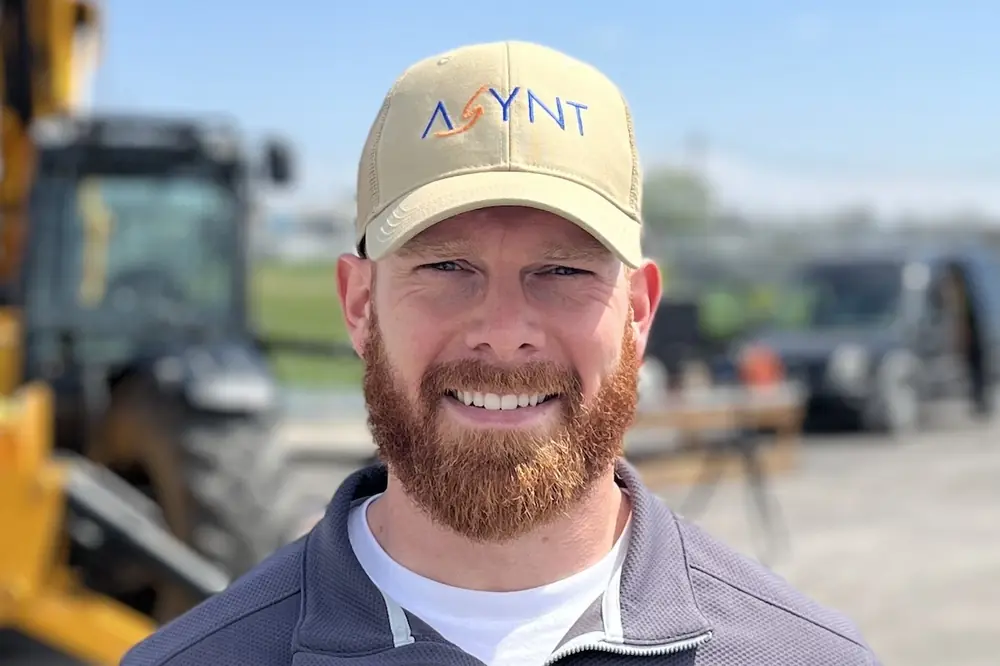
Archie Scott III is the Founder and CEO of Asynt Solutions, an advanced materials company focused on infrastructure safety through composite technologies.