

Introducing a new product into heavy construction is rarely as simple as demonstrating that it performs better on paper. Contractors need to consider how that product will affect an active project, from installation and equipment requirements to crew training and day-to-day execution.
Heavy construction is built around proven processes, so construction firms are understandably cautious about introducing unfamiliar technology on active projects. A new product must solve a practical job site problem without creating unnecessary risk or forcing crews to completely change how they work.
For many infrastructure products, field validation starts before a contractor has the opportunity to use them.
Roadside safety products, for example, typically require rigorous crash testing, followed by approval from a state department of transportation before they can be widely used on public projects.
That process can include pilot projects that allow the agency to evaluate how a product performs under actual field conditions, not just in a controlled testing environment. Pilot requirements can vary by agency, ranging from a single successful project to multiple projects across different districts or longer evaluation periods.

| Your local Gomaco dealer |
|---|
| Gomaco -Contact For a Dealer Near You |
A successful pilot can help a product move toward broader agency approval. Passing that process is an important milestone, but it doesn’t answer every question a project team may have about using the product on an active project. Agency approval determines whether a product can be used, but contractors determine how well it fits the realities of their work.
For an initial use, a relatively straightforward project can provide an opportunity to assess the product without adding unnecessary complexity to an already demanding job. Starting with a manageable application allows the crew and project team to build familiarity with the product before considering it for larger or more complex projects.
Evaluation of new products and technology should start with the people who will eventually use it. They understand practical problems that may not be obvious from an engineering drawing or laboratory test because they deal with job site limitations every day.
Their feedback can help decision makers determine whether a new product solves those problems or introduces additional complexity.

| Your local Metso Minerals Industries Inc dealer |
|---|
| PacWest Machinery |
| Westate Machinery Co |
Before adopting a product, evaluate how well it fits into existing operations, including:
- What does mobilization to and from the job site look like?
- Does it improve the safety of our crew?
- How much training will the crew need?
- How easily can it be moved or removed as the project changes?
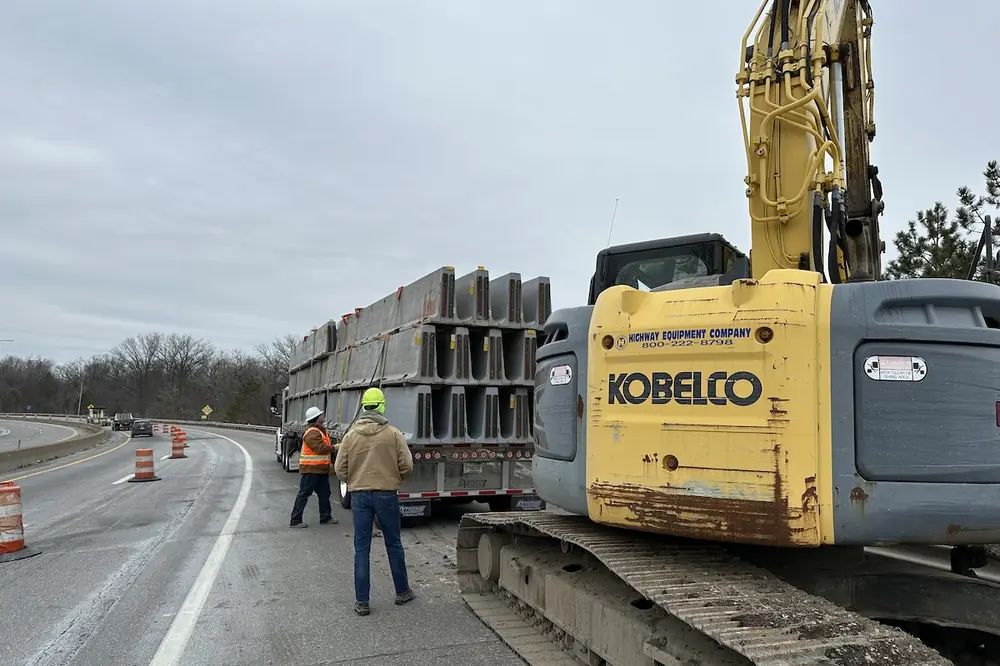
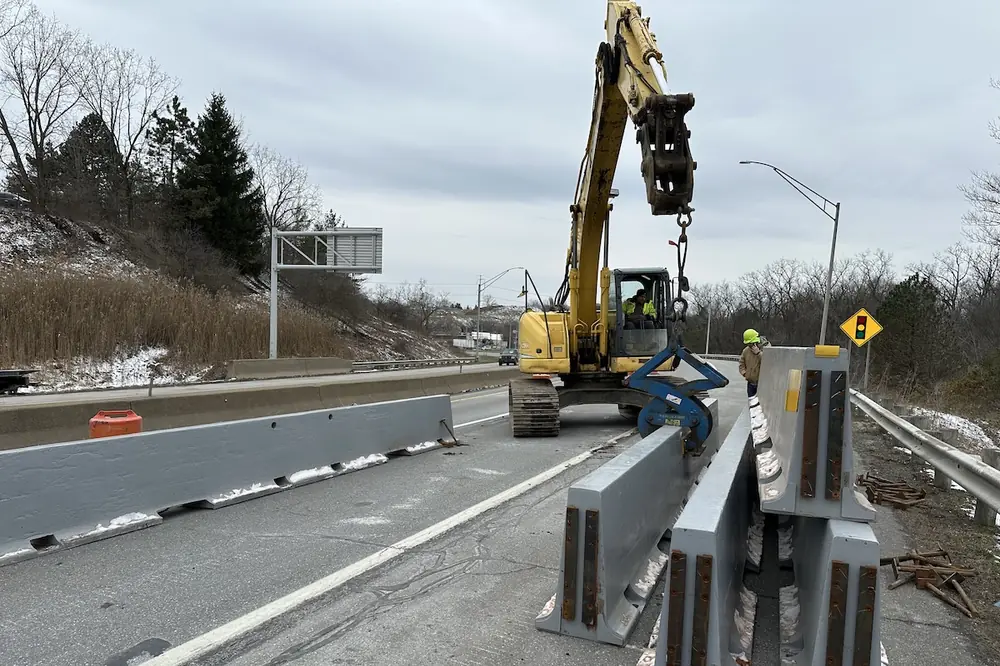
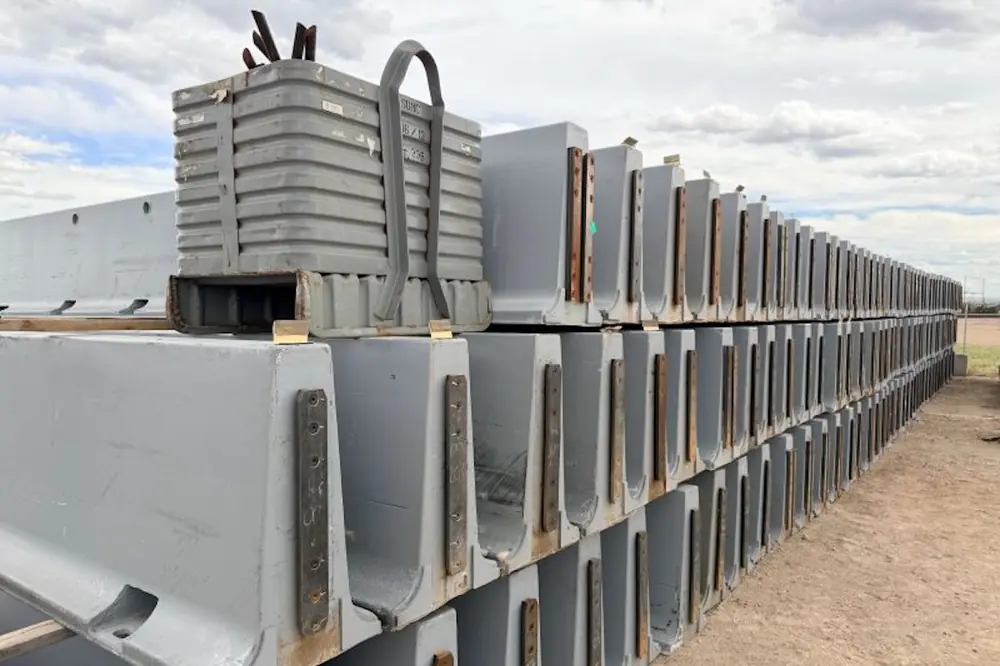
For products like temporary traffic barriers, something as specific as whether crews can use forks or need specialized equipment affects the first installation. Project teams should consider whether the product fits into a familiar workflow or requires crews to substantially change how they perform the work.
Product performance extends beyond its primary function. For instance, for temporary work zone equipment, the experience starts when the truck arrives. Crews interact with the equipment throughout the project, from unloading and installation through repositioning, maintenance, and eventual removal.
That "cradle to grave” view is particularly important when evaluating safety. In roadway construction, many job sites require live unloads, so crews may be setting up equipment while traffic continues to move beside them. Every additional delivery, lift, or handling step affects how long crews spend working alongside live traffic.

| Your local Trimble Construction Division dealer |
|---|
| SITECH Northwest |
For temporary barriers, impact performance remains critical, but it's one part of a much longer interaction between the product and the crew. Worker exposure begins before the barrier is ever in position and continues throughout the project.
Looking at the full process reveals safety and operational considerations that may not be apparent from a single performance measure. Those considerations should factor into product comparisons, labor and equipment estimates, and traffic control plans.
The first project gives contractors an opportunity to evaluate both the product and the company behind it.
Preparation starts before the product arrives. The project manager needs to understand what the installation will require and make sure the right equipment and resources are onsite.

| Your local Superior dealer |
|---|
| Westate Machinery Co |
Before adopting a new product, confirm its equipment, manpower, and training requirements, as well as what installation guidance and field support will be available. Those details can determine whether the product integrates smoothly into the project or creates avoidable complications during its first use.
That support becomes especially important when the person who selected or bid the product is not the person managing it in the field. The equipment, manpower, and installation requirements discussed earlier in the process need to carry through to that handoff.
The product may perform exactly as expected, but the best adoptions also include an easy-to-manage process.
Getting through that first project is only part of the adoption process.
| Your local Gomaco dealer |
|---|
| Gomaco -Contact For a Dealer Near You |
Crews may install a new product successfully the first time, but efficiency develops with experience. By the second or third project, loading and installation become more familiar. Maintenance and repair considerations become clearer over time. Crews know what to expect, and the project manager has a better understanding of what needs to be coordinated.
Repeat use shows whether efficiencies seen on the first project continue consistently through subsequent projects. That experience can also inform future bids and help determine whether the product is a fit for larger or more complex jobs.
Bringing new technology into construction requires more than technical performance. Contractors need to understand how a product will affect the entire project, from mobilization and installation to maintenance and removal.
Teams ultimately decide where a new product fits based on how it performs in the field. The products that earn repeat use are the ones crews can put to work without introducing unnecessary complexity to the job.
| Your local Gomaco dealer |
|---|
| Gomaco -Contact For a Dealer Near You |
Starting with a manageable application allows companies to build confidence over time and make more informed decisions about where an innovation fits on future projects.
Archie Scott III is the Founder and CEO of Asynt Solutions, an Ohio-based advanced materials company developing composite infrastructure technologies for roadway safety. He is a mechanical engineer and Forbes “30 Under 30” honoree.