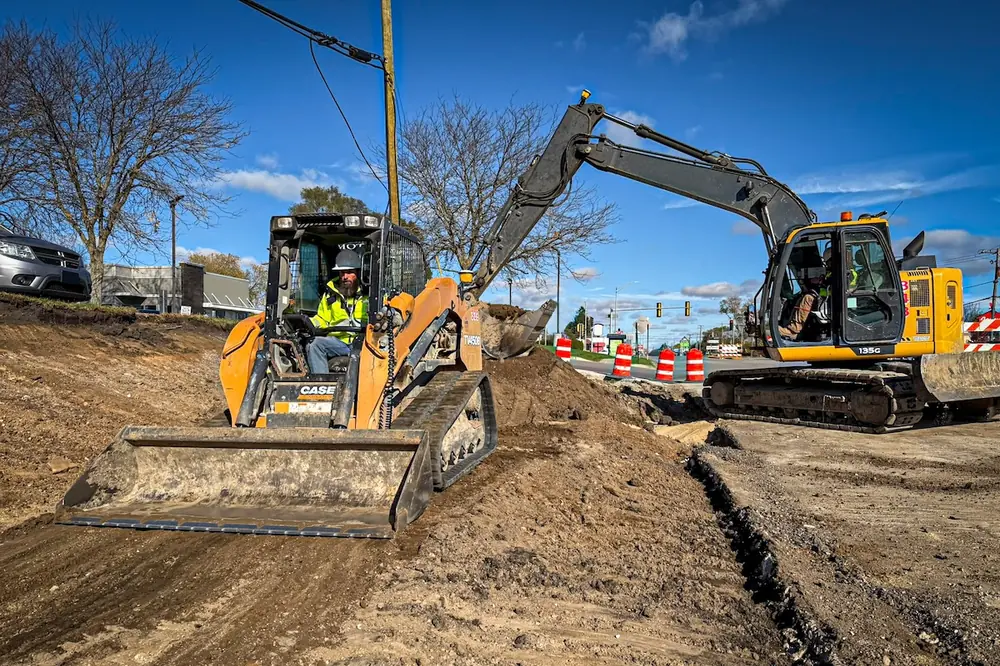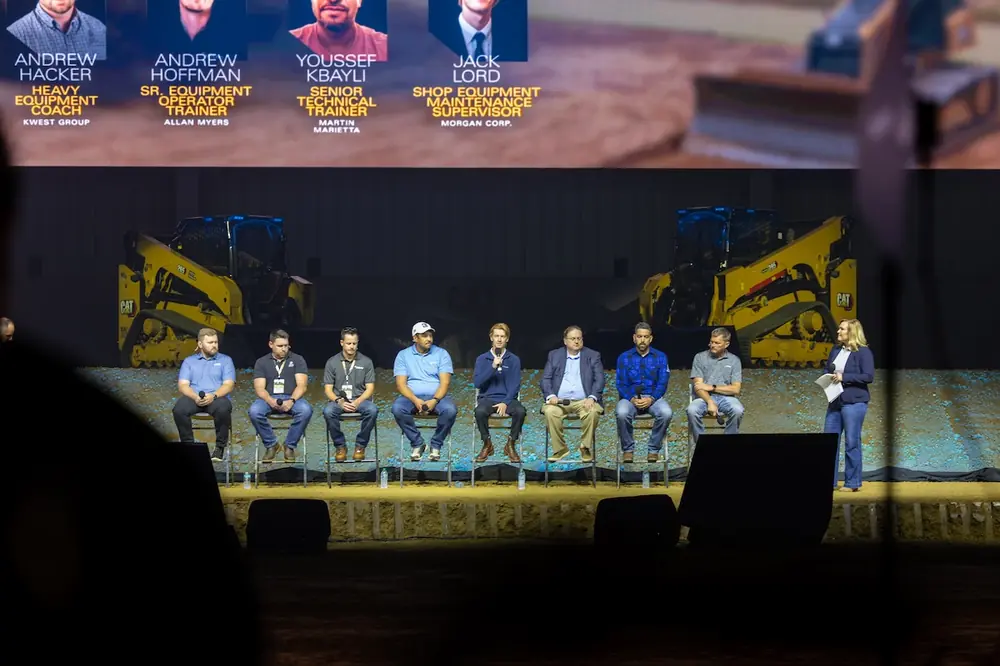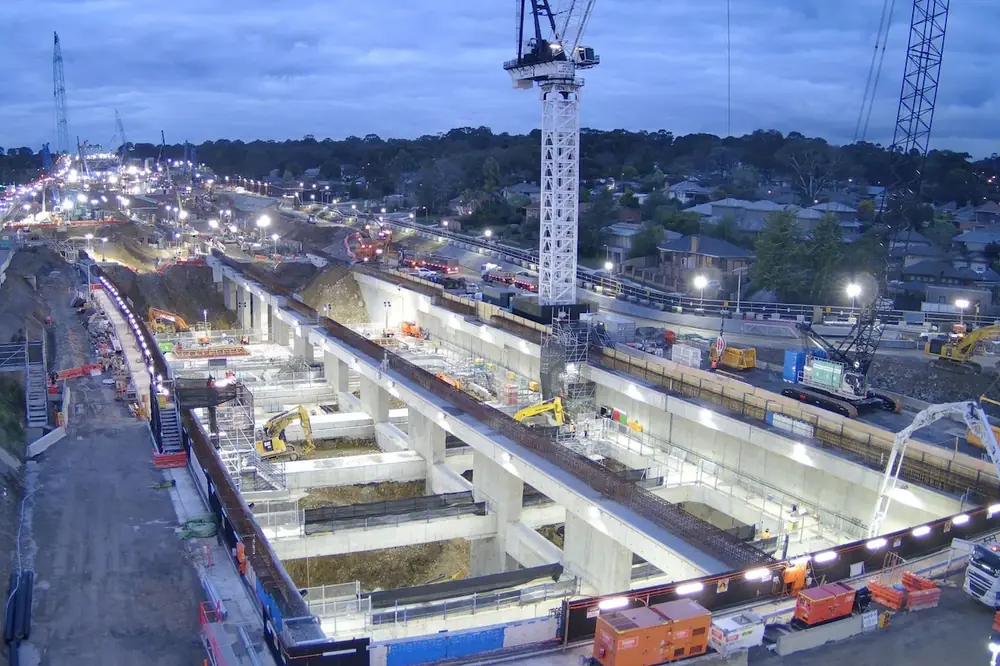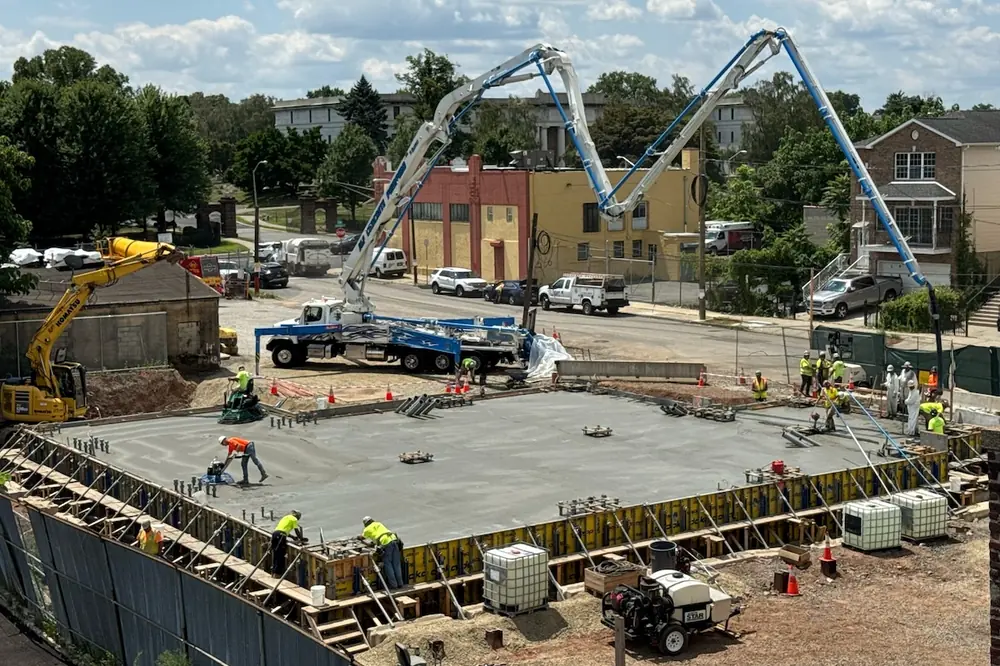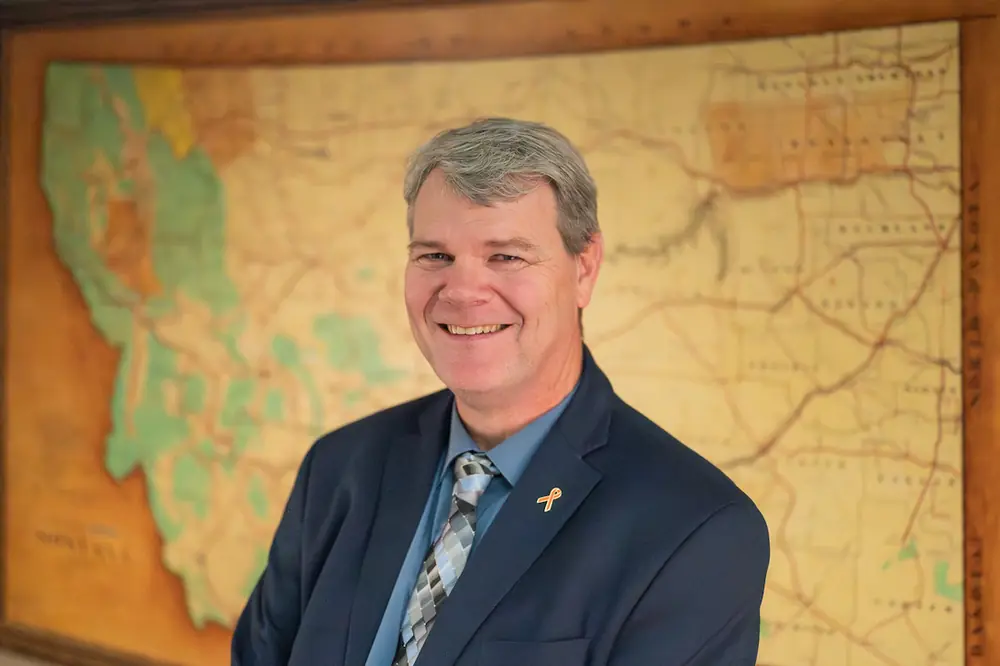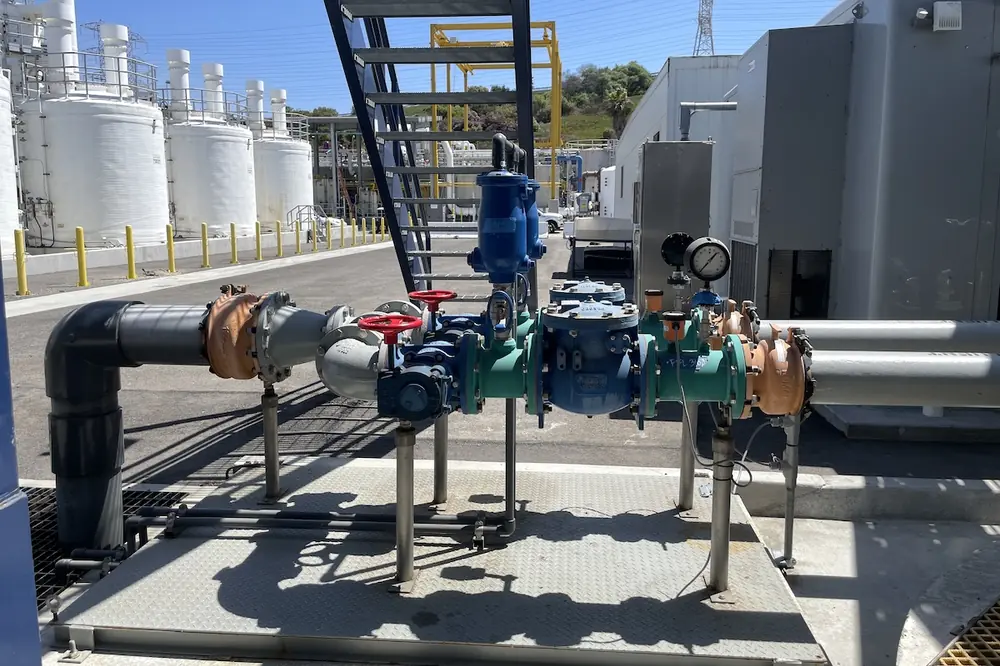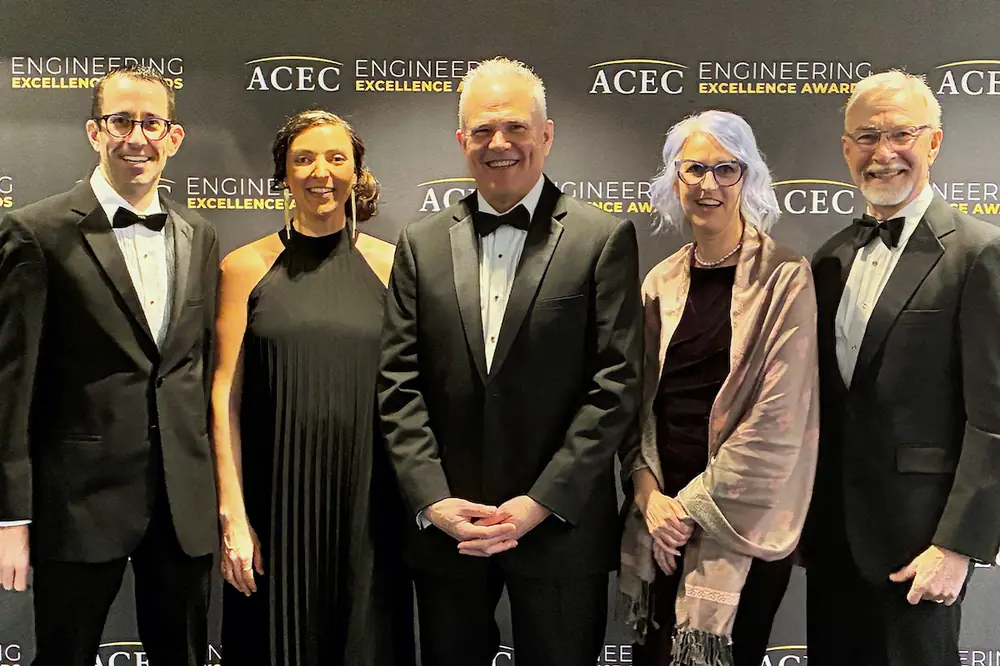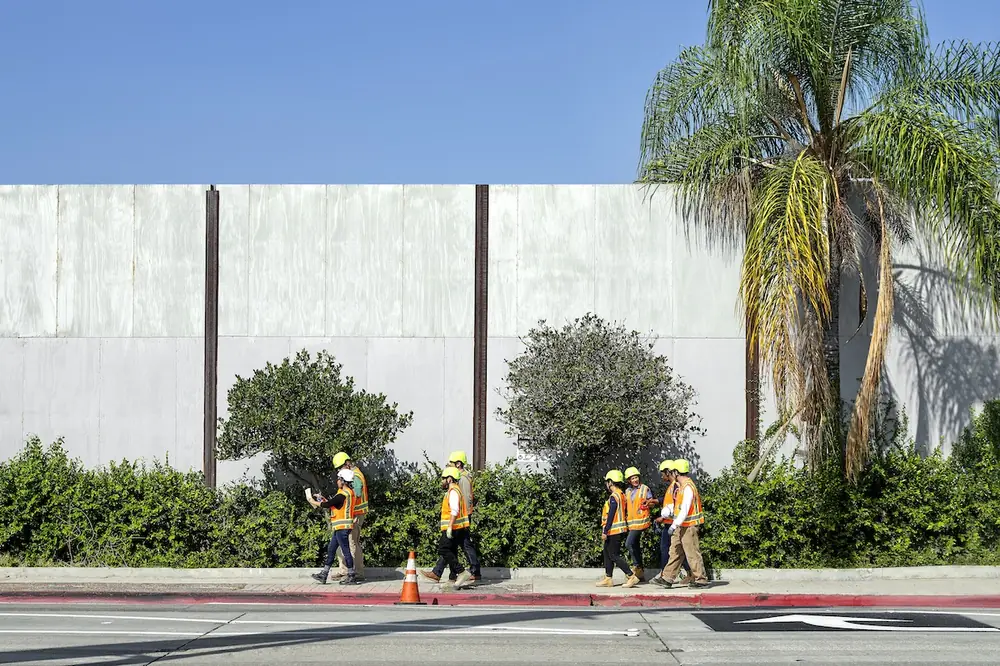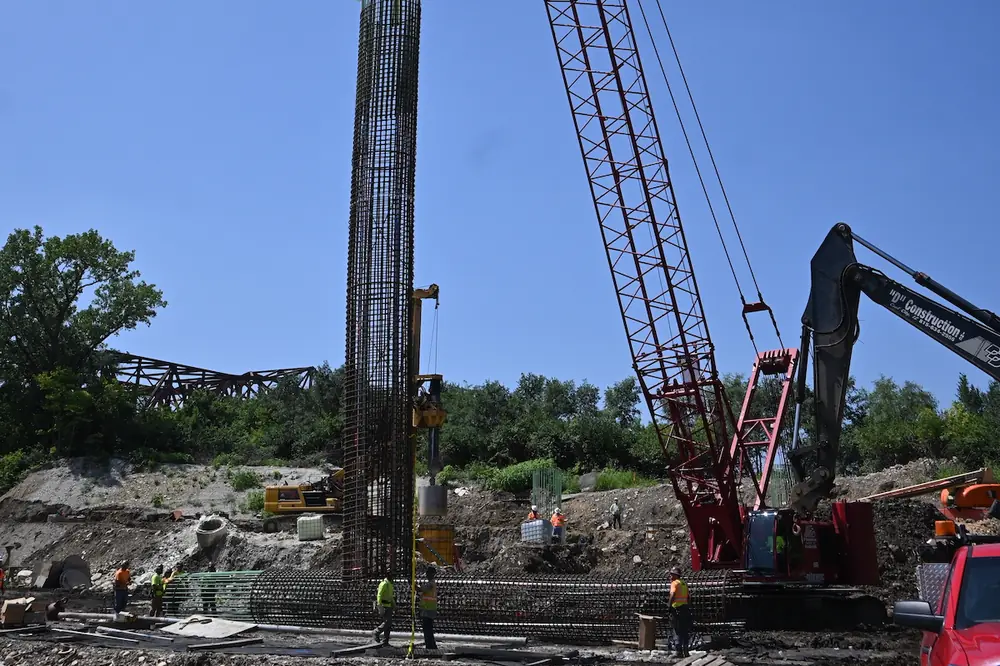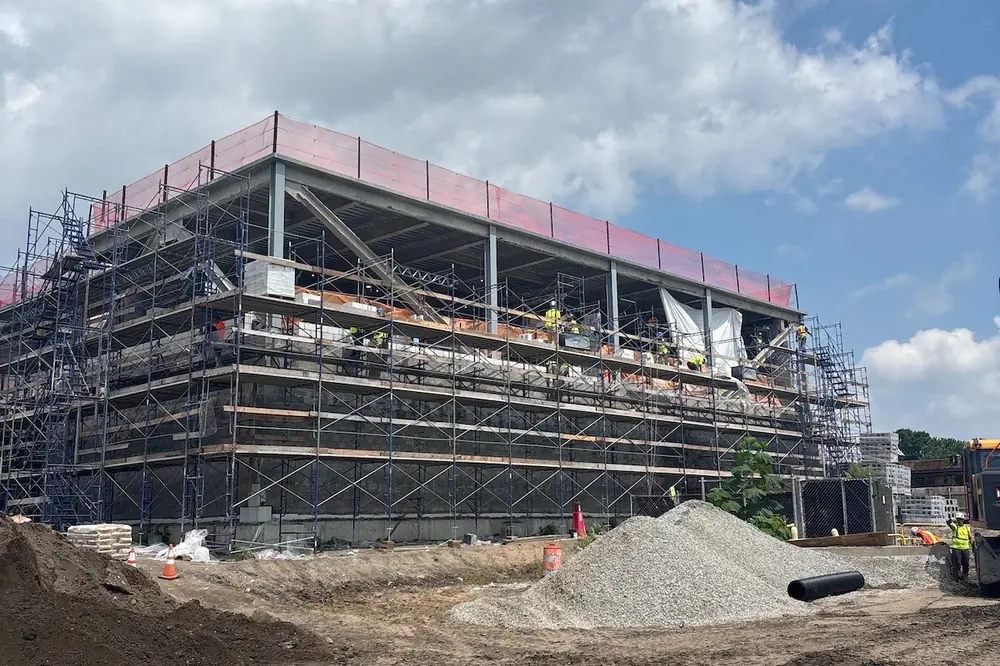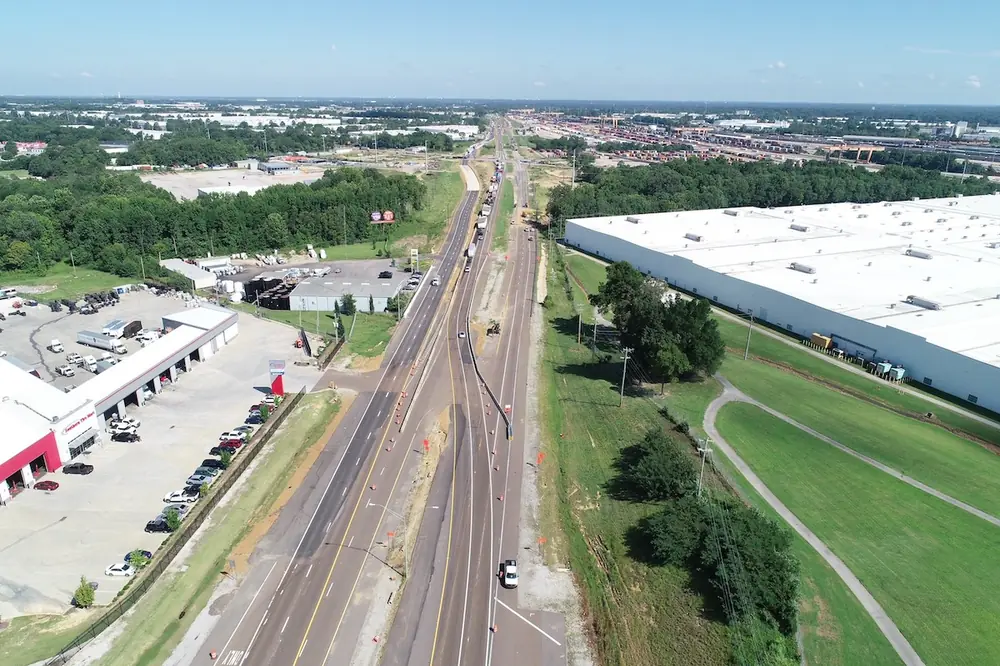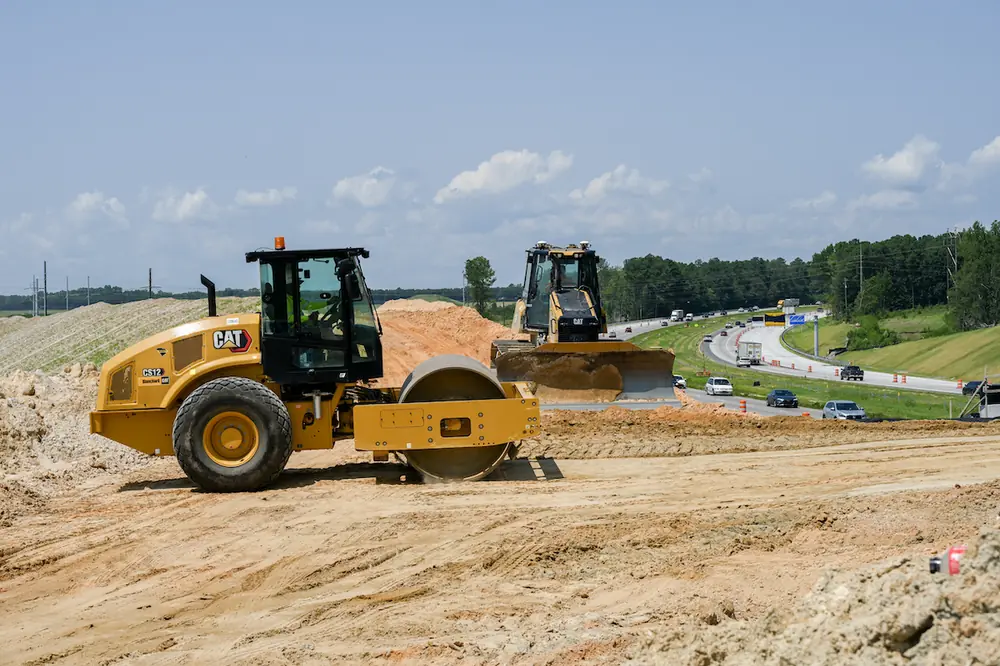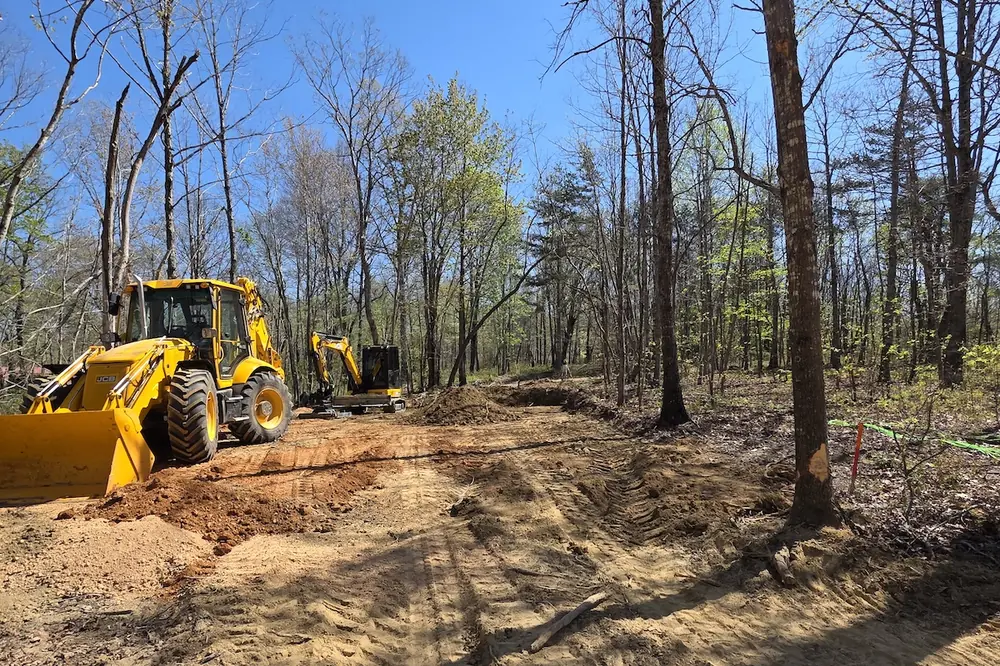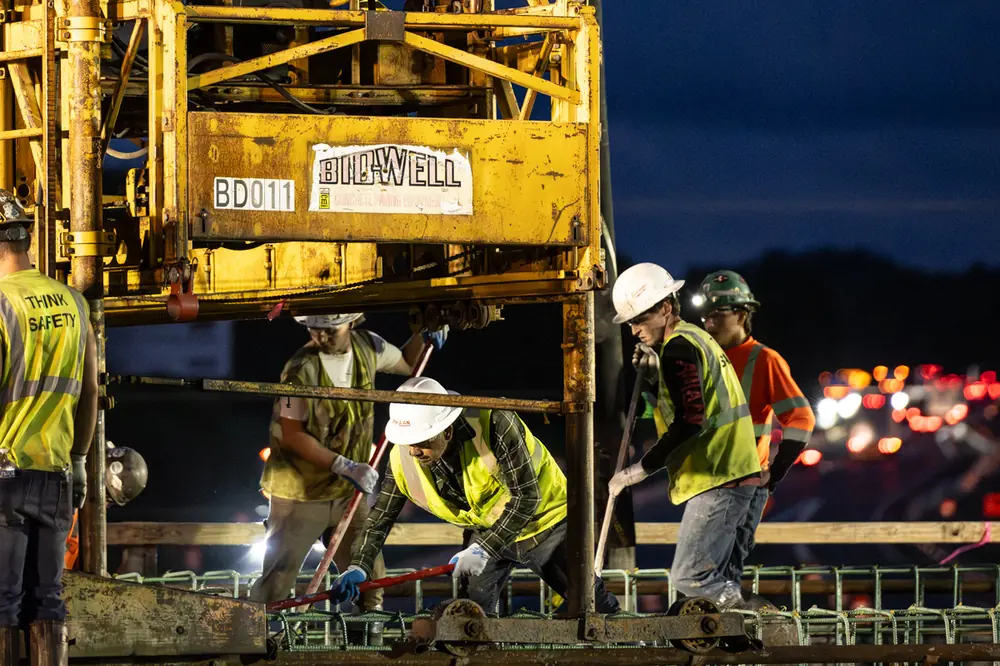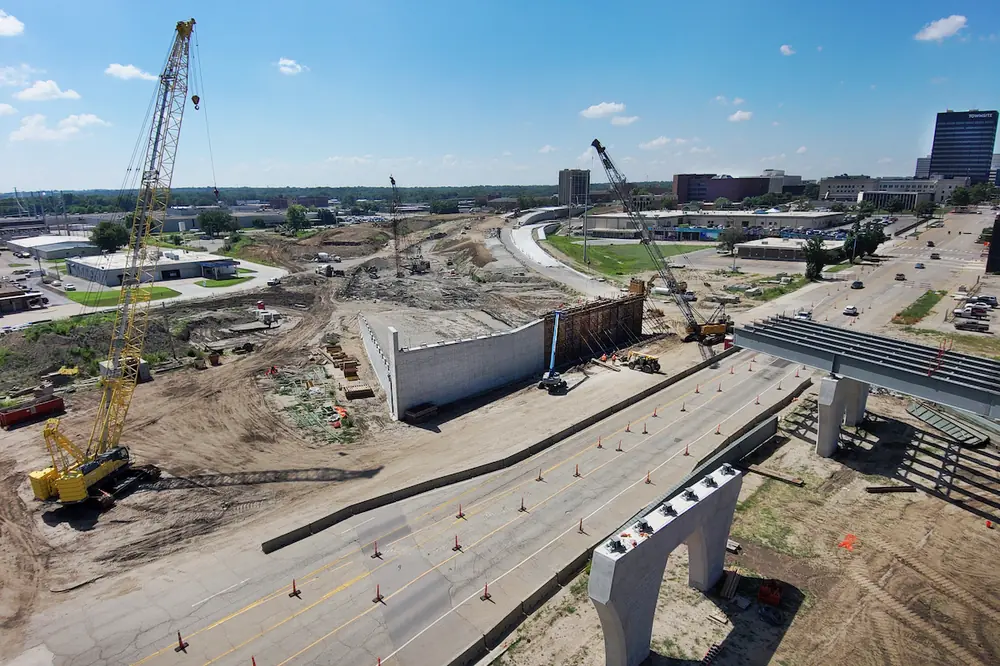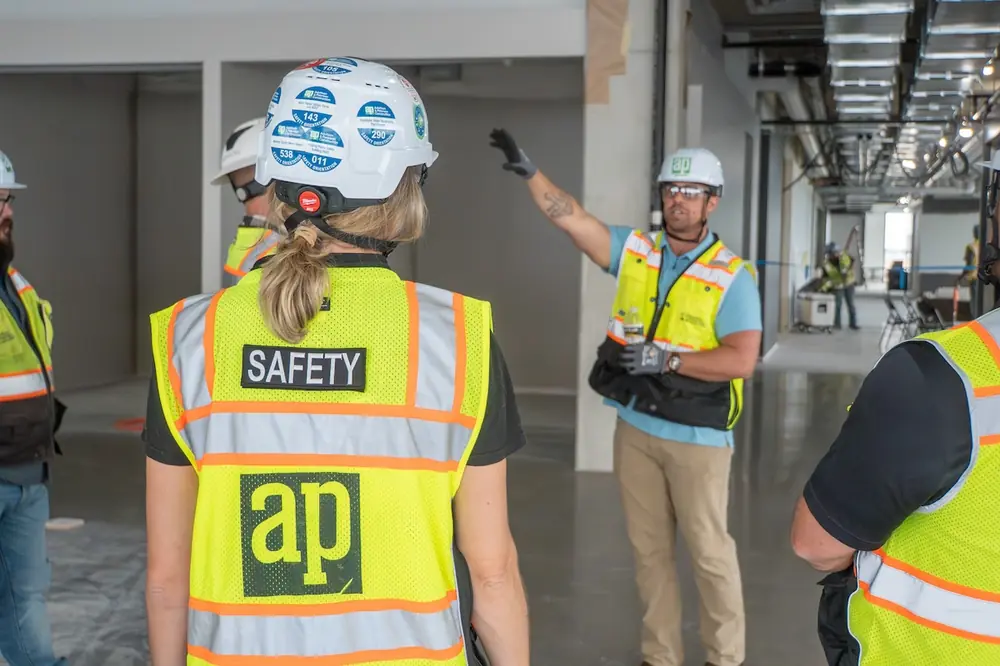
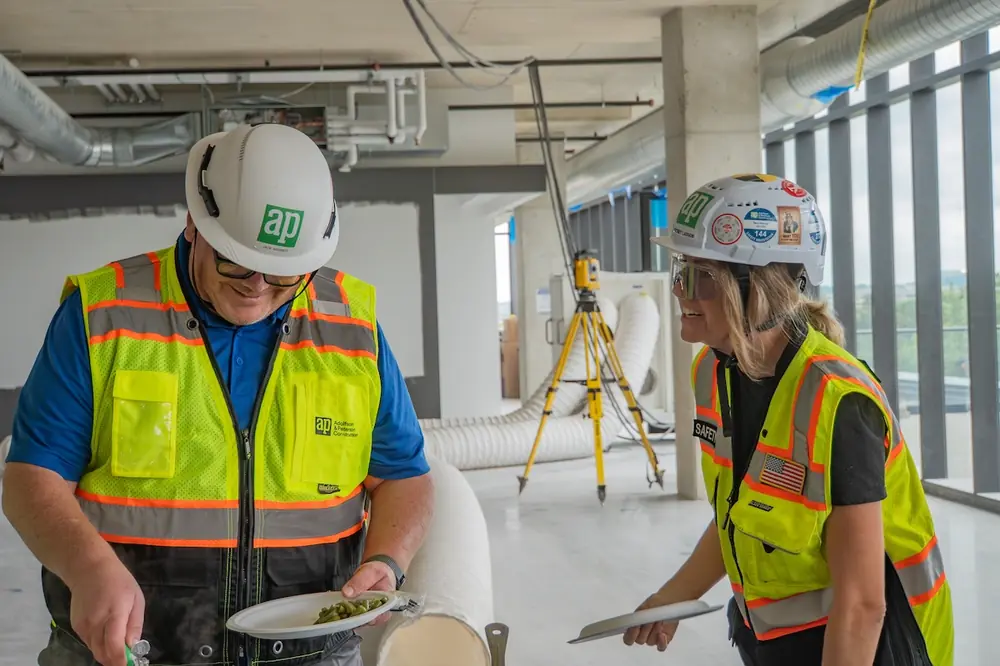
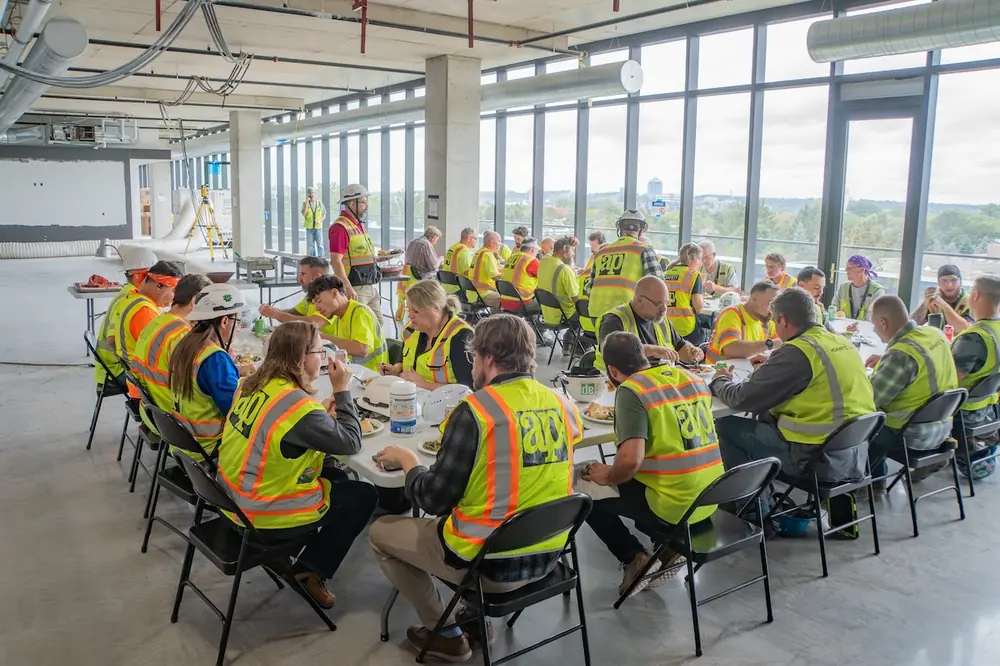
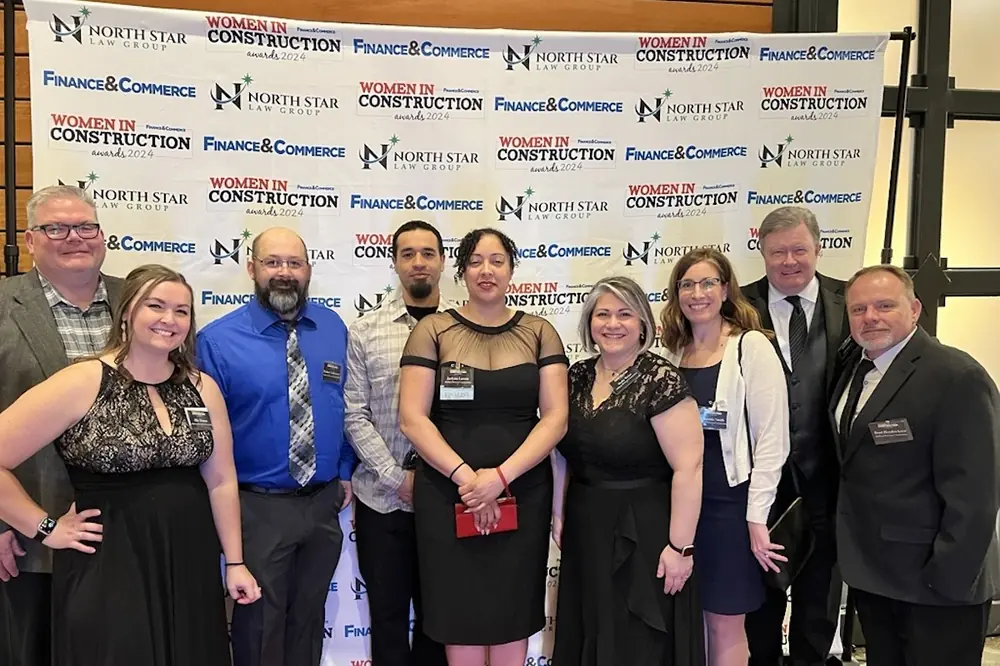

I started in construction more than 26 years ago as a laborer. I knew I wanted to become a superintendent and had a clear idea of where I hoped to go. What I couldn’t have predicted was the path that would take me from laborer to foreman, superintendent, and, today, director of field operations.
I didn’t make that progress on my own. Throughout my career, people gave me opportunities before I felt ready for them. They helped me see what I needed to learn and trusted me with more responsibility. Sometimes that meant traveling to a project where the person I normally turned to for guidance was no longer nearby. I had to make decisions, solve problems, and learn to trust my own judgment.
Some of those experiences felt like being pushed out of the nest, but they were also the moments that helped me grow the most. Construction needs more of those moments today.
Our industry spends a lot of time talking about the skilled labor shortage, and for good reason. Associated Builders and Contractors estimated that construction must attract 456,000 new workers in 2027 to meet demand. In a 2026 survey by Associated General Contractors of America (AGC) and the National Center for Construction Education and Research (NCCER), 87 percent of firms reported openings for hourly trade workers. Among firms with trade openings, 88 percent said those positions were as hard or harder to fill than a year earlier.
Getting someone onto a job site is only the beginning. In the AGC/NCCER survey, 83 percent of firms reported at least some turnover among new field employees during their first 90 days. Respondents most often pointed to a mismatch between workers’ expectations and the realities of construction work. That makes the first few weeks on the job an important opportunity to set expectations, offer guidance, and help people see a future in the industry.

| Your local Trimble Construction Division dealer |
|---|
| SITECH Northwest |
Contractors are investing in development. Over the past year, 35 percent of firms surveyed by AGC and NCCER started or increased spending on training and professional development, while 25 percent implemented or increased in-person, onsite training. Formal training gives people a foundation, but much of their growth happens when someone gives them a chance to apply it during a normal workday.
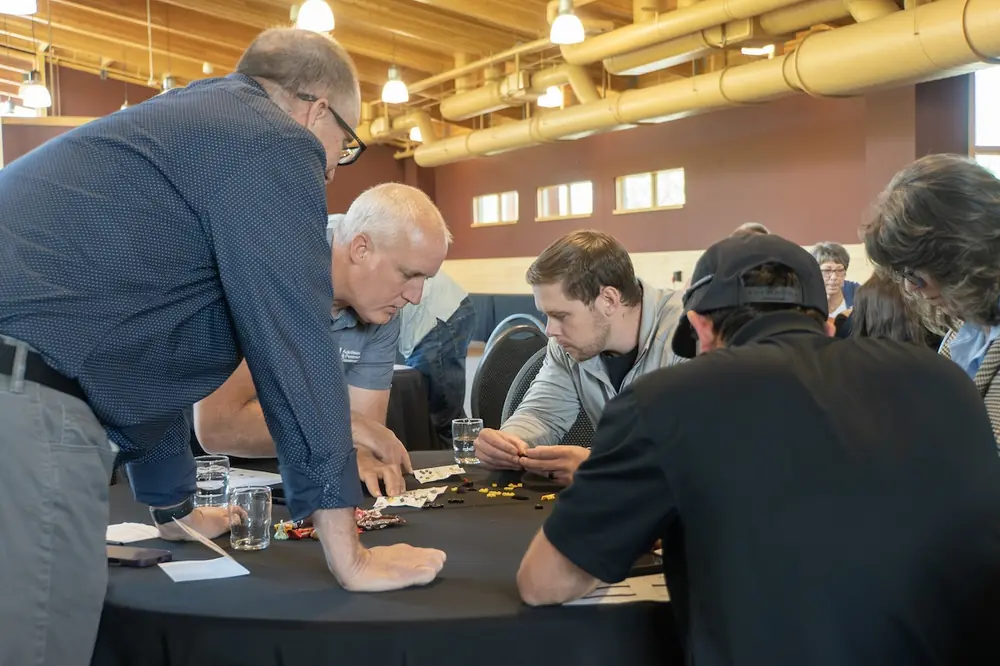
That might mean a superintendent asking someone to take responsibility for part of a project instead of handling it themselves. Or a foreman explaining not just how to do a task, but why it’s done that way. It can be as simple as sitting down with an employee and asking, “Where do you want your career to go?”
Those conversations help leaders understand what someone needs next. One person may be technically strong but needs experience leading others. Another may need to get more comfortable making decisions. Someone else may benefit from a training or from learning a different part of the job.
A leader’s job is to recognize those needs and give people the chance to develop. That’s not always easy. When the schedule is tight, an experienced leader can often get something done faster by taking it on themselves. It can be tempting to say, “I’ll handle it.”

| Your local Metso Minerals Industries Inc dealer |
|---|
| PacWest Machinery |
| Westate Machinery Co |
When we always do that, others miss their chance to learn. Teaching takes time, and sometimes the work moves a little slower. It’s worth that time if the next person is better prepared when we need them.
One of the most important lessons I’ve learned is that people need room to make decisions. That doesn’t mean leaving someone on their own or setting them up to fail. It means giving them a problem to work through, staying close enough to help, and talking through what happened afterward.
There’s a clear line between giving someone room to learn and allowing an unsafe situation to develop. Safety must come first. New employees need a thorough introduction to the work, regular safety training, and experienced people they feel comfortable turning to.
We can’t remove every hard decision or every uncomfortable moment. Some of the best learning happens when people work through a problem themselves. Others gave me that chance throughout my career, and I try to do the same for employees who want to take the next step.

| Your local Superior dealer |
|---|
| Westate Machinery Co |
When experienced workers are hard to find, contractors need to recognize potential in people who are new to construction. Experience matters, especially when safety and quality are on the line. But it isn’t the only thing worth looking for.
Pay attention to how someone shows up. Do they ask questions? Are they willing to learn? Do they take feedback seriously? You can teach someone how to do the work, but those habits make a difference in how far they’ll go.
Someone early in their career may also bring an openness to learning how and why we do things. That only works if experienced people take time to answer questions, demonstrate good practices, and give honest feedback.
Patience can be hard to find when everyone is busy, but people don’t become experienced field leaders overnight. They need chances to practice and time to improve. Every contractor will approach that differently. What matters is making learning part of the work, not something that happens only in a classroom or at an annual review.

| Your local Gomaco dealer |
|---|
| Gomaco -Contact For a Dealer Near You |
Contractors need to help employees understand where construction can take them. Someone may want to become a foreman, deepen their skills, or take on a leadership role. There isn’t one path for everyone, but people should know what their options are and what they need to learn to get there.
That begins with a conversation. In a recent multiyear study reported by Gallup, 48 percent of employees who participated in career advancement mentorship reported high job satisfaction, compared with 29 percent of those who did not participate. Mentorship alone does not keep people in a job, but it backs up something many of us have seen firsthand: people notice when someone takes an interest in where they’re headed.
Construction has always depended on experienced people passing along what they know. Technology will change how we plan and deliver projects, but it won't replace developing field judgment or hands-on skills. Someone has to make room for the next person to learn those skills.
The industry needs more people, but hiring alone won't solve the problem. We must help people grow once they arrive by understanding what they want from their careers, giving them chances, and spending the time it takes to help them improve.
| Your local Trimble Construction Division dealer |
|---|
| SITECH Northwest |
More than two decades ago, people did that for me. Now it’s our turn to do the same for those coming up behind us.
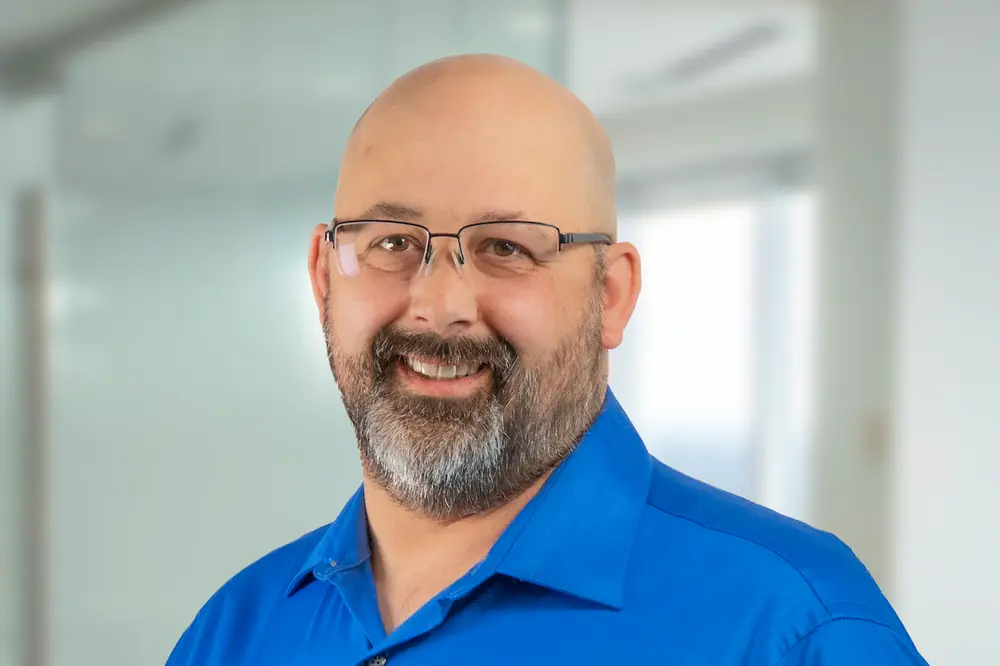
Photos courtesy of Adolfson & Peterson ConstructionRodney LaFreniere is Director of Field Operations at Adolfson & Peterson Construction, where he draws on more than 25 years of construction experience to support successful project delivery.