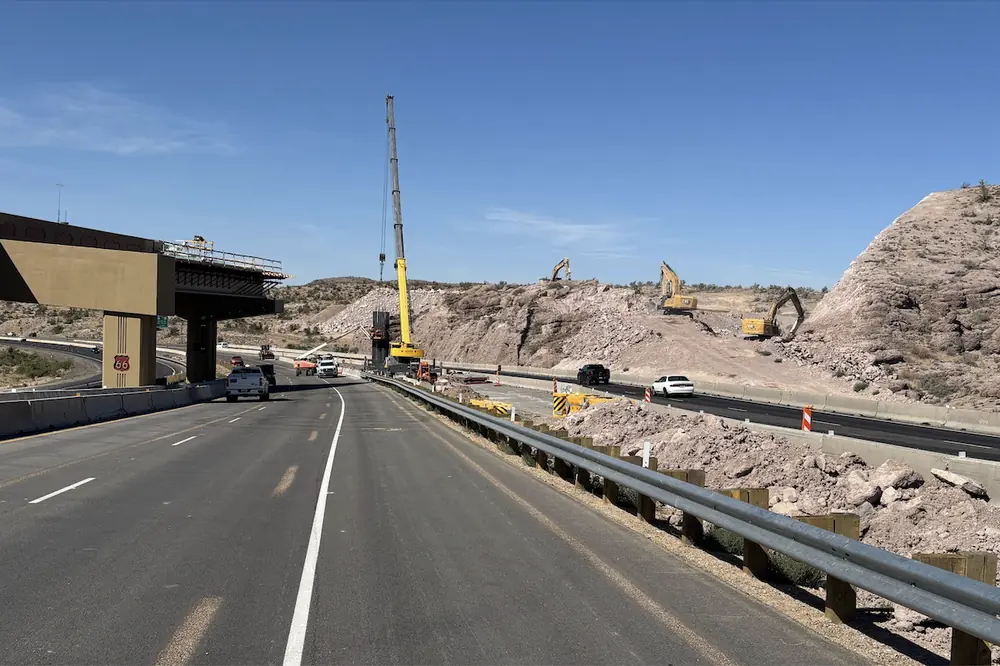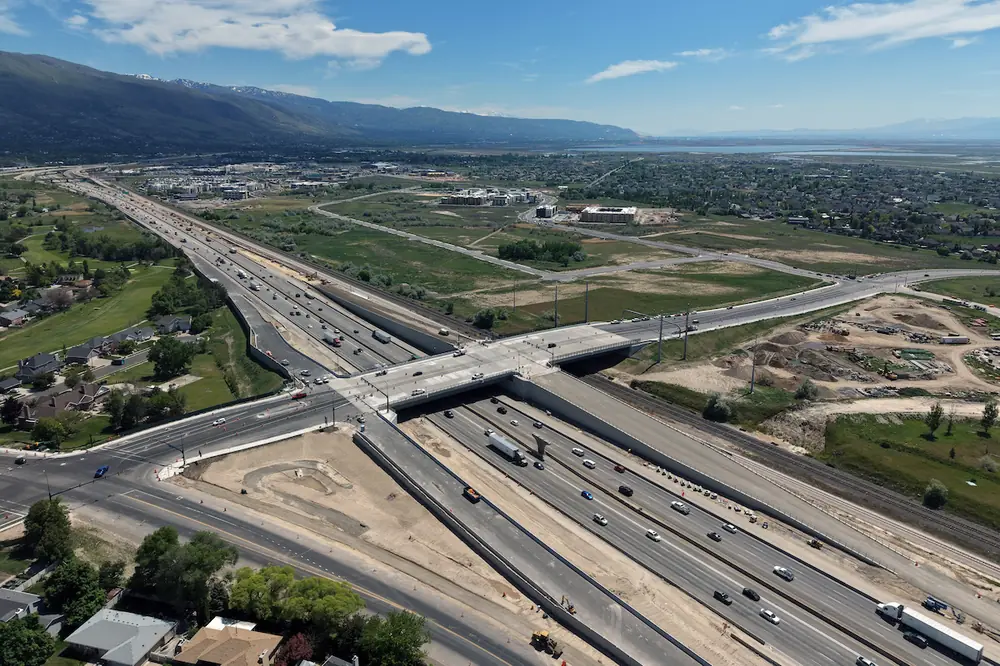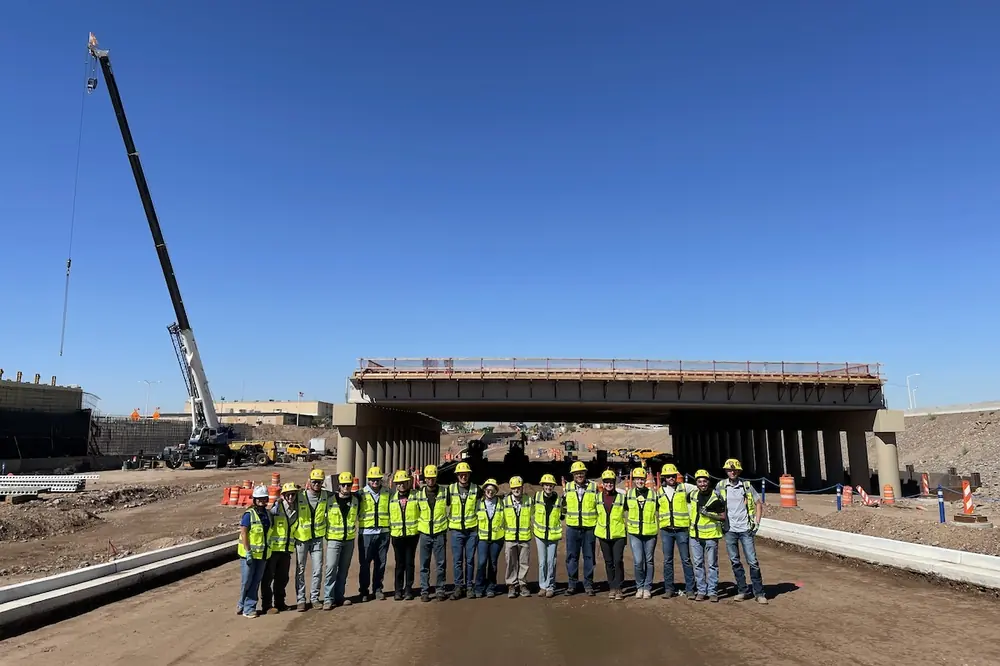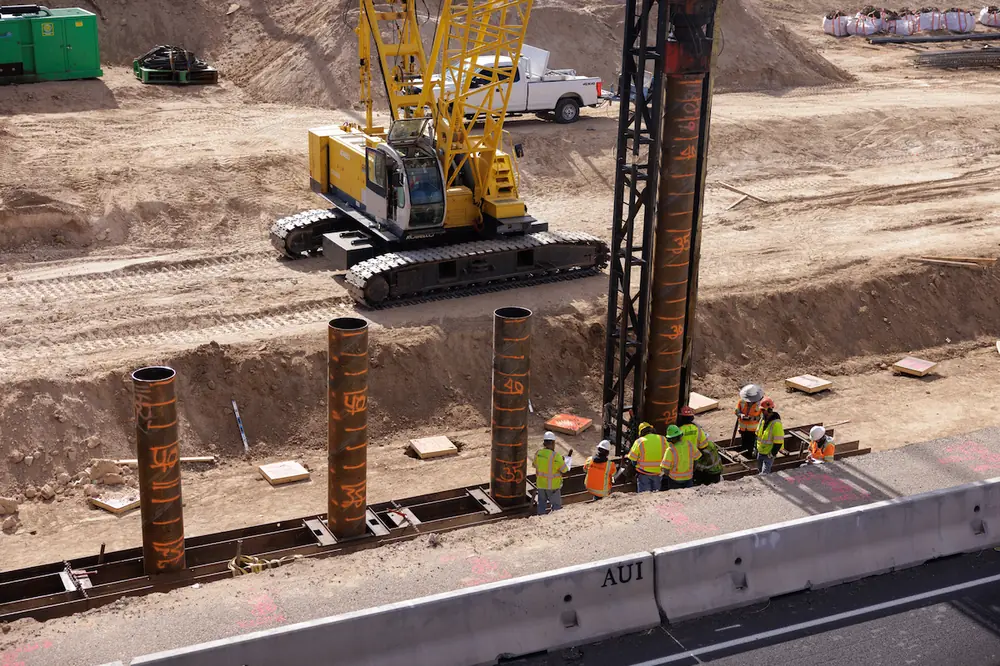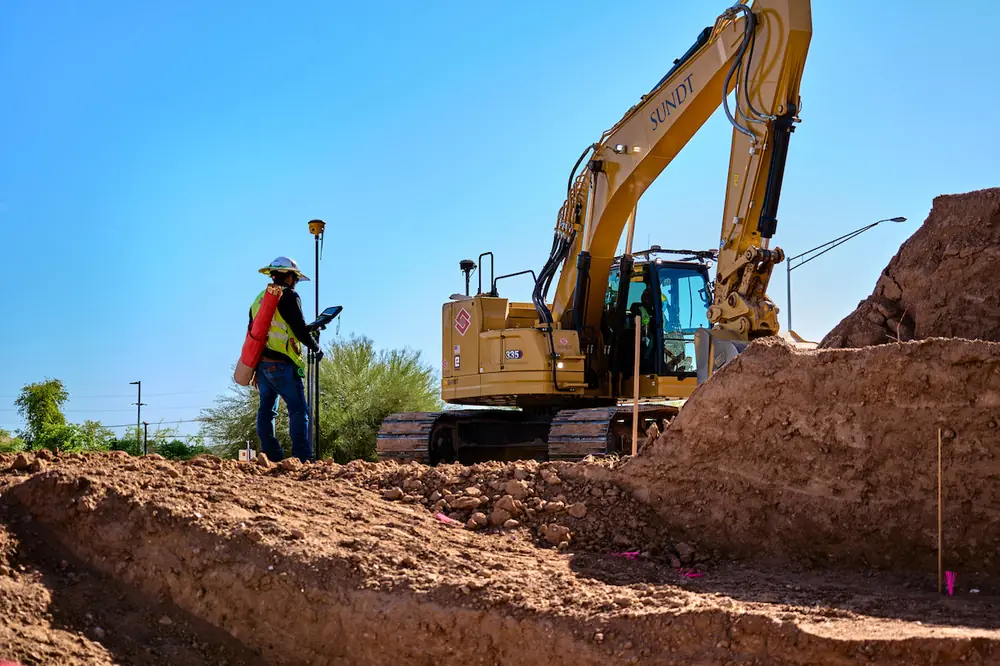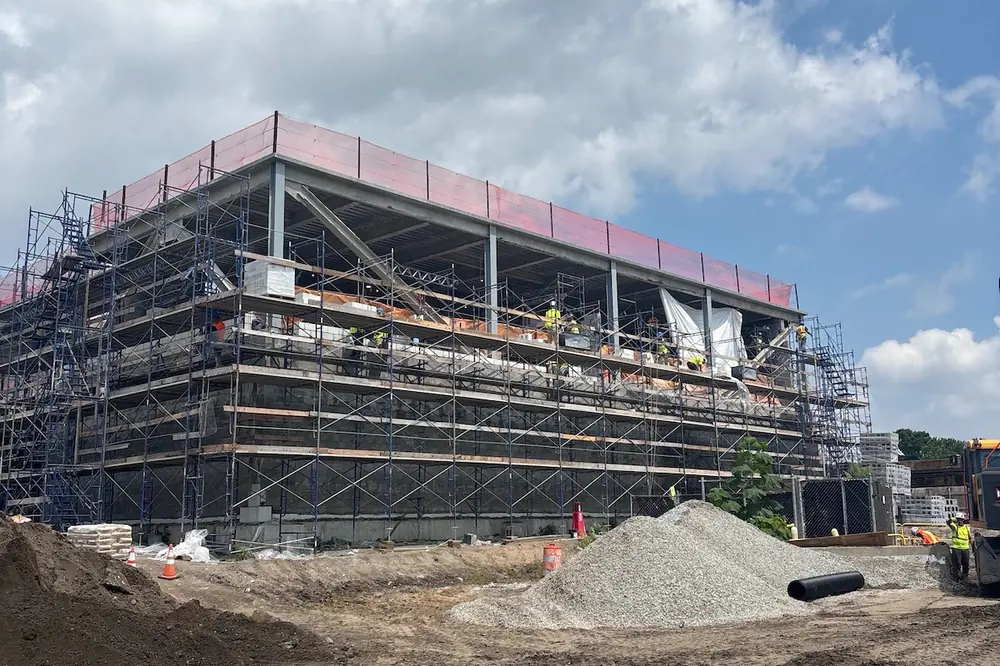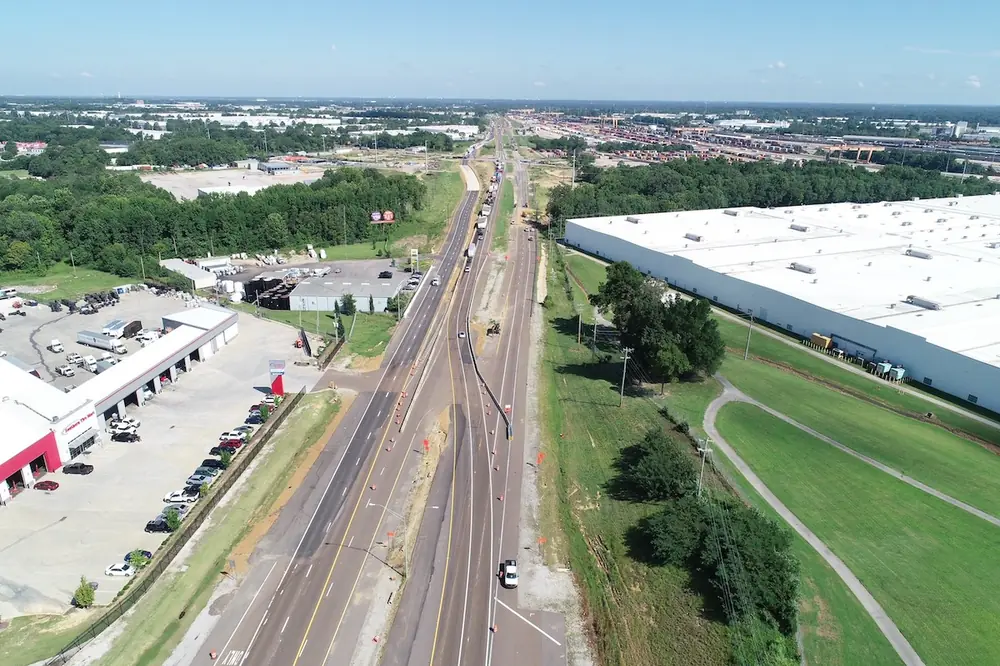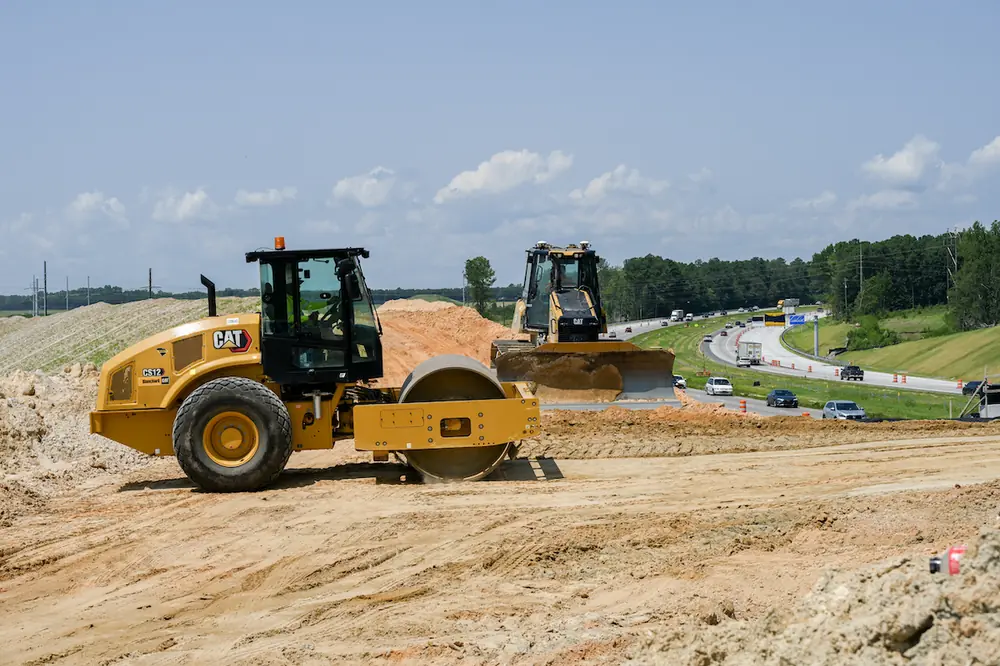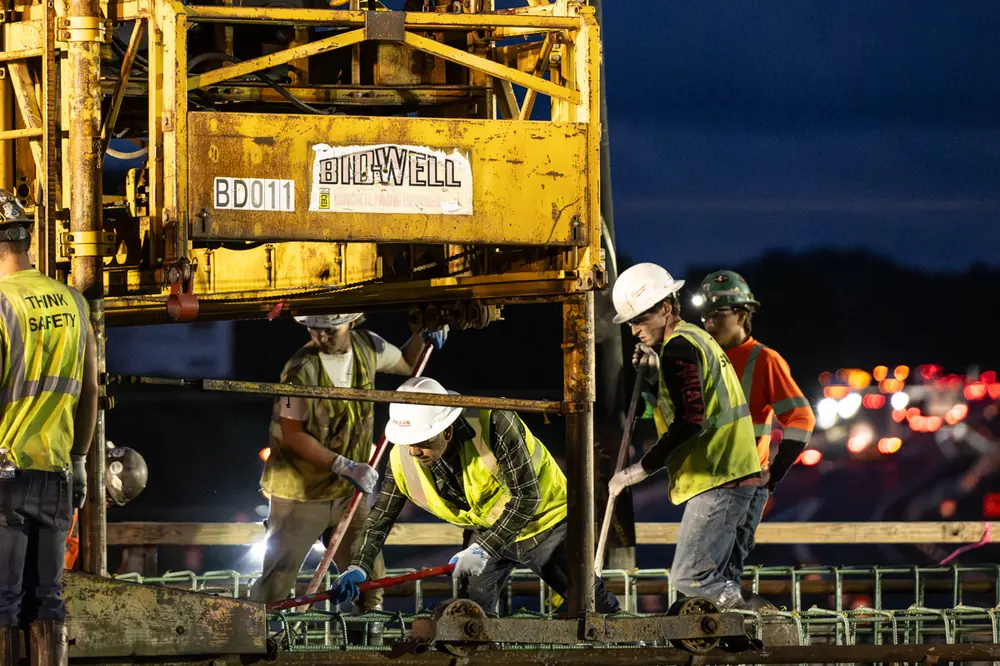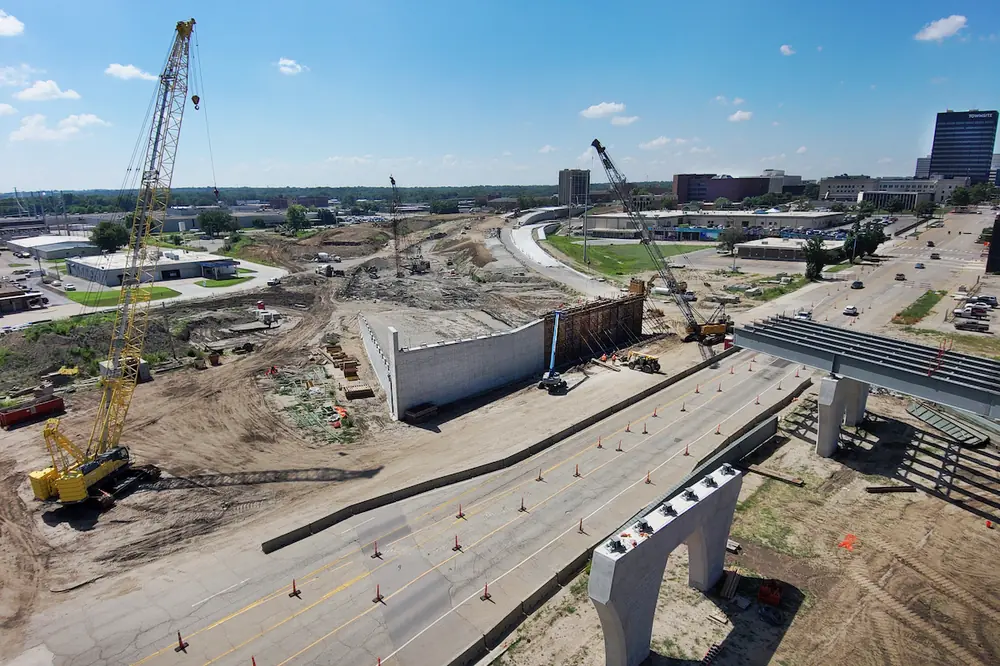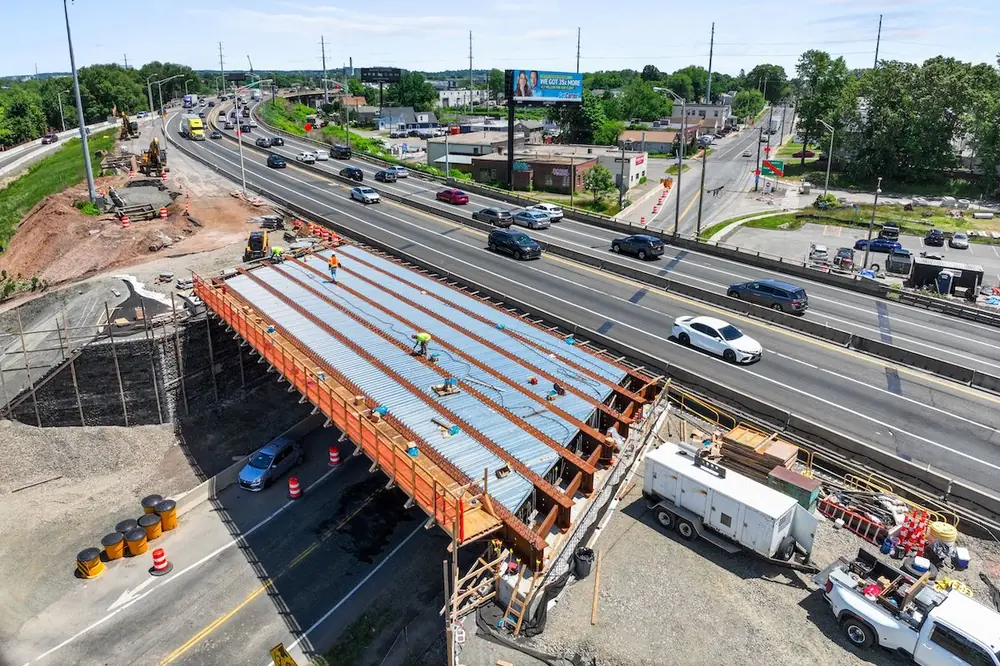

The South is experiencing a surge in infrastructure investment. However, this boom brings a significant challenge: managing safety in high-speed, high-volume work zones. Work zone safety isn't just a regulatory checkbox — it’s a critical operational challenge that impacts the lives of crews and the company's bottom line.
Recent data from TRIP, a national transportation research nonprofit, highlights sobering numbers. From 2020 to 2024, work zone fatalities in the Construction News region totaled:
- Arkansas: 73 people
- Louisiana: 68 people
- Mississippi: 20 people
- Oklahoma: 117 people
- Tennessee: 115 people
According to TRIP’s analysis, in addition to the human toll, the economic cost imposed by traffic crashes in 2024 alone was:
- Arkansas: $4.6 billion
- Louisiana: $8.3 billion
- Mississippi: $3.5 billion
- Oklahoma: $4.2 billion
- Tennessee: $13.1 billion

| Your local Gomaco dealer |
|---|
| Gomaco -Contact For a Dealer Near You |
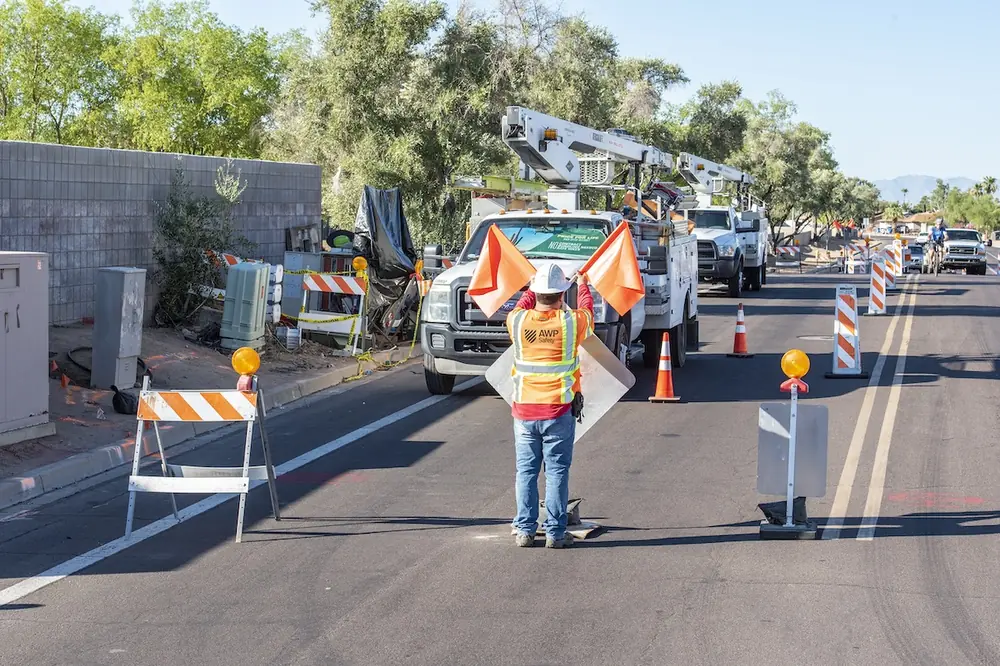
Work zones are among the most dangerous environments for both motorists and highway workers.
State legislatures are responding to these rising numbers in a variety of ways.
For instance, in 2025, the Arkansas Legislature passed three new laws designed to enhance the safety of roadway workers and motorists:
- Act 327 doubled fines for moving traffic violations in mobile work zones. Previously, traffic fines were only doubled in stationary work zones.
- Act 117 amended the state’s driver’s manual and test to include information about driving safely through work zones.
- Act 209 authorized the use of green lights by the Arkansas Department of Transportation (ARDOT), cities, counties, or contractors. With this law, roadway construction and maintenance vehicles may now use amber, white, or green (or any combination of the three) oscillating, flashing, or rotating emergency or warning lights.

| Your local Trimble Construction Division dealer |
|---|
| SITECH Rocky Mountain |
| SITECH Southwest |
| SITECH Northwest |
State agencies are also working to remind drivers to slow down and stay alert.
“Between ARDOT’s Slow Down, Phone Down Work Zone Safety campaign, the work zone speed enforcement cameras, the handheld device detection cameras in work zones, and a number of other safety initiatives, we are seeing a reduction in the number of crashes, injuries, and fatalities in Arkansas work zones,” said ARDOT Director Jared D. Wiley.
Technology also makes it easier for motorists to stay informed about upcoming work zones, said Louisiana Department of Transportation and Development (DOTD) Secretary Glenn Ledet.
In addition to email and text alerts and travel apps such as Louisiana 511 or Waze, “DOTD is also providing more proactive and innovative alerts such as in-cab safety alerts and advisories to commercial drivers through Fleetworthy, formerly Drivewyze,” Ledet said. “There is no substitute for attentive driving, but these new tools help keep both motorists and workers safe.”

| Your local Bobcat dealer |
|---|
| Ditch Witch West |
For construction firms, a safety incident is a multi-layered disaster. Beyond the tragic human cost, a single work zone intrusion can result in project delays, insurance premium hikes, and a damaged reputation among potential employees and clients.
How can you mitigate these risks?
“Improving safety in construction work zones demands a comprehensive approach, one that combines physical separation like concrete and movable barriers, automated speed enforcement, traditional traffic controls such as flagging and signage, and real-time digital alerts that keep drivers informed and workers protected,” said Rocky Moretti, TRIP’s Director of Policy and Research. “It is important that work zone strategies are fully implemented by adequate planning and design, which leads to less casualties and accidents.”
Each spring, National Work Zone Awareness Week — a campaign founded by the American Traffic Safety Services Association, the American Association of State Highway and Transportation Officials, and the Federal Highway Administration — brings attention to work zone safety. But protecting workers and your business requires constant effort. By combining enforcement tools with rigorous internal safety protocols, contractors can ensure that the men and women building the future of the South return home safely after every shift.