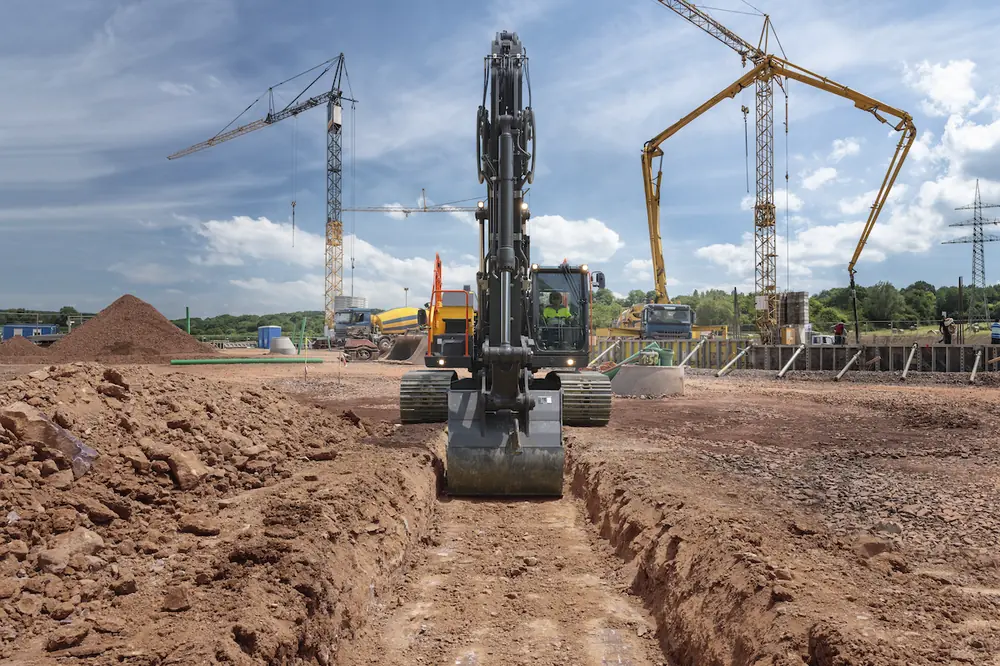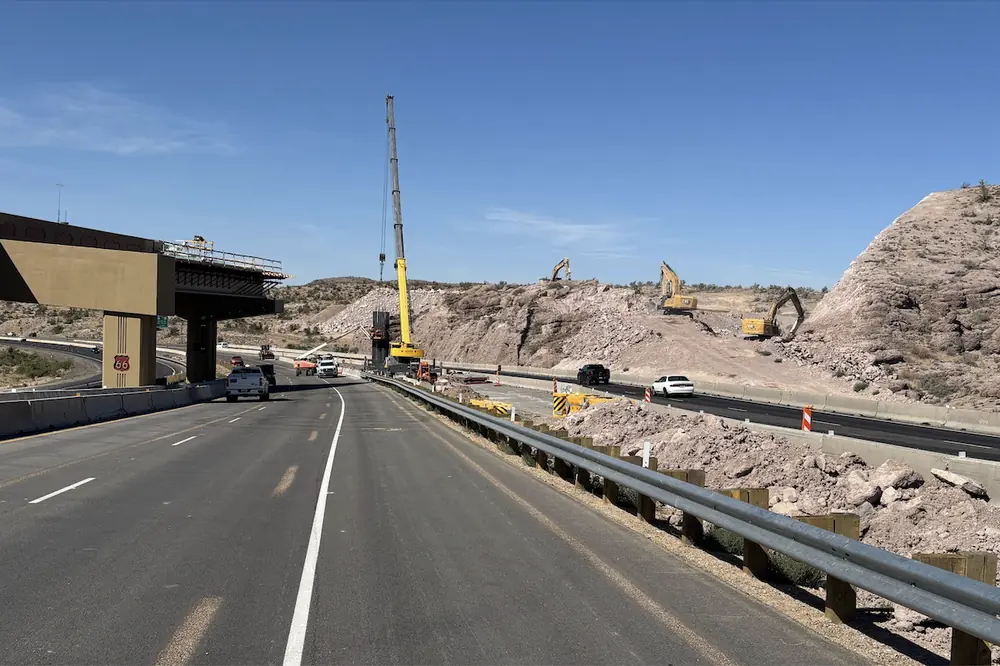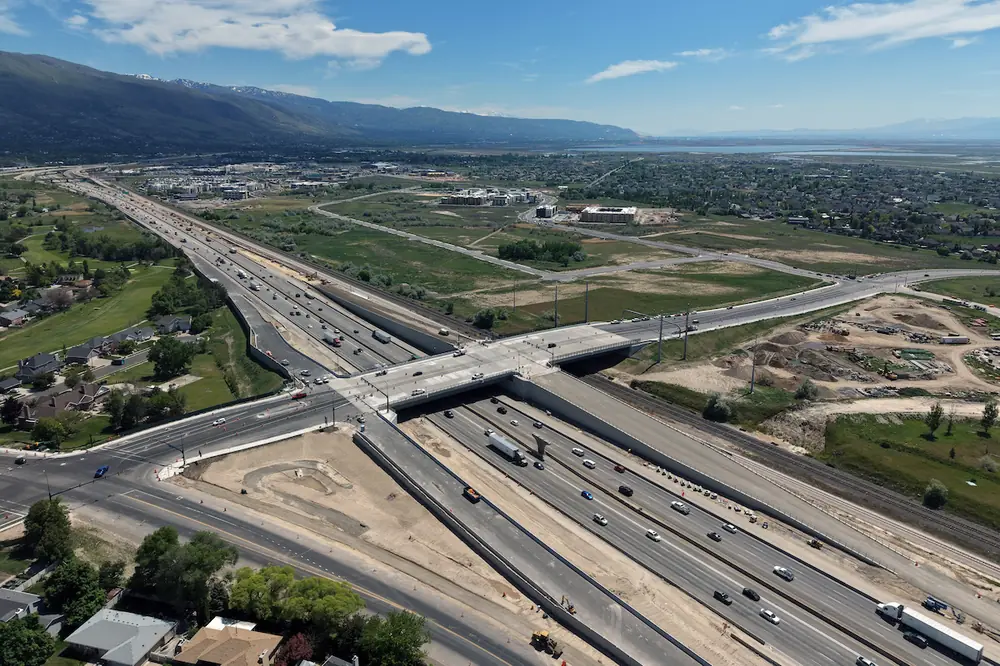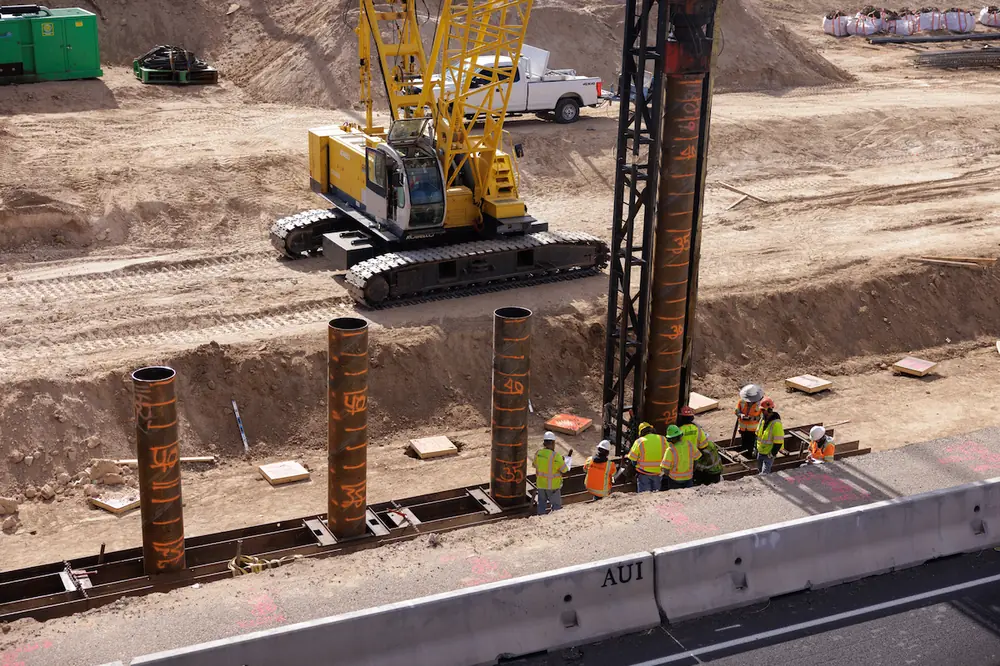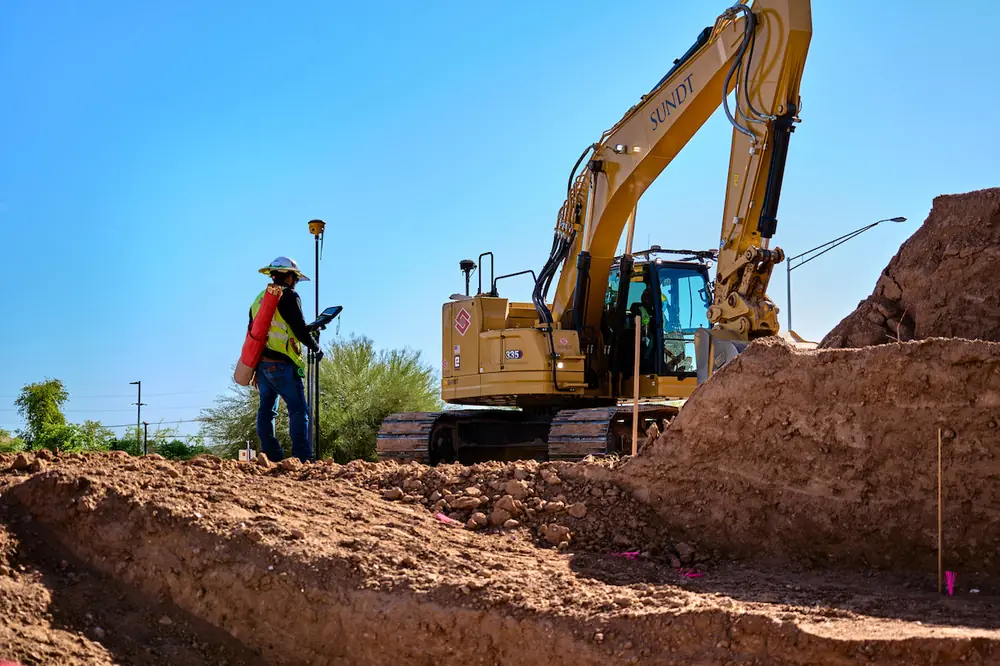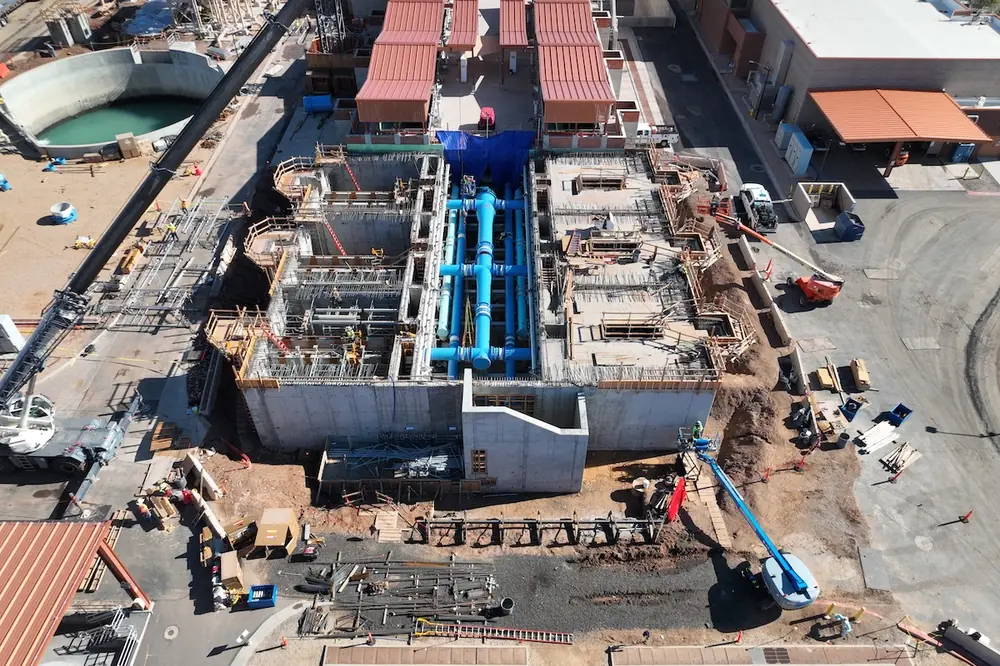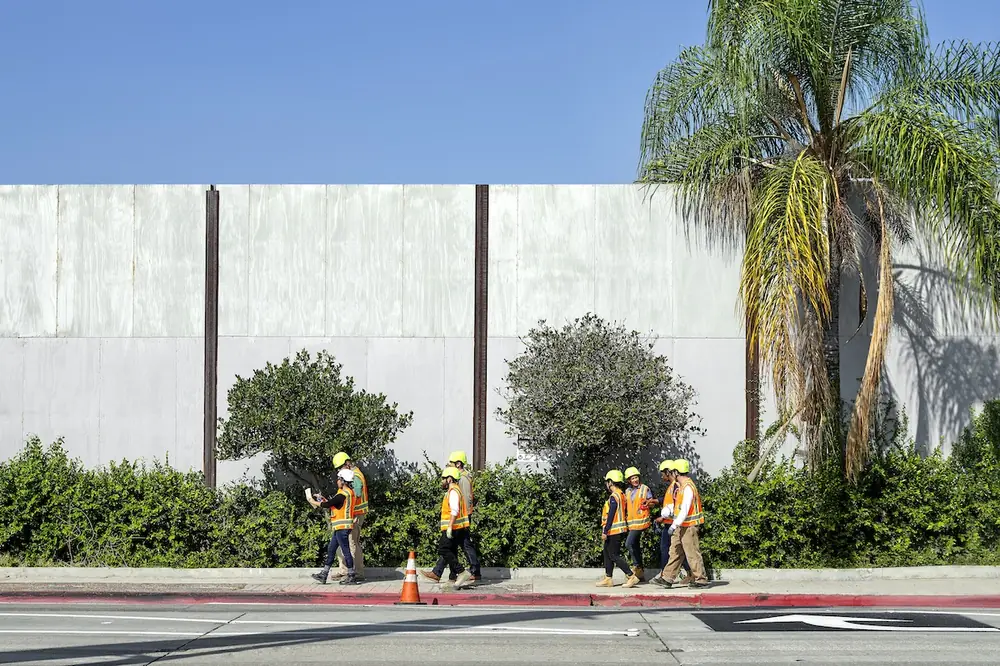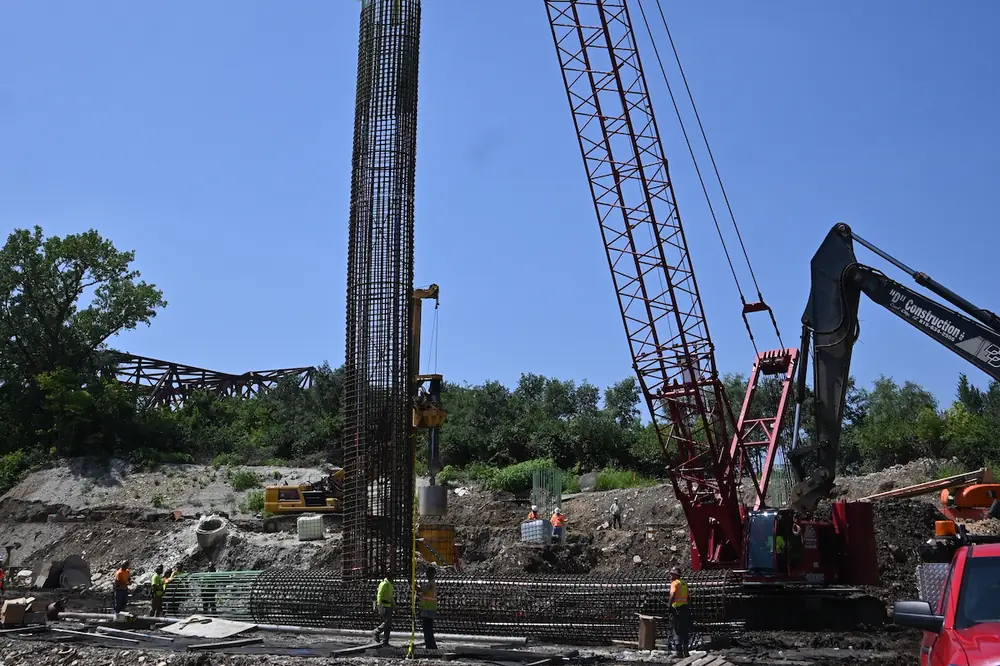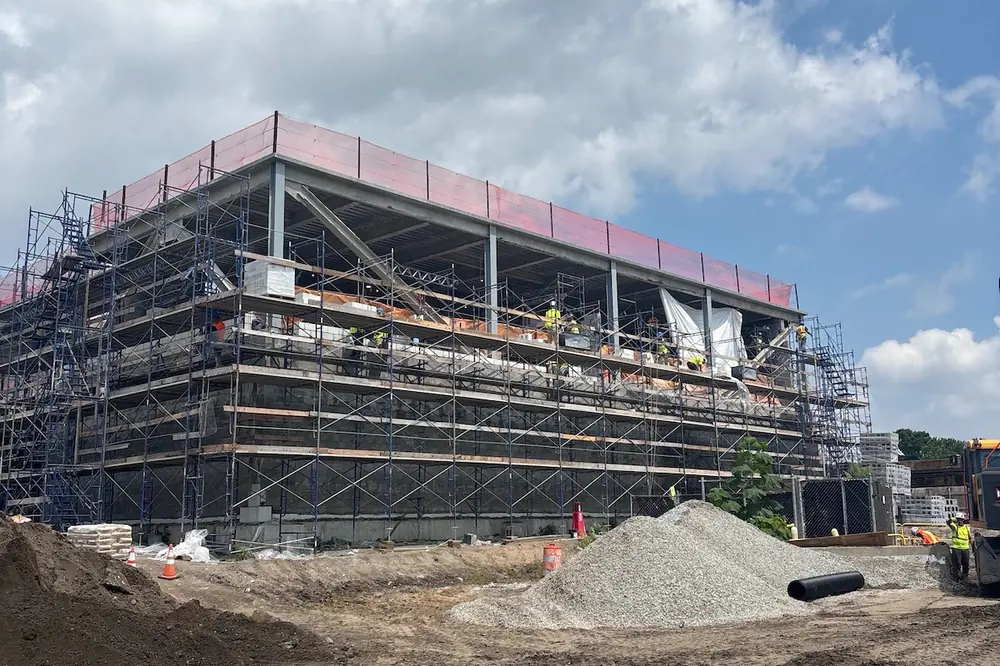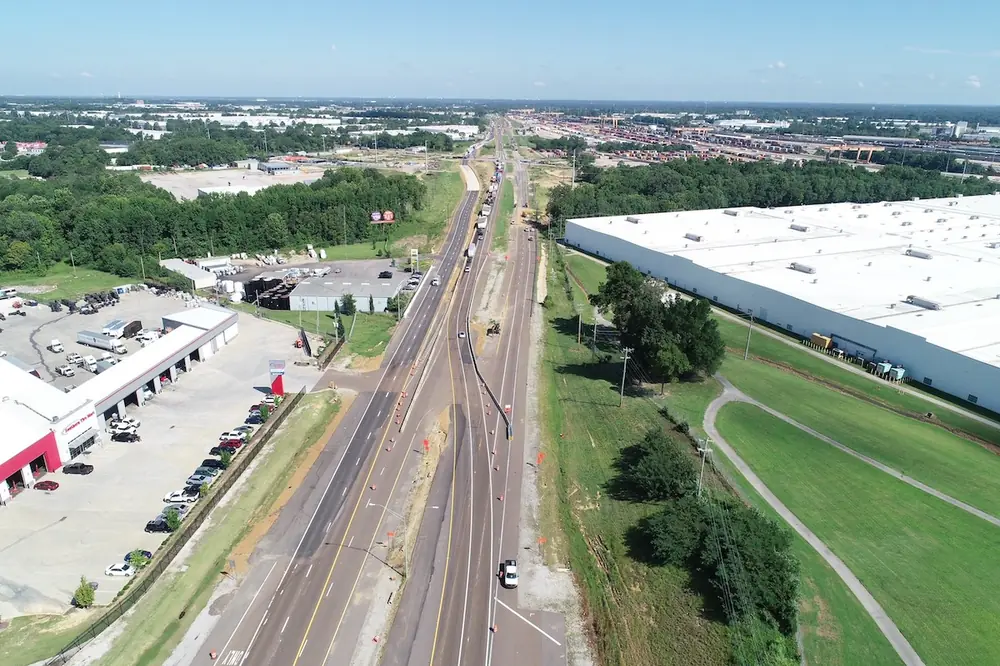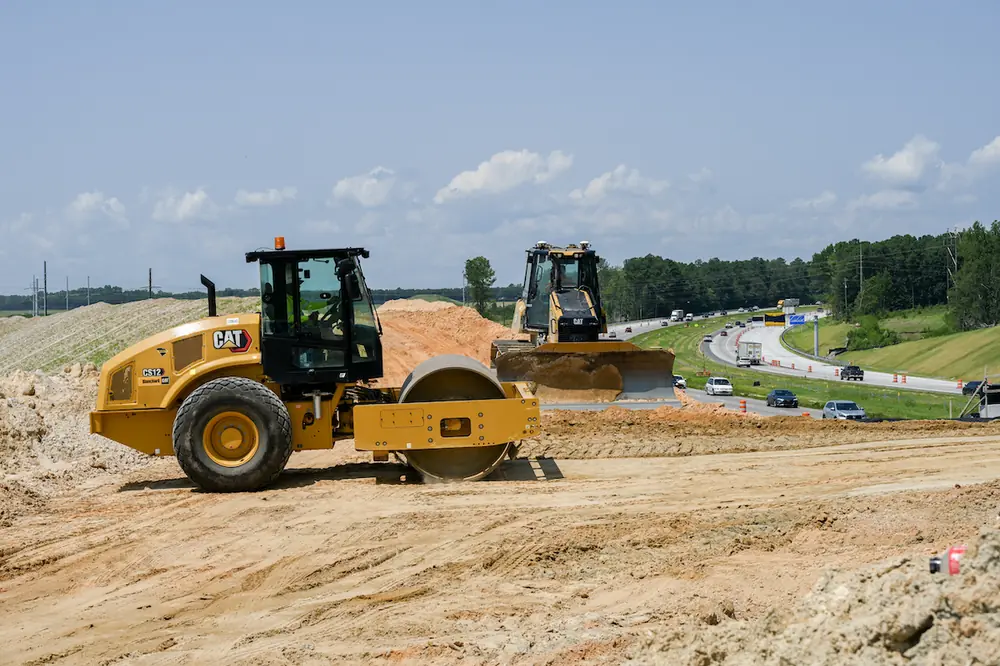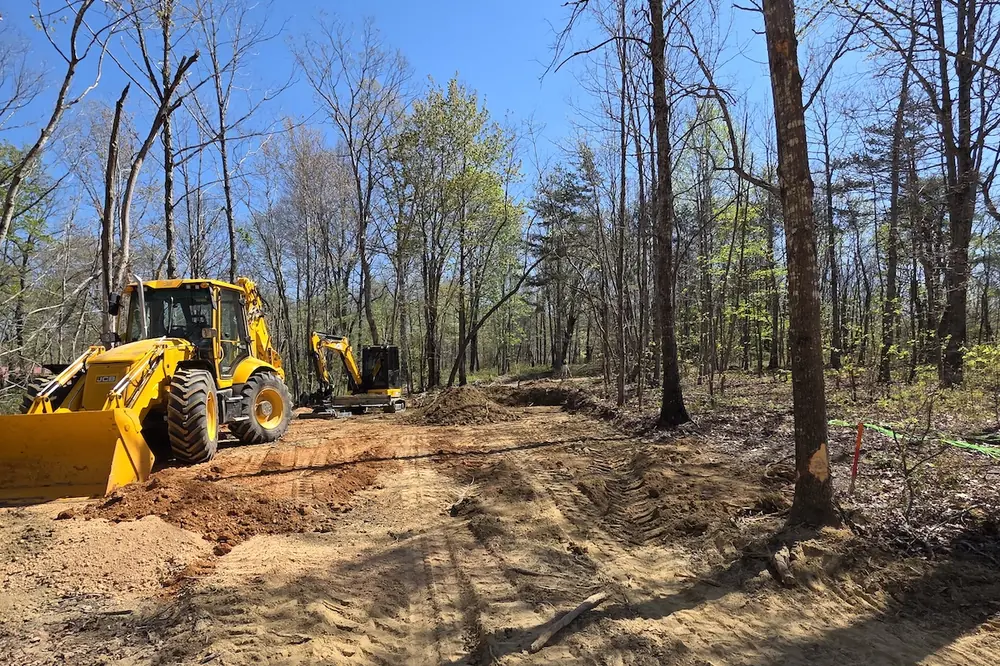

Construction projects continue to grow in size, complexity, and coordination demands. Infrastructure rebuilds, civil work, and large commercial developments often require multiple crews working simultaneously across tight schedules and changing site conditions. In that environment, compact equipment has proven valuable in modern construction fleets.
Compact track loaders, skid steer loaders, compact excavators, compact wheel loaders, and telehandlers are no longer limited to small or specialized tasks. On large job sites, these machines support everything from early site preparation to final cleanup. When paired with the right attachments, compact equipment delivers maneuverability, precision, and versatility that directly support productivity, utilization, and a fleet’s return on investment.
Large construction sites are rarely uniform. Open work areas exist alongside tight corridors, interior zones, utility runs, and logistical bottlenecks. Equipment must be flexible enough to support crews without slowing overall progress.
Compact machines excel in these mixed environments. Their smaller footprint allows them to work where larger equipment cannot operate efficiently. Even on expansive sites, confined zones are often where progress stalls without the right equipment.
Compact equipment also plays a critical role in supporting heavy iron. Tasks such as staging materials, backfilling, hauling pallets, and clearing debris can keep larger machines busy. When compact machines handle these support functions, primary production equipment can remain focused on high-output work.

| Your local Gomaco dealer |
|---|
| Gomaco -Contact For a Dealer Near You |
Attachments further expand the value of compact equipment. A single machine equipped with multiple attachments can replace several dedicated units. Higher utilization, fewer idle assets, and reduced rental dependency all contribute to stronger fleet economics.
Contractors evaluating compact equipment for large-scale work should consider three core factors: job site environment, expected tasks, and hydraulic needs.
Job Site Environment
Understanding where a machine will spend most of its time helps ensure it aligns with real-world site conditions rather than theoretical capability.
Sites with soft soil, uneven terrain, or ongoing earthwork benefit from machines that offer traction and stability. Applicable equipment includes compact track loaders and compact excavators.

| Your local Trimble Construction Division dealer |
|---|
| SITECH Southwest |
| SITECH Rocky Mountain |
| SITECH Northwest |
Tight corridors, interior slabs, and utility runs require machines with strong maneuverability. Compact track loaders and skid steer loaders are well-suited here due to their ability to turn within their own footprint.
When materials must be moved efficiently across larger sites, compact wheel loaders and telehandlers offer higher travel speeds and carrying capacity.
Task Frequency
Large projects can move quickly through phases. The most effective compact machines are often those that support high-frequency tasks performed daily across the site such as:
- Material movement
- Pallet handling
- Cleanup and site maintenance
- Trenching for utilities
- Demolition support
- Grading and backfilling in tight areas
For less frequent, high production work such as deep trenching or intensive demolition, contractors may supplement with larger machines or rentals. This approach keeps compact equipment focused where it contributes most effectively.

| Your local Bobcat dealer |
|---|
| Ditch Witch West |
Hydraulic Needs
Hydraulic capability is a key consideration when pairing machines with attachments. Standard flow hydraulics are suitable for buckets, pallet forks, sweepers, and angle brooms. High flow or enhanced flow systems are required for attachments such as planers, trenchers, flail cutters, and heavy-duty breakers.
Matching hydraulic performance to attachment demands ensures the machine can operate efficiently without sacrificing productivity or reliability.
Each type of machine provides its own type of support on large construction projects.
Compact Track Loaders
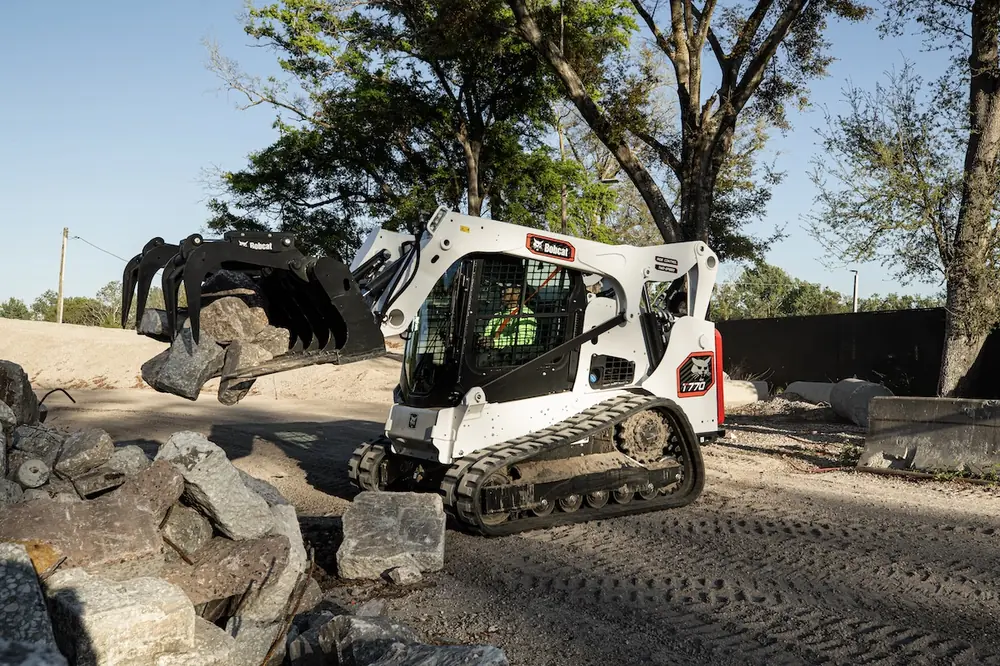
These machines are commonly used during early site preparation and in areas with soft or changing ground conditions. Their stability and traction make them effective for moving palletized materials, handling rebar and forming systems, grading near structures, demolition cleanup, and transporting aggregate or base material. Their ability to pivot within a tight footprint makes them especially valuable in confined or congested work areas.
| Your local Gomaco dealer |
|---|
| Gomaco -Contact For a Dealer Near You |
Skid Steer Loaders
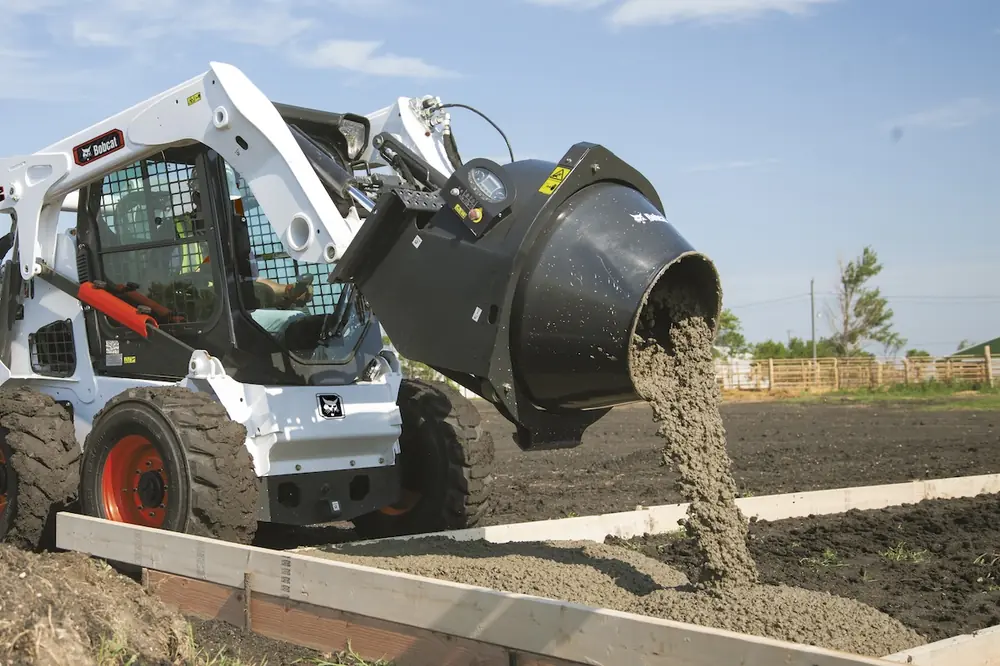
These machines bring maneuverability and efficiency to hard-surface environments. For instance, they support rapid material movement for interior work once slabs are poured, utility installation in tight trenches, and final grading and cleanup.
Their ability to skid and turn allows operators to maneuver efficiently in confined spaces, making them especially effective in parking structures, interior corridors, and renovation work where space is limited.
Compact Excavators
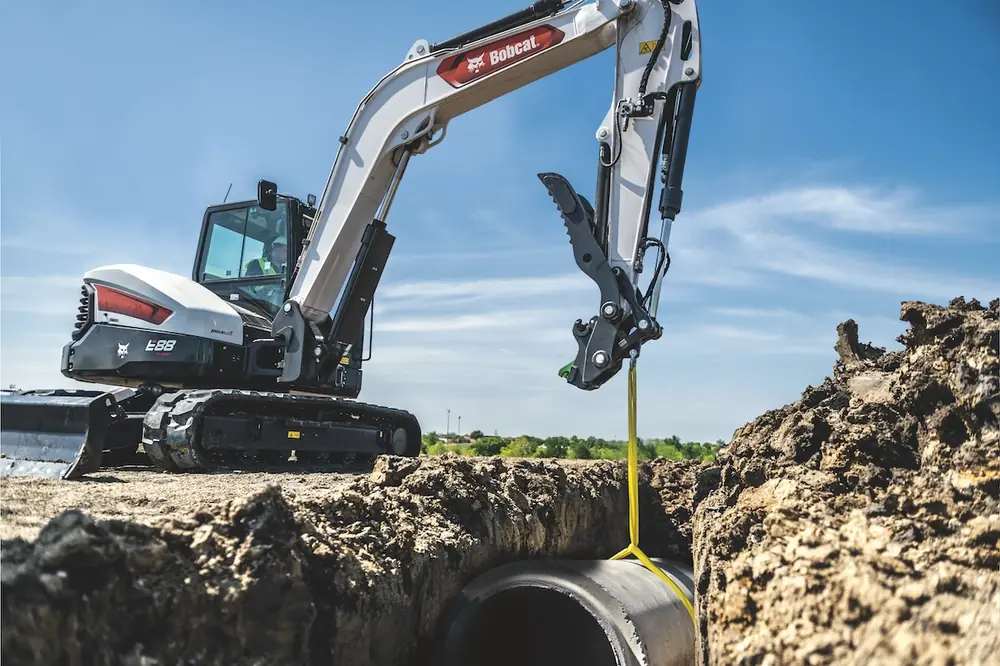
In confined areas where larger excavators are impractical, compact excavators deliver strong digging performance. Common applications include utility trenching and conduit installation, footing and foundation support work, selective demolition, and concrete removal and grading around curbs or structures.
Zero and reduced tail swing designs allow operators to navigate congested work areas with greater confidence. Modern hydraulic systems support a wide range of attachments including breakers, augers, grapples, and plate compactors. Thumbs and clamps further expand versatility by allowing operators to handle pipe, debris, and irregular materials with greater control.
| Your local Gomaco dealer |
|---|
| Gomaco -Contact For a Dealer Near You |
Compact Wheel Loaders
These machines excel in material-intensive environments that require fast cycle times. They are frequently used to move aggregate, soil, or base material across longer distances; support paving crews; and load trucks in tight or medium-sized spaces. Their combination of travel speed and carrying capacity helps reduce cycle times on large job sites.
Telehandlers
Telehandlers support a wide range of construction applications where reach, lift height, and material placement are critical. Common uses include material handling (indoor and outdoor), roofing, foundation work, pallet handling, and working at height. Their compatibility with multiple attachments allows contractors to adapt quickly as job site needs change.
Attachments significantly expand what compact equipment can accomplish, allowing contractors to adapt machines quickly as projects move through multiple phases. On large-scale construction projects, several attachment types consistently deliver the most value.
Graders
Grader attachments support finish grading, pad preparation, and surface leveling on large job sites. They are frequently used to fine grade around structures, utilities, and curbs where precision is required.
| Your local Gomaco dealer |
|---|
| Gomaco -Contact For a Dealer Near You |
Planers
Planers mill asphalt or concrete surfaces for repairs, trench restoration, or paving preparation. On large projects, they are commonly used for tie-ins, patch work, and surface corrections that require accuracy without shutting down surrounding operations.
Pallet Forks
These are essential for handling bulky, bagged, or palletized materials. Adjustable designs support frequent lifting, carrying, and placement throughout the day.
Trenchers
These attachments allow compact loaders and excavators to cut consistently clean trenches for utilities or drainage, helping reduce rework and speed installation.
Hydraulic Breakers
Hydraulic breakers turn compact machines into effective demolition tools for concrete, asphalt, or rock removal, reducing reliance on larger specialized equipment.
| Your local Gomaco dealer |
|---|
| Gomaco -Contact For a Dealer Near You |
Angle Brooms and Sweepers
Angle brooms clear dust, dirt, and light debris from haul roads, access paths, and work pads, while sweepers capture and contain debris in an integrated bucket, streamlining cleanup efforts.
Large‑scale construction relies on more than heavy iron. Compact machines play a critical role in keeping crews productive, workflows moving, and equipment utilization high.
When contractors select compact equipment and attachments based on site conditions, task frequency, and hydraulic needs, they gain flexible capabilities that support efficiency across every phase of a project.
Ryan Saunders is Senior Product Marketing Specialist at Bobcat Company.