
In construction, the conversation around productivity often centers on labor, materials, and schedules. Equipment — ironically one of the most capital-intensive components of any project — tends to get less scrutiny beyond acquisition and maintenance. But a growing number of contractors are beginning to recognize a costly blind spot hiding in plain sight: the “dark fleet.”
Underutilization is typically framed in simple terms: machines sitting idle, tools not in use, or equipment waiting between tasks. But that definition doesn’t go far enough.
The real issue isn’t just idle time. It’s the growing presence of owned assets that are effectively invisible to the organization — untracked, unaccounted for, and underutilized across job sites. This is the dark fleet, and it’s quietly draining margins.
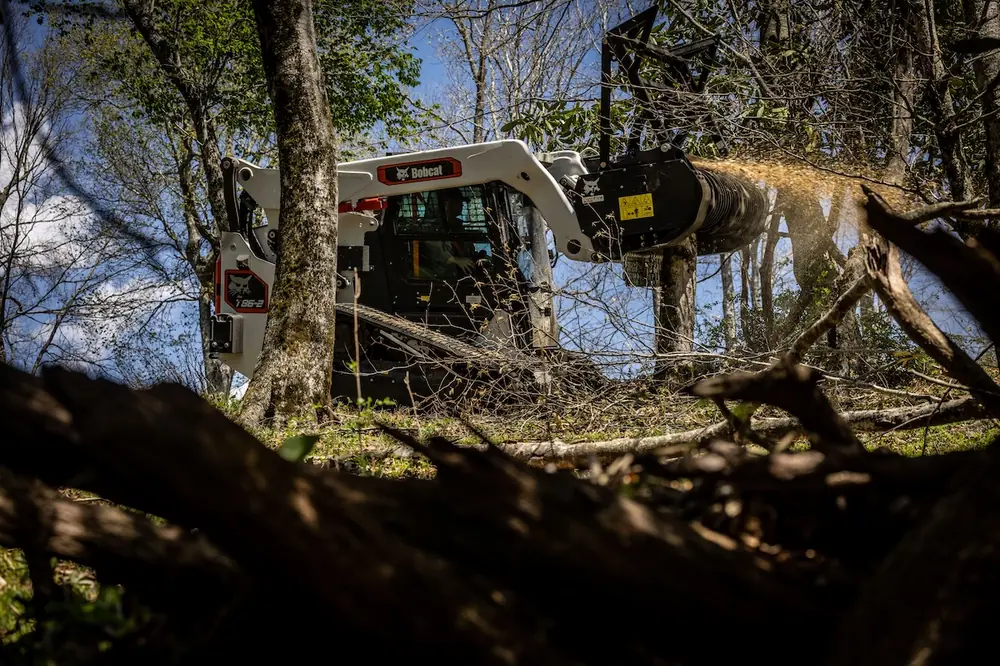
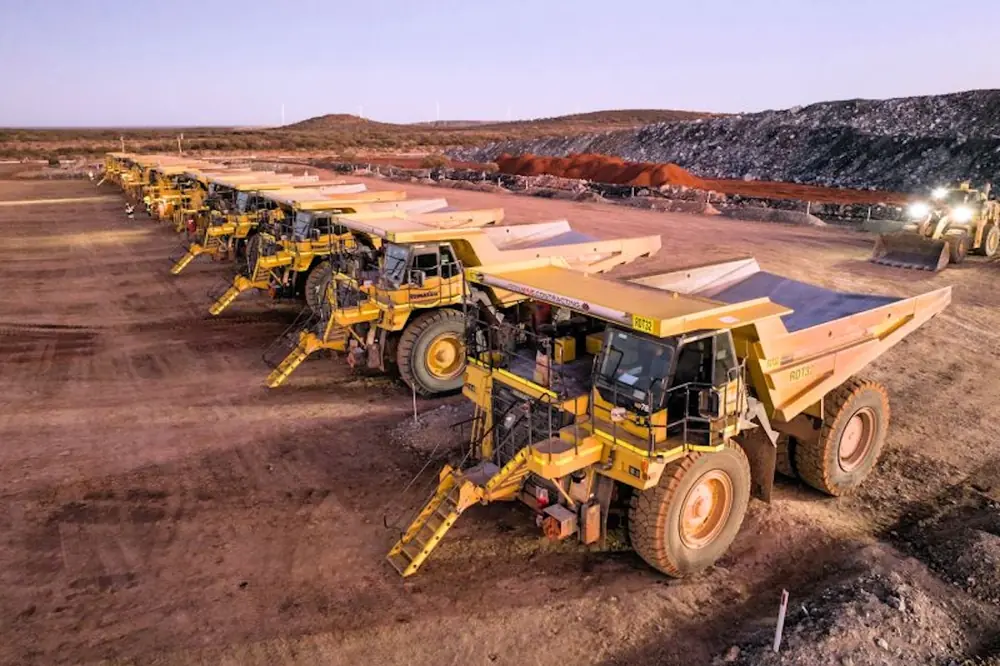
A dark fleet isn’t necessarily made up of broken or obsolete equipment. In many cases, it consists of perfectly usable assets that are simply not where they need to be — or worse, no one knows where they are at all. A skid steer parked behind a completed project. A set of trench boxes sitting in a yard with no clear ownership. Laptops, generators, or specialty tools that were purchased for a specific job and never reassigned.
Over time, these assets fade from visibility, even as they continue to carry depreciation, insurance, and opportunity costs.

| Your local Gomaco dealer |
|---|
| Gomaco -Contact For a Dealer Near You |
For contractors managing multiple projects, divisions, and geographic regions, the problem compounds quickly. Each job site becomes its own ecosystem, with its own equipment inventory, rental agreements, and workflows.
Without a centralized view, assets become siloed. Project teams make decisions based on what they can see locally, not what the company already owns globally.
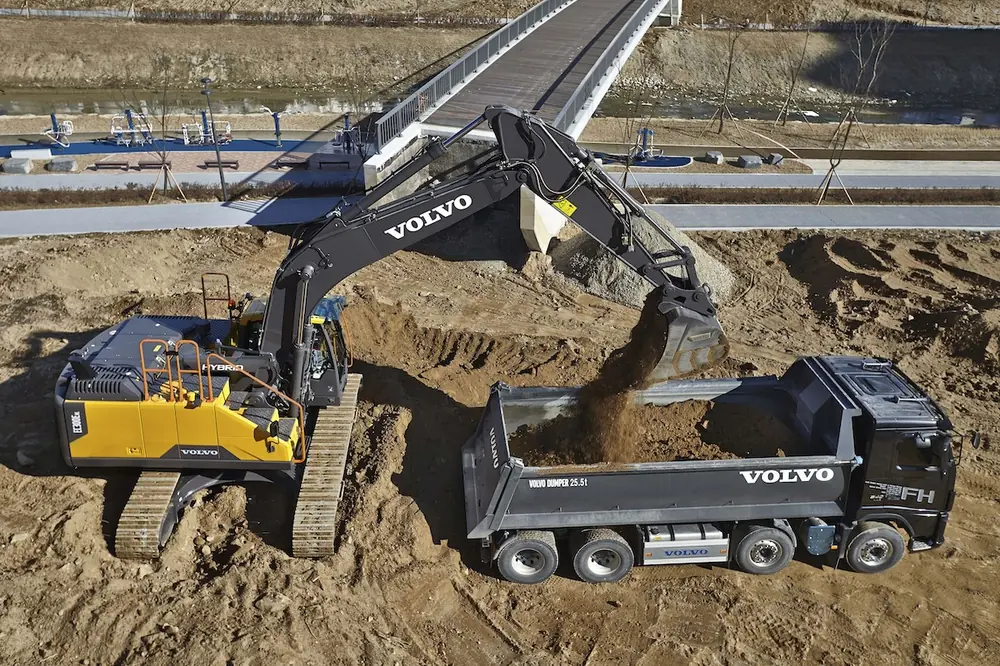
The result is a paradox that plays out across the industry: companies continue to rent or purchase equipment while simultaneously owning assets that sit idle or go unused. It’s not uncommon for a contractor to rent a piece of equipment for one job while an identical unit sits unused at another site.
From a financial standpoint, this is the worst of both worlds — paying for assets twice, once through ownership and again through rental.

| Your local Trimble Construction Division dealer |
|---|
| SITECH Southwest |
| SITECH Northwest |
| SITECH Rocky Mountain |
The cost implications are significant.
Underutilized assets still incur depreciation, tying up capital that could be deployed elsewhere. They still require storage, transportation, and in some cases maintenance. And when assets are effectively lost within the organization, they may even be replaced unnecessarily, further inflating capital expenditures. When equipment availability is unclear, project managers often err on the side of caution, over-ordering rentals to avoid delays.
This adds cost and complexity to projects that are already operating on tight margins and schedules. In a worst-case scenario, critical equipment may be unavailable when needed, leading to downtime that ripples through the schedule.
At its core, the issue is one of visibility and coordination.

| Your local Bobcat dealer |
|---|
| Ditch Witch West |
Many construction companies still rely on fragmented systems such as spreadsheets, whiteboards, and informal communication to track assets. These methods may work at a small scale, but they break down as organizations grow. Data becomes outdated almost as soon as it’s recorded. Equipment moves between sites without being logged. Responsibility for tracking assets is often unclear or inconsistent.
Compounding the problem is the dynamic nature of construction itself. Job sites are constantly evolving environments. Equipment is moved, repurposed, or shared across teams on a daily basis. Unlike a fixed facility, there is no single point of control.
Without real-time visibility, even well-intentioned processes struggle to keep up.
Addressing underutilization — and eliminating the dark fleet — requires a shift in how contractors think about asset management. It’s not enough to know what equipment the company owns. The critical questions are:
- Where is it?
- What condition is it in?
- Is it being used effectively right now?
| Your local Gomaco dealer |
|---|
| Gomaco -Contact For a Dealer Near You |
This is where a more data-driven approach begins to make a measurable difference. Centralized asset management platforms give contractors a real-time view of their fleets across all job sites. Instead of relying on anecdotal information or manual updates, companies can track the location, status, and utilization of each asset as it moves through the organization.
With this level of visibility, decision-making changes. Before renting or purchasing new equipment, teams can check whether the asset already exists within the company. Idle equipment can be redeployed to where it’s needed most. Utilization rates can be analyzed over time, helping organizations right-size their fleets and avoid overinvestment.
Just as importantly, visibility enables accountability. When assets are clearly assigned and tracked, there is less ambiguity about who is responsible for them. This reduces loss, improves maintenance practices, and ensures that equipment is returned and reassigned efficiently at the end of each project.
The impact can be substantial. Contractors that gain control over their fleets often find they can reduce rental spend, defer capital purchases, and improve overall equipment return on investment.
| Your local Gomaco dealer |
|---|
| Gomaco -Contact For a Dealer Near You |
In an industry where margins are tight and costs are constantly under pressure, these gains can be the difference between a profitable project and a break-even one.
The concept of the dark fleet also highlights a broader shift taking place in construction. As projects become more complex and geographically dispersed, the ability to manage resources in real time is becoming a competitive advantage. Companies need to ensure that their assets are visible, accessible, and fully utilized at all times.
Underutilization in this context isn’t just an operational inefficiency. It’s a signal that the organization lacks the visibility and coordination needed to operate at scale. And as the industry continues to evolve, driven by larger projects, tighter schedules, and increasing cost pressures, that gap becomes harder to ignore.
The dark fleet doesn’t have to remain in the shadows. With the right approach, those hidden assets can be brought back into the light, turning a costly blind spot into a source of efficiency, control, and competitive advantage.
| Your local Gomaco dealer |
|---|
| Gomaco -Contact For a Dealer Near You |
Photos courtesy of North American ConstructionJason Perez is the CEO of YARDZ, an asset management platform. Contact him at jason@yardz.com.