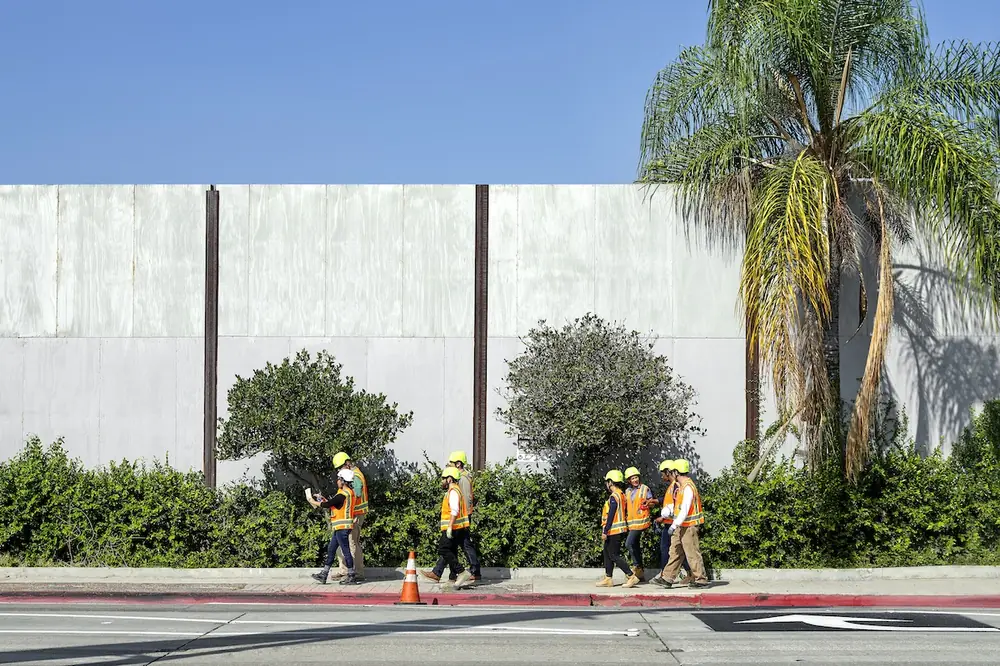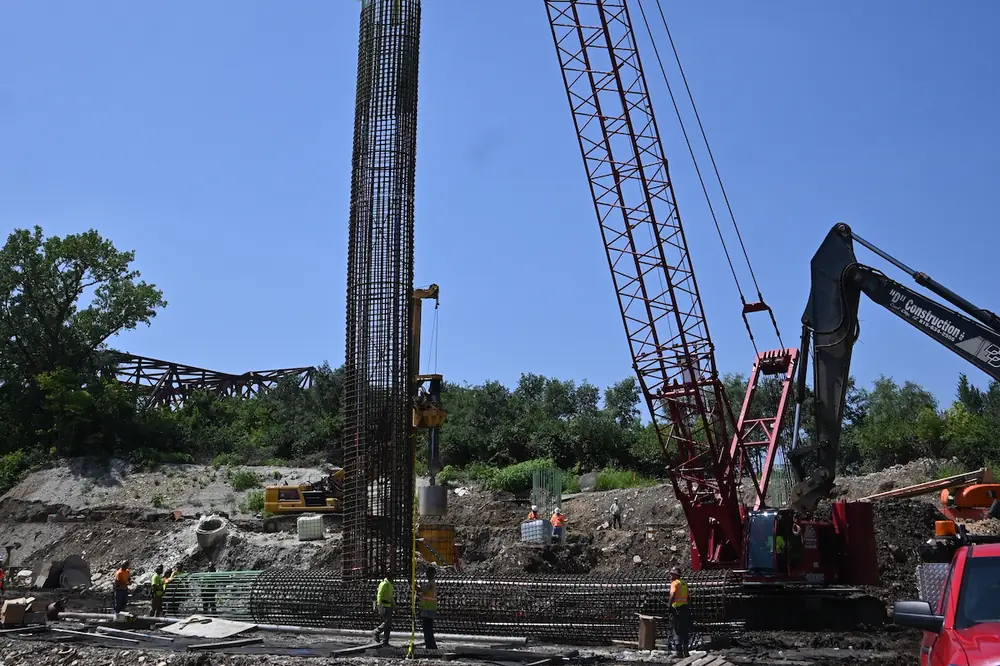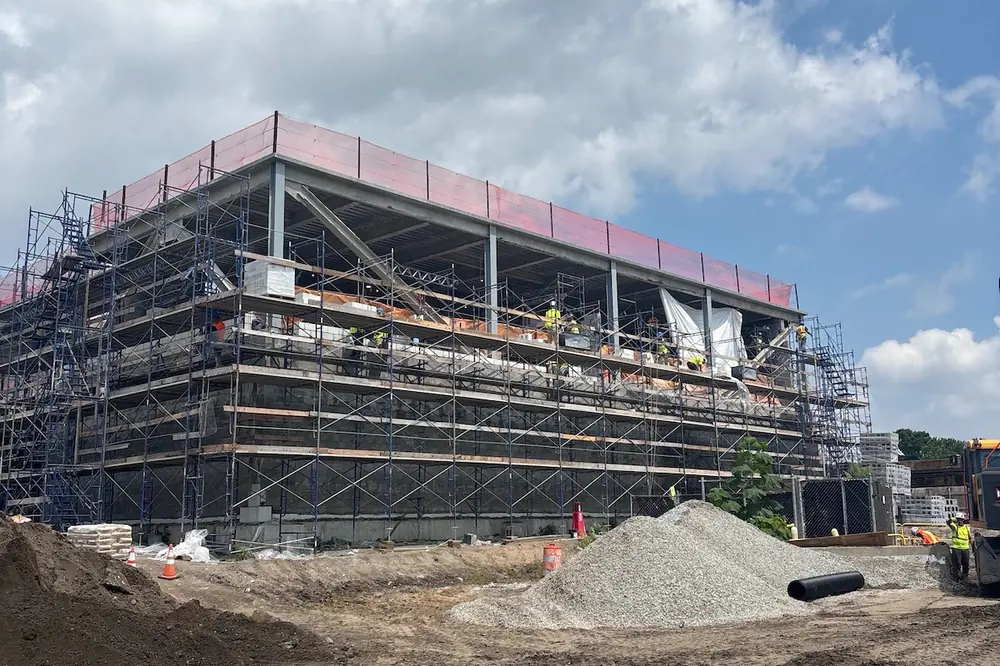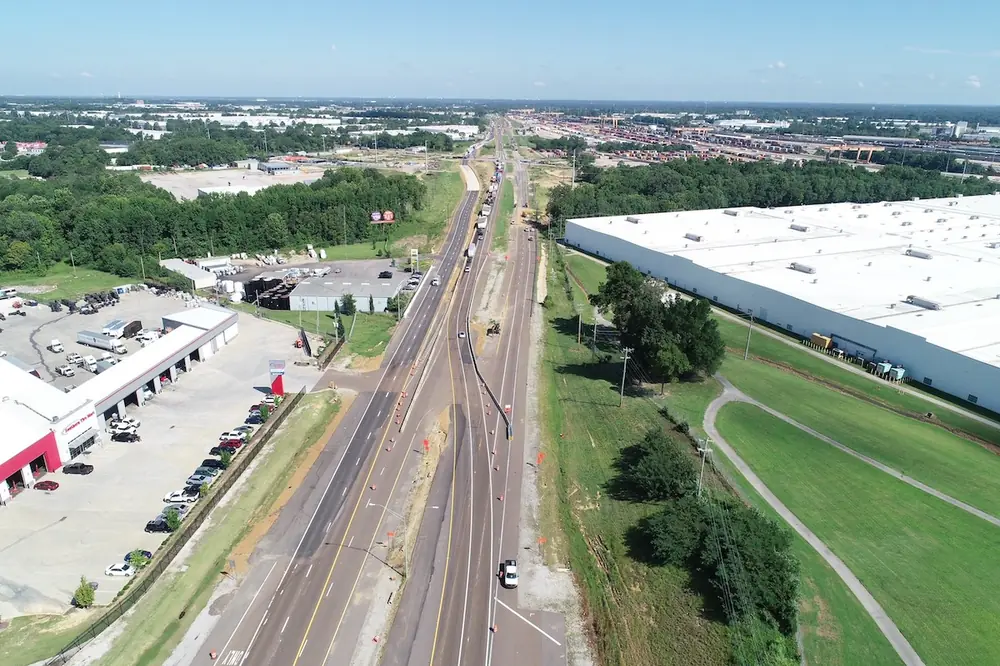


Across the United States, construction projects are growing larger, more complex, and more time-sensitive. This is due in part to rapid population growth in major metropolitan areas and increased infrastructure investment. Another factor is the rise of highly specialized facilities.
All these factors are pushing owners to demand faster delivery, tighter cost control, and greater certainty. In response, the industry is increasingly turning to a delivery model that emphasizes collaboration over consolidation: strategic joint ventures (JV) between general contractors.
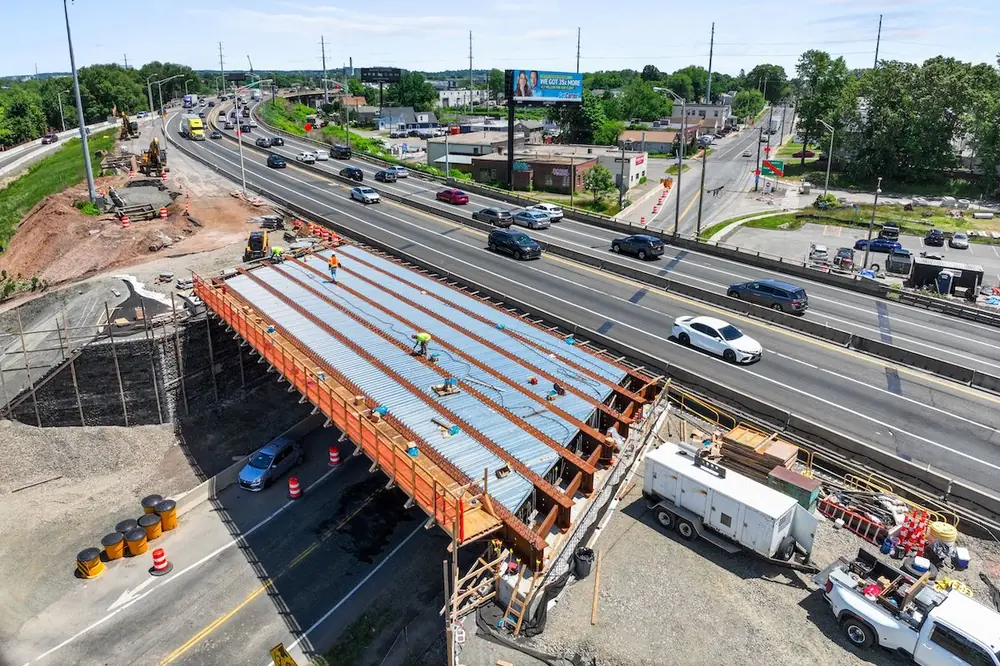
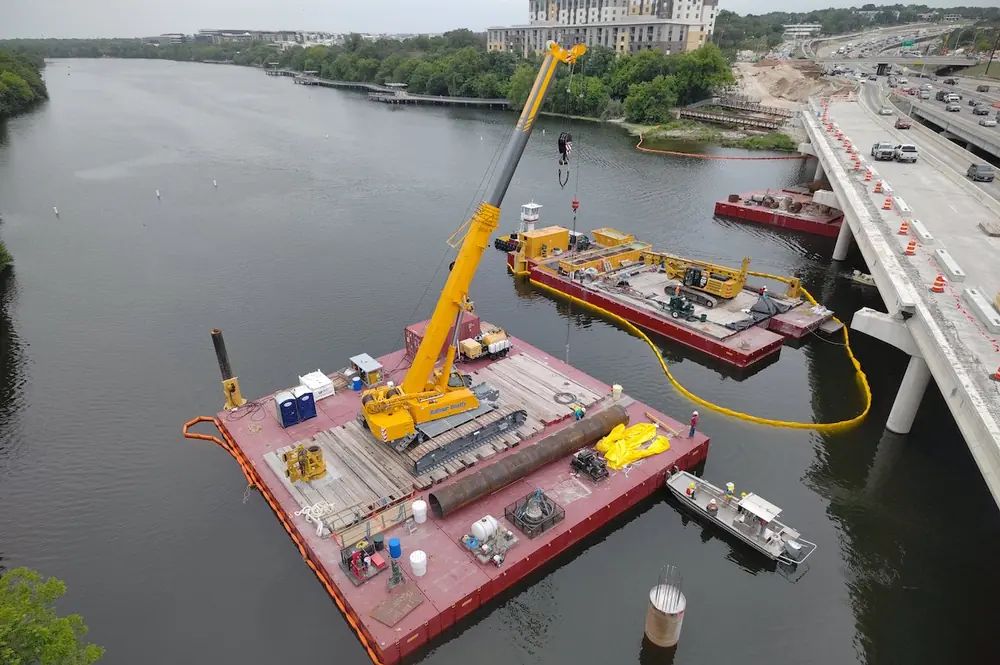
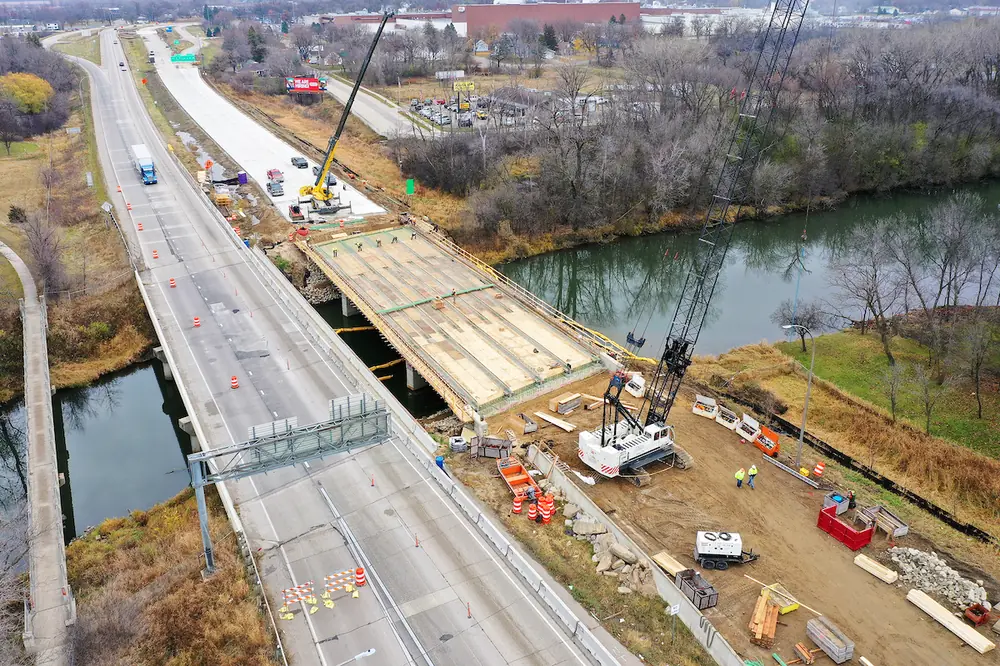
Once most common on mega infrastructure or international projects, contractor joint ventures are now widely used on large-scale domestic developments. From transportation hubs and health care campuses to dense urban mixed-use projects and multibillion-dollar data centers, these partnerships reflect a fundamental shift in how risk, labor, and expertise are managed in today’s construction environment.
Skanska is among the major contractors participating in this trend, forming joint ventures with other top-tier general contractors to pursue and deliver complex projects nationwide. By combining complementary experience, workforce capacity, and operational resources, joint ventures enable firms to meet mounting project demands while maintaining long-term stability.
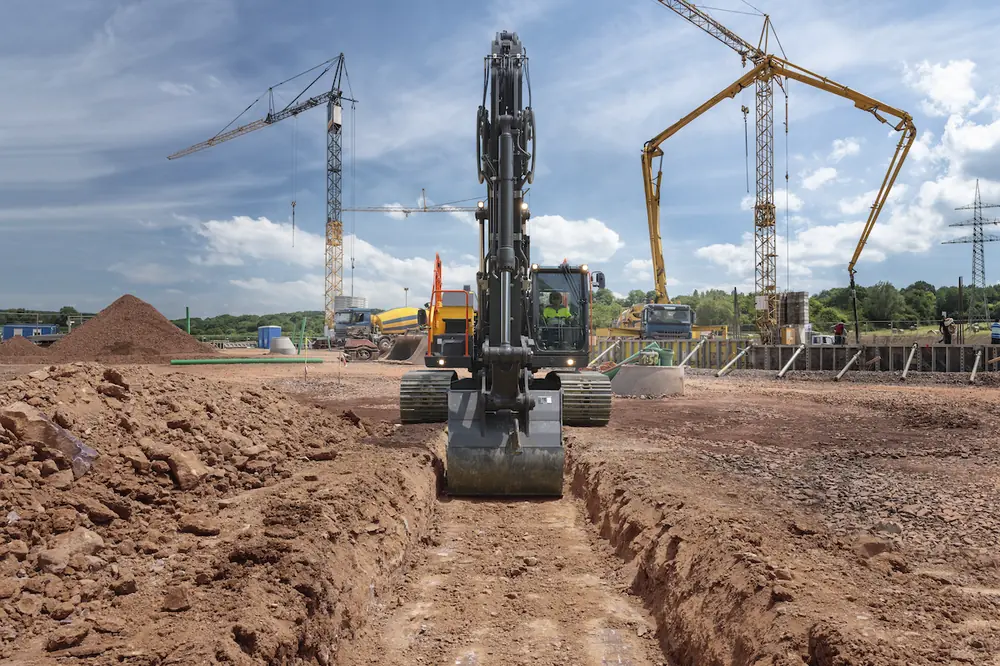
The most significant factor behind the rise of joint ventures is project size. Many of today’s largest developments are no longer measured in millions, but in billions of dollars.
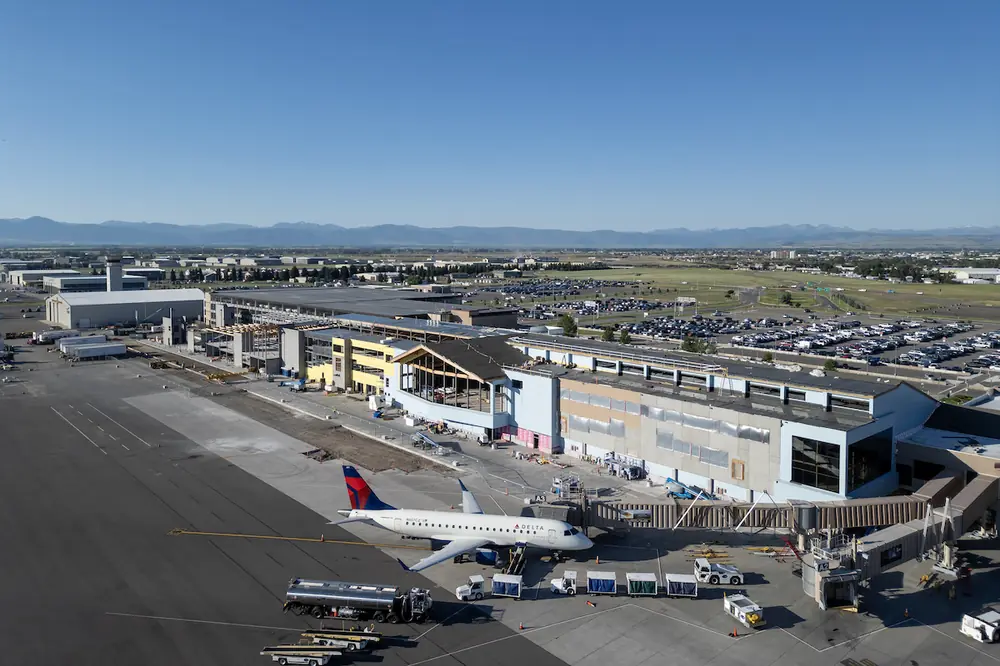
A prime example is data centers, which demand specialized expertise, advanced mechanical and electrical systems, accelerated schedules, and a level of redundancy that can strain a single contractor’s capabilities. Aviation, health care, industrial manufacturing, and large sports venues to accommodate events such as the World Cup and Olympics also help drive this trend. These projects have a sense of urgency propelled by federal incentives and spending deadlines.

| Your local Gomaco dealer |
|---|
| Gomaco -Contact For a Dealer Near You |
“Projects are becoming larger and more technically demanding, driving contractors to team up to meet the demands of the mega-projects,” said Joe Schneider, Skanska Portland Senior Vice President — Account Manager. “Plus, projects need to match owner ambitions, and many times, large public infrastructure projects demand conditions that naturally lead to strategic teaming.”
Joint ventures allow firms to strategically align their strengths. One contractor may bring deep experience in large-scale structural or infrastructure work, while another contributes specialized knowledge in mission-critical facilities, digital construction tools, or complex commissioning requirements. Integrating these capabilities into a unified project team enables owners to access broader expertise without increasing management complexity.
For instance, Skanska in Raleigh-Durham, North Carolina, is currently part of a joint venture team delivering the new Red Hat Amphitheater and Raleigh Convention Center expansion. The complexity is found in the need for “a mix of local knowledge, downtown Raleigh experience, convention center and performing arts expertise, global resources, and diverse perspectives,” said Ben Huffman, Skanska Durham Senior Vice President — Account Manager.
Equally important, joint ventures prevent a single general contractor from dedicating a large portion of its workforce to one multi-year project. By sharing responsibility, firms can continue pursuing additional work and avoid the loss of market share that can occur when resources are concentrated too heavily in one place.
Labor availability remains one of the construction industry’s most persistent challenges. Joint ventures allow contractors to combine labor forces and leverage broader trade partner networks. This shared approach helps ensure projects are sufficiently staffed without overextending individual organizations. It also creates more resilient teams, particularly on long-duration projects where workforce continuity is critical.

| Your local Trimble Construction Division dealer |
|---|
| SITECH Southwest |
| SITECH Rocky Mountain |
| SITECH Northwest |
There is, however, an inherent risk of employee poaching between joint venture partners. This concern has driven firms to invest more intentionally in retention, training, and employee engagement. In fact, many prime general contractors believe the joint venture partnership has sharpened their focus on culture, career development, and workforce stability rather than undermining it.
Market volatility has further accelerated the adoption of joint ventures. Material price fluctuations, supply chain disruptions, regulatory complexity, and compressed schedules have increased financial and operational risk across the industry. For both owners and contractors, spreading that risk across multiple firms can provide greater resilience.
Joint ventures allow financial exposure and operational responsibility to be shared while strengthening oversight. With two prime general contractors accountable for delivery, decision-making is often more rigorous, and potential issues are identified earlier.
Huffman said, “Our JV team will reach out to a broader field of subcontractor participants and address several pressures projects of this magnitude have — not just cost and schedule, but traffic, regulatory constraints, utility providers, authorities having jurisdiction, public relations, and safety, to name a few.”
Beyond risk mitigation, joint ventures offer operational advantages. Successful partnerships are typically structured with clear governance, defined roles, and aligned objectives. This clarity from the project’s start enables teams to move quickly while maintaining consistency.
Joint ventures also create opportunities for knowledge transfer. Safety programs, quality control processes, compliance protocols, and project controls are often drawn from each partner’s established practices. Over the life of a project, teams are exposed to different approaches that can elevate performance standards across the board, which benefit the owner and the region’s future infrastructure.

| Your local Bobcat dealer |
|---|
| Ditch Witch West |
For Skanska, maintaining consistency is a core priority. Even within a joint venture structure, the expectation is the job site reflects Skanska’s standards for safety, quality, and professionalism. The goal is for stakeholders to recognize a Skanska project regardless of the partnership model. When executed correctly, joint ventures reinforce, rather than dilute, those standards.
Texas provides a clear example of why joint ventures are gaining traction nationwide. Rapid population growth and sustained economic expansion in metro areas such as Dallas–Fort Worth, Houston, and San Antonio have driven demand for large, complex projects across commercial, industrial, and public sectors.
These projects frequently involve dense urban environments, multiple public agencies, aggressive timelines, and heightened technical demands, especially with the influx of mission-critical aviation and health care projects across the state.
“Many clients see a joint venture general contractor as an added layer of insurance,” said Dennis Yung, Executive Vice President and General Manager of Skanska Texas. “These partnerships help mitigate financial, safety, and schedule risks through shared structure and resources.”
What is occurring in Texas mirrors trends in other fast-growing regions, including the Southeast, Mountain West, and parts of the Midwest and West Coast. As these markets face similar pressures, joint ventures are increasingly viewed as a best practice rather than an exception.
| Your local Gomaco dealer |
|---|
| Gomaco -Contact For a Dealer Near You |
The benefits of joint ventures extend beyond contractors. For owners, partnerships can provide greater delivery certainty, particularly on large or highly complex projects. Larger, diversified teams are often better positioned to absorb disruptions without derailing schedules or budgets.
For publicly funded projects, joint ventures can help safeguard taxpayer dollars. Owners can sidestep costly overruns and support long-term value when there are shared risk structures, robust project controls, and enhanced oversight. It is a win for the community when construction quality on projects of this magnitude improves.
As the construction industry continues to evolve, collaboration is emerging as a defining characteristic of successful project delivery. Joint ventures offer a scalable, flexible model that can meet the demands of today’s largest and most complex projects.
For contractors like Skanska, these partnerships are not simply a means of pursuing larger work, but a strategic approach to aligning the right expertise with the right opportunity. As projects grow in scale and schedules continue to compress, joint ventures are likely to play an increasingly central role in shaping the built environment.
In a market defined by ambitious, complex projects and industry uncertainties, collaboration may be the industry’s most valuable asset.
Kimberly Burke is Skanska’s Senior Vice President, Business Development, in North Texas and Houston.