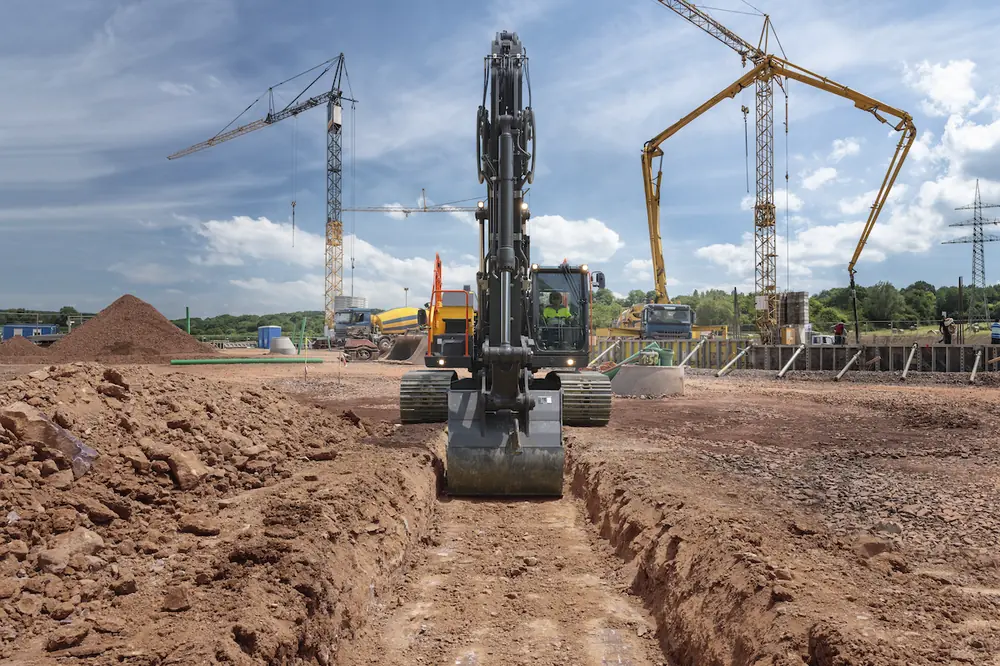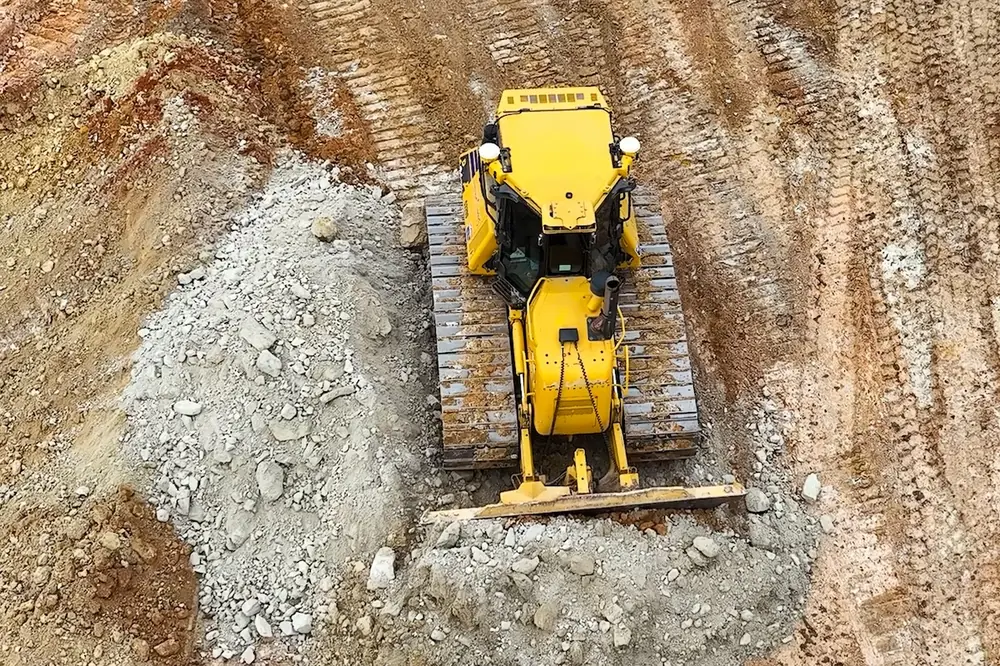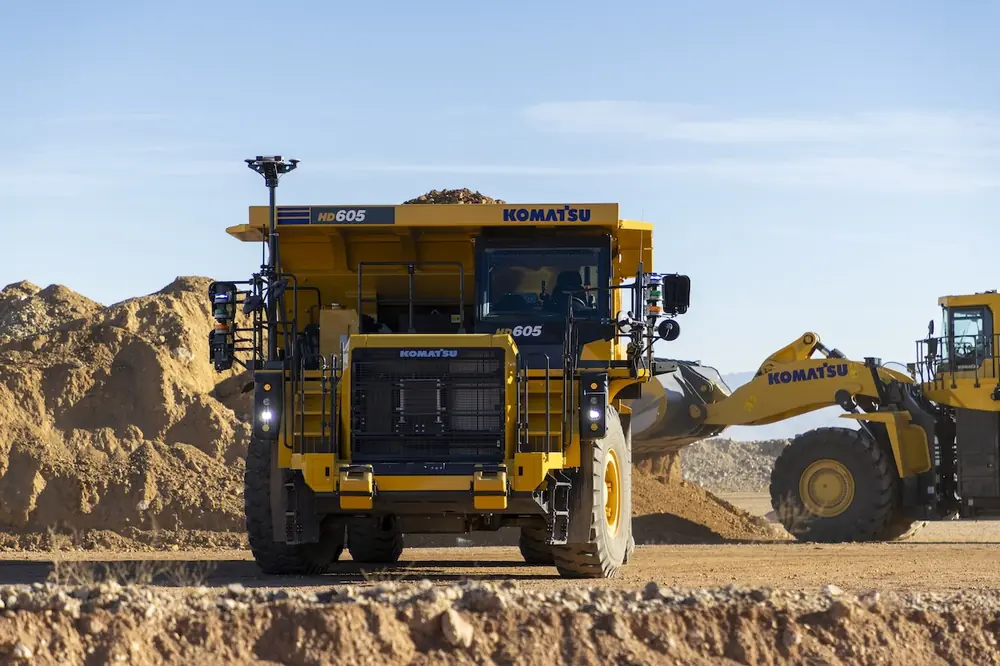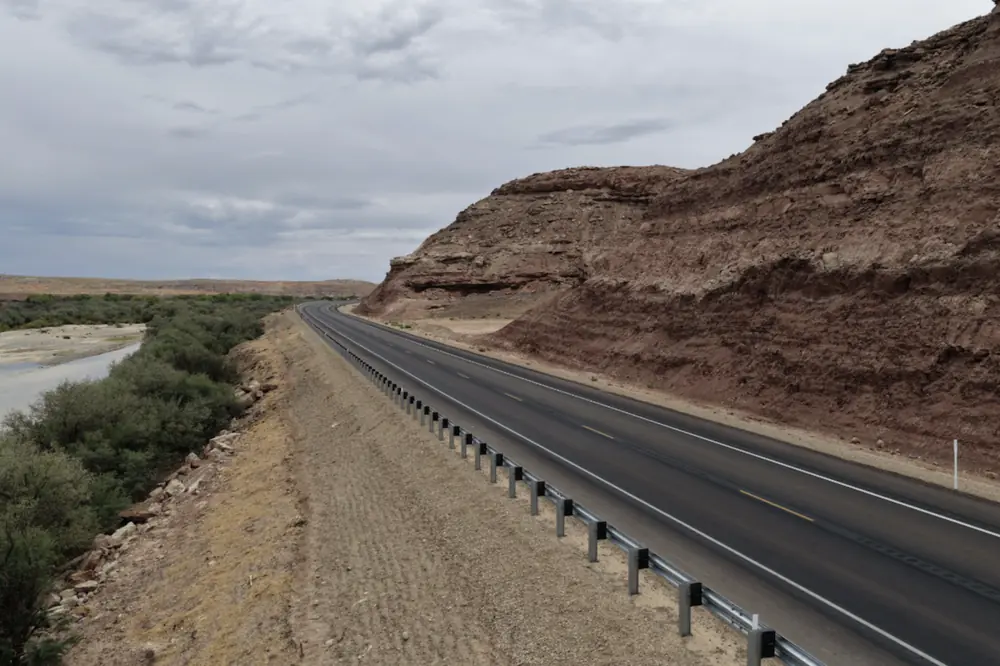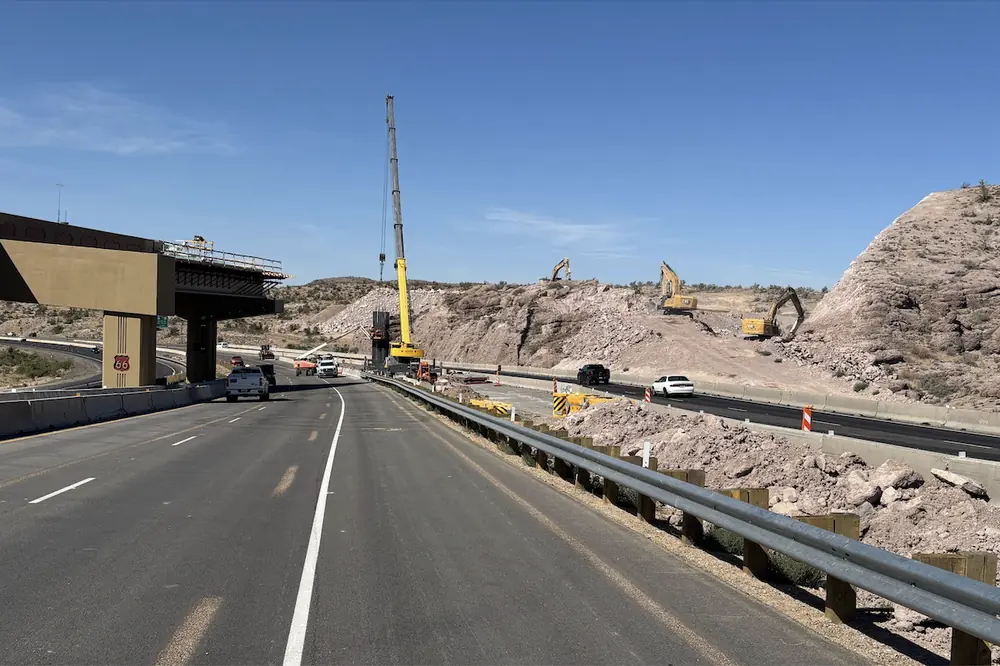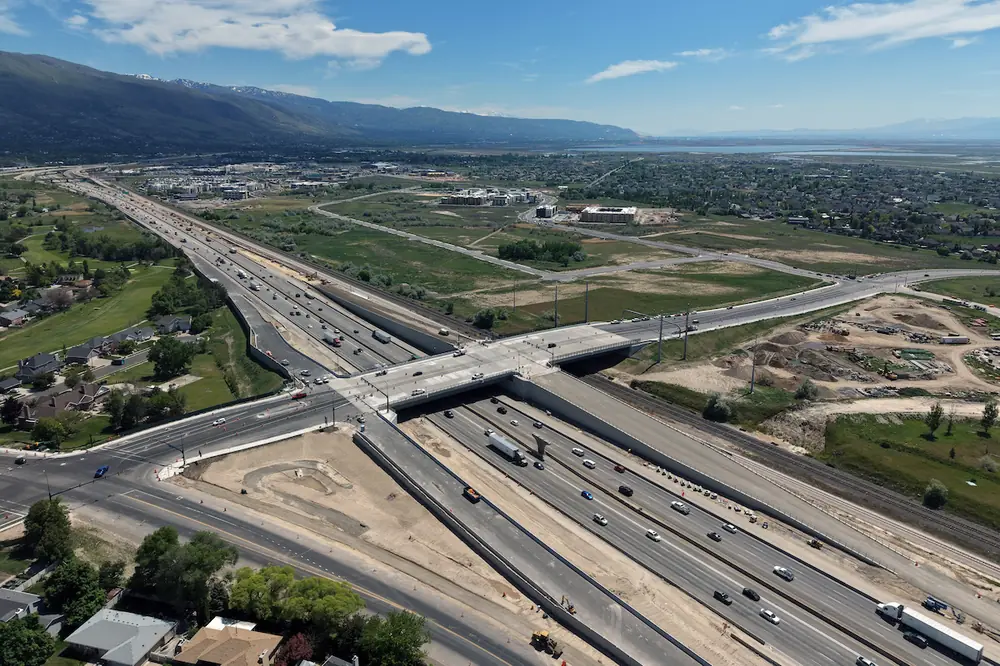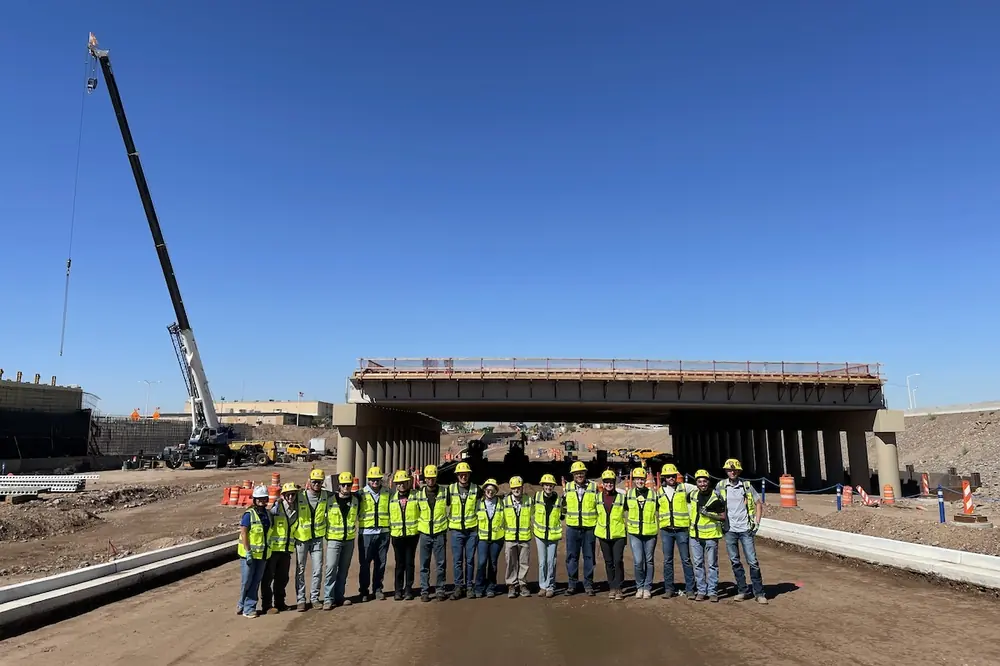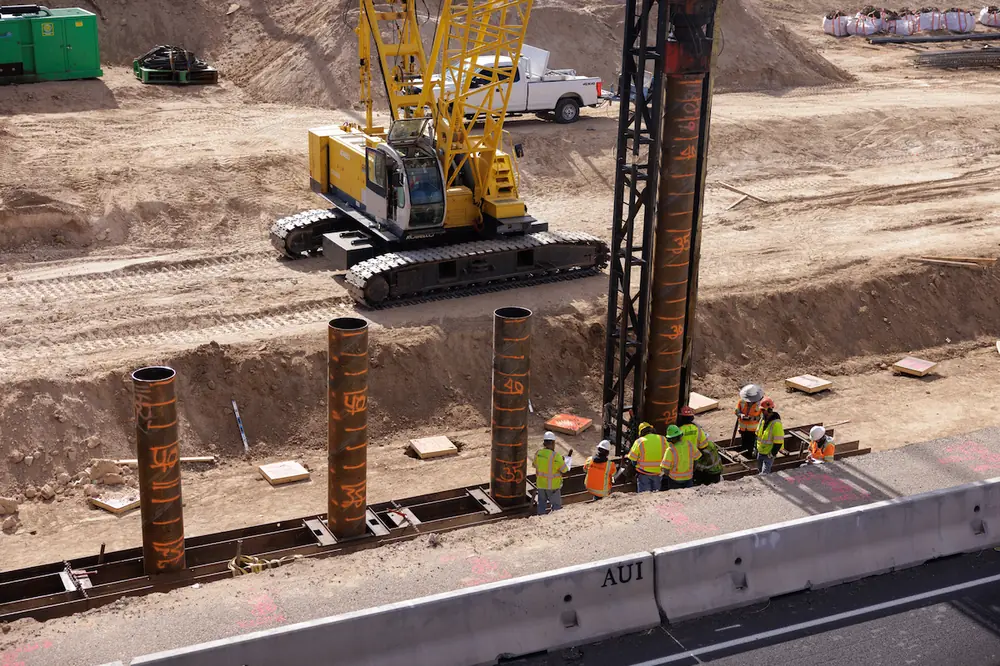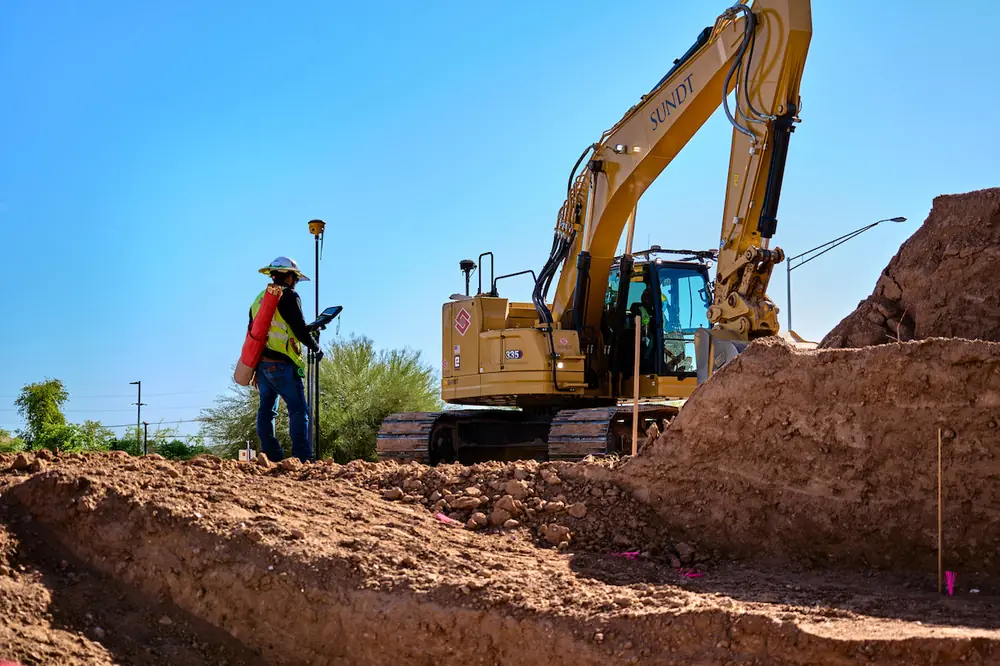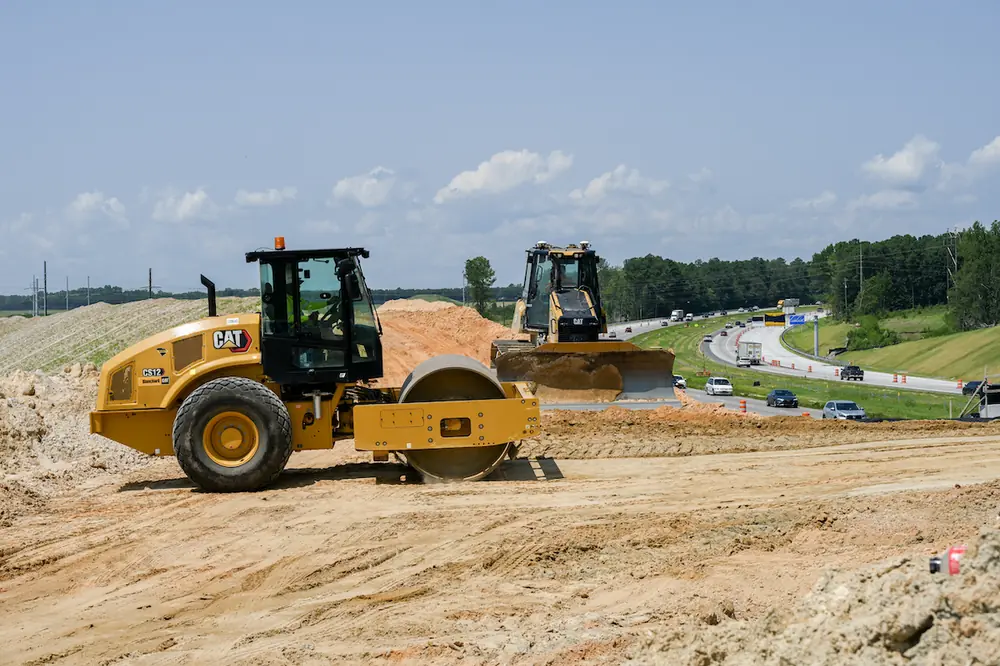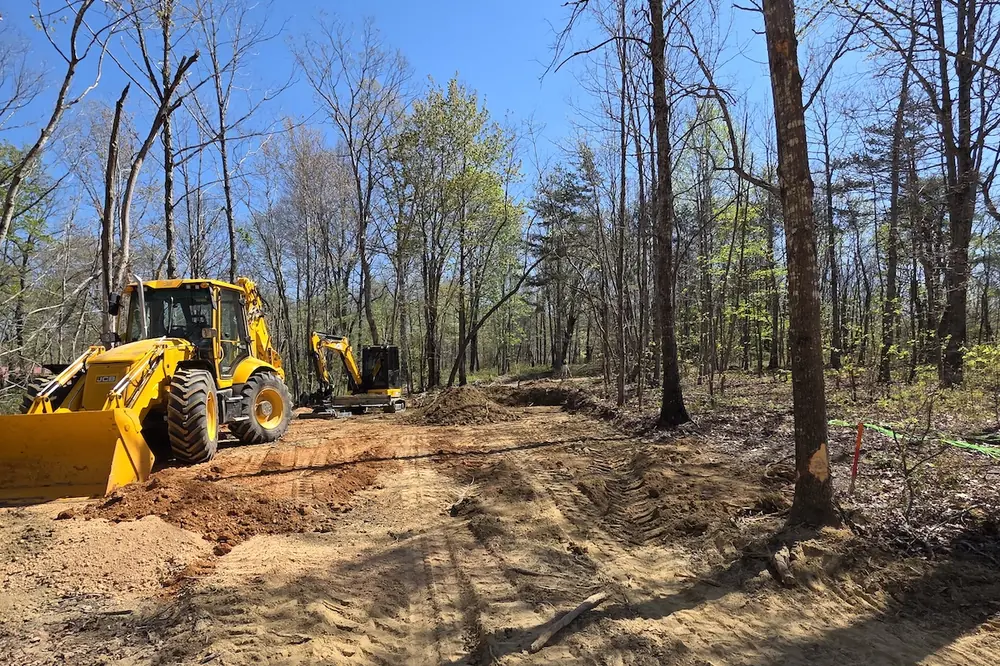
PHOENIX, AZ — The I-17 Improvement Project has officially reached substantial completion. After moving more than 2 million cubic yards of rock, dirt, and earth material, completing 62 controlled rock blasts, and making way for 23 miles of new lanes, the Arizona Department of Transportation (ADOT) has completed all major construction work on this massive project north of the Phoenix, Arizona, metropolitan area.
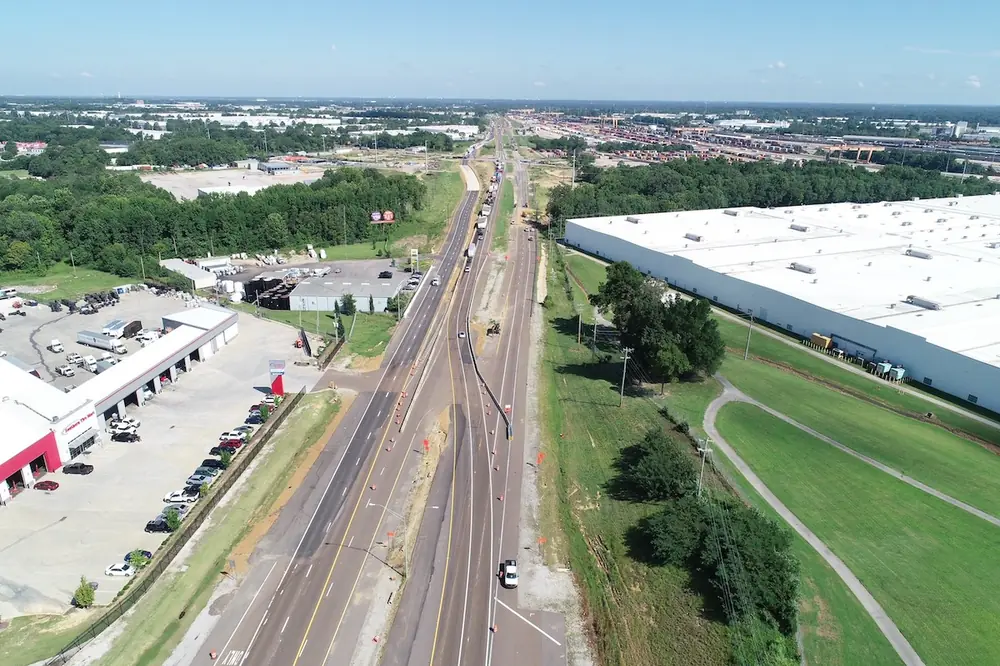
The 15 miles of new third lanes from Anthem Way to Black Canyon City and the 8 miles of flex lanes from Black Canyon City to Sunset Point have transformed this busy stretch of highway by adding capacity, reducing congestion, and enhancing safety. The new lanes were opened in 2025 to accommodate drivers while the construction work finished up. The I-17 corridor sees more than 1 million travelers annually, making it one of the most heavily traveled roadways in Arizona.
“ADOT is committed to the vital role that Interstate 17 plays as the primary north-south route that many people, businesses, and commercial truck drivers depend on for their travels, jobs, commerce, and connection to Arizona’s communities,” ADOT Director Jennifer Toth said. “The 15 miles of widening and the 8 miles of flex lanes have significantly improved traffic flow along this important corridor that also happens to be famous for its breathtaking scenery.”
The three-year I-17 Improvement Project saw several major milestones in 2025, as the additional third lanes opened to travelers in May, just in time for the summer travel season. The flex lanes opened during the July Fourth holiday to move traffic on the weekends and then officially opened seven days a week in September.
The flex lanes, the first of their kind in Arizona, were constructed through the mountainous area between Black Canyon City and Sunset Point. The lanes serve as an additional two-lane roadway that carries one direction of traffic at a time and can alternate between north- and southbound directions, depending on the greatest need.

| Your local Trimble Construction Division dealer |
|---|
| SITECH Southwest |
| SITECH Rocky Mountain |
| SITECH Northwest |
The flex lanes run adjacent to the two southbound general purpose lanes and are typically open to northbound traffic Mondays through Saturdays, then transition to southbound traffic on Sundays. During long holiday weekends, the flex lanes will be open to southbound traffic on both Sundays and Mondays.
“Flagstaff is grateful to ADOT and the state for prioritizing this important roadway and completing this project on time,” Flagstaff Mayor Becky Daggett said. “Traveler safety is critical, and these improvements support Flagstaff's residents, plus the 5 million visitors who come to Flagstaff annually to experience the Grand Canyon, Route 66, the Lowell Observatory, and the great outdoors."
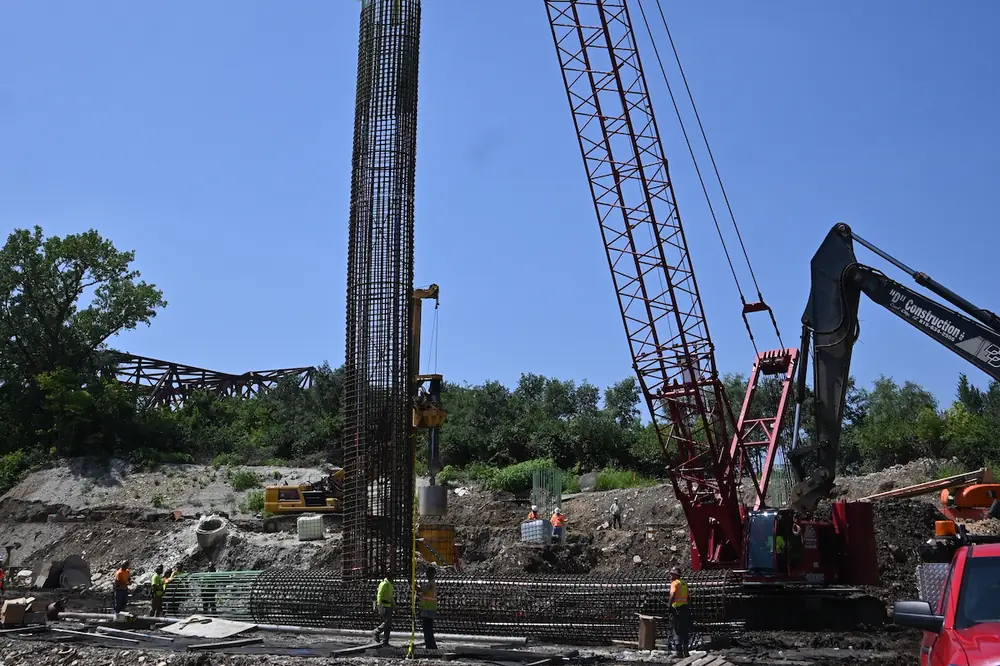
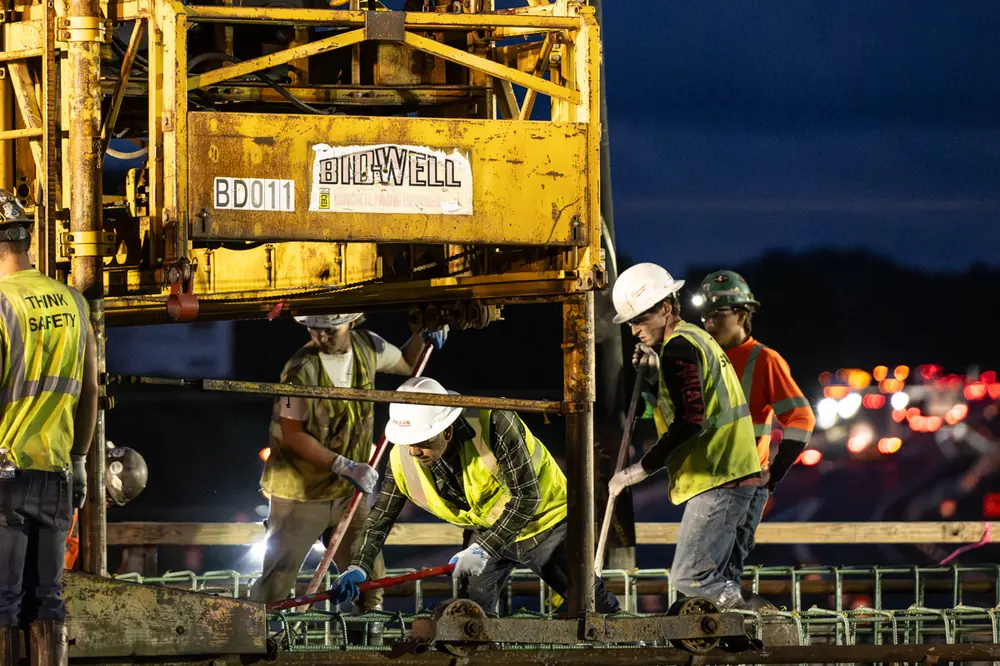
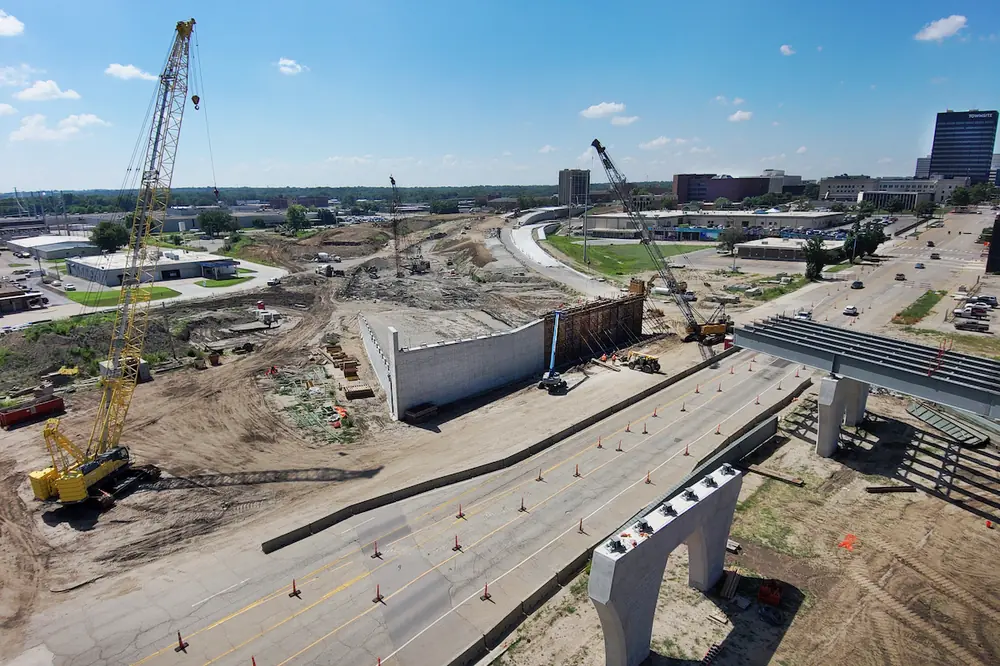
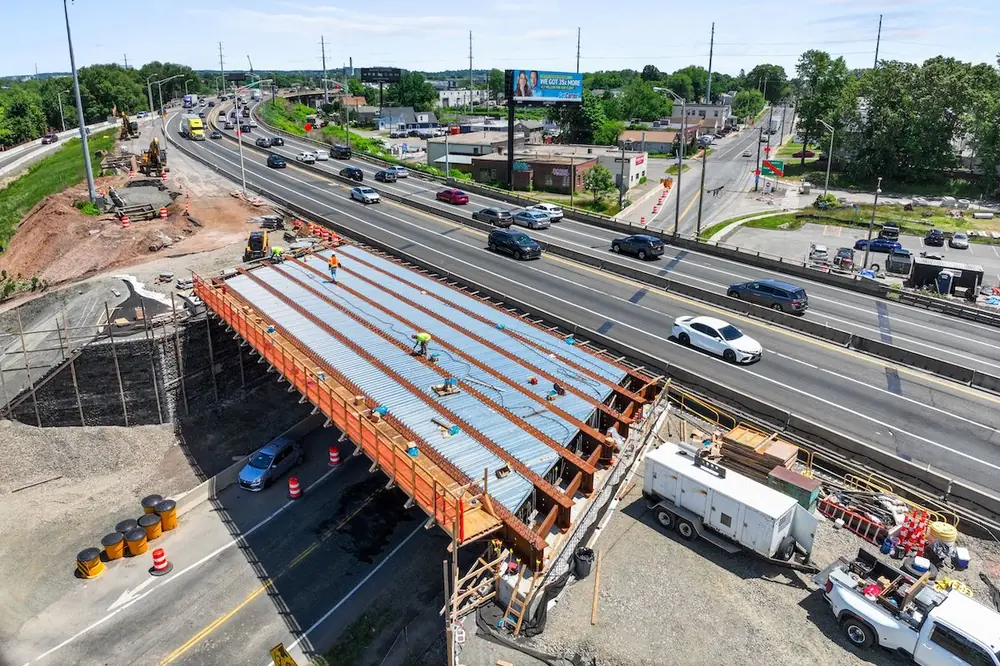
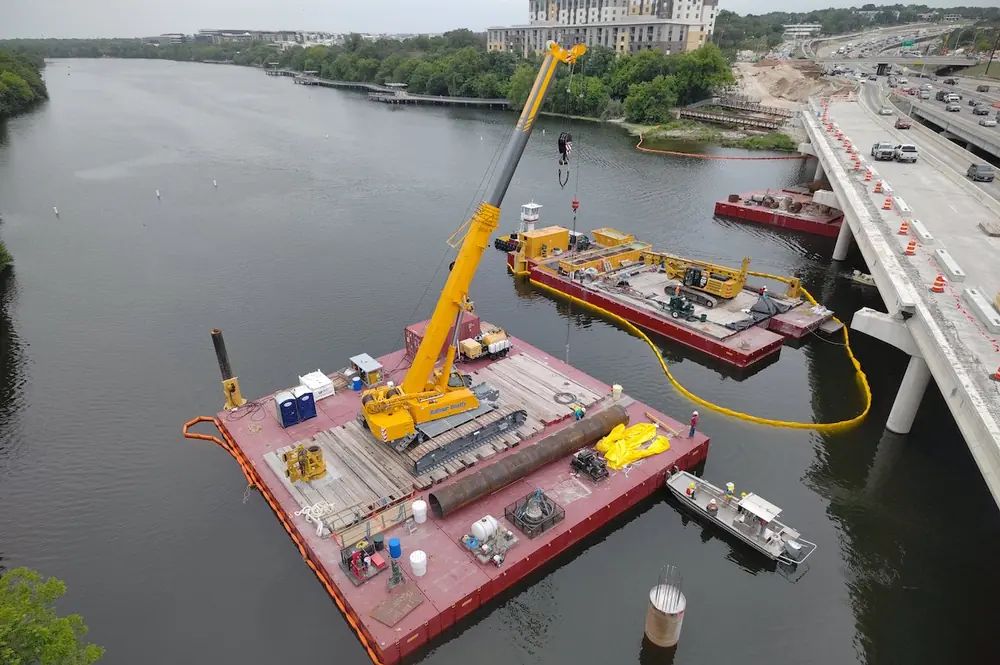
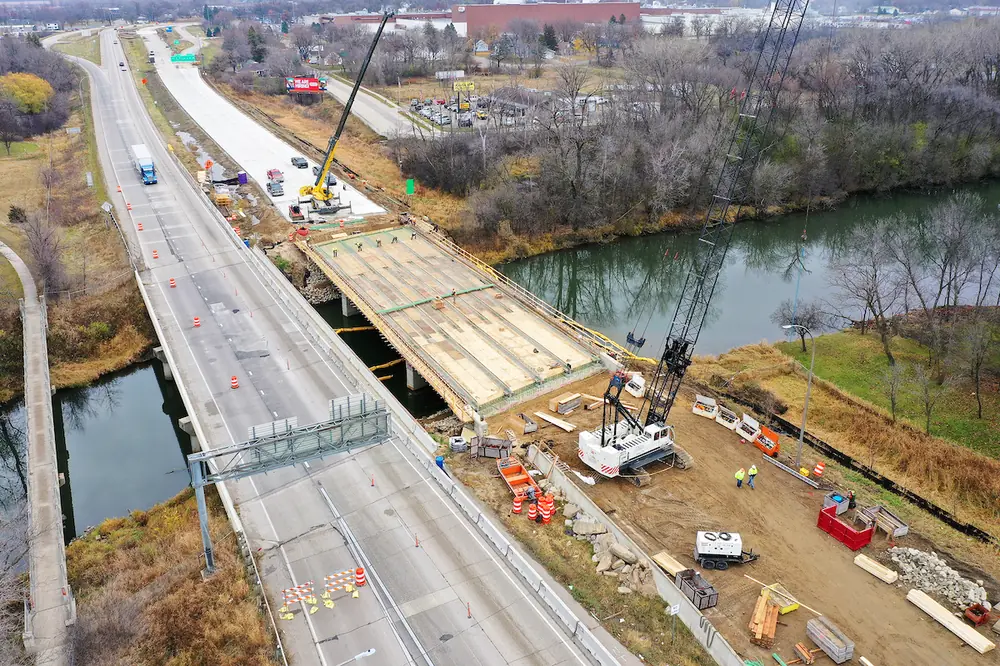
Another major component of the I-17 Improvement Project was the significant bridge work. Throughout the 23-mile corridor, 10 bridges were widened, with two others being completely replaced.
During the three years of construction, nearly all of the material removed from the mountainsides during controlled rock blasting and major earthwork operations was reused by crews and put back into the project. Rock material was crushed and used for paving the new lanes, as well as for aggregate base, bridge abutment protection, embankment, and rock mulch.

| Your local Gomaco dealer |
|---|
| Gomaco -Contact For a Dealer Near You |
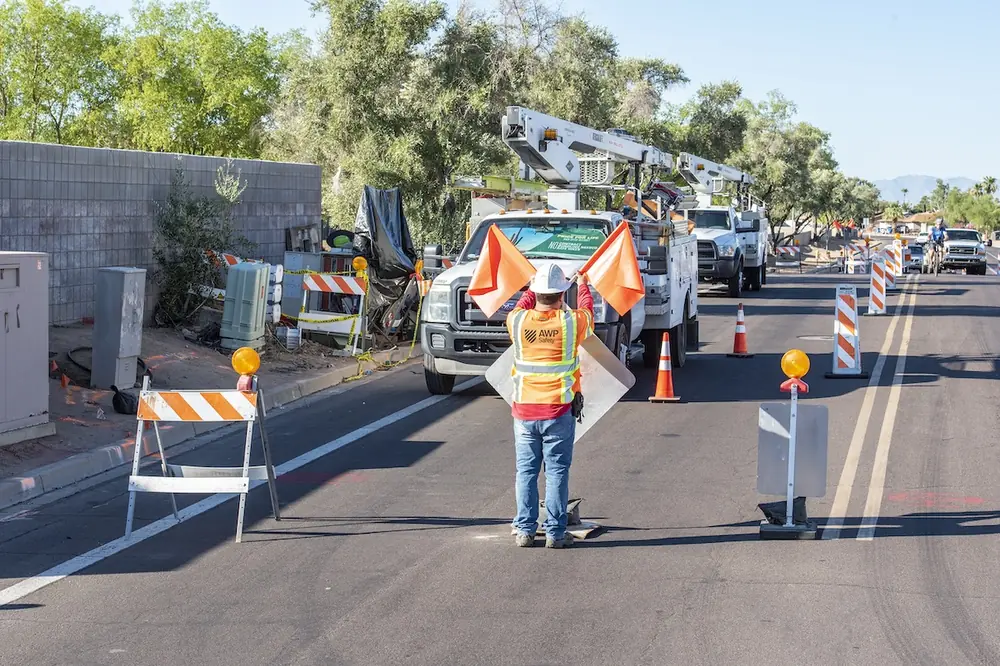
“This was a huge earthwork job that required significant coordination among the project team and construction crews to ensure that the major operations like blasting and excavating were successfully completed while minimizing the impacts to the traveling public,” ADOT Project Manager Annette Riley said. “Most of our work was done at night, in order to keep I-17 open for drivers during the day and on the weekends.”
This $522 million project was funded using federal funds, state highway funds, an Infrastructure for Rebuilding America grant, and Maricopa Association of Governments funding. The project was constructed as a design-build-operate-maintain, public-private partnership, which combined design, construction, operations, and maintenance components into a single contract.