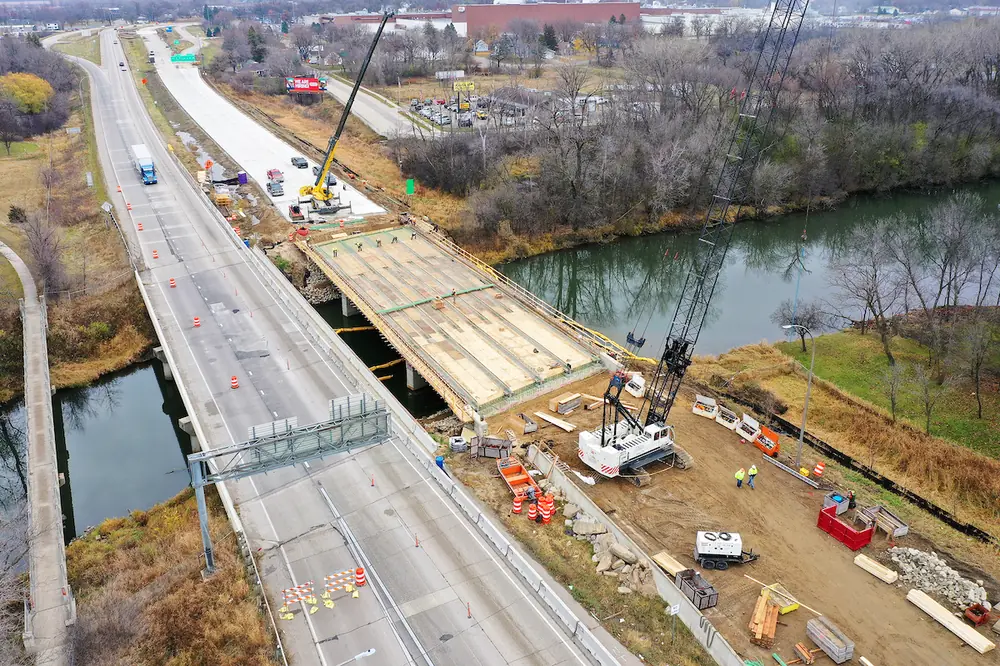

Alternative project delivery methods are becoming increasingly common across the construction industry, but Louisiana has taken the concept a step further. Rather than relying solely on the state’s transportation department, lawmakers created the Office of Louisiana Highway Construction (OLHC), an independent agency dedicated to accelerating project delivery.
The Louisiana Legislature formally established OLHC in June 2025 through Act No. 389, and Archie Chaisson was appointed as the agency’s Executive Director. OLHC’s first task is to repair or replace 62 of northern Louisiana’s most deteriorated rural bridges using a $100 million appropriation.
With nearly 13,000 bridges to maintain, Louisiana faces one of the nation’s largest bridge infrastructure systems. According to the American Road & Transportation Builders Association (ARTBA), 1,423 or 11.2 percent of those bridges are classified as structurally deficient.
OLHC’s website states that the agency “prioritizes projects based on infrastructure needs, public benefit, safety concerns, and long-term reliability. Early investments focused on bridges and highway segments with the greatest need, particularly in rural and underserved communities.”
Unlike the Louisiana Department of Transportation and Development (DOTD), OLHC operates as an independent state agency. According to Chaisson, lawmakers created the office after raising concerns about DOTD’s project delivery timelines and costs.

| Your local Bobcat dealer |
|---|
| Ditch Witch West |
“The Legislature wasn’t happy with DOTD’s performance including time and budget and felt project delivery could be done better by a new office,” he said.
Born and raised in Louisiana, Chaisson has experience in engineering, project management, construction management, and local government. He has embraced the challenge of creating a new state entity from scratch.
“We don’t have to play by the rules that DOTD does and make up the rules as we go along,” Chaisson said. “Our mandate was to get these projects moving and completed as quickly as possible.”
That flexibility has allowed OLHC to experiment with procurement strategies and project delivery methods that differ from traditional processes. The office’s small size — currently just Chaisson and Drew Harrell — has also enabled more efficiency, one of the factors by which its success will ultimately be measured.

| Your local Trimble Construction Division dealer |
|---|
| SITECH Rocky Mountain |
| SITECH Southwest |
| SITECH Northwest |
According to the OLHC website, the agency will maintain transparency and accountability by establishing “performance tracking, reporting standards, and standardized controls to monitor cost, schedule, and contractor performance. These measures help ensure projects are delivered on time, within budget, and meet quality standards.”
Just one year into the program, OLHC has set up the office, laid the foundation for the new agency, and completed multiple bridge replacements. From the beginning, OLHC intended to bundle the bridges to improve efficiency and facilitate cash flow.
“If one bridge went over budget and one was under, we could move funds over since they’re not line-itemed,” Chaisson said.
The projects were initially divided into three larger bundles. However, after bids came in higher than expected, the agency adjusted its approach and divided the work into seven smaller bundles, each consisting of approximately seven to 10 bridges. The change allowed OLHC to attract a wider range of contractors while helping stabilize project costs.

| Your local Gomaco dealer |
|---|
| Gomaco -Contact For a Dealer Near You |
“The smaller bundles allowed us to use regional contractors who knew the area, which allowed us to get more local groups involved,” Chaisson said.
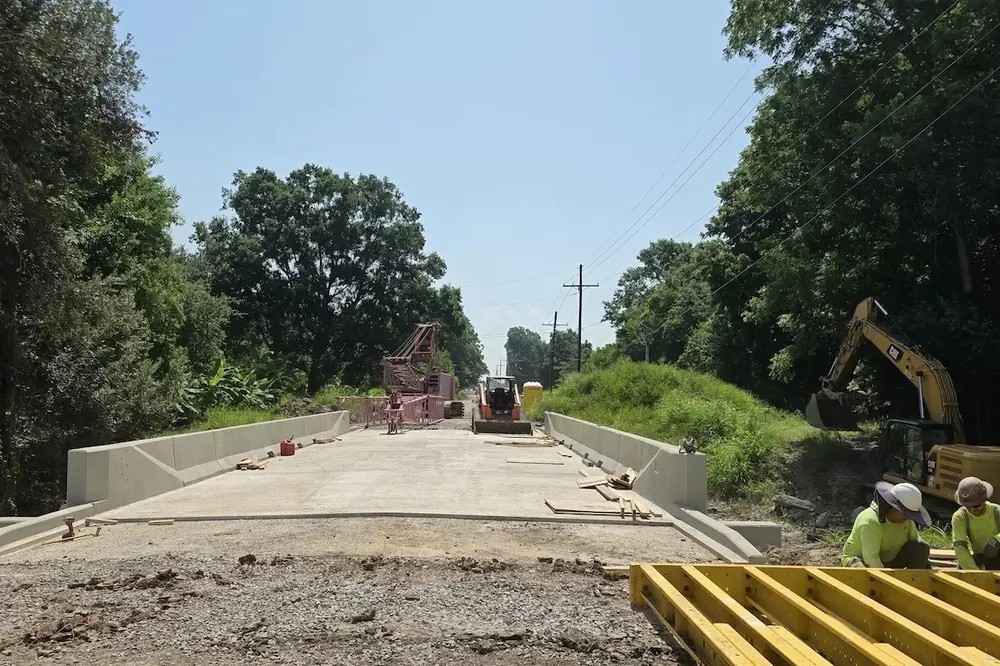
The plans for the first bridge were delivered by Thanksgiving 2025. The general contractor broke ground before the year was over and completed the bridge just 103 days after construction began.
That is the fastest time a bridge has ever been built in Louisiana. The typical time it takes DOTD to build a similar bridge is one year. Many factors go into achieving that pace of construction.
The OLHC website states that the agency accelerates project delivery through “proactive coordination with local municipalities, utility providers, regulatory agencies, Louisiana 811, and DOTD to streamline permitting, improve scheduling, reduce utility conflicts, and minimize delays. OLHC also leverages emergency procurement authorized under Act No. 389 to move projects from design to construction quickly.”
| Your local Bobcat dealer |
|---|
| Ditch Witch West |
During its first year, the agency designed, executed contracts for, and began construction on five non-federal-aid bridges within four months. Chaisson attributes much of OLHC’s accelerated schedule to its willingness to work closely with the private sector and involve contractors earlier in the process.
The projects are being delivered via collaborative project delivery methods including progressive design-build and construction manager at risk. Both methods bring contractors onto projects earlier than traditional delivery approaches, allowing teams to identify potential challenges, evaluate costs, and refine designs before construction begins.
“We’ve given contractors very preliminary designs to ensure they have capacity and can hit the ground running,” Chaisson said.
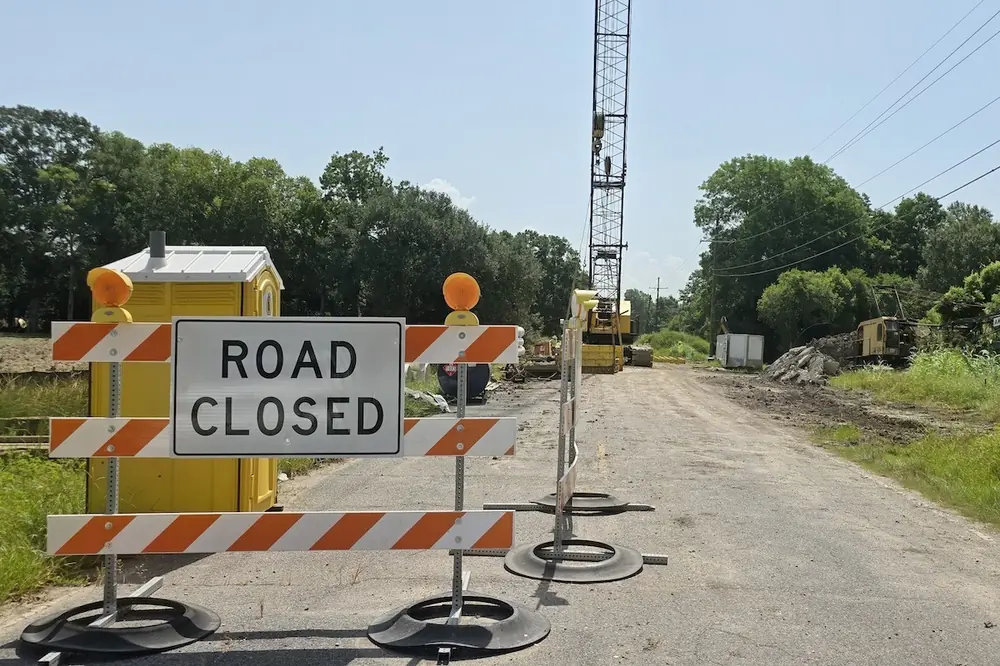
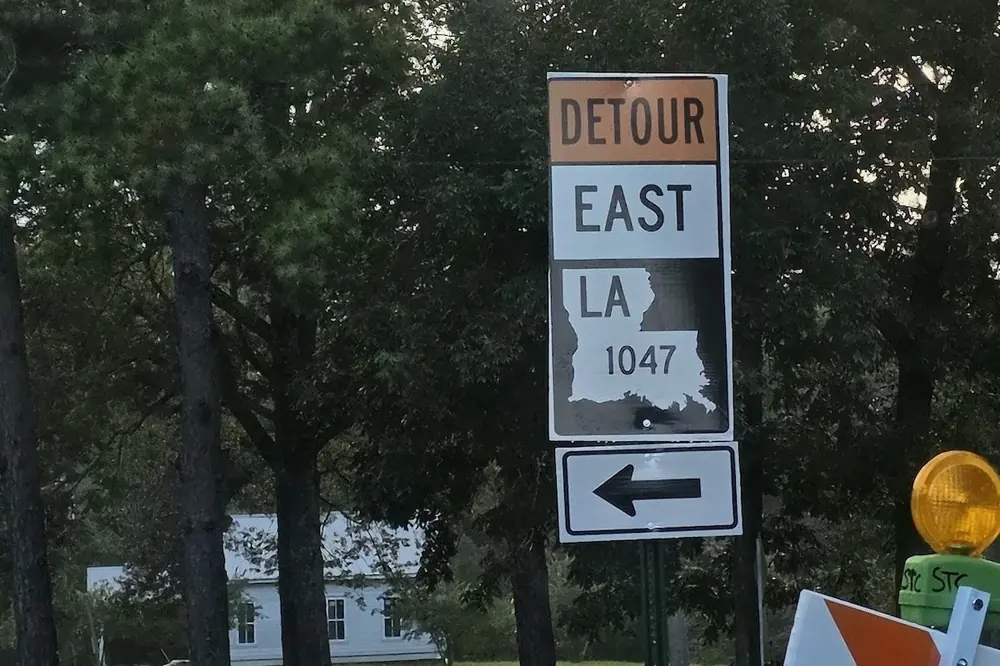
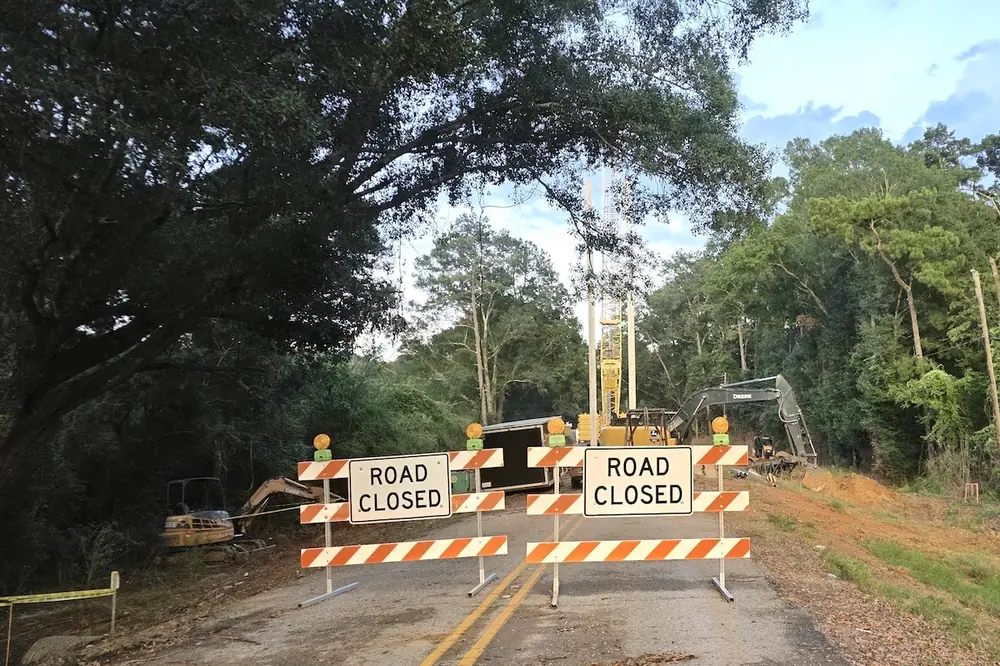
Accelerated timelines are especially important for OLHC projects because the state is not building temporary bypass bridges while construction takes place. In some areas, detours caused by bridge closures can add more than 30 minutes to drivers’ commutes.
| Your local Bobcat dealer |
|---|
| Ditch Witch West |
To minimize disruptions, contractors are expected to have materials on site and be ready to proceed with construction before demolishing the bridge.
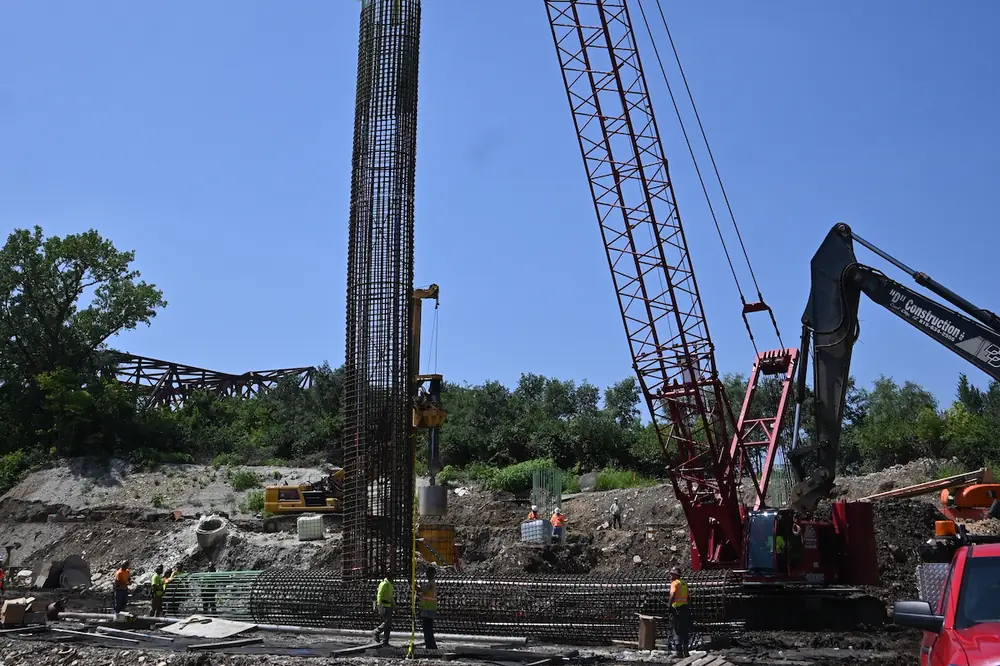
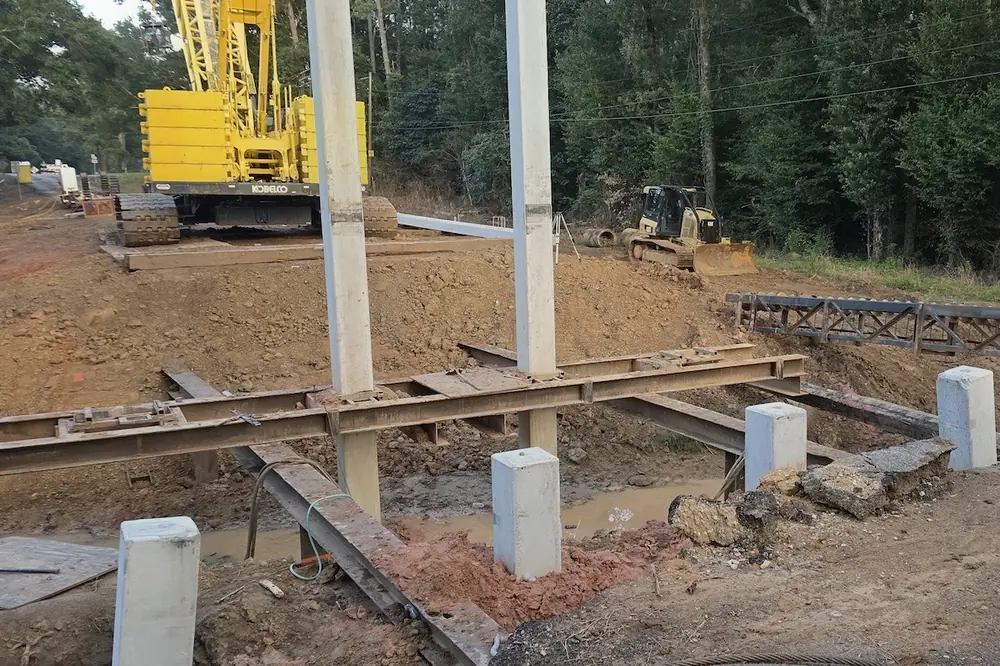
The first bridge, LA 36 Bridge in St. Tammany Parish, is 60 feet long and 20 feet wide and was built on timber piles. Many of the 62 bridges on OLHC’s agenda fit this description. The contractor for this bridge project was Gilchrist Construction Company, based out of Alexandria, Louisiana.
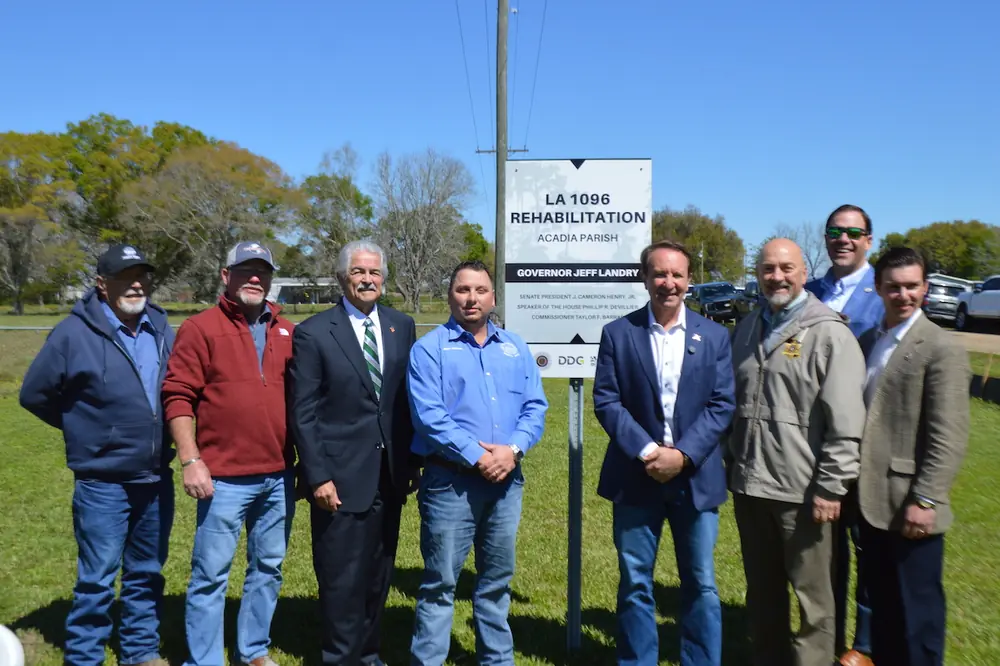
“I gave the teams some motivation by telling them there would be a ribbon cutting at the first bridge to be concluded,” Chaisson said.
So far, the typical time frame for the reconstruction of the bridges has been between 110 and 125 days. OLHC is aiming to have all the bridges rebuilt by the end of 2026, although there will be a few outliers due to right of way or permitting issues. Chaisson is optimistic that they will reach the goal, though he recognizes challenges could arise.
| Your local Bobcat dealer |
|---|
| Ditch Witch West |
The accelerated timelines have required OLHC to pay higher costs to achieve faster project delivery. Chaisson refers to those additional expenses as the cost of achieving the agency’s mission, although he noted that the approach has limits. One factor helping offset those costs is the money saved by avoiding the construction of temporary bypass bridges.
According to Chaisson, the team is able to work efficiently because they think outside the box and remain flexible when market conditions change.
“In Louisiana, there’s lots of construction of data centers under way, which is making some materials hard to come by,” he said. “We’ve switched from concrete piles to steel pile bridges due to availability. They also tend to last longer.”
Although OLHC’s initial bridge program is well under way, the agency’s work is far from finished. The Legislature assigned the agency 40 road segments and 20 bridges for fiscal year 2026-27.
| Your local Bobcat dealer |
|---|
| Ditch Witch West |
While the duration of the OLHC program is still uncertain, Chaisson is taking both a short- and long-term approach. He expects that at some point his agency will be folded into DOTD.
“As long as the synergy works and the funding is there, we’ll keep going as is,” Chaisson said.
When the program does draw to a close, Chaisson hopes that OLHC will have reinvigorated the construction and job market in rural areas, delivered projects at an accelerated rate, and spent Louisiana taxpayers’ money appropriately.
“We’re repurposing aging infrastructure that has negatively impacted the economy in rural Louisiana,” Chaisson said. “We can be proud of the work we’re doing at OLHC if we help farmers save their commodity dollars and put that money back into the economy in a meaningful way.”