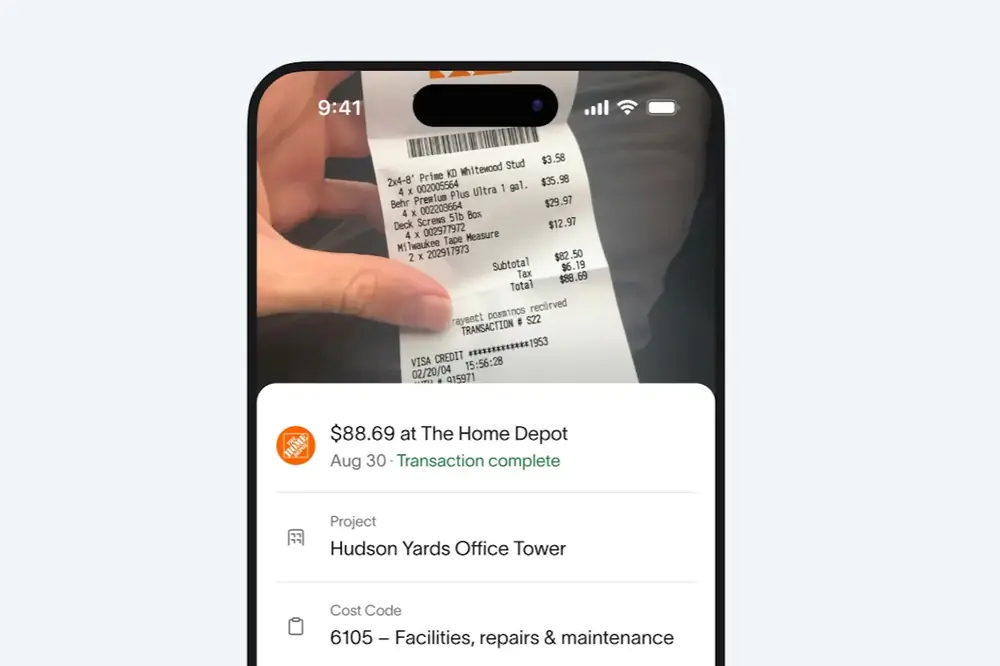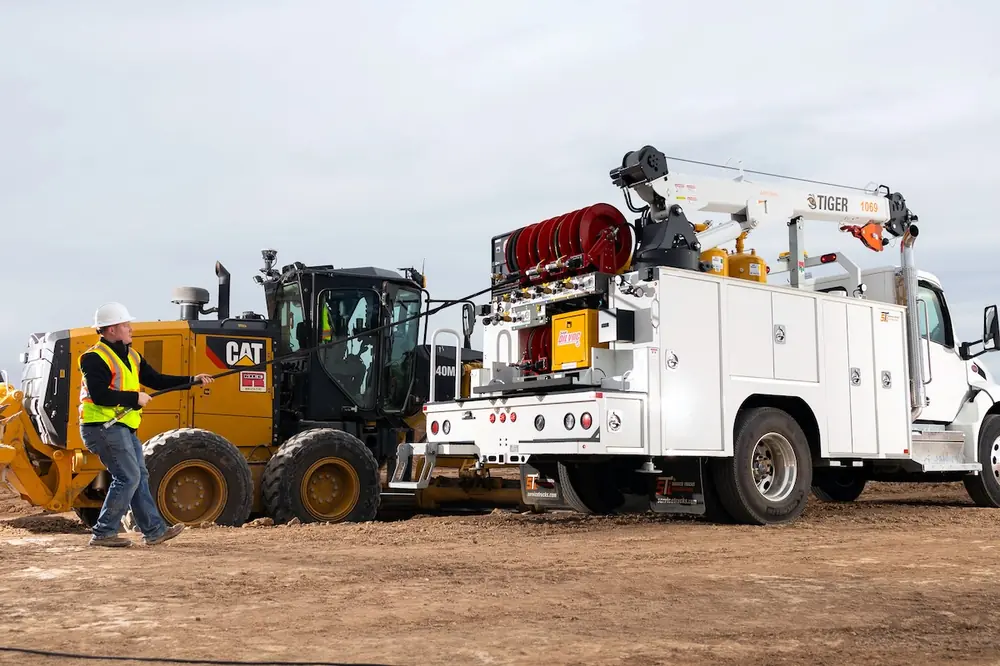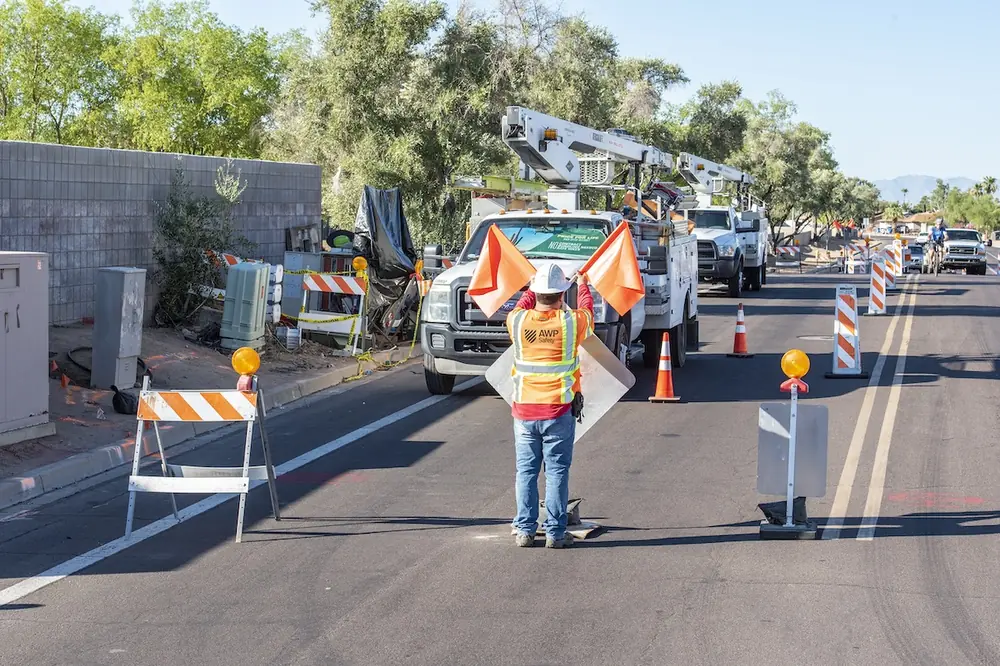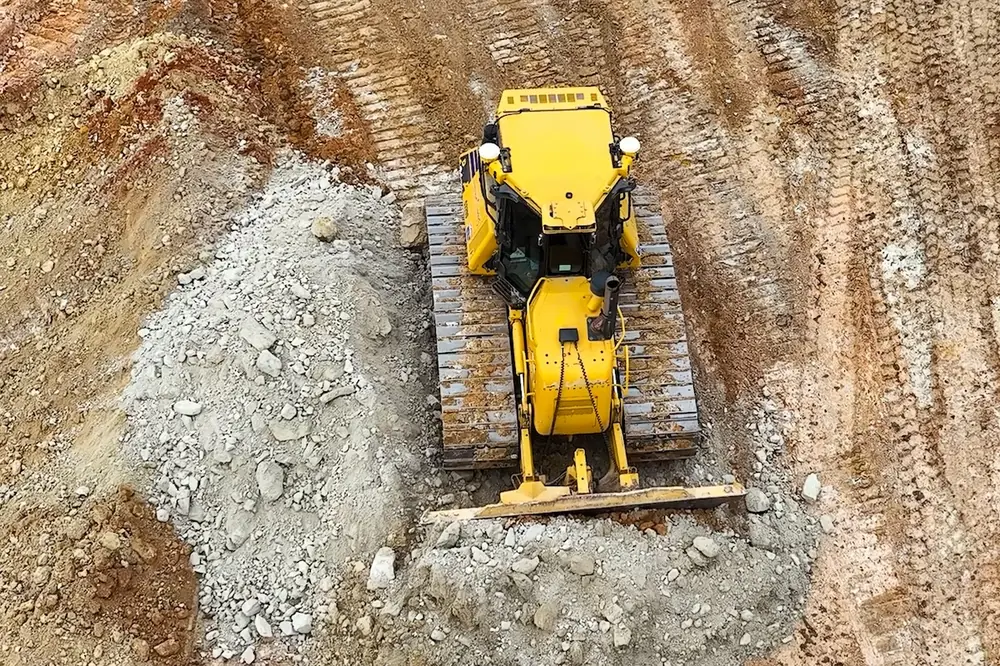
You step onto the convention floor and see 250 new products, each promising better sites, fewer delays, and easier jobs. After a few hours, the excitement turns to confusion. Which tool is the right fit? Does my company need all of this new technology?
As Director of Innovation at Hardaway Construction, I navigate these choices every day. The surge of new technology isn’t slowing down. However, making sense of the chaos and choosing what truly helps your team matter far more than rushing to buy the latest innovations.
The construction sector stands at the edge of its most significant changes in decades. Technology isn’t “advanced” anymore — it’s a part of the job. Digital tools, automation, and new methods drive how and what we build. With more products flooding the market than ever before, the real test is knowing how to pick wisely, pilot safely, and make lasting improvements that stick.
The construction market continues to grow, and with it, new construction-focused technology offerings have steadily increased. Job sites are becoming increasingly interconnected and data-heavy, making digitalization crucial.
But why such speed?

| Your local Komatsu America Corp dealer |
|---|
| Brandeis Machinery |
The primary reason is that the gap in innovation between construction and other industries has hit a breaking point, while owners and developers are shortening deliverable times and requiring more information than ever before.
Such an environment fosters competition within the market, prompting many to pursue innovation at a rapid pace. Companies feeling left behind are sprinting to catch up, while companies that have traditionally been innovative are looking to continue differentiating themselves.
While competition in the market drives innovation, the rush to keep up can result in technology exhaustion or the adoption of products that fail to deliver.
Some of the terms are familiar — but what about the applications?

| Your local Wirtgen America dealer |
|---|
| Brandeis Machinery |
Artificial Intelligence
In this current stage, AI is not replacing humans; it’s augmenting human workflows through tasks like reviewing contracts and providing feedback about the risks and requirements within them. That frees up more human capital. We hire people for their critical thinking skills, and AI can help maximize the time they spend solving issues rather than just navigating and identifying them. Companies that leverage this skill become far more productive and experience less burnout.
Reality Capture
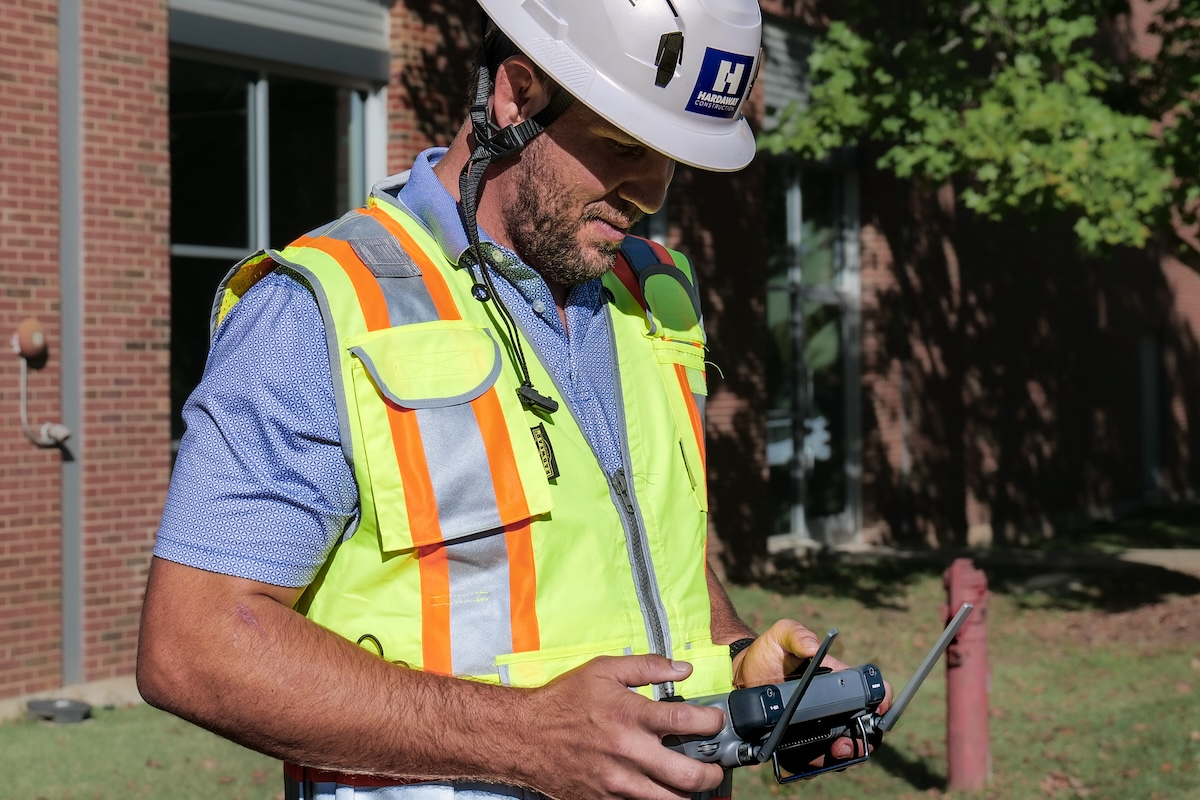
A significant portion of the construction industry has experienced the frustration of incomplete information when examining an issue on a project. Leveraging drones and streamlining the use of 360-degree cameras now allows unprecedented documentation. Ownership can use augmented reality with the 360 shots to see behind barriers. If a picture is worth 1,000 words, a 360-degree shot is a novel.
Building Information Modeling
AI is revolutionizing this process; it no longer requires a magician to resolve and identify clashes within the model. BIM is roaring into the 21st century, bringing with it the coordination that allows every aspect of a project to be thought out ahead of time. The concept of digital twinning allows reality capture to show how accurate a building is to the model and then provide further data on the efficiency of the systems feeding back to the model.
Most construction teams run on thin margins. Every dollar spent on technology is a dollar that can’t be spent elsewhere. Therefore, selecting the wrong tool or purchasing a system with an overly steep learning curve wastes valuable time and money. A quick rule I follow is never to trust software that does more than three things. It likely means they don’t actually understand the problem they're solving, or they do and it's not effective, causing them to pivot onto multiple other things.

| Your local Case Construction Equipment Inc dealer |
|---|
| Birkey's Construction Equipment |
Many in the industry also cite resistance to change, a lack of data skills, and software that won’t work together as the main threats to smart technology upgrades. Technology exhaustion, coupled with disjointed systems, puts construction companies in a worse spot. Too much too fast can lead to lagging even further behind, with an even smaller margin to spend.
The aging workforce and the knowledge they leverage is yet another struggle. Technology can replace some tasks, but lack of experience destroys the intended result of augmenting. I mentioned that AI allows others to think critically through problems, but that doesn’t work if the individual trying to solve the problem doesn’t understand why it’s a problem in the first place.
Making the most of technology requires deliberate planning. Consider these steps:
1. Define Honest Needs
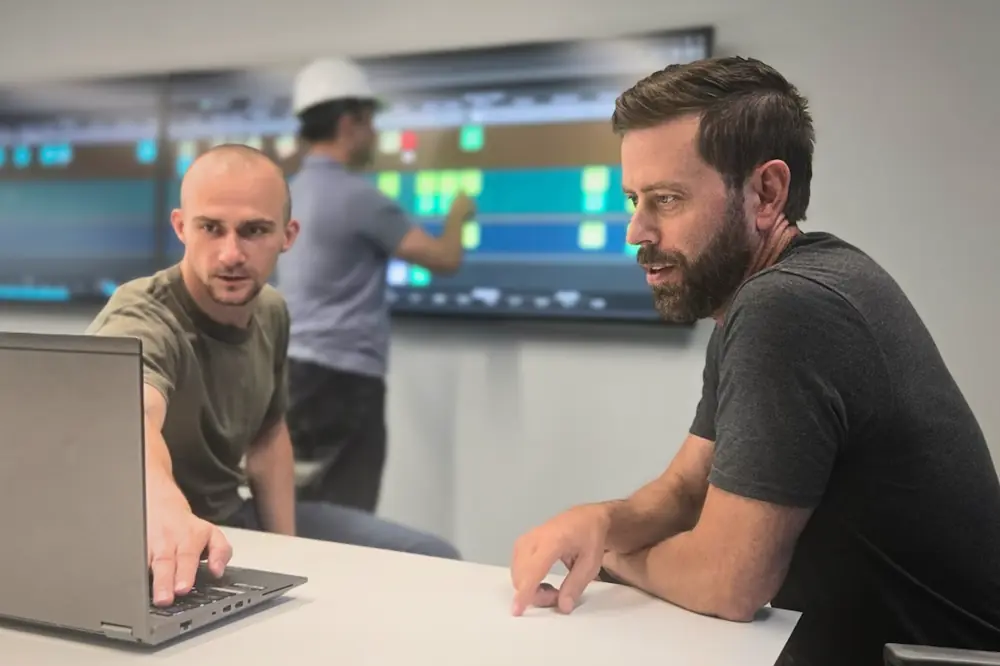
Utilize open discussions and feedback to pinpoint specific areas of concern. At Hardaway, honest, upfront conversations guide our tech choices. Send out surveys. Go to lunch. Get down to the root cause of what you’re struggling with.

| Your local Bobcat dealer |
|---|
| O'Leary's Contractors Equipment & Supply |
2. Pilot, Don’t Plunge
Start with a small test. For example, run one new program on a single project phase. Get field feedback. See if it solves the problem without causing three more.
3. Check for Integration
Look for tools that play well with your existing systems. Always ask if there is an open application programming interface (API) with the products you already use. Many projects now blend several technology advances. The old way where software, machines, and paper logs stayed in their own lanes no longer works. The ability for different systems to “talk” to each other is essential.
4. Find Your Champion
Somewhere in your company a champion is waiting to help. This person recognizes the value of what you're attempting to do and will help influence peers and coworkers. Get someone on board to motivate your teams.
5. Prioritize Training and Openness
Good tools only work if your people trust and use them. Keep training short, focused, and easy to repeat. Celebrate small team wins early to build energy for wider rollout.

| Your local Case Construction Equipment Inc dealer |
|---|
| Burris Equipment |
6. Review, Revise, Repeat
Regularly ask for feedback and track real results. Learn what works and what doesn’t and tweak your rollout before making bigger investments. Remember: Anything worth doing is worth doing poorly for a short time. The valley of despair is inevitable, but powering through that often leads to heights you thought were impossible.
Why does all this matter as you navigate through the sea of product demos? Because not every shiny app will boost your results. Progress is about solving site-level pain points first, growing skills, and ensuring new systems fit how you really work.
The industry will keep racing forward. That’s good news. If you pair curiosity with discipline, you can filter out the noise and guide your teams toward lasting changes. In the next decade, the most successful firms won’t be the ones who chase every trend, but those who pick, prove, and scale the right tools for them.
Bryce Barnes is Director of Innovation at Hardaway Construction, where he integrates technology and data-driven solutions across the company’s portfolio. A U.S. Military Academy graduate and former Army officer, he brings a mission-focused mindset, emphasizing operational efficiency, field-driven innovation, and scalable systems.