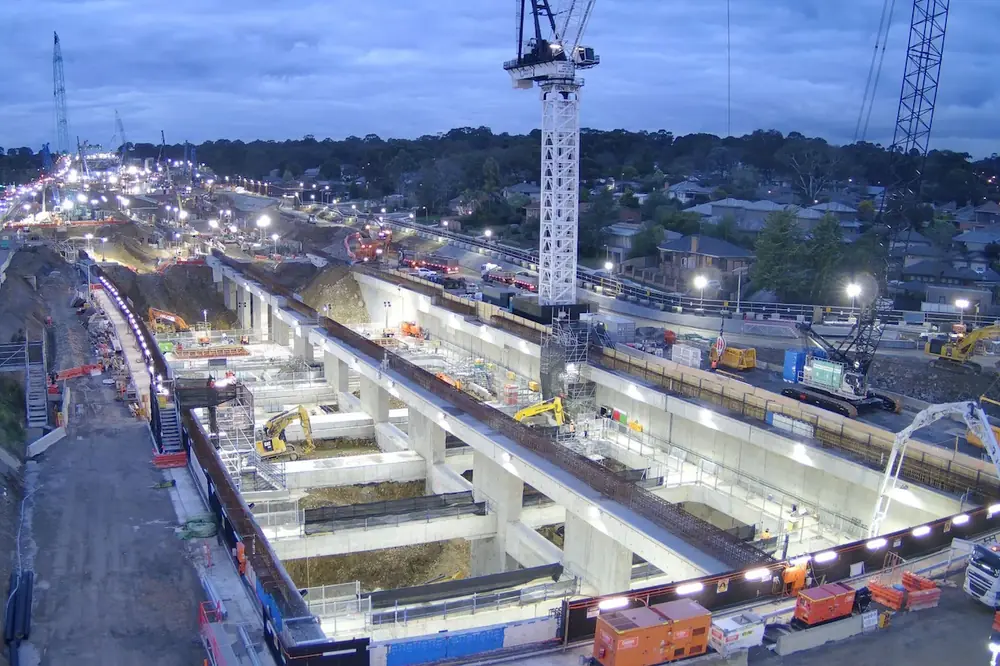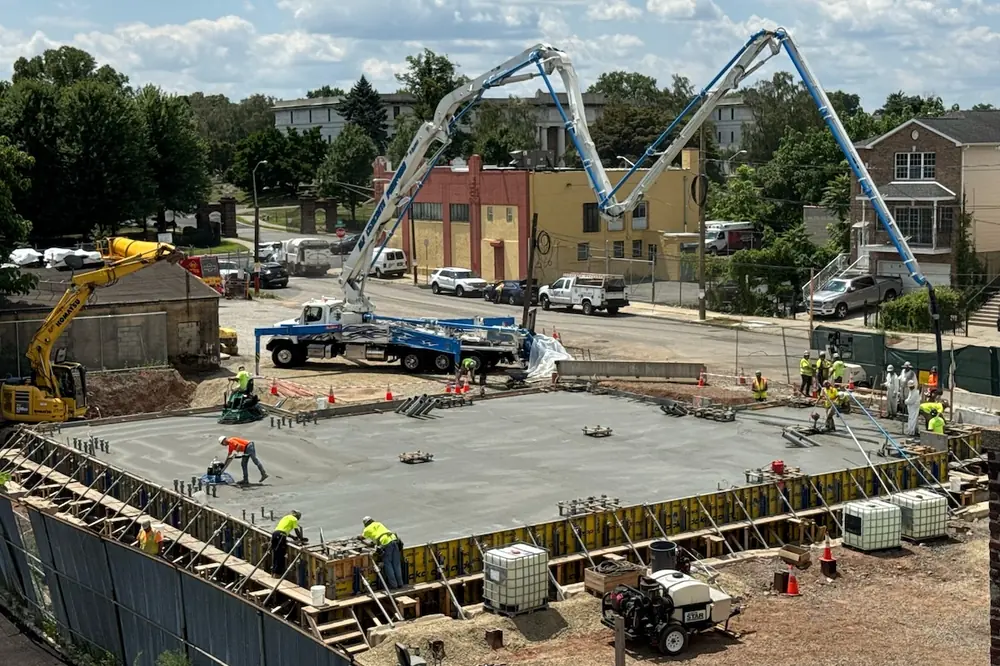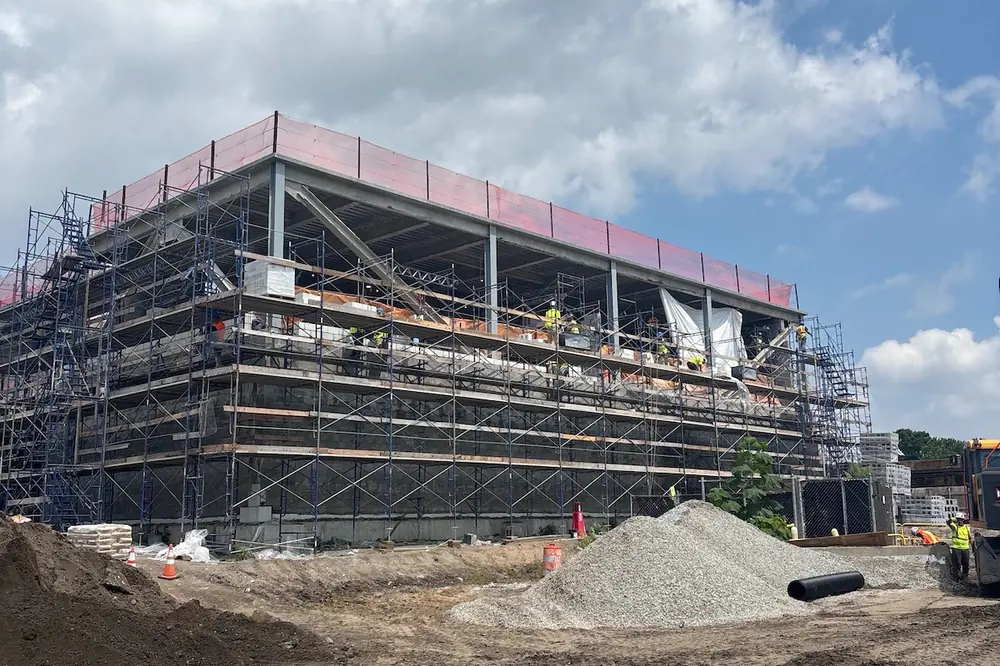


As construction megaprojects, especially data centers, grow more complex with multiple subcontractors onsite, vendor managed inventory (VMI) can help ensure materials are available when needed and in the right amounts. This is especially critical when a job has multiple stages and supply chain flow needs to match each phase of the job. Distributors monitor material flow, alert contractors when they approach predefined levels or budget limits, and facilitate communication to avoid unnecessary procurement.
While VMI itself isn’t new, several emerging technologies — including artificial intelligence (AI) and predictive analytics — can augment its capabilities, from asset management to tool tracking and more.
Before considering the impact of emerging technologies on VMI programs, contractors should first make sure they maximize their current program.
Manage Materials by Trade or Requirement
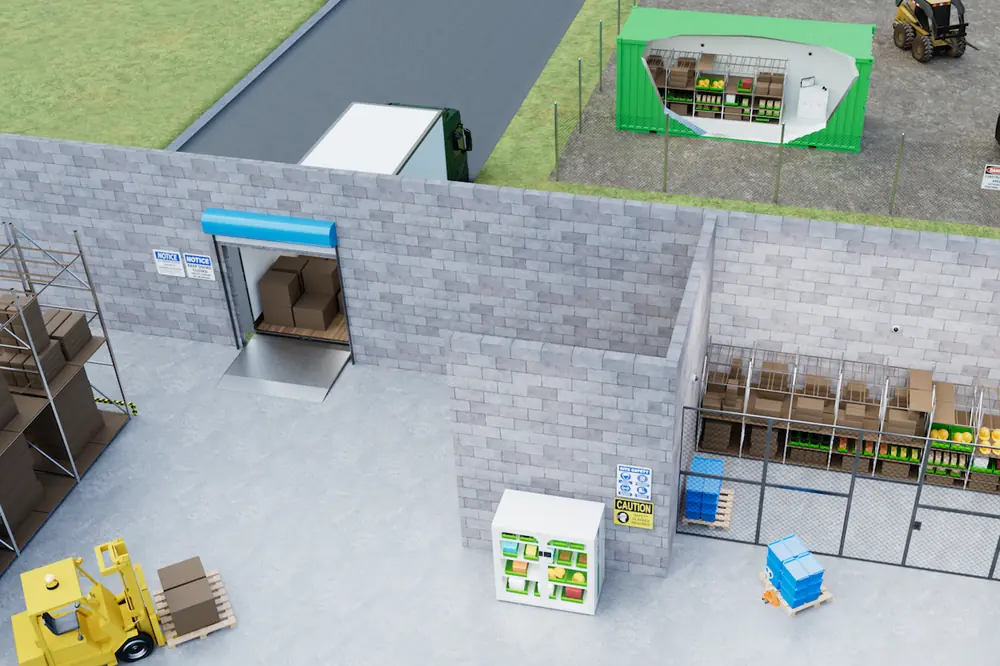
Materials are often over-ordered when inventory isn’t fully visible or crews want to avoid running short. VMI solutions such as job trailers, lockers, or storerooms with user identification and material tracking improve accountability, control access, and provide real‑time inventory insight. On large, phased projects, inventory can also be aligned to specific stages of work through phase‑based storerooms, reducing excess material, rehandling, and inefficiencies.
In some construction environments, industrial vending can also play a role within a broader VMI strategy, particularly for high-turn consumables. When implemented thoughtfully, vending complements other inventory solutions by improving accountability, reducing shrink, and ensuring consistent material availability without overstocking.

| Your local New Holland dealer |
|---|
| Burris Equipment |
Adjust Procurement Strategies to Stay on Budget
Effective VMI starts with clear communication of the material budget at the outset of a project, enabling accurate tracking and proactive feedback as work progresses.
When usage trends exceed budget, contractors can adjust procurement strategies, recall unused materials, or shift high‑value items to centralized locations to stay on track. At project closeout, VMI reporting and cycle counting provide clear visibility into remaining inventory, supporting informed decisions around material returns, transfers to future phases, or redeployment to the next project.
Strengthen Your Supply Chain
With continued supply chain disruptions, it's important to establish fail-safes. This can be done through a layered backup system, where local sites house backup materials, supported by regional distribution centers and suppliers, or by designing an inventory strategy with a trusted partner to meet future demand.
This also helps ensure that projects don’t grind to a halt. With so many data centers and other megaprojects breaking ground, there’s intense competition for wire, cabling, electrical gear, and other materials, often leading to shortages or long lead times.

| Your local Takeuchi Mfg Ltd dealer |
|---|
| Brandeis Machinery |
As we’ve seen, global events can disrupt supply chains with little warning. Proactively working with trusted partners to identify alternate sourcing options helps contractors stay resilient through unexpected disruptions. Plus, beyond core electrical materials, safety-critical items such as personal protective equipment can be incorporated into the program.
Stage Materials to Match the Schedule
VMI can also support advanced “pick-and-stage” or kitting strategies, where materials are preassembled and staged ahead of upcoming work phases. By aligning material flow with construction schedules, contractors can reduce job site congestion and ensure crews have what they need when they need it.
Don’t Neglect Communication
Even the most technology-forward VMI programs can suffer if the human element is removed. Regular touchpoints to review material usage, delivery schedules, and KPIs allow for ongoing adjustments and level-setting against budget. They also help teams get ahead of potential issues. With everyone in alignment, the focus can stay on the work, rather than the material.
One of the most effective ways to augment your VMI program is through predictive analytics. By analyzing historical project data and using that to predict material needs, advanced VMI programs can help identify overspend trends and create more accurate supply chain models. An index of historical material use, budget overruns, and how projects performed against KPIs arms contractors with data-driven insights to make better, more strategic decisions.

| Your local LeeBoy dealer |
|---|
| Brandeis Machinery |
When paired with AI-driven analytic tools, contractors can generate more informed insights around material usage, purchasing patterns, and forecasting.
Additionally, when integrated with asset-tracking technologies, VMI contributes to more precise tracking and replenishment. An unfortunate reality is that without proper inventory visibility, contractors may over-order high-usage items to avoid running out. While this helps ensure that workers have enough products or materials on hand, over-ordering hurts the bottom line. Incorporating asset-tracking technologies into a VMI program can also help prevent tools, meters, and other high-value items from disappearing at project end.
Real-time visibility and communication, regular reporting and reviews, and technology integration are essential for effective VMI management.
Today’s technology-driven VMI programs do more than ensure that contractors have enough supplies on site — they empower businesses to make strategic purchasing decisions that keep the project moving, strengthen the supply chain, and have a meaningful impact on the bottom line.

| Your local Leica Geosystems Inc dealer |
|---|
| Laser Specialist inc |
Sean Grasby is the Senior Vice President and General Manager, U.S. Construction and Energy Solutions, at Wesco. He previously served as President of EECOL Electric.