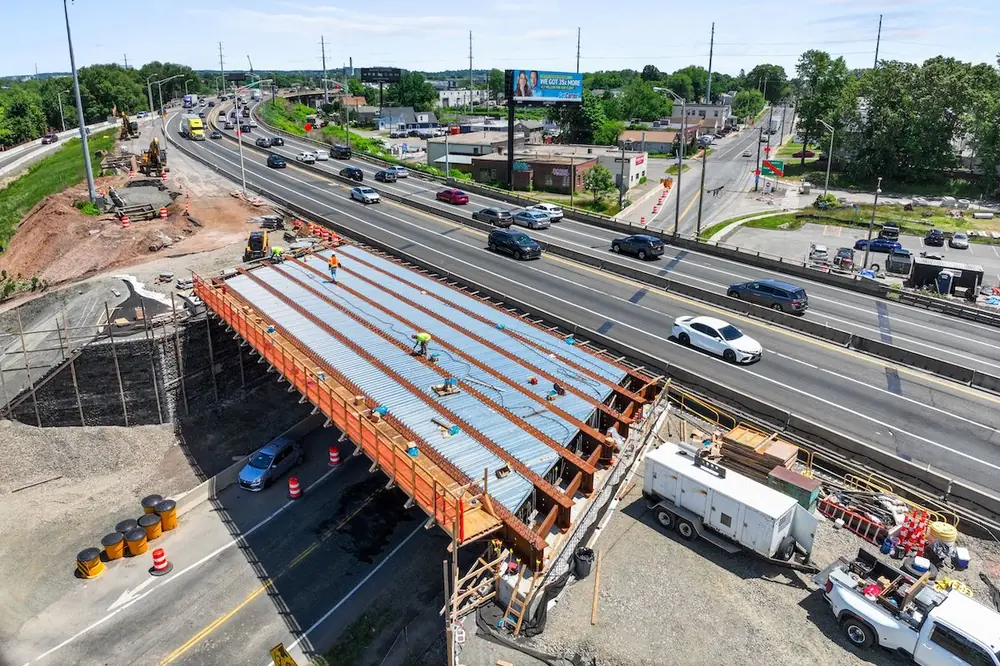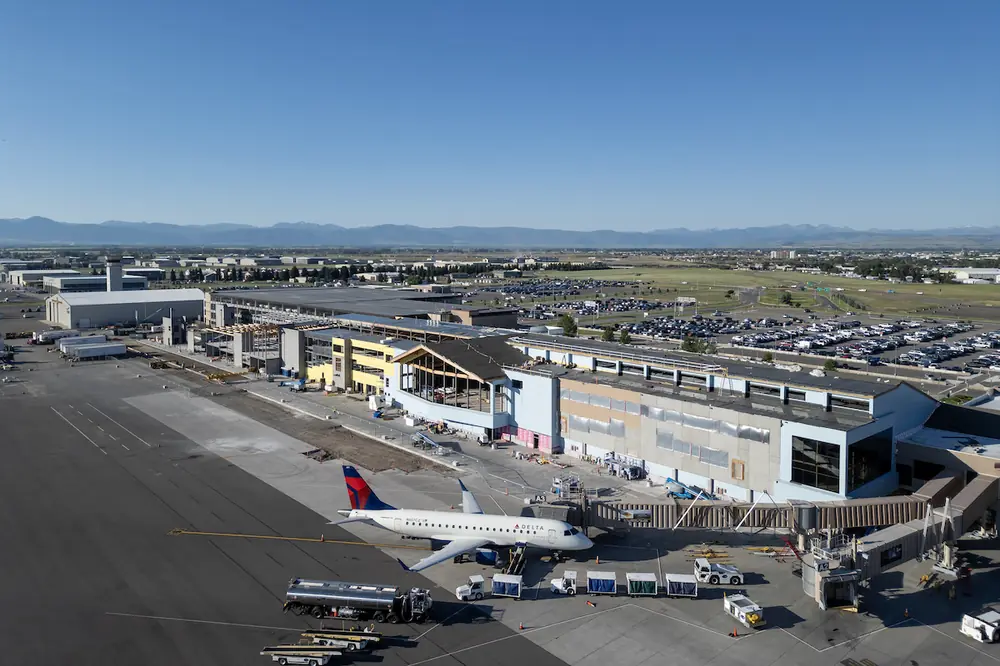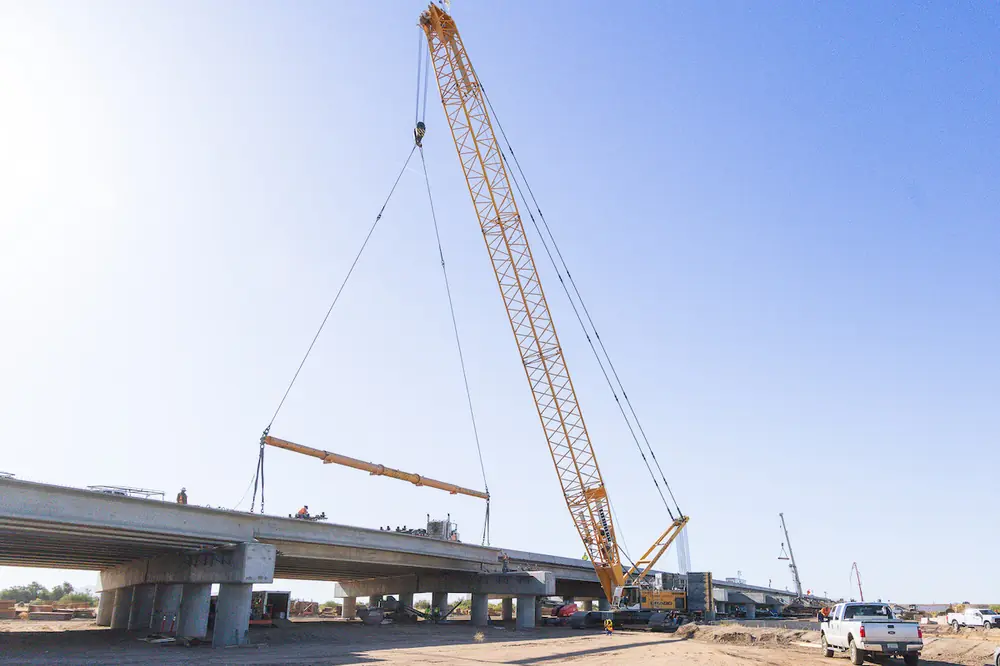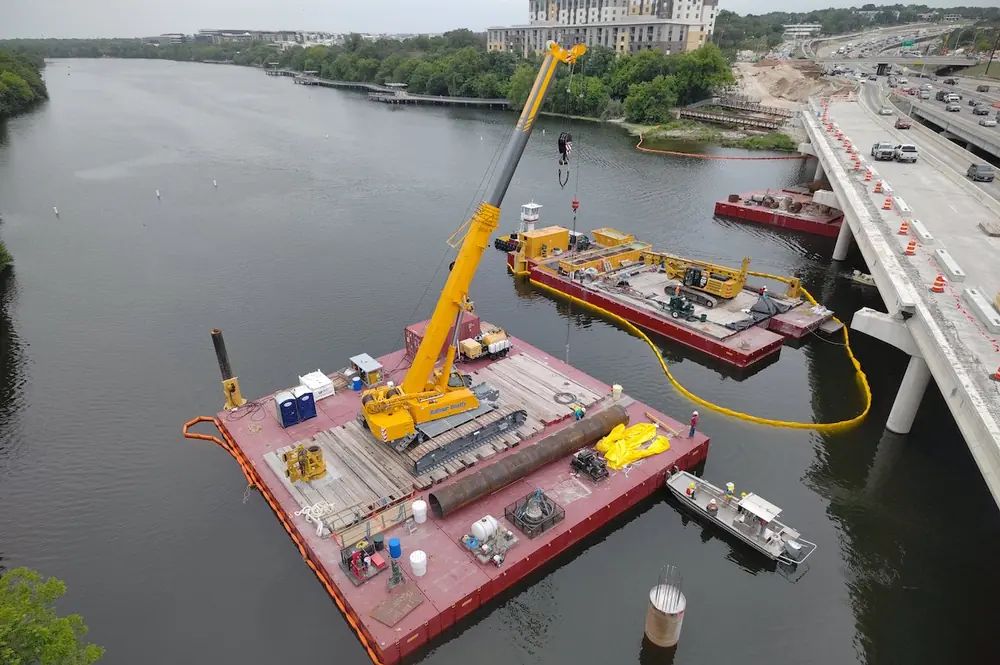

As the United States celebrates its 250th anniversary, the built environment offers a tangible way to measure how far the nation has come. Few places illustrate that evolution more clearly than the Texas Triangle. Dallas-Fort Worth, Houston, Austin, and San Antonio drive much of Texas’ population growth, economic output, and construction activity, making the region a living case study in how American construction has evolved over the past two and a half centuries.
Construction has always played a central role in Texas’ development. Its major cities emerged at different moments in American history and were shaped by distinct economic drivers, yet all share the challenge of accommodating rapid growth while maintaining long-term resilience.
That growth is accelerating. In the past year alone, the Dallas-Fort Worth metroplex added more than 152,000 residents, Houston grew by nearly 140,000 residents, Austin welcomed more than 50,000 new residents, and San Antonio added more than 48,000 residents. Together, these regions are expanding at a pace that rivals many states.
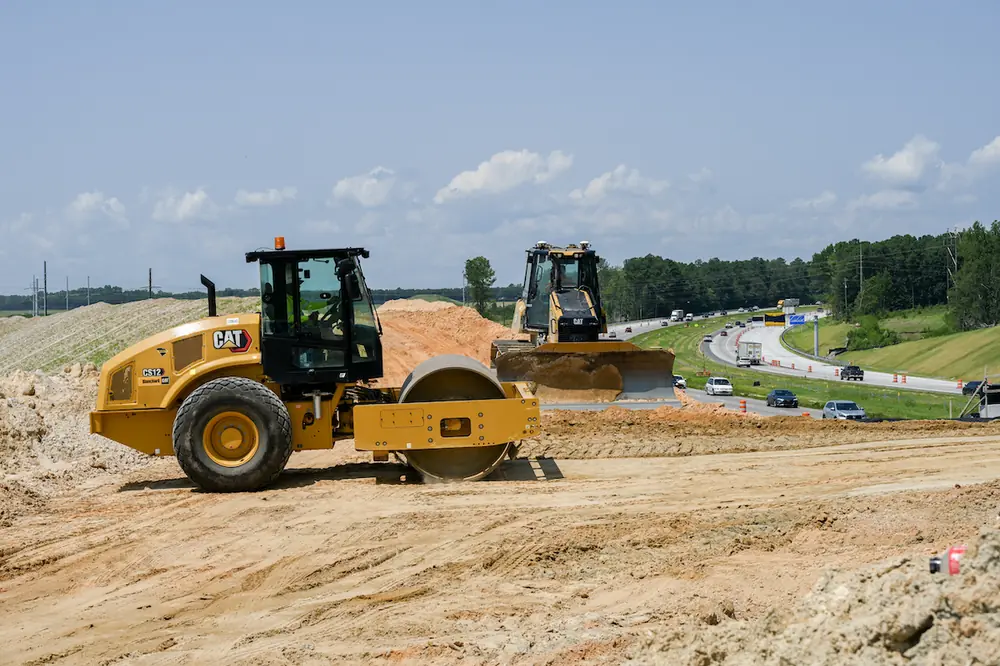
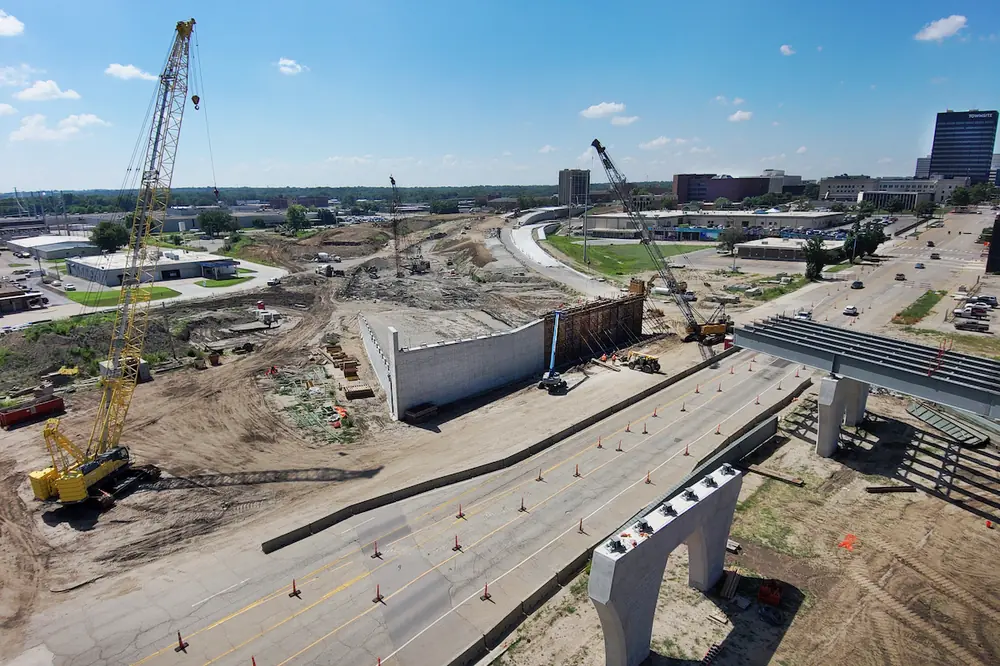
The demand extends far beyond housing. Growth requires roads, schools, health care facilities, higher-education campuses, airports, water systems, manufacturing facilities, and workplaces. Construction firms are increasingly tasked with delivering projects faster, more efficiently, and with greater attention to sustainability and resilience than at any previous point in history.
While the technologies and methods have changed dramatically, the fundamental mission of creating infrastructure that enables communities to grow and thrive remains the same.

| Your local Case Construction Equipment Inc dealer |
|---|
| Birkey's Construction Equipment |
Few regions better illustrate how construction has scaled and modernized than Dallas-Fort Worth.
Historic structures such as Fort Worth’s Thistle Hill, completed in 1904, reflect an era when construction relied heavily on local craftsmanship, hand-built detailing, and labor-intensive processes. Buildings were designed and constructed largely one project at a time, with materials sourced locally and schedules measured differently than they are today.
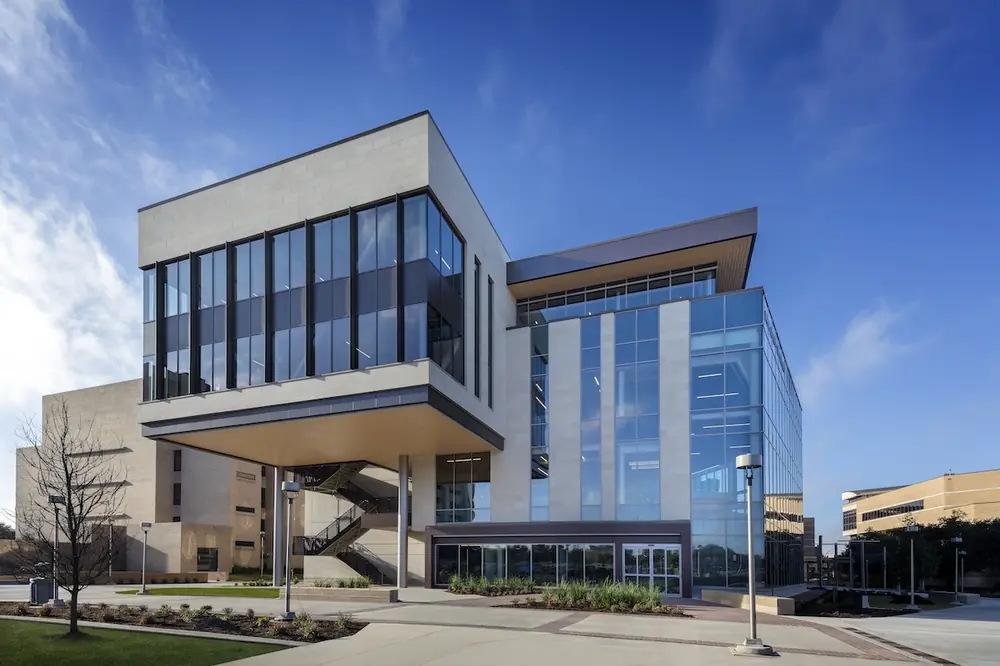
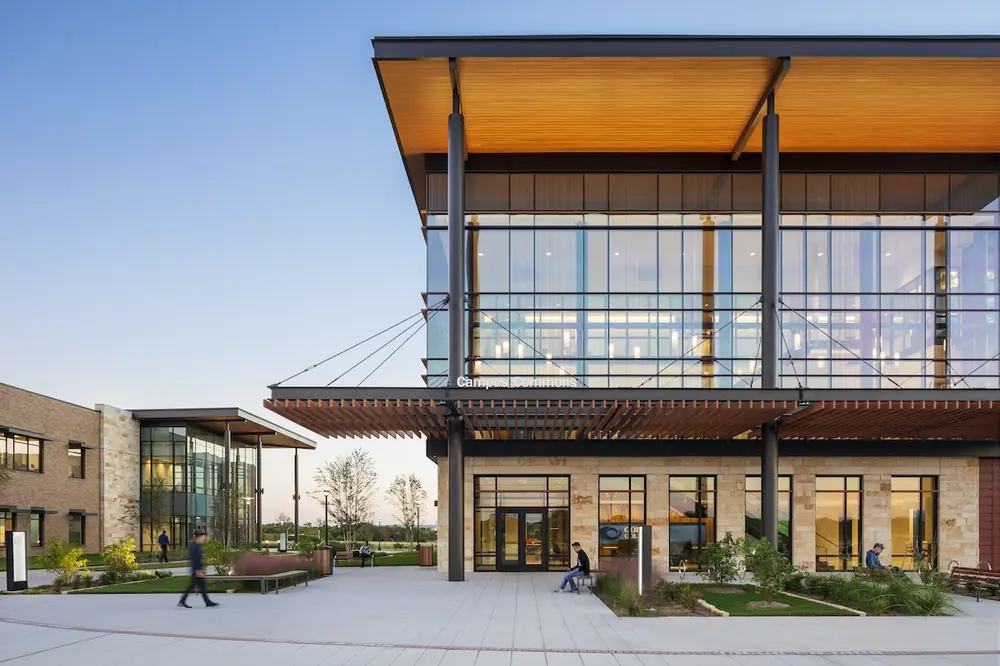
Modern North Texas presents a stark contrast. As the nation’s fastest-growing metropolitan area, Dallas-Fort Worth has become a hub for large-scale development ranging from corporate campuses and health care facilities to transportation infrastructure, educational institutions, and mixed-use districts.
The region’s construction industry increasingly relies on advanced project management systems, digital modeling, prefabrication, advanced scheduling technologies, and highly coordinated supply chains. These tools enable teams to deliver larger and more complex projects while managing costs, labor challenges, and compressed timelines.

| Your local Gomaco dealer |
|---|
| Fabick CAT/MO |
The question facing North Texas today mirrors one facing the nation as a whole: how can communities continue to grow rapidly without sacrificing identity, quality, or long-term durability? The answer will likely shape the region’s next chapter and serve as a model for fast-growing metros across the country.
Houston’s construction story has long been tied to economic expansion.
Early landmarks such as the Rice Hotel reflected the city’s emergence as a commercial center during the early 20th century, supported by growth in energy, transportation, and international trade. Over time, Houston evolved into one of America’s most important industrial and logistics hubs.
Today, the city sits at the center of a massive wave of industrial, manufacturing, and infrastructure investment. Texas has captured a significant share of the nation’s construction activity in recent years, and Houston remains a major beneficiary of that trend.

| Your local Case Construction Equipment Inc dealer |
|---|
| Burris Equipment |
Yet Houston’s modern construction priorities extend beyond growth alone. Repeated flooding events, extreme weather, and evolving climate conditions have pushed resilience to the forefront of project planning and design.
Modern projects increasingly incorporate flood mitigation strategies, enhanced stormwater management systems, elevated infrastructure, energy-efficient building systems, and climate-responsive design. Resilience is no longer viewed as an optional enhancement but as a core project requirement.
Houston demonstrates how construction has evolved from building for immediate need to creating infrastructure capable of adapting to future challenges. In many ways, the city offers a clear example for how America will build in an era defined by both growth and environmental uncertainty.
Austin’s construction evolution reflects the city’s transformation from a government and university town into a global technology hub.

| Your local Wirtgen America dealer |
|---|
| Brandeis Machinery |
The Texas State Capitol, completed in 1888, remains one of the city’s defining landmarks and reflects the craftsmanship and locally sourced limestone that defined 19th-century construction throughout Central Texas.
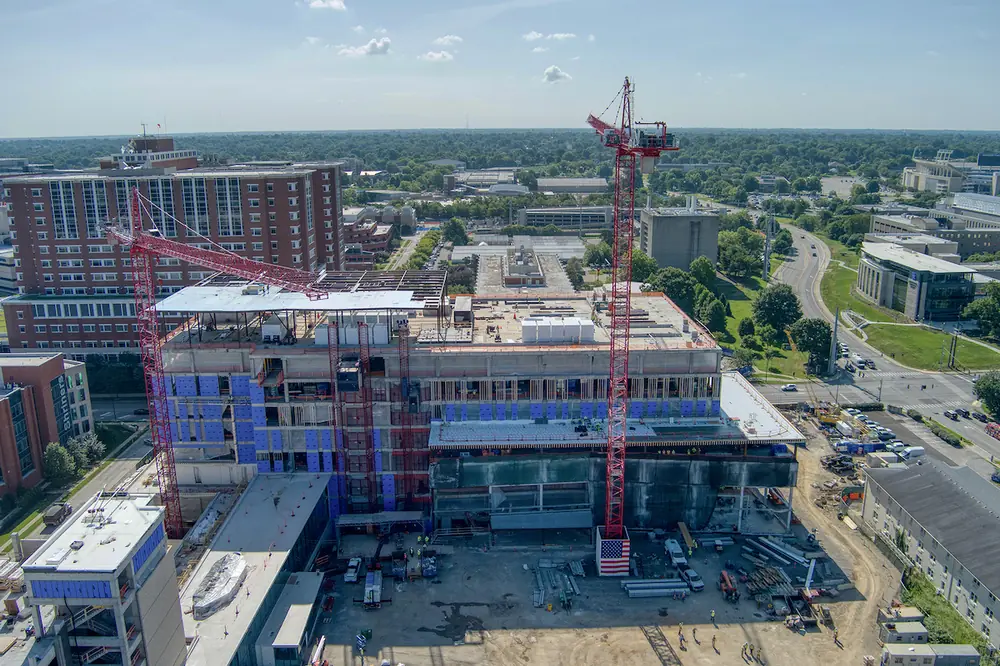
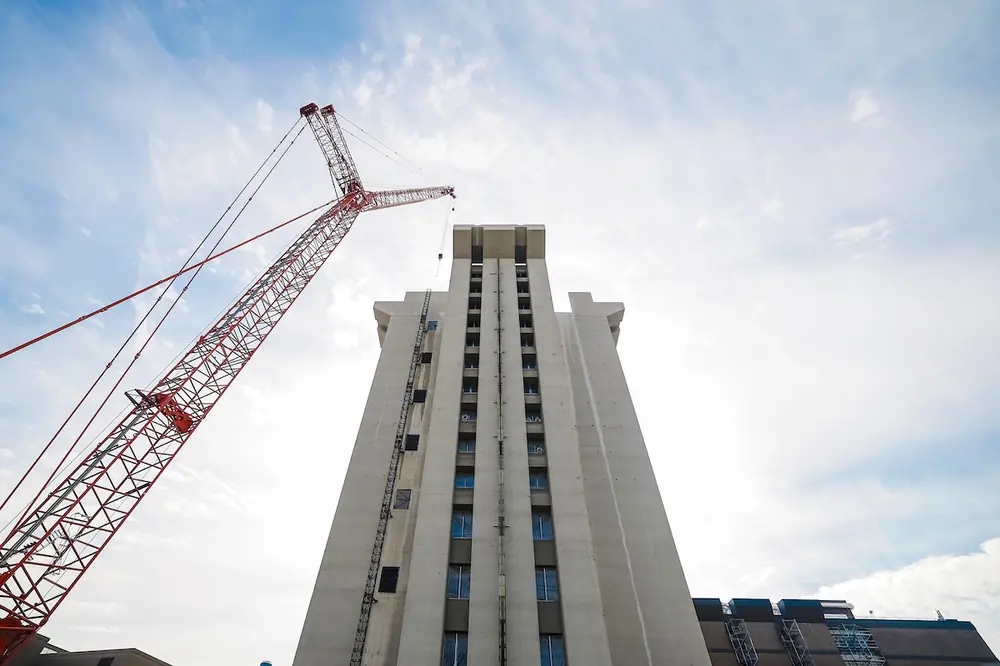
Today, Austin’s skyline tells a different story. Tower cranes have become a familiar part of the landscape as institutional, office, mixed-use, and residential projects continue to reshape the urban core.
The city’s growth has also raised expectations around sustainability. Developers, owners, and contractors are placing greater emphasis on energy performance, embodied carbon reduction, efficient building systems, and innovative materials. Mass timber, advanced building controls, and high-performance design strategies are becoming more common as projects seek to balance environmental goals with economic realities.
Austin’s challenge is preserving the character that defines the city while accommodating continued growth. That tension reflects a broader national conversation around development, density, and sustainability as communities across the country navigate similar pressures.

| Your local Leica Geosystems Inc dealer |
|---|
| Laser Specialist inc |
In many respects, Austin represents the future-facing side of American construction. It is one that embraces innovation while searching for ways to maintain a sense of place.
While America celebrates 250 years of independence, San Antonio offers an even longer perspective on construction and community development.
With a history spanning more than 300 years, the city provides a clear perspective on how building practices have adapted to changing needs and conditions. Landmarks such as the Alamo and San Antonio Missions reflect principles that remain relevant today, including the use of locally sourced materials, passive cooling techniques, and designs that respond to environmental conditions.
These structures were built for durability and resource efficiency long before sustainability became a formal industry priority.

| Your local New Holland dealer |
|---|
| Burris Equipment |
Modern San Antonio continues to draw from that legacy. Water conservation, energy efficiency, and environmental stewardship have become increasingly important as the region continues to grow. The Edwards Aquifer, which supported settlement and development centuries ago, remains a critical resource that influences planning and infrastructure decisions today.
The city’s experience highlights an important reality for the construction industry: innovation does not always mean abandoning the past. Often, the most effective solutions combine modern technologies with principles that have proven successful for generations.
The Texas Triangle offers a snapshot of where American construction has been and where it is headed.
Across all four metropolitan regions, common themes are emerging. Population growth continues to drive demand for infrastructure, while sustainability and resilience are becoming standard considerations in project planning. Technology is reshaping how projects are designed and delivered, and workforce development remains a persistent challenge as the industry works to meet future demand.

| Your local Bobcat dealer |
|---|
| O'Leary's Contractors Equipment & Supply |
As the United States marks its 250th anniversary, the construction industry faces another defining moment. The buildings and infrastructure created today will influence economic opportunity, environmental performance, and quality of life for decades to come.
The Texas Triangle demonstrates that successful growth requires more than simply building faster. It requires building smarter, more sustainably, and with a long-term perspective. From San Antonio’s centuries-old missions to Austin’s focus on sustainability, Houston’s resilient infrastructure, and Dallas-Fort Worth’s large-scale development, the region embodies the ongoing evolution of American construction.
The next chapter is already underway, and Texas remains one of the places where the future of the industry is built in real time.
Dennis Yung is Executive Vice President - General Manager for Skanska USA Building in Texas.