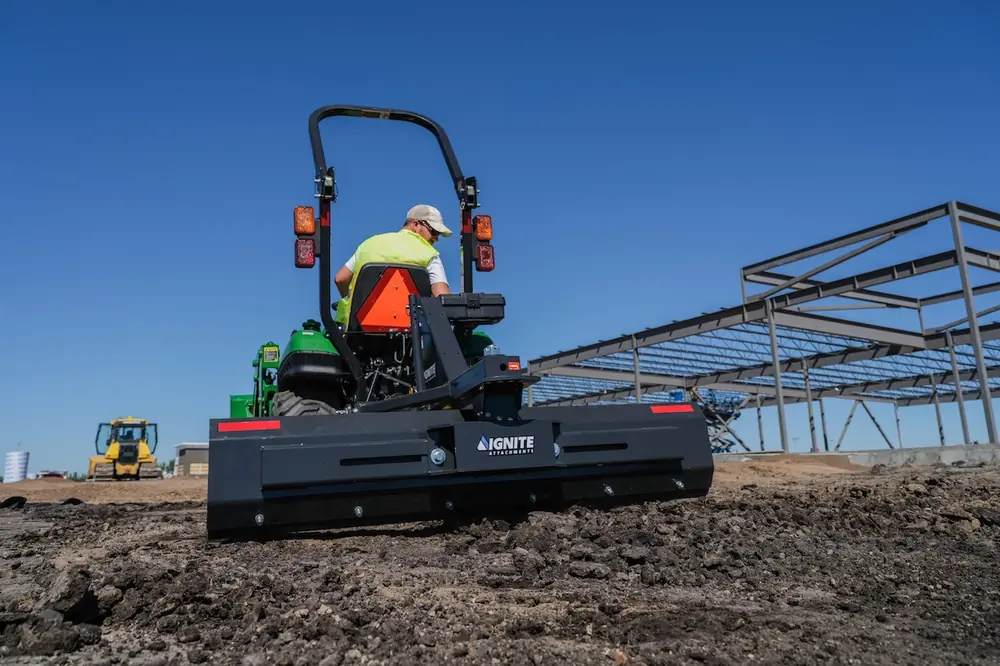
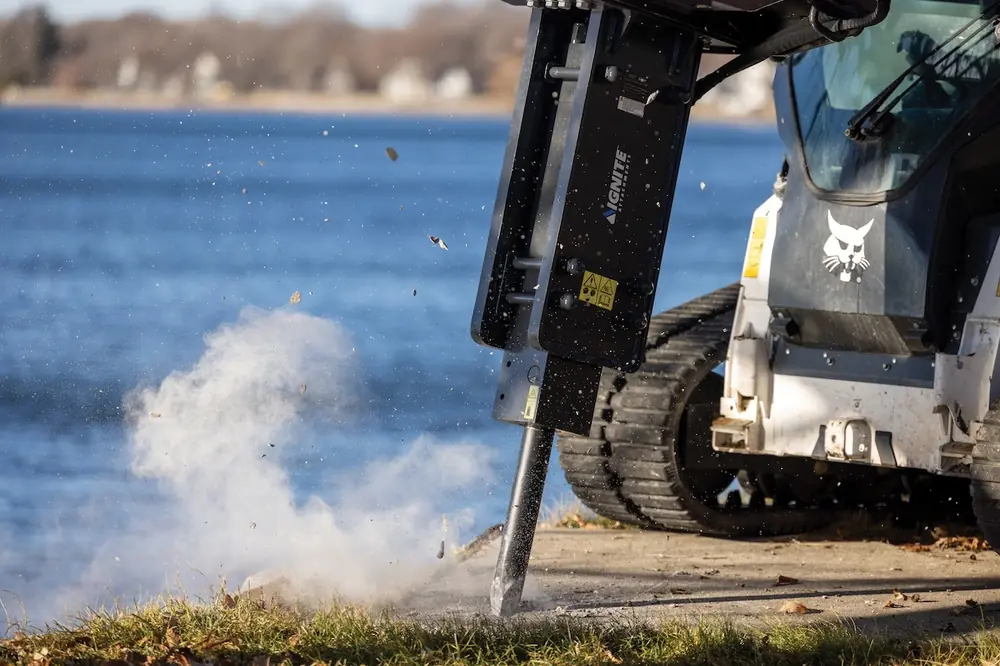
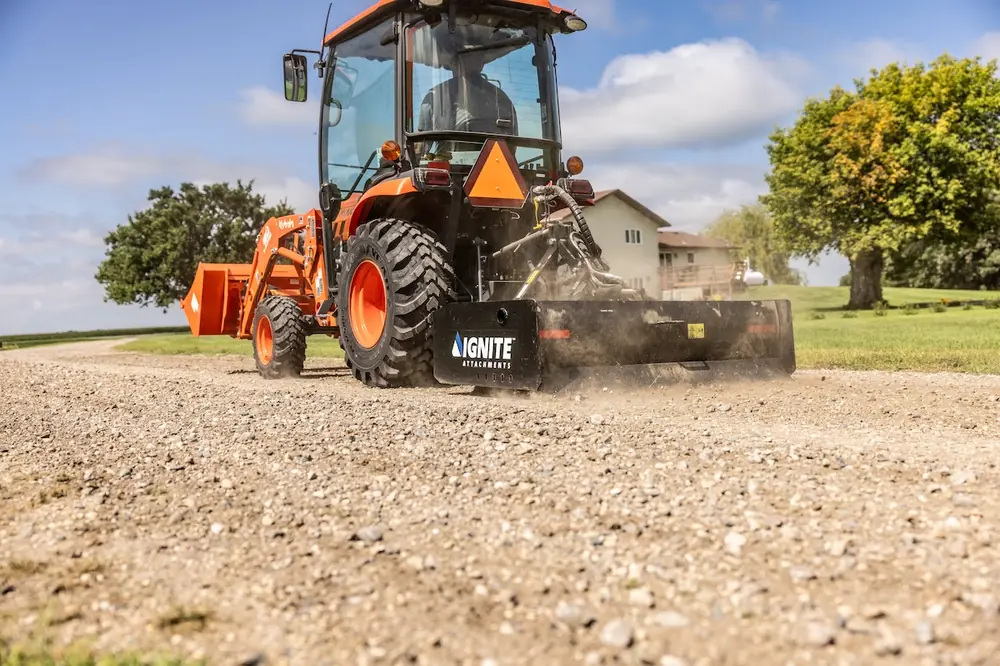


Attachments play a critical role in job site productivity, yet they are often treated as secondary to the machines that power them. While carriers typically follow structured service intervals, attachments are more likely to be maintained only when issues become visible or performance begins to decline.
That gap in attention creates risk.
Modern attachments rely on hydraulic systems, wear components, and structural elements that require consistent care to perform as intended. When maintenance is reactive instead of proactive, the result is often unnecessary downtime, shorter service life, and increased operating costs.
A more effective approach is to view maintenance as a continual process that extends beyond a single task or checklist. From pre-operation inspection to post-operation care and even purchasing decisions, each stage plays a role in keeping attachments working and crews productive.
Most attachment failures are not sudden. They develop over time through small issues that go unnoticed until they affect performance. A disciplined daily inspection or a quick check before operation helps surface those problems early, when they are faster and less expensive to correct.
| Your local New Holland dealer |
|---|
| Burris Equipment |
Hydraulic systems should be a primary focus. Hoses and couplers are exposed to constant movement, pressure, and job site debris, making them especially vulnerable to wear. Instead of waiting for a noticeable drop in performance, operators should look for subtle indicators such as scuffing, surface cracks, damp spots, or residue near fittings. These early signs often point to developing failures that can be addressed before they interrupt work.
Connection points also deserve attention. Contamination introduced through dirty couplers can impact hydraulic efficiency and accelerate internal wear. This is particularly important for crews that change attachments frequently throughout the day. Taking a moment to inspect and clean connection surfaces helps maintain system integrity and reduces the risk of downstream issues.
Attachments often offer features that make daily inspections more efficient. Flat-face couplers, for example, reduce the likelihood of debris entering the system and are easier to clean in field conditions. Some manufacturers also incorporate full nylon hose sleeves, which shield hydraulic lines from abrasion and contact with rough materials. These protective features help extend hose life and reduce the likelihood of avoidable failures during operation.
Beyond hydraulics, operators should evaluate wear components and structural areas that experience repeated stress. Edges, teeth, and tines are designed to wear over time, but once they pass their effective threshold, that wear begins to impact surrounding components. Identifying that transition point is key to preventing more extensive damage.

| Your local Takeuchi Mfg Ltd dealer |
|---|
| Brandeis Machinery |
Greasing is another item that should be on a pre-operation checklist. While it’s widely recognized as essential, it is often skipped during daily maintenance or applied on a fixed schedule that does not reflect actual usage.
A more effective approach is to match lubrication to workload. For example, attachments used in demolition, land clearing, or heavy material handling place more stress on pins, bushings, and pivot points, which increases the need for regular greasing. Attachments employed in less strenuous applications still require regular greasing, but less frequently, so a fixed schedule might make more sense.
Consistency is what ultimately determines whether inspections are effective. Standardizing what operators look for and when they perform checks helps ensure small issues are identified early, regardless of who is running the equipment.
If daily inspection is about catching problems early, maintenance after operation is what keeps those problems from developing in the first place. The challenge is not a lack of awareness; most operators understand what needs to be done. The issue is consistency.

| Your local LeeBoy dealer |
|---|
| Brandeis Machinery |
Cleaning is easy to overlook after a long day but plays a critical role in long-term performance. Material buildup around moving parts, pivot points, and connection areas can trap moisture, introduce contamination, and make it harder to identify wear during the next inspection. Taking a few minutes to clear debris at the end of the day helps maintain visibility and reduces long-term risk.
Cleaning also creates a good opportunity to assess greasing needs, especially after washing the attachment with water, which can remove lubrication from critical wear points and leave components more vulnerable to moisture and corrosion.
Rotating attachments require additional attention, especially when it comes to gearbox maintenance. Attachments like augers and rotary cutters rely on proper lubrication to manage heat and internal friction.
This goes beyond simply topping off fluids. Operators should check both oil level and condition, as discoloration, debris, or changes in consistency can signal developing issues that should be addressed before they affect performance. Even sealed gearboxes benefit from periodic inspection to confirm proper lubrication and identify contamination before it leads to failure.

| Your local Leica Geosystems Inc dealer |
|---|
| Laser Specialist inc |
As with inspection, design can influence how consistently these tasks are completed. Accessible grease points, simplified service requirements, and clear maintenance guidelines make it easier for operators to follow through, even in demanding conditions.
Even the best maintenance plans fall short without consistency. In many operations, attachment care is left to individual habits rather than a standardized process, which leads to uneven performance across crews.
Part of the challenge is clarity. Not all attachments are designed to be maintained in the same way, and without a clear understanding of those differences, important steps can be missed. A missing grease point, for example, may be interpreted as a sign that no maintenance is needed, when it may simply reflect a different design approach. Without clear guidance, even experienced operators can make incorrect assumptions that impact long-term performance.
That is why building a maintenance culture is just as important as defining the maintenance tasks themselves. Clear expectations, simple checklists, and consistent routines help remove guesswork and ensure every operator follows the same process.

| Your local Gomaco dealer |
|---|
| Fabick CAT/MO |
Access to information plays a key role in making that possible. When maintenance procedures, parts diagrams, and service intervals are difficult to find, they are less likely to be followed. Some manufacturers are addressing this by integrating tools like QR codes directly on the attachment, allowing operators to quickly access equipment-specific information in the field.
Choosing the right equipment partner can make a measurable difference. Manufacturers that prioritize easy-to-maintain designs, clear documentation, and accessible support resources help crews stay consistent without adding complexity to their day.
For contractors and fleet managers, the goal is not just to maintain equipment, but to build a system that delivers consistent performance across every crew and every job site.
The right partner plays a key role in making that possible. A trusted attachment manufacturer or dealer can help ensure the right match between attachment, carrier, and application, while also providing clear maintenance guidance and easy access to parts and service information when it matters most.

| Your local Deere & Co dealer |
|---|
| West Side Tractor Sales Co |
Attachments are essential to getting work done. Taking a more intentional, structured approach to maintenance helps ensure they are ready to perform whenever the job demands it.
Darin Gronwold is a Product Manager for Ignite Attachments.