
The Greater New Haven Water Pollution Control Authority (GNHWPCA) began a combined sewer separation project 15 years ago that aimed to drastically improve four Connecticut communities’ stormwater management.
In 2023, C.J. Fucci Construction began its fourth contract related to the master plan: the Yale Campus/Trumbull Street Area Sewer Separation Project in New Haven, Connecticut. This effort builds off the $9 million Orchard Street Area Sewer Separation Project, the third contract recently by the New Haven-based contractor.
Modern systems include a sewer line for wastewater from toilets, sinks, and business and household waste. A secondary pipe holds stormwater and runoff from streets, yards, and roofs. However, most cities rely on outdated systems that use just one pipe for wastewater and stormwater management.
“As years have gone on, the sewer systems aren’t able to handle rain events, which can result in double or triple flows. So the sewer systems were built with a structure called combined sewer overflows [CSO], which are a typical component in combined sewer systems to provide hydraulic relief preventing sewer backups,” said Gene Zwicharowski, C.J. Fucci Construction Project Superintendent. “In heavy, wet weather events, the system can't handle treating all the sewage, and the stormwater gets discharged into the Long Island Sound and Atlantic Ocean through the CSOs.”
New Haven currently has 16 active CSOs. Projects like the Yale Campus/Trumbull Street Area Sewer Separation Project aim to modernize the system by adding a pipe to manage stormwater runoff and prevent it from flowing into nearby bodies of water.

| Your local Trimble Construction Division dealer |
|---|
| SITECH Mid-South |
| SITECH Tri-Rivers |
New Haven-based C.J. Fucci Construction was awarded the $17 million project, funded largely by state and federal funds and a Clean Water Act grant, to install a secondary storm sewer pipe to collect stormwater from residences and businesses, specifically targeting the Yale University campus.
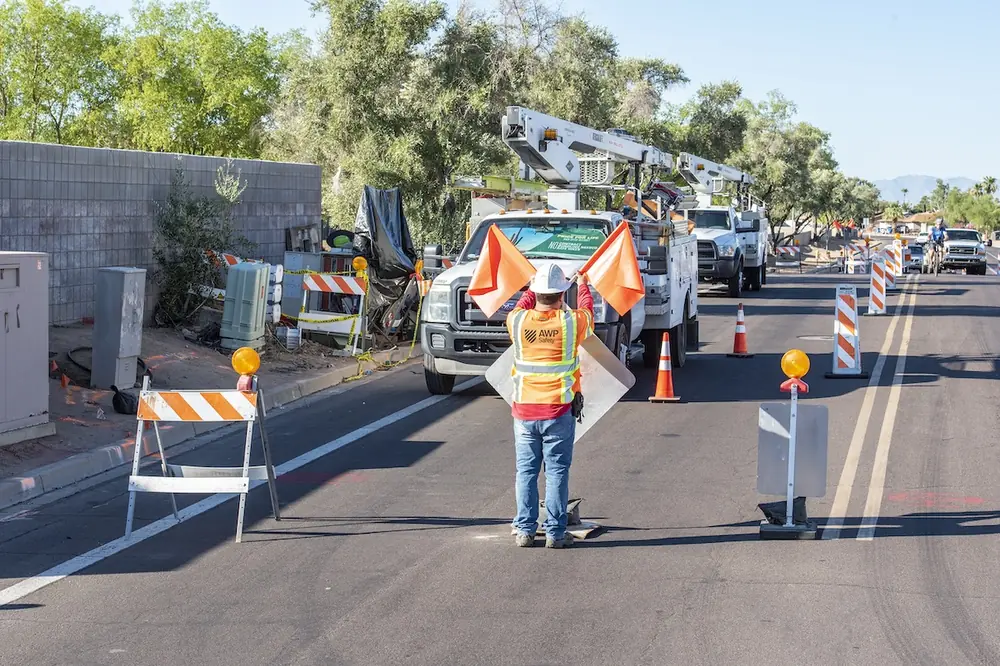
Home to Yale University and the Peabody Museum, the area of the Yale Campus/Trumbull Street Area Sewer Separation Project is extremely congested, and the team has to focus on minimizing disruptions as much as possible. Consulting engineer Tighe & Bond created extensive plans for traffic and pedestrian control.
“Many streets in the area have three and four multi-family houses and cars parked along the road. We needed a plan to keep traffic flowing and a lane open for emergencies,” Zwicharowski said. “We had a lot of pedestrian traffic because of the proximity to the Yale campus. We needed to be very aware of pedestrian detours to keep people out of the work zone.”
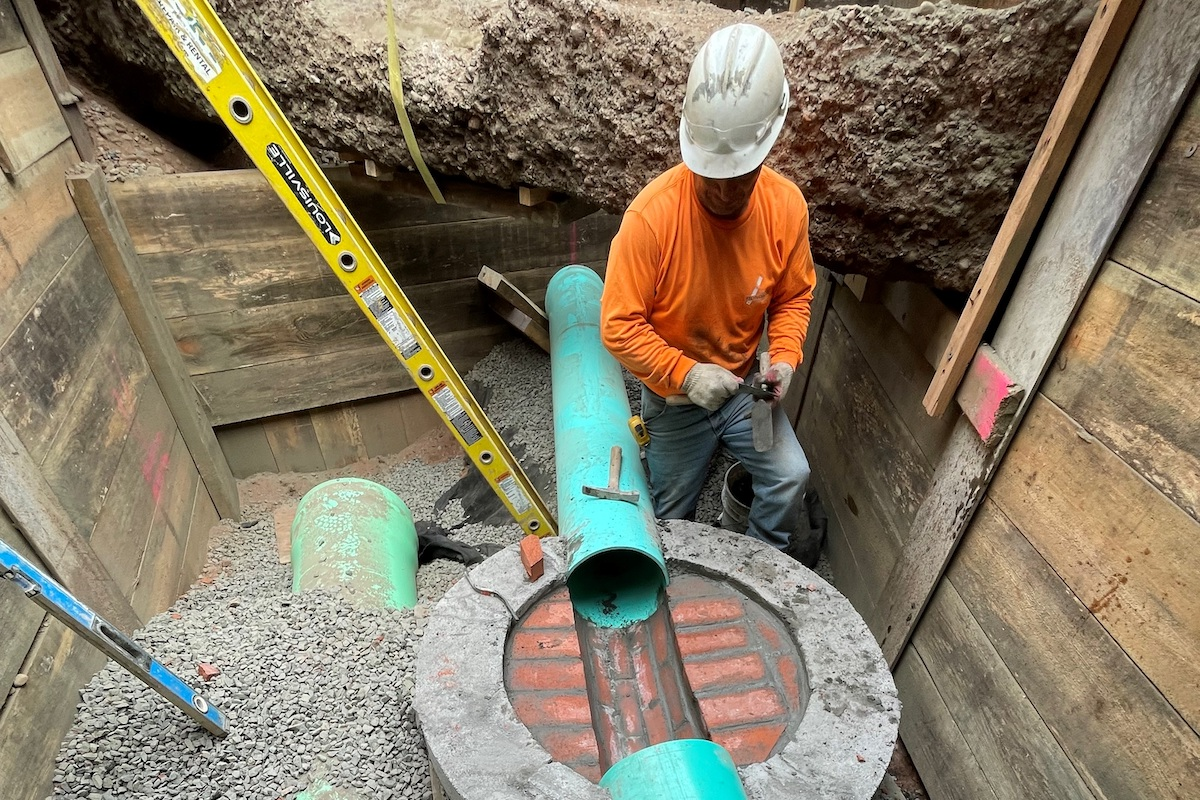
Before the new pipe could be installed, the contract required the use of cured-in-place pipe (CIPP) lining to improve the existing sewer pipes, which are 100 years old and constructed of clay and brick. Because those lines will become sanitary sewer lines, they needed to ensure the lines were solid, which would allow them to withstand the impact of the excavation required to install the new storm sewer pipe.

| Your local Gomaco dealer |
|---|
| Ring Power Corporation |
“The CIPP system looks like a sock made of fiberglass, and it’s pulled through the pipe manhole to manhole and then cured with steam,” Zwicharowski said. “Steam seals the pipe so nothing leaks and groundwater doesn't leech in.”
Once the line was cured, the team used a robot to cut holes in the system where the pipe connects to residences.
Next, C.J. Fucci Construction focused on locating existing utilities — a challenge under normal circumstances that was made particularly complicated by Yale campus infrastructure.
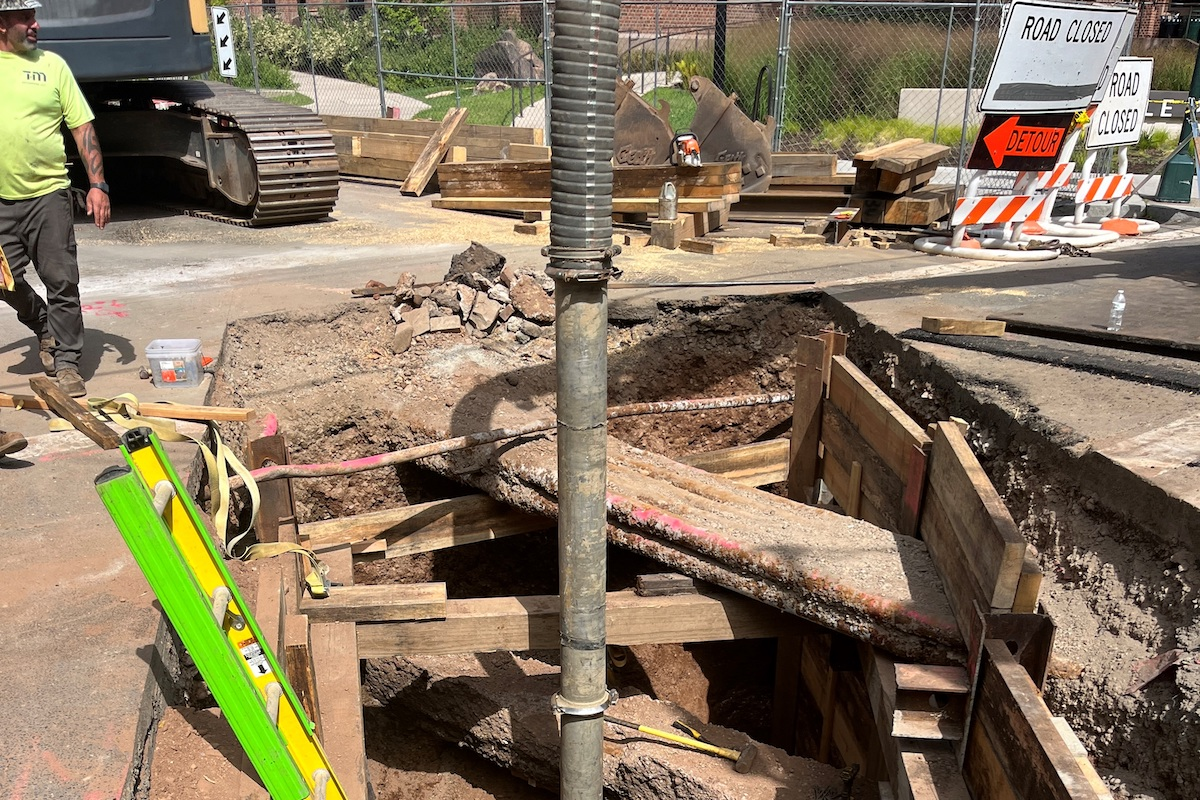
“In addition to the typical public utilities, Yale has a lot of its own utilities that are not typical on public streets, like communication infrastructure and chilled water and steam systems,” Zwicharowski said. “We performed approximately 50 vacuum excavation test pits to accurately locate existing utilities. Upon completion, we went back to the drawing board.”

| Your local Bobcat dealer |
|---|
| Pinnacle Central Co Inc |
Once utilities were mapped out accurately, the team was able to identify the available space to install the new stormwater line and found the size of the concrete pipe would range from 15 inches to 42 inches — much smaller than anticipated. The team quickly realized its engineered design using the conventional soldier beams and lagging method was too wide and would require significant moving of utilities.
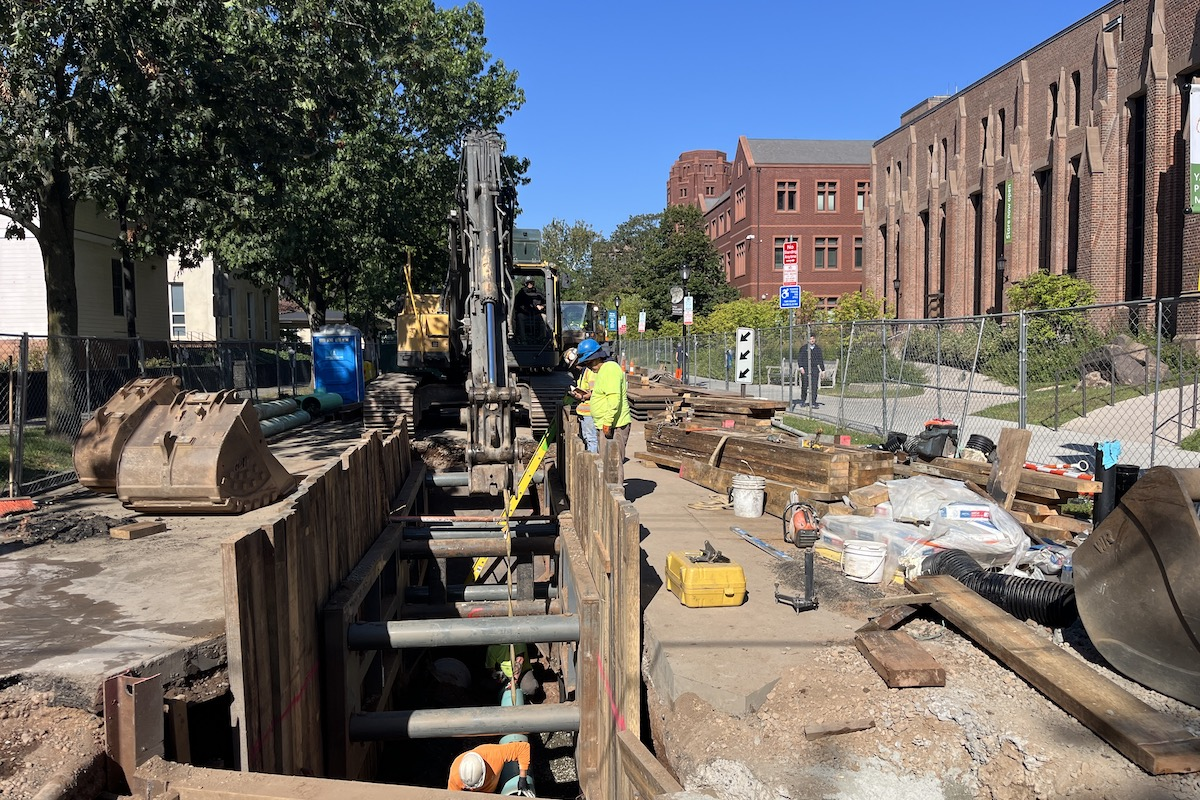
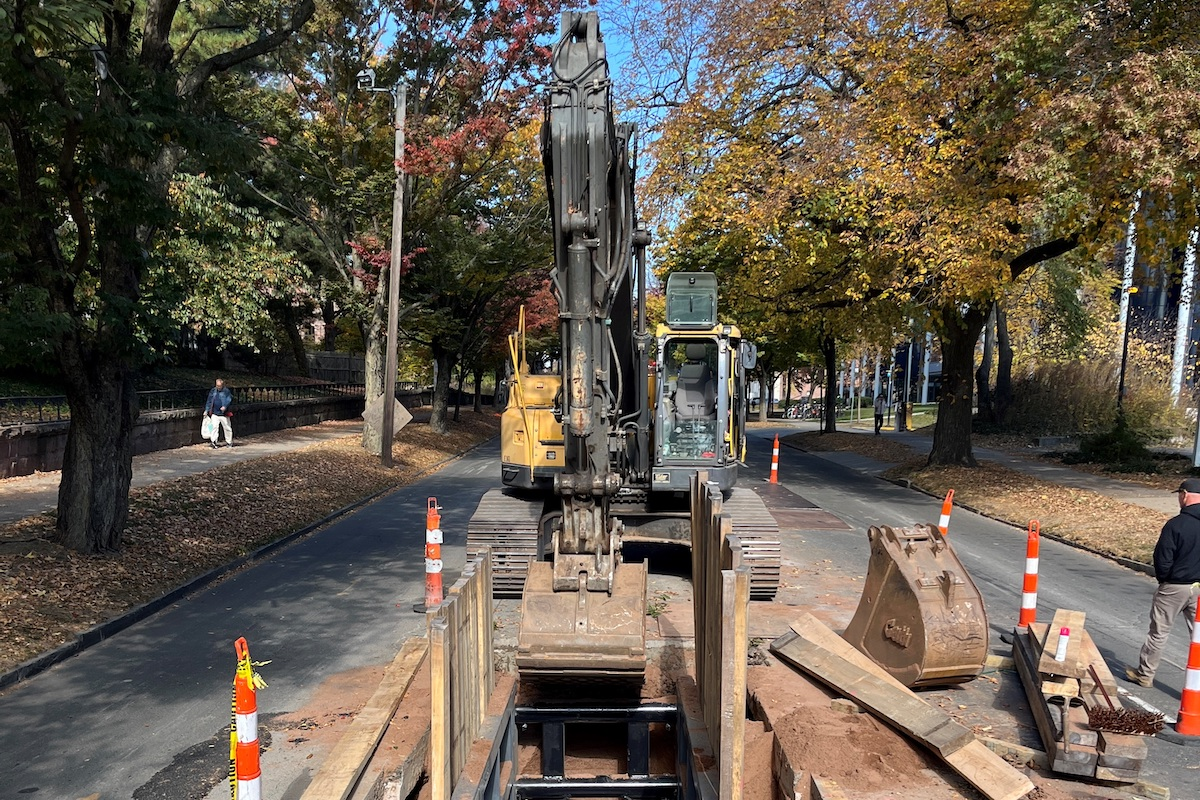
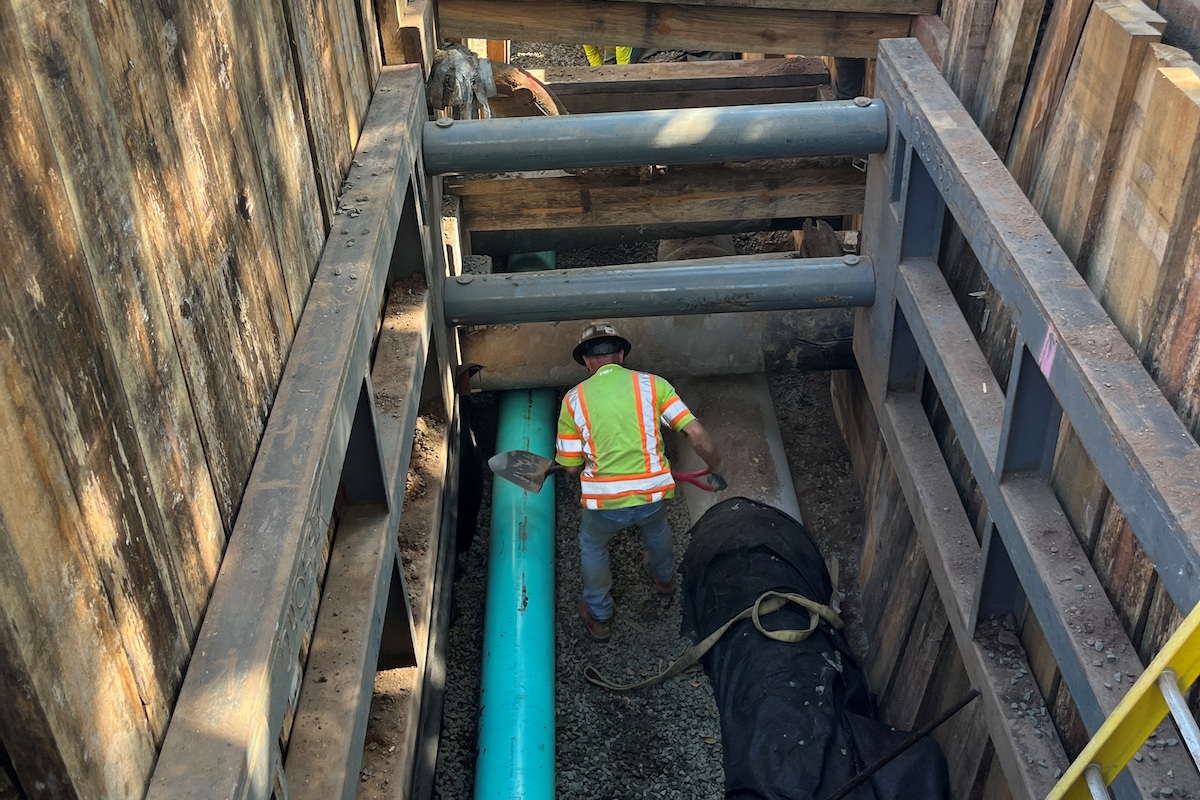
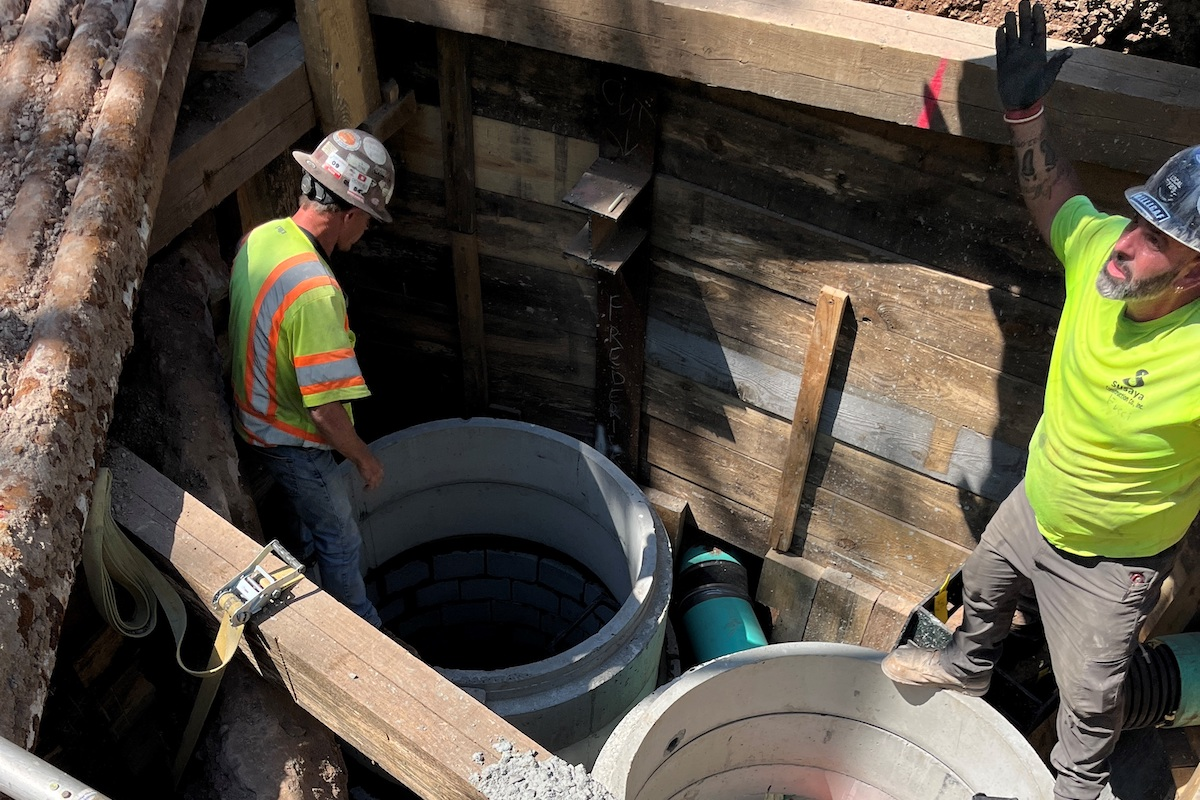
C.J. Fucci Construction quickly pivoted and designed a tighter, modular system instead. The team created two steel frames, which were constructed as narrowly as possible at 6 inches. For each section, they installed the frames and pipe as well as 3-inch-thick, 10-inch-wide wood sheathing on the side of the frames that was left in place. The trench was backfilled, which provided equal pressure for the sheathing, and then the team moved on to the next section. They used trench box spreaders to alter the channel width as the size of the pipe changed.
The modular system allowed the team to work closely to underground utilities, which were only inches away in some areas.
“We came up with the concept, taking into account soil conditions, the proximity of utilities, depth of excavation and geology,” Zwicharowski said. “We were able to achieve the same goal of supporting everything we needed to support, and it expedited the job and alleviated having to move the utilities.”

| Your local Topcon Positioning Systems Inc dealer |
|---|
| Linder Industrial Machinery |
This solution allowed the team to perform the original work and kept the project on budget — a key component to this project, as extending the schedule means C.J. Fucci Construction will see financial liquidated damages. But the heavy construction contractor, which specializes in roads, bridges, sewers, and paving streetscapes, is not afraid of complex work and thrives in coming up with solutions that keep jobs on track.
“We have a great team and specialize in complex projects in the city,” Zwicharowski said. “We are proactive in expediting and getting the job done without delay and staying within the contract value.”
When challenges arise, keeping construction on track often means shifting to other areas of the job where work can continue. Zwicharowski, Project Manager Neil Velleca, General Superintendent Michael Wells, and other project stakeholders meet regularly in the site field office to determine solutions to problems and plan next steps.
In addition to the new stormwater pipe, C.J. Fucci Construction installed green infrastructure that mimics nature to limit the amount of runoff water that enters the system.

| Your local Komatsu America Corp dealer |
|---|
| Linder Industrial Machinery |
“Standards for new development don’t want stormwater runoff connected to sewer systems; they want the water to go back into the ground,” Zwicharowski said. “Even though we put a second pipeline in, you have to think about street debris, sand and salt, pesticides from lawns, and leaky fluids from cars. You don’t want those to go into the Long Island Sound or ocean.”
Bioswales are shallow, landscaped depressions designed to capture, treat, and infiltrate stormwater runoff as it moves downstream. The team constructed 15 bioswales in sidewalk areas that are 15 feet wide by 5 feet long and installed them near existing catch basins.
Bioswales require sidewalks, so alternative solutions were required in areas with no sidewalks. The team installed 38 infiltrating catch basins, which are vegetated depressions that store stormwater and allow it to gradually filter back into the ground. Each infiltrating catch basin involved excavating an 8-foot-deep area, installing trench shoring and filter fabric, and then backfilling with clean crushed stone. The pervious stone allows rainwater to slowly dissipate into the ground.
“It’s interesting to see how green infrastructure trends have changed, and in a good way,” Zwicharowski said. “It’s great that New Haven is so close to water, but horrible to see what pollution goes through the pipelines.”

| Your local Wirtgen America dealer |
|---|
| Dobbs Equipment (DXC) |
Once the green infrastructure and new pipeline system are installed, the team will reset curbs, pave trenches, and mill and overlay streets. The project is anticipated to wrap up in April 2026, and will result in lasting stormwater management for New Haven residents that also will protect the area’s natural resources.
Sewer separation projects can be expensive and challenging, so some areas opt for alternative ways to manage excess stormwater, like holding tanks.
“Due to complexity and dollars, the cost to do this kind of work has skyrocketed. There are so many utilities in roads that it gets complicated to install a second pipe,” Zwicharowski said. “As the years have gone by, they've developed other methods.”
Holding tanks involve constructing a large-diameter tunnel underneath cities to hold untreated sewage. As the water levels in the sewage treatment plant return to a dry weather capacity, water in the holding tank is pumped in for processing.

| Your local Iowa Mold Tooling Co Inc dealer |
|---|
| Nichols Fleet Equipment |
This management technique is used commonly, with systems installed in Boston, Massachusetts; Hartford, Connecticut; and Providence, Rhode Island.
“The Boston area has cleaned up waters so much that they’re seeing increased wildlife in the Boston Harbor,” Zwicharowski said.
- 4,725 feet of 15-inch to 42-inch reinforced concrete pipe
- 320 feet of 12-inch PVC sewer line
- 570 feet of 18-inch to 30-inch ductile iron pipe
- 47 precast manholes
- One special precast chamber
- 50,000 square feet of permanent wood timber sheeting
- 4,085 feet of cured-in-place lining
- 15 bioswales
- 38 infiltrating catch basins
- Owner: Greater New Haven Water Pollution Control Authority, New Haven, Connecticut
- General Contractor: C.J. Fucci Construction, New Haven, Connecticut
- Consulting Engineer: Tighe & Bond, Shelton, Connecticut
- Engineering Consultant: DTC, Hamden, Connecticut
- Engineer and Earth Science Consulting Firm: GeoEngineers, Southborough, Massachusetts
- Structural Engineer: Siefert Associates, Watertown, Connecticut
- Surveyor: John Paul Garcia & Associates, Bethany, Connecticut
- Sewer System Maintenance: National Water Main Cleaning, Canton, Massachusetts
- Operating Engineers: Local 478 of the International Union of Operating Engineers, Hamden, Connecticut
- Laborers: Local Union 455 of the Laborers’ International Union of North America, East Haven, Connecticut
- Landscape Design and Maintenance: G&G Landscaping, Danbury, Connecticut
- Arborist: SavATree, New Milford, Connecticut
- Vendors: United Concrete Products, Yalesville, Connecticut; Superior Products Distributors, Milldale, Connecticut; Chelsea Forest Products, Wappingers Falls, New York; HERC Trench and Shoring Solutions Equipment Rental, Newburgh, New York; Tilcon Connecticut, Hamden, Connecticut; Suzio-York Hill, New Haven, Connecticut Photos courtesy of Gene Zwicharowski