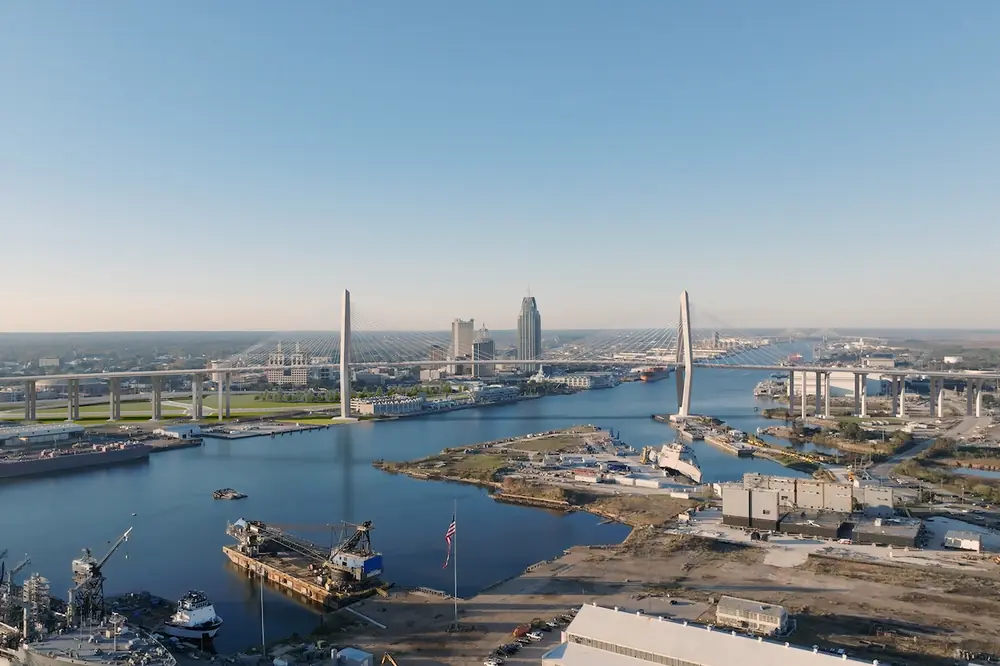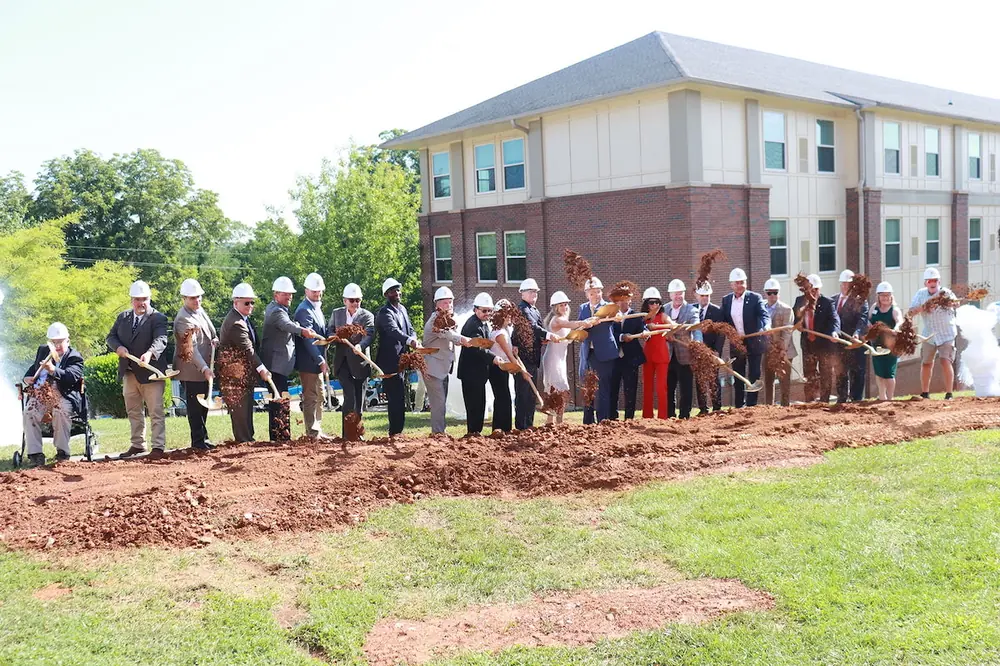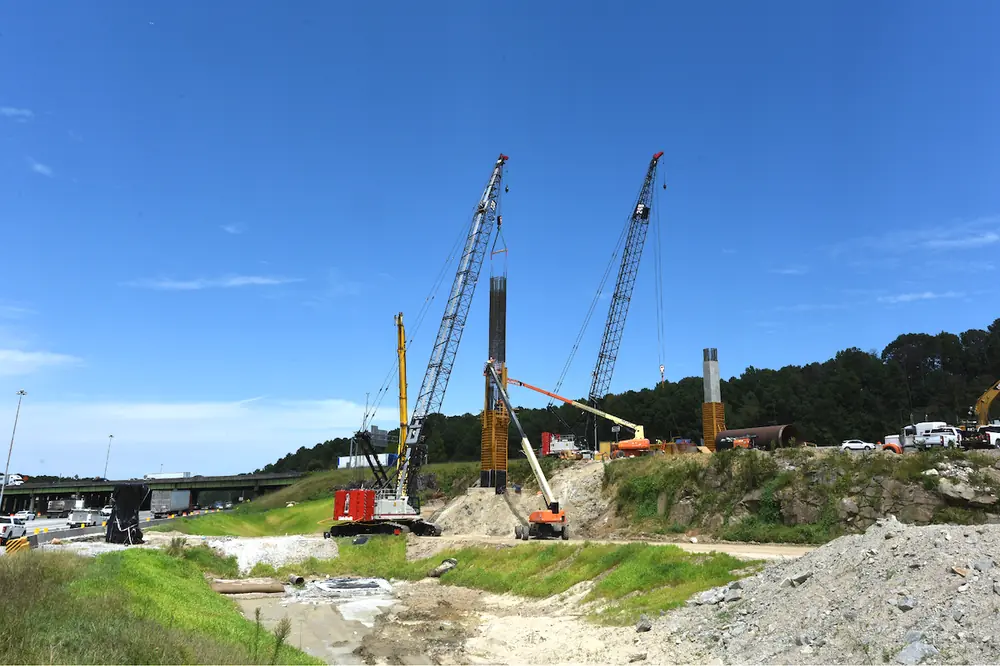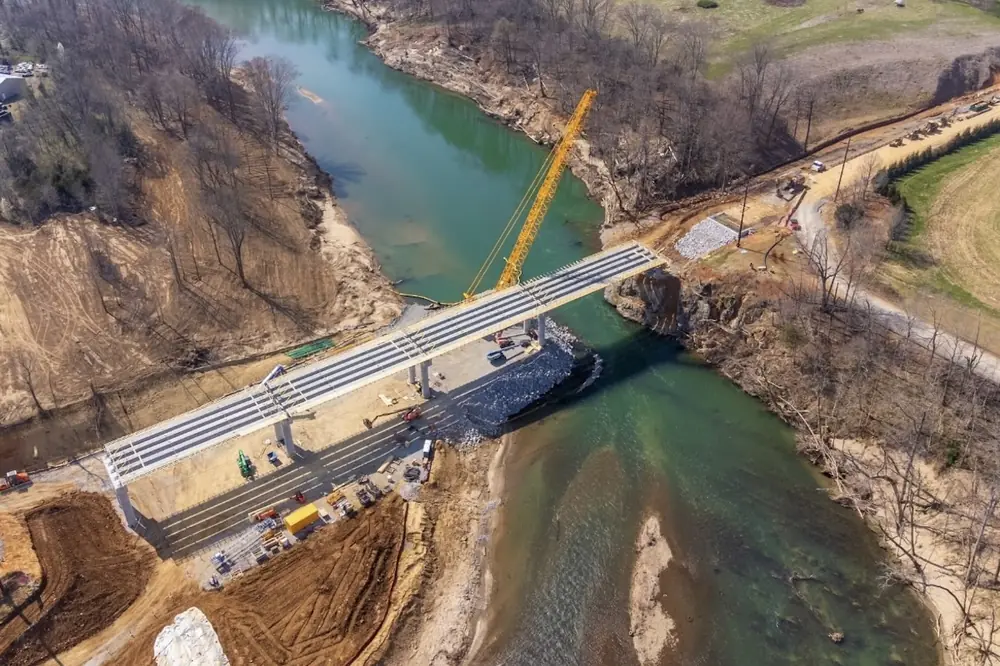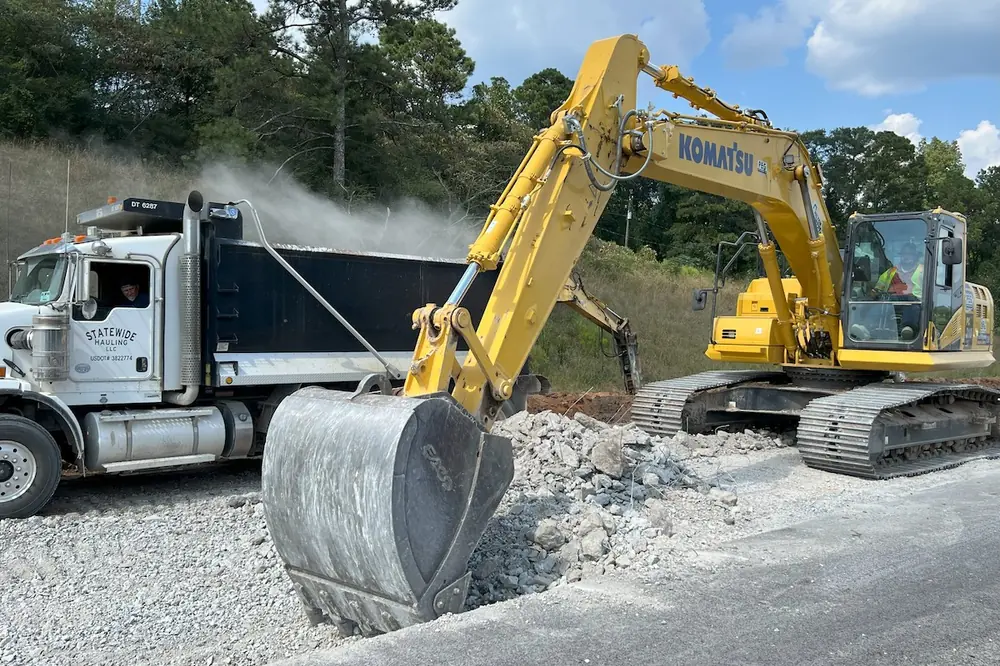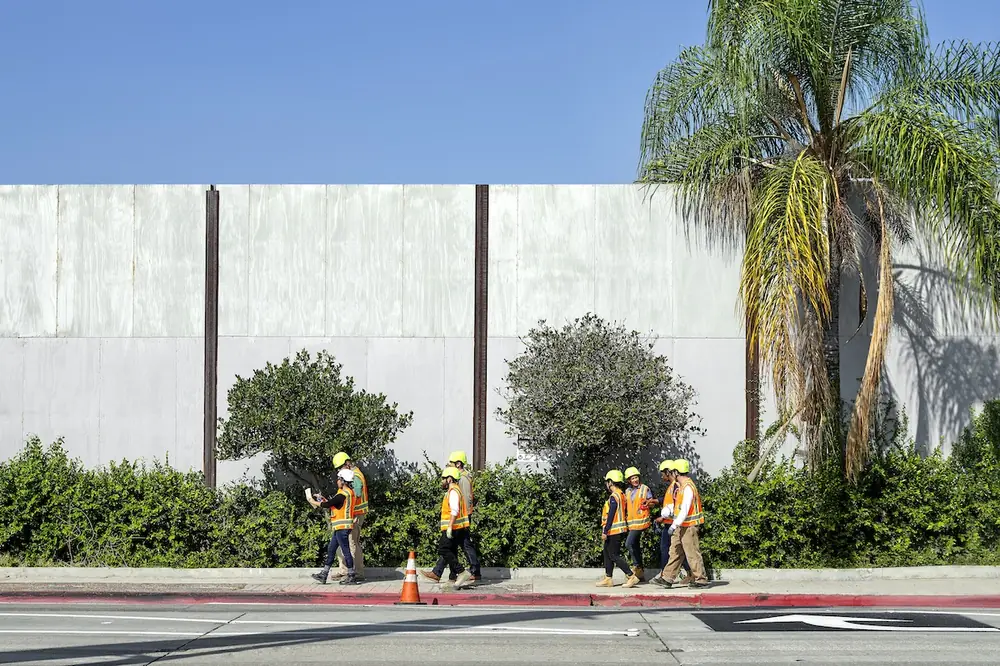
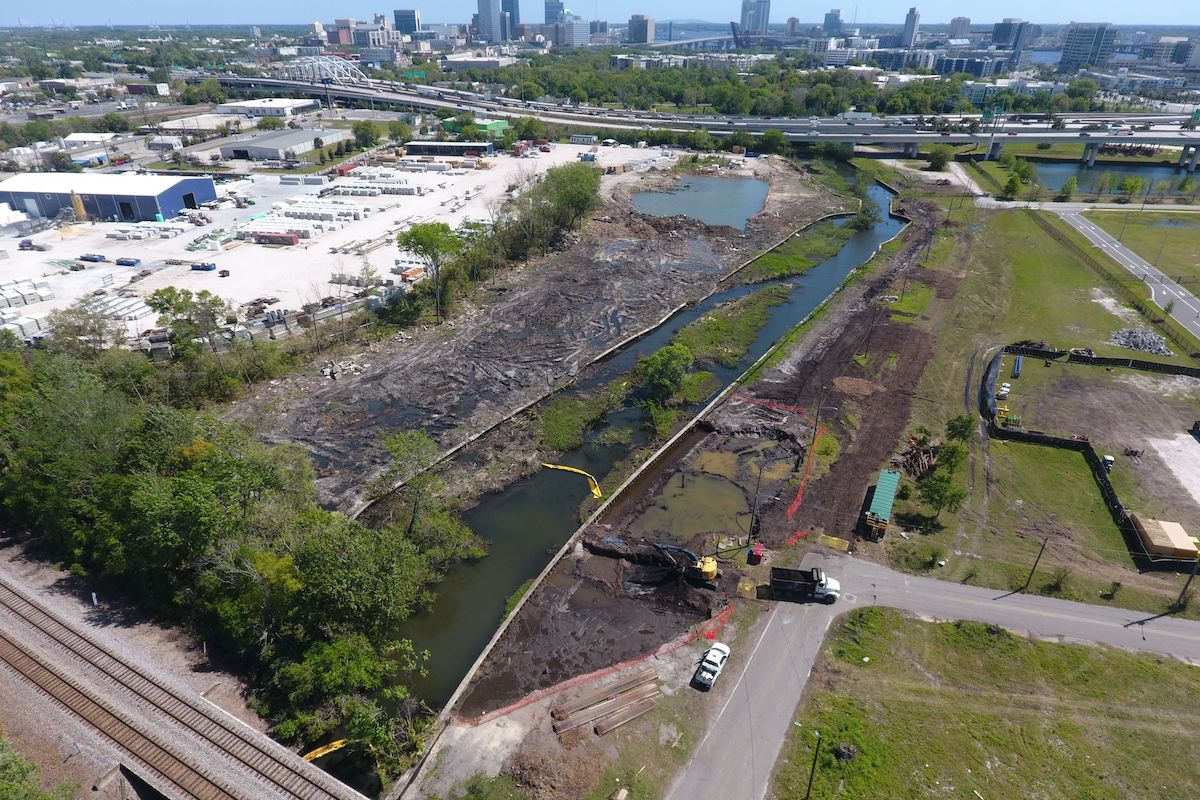
McCoys Creek, which runs through Jacksonville, Florida, to the St. Johns River, flooded neighborhoods in the city for decades. After a few attempts to remediate the flooding with limited success, the city began a drastic improvement measure: the McCoys Creek Restoration Project.
The multi-phase, primarily design-bid-build project includes:
- Restoring the creek to a more natural state to mitigate future flooding
- Removing McCoys Creek Boulevard, which sat directly in the floodplain
- Installing new roadwork features like cul-de-sacs
- Replacing and elevating two bridges that span the creek
- Rerouting the creek at its outlet into the river
- Building a trail that connects to the city’s broader Emerald Trail network
“When we started with the visioning plan, the goal was to solve the flooding problem, but also to see what other benefits we could include with the same project and plan. We wanted to do habitat restoration and add a recreation component that would bring the community to the creek to enjoy,” said Rebecca Vanderbeck, Project Engineer with WSP in the United States, an engineering, environment, and professional services firm. “Our goal became to layer all of those benefits into one big coordinated project.”
The project is broken into two funding phases. The first phase includes the upstream work, like the creek restoration and cul-de-sac construction, and the second phase accounts for the creek outlet into the St. Johns River. The team recently added a third phase further upstream to address future creek restoration and environmental remediation.

| Your local Iowa Mold Tooling Co Inc dealer |
|---|
| Nichols Fleet Equipment |
The approximately $107.6 million project is funded by the City of Jacksonville and with the help of many grants, including:
- $4.3 million from the National Fish and Wildlife Association
- $1.5 million from the St. John’s Water Management District
- More than $1 million from the Florida Division of Emergency Management’s Hazard Mitigation Grant Program
- $499,821 from the Department of Environmental Protection’s Florida Resilient Coastlines Program
- $357,280 from the National Oceanic and Atmospheric Administration (through Groundwork Jacksonville)
- $300,000 from Private Foundation (through Groundwork Jacksonville)
- $250,000 from the National Fish and Wildlife Foundation (through Groundwork Jacksonville)
- $200,000 from the Florida Department of Transportation
After coming up with the vision for the project in 2018 with the help of local nonprofit Groundwork Jacksonville, the city brought in project lead WSP to bring the vision to life the following year. Before construction began, the team knew they would need to bring an expert on board to assist with communication and outreach due to the project’s impact on the community.
“When WSP came on to this project, they highly recommended bringing on board a dedicated outreach and community engagement specialist — and that was the biggest saving grace,” said Nikita Reed, Engineering Operations Manager with the City of Jacksonville. “We had someone early on who focused on making sure the community knew about the project and how it would affect them.”

| Your local Gomaco dealer |
|---|
| Ring Power Corporation |
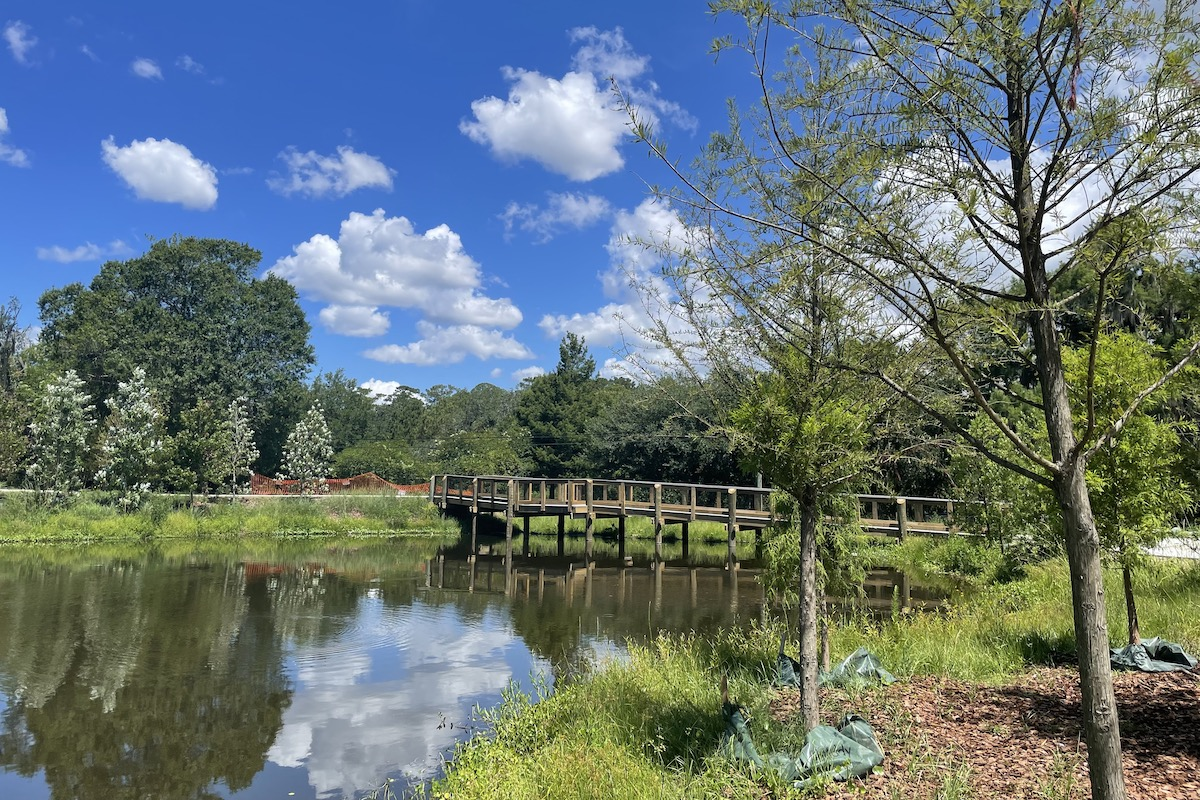
The project kicked off in 2019 by removing two defunct bridges. As a proof of concept to help get the community on board, the team then turned the retention pond at the intersection of Broward Street and McCoys Creek Boulevard into a park, with a small pavilion, native landscaping, and a boardwalk.
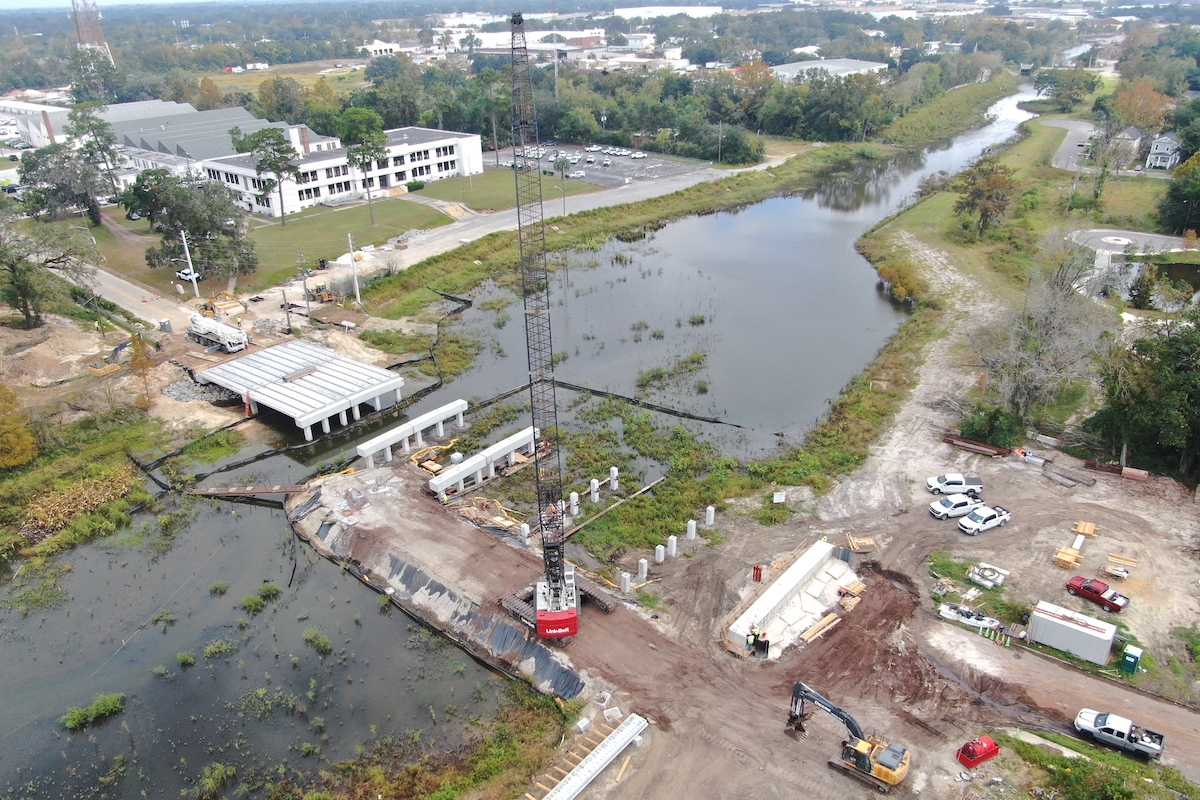
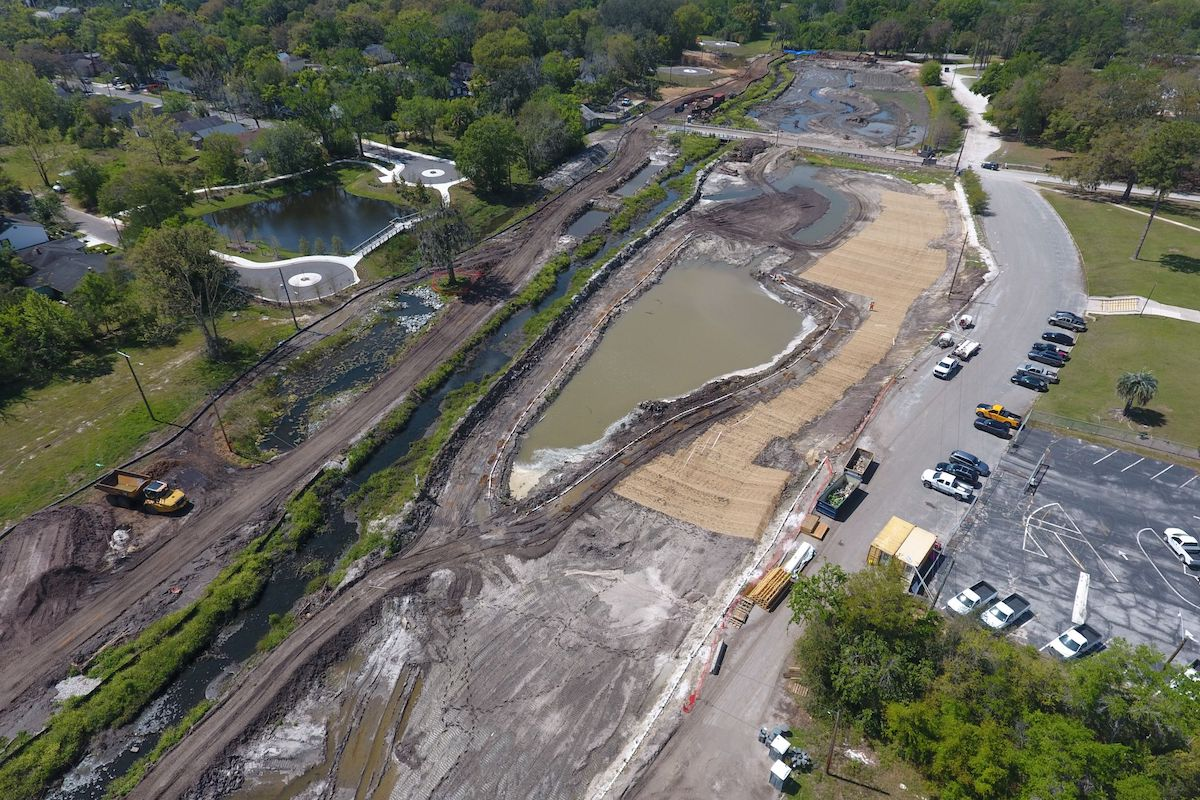
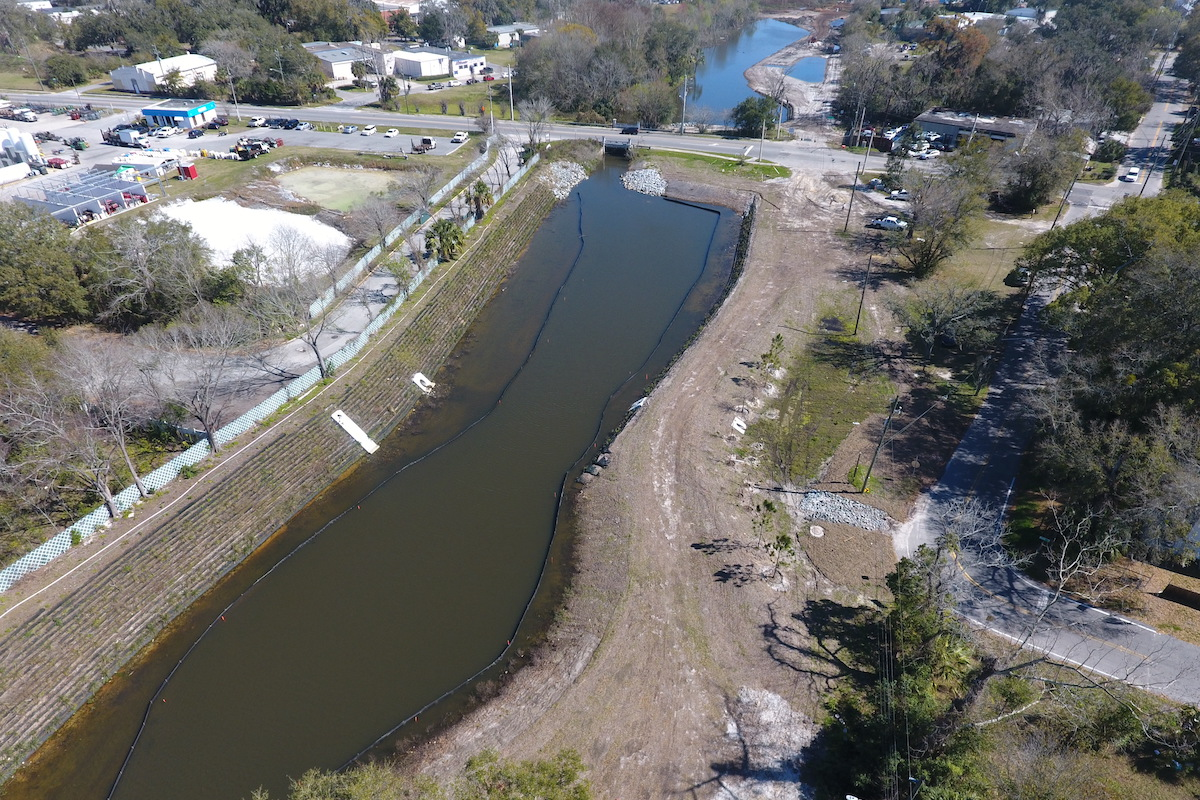
Next, the team began the upstream creek restoration component. The existing creek ran through a narrow channel between patches of green grass. A road, McCoys Creek Boulevard, ran parallel to the creek. The team aimed to mimic the natural, meandering flow of a creek — an effort that required them to remove the road, which they did in 2022.
“We could not salvage the road. We conducted a lot of studies on the flood risk,” Reed said. “Generally, folks were not happy with the decision, but we responded to their concerns and showed them why it had to be done.”
To gain community support for the road removal, the team prioritized communication and engagement. They performed a traffic study to prove the road removal would not lead to increased traffic on neighborhood streets. The team took community feedback to heart, even altering the design to prevent restricting access to a section of road that went under a rail crossing, the only rail crossing in the area that was not at-grade with the railroad and at risk of traffic delays.

| Your local Wirtgen America dealer |
|---|
| Dobbs Equipment (DXC) |
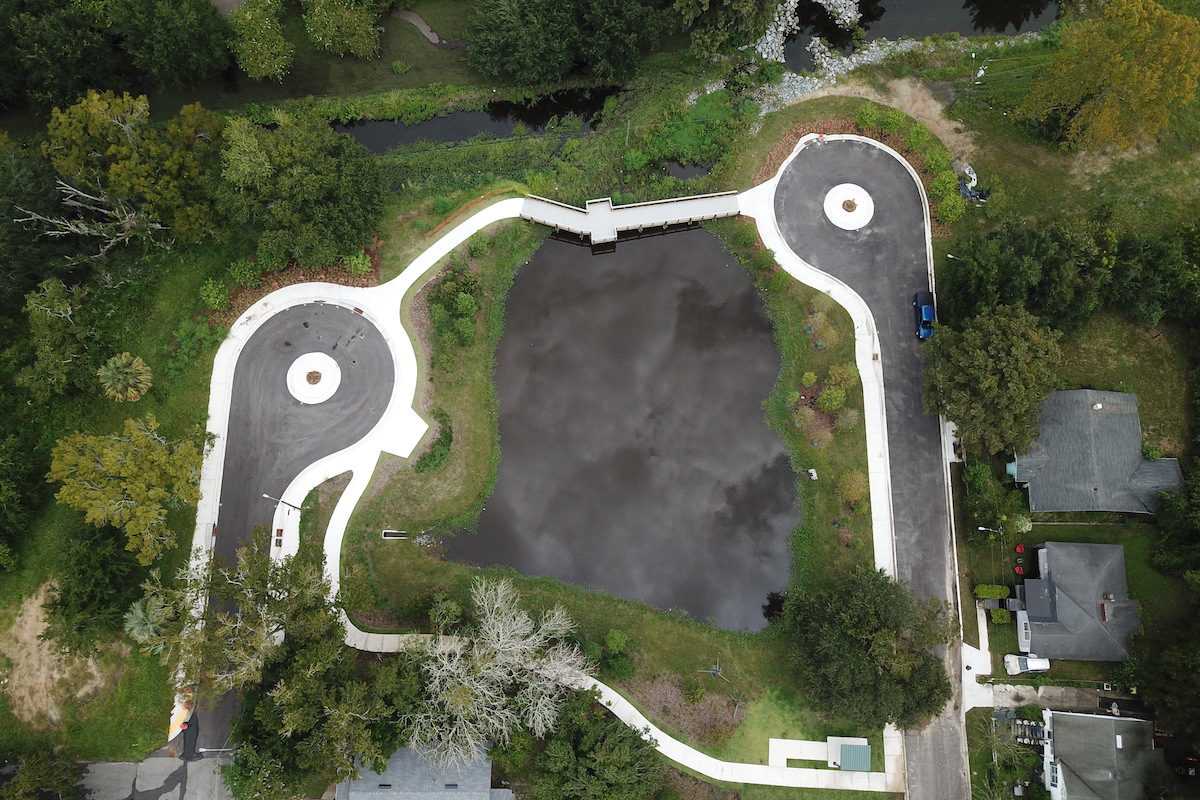
Six roads intersected with the former McCoys Creek Boulevard. The city turned five of those former intersections into cul-de-sacs that community members can use to enjoy the creek. The remaining intersection was reconstructed to allow continued access to several properties.
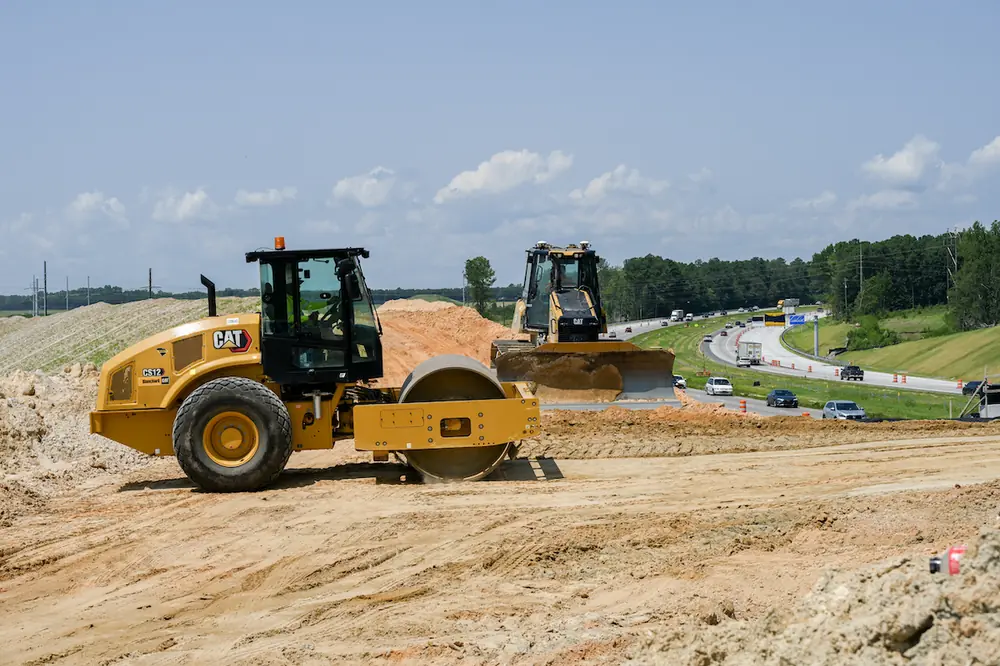
“The challenge with the cul-de-sacs was determining the right elevation and grading to make sure they were out of the floodplain. We didn’t want to build new streets that would flood,” Vanderbeck said. “We did significant earthwork to make sure it was out of the floodplain.”
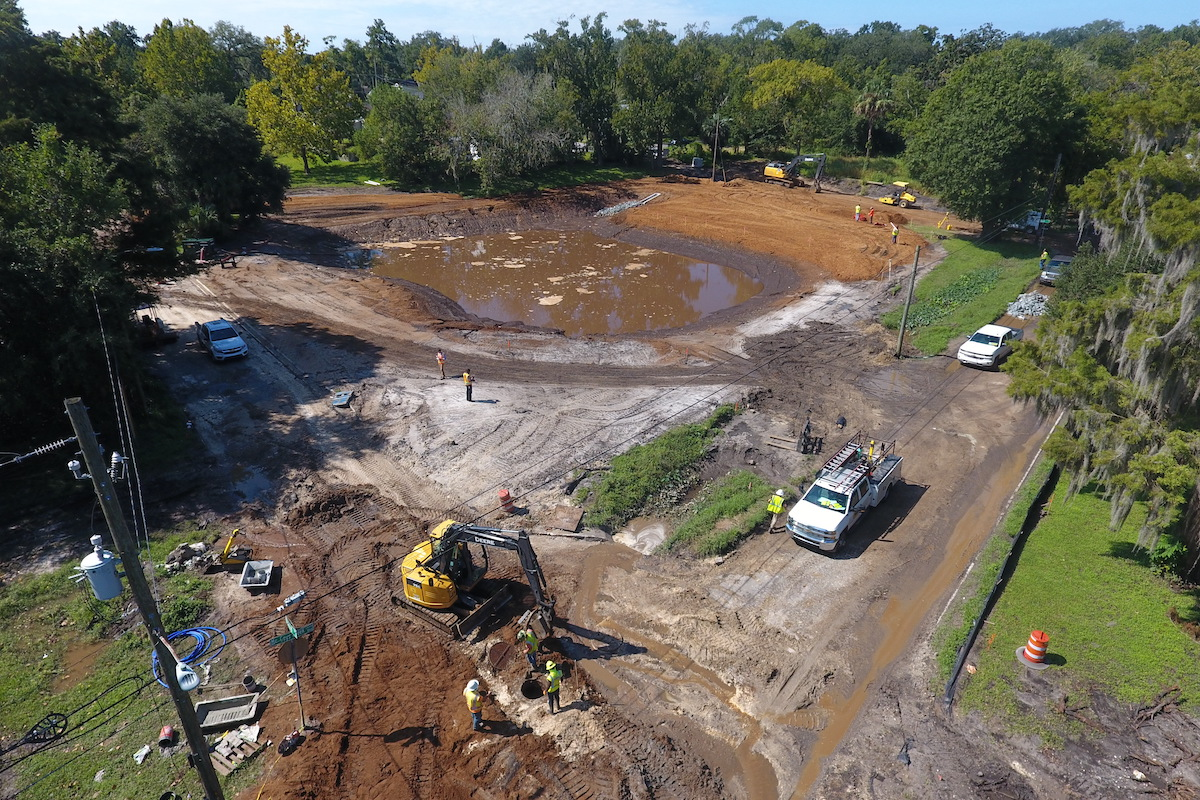
Once the road was removed, the team was able to build the new creek bed, an effort that occurred between 2022 and 2024.
“What was a narrow stream opened up and now has a meander, which is what you would really see in nature if it were never altered,” Vanderbeck said. “Removing the road provided all that additional space to manage the flooding, which was the primary goal.”

| Your local Bobcat dealer |
|---|
| Pinnacle Central Co Inc |
During excavation, the team encountered significant soil contamination, some of which was expected and coordinated as part of the design, and some of which was a surprise.
“Areas of contamination were identified as we started digging that went beyond the scope of what we anticipated, which led to another layer of coordination,” Vanderbeck said. “We had specific requirements and extra regulatory reporting and safety protocols we had to follow while keeping construction on schedule.”
WSP excavated as much of the contaminated soil as possible — removing 38,000 tons of impacted waste materials — and modified the design to ensure the area was safe for the community and the environment. They added a layer of clean soil and a cap to prevent further exposure, and plan to return to the site to fully remove the contamination in the future.
The upstream portions of the project have been completed for approximately one year. The flooding has since stopped, proving the plan to be a success.

| Your local Topcon Positioning Systems Inc dealer |
|---|
| Linder Industrial Machinery |
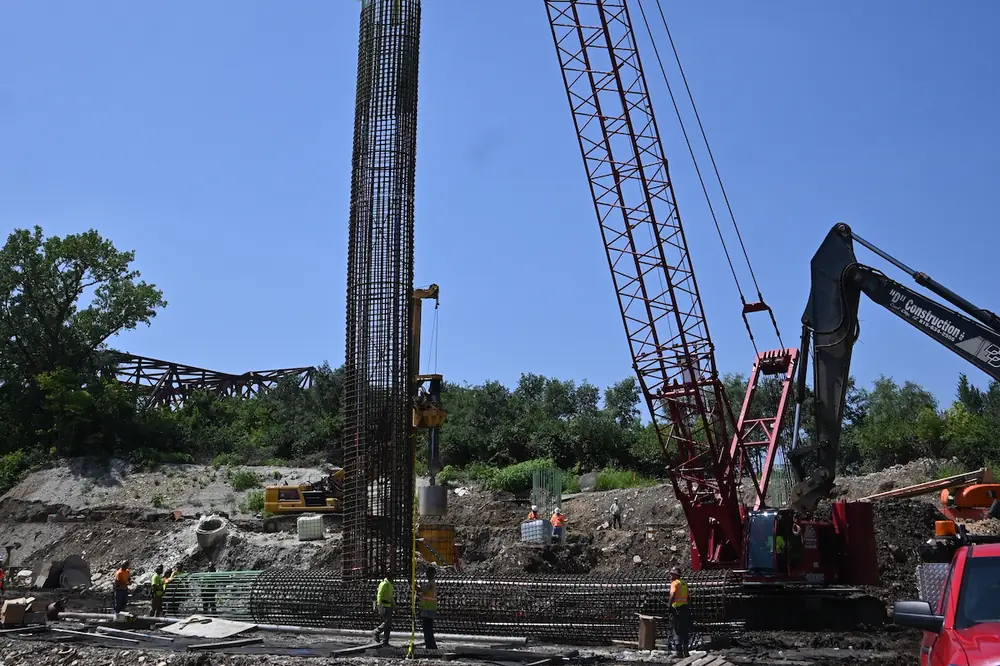
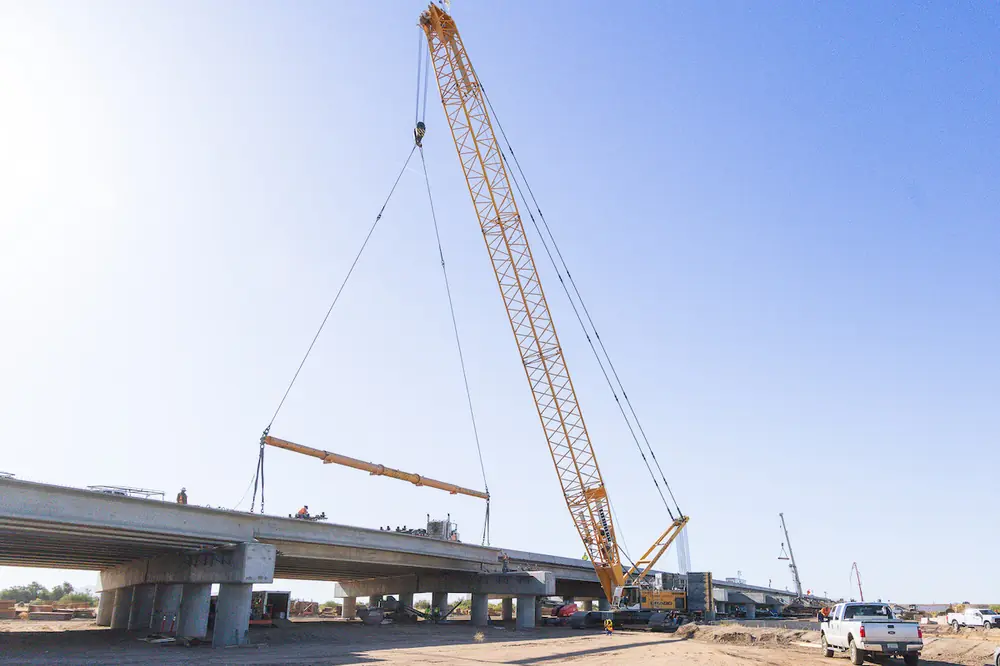
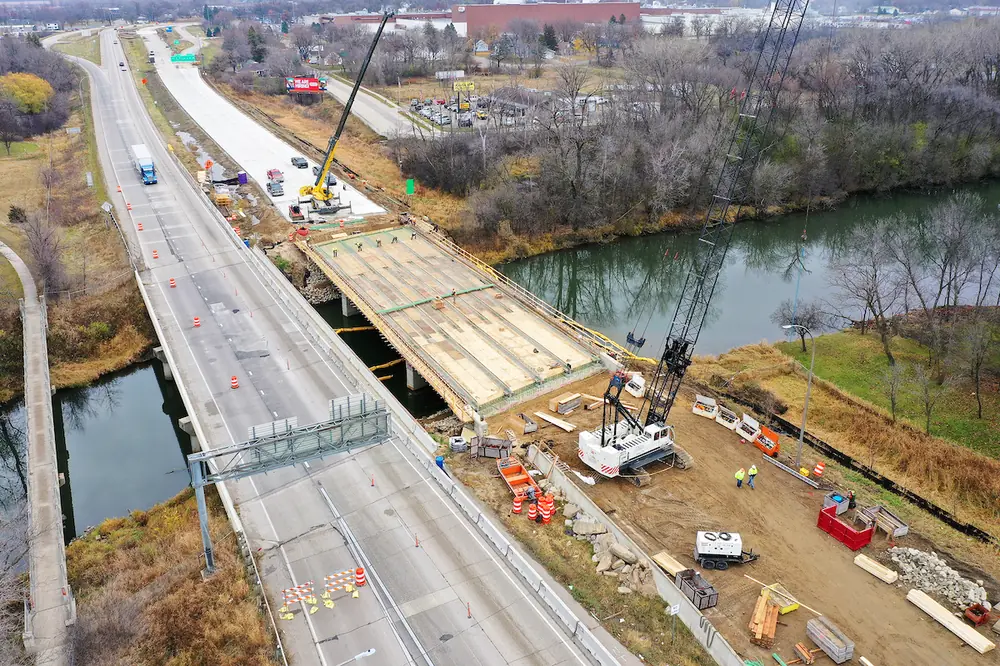
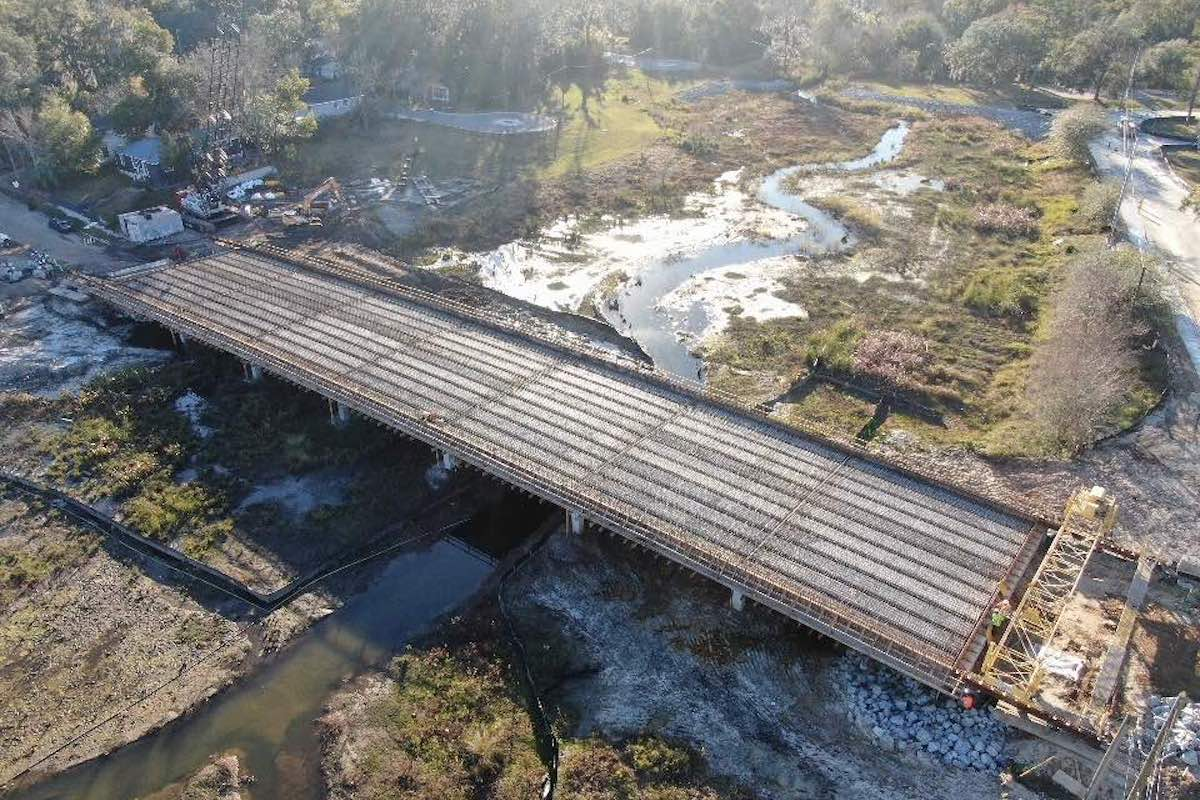
Phase 2 currently is in the works. It kicked off by replacing the King and Stockton Street bridges — pivotal components to alleviating flooding.
“We called the Stockton Street Bridge the dam because it was a major constriction point in the flow of the creek that contributed to a lot of the flooding,” Vanderbeck said.
The new bridges are designed to be 100-year floodplain bridges. They sit at higher elevations than the originals and have much longer spans. The new King Street Bridge is more than 304 feet long compared to the old bridge’s 55 feet, and the new Stockton Street Bridge is 122 feet long compared to the previous structure’s 20 feet.
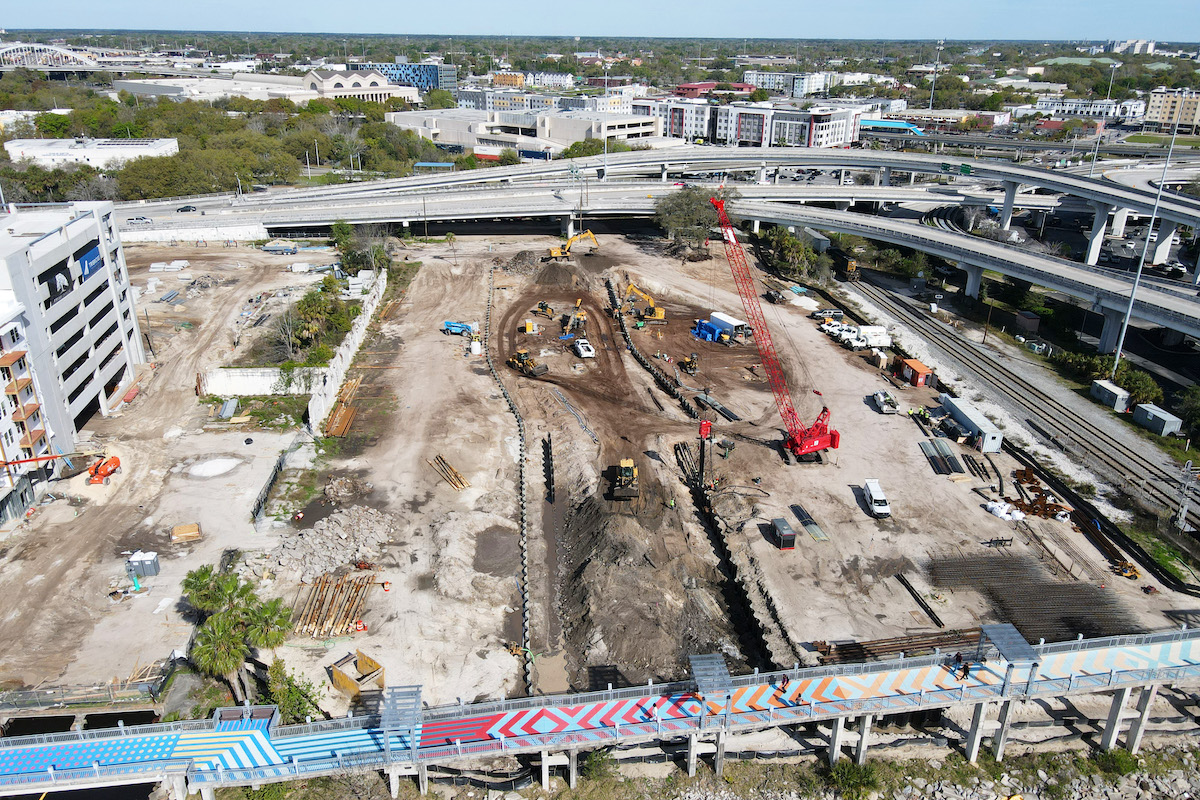
The downstream portion of the project also includes rerouting the original 44-foot-wide channel, which previously flowed underneath the city and even had a parking lot constructed on top of it that formerly served the Florida Times-Union.

| Your local Komatsu America Corp dealer |
|---|
| Linder Industrial Machinery |
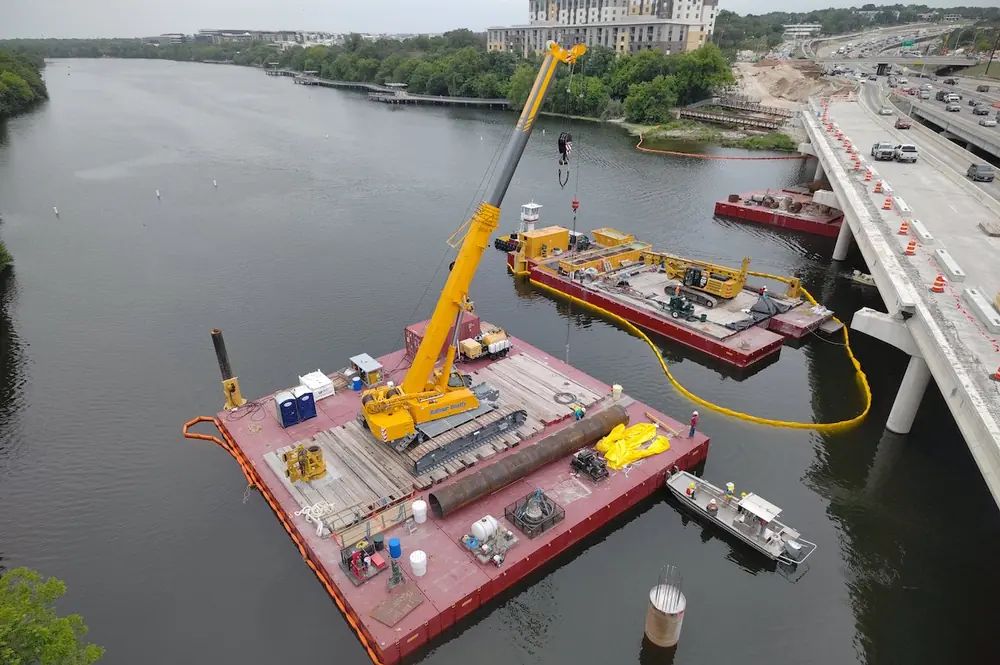
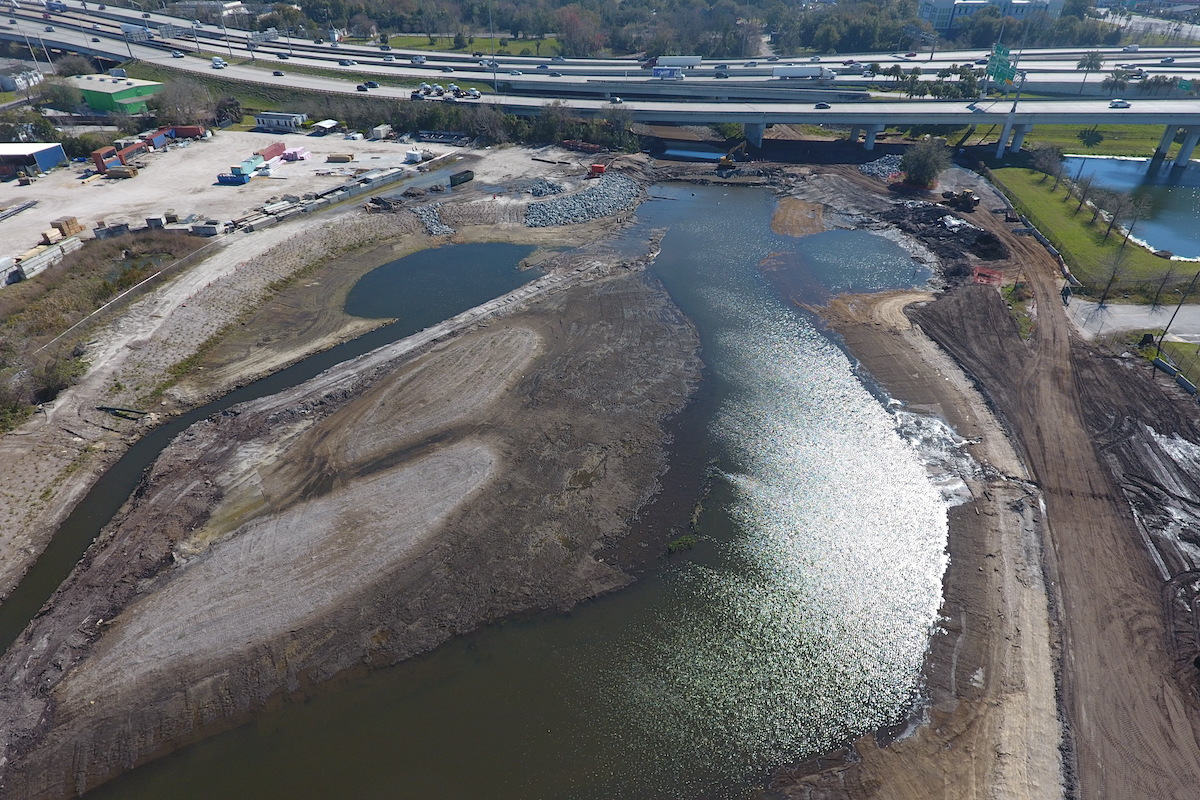
The new 84-foot-wide channel has been rerouted to flow visibly through the city to the St. Johns River. The team excavated more than 50,000 cubic yards of material to create the new channel, installed sheet piles, water barriers, and added the cap. They used more than 2,000 cubic yards of concrete for the bulkhead walls and added aesthetic elements to the channel to prepare it for water.
In fall 2025, the team removed the sheet piles, allowing the creek to flow in its new channel to the river. The team will fill in and demolish the old channel by the end of 2025. The previous building that was located on the site has been removed and redeveloped privately.
“The expanded floodplain upstream, removing the restrictions associated with the bridges, and the expanded outfall achieves the overall flood benefits,” Vanderbeck said. “It took all those pieces and parts to get there.”
The team plans to build floating wetlands, additional recreational features like kayak launches, and park spaces with native plantings and trees along the new channel. They also will construct a trail that connects to the city’s broader Emerald Trail network.

| Your local Trimble Construction Division dealer |
|---|
| SITECH Mid-South |
| SITECH Tri-Rivers |
What began as a neglected creek in a narrow and straight channel, some of which ran underneath the city, is now a vibrant, meandering feature of the landscape. The McCoys Creek Restoration Project allows residents to live with confidence that their neighborhoods and streets will no longer flood, while enjoying the amenities and wildlife the creek has to offer.
- $22,333,902: Creek restoration (not including environmental remediation) from Leland Street to Interstate 95
- $4,199,756: McCoys Creek Boulevard closure
- $13,623,160: King Street Bridge replacement
- $9,930,209: Stockton Street Bridge replacement
- $38,073,405: Creek outfall construction at the river
- $19,401,712: Additional project costs from Myrtle Avenue to the St. Johns River
- Owner: City of Jacksonville, Florida
- Engineering, Consulting, and Design: WSP, Jacksonville, Florida
- Subcontractors: SCAPE Landscape Architecture, New York, New York; CDM Smith, Jacksonville, Florida; Morales Consulting Engineers, Jacksonville, Florida Photos courtesy of the City of Jacksonville, WSP, J.B. Coxwell, Kiewit, GAI, and VIA