
With the on-again, off-again swings in tariff policy starting in April 2025, it can be hard to keep track of current impact. Regardless of status, many in the construction industry are feeling the effects and will likely continue to for the foreseeable future.
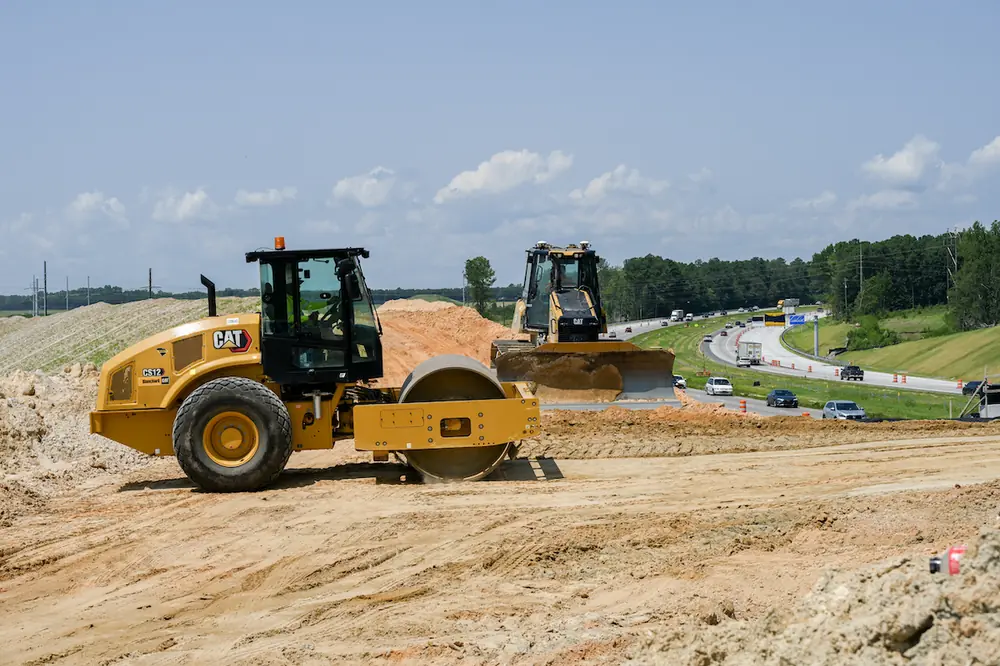
A 2025 report from international consulting firm Off-Highway Research estimated that the effective tariff rate on construction equipment stands at over 40 percent. This level is high because of the steel tariff, with construction equipment made largely of steel.
Because the U.S. is a construction equipment net importer, it isn’t easy to switch to domestic manufacturers. Some types of equipment aren’t made in the U.S., and among those that are, many use imported parts made mostly of steel. Overall, Off-Highway Research predicts U.S. construction equipment buyers will pay 27 percent more post-tariff.
Tariffs also apply to materials and building components used in construction. This means construction companies are managing cost increases associated with levies on lumber and wood products, glass and glazing systems, mechanical components, and equipment.
More contractors are now including escalation clauses in agreements to protect themselves against large, tariff-related price increases for materials. Contractors are spending more time (and thus money) on the bidding process, taking into consideration potential supplier changes and the need for contingency plans.
| Your local Magni dealer |
|---|
| Kirby-Smith Machinery |
More import paperwork at ports of entry and scrambling to find domestic suppliers contributes to construction delays and cost overruns. Changing to a domestic supplier may reduce tariff costs but can bring disruption if that supplier isn’t prepared for increased demand. Some companies may opt to increase inventory on hand to ensure supply, but holding inventory can represent significant costs, as well.
While there are no easy solutions for holding down costs in the current tariff environment, these steps may help:
- Lease equipment — Leasing and financing services can provide access to various types of equipment and manufacturers. The latter offer financing packages tailored to the lessee’s needs. Since lessees don’t make payments until the equipment is operational, cash can be preserved for other business needs.
- Look for domestic suppliers where possible — Keep in mind, however, that many domestic suppliers are subject to tariffs on their imported raw materials and may not be able to offer a better price. Look at the whole package, including reliability, customer service, and cost before switching suppliers.
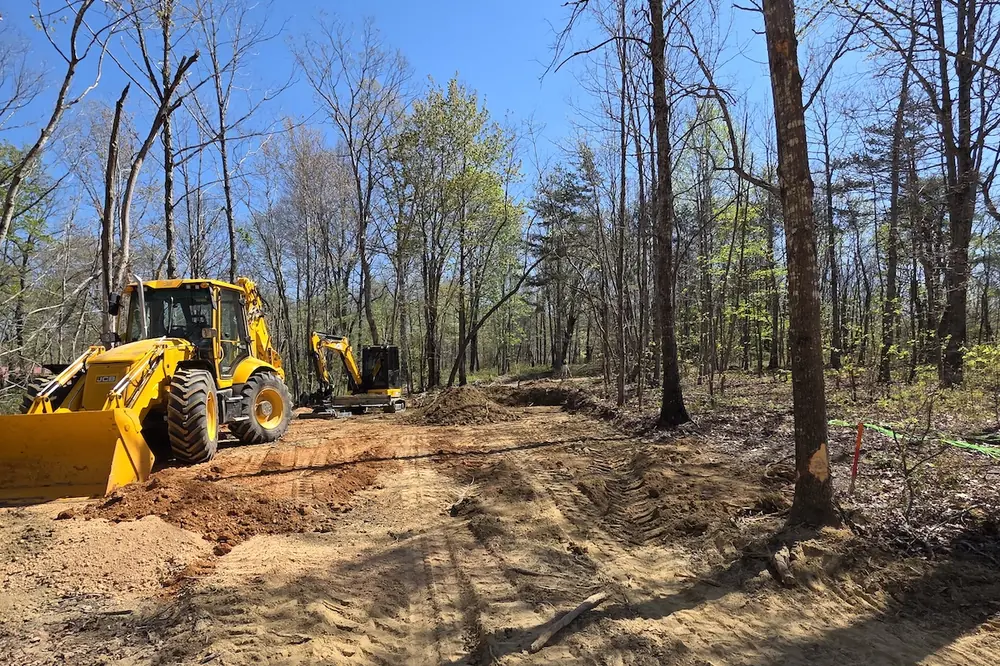
- Consider used equipment — Rather than paying import duties on new equipment, consider acquiring used pieces that aren’t subject to tariffs. The Section 179 deduction and the 100 percent bonus depreciation deduction from the One Big Beautiful Bill offer tax savings that can help offset tariff-related price increases on other acquisitions. Both can be applied to used equipment, as long as it is new to the purchaser.
- Seek new equipment already on the lot — Equipment imported before the tariffs were announced will likely sell or lease for less than recently imported ones.
- Minimize discretionary spending — While materials and equipment costs are high, it helps to look for cost savings wherever possible. Jeff Knapp is Regional Sales Manager for Summit Funding Group.