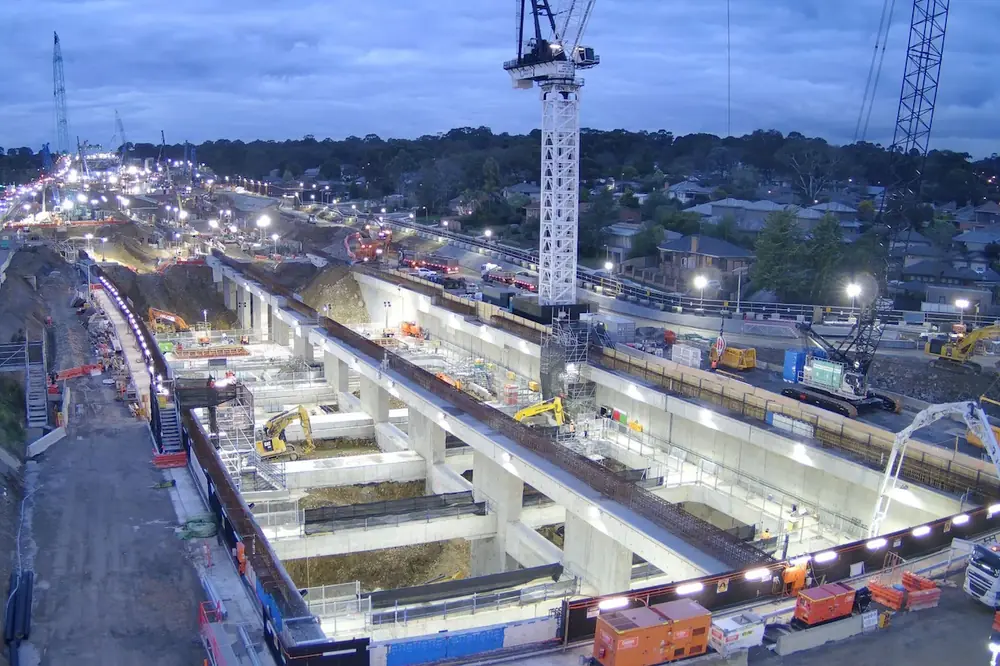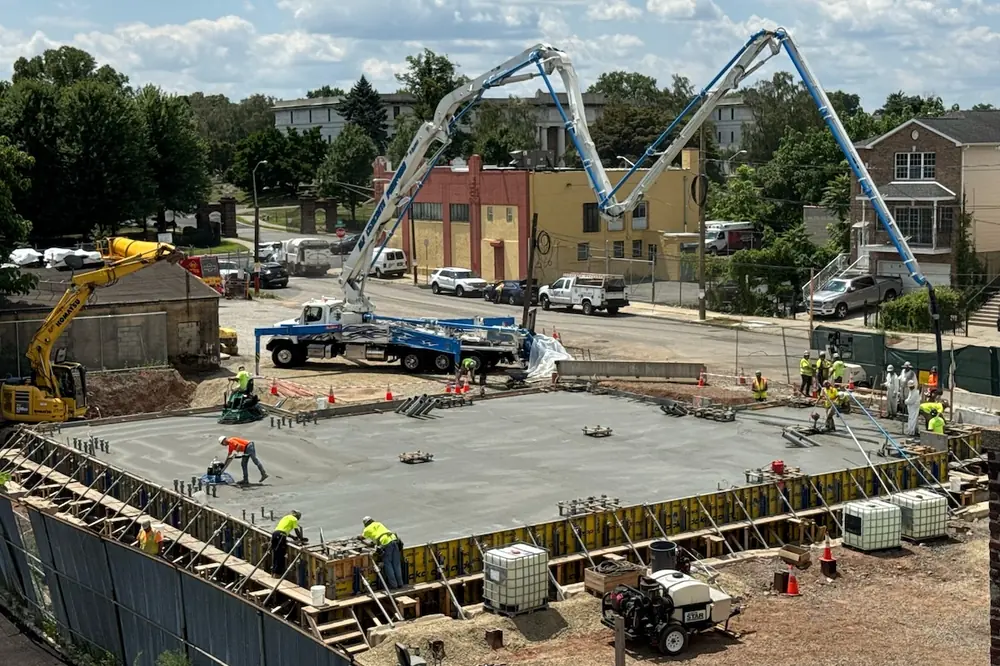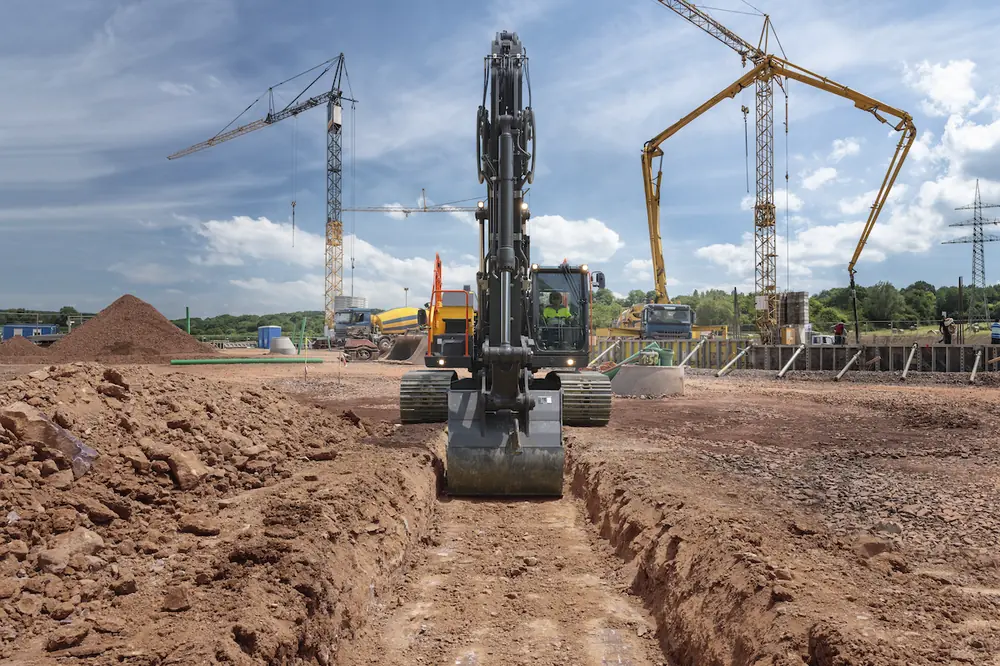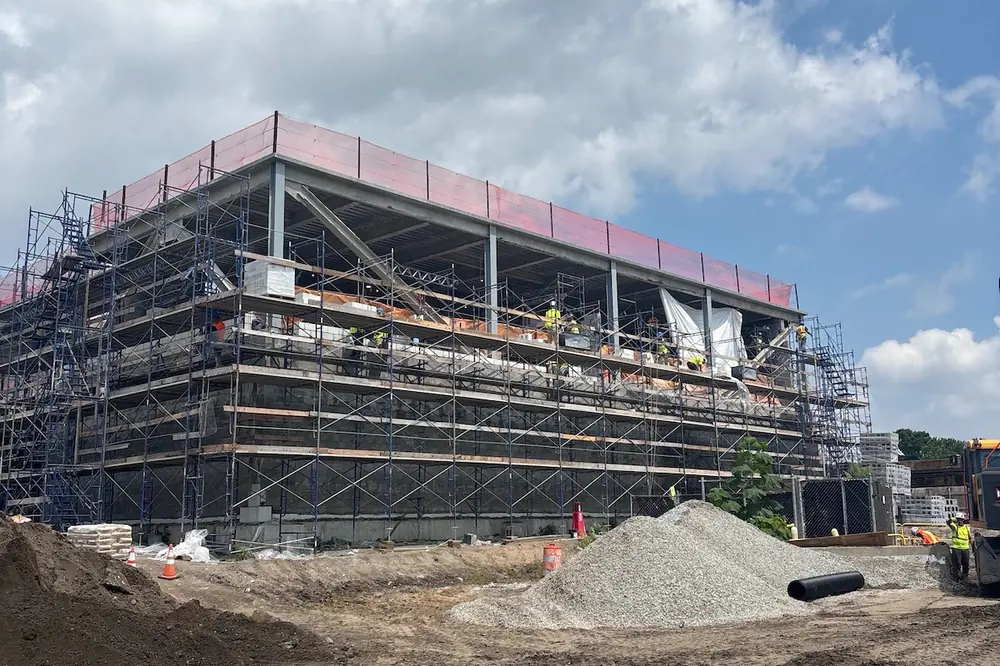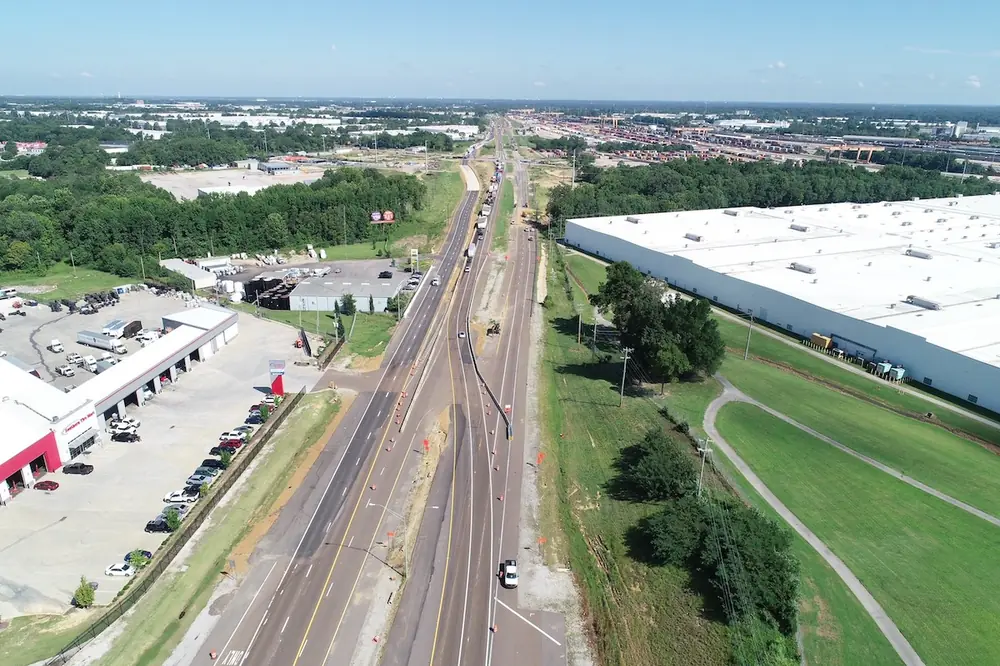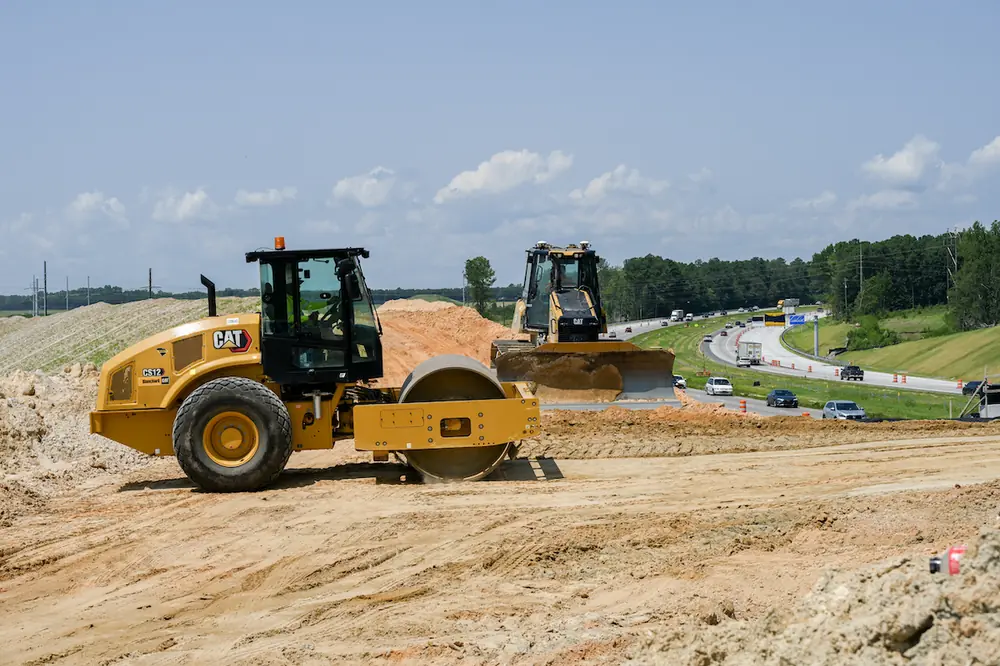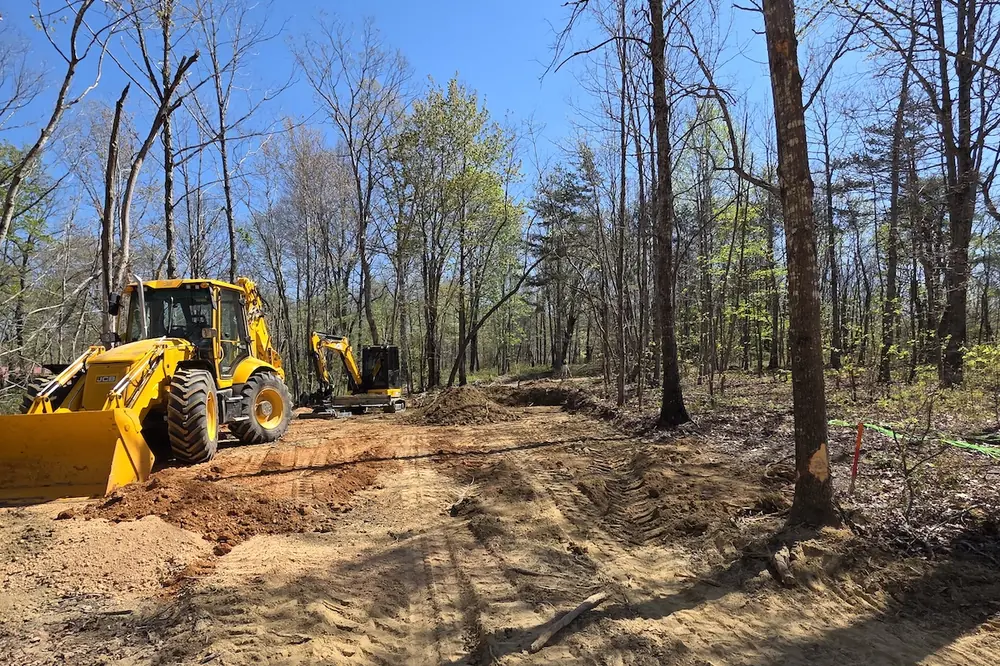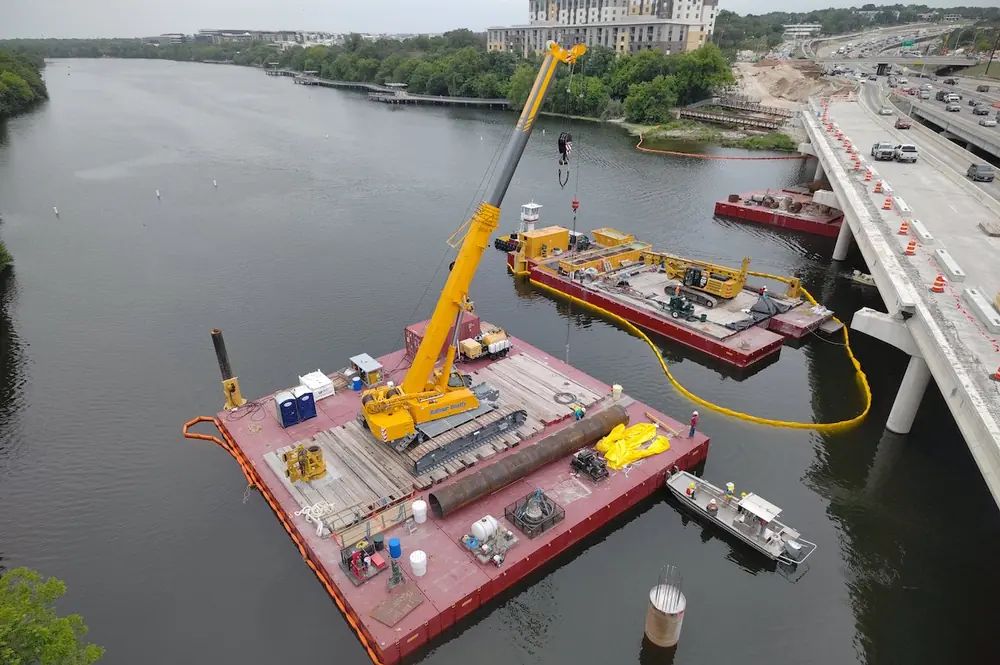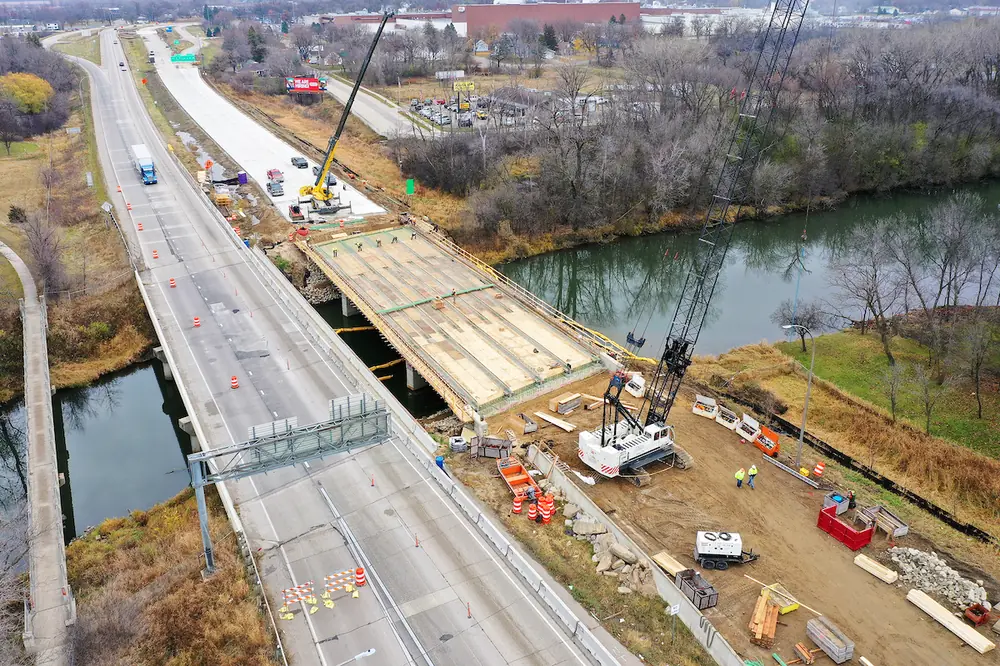
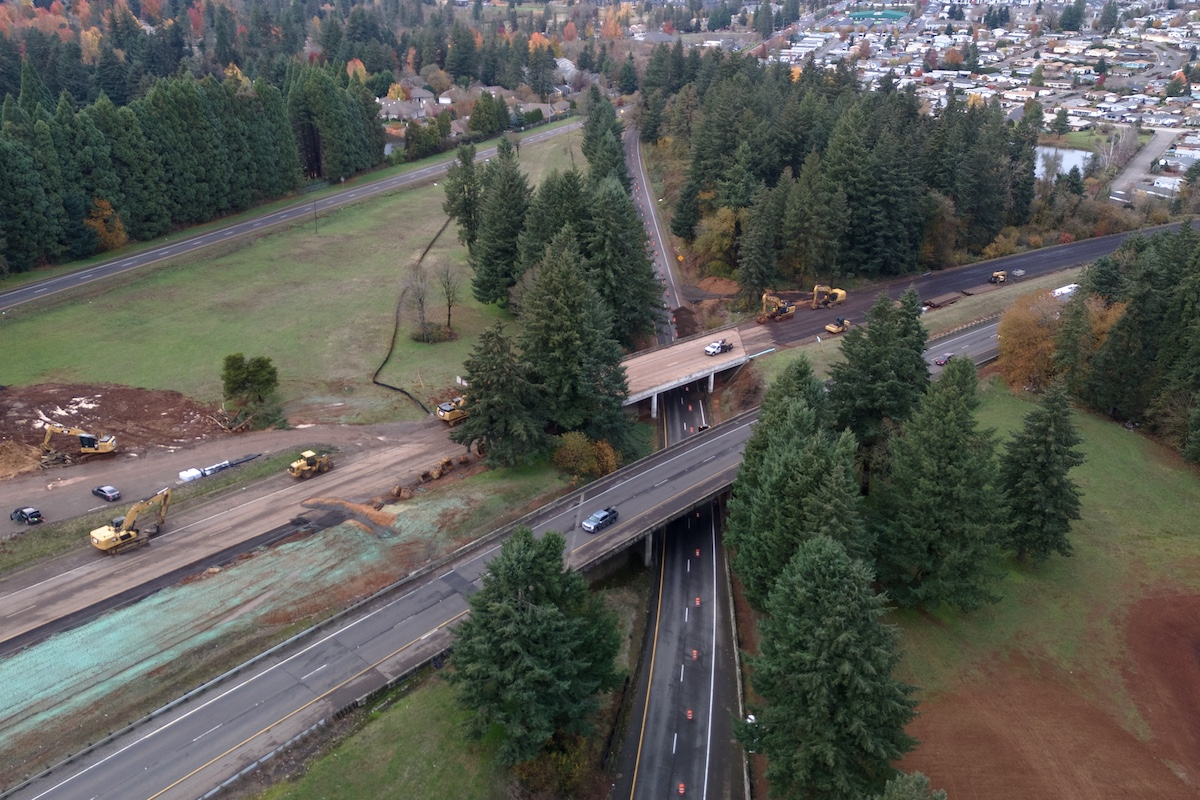
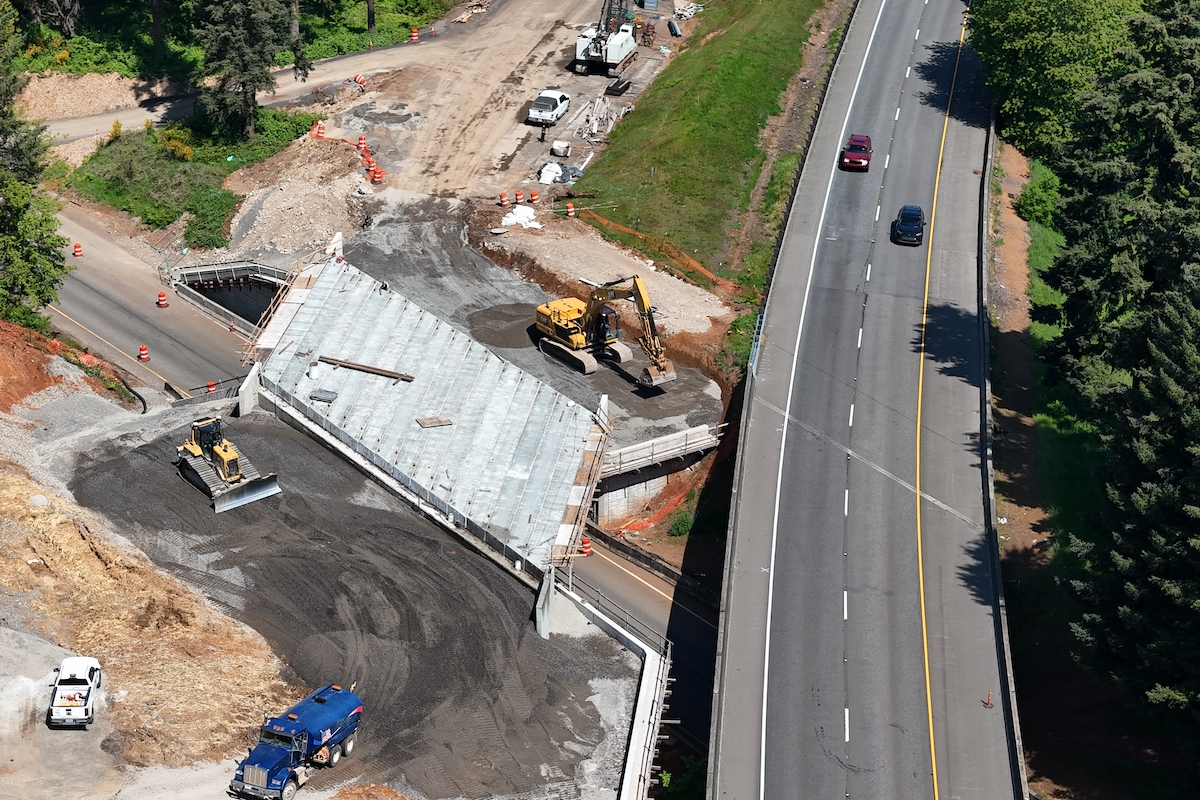

The Oregon Department of Transportation (ODOT) is in the midst of a major widening initiative on Interstate 5 south of Salem, a project that started in 2024, designed to address chronic congestion, steep-grade safety challenges, and freight bottlenecks along one of the most heavily traveled stretches of freeway in the state.
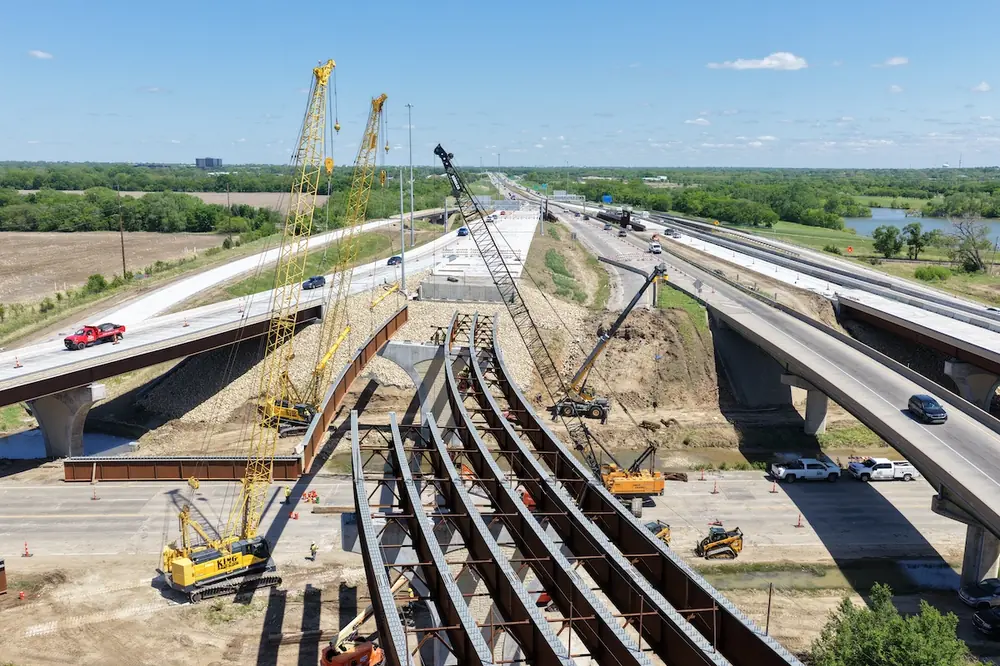
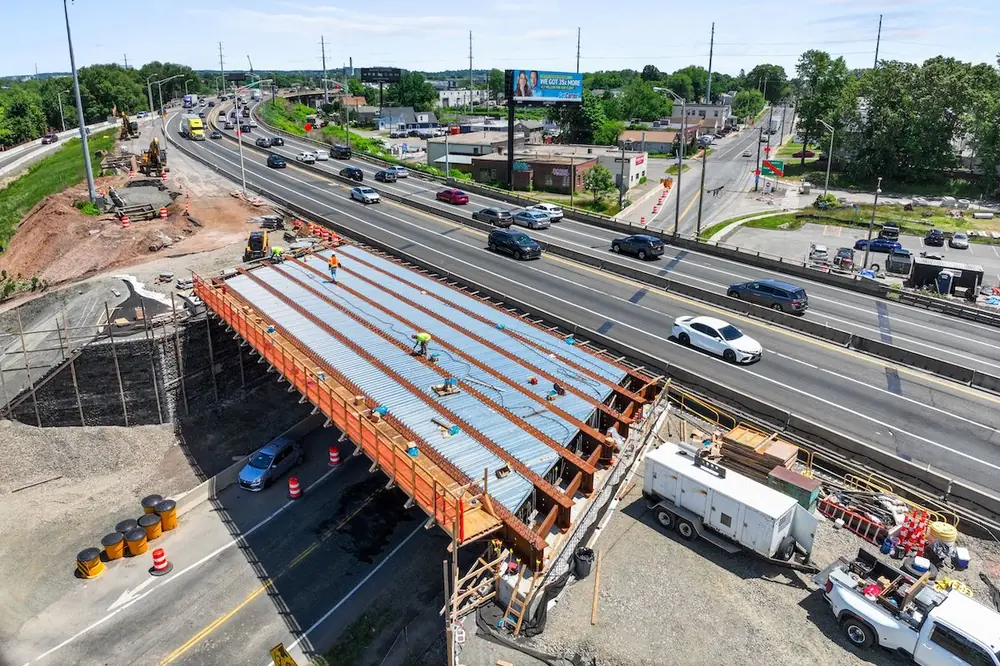
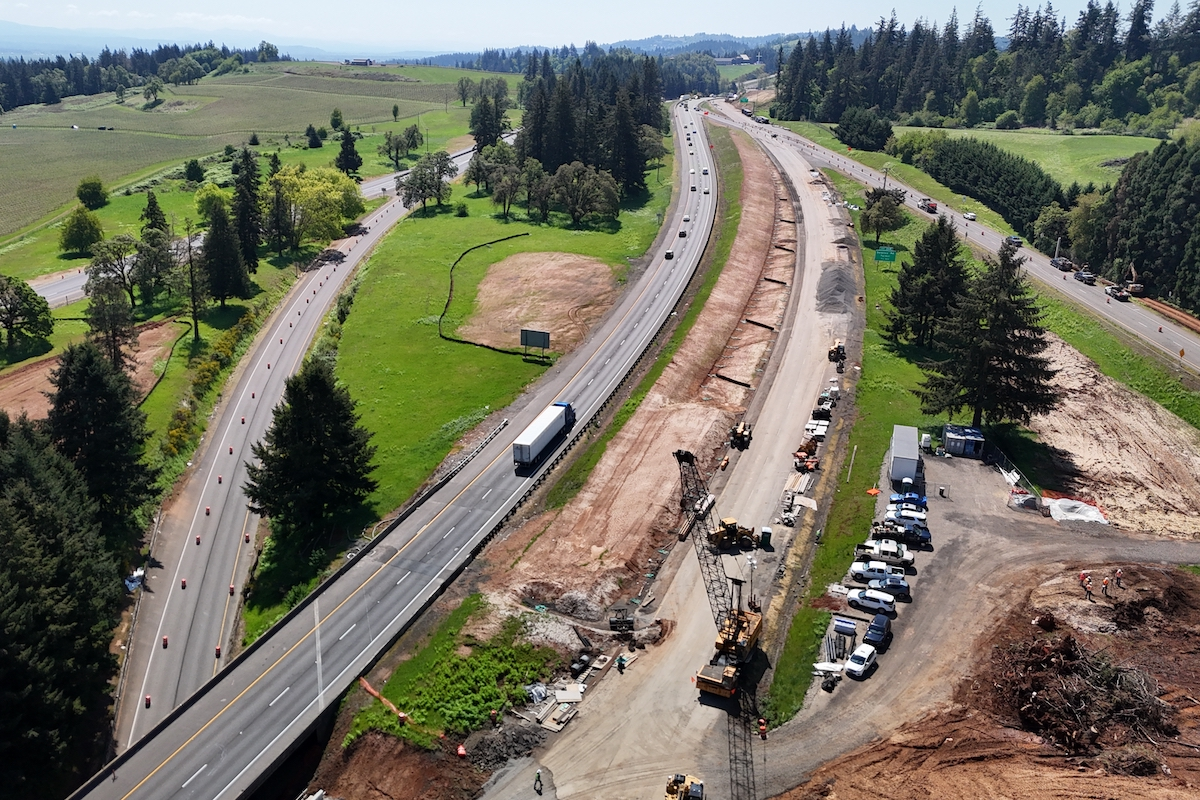
The multi-year improvement program is set to expand I-5 from two to three lanes in the southbound direction between the Kuebler Boulevard and Delaney Road interchanges, along with reconstructing the Commercial Street bridge, constructing a new Battle Creek Road bridge, and building a roundabout at Battle Creek Road SE and Wiltsey Road SE to improve local circulation and safety.
Currently, ODOT is working on the first phase of its corridor improvement strategy, which derived from an Environmental Impact Study from the early 1980s and was refined over the last four decades as traffic and freight demands continued to grow.
“This project has been driven by long-standing traffic, safety, and freight-mobility issues created largely by the steep southbound grade in this area,” said Derek Moore, ODOT Resident Engineer. “When a loaded semi climbs that grade at about 45 miles per hour and another truck comes up behind going only slightly faster, it forces both vehicles to occupy the travel lanes and slows all southbound traffic to truck climbing speeds. It created recurring backups, rear-end crashes, and major reliability problems for freight movement.”
The uphill grade south of the Battle Creek Road undercrossing has been a longtime trouble spot, with crash data revealing that 41 percent of collisions in the corridor were rear-end crashes tied to congestion created by slow-moving trucks. A 20-year traffic analysis confirmed that extending three lanes southbound from the Kuebler interchange to Delaney Road would elevate traffic flow to acceptable volume-to-capacity levels.

| Your local Manitou dealer |
|---|
| Star Equipment LTD |
“We selected the southbound direction first to address that freight truck climbing bottleneck and get the necessary climbing lane built,” Moore said. “It also allowed us to replace the aging southbound Commercial Street bridge structure in the same phase.”
Additionally, by raising the freeway elevation approximately 3 to 4 feet slightly reduces the steep grade, enabling heavy trucks to maintain more consistent speeds while cutting fuel consumption.
“These improvements support freight efficiency, better commuter reliability, and long-term statewide mobility objectives,” Moore said.
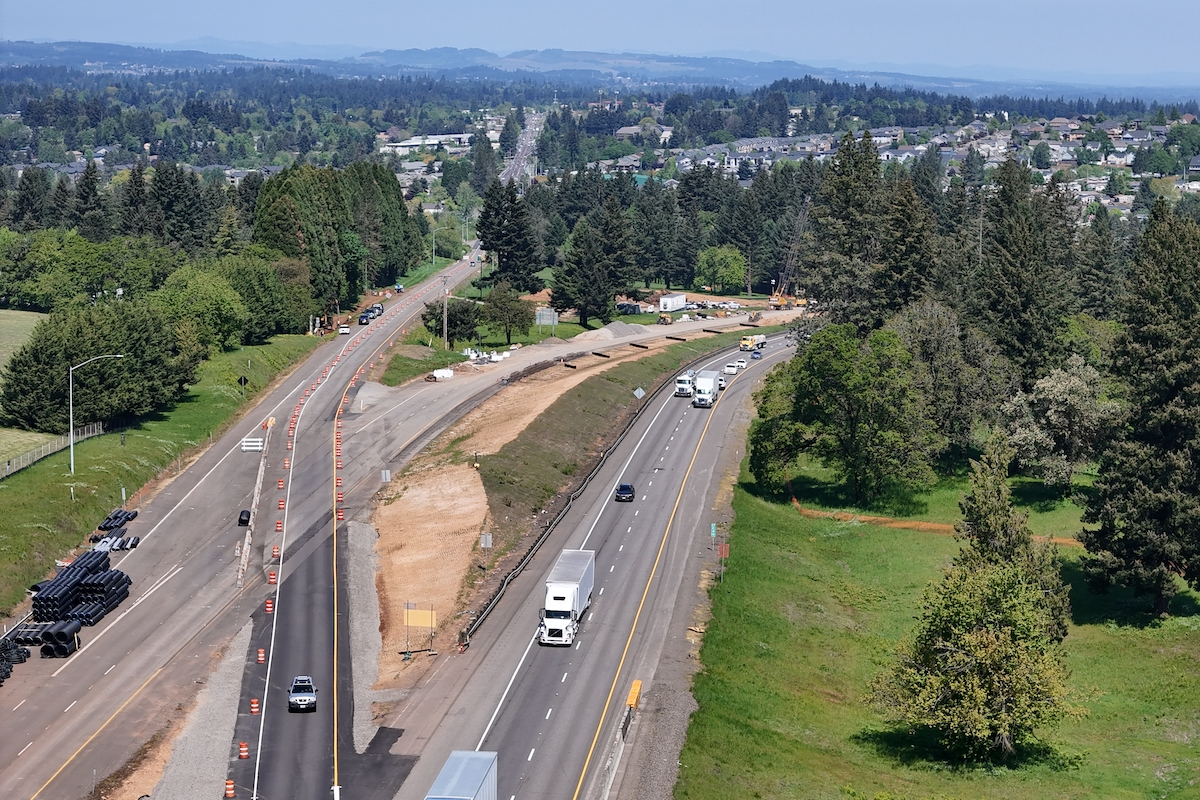
To maintain traffic through construction and minimize long-term closures, the project team developed an innovative staging plan centered on the original northbound freeway alignment, which had remained in place since before the current configuration was constructed in the early 1980s.

| Your local Leica Geosystems Inc dealer |
|---|
| Laser Specialist inc |
“The staging strategy has been a game-changer,” said Shon Heern, PE, Vice President and Construction Services Manager for the Oregon Region at David Evans and Associates, ODOT’s consultant construction management team. “Using the old northbound alignment for temporary traffic allowed crews to build the new southbound lanes and the Commercial Street bridge largely outside live traffic, which dramatically improved safety for workers and drivers.”
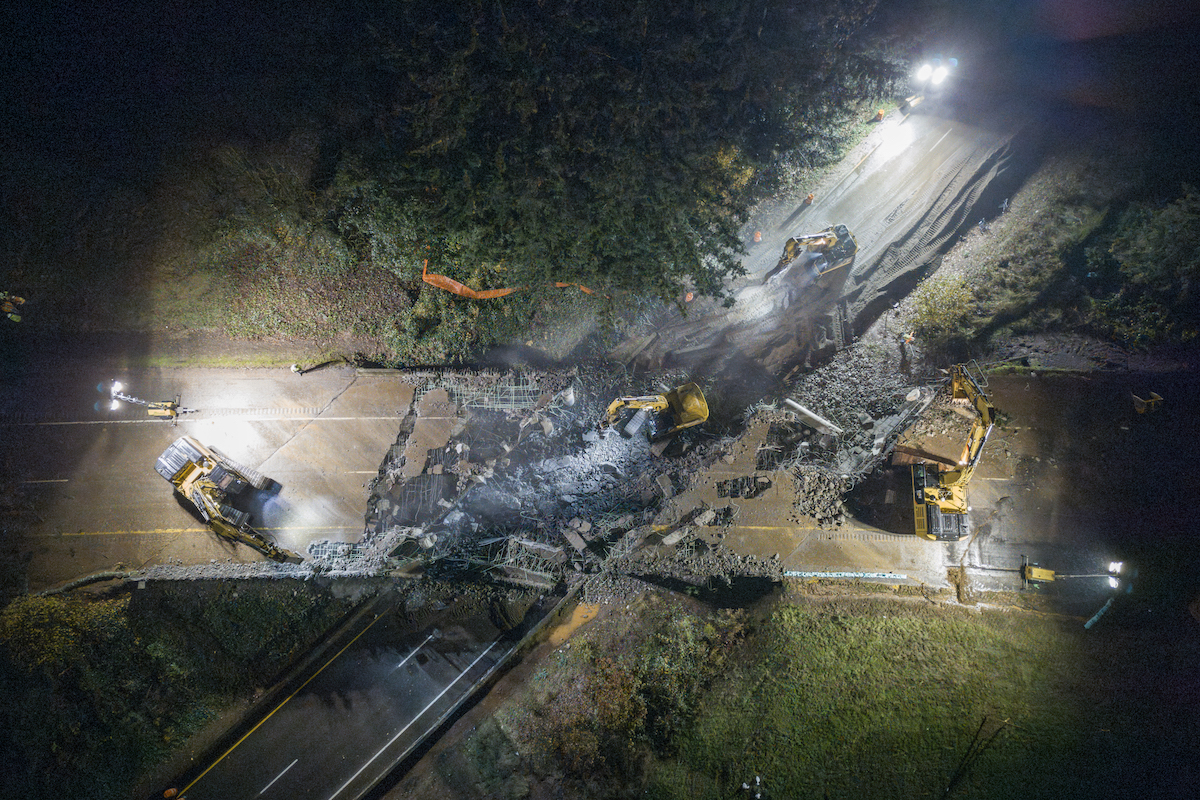
However, when crews prepared to shift traffic onto the temporary alignment, they encountered an unexpected slope failure requiring fast action.
“We discovered a slide that needed emergency stabilization just before traffic was scheduled to move,” Heern said. “The contractor, construction management, and design teams coordinated quickly, temporarily closed the ramp, made the repairs efficiently, and actually gained time on the schedule rather than losing time due to the added work.”
The temporary configuration, which routes northbound drivers through Exit 249, increased the original roadway’s daily capacity from approximately 2,800 vehicles to about 64,000 with minimal widening. Moore noted that the strategy saved millions of dollars in design and construction costs and shortened the overall schedule by approximately one year.

| Your local Trimble Construction Division dealer |
|---|
| SITECH Midway |
| SITECH Mid-America |
| SITECH Central LLC |
Since the project began, construction impacts have been a core concern in the nearby Terrace Lake Park community and the Battle Creek/Wiltsey neighborhoods. ODOT has relied heavily on early design coordination, public outreach, and mitigations to reduce disruptions.
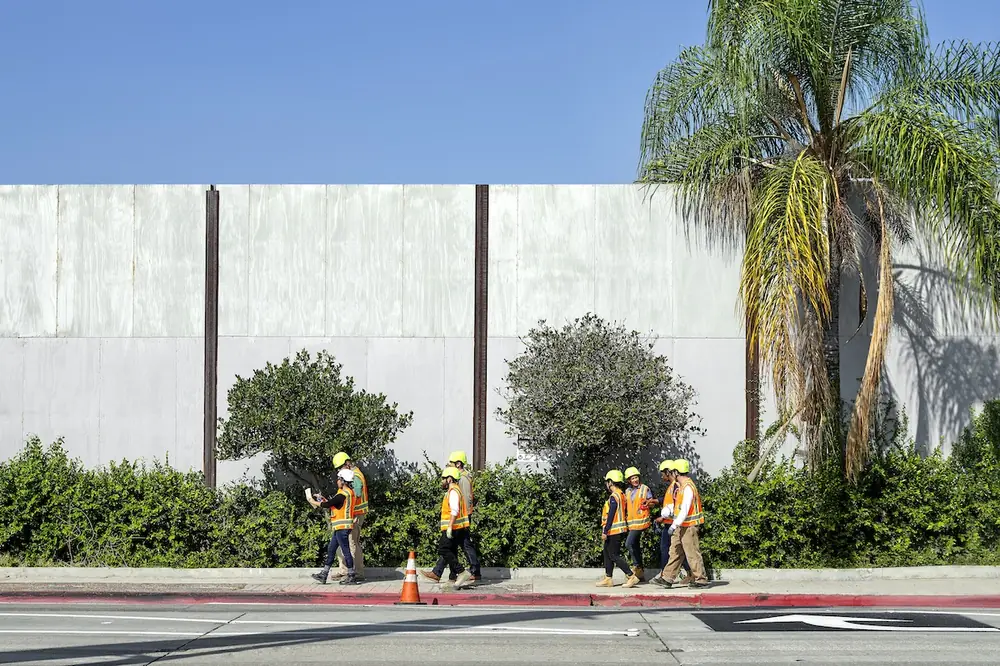
“Construction is inherently noisy, but we perform most work during daytime hours, and residents have been patient knowing the project includes sound walls that will significantly reduce long-term noise,” Moore said, explaining ODOT held multiple virtual open houses and provides regular updates through press releases and social media.
Meanwhile, dust is managed through watering protocols specified in the project’s erosion control plan, driveway access to private residences has been maintained through every stage, and long-term detours — especially for Wiltsey Road — were chosen intentionally to optimize construction speed and safety.
“The detour allowed full-footprint construction of the roundabout and bridge approach, avoiding staged work in an active zone,” Moore said. “It resulted in major cost and schedule benefits and added minimal travel time for users.”

| Your local Gehl Co dealer |
|---|
| Star Equipment LTD |
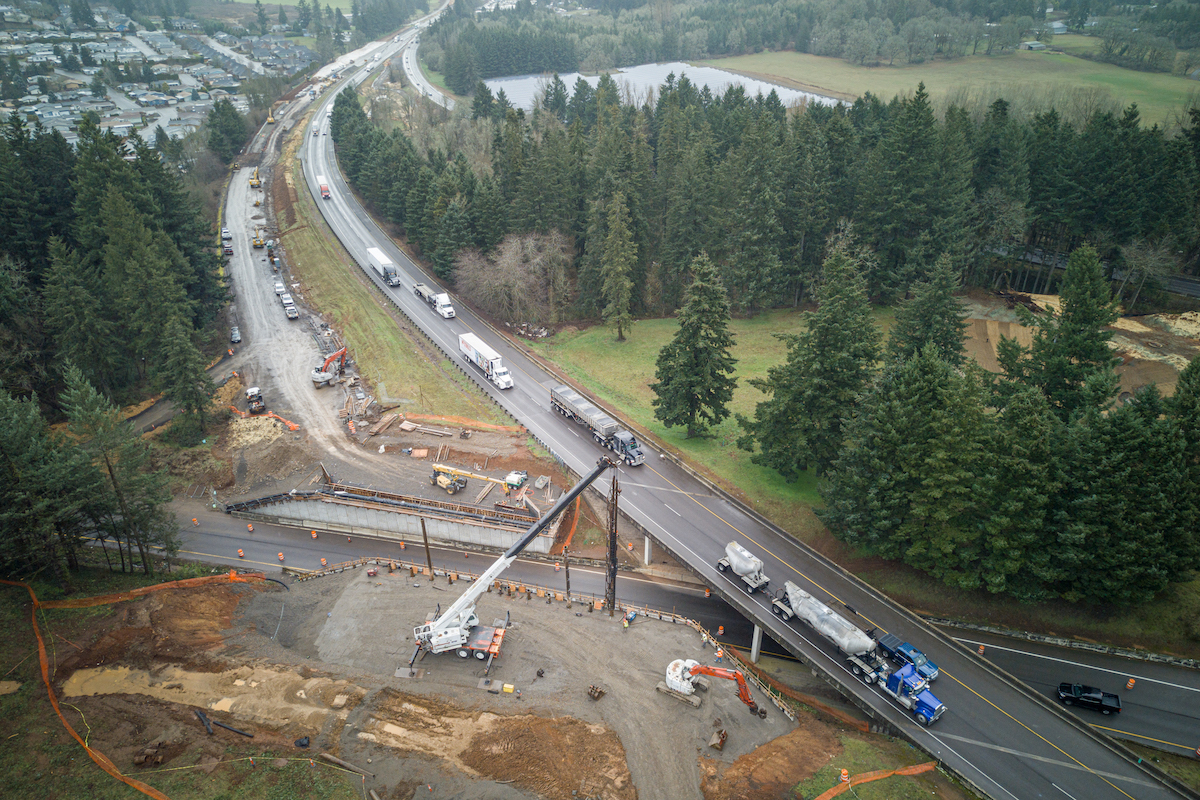
A key centerpiece of the project is the replacement and realignment of the Battle Creek Road bridge, which connects to the new roundabout being constructed at Wiltsey Road SE.
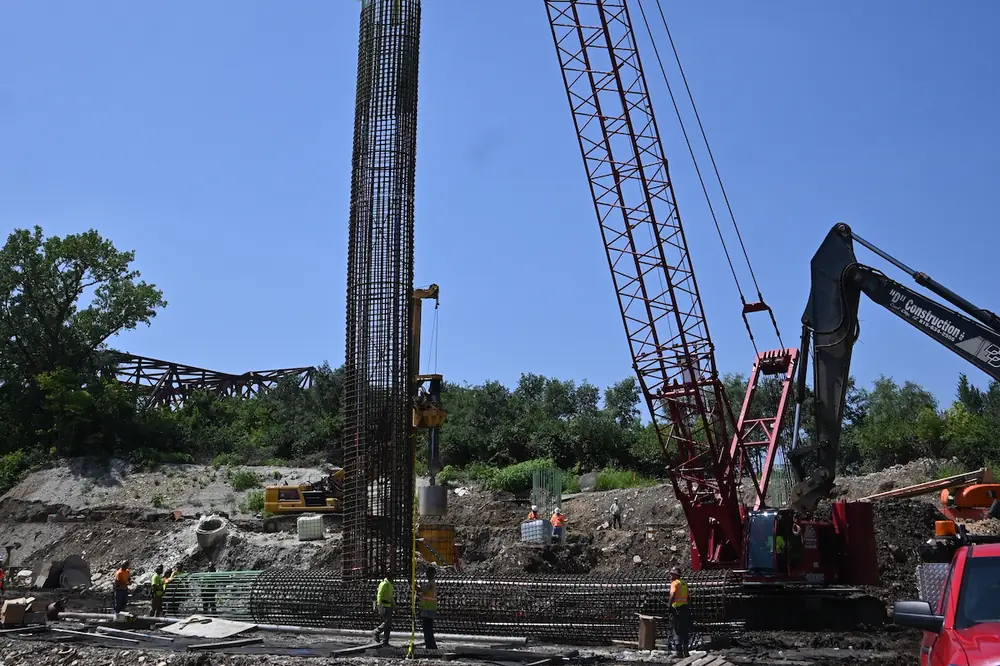
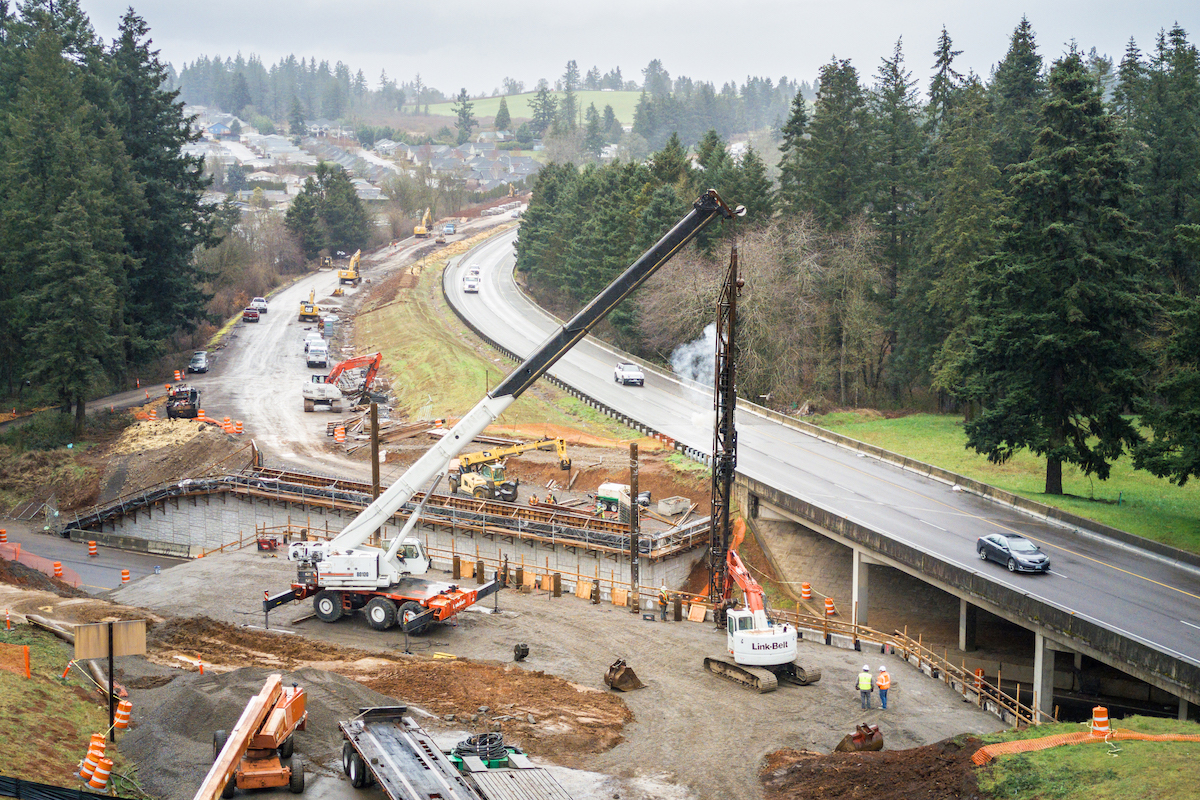
“We started by constructing large embankment fills at the bridge abutments to allow for settlement monitoring,” Heern said. “After the anticipated settlement occurred, we built mechanically stabilized earth walls at each end and installed large vertical corrugated metal pipes within the fill so we could drive the support piles without damaging the MSE walls.”
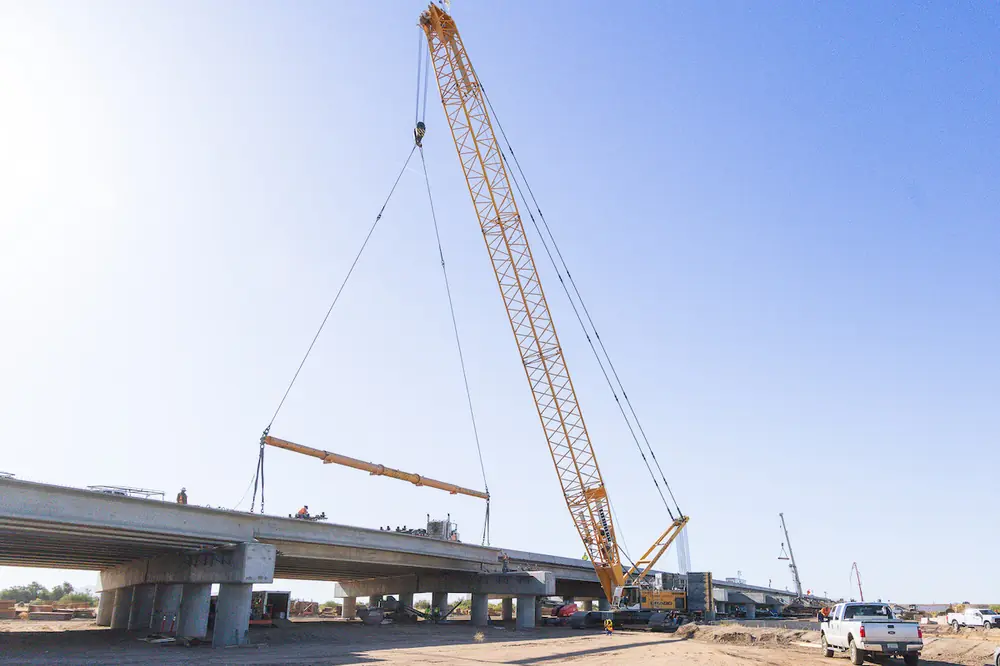
Crews are currently building concrete pile caps that will support 183-foot precast concrete beams — a long single-span structure crossing all lanes of I-5. Once the bridge is complete, crews will tie in the new roadway approaches, which are largely built.
“This design sequence allowed us to keep Battle Creek Road — by far the higher-volume route — open through most of construction,” Heern said.

| Your local Topcon Positioning Systems Inc dealer |
|---|
| Star Equipment LTD |
While an 18-month full closure was considered early, the northern shift greatly shortened the bridge and avoided that disruption. The accompanying roundabout also required raising elevation at the intersection.
“The staging is straightforward because the new alignment was built north of existing roadways, so we avoided working under traffic,” Heern said. “Additionally, two sound walls included in the project are substantially complete, with only painting and minor restoration remaining.”
The completion of the new Battle Creek Road bridge is expected in 2026.
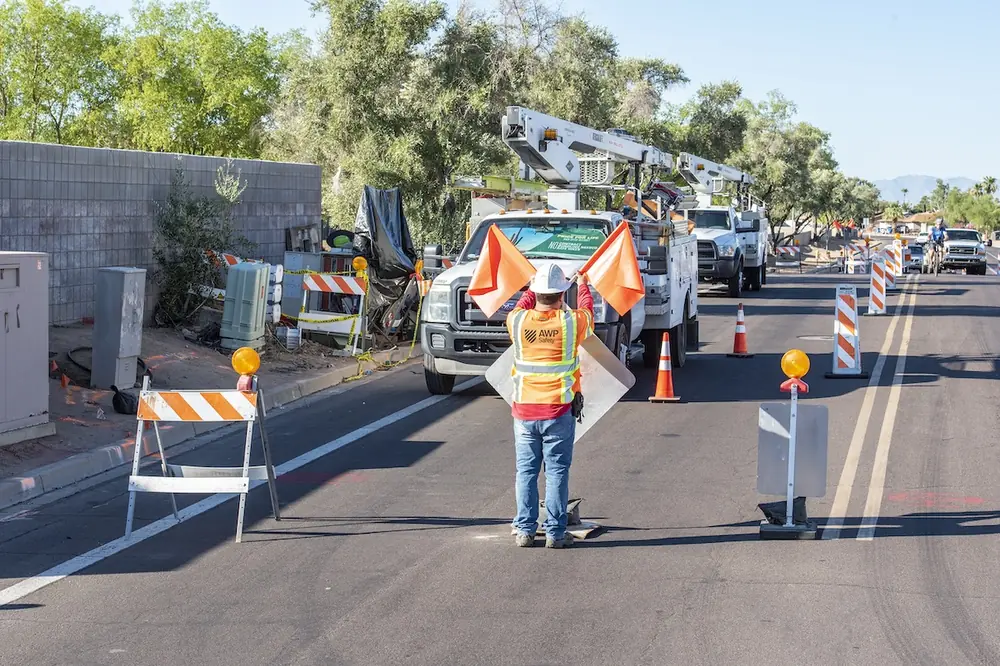
Throughout the project, ODOT has coordinated closely with the Oregon State Police under a federal special overtime enforcement grant to strengthen work zone safety. The project’s temporary alignment design reduces nighttime work needs.

| Your local Takeuchi Mfg Ltd dealer |
|---|
| Kirby-Smith Machinery |
| Star Equipment LTD |
“With the innovative staging, very little nighttime activity is required,” Heern said. “When nighttime closures are necessary, ODOT provides advance notice so nearby neighborhoods and businesses can plan.”
Heavy truck access, debris control, and noise have been managed with deliberate sequencing and equipment restrictions.
As the project progresses toward a March 4, 2027, contract completion date, major milestones over the next year will include the completion of the Battle Creek/Wiltsey roundabout in summer 2026; the completion of paving on the new southbound lanes in summer 2026; paving and striping of northbound lanes in late summer 2026; with final site restoration through early 2027.
“At this stage, the project has passed the major schedule risks: all deep foundation work is complete, long-lead materials have been procured or installed, and all in-water or otherwise environmentally constrained work is finished,” Moore said. “While it is impossible to eliminate all future uncertainty, the highest-risk activities from a schedule standpoint are behind us. Remaining risks are primarily cost related, including potential asphalt-oil and fuel-price escalation and any unforeseen subgrade stabilization needs during the remaining roadway work.”

| Your local Magni dealer |
|---|
| Kirby-Smith Machinery |
While Phase 2 — which will include widening the northbound lanes — remains unfunded, ODOT has cleared all permitting, planning, and right of way requirements.
“The only barrier to advancing the northbound widening is funding,” Moore said. “There are no remaining planning or approval constraints. Once funding is secured, the northbound project can move directly into construction.”
When completed, the project is expected to improve regional mobility and economic competitiveness, enhance safety performance, cut emissions tied to stop-and-go traffic, and provide a modernized interchange system that better serves the south Salem region.
“This project will reduce congestion, increase capacity, and improve freeway reliability through the Salem corridor,” Moore said. “Raising the freeway slightly reduces the uphill slope, enabling trucks to maintain higher speeds, which strengthens freight efficiency and reduces overall fuel consumption for everyone.”

| Your local Gomaco dealer |
|---|
| Fabick CAT/MO |
| Road Machinery and Supplies Company |
Heern agreed, pointing to the project’s long-term impact on both transportation and construction industry innovation.
“This is a great example of creative staging and engineering improving safety, saving time, and reducing public disruption,” he said. “It’s a major regional investment that will have benefits for decades.”
- Owner: Oregon Department of Transportation
- Resident Engineer: David Evans and Associates Inc., Portland, Oregon
- General Contractor: K&E Excavating Inc., Salem, Oregon
- Other Contractors: Riverbend Construction, Eugene, Oregon; Farline Bridge Inc., Stayton, Oregon; Storie Barriers, Portland, Oregon; Cartello Construction Company, Oregon City, Oregon; Aaken Corporation, Bend, Oregon Photos courtesy of ODOT