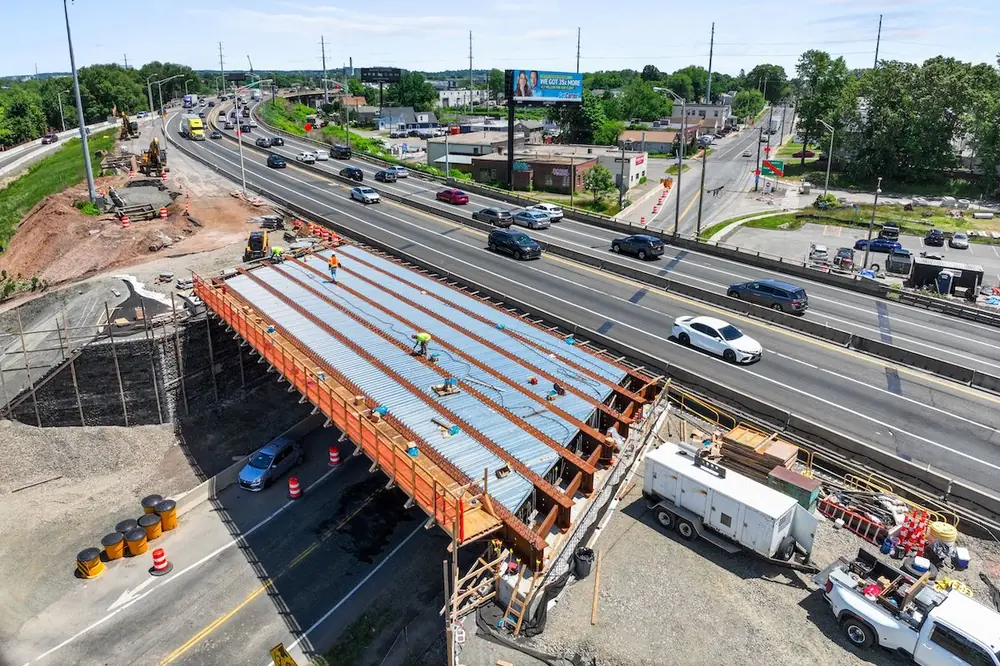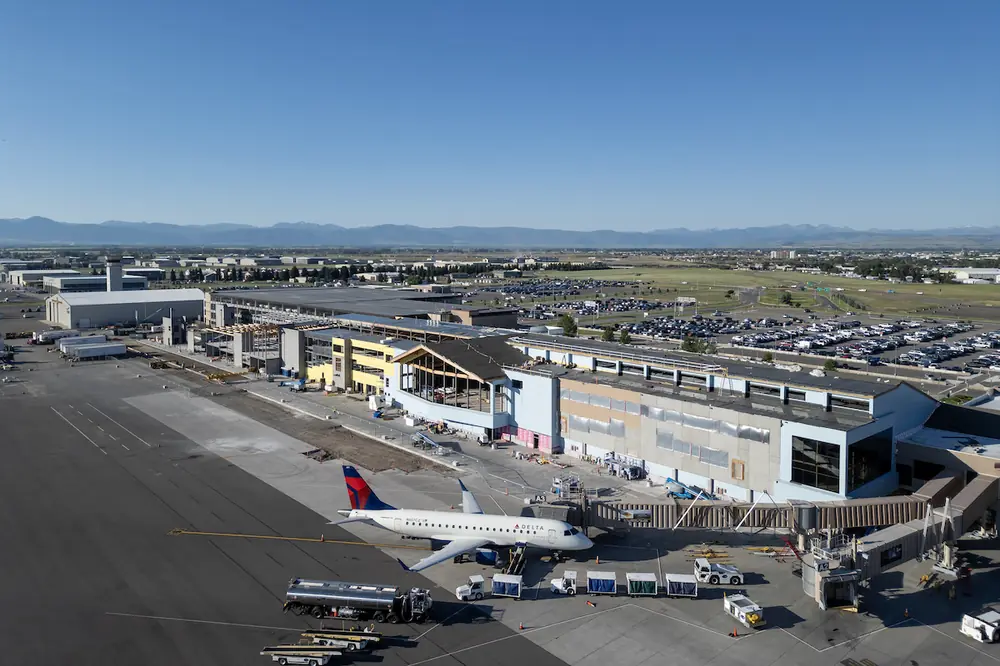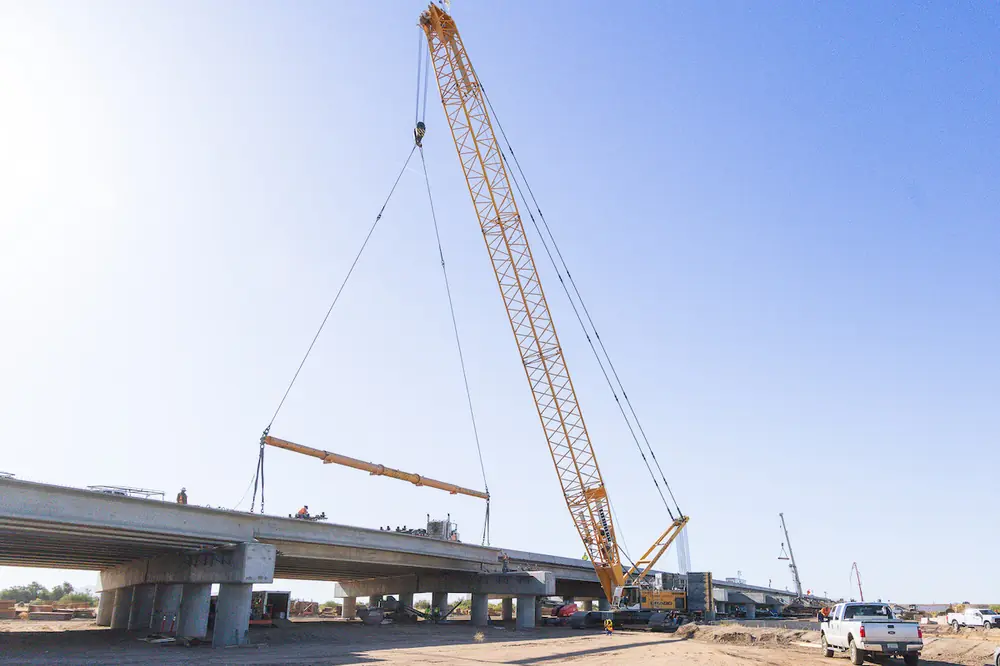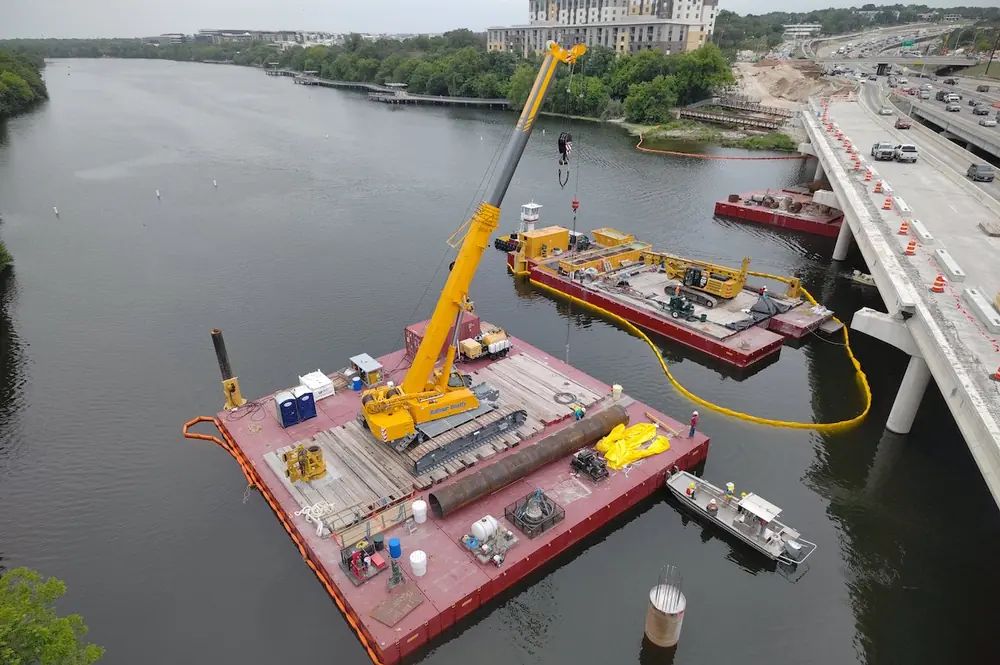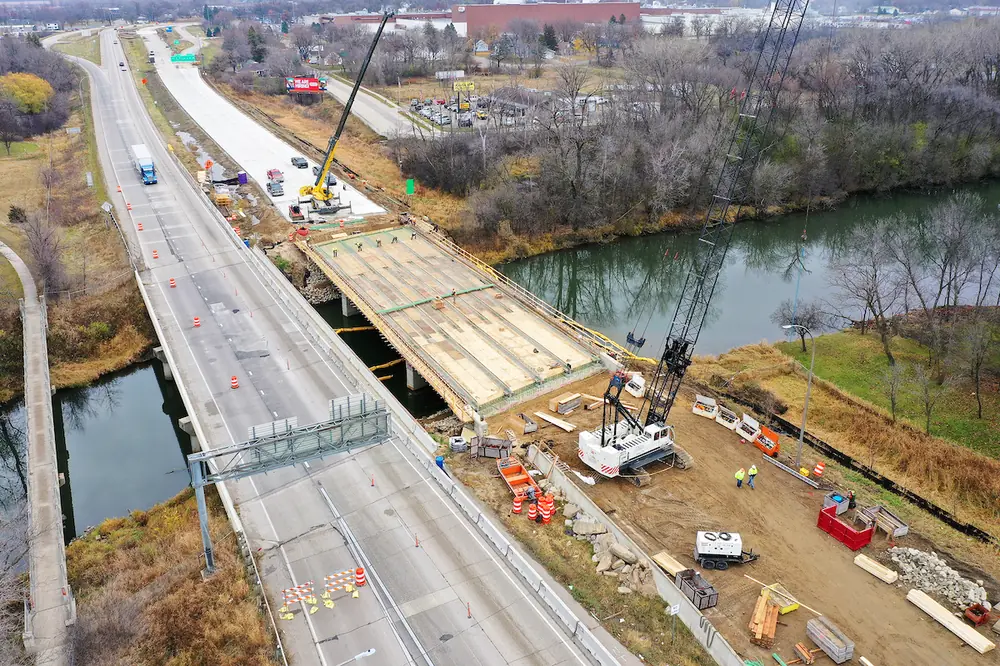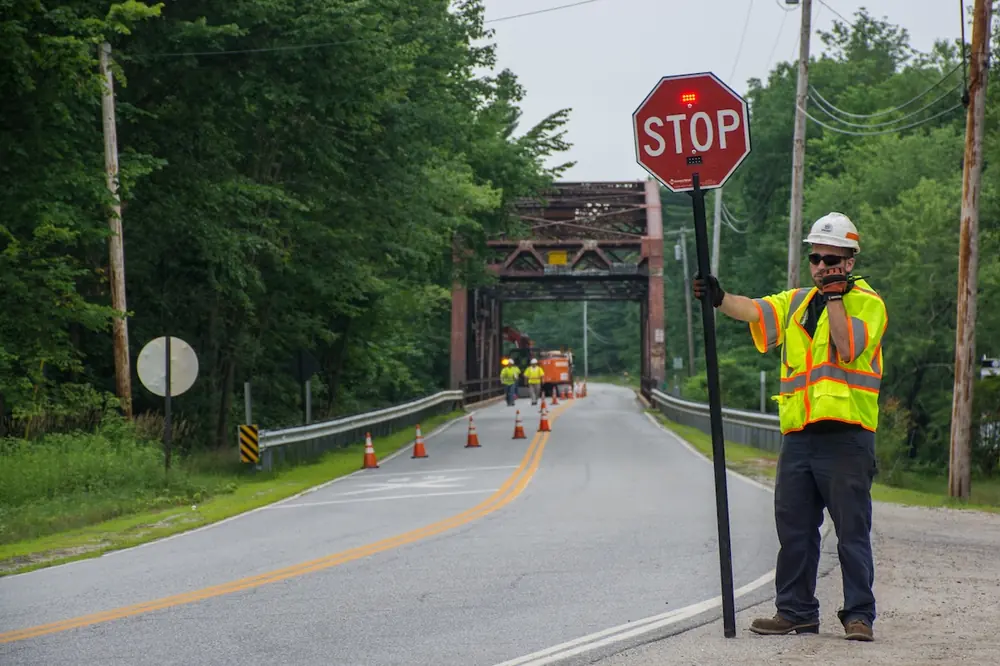

The Northeast is experiencing a surge in infrastructure investment. However, this boom brings a significant challenge: managing safety in high-speed, high-volume work zones. Work zone safety isn't just a regulatory checkbox — it’s a critical operational challenge that impacts the lives of crews and the company's bottom line.
Recent data from TRIP, a national transportation research nonprofit, highlights sobering numbers. From 2020 to 2024, work zone fatalities in the New England Construction region totaled:
- Connecticut: 21 people
- Maine: 12 people
- Massachusetts: 29 people
- New Hampshire: four people
- Rhode Island: six people
- Vermont: six people
According to TRIP’s analysis, in addition to the human toll, the economic cost imposed by traffic crashes in 2024 alone was:
- Connecticut: $9.9 billion
- Maine: $2.6 billion
- Massachusetts: $10 billion
- New Hampshire: $2.7 billion
- Rhode Island: $2.4 billion
- Vermont: $1 billion

| Your local Manitou dealer |
|---|
| Star Equipment LTD |
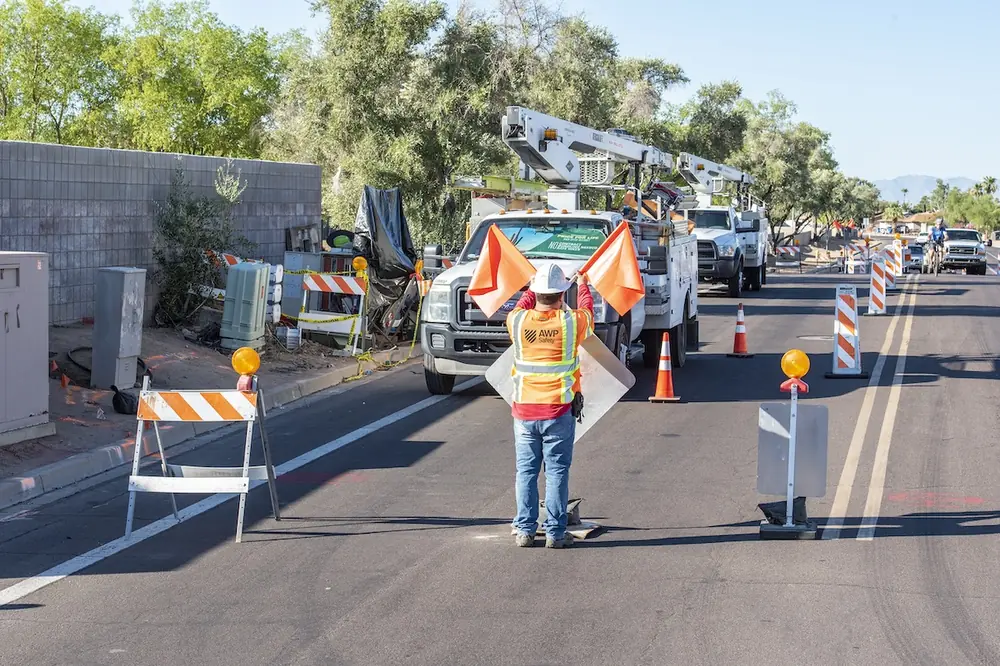
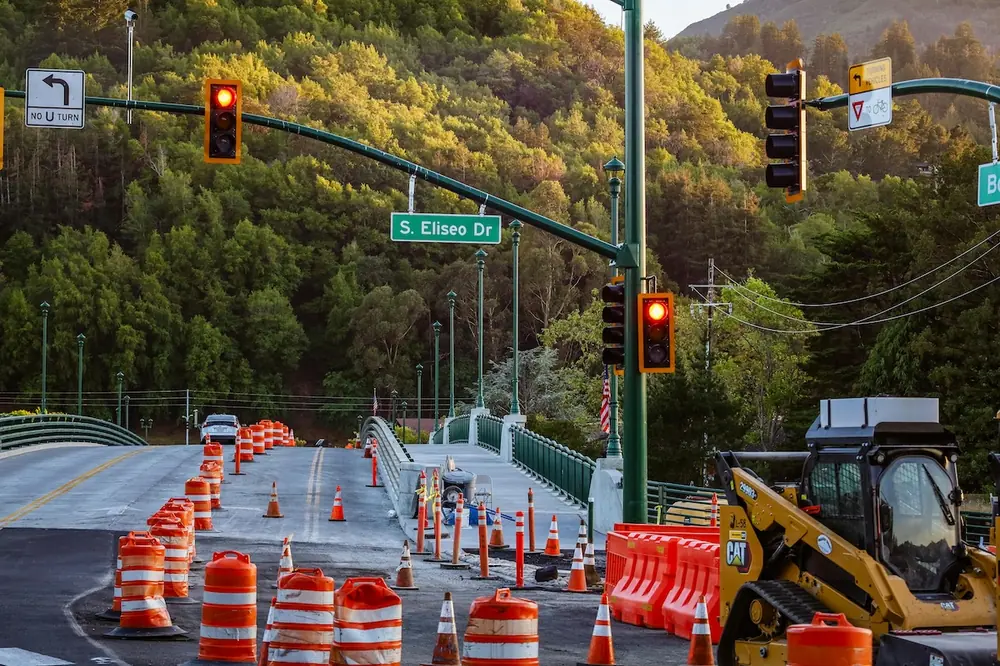
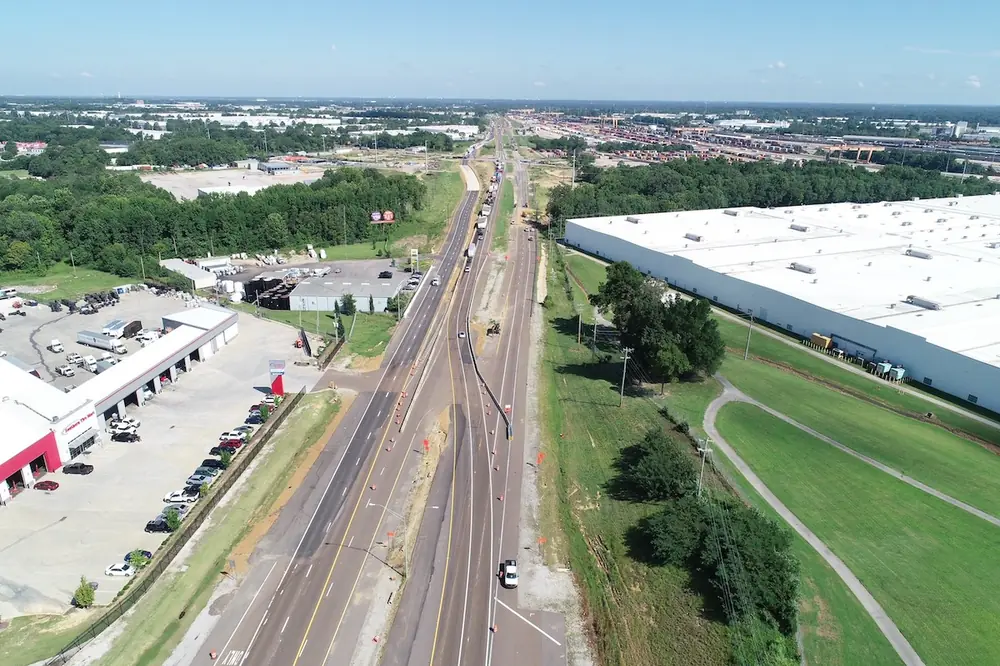
Work zones are among the most dangerous environments for both motorists and highway workers.
State legislatures and transportation agencies are responding to these rising numbers with stricter enforcement and expanded educational outreach.
For instance, starting in January 2026, new drivers in Connecticut are required to complete a free, online work zone safety course prior to obtaining a learner’s permit.
“This new course humanizes the men and women behind the cones and barrels while underscoring what’s at stake when drivers speed, are distracted, or get behind the wheel impaired,” said Connecticut Department of Transportation (CTDOT) Commissioner Garrett Eucalitto.

| Your local Leica Geosystems Inc dealer |
|---|
| Laser Specialist inc |
CTDOT also developed an “Obey the Orange” theme, urging drivers to react and adjust their driving the moment they see orange signs, cones, or equipment on the roadway. The department’s Terri the Turtle mascot makes appearances across the state to remind drivers to Obey the Orange and slow down for work zones.
Many stakeholders are also looking at technology solutions. During the 2026 legislative session, the Maine Turnpike Authority (MTA) proposed a pilot program for speed cameras in work zones. The legislation didn’t pass this time, but MTA already announced plans to work with the Maine Department of Transportation to advocate for speed cameras in the future.
For construction firms, a safety incident is a multi-layered disaster. Beyond the tragic human cost, a single work zone intrusion can result in project delays, insurance premium hikes, and a damaged reputation among potential employees and clients.
How can you mitigate these risks?

| Your local Trimble Construction Division dealer |
|---|
| SITECH Midway |
| SITECH Mid-America |
| SITECH Central LLC |
“Improving safety in construction work zones demands a comprehensive approach, one that combines physical separation like concrete and movable barriers, automated speed enforcement, traditional traffic controls such as flagging and signage, and real-time digital alerts that keep drivers informed and workers protected,” said Rocky Moretti, TRIP’s Director of Policy and Research. “It is important that work zone strategies are fully implemented by adequate planning and design, which leads to less casualties and accidents.”
Each spring, National Work Zone Awareness Week — a campaign founded by the American Traffic Safety Services Association, the American Association of State Highway and Transportation Officials, and the Federal Highway Administration — brings attention to work zone safety. But protecting workers and your business requires constant effort. By combining enforcement tools with rigorous internal safety protocols, contractors can ensure that the men and women building the future of the Northeast return home safely after every shift.
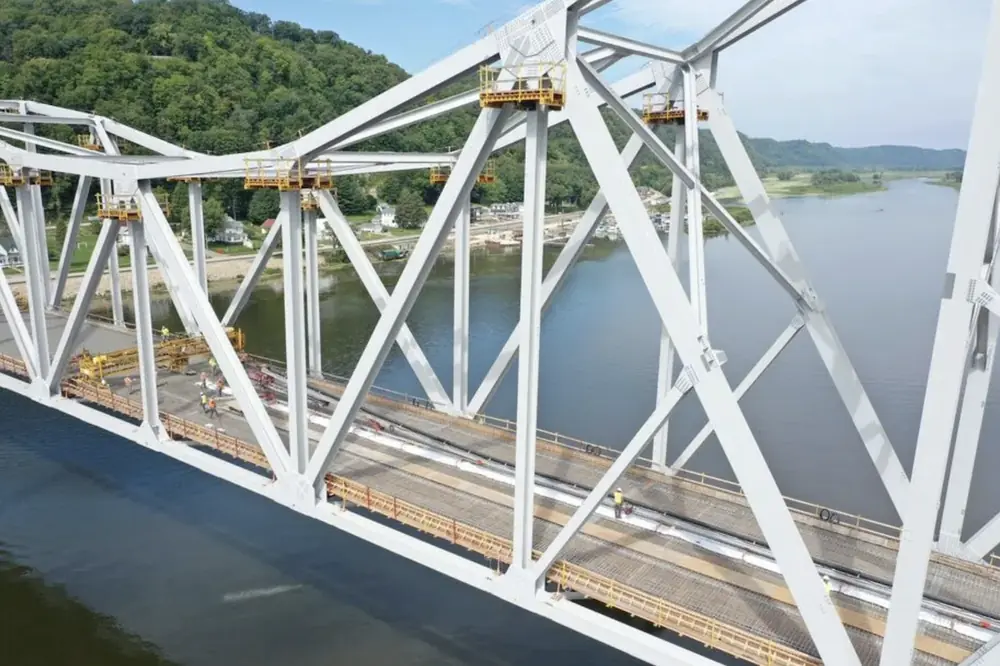
Photo courtesy of the Maine Department of Transportation