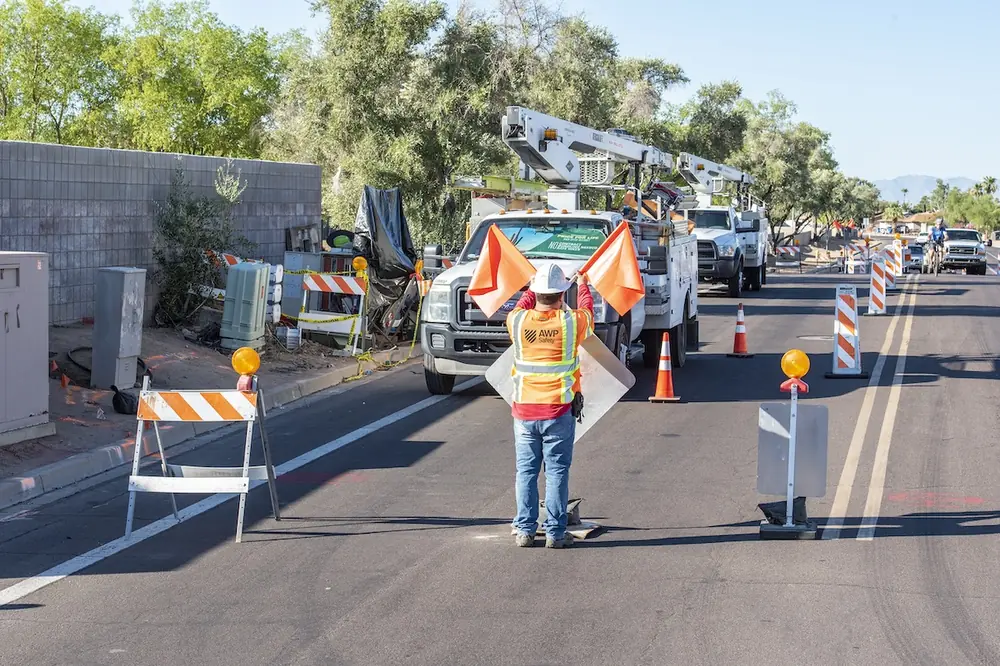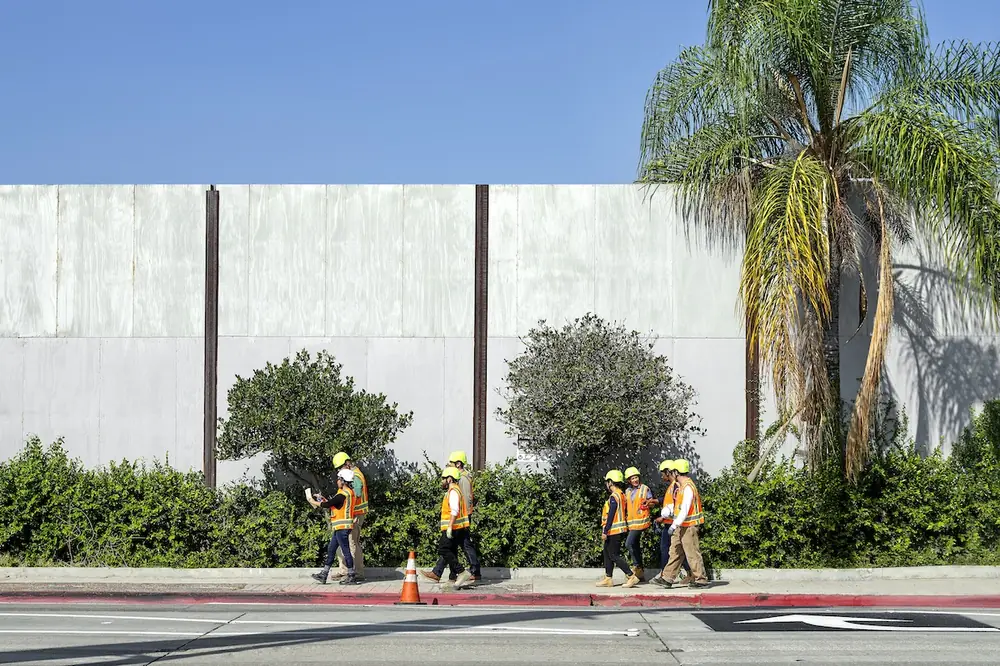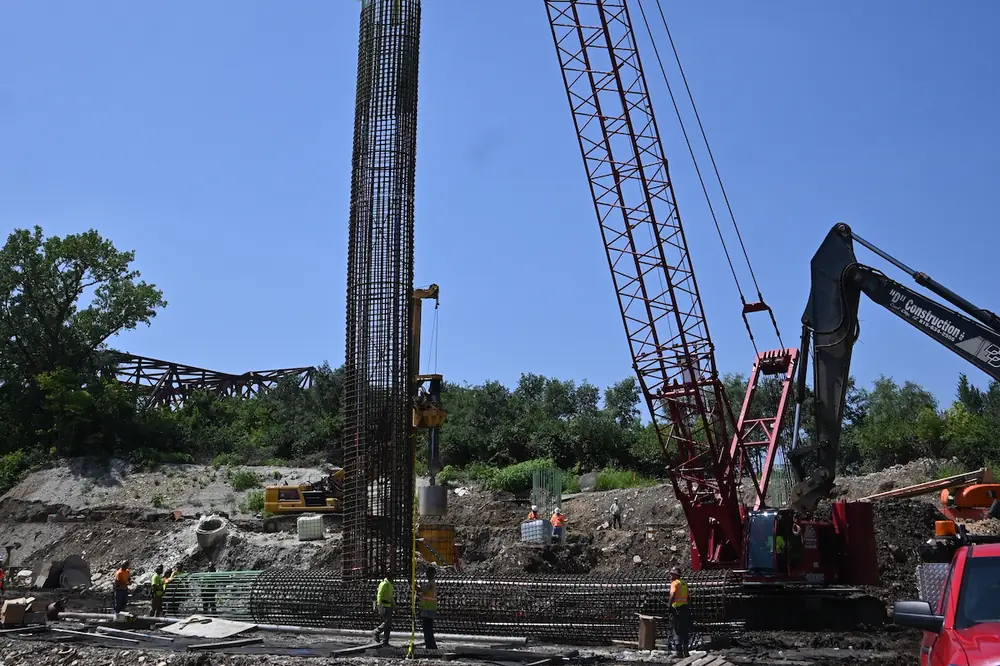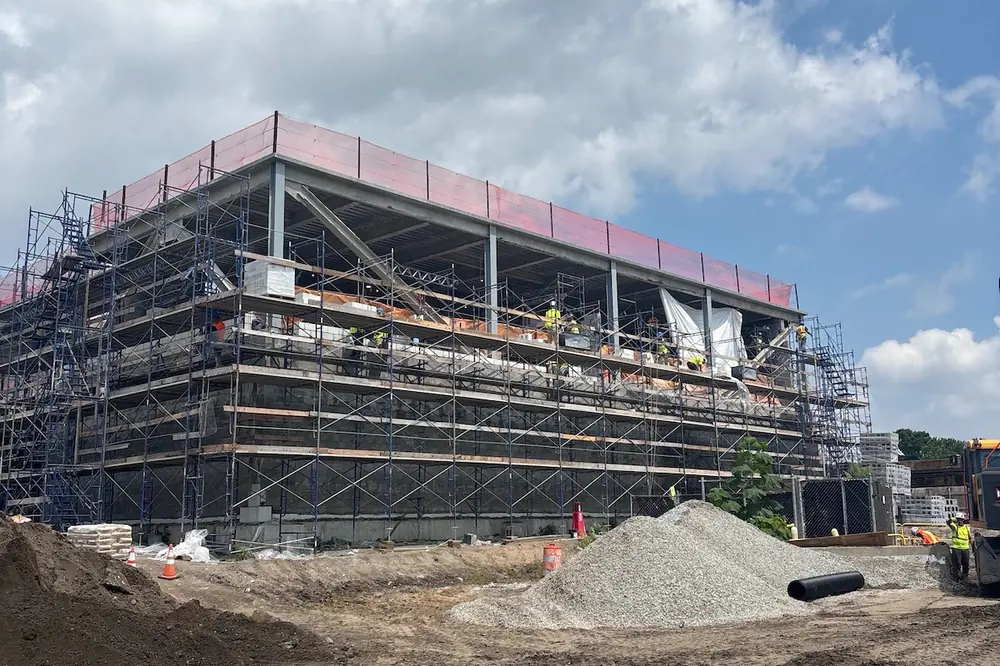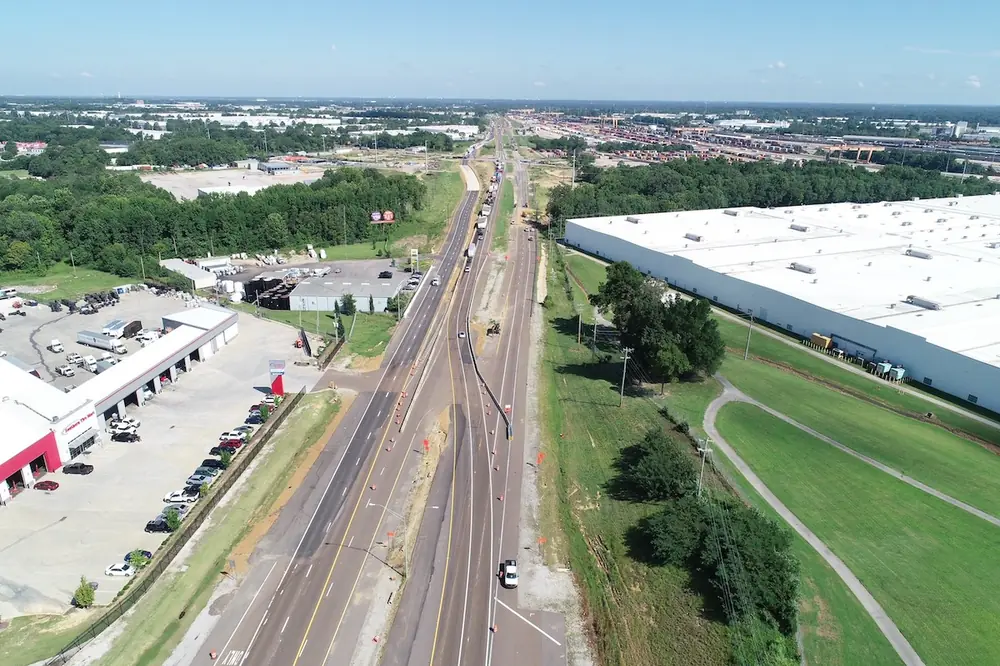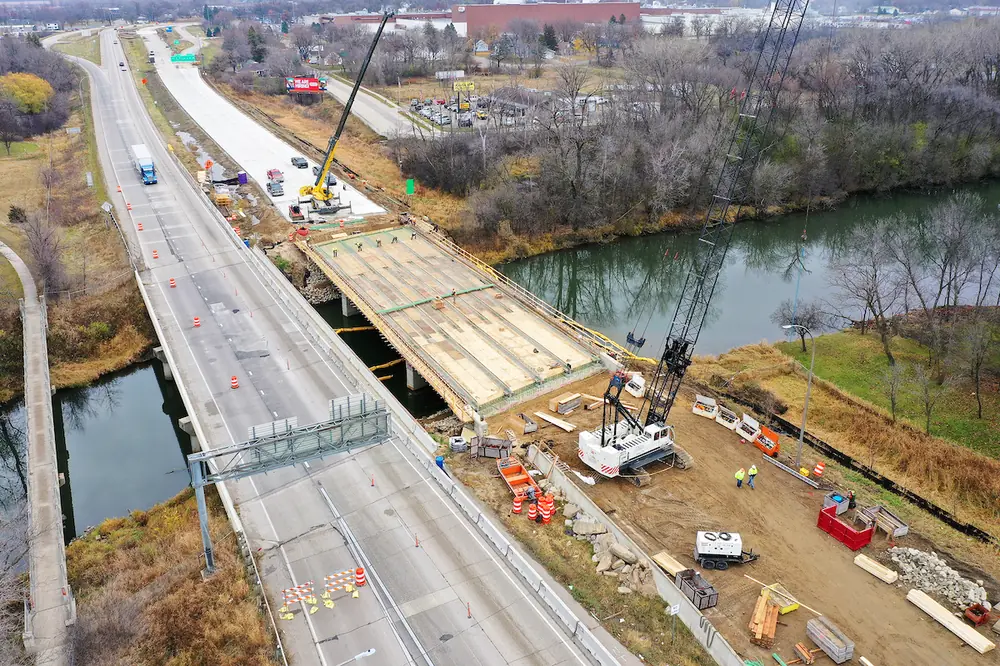

From installing fiber optic lines and water systems to repairing electrical infrastructure and maintaining utility corridors, today’s utility contractors operate in some of the most demanding conditions in construction. Work often takes place in congested environments such as urban streets, residential neighborhoods, narrow easements, and developed rights-of-way, where access is limited and disruption must be carefully managed.
In these settings, equipment decisions extend beyond horsepower or machine size.
Contractors must evaluate how efficiently they can access work areas, execute tasks, and transition between phases while minimizing impact to surrounding surfaces and infrastructure. With tighter timelines and increasing pressure to restore sites quickly, compact equipment has become central to maintaining workflow continuity while keeping the job site footprint contained.
As utility infrastructure expands — driven by broadband growth, renewable energy, and underground system upgrades — the ability to work effectively in restricted environments continues to shape equipment strategy. Compact machines are no longer secondary options; they are essential tools for meeting the evolving demands of utility work.
Utility projects rarely take place in open, unobstructed areas. Crews routinely work around existing utilities, structures, traffic patterns, and finished landscapes while managing tight schedules and shifting job site conditions. This requires equipment that can adapt quickly and perform consistently across multiple stages of the job.

| Your local Metso Minerals Industries Inc dealer |
|---|
| PacWest Machinery |
| Westate Machinery Co |
Compact machines improve access and support a range of applications. Smaller dimensions allow operators to navigate restricted areas, while lower operating weights can help limit ground disturbance depending on soil conditions, particularly in developed or residential environments where surface restoration is critical.
Transport efficiency also plays a role. Compact equipment is generally easier to move between job sites, allowing crews to respond quickly to scheduled work or emergency repairs. For contractors managing multiple stops in a single day, this mobility can impact job completion rates.
Advancements in hydraulic performance, lift capacity, and attachment compatibility have further expanded the capabilities of compact equipment. Many tasks that once required larger machines can now be completed with fewer machines and less repositioning, helping crews streamline operations.
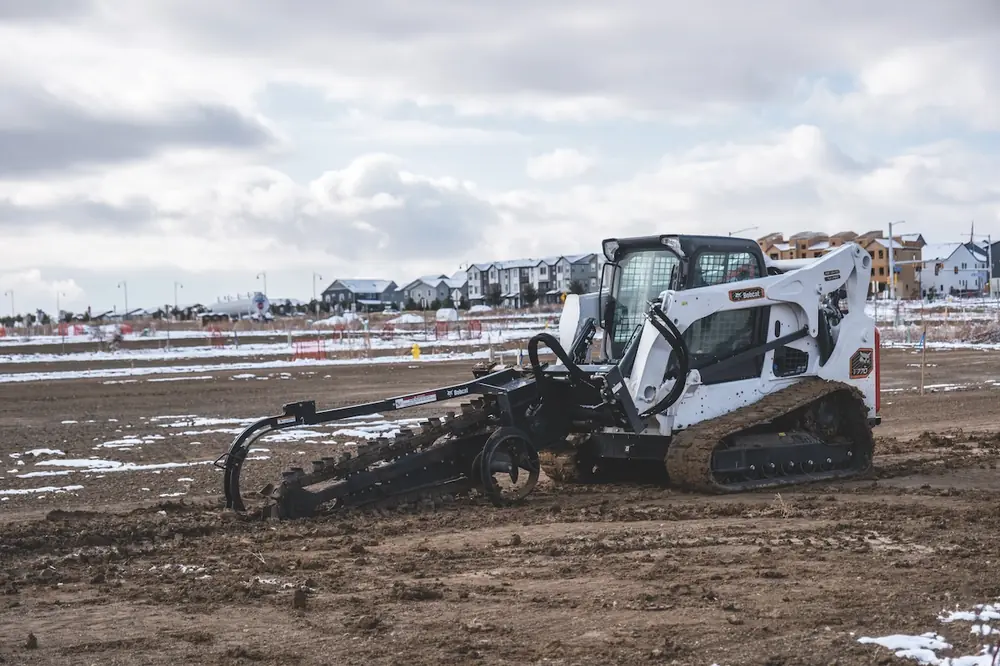
Compact track loaders are often selected for utility work where ground conditions are inconsistent or unpredictable. Their rubber track undercarriages provide traction and flotation, helping maintain performance in mud, loose soils, and other challenging environments.

| Your local Gomaco dealer |
|---|
| Gomaco -Contact For a Dealer Near You |
These machines support a range of applications, from grading and material handling to other attachment-driven work. When equipped with high-flow hydraulic systems, they can power demanding attachments that require steady, consistent output, expanding their role across multiple job site tasks.
Track systems also distribute machine weight over a larger surface area compared to wheeled machines. In suitable conditions, this can help reduce surface impact, an important consideration when working in maintained corridors or areas requiring post-job restoration.
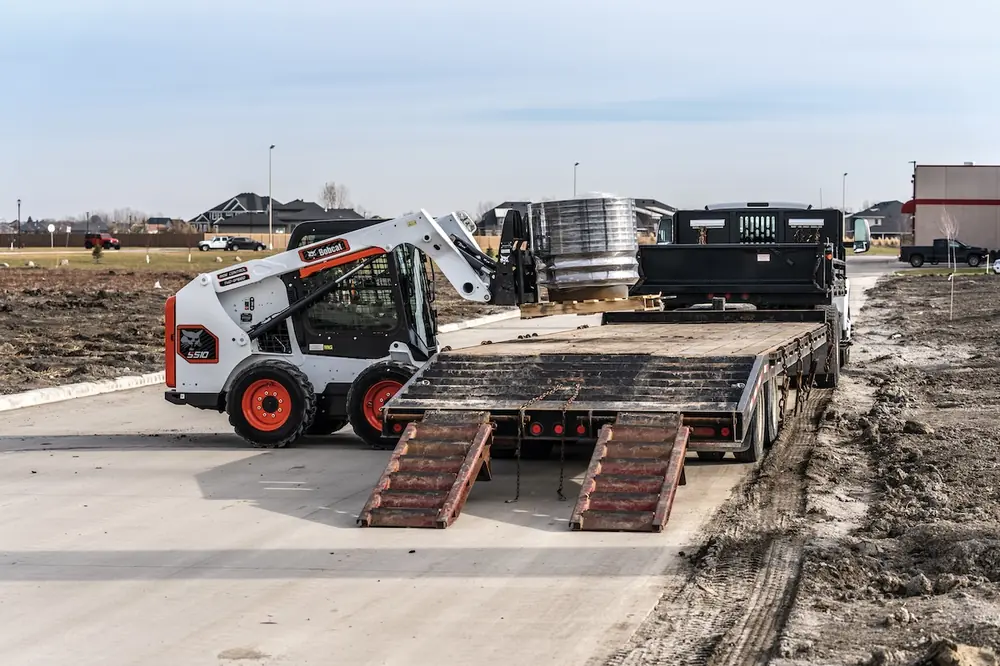
While compact track loaders excel in soft, uneven, and variable terrain, skid-steer loaders remain a staple for work performed on firm, improved surfaces such as asphalt, concrete, and compacted soil. Both machine types offer maneuverability in confined spaces, but skid-steer loaders can provide faster travel speeds in established work areas.
Skid-steer loaders are frequently used for material handling, spoil removal, site cleanup, and a range of attachment-driven tasks. They feature relatively simple transport requirements.

| Your local Trimble Construction Division dealer |
|---|
| SITECH Northwest |
Although typically best suited for firm or paved surfaces, skid-steer loaders remain highly effective in applications requiring frequent repositioning and repeatable cycles.
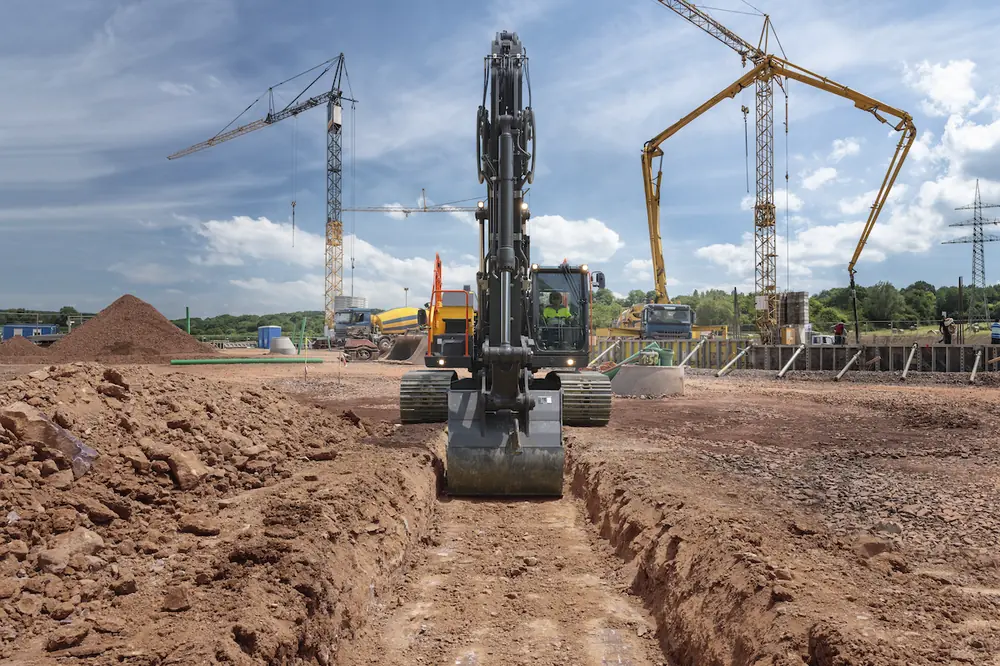
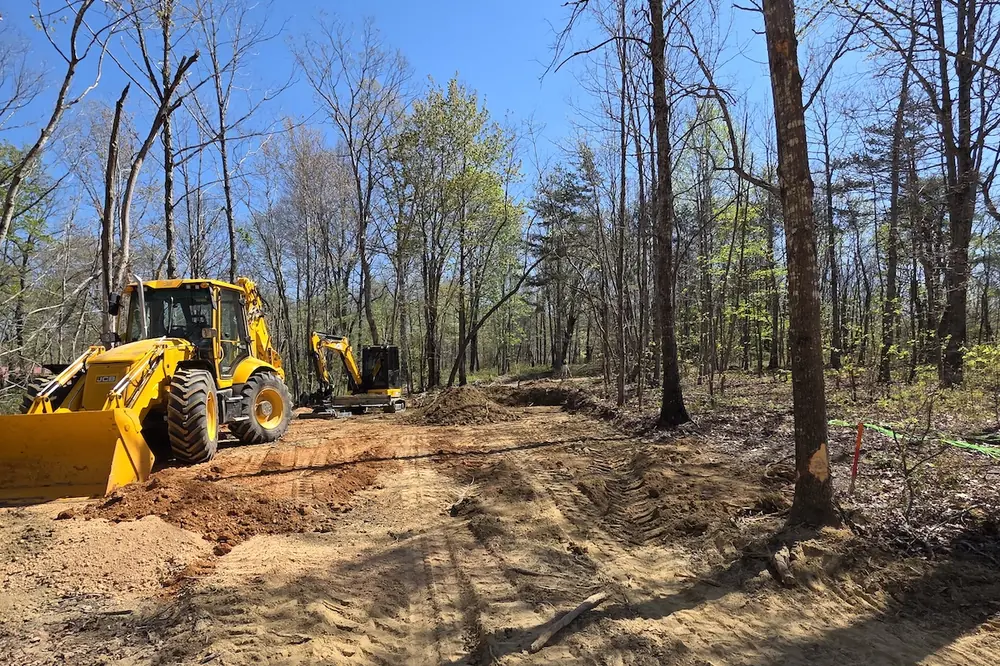
For trenching and underground installation, compact excavators are often the primary machine on a utility job site. Their design supports controlled excavation, allowing operators to meet trench depth and width requirements with greater accuracy. Reduced tail swing and zero tail swing configurations enable work closer to structures and existing utilities.
Accurate excavation plays a direct role in overall job efficiency. Limiting over-excavation reduces backfill requirements, shortens restoration time, and helps control project costs. Machines that support precise digging and controlled spoil placement contribute to more consistent outcomes across project phases.
Selecting the right excavator requires evaluating reach, dig depth, tail swing configuration, and attachment compatibility to ensure alignment with specific job site constraints.

| Your local Superior dealer |
|---|
| Westate Machinery Co |
Some utility applications extend into areas where standard compact equipment cannot operate. In these cases, smaller platforms provide critical access.
For instance, the narrow width of mini track loaders allows them to pass through gates, along sidewalks, and into backyards and many other confined areas.
Small articulated loaders offer a different advantage. Their articulated steering allows the machine to turn without the skidding motion typical of skid-steer loaders, which can help preserve surface conditions in developed or landscaped environments.
Choosing between these platforms depends on job priorities, whether the focus is navigating restricted access points or minimizing surface disruption during material handling and cleanup.
| Your local Metso Minerals Industries Inc dealer |
|---|
| PacWest Machinery |
| Westate Machinery Co |
As workflows become more compressed, attachment compatibility has become a key factor in equipment selection. Utility crews frequently transition between trenching, material handling, removal, and cleanup within a single shift, making versatility essential.
Many compact machines feature quick-attachment interfaces that allow operators to change attachments with minimal downtime. This enables crews to move efficiently between applications using a single carrier machine. Attachments such as trenchers, augers, breakers, wheel saws, grapples, and brush cutters can reduce the need to stage additional equipment, helping simplify operations.
However, achieving consistent performance requires proper machine-to-attachment matching. Hydraulic output, lift capacity, and machine balance all influence how effectively attachments perform. Selecting the right combination helps crews maintain steady workflows while minimizing inefficiencies and unnecessary wear.
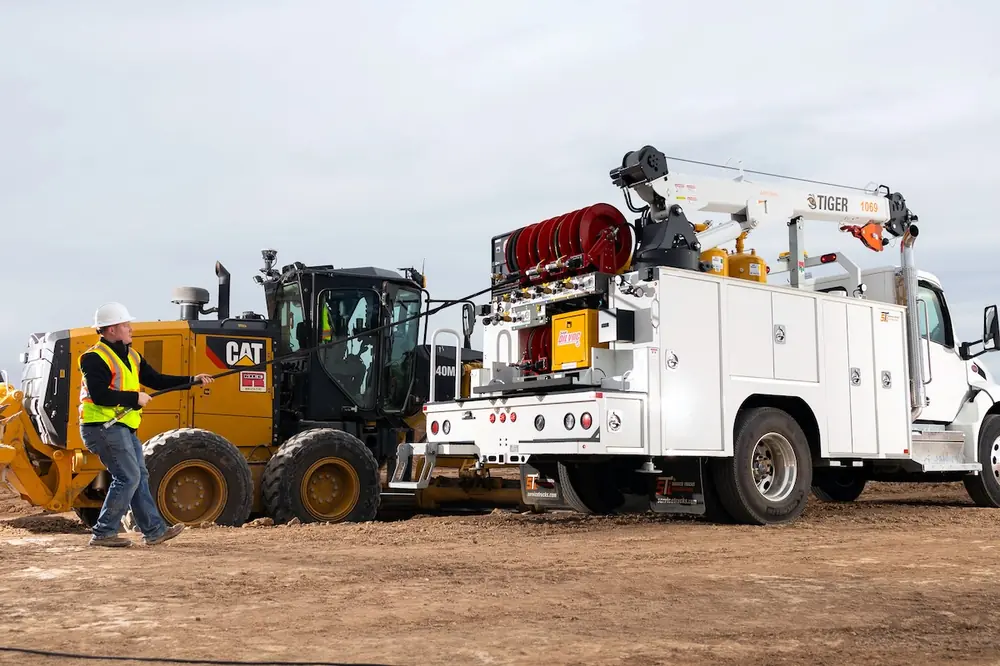
Compact machines operate most effectively when supported by the right auxiliary equipment. Across utility job sites, supporting tools help ensure that each phase of work progresses without interruption.
| Your local Metso Minerals Industries Inc dealer |
|---|
| PacWest Machinery |
| Westate Machinery Co |
Portable generators provide power in remote or undeveloped areas, while light towers extend operating hours when natural light is limited. Air compressors enable tool operation and surface preparation, supporting specialized tasks without reliance on external resources.
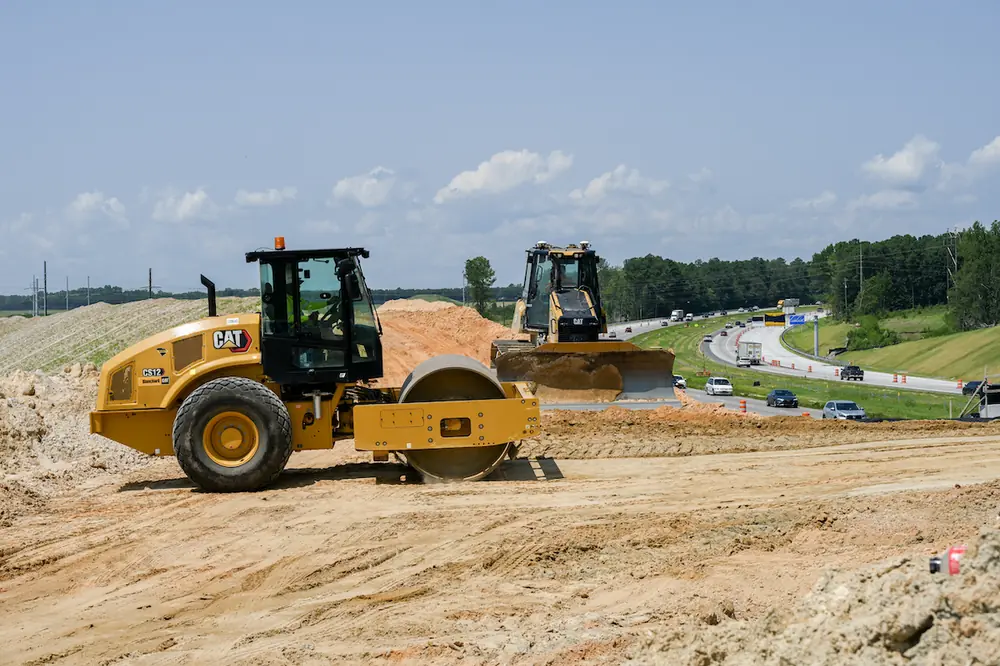
Compaction equipment plays a critical role following installation or repair. Rammers, plate compactors, and trench rollers are used to consolidate soil and aggregate around utilities, helping reduce settlement and maintain consistent ground conditions over time.
Integrating these tools alongside compact equipment allows contractors to maintain continuity from excavation through final restoration.
As utility infrastructure continues to expand into more developed and space-constrained environments, equipment strategy must account for the full workflow. Access, excavation, material handling, compaction, and restoration all contribute to job performance.
| Your local Metso Minerals Industries Inc dealer |
|---|
| PacWest Machinery |
| Westate Machinery Co |
Productivity depends not just on machine output, but on how effectively crews complete each stage of the job and transition to the next. Compact equipment supports that balance by enabling contractors to match capability to application — improving consistency across increasingly complex projects.
As the industry evolves, compact equipment will continue to play a central role in helping contractors navigate restricted environments, streamline workflows, and meet the growing demands of modern infrastructure development.
Ryan Saunders is Senior Marketing Specialist – Construction Products at Bobcat Company.