
In football, every pre-snap starts the same way. The center reads the defense, makes the call, anchors the line, and then executes — all in a matter of seconds. There is no time to second-guess or panic. You are either prepared or not, and the scoreboard doesn't lie.
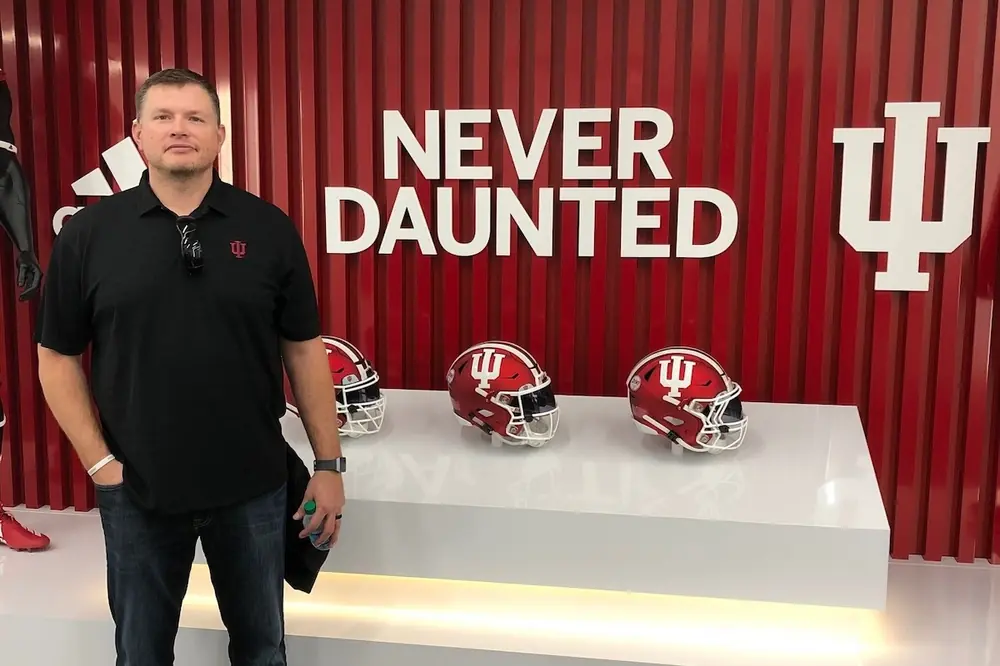
I played center for Indiana University’s (IU) football team. And while I traded the helmet for a hard hat years ago, I never stopped playing the game. I just play it differently now. Today, my line of scrimmage is a preconstruction table, and the multimillion-dollar projects my team manages at Helix Electric demand the exact same discipline, composure, and team-first mentality that IU demanded of me every Saturday.
The construction industry talks a lot about its leadership gap, with estimates that roughly 40 percent of the workforce will retire within the next decade. What job sites need now are leaders who can hold the line under pressure, read a shifting environment to call the right play, and keep a team together when the conditions get hard.
Here is what football taught me, and what it means for every project.
At IU, no one showed up on game day and improvised. Our preparation began days, weeks, or months earlier. We watched film. We came up with a game plan based on the opponent’s weakness. We identified the threats before we ever stepped on the field, because the worst time to discover a problem is when you are in the middle of it.

| Your local Metso Minerals Industries Inc dealer |
|---|
| PacWest Machinery |
| Westate Machinery Co |
Preconstruction at Helix operates the same way. Before a single wire gets pulled or a conduit gets bent, our team is deep in the planning phase: analyzing drawings, coordinating with general contractors and design teams, identifying constructability issues, and building detailed estimates that protect the project from day one. This phase is not a formality. It is our film and game plan session.
Front-load your preparation. The most expensive problems are the ones no one saw coming because no one looked. Build time into the schedule to study the "game film": the drawings, specifications, site conditions, and owner's goals. The teams that win are the ones that already know where everyone will be before they hike the ball.
You do not see centers in football highlight reels. But ask any offensive coordinator: the center makes everything else possible. Every play starts with the snap. Every protection scheme runs through the center's read of the defense.
Playing that position shaped how I lead. My job is not to be the loudest person in the room; my job is to make sure everyone else can do their job at the highest level. At Helix, our preconstruction team serves as the connective tissue between what a project is supposed to be and what the field crew actually builds. When that handoff is clear, accurate, and thorough, the whole project moves better.

| Your local Gomaco dealer |
|---|
| Gomaco -Contact For a Dealer Near You |
Lead from the inside out. The most effective leaders in construction are not always the most visible ones. They are the ones who create clarity for their teams, remove obstacles before they become emergencies, and protect their people the same way a center protects the quarterback. Ask yourself: Is my team set up to succeed? Or am I leaving people to figure it out on their own?
Football coaches build detailed game plans, and then the game starts and reality intervenes. The defense lines up in a formation you did not expect. A key player goes down. The weather turns. In those moments, the team that panics loses and the team that adapts wins.
No construction project runs exactly as drawn. Material lead times shift. Scope changes arrive mid-project. Labor availability fluctuates. The question is never whether something will change. The question is whether your team is prepared to respond when it does.
Build adaptability into your culture, not just your schedule. Hold brief, regular check-ins with your project team the same way a coaching staff reviews the game plan at halftime. Create a culture where people feel safe surfacing problems early, because an early problem is almost always cheaper and easier to solve than a late one. Maintain close communication across departments — from preconstruction through field operations — so that when conditions shift, the team is conditioned to adapt and overcome.

| Your local Trimble Construction Division dealer |
|---|
| SITECH Northwest |
You know within 10 minutes of walking into a football locker room whether a team has a real culture or just a poster on the wall. Culture is not what leadership says. Culture is what leadership does, and what happens when leadership is not in the room.
High-performing construction crews operate the same way. When a foreman handles a conflict professionally, when a project engineer speaks up about a coordination issue without fear, when a new apprentice gets mentored rather than ignored, that is culture in action. That is the kind of environment where people stay, grow, and do their best work.
The construction industry is actively competing for the next generation of skilled workers and leaders. Build a team that people want to be a part of — one where craft professionals are respected, where there is a clear path for growth, and where accountability runs in both directions.
Protect the locker room. One toxic teammate can unravel a team that took years to build. Address cultural problems the same way you address a safety hazard: immediately and without hesitation. And invest in your people the way coaches invest in players: give them feedback, give them challenges that stretch their abilities, and give them credit when they execute.

| Your local Superior dealer |
|---|
| Westate Machinery Co |
After every football game, we watched film — not to relive the good moments, but to learn from the bad ones.
Post-project reviews are the construction equivalent, and they are one of the most underutilized tools in the industry. When a project closes, it is tempting to move immediately to the next one. But the teams that consistently improve are the ones that slow down long enough to ask: What worked? What didn't? What do we carry forward?
Make the debrief mandatory. Schedule the post-project review before the project ends so it does not get pushed aside. Involve the full project team, from the estimator to the superintendent. Document what you find and actually use it. Winning organizations do not just celebrate the touchdown. They figure out how they got to the end zone so they can do it again.
The construction industry is hungry for leaders, and the pipeline is not keeping pace with demand. The habits that make a great athlete — showing up early, doing the work, trusting the process, pushing through adversity, and lifting your teammates — are exactly the habits that make a great construction professional.
| Your local Metso Minerals Industries Inc dealer |
|---|
| PacWest Machinery |
| Westate Machinery Co |
When I walked off the football field for the last time I was not thinking about electrical contracting. What came next turned out to be a career that challenges me in different ways than football did but demands the exact same things: preparation, accountability, leadership, and an unshakeable commitment to the team.
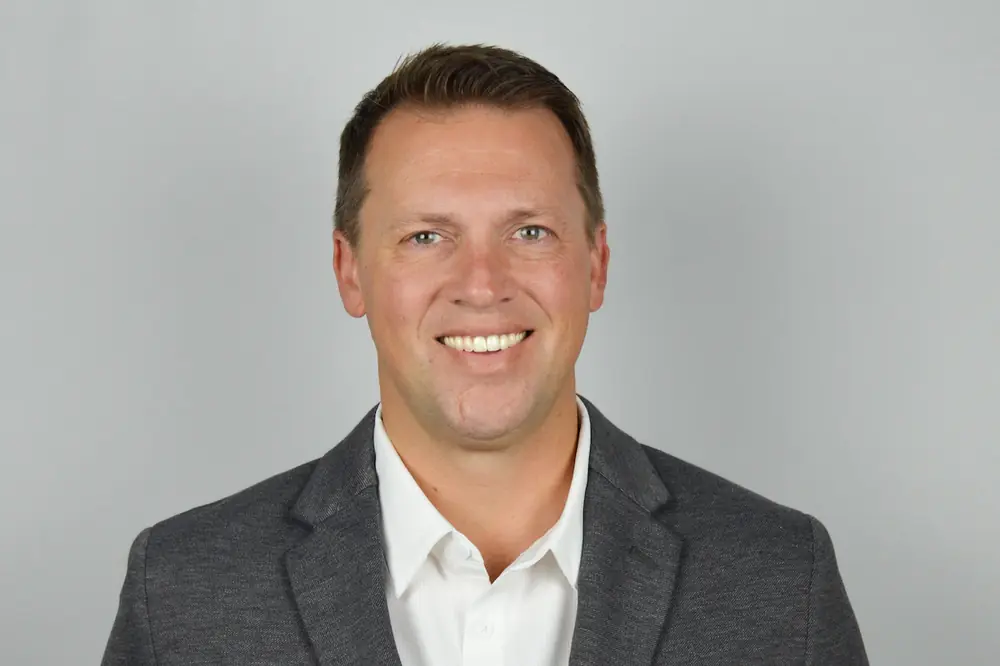
Matt Snyder serves as Director of Preconstruction at Helix Electric Inc. Since 2015, he has helped the company secure 160 projects totaling $1.1 billion.