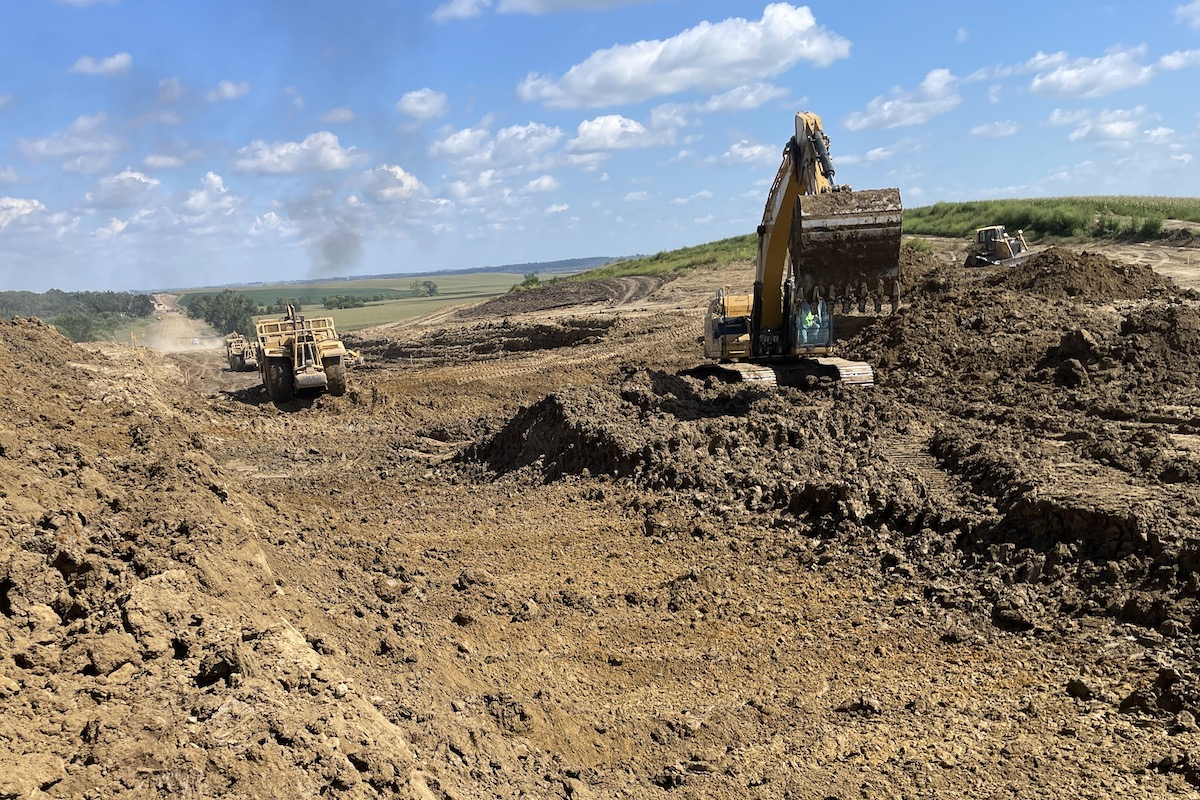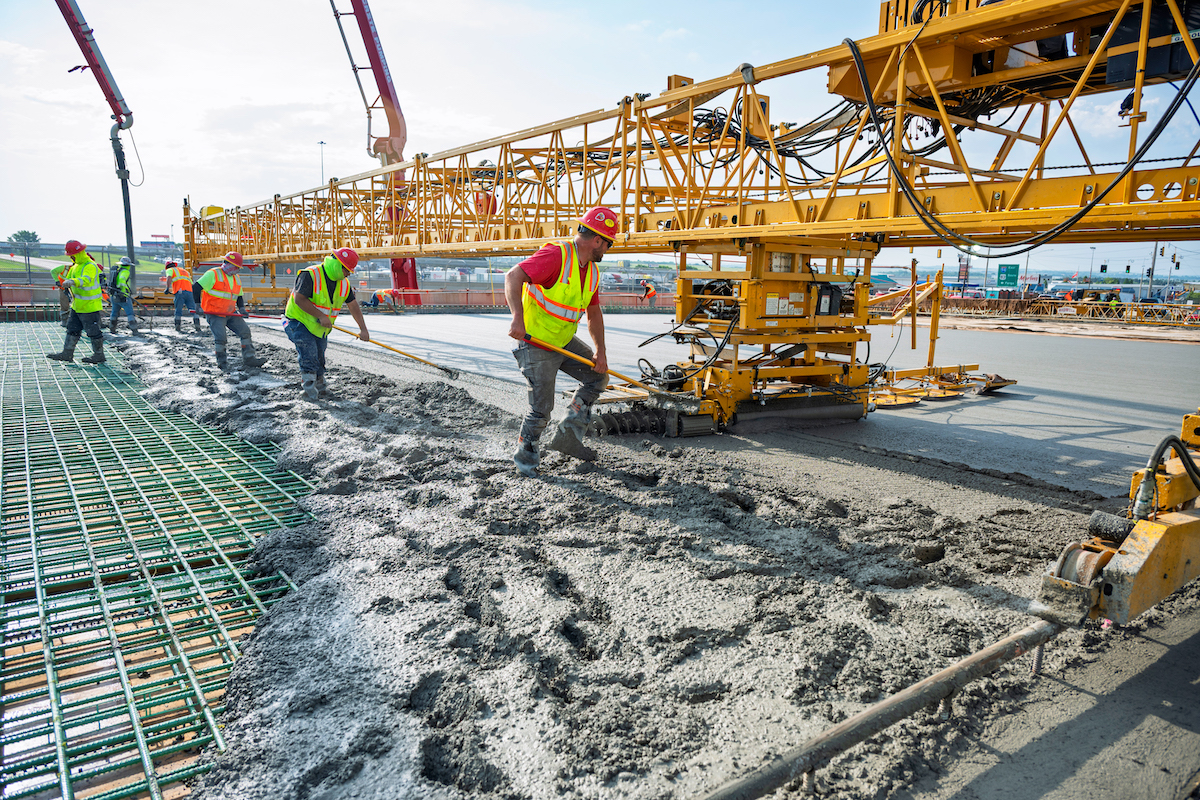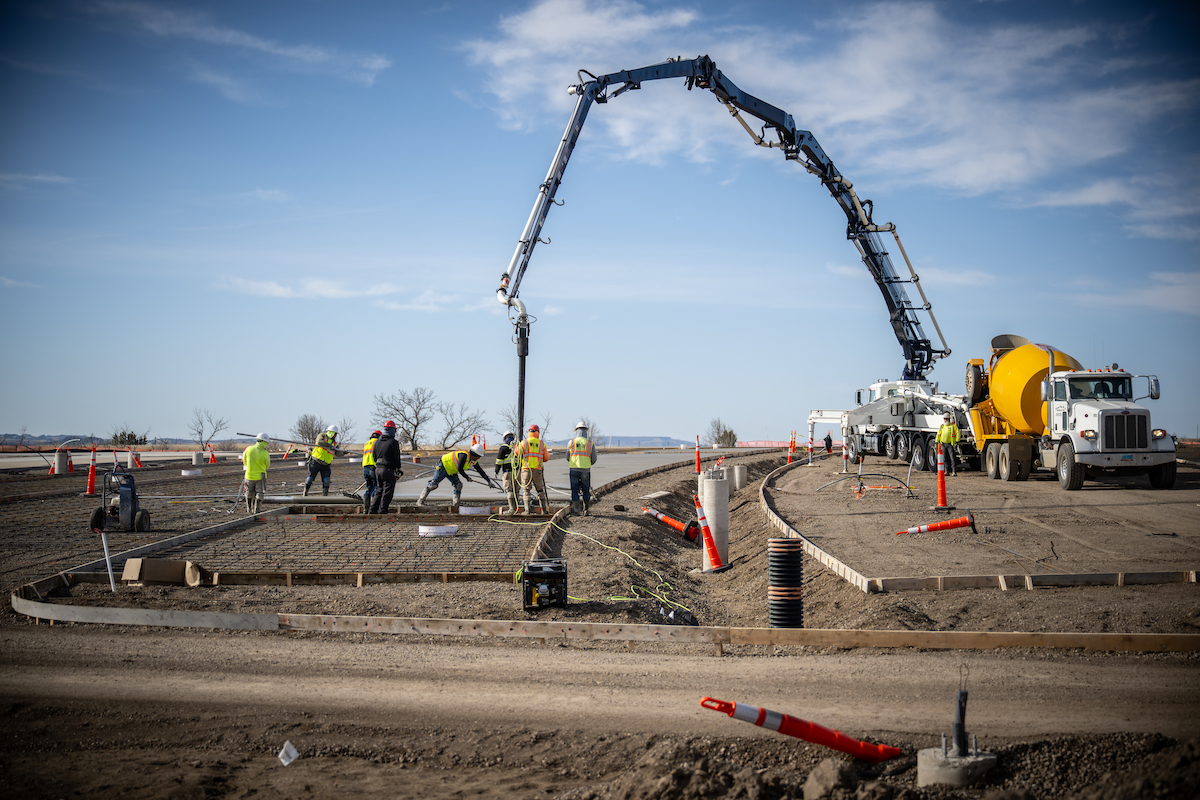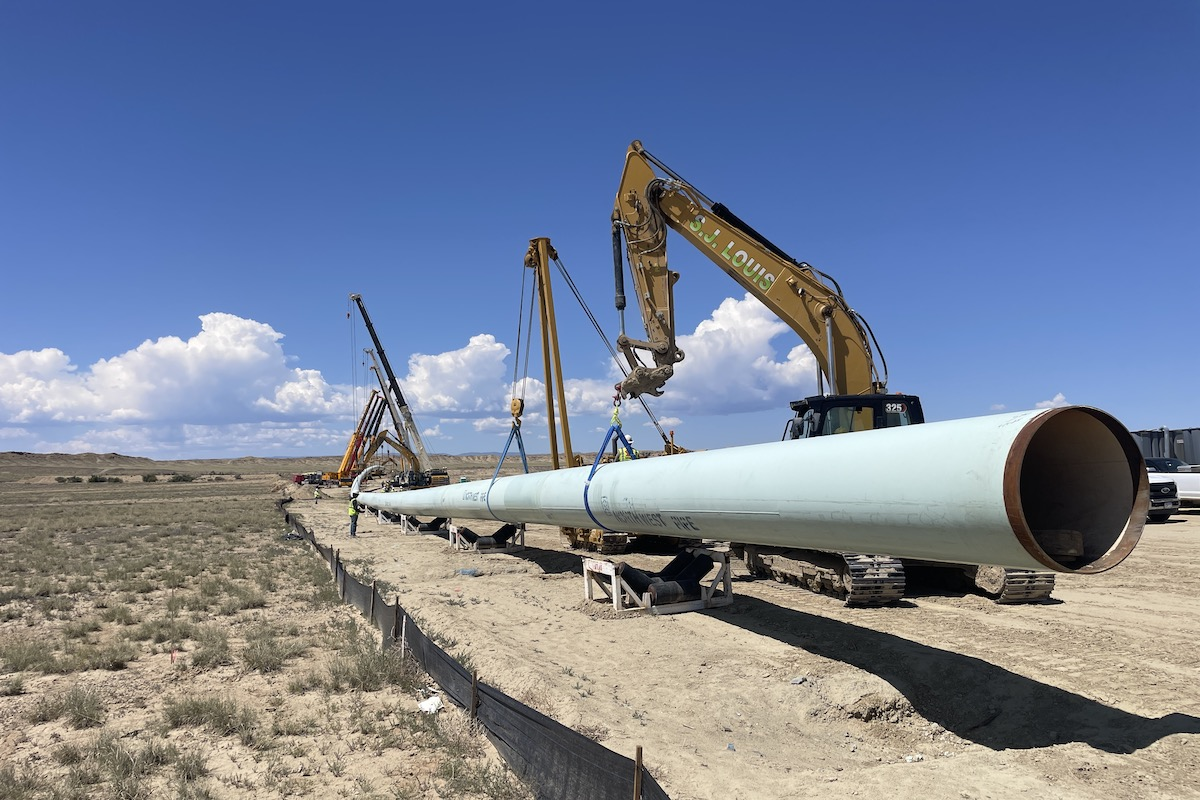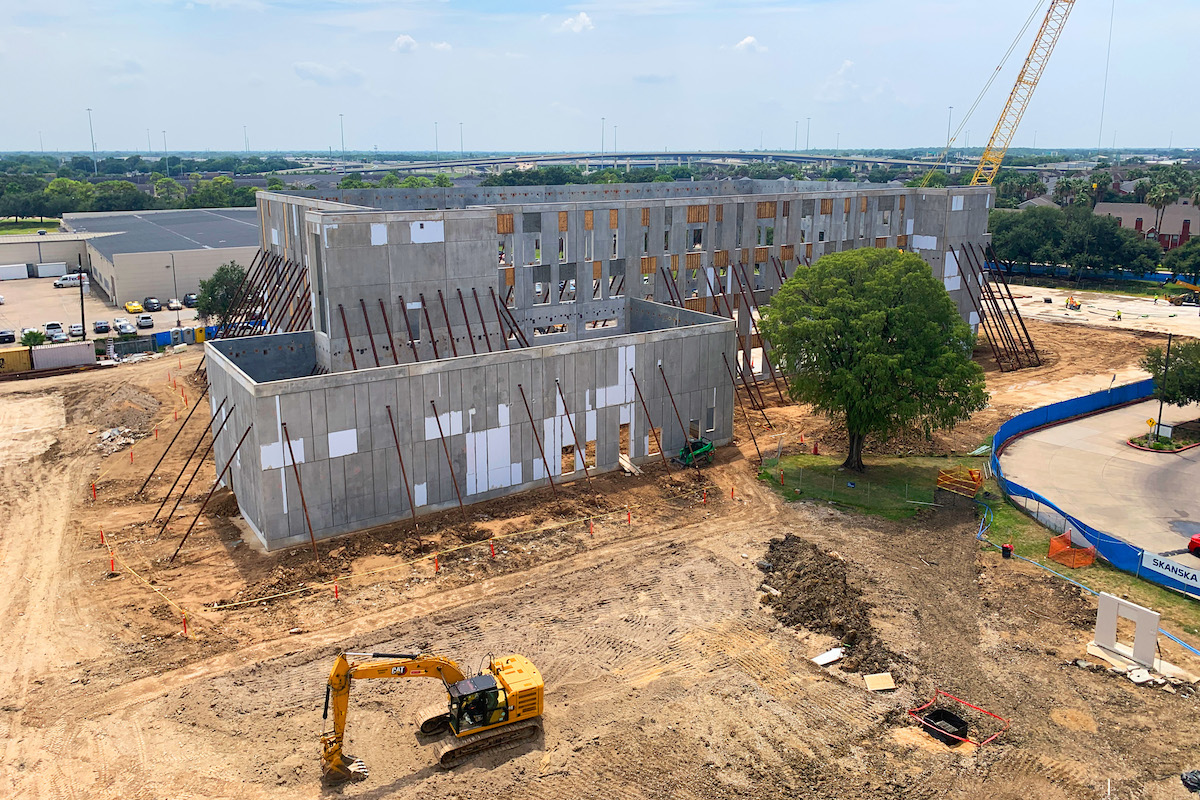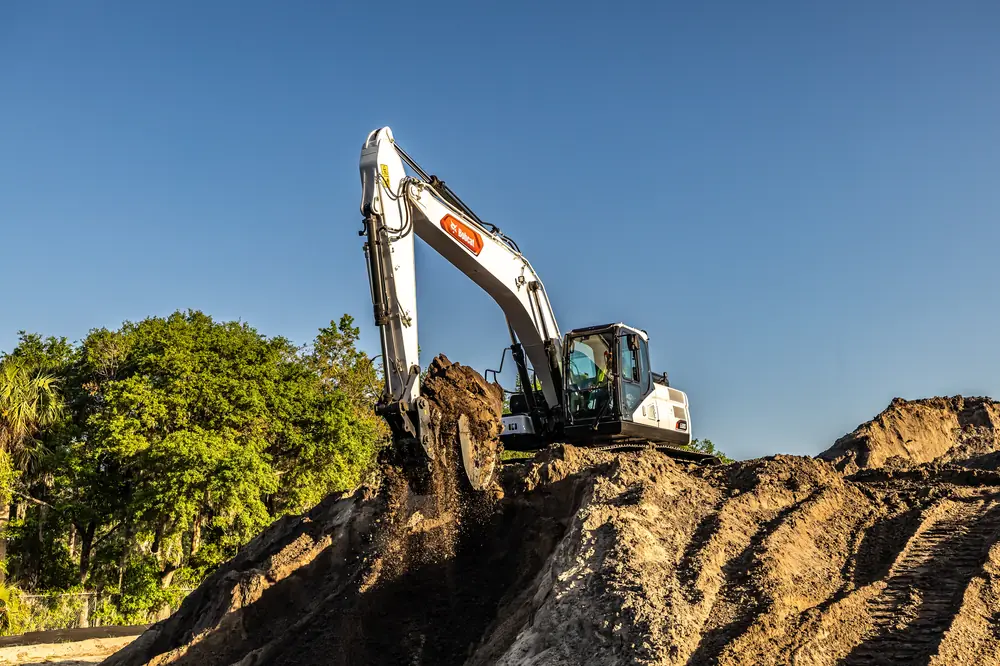
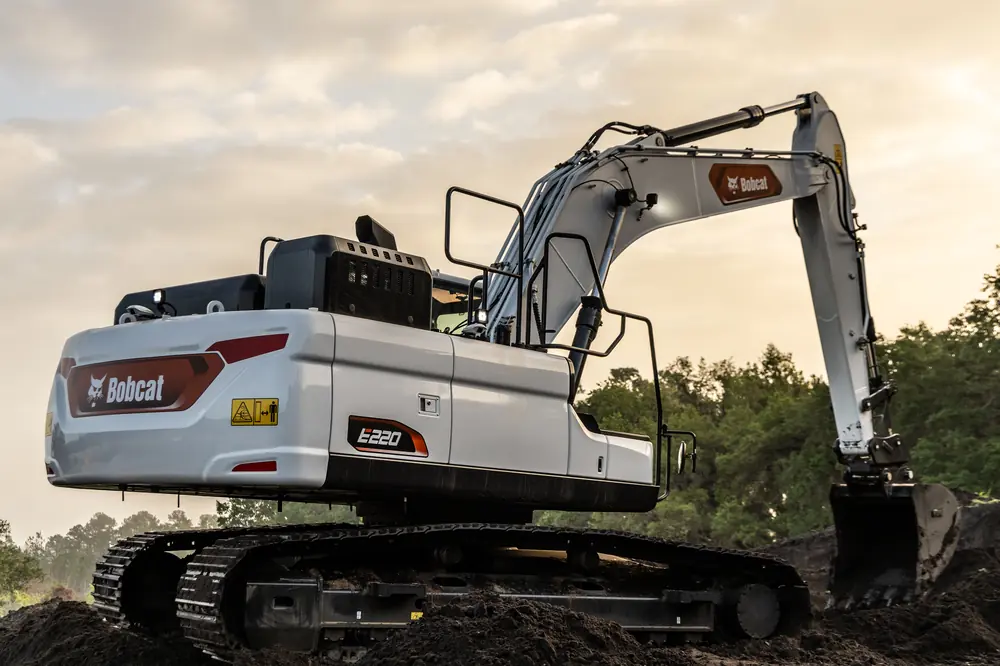
Versatility is a must on today’s industrial and road construction jobs, especially on large sites where excavation needs can change by the hour. Crews may start the day digging deep utility trenches, then switch to fine grading around forms or setting heavy pipe and structures. Being able to adjust quickly keeps crews productive, helps them hit tight schedules and protects margins. Specialized operating modes on large excavators play a key role in that flexibility, and their steady evolution over the years has changed how operators and contractors approach their work.
The concept of selectable work modes isn’t new. It first emerged in the 1990s, when manufacturers introduced systems that allowed operators to match engine speed and hydraulic pump flow to specific tasks. Before this innovation, operators relied on manual techniques to achieve the precision needed for tasks like fine grading or lifting. While effective, these methods placed a heavy burden on operator skill.
As technology advanced, so did the sophistication of work mode systems. What began as a simple toggle between “high power” and “economy” modes has grown into a suite of specialized settings, often standard across excavators of many sizes. Today’s systems use integrated electronics and computer monitoring to precisely manage engine load and hydraulic oil flow, tailoring machine performance to the operational pattern – whether it’s excavation, swinging or dumping.
The leap from early implementations to modern systems is dramatic. This technological progress means operators no longer need to rely solely on manual finesse. Excavators now offer multiple specialized modes, not only for power and economy but also for lifting, fine grading and operating a range of attachments such as breakers or trenching buckets. These features also simplify setup for 1-way and 2-way hydraulic attachments. By utilizing these selectable work modes, operators can trust the machine’s electronic controls to deliver consistent results, freeing them to focus on the jobsite.
On large industrial jobsites, this flexibility is invaluable. Selectable work modes enable operators to move seamlessly between tasks, reduce downtime and minimize fuel consumption. Toggling between work modes can also prioritize hydraulic performance to certain parts of the machine. Extending equipment life and optimizing performance is also critical for keeping large projects on track.
The result is a more empowered workforce – one that can adapt quickly to changing conditions and maximize productivity across diverse applications.
Technology alone doesn’t guarantee success. The operator’s experience remains central to jobsite productivity. Manufacturers are investing heavily in ergonomic cab design, visibility enhancements and climate control features. Expansive windows, narrow pillars, and advanced camera systems – including rear, side, and 360-degree views – give operators a clear view of their surroundings, reducing blind spots and improving situational awareness.
Features like adjustable seating, intuitive controls and climate management help operators stay focused and alert. This type of comfort is a necessity for long shifts in demanding environments.

| Your local Komatsu America Corp dealer |
|---|
| Road Machinery and Supplies Company |
While these operating modes are not new, steady improvements over time have made them far more effective on today’s large construction and road jobsites. Better controls, smarter sensors and simpler in-cab systems give operators more precise control over how the machine responds. That translates to smoother operation, better fuel efficiency and the flexibility to move from trenching to grading to material handling without slowing the crew down.
Today, these systems are no longer a nice-to-have feature. They are an expectation on big excavators working long days under tight schedules. Operators rely on them to match machine performance to the task at hand, reduce unnecessary wear and stay productive through changing ground conditions and work requirements.
That is where the real advantage shows up. When operators can work more comfortably and confidently, productivity improves across the jobsite. Crews get more done in the same number of hours, fuel costs stay in check and equipment is used more efficiently. In an industry where time, labor and operating costs are always under pressure, selectable work modes help contractors work smarter, not harder.
As industrial construction continues to evolve, these systems will remain a key part of smarter excavation. Contractors who put the right tools in the cab are better positioned to keep crews productive, machines running efficiently and jobs moving forward.
Selectable work modes are one way contractors are working smarter, but they are not the only tools in the cab making a difference. Today’s excavators are equipped with added technology that helps operators work more accurately, reduce rework and keep jobs moving on tight schedules.
Grade indicate systems, help operators hit target depth, grade or slope on the first pass. This is especially valuable for utility trenching, drainage work and foundation prep. By reducing guesswork and limiting manual grade checks, these systems cut material waste, improve safety and speed up production. One industry example is Bobcat’s Depth Check system, which uses sensors to provide real-time feedback. Similar systems are now common across the market.
Telematics give owners and managers visibility into machine location, health and usage. These systems flag maintenance needs early, track idle time and support job costing and scheduling. Many also offer geofencing, theft alerts and dealer-connected service support to reduce downtime.
Built-in sensors support semi-autonomous functions such as grade assistance, return-to-dig and repeatable movements. These features help maintain consistency, especially on long days or repetitive tasks.
Modern hydraulic and load-sensing systems deliver smoother control, faster cycle times and better fuel efficiency by matching power to the task at hand.