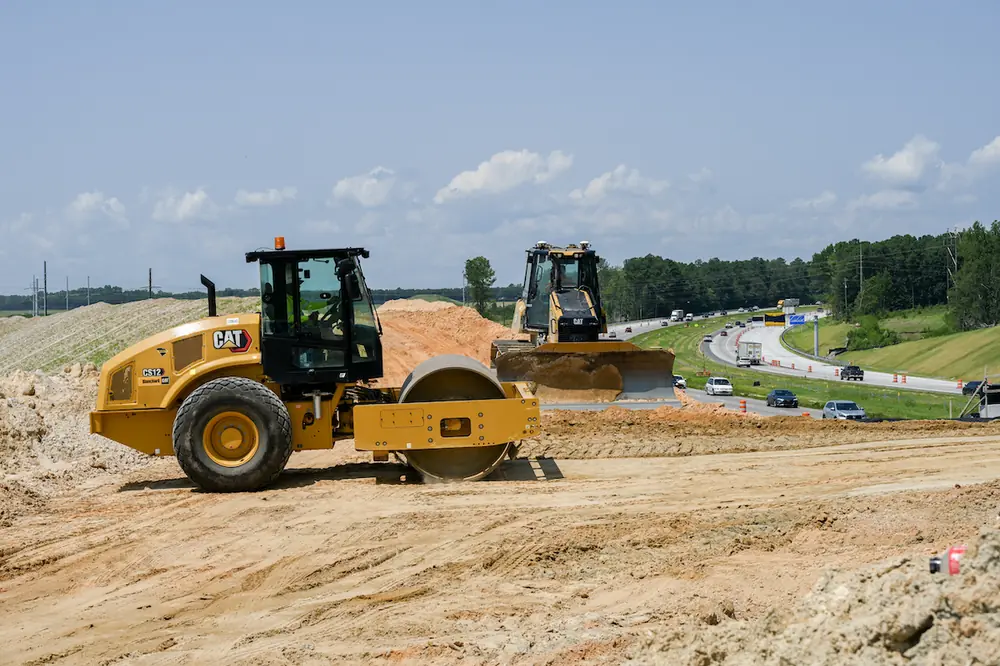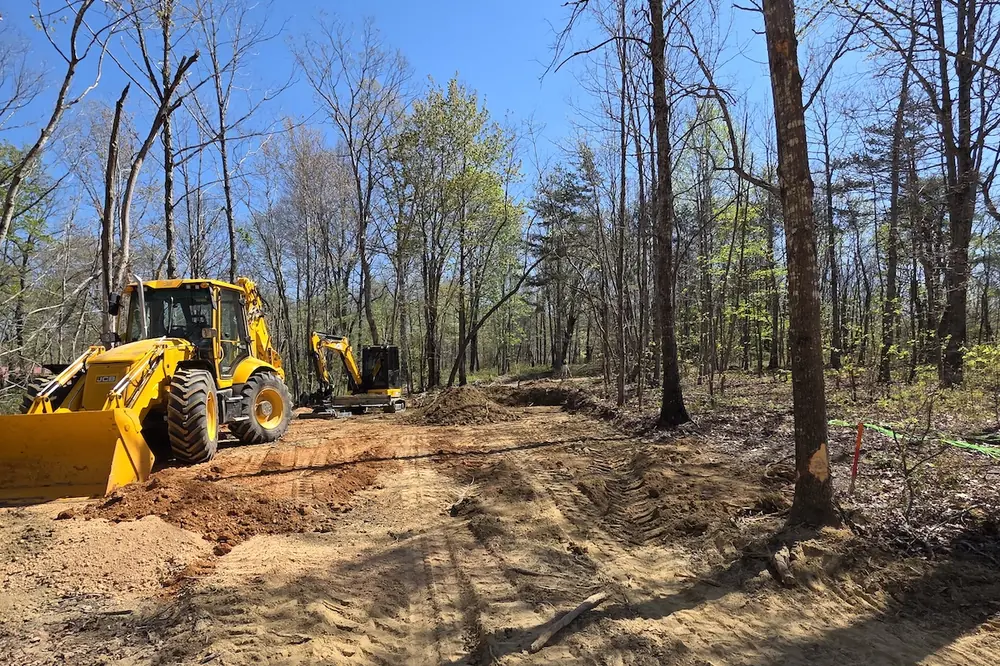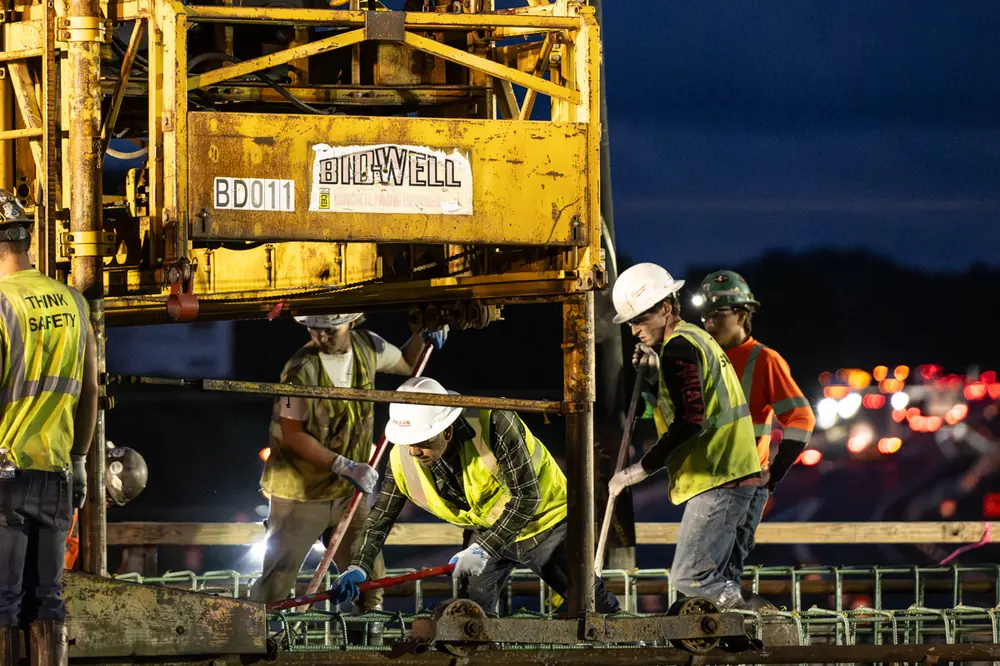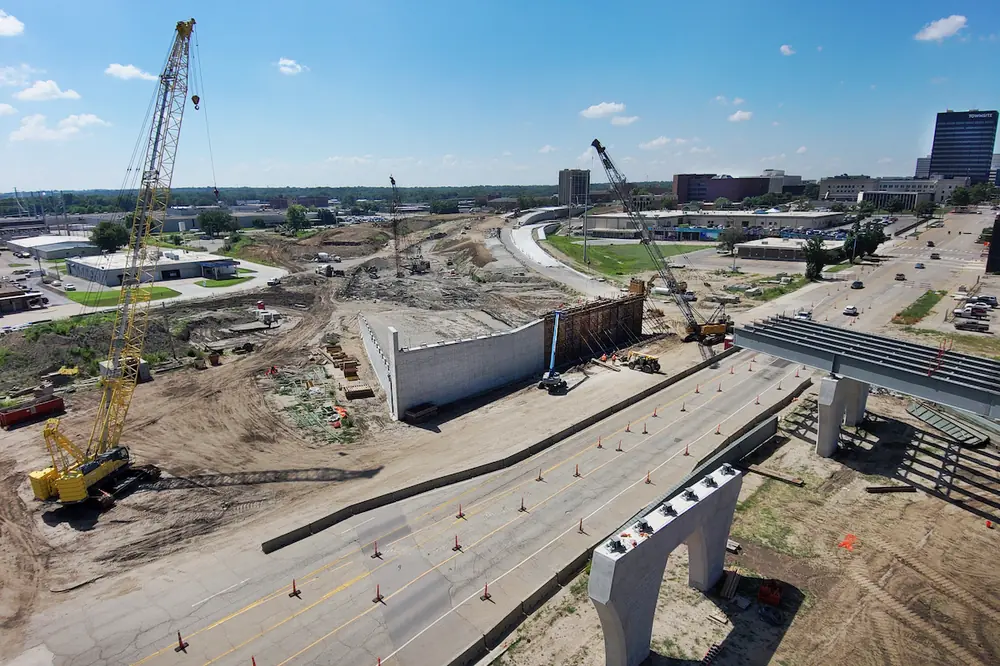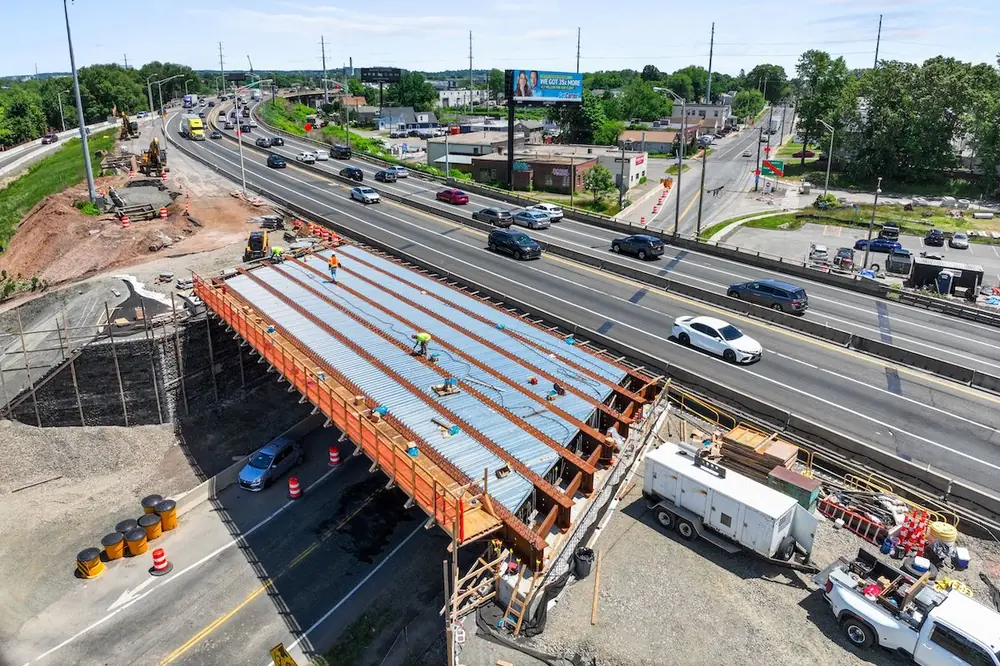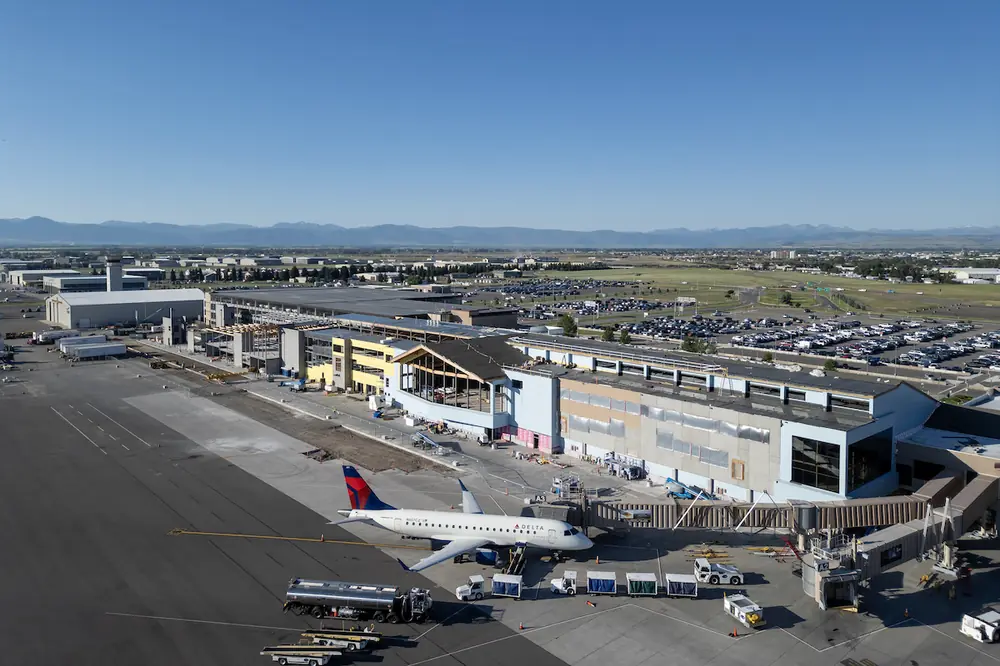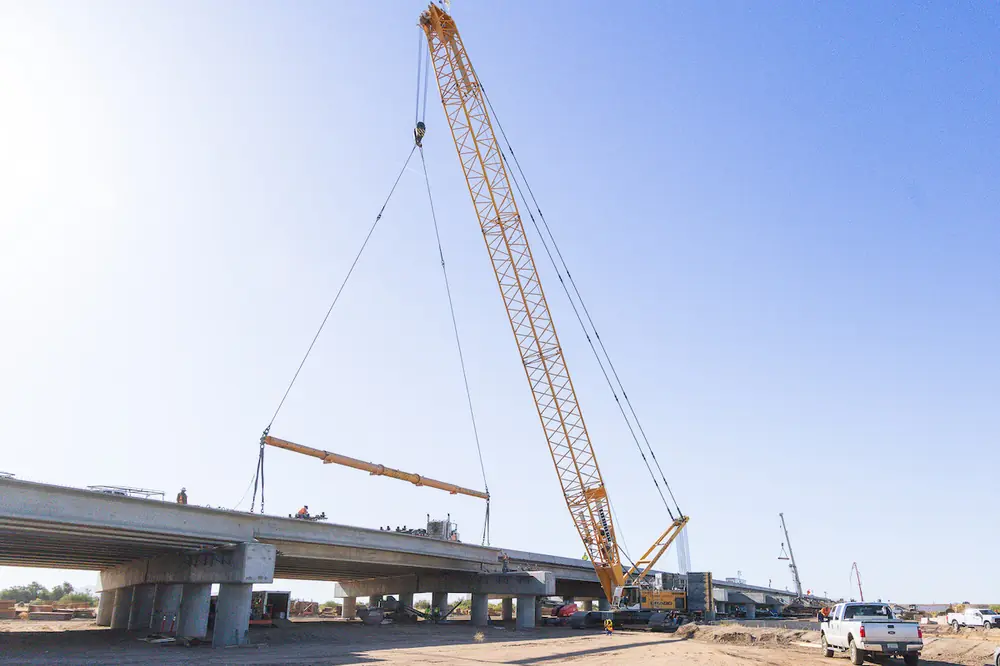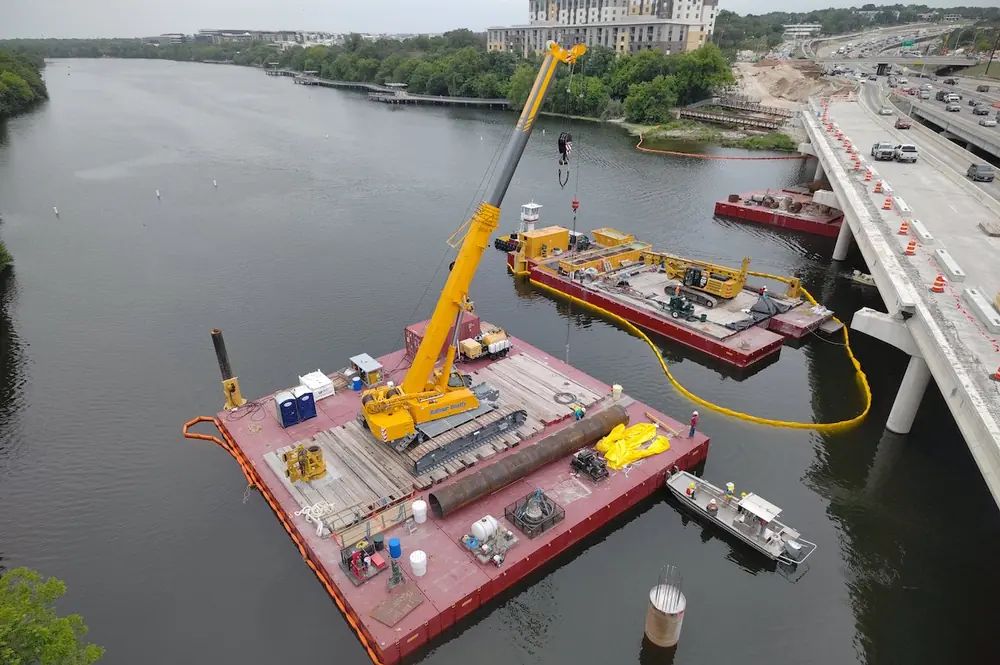
Productivity depends on more than labor and planning. Equipment plays a central role in keeping projects on schedule and within budget. Among job site tools, dump trailers play an important role in moving materials, debris, and equipment across every phase of a project.
In recent years, demand for dump trailers has shifted alongside changes in job site conditions and project scale. Contractors are prioritizing equipment that performs reliably without adding unnecessary complexity.
Understanding evolving project demands can help contractors make smarter equipment decisions, improving efficiency, minimizing downtime, and supporting overall project success.
Job sites are demanding environments. Uneven terrain, heavy loads, and constant use put equipment under continuous stress. Because of this, durability matters.
Rather than focusing on extra features, many contractors are prioritizing core structural elements such as reinforced frames, high-quality welds, and dependable hydraulic systems. These components directly affect how well a trailer performs under pressure.
Frequent loading and unloading cycles, combined with exposure to harsh conditions, can wear down equipment. When failures occur, they don’t just slow down operations — they increase costs through repairs, replacement parts, and lost productivity. For this reason, durability has shifted from a preference to a requirement. Reliable equipment directly impacts timelines, budgets, and overall profitability.
Time remains one of the most valuable resources on any construction site. Even small workflow improvements can have a significant cumulative impact.
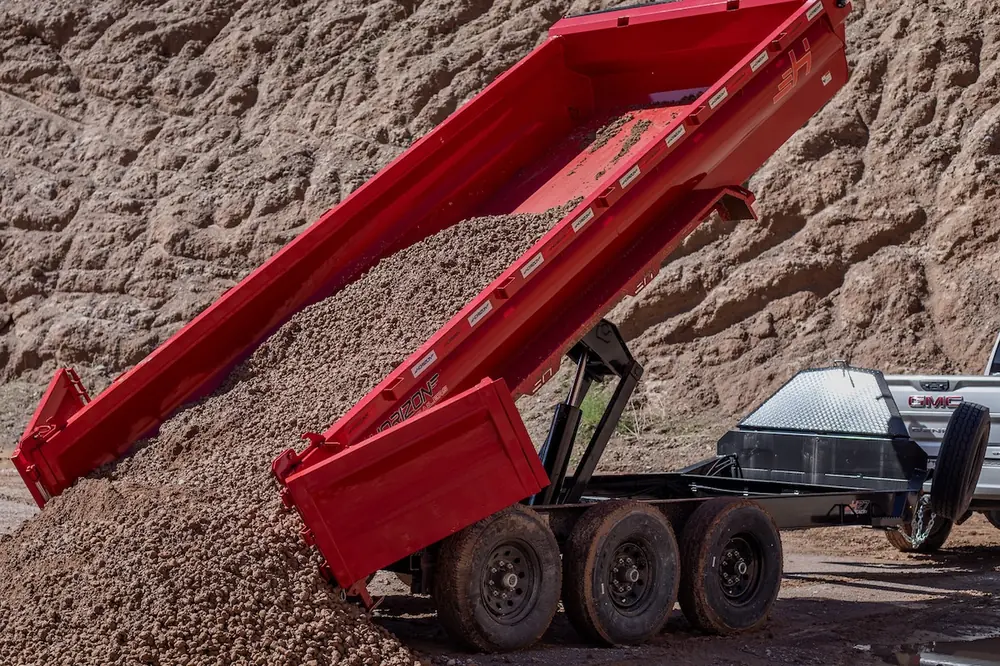
Key considerations in trailer efficiency include the speed and reliability of dump cycles, ease of operation for crews, and minimal setup or transition time between loads.
In practical terms, these factors determine how quickly crews can move materials, clear work areas, and prepare for the next phase of construction. A trailer that operates smoothly allows teams to maintain momentum throughout the day.
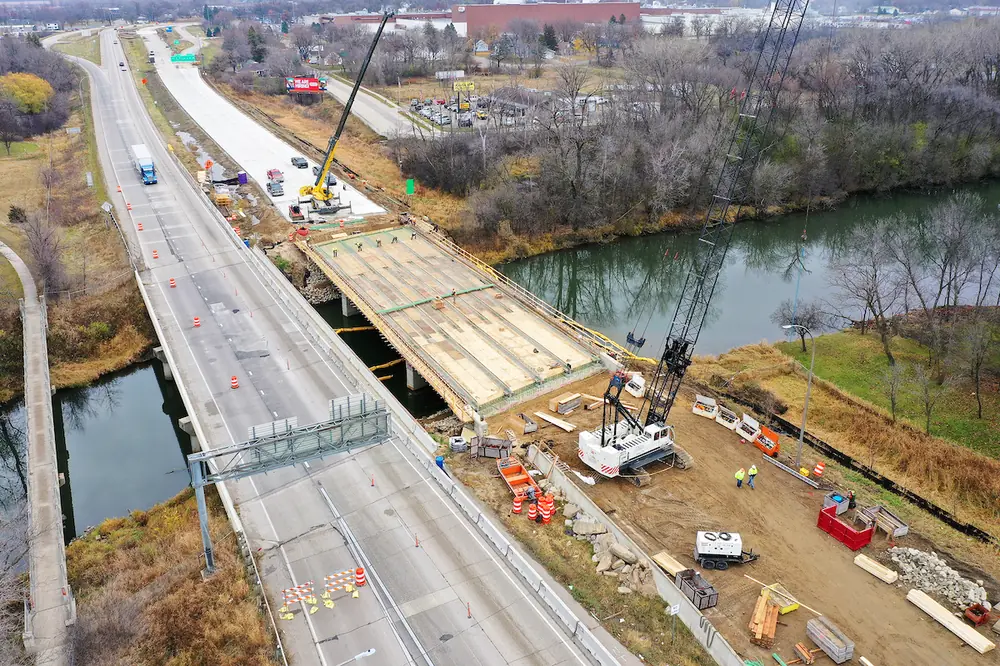
On large earthmoving or roadwork projects, even a short delay during unloading can create bottlenecks that affect multiple crews working downstream. When materials aren’t cleared efficiently, it can slow excavation, grading, or hauling operations. Equipment that reduces cycle times helps prevent these disruptions and keeps workflows moving.
Construction rarely follows a predictable path. Job site conditions can vary widely depending on location, project scope, and stage of work. This variability has increased the demand for adaptable equipment, including dump trailers that can handle different material types — from aggregates to soil and debris — while also performing well across changing terrain.
Versatility allows crews to rely on fewer pieces of equipment while still meeting a wide range of demands. This not only simplifies operations but can also lower overall equipment costs and reduce logistical challenges.
In an environment where flexibility is essential, adaptable trailers provide a clear operational benefit.
Maintenance needs also impact productivity. Trailers that are easy to maintain, allowing for quick inspections and simple repair, feature accessible components and readily available replacement parts.
Routine maintenance is inevitable, but the ease with which it can be performed makes a significant difference. On job sites with tight schedules, delays can have a ripple effect across multiple phases of work. A trailer that can be serviced quickly or repaired onsite provides a high level of reliability.
Beyond the equipment itself, many contractors are placing greater importance on the level of support provided by dealers and manufacturers.
Access to local dealer networks, available inventory, and timely parts and service affects purchasing decisions. Contractors need partners who can respond quickly and help keep operations running without extended interruptions.
In many cases, the ability to source parts or schedule service within a short timeframe can determine whether a project stays on track or falls behind. Strong support systems are an extension of the equipment itself.
The demands of heavy civil construction are continuing to evolve, and with them, the expectations placed on dump trailers. Durability, efficiency, adaptability, and ease of maintenance are no longer optional — they are essential.
The ability to minimize downtime, adapt to changing conditions, and maintain productivity is critical to long-term success. By prioritizing these factors, contractors can make more informed equipment decisions that support both immediate project needs and overall operational efficiency.
Photos courtesy of Horizon Trailers.
Bernhard “Benny” Neufeld founded Horizon Trailers and is the Founder and CEO of H7X Holdings, a group of companies operating in the trailer, transportation, and equipment sectors.