


Across infrastructure and industrial construction projects, the size, complexity, and coordination required today look very different than they did even a few years ago. Larger scopes, tighter schedules, and increased specialization have pushed teams to their limits. Yet many organizations continue to rely on reactive staffing models, filling roles as needs arise rather than developing a clear, structured view of their internal capabilities in advance.
Capability mapping addresses this gap, giving leaders a real-time view of organizational strengths, exposing where depth is thin, and allowing teams to be built with intent instead of assumption.
Despite how practical and scalable it is, capability mapping remains one of the most overlooked tools in construction today.
Capability mapping is the process of understanding what an organization is truly capable of at every level and aligning those capabilities to the demands of the work. It goes beyond headcount and titles to identify where experience sits, how it can be deployed, and what gaps may exist.
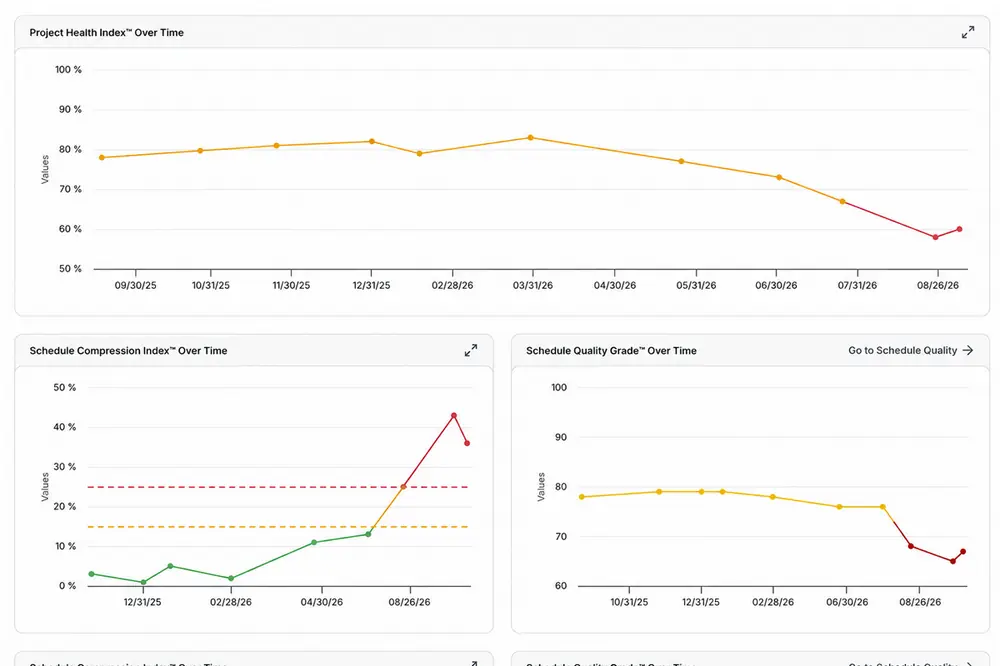
In practice, organizations track this through structured formats that map capabilities across defined roles, starting with spreadsheets or skills matrices built in tools like Excel, and — in more mature cases — evolving into visual dashboards using platforms such as Power BI, Tableau, or custom construction management software. Individuals are assessed against core functions tied to project delivery, such as sequencing, trade coordination, system integration, and commissioning.

| Your local Gomaco dealer |
|---|
| Terry Equipment |
Capabilities are scored on a standardized scale to reflect depth of experience, ranging from limited exposure to full ownership — including the ability to lead and train others. Leadership can then identify over-reliance on key individuals and make more informed staffing decisions. From there, the impact compounds.
Every contractor has seen what happens when a project looks fully staffed on paper but struggles in execution.
You might have the right number of people on site, but if the team has not worked through that specific type of sequencing or does not understand the system they are tying into, the job slows down. Decisions get second-guessed, crews wait on direction, and the schedule begins to absorb the impact. That is rarely a manpower issue; it is usually a capability issue.
On a large-scale industrial project, such as data centers, the difference between someone who has installed conduit and someone who has managed a live system tie-in or commissioning phase is significant. The second person understands how sequencing impacts other trades, how tight coordination has to be, and what can go wrong.

| Your local Trimble Construction Division dealer |
|---|
| SITECH Southwest |
| SITECH West |
Capability mapping brings that level of alignment into the planning process. It ensures that when the job hits those high-pressure phases, the people making decisions have already seen what can happen and know how to respond.
One of the more surprising outcomes when teams build out a capability map is how much hidden strength they uncover.
Most organizations have a handful of people everyone knows they can rely on. What gets missed is the next layer — individuals with the right experience who are not being fully utilized. Without visibility, they get placed wherever there is a need, instead of where they can make the biggest difference.
When that visibility improves, deployment starts to look different. Senior superintendents are no longer spread thin across multiple jobs just to “cover ground” but positioned on the phases of work that carry the most risk or require the most coordination. Less-experienced leaders are paired intentionally so they gain exposure in the right environments — not just learning through trial and error on lower-impact scopes.
| Your local Gomaco dealer |
|---|
| Terry Equipment |
That shift does two things at once: 1) it stabilizes execution on the front end, and 2) it builds depth into the organization so you are not relying on the same few people to carry every critical job.
When the backlog is strong, the instinct is to keep pushing forward. More projects, more crews, more movement. On paper, it can look like the organization has the headcount to support it. But in reality, capability does not scale at the same pace as hiring.
A team might technically have the people to staff three additional projects, but if those projects require a level of experience that only exists in a few individuals, performance will be spread thin. Issues that would normally get handled quickly begin to stack, and the field ends up carrying more uncertainty than it should.
Capability mapping gives leadership a more grounded way to evaluate that risk. Instead of relying on headcount alone, they can look at how capability is distributed and ask a harder question: Do we have the right experience in the right places to take this on without compromising how we execute?
| Your local Gomaco dealer |
|---|
| Terry Equipment |
Most teams do not identify capability gaps during planning, but when something starts to slip. At that point, the project is already moving and the options are limited. You either reassign people midstream, bring in outside support, or push the team to figure it out under pressure.
None of those are ideal. When capability mapping is part of the process, those gaps show up earlier, when there is still time to act. Leaders can see that a project requires more commissioning experience than they currently have available, or that a certain scope will stretch the team beyond its comfort zone.
From there, the response becomes intentional instead of reactive. That might include:
- Bringing in targeted hires with specific system experience
- Shifting internal resources ahead of project start instead of during execution
- Building additional training around known pressure points in the work
- Adjusting how scopes are sequenced to better match available capability
Different regions, teams, and project types introduce variability in how work is executed. Over time, that variability starts to show up in performance. Some jobs run tight while others require constant intervention — and the difference is rarely the plan itself, but the team behind it.
| Your local Gomaco dealer |
|---|
| Terry Equipment |
By defining what a “right-fit” team looks like via capability mapping, leadership can build crews that carry a similar level of experience and capability, regardless of where the job is located. That does not mean every team is identical, but it does mean the baseline for execution is consistent.
This also creates a shared language across the organization. Conversations around staffing move away from generalities and toward specifics. Instead of saying a job needs a superintendent, the conversation becomes about what that superintendent needs to have done on similar scopes of work and what phases of a project they will be responsible for leading.
As projects scale and complexity compounds, there is less room to rely on reactive decision-making in the field. Leaders who maintain a clear, disciplined understanding of their team’s capabilities will move with greater precision, manage risk more deliberately, and deliver with consistency.
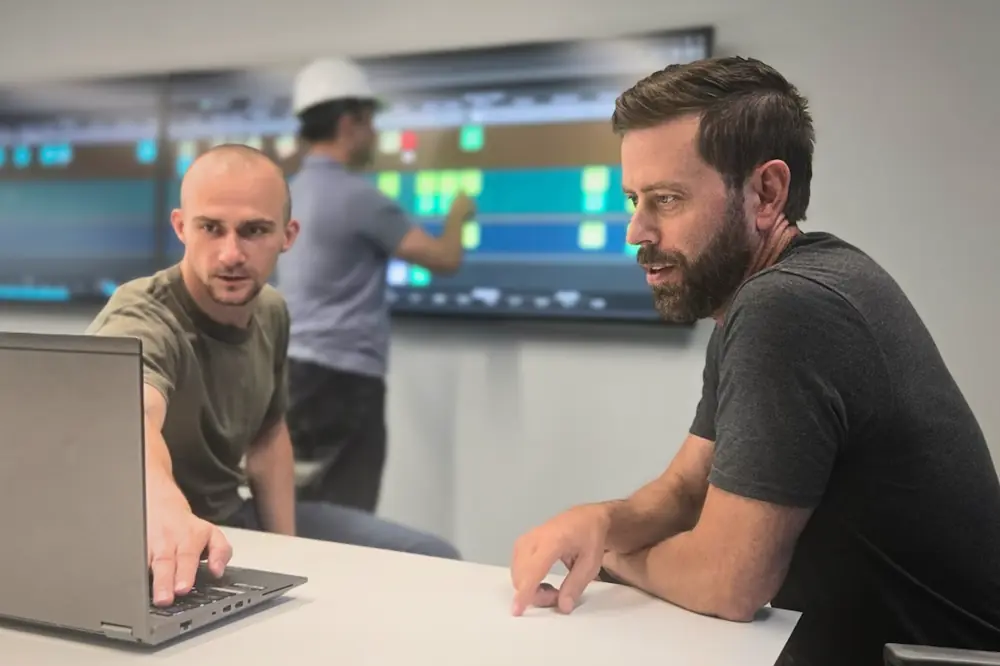
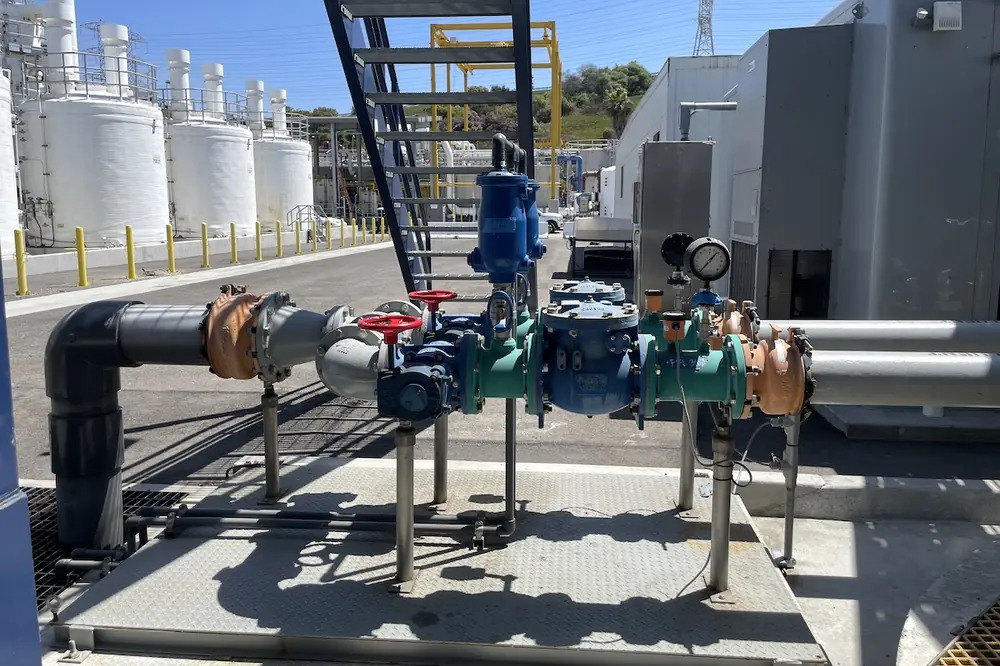
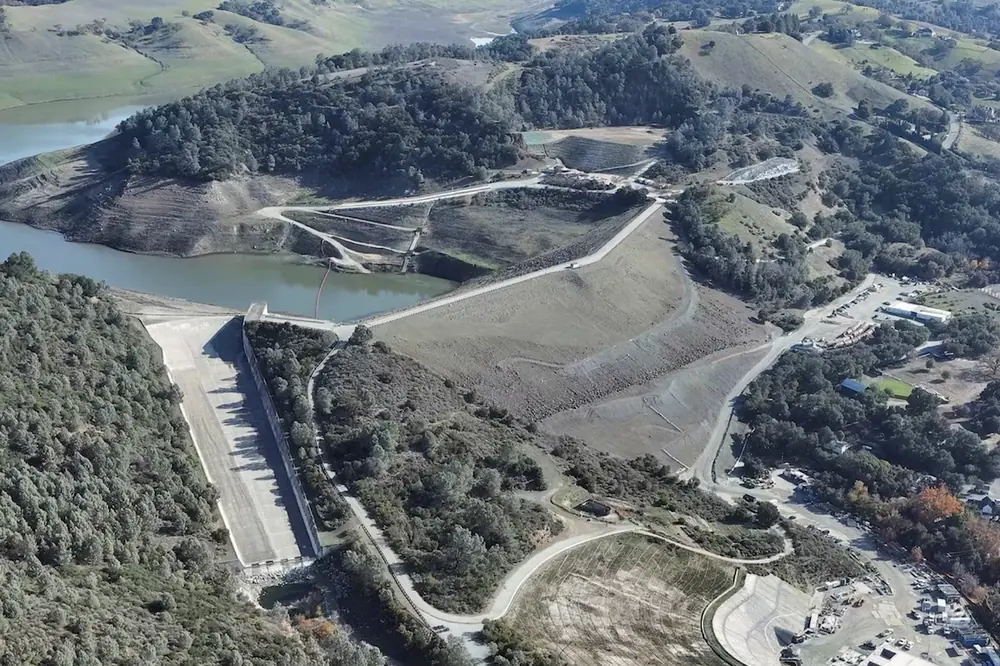
Photos courtesy of Nox Group.
| Your local Gomaco dealer |
|---|
| Terry Equipment |
Adam Chini is President at Corbins, an industrial electrical subcontractor specializing in hyperscale infrastructure, including data centers and semiconductor facilities. The company operates as part of Nox Group, an industrial construction enterprise.