

Over the past year, shifting tariff policies have significantly affected costs paid by U.S. construction contractors. Duties on equipment and materials alike made their way into project bids, driving totals higher.
Now, a Supreme Court ruling has paved the way for refunds of billions of dollars in tariffs that were previously collected under emergency powers. Contractors need to act quickly and compile documentation from across their finance, tax, and procurement teams in order to secure the funds they may be entitled to. The Trump administration has announced that it plans to appeal the Supreme Court’s ruling.
In Learning Resources v. Trump, the Supreme Court ruled that the International Emergency Economic Powers Act (IEEPA) does not authorize the broad tariffs that were imposed by the President without Congressional approval. While the Supreme Court decision invalidated a significant set of duties, it did not address refunds directly. However, the U.S. Court of International Trade ordered U.S. Customs and Border Protection (CBP) to unwind qualifying tariffs for eligible import entries. Now, CBP is actively processing refunds.
The first phase of the automated refund process was launched on April 20, 2026, within the CBP’s Automated Commercial Environment. The Consolidated Administration and Processing of Entries (CAPE) system recalculates duties as if IEEPA tariffs were never assessed, ultimately returning duties and interest to eligible importers of record.
For construction companies, the opportunity may be indirect. That’s because contractors are often not the importer of record; instead, suppliers, distributors, or manufacturers paid the initial duties before passing those costs on. In such cases, the legal right to a refund belongs to those importers rather than the contractors that bore the actual cost of duties in their project budgets.

| Your local Gomaco dealer |
|---|
| Terry Equipment |
Contractors seeking refunds must know who is eligible to file the refund claim as well as the contract terms that may allow the recovery of any tariff costs that were passed through.
Importers of record can claim refunds to provide significant cash flow relief in the face of tight margins and high financing costs. According to CBP, accepted claims should be processed within 60 to 90 days, though technical delays have been reported and more may come as the system scales.
It’s important to note that filing a claim reopens historical import entries. CBP is able to review valuation, tariff classification, and country of origin determinations. Companies importing equipment or components may also face additional scrutiny should CBP determine there are inconsistencies across projects or suppliers.
For best results, refund claims should be treated as compliance events. The accuracy of data, sufficient documentation, and careful coordination are paramount. Customs, tax, and accounting teams must work closely to compile and test the validity of refund claims.

| Your local Trimble Construction Division dealer |
|---|
| SITECH Southwest |
| SITECH West |
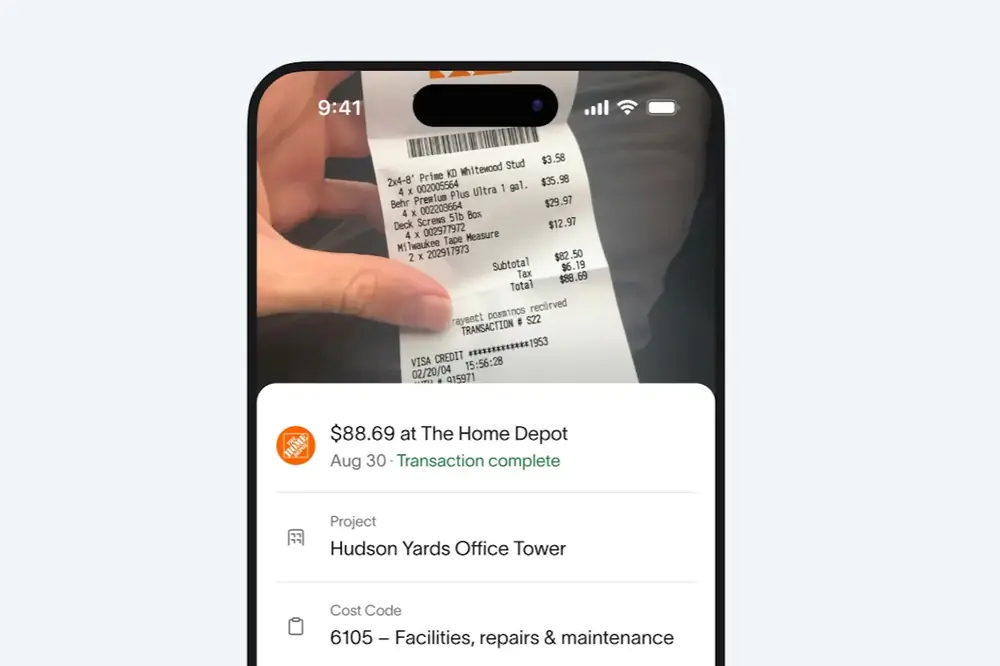
Contractors that cannot file claims directly may still be able to recover eligible funds. A supplier that recovers tariff expenses previously passed through to a contractor and included in project pricing may enable that contractor to seek credits or adjustments. This opportunity could be especially relevant in matters involving long-term, cost-plus, or open-book contracts.
While outcomes will vary and some suppliers may resist revisiting settled transactions, others may be willing to negotiate as a relationship management strategy. Contractors that can link tariff costs to specific invoices, purchase orders, or schedules of values will be best positioned to encourage cooperation.
In many states, sales and use tax is calculated based on the total purchase price inclusive of tariffs. In such cases, retroactive tariff refunds may mean the taxable base was overstated, giving rise to the potential for sales tax refund opportunities.
Who is eligible to file a claim and how refunds are handled will vary state by state. In some jurisdictions, a refund can only be requested by the tax remitter; in others, the end customer is eligible to be refunded.
| Your local Gomaco dealer |
|---|
| Terry Equipment |
Documentation should be compiled and longer timelines should be expected as states issue additional guidance specific to tariff refunds.
The IEEPA tariff refund process necessitates that those responsible for customs, tax, accounting, and contract functions coordinate closely. Crucially, speed cannot come at the expense of accuracy and consistency.
The first phase of the CAPE system covers unliquidated entries and those liquidated within a specified window. Because CBP manages high claim volumes, additional phases are expected but the timelines associated with them remain uncertain.
In the wake of the Supreme Court’s ruling, tariffs no longer apply. However, their financial impact can still be felt in project costs and supplier pricing. Acting early and methodically may help contractors recover funds and offset higher material costs.
| Your local Gomaco dealer |
|---|
| Terry Equipment |
Those that are unprepared, lack coordination, or submit claims that do not meet CBP scrutiny risk missing the refund opportunity without further recourse.
Jenny Ray, CPA, is Managing Director, Tax Services, for CBIZ. She specializes in construction, architecture, and engineering, with a focus on tax compliance, tax credits, strategic tax planning, and consulting.