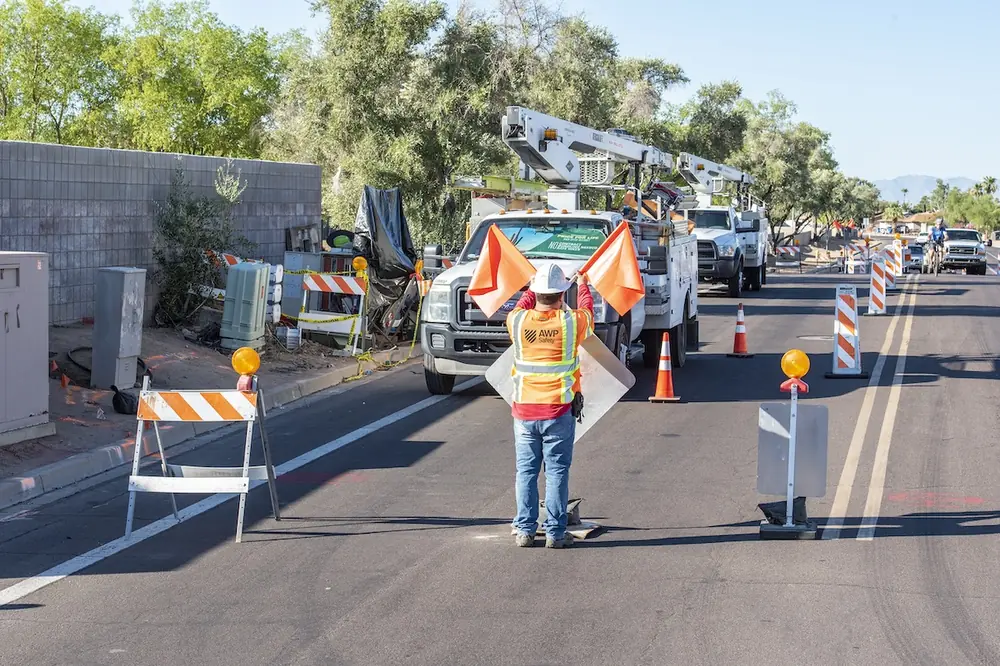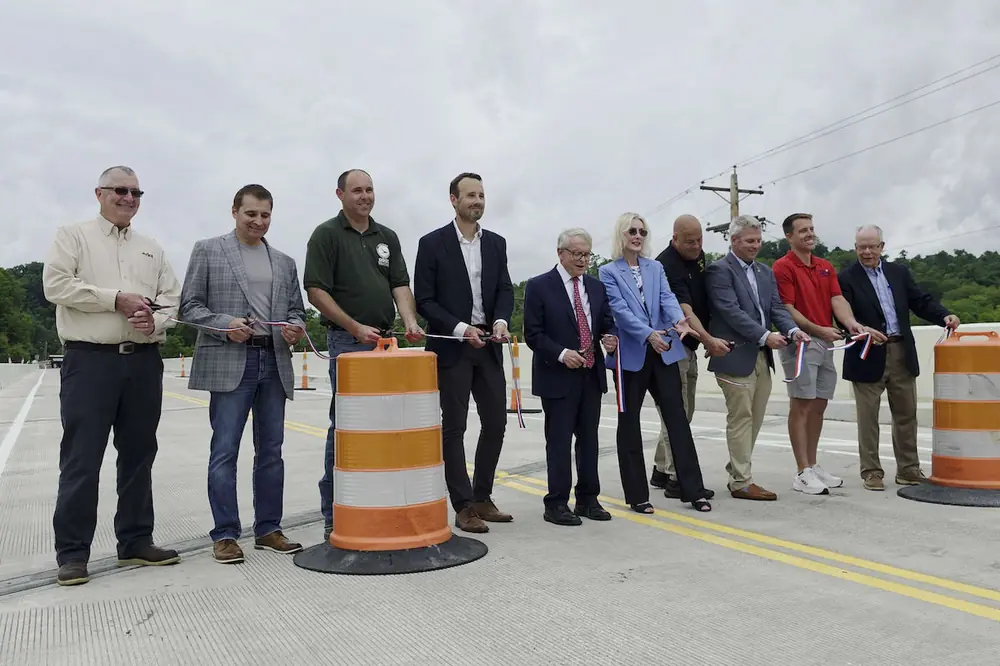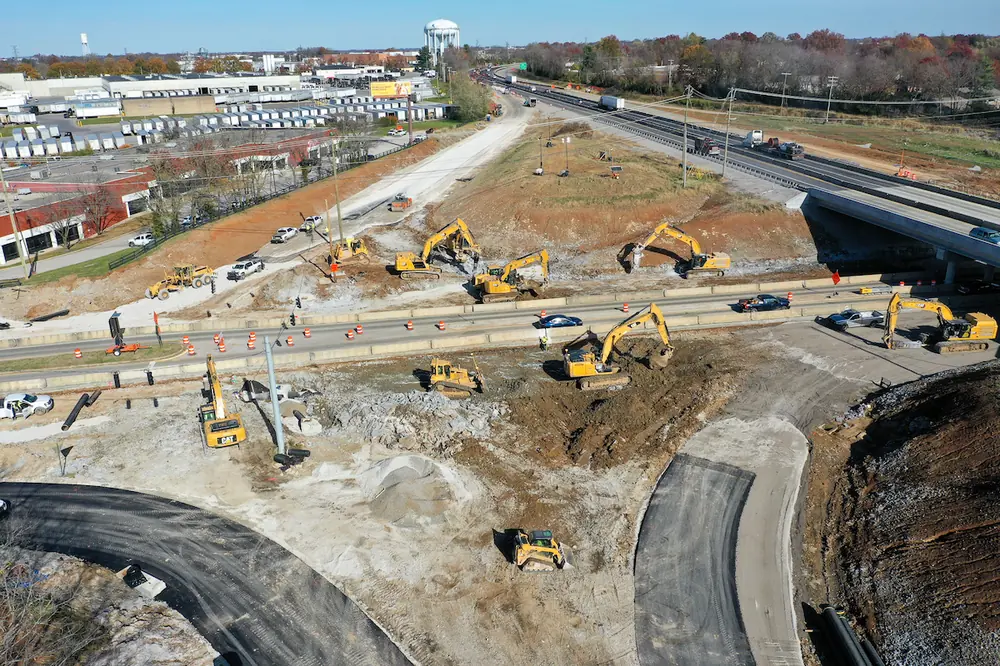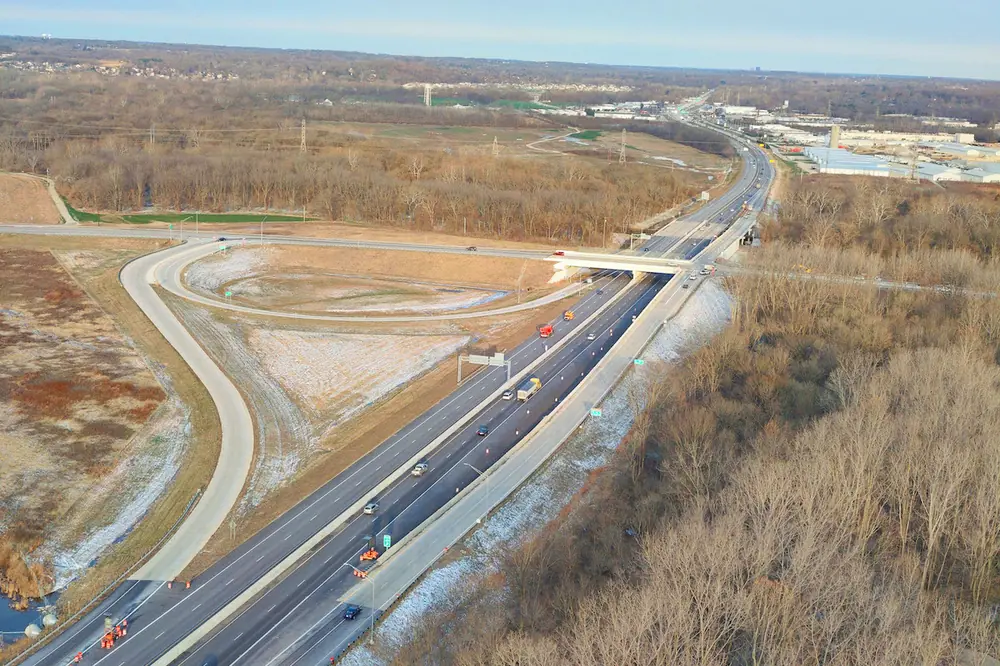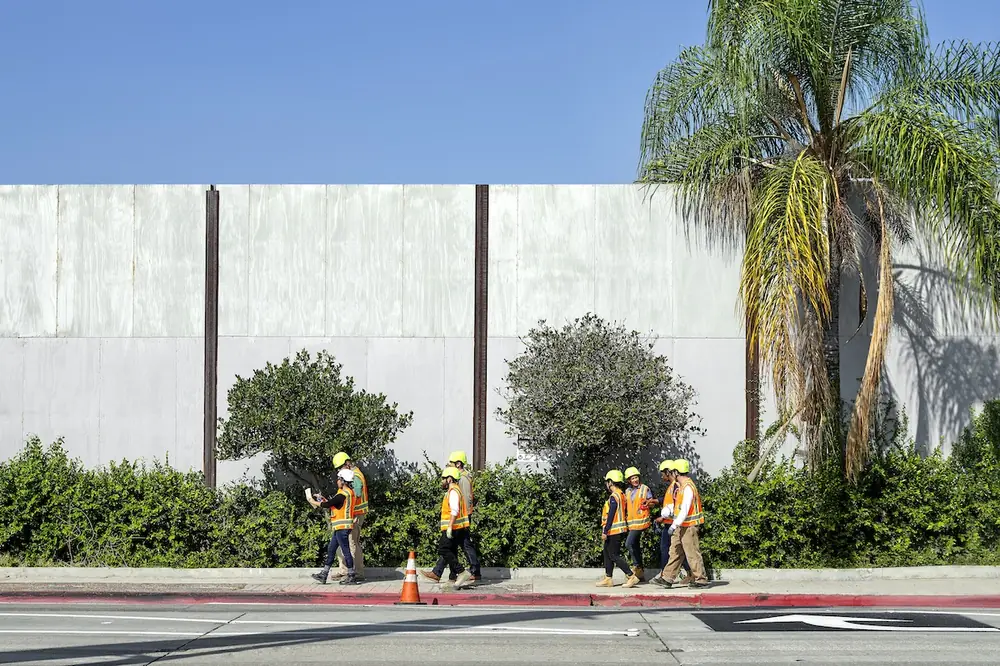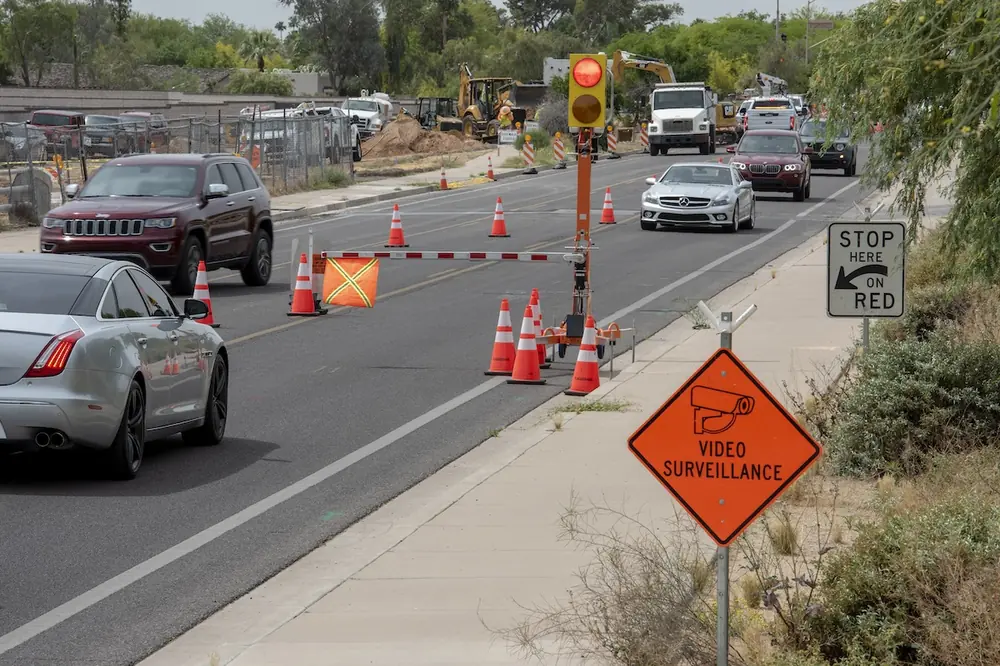

The theme for 2026’s National Work Zone Awareness Week — Safe Actions Save Lives — prompted AWP Safety to share tips for keeping crews safe every day.
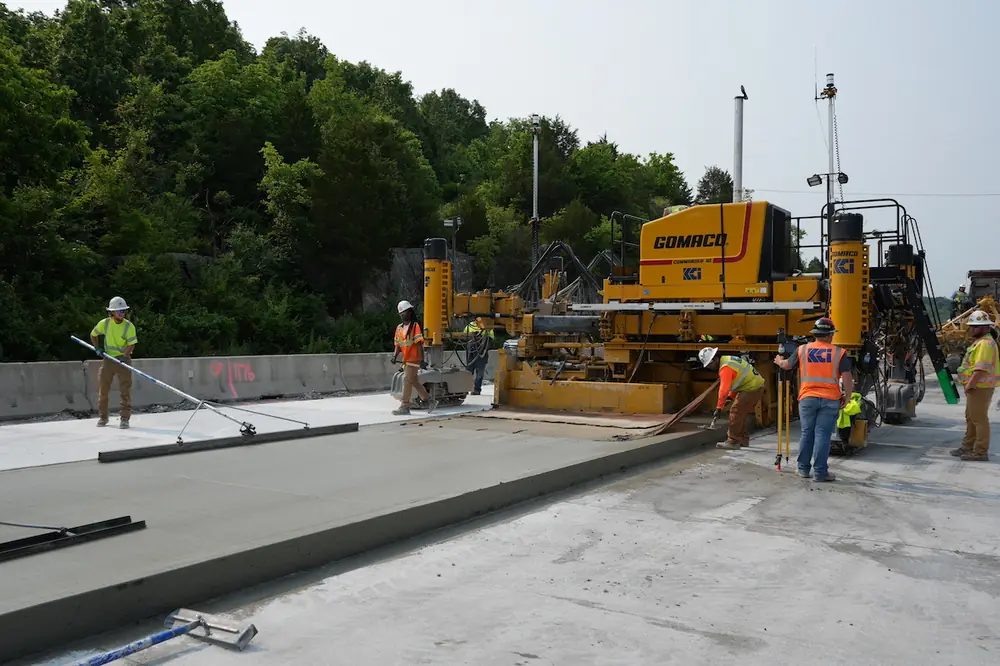
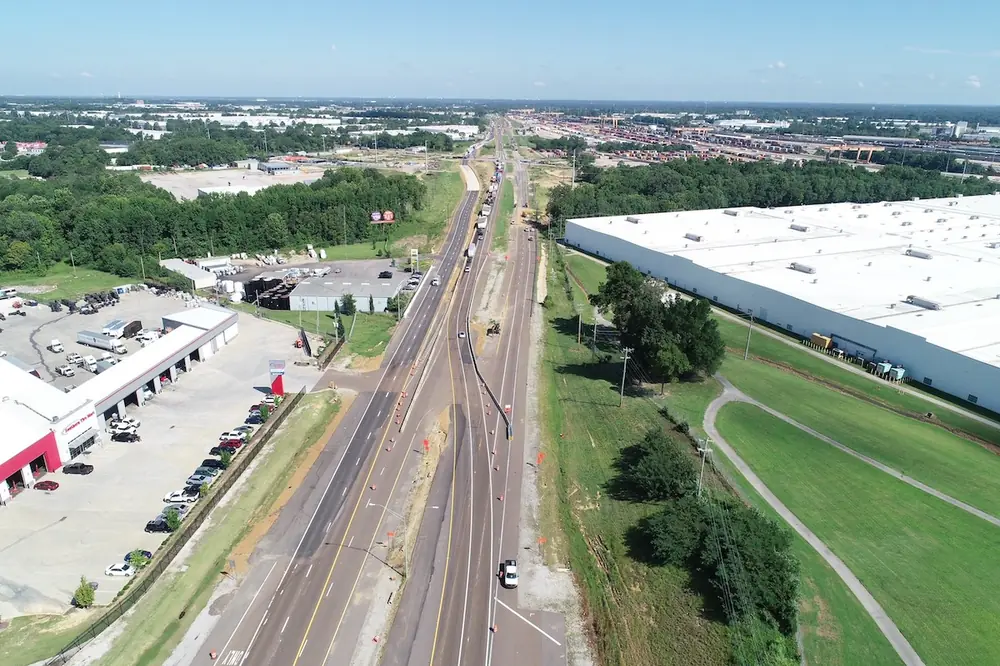
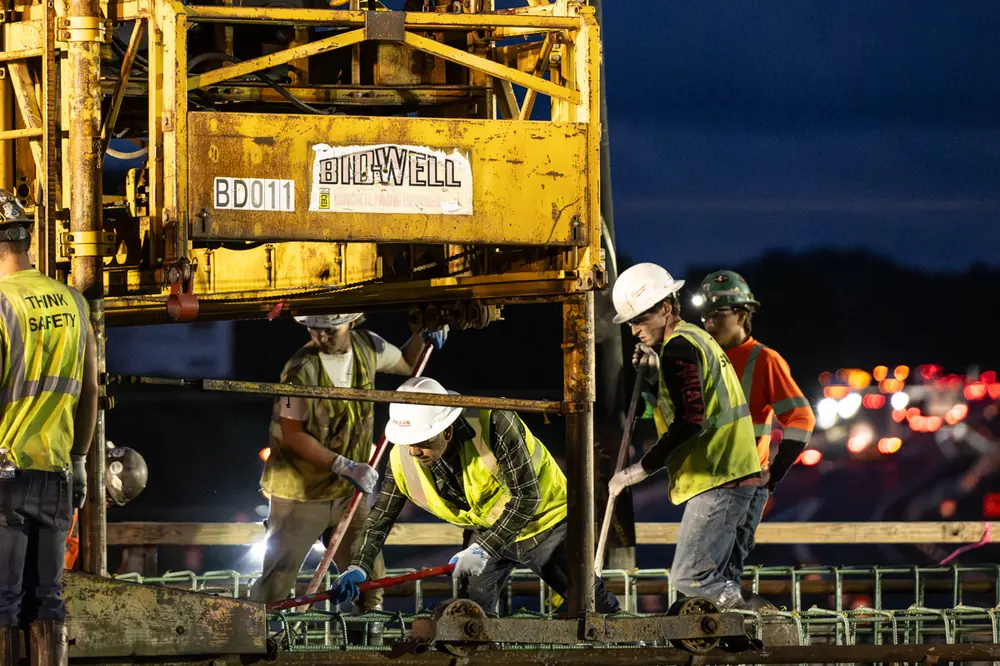
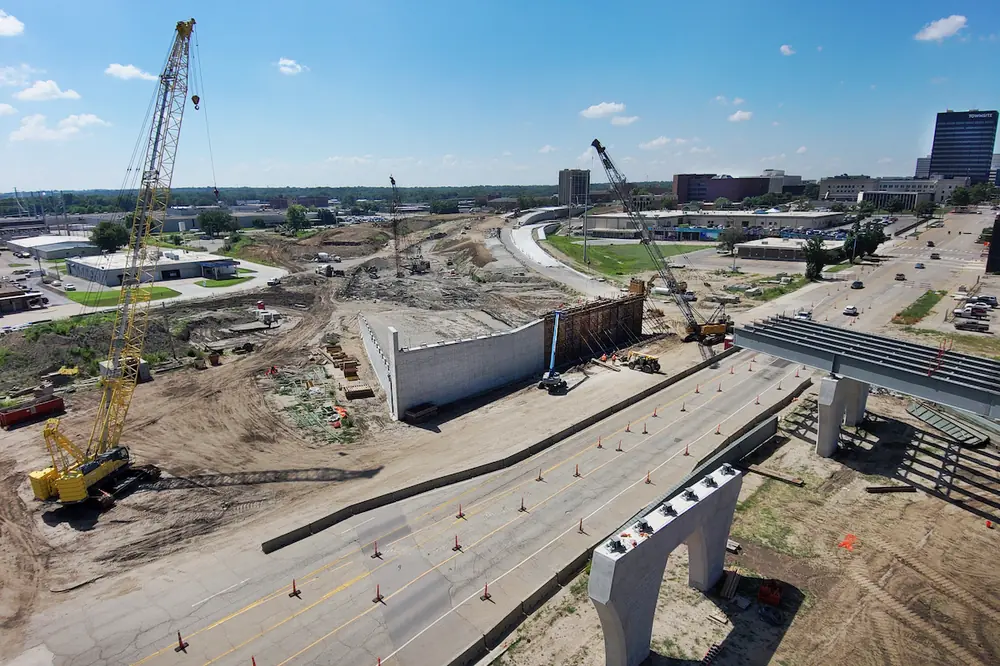
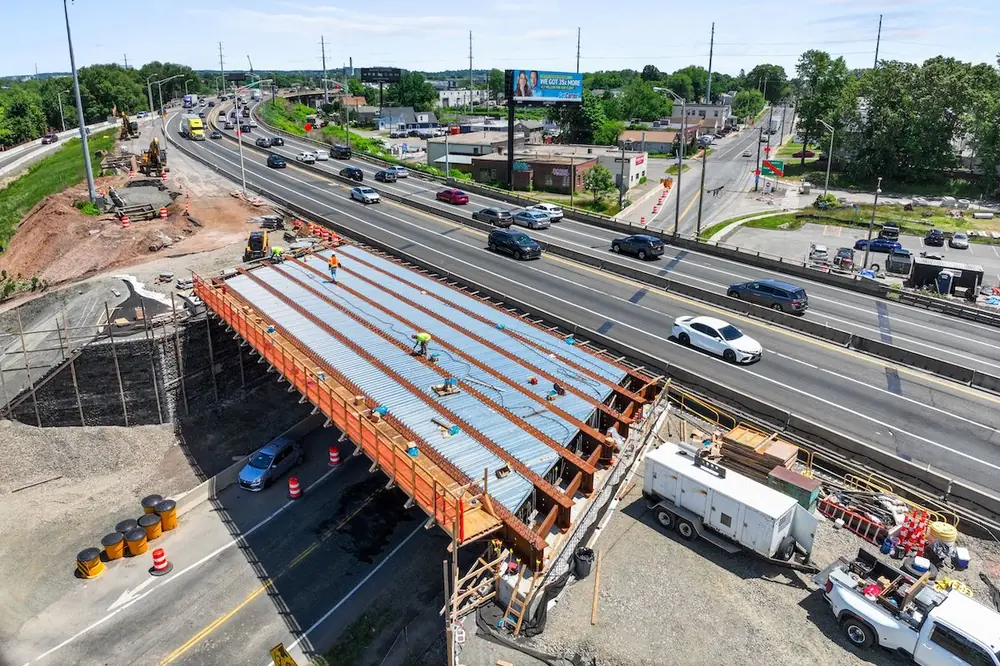
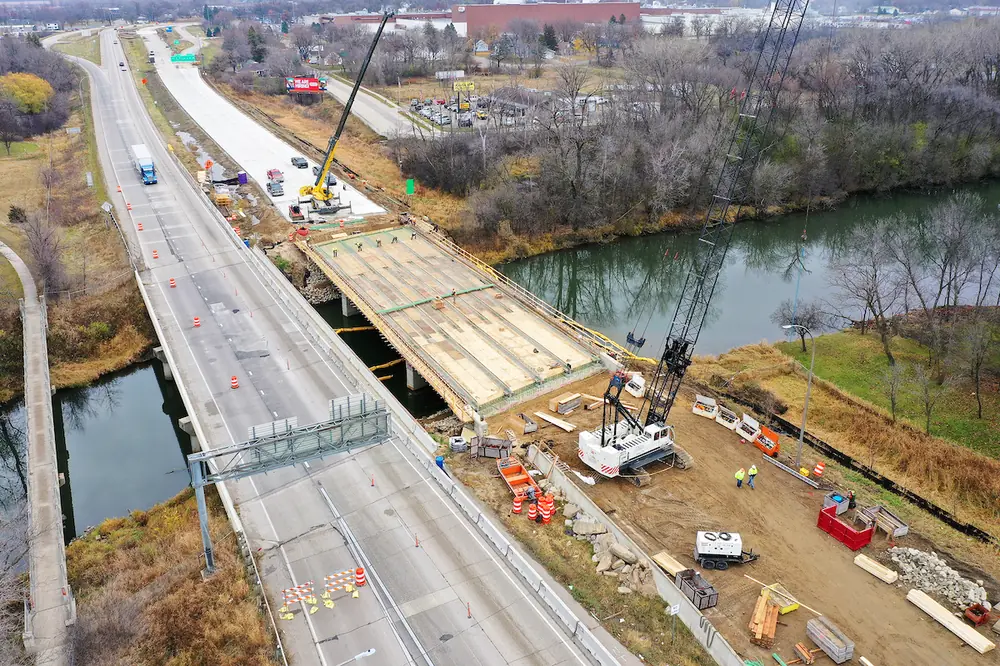
Reliability in work zones comes from repeating the basics: a pre-job briefing that calls out risks and responsibilities, a traffic control plan that’s set the way it was designed (and kept that way), and drivers treating the work zone like the workplace it is — where crews operate just a few feet away from live traffic.
Reinforcing these routines prevents serious incidents:
Safety Huddles That Set the Tone
In work zones, every shift should start with a clear review of the day’s hazards, roles, and what changed since yesterday. This means aligning the team on access points, live traffic patterns, and weather/visibility — and agreeing up front when to stop work or reset should conditions change.
Plans Built Right, Kept Right
Confirm that the field setup matches the approved traffic control plan, including sign, cone, and barricade placement; taper and buffer spacing; and pedestrian routing — then keep verifying it throughout the shift.

| Your local Wirtgen America dealer |
|---|
| Brandeis Machinery |
Coaching Crews to Stay Traffic-Aware
Reinforce “head on a swivel” habits — eye contact with drivers and equipment operators, safe positioning, spotter discipline, and immediate correction when a near miss shows up — so that crews assume an intrusion is possible and don’t rely on luck when a motorist makes a bad decision.
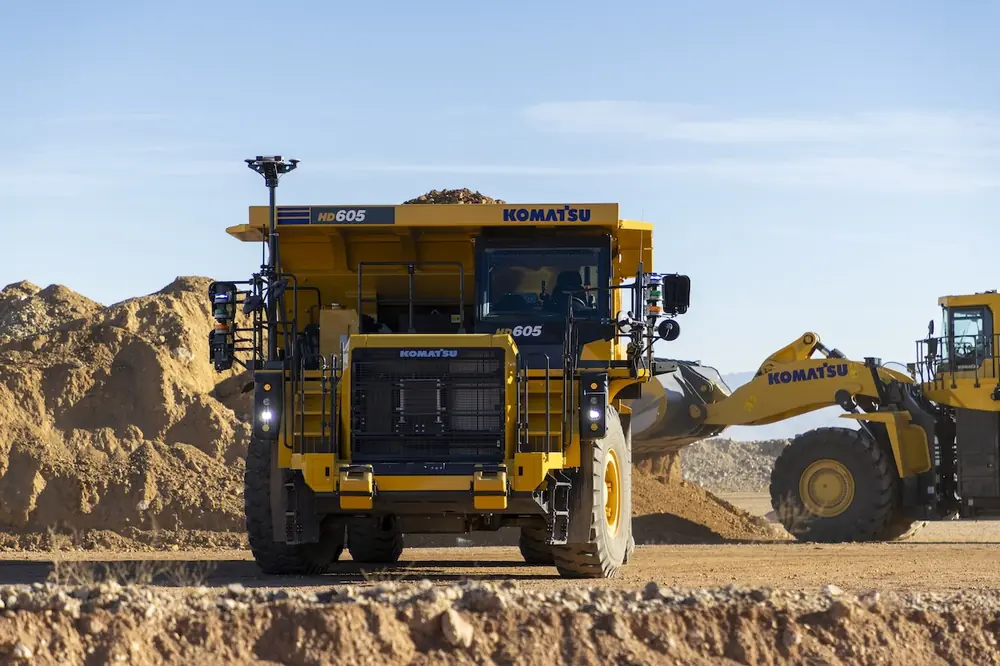
Safe driving habits apply to operators, haul truck drivers, and other project personnel as much as the traveling public.
“The tone gets set before anyone steps into the lane,” said Ryan Dobbins, Vice President of EHS at AWP Safety. “But the work zone doesn’t truly get safer until drivers do their part, because the most important decisions are still made behind the wheel.”
In a work zone, being predictable is being protective. Dobbins encouraged drivers and fleet operators to stick to these simple actions every time they see orange ahead:
- Slow down and follow posted work zone speeds — Then slow down more if conditions demand it.
- Put the phone away — No texting, scrolling, or quick checks, even hands-free.
- Leave room — Increase following distance and avoid last-second lane changes.
- Merge early and stay predictable — Don’t race to the taper or cut in late.
- Look for people first — Flaggers and crews may be closer to traffic than you expect.

| Your local Komatsu America Corp dealer |
|---|
| Brandeis Machinery |
The safest outcomes rely on a readiness approach and consistent execution. Safety is a two-way street — crews doing the basics before the first cone goes down, and drivers doing their part on every pass through.