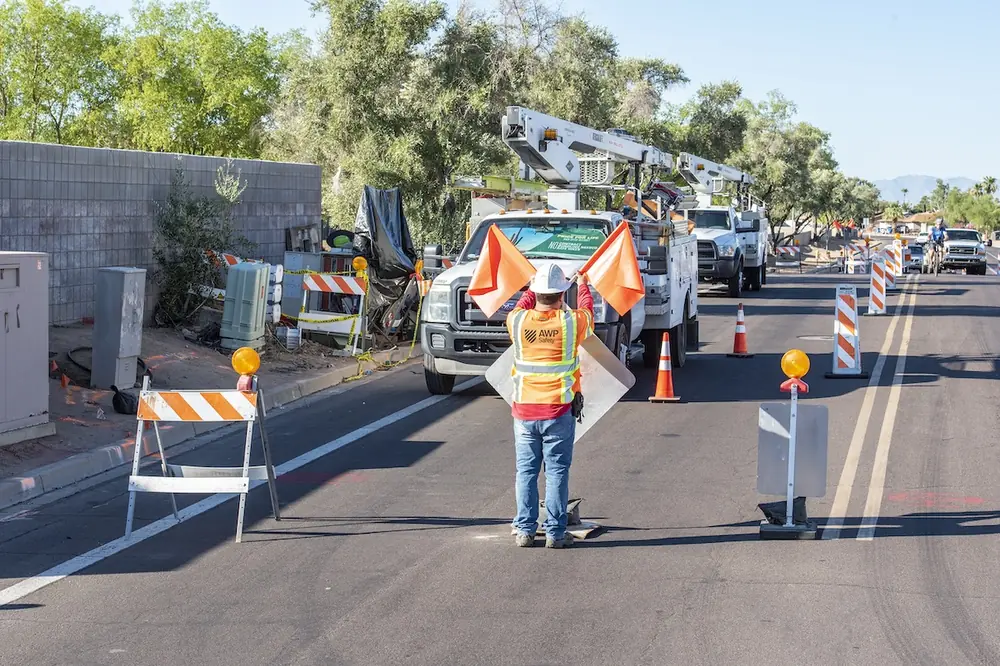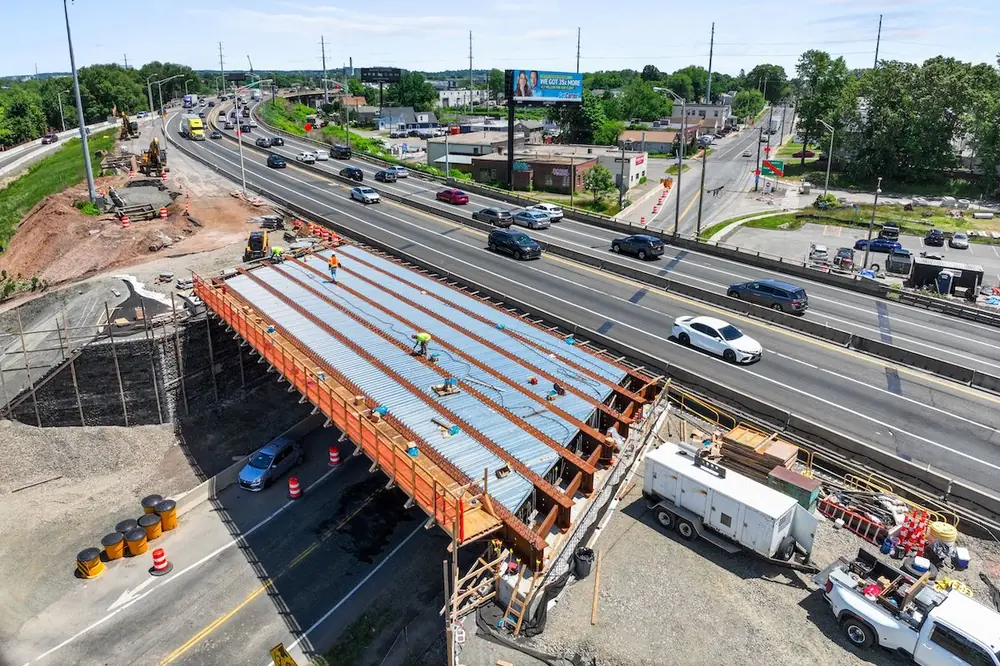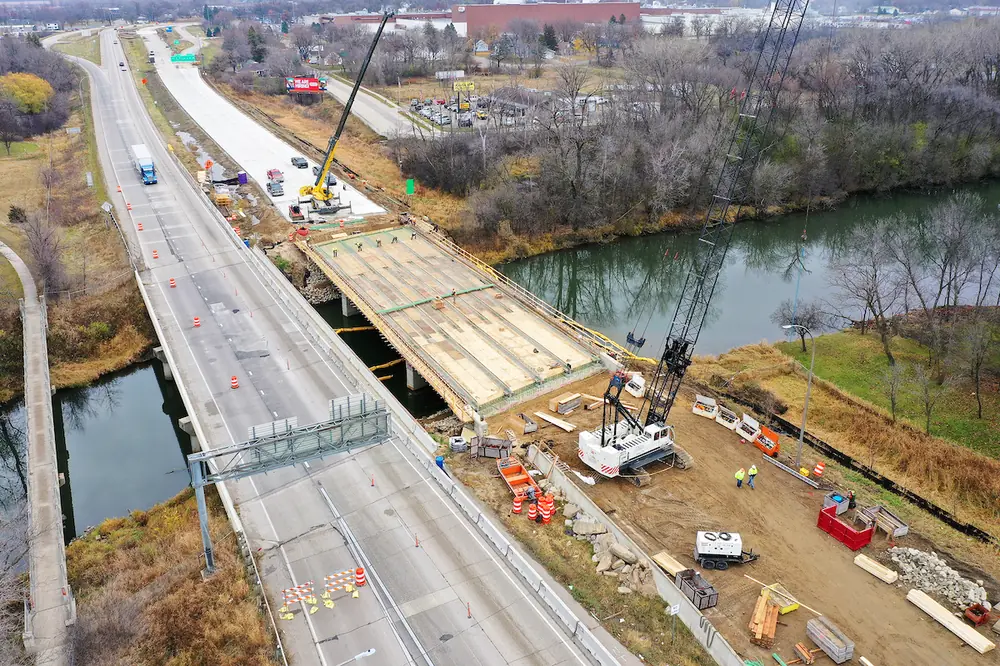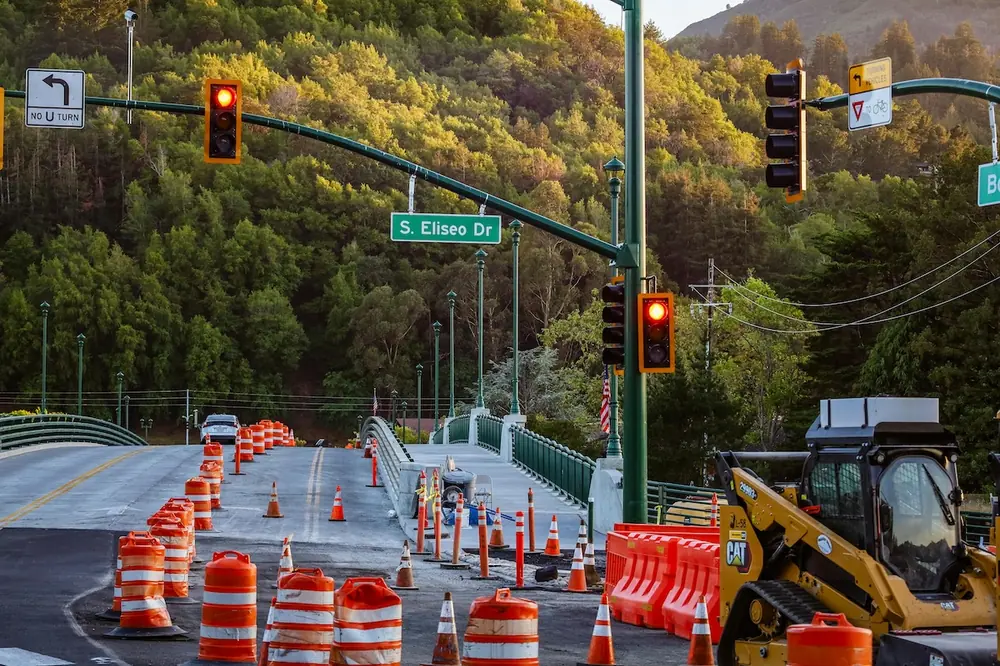

Texas is experiencing a historic surge in infrastructure investment. However, this boom brings a significant challenge: managing safety in high-speed, high-volume work zones. Work zone safety isn't just a regulatory checkbox — it’s a critical operational challenge that impacts the lives of crews and the company's bottom line.
Recent data from TRIP, a national transportation research nonprofit, highlights sobering numbers. From 2020 to 2024, there were 1,008 work zone fatalities in Texas. According to TRIP’s analysis, in addition to the human toll, the economic cost imposed by the state’s traffic crashes in 2024 alone was $40.9 billion.
Work zones are among the most dangerous environments for both motorists and highway workers.
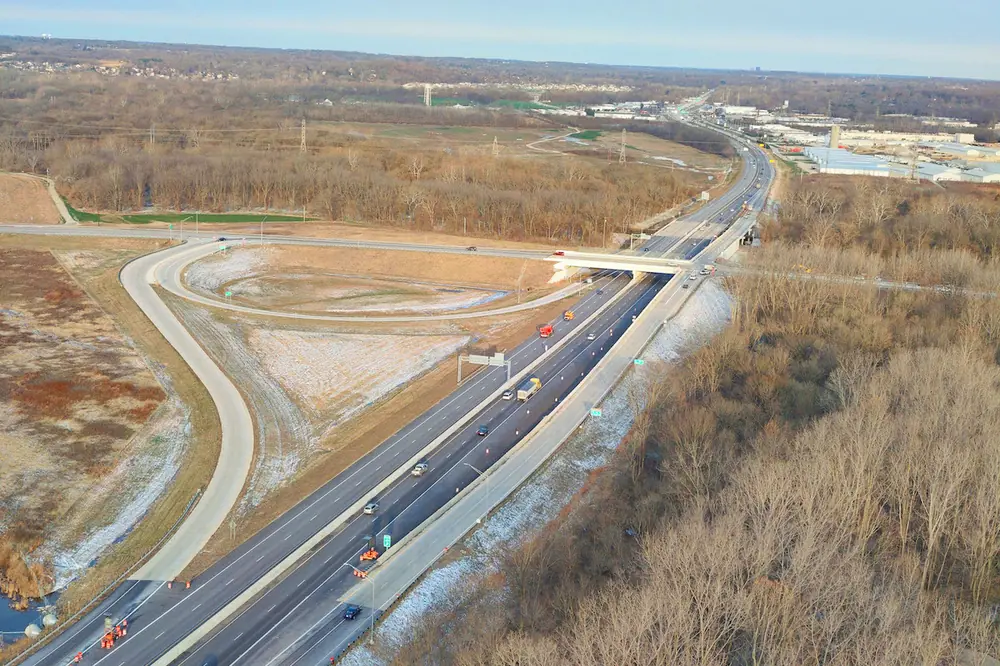
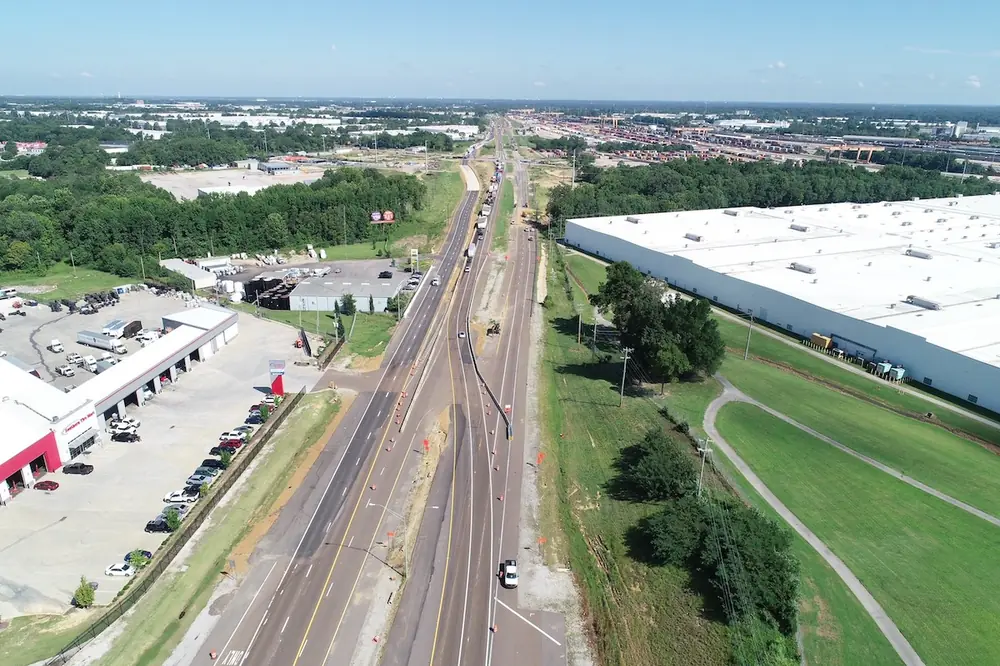
In a state growing as fast as Texas, work zones abound. The Texas Department of Transportation (TxDOT) said roadway improvements were underway in more than 1,800 active work zones across the state in April 2026.
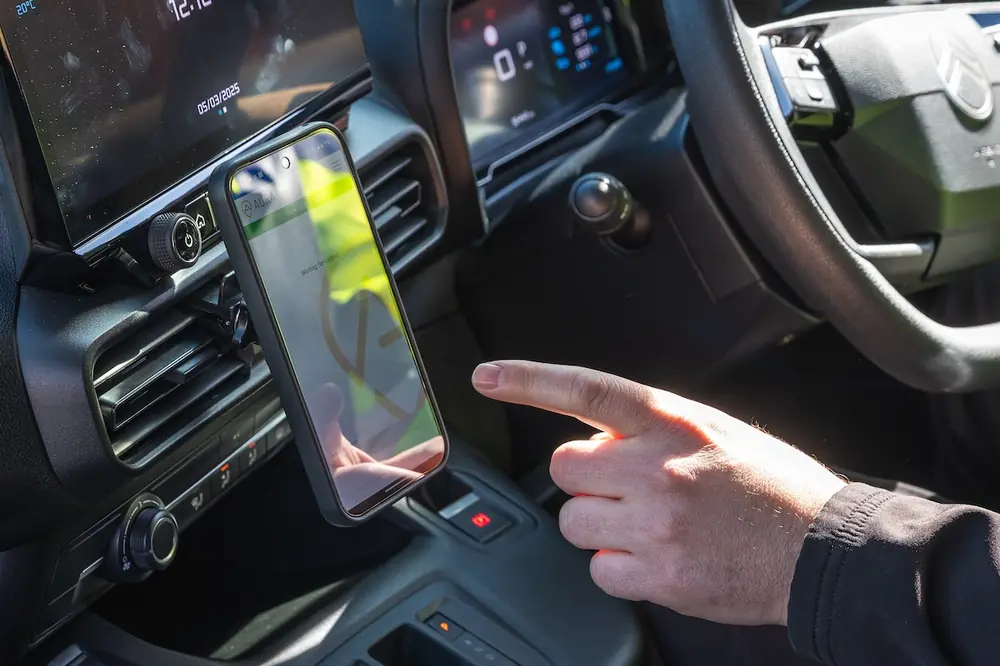
Enforcement efforts like the Move Over or Slow Down law support safety, while technology helps further reduce dangerous incidents. For instance, TxDOT developed design guidelines and resources for Smart Work Zones utilizing Intelligent Transportation Systems (ITS). The smart systems leverage information derived from the ITS equipment to improve operations within and around work zones. TxDOT offers a go/no-go decision tool to help determine if a specific Smart Work Zone system is needed at a particular location. Performance metrics from the systems inform future work zone design improvements.

| Your local Leica Geosystems Inc dealer |
|---|
| Laser Specialist inc |
For educational outreach, TxDOT employees go beyond traditional means. When traffic barrels and cones no longer meet safety standards, employees repurpose them — outside of working hours — to create sculptures that spark conversations about safety.
In 2026 in San Angelo, Texas, employees debuted Tex, a cowboy‑themed traffic cone man designed to reflect the cowboy culture celebrated during the San Angelo Rodeo. The sculpture sports a cowboy hat and a sign that says, “Slow down y’all!” Sculptures created in other areas of the state have included dinosaurs, a rattlesnake, alligator, squid, and a rocket.
Other organizations throughout Texas also support work zone safety through various efforts, including a Work Zone Traffic Control course offered by the Texas A&M Engineering Extension Service (TEEX).
For construction firms, a safety incident is a multi-layered disaster. Beyond the tragic human cost, a single work zone intrusion can result in project delays, insurance premium hikes, and a damaged reputation among potential employees and clients.

| Your local Wirtgen America dealer |
|---|
| Brandeis Machinery |
How can you mitigate these risks?
“Improving safety in construction work zones demands a comprehensive approach, one that combines physical separation like concrete and movable barriers, automated speed enforcement, traditional traffic controls such as flagging and signage, and real-time digital alerts that keep drivers informed and workers protected,” said Rocky Moretti, TRIP’s Director of Policy and Research. “It is important that work zone strategies are fully implemented by adequate planning and design, which leads to less casualties and accidents.”
Each spring, National Work Zone Awareness Week — a campaign founded by the American Traffic Safety Services Association, the American Association of State Highway and Transportation Officials, and the Federal Highway Administration — brings attention to work zone safety. But protecting workers and your business requires constant effort. By combining enforcement tools with rigorous internal safety protocols, contractors can ensure that the men and women building the future of Texas return home safely after every shift.