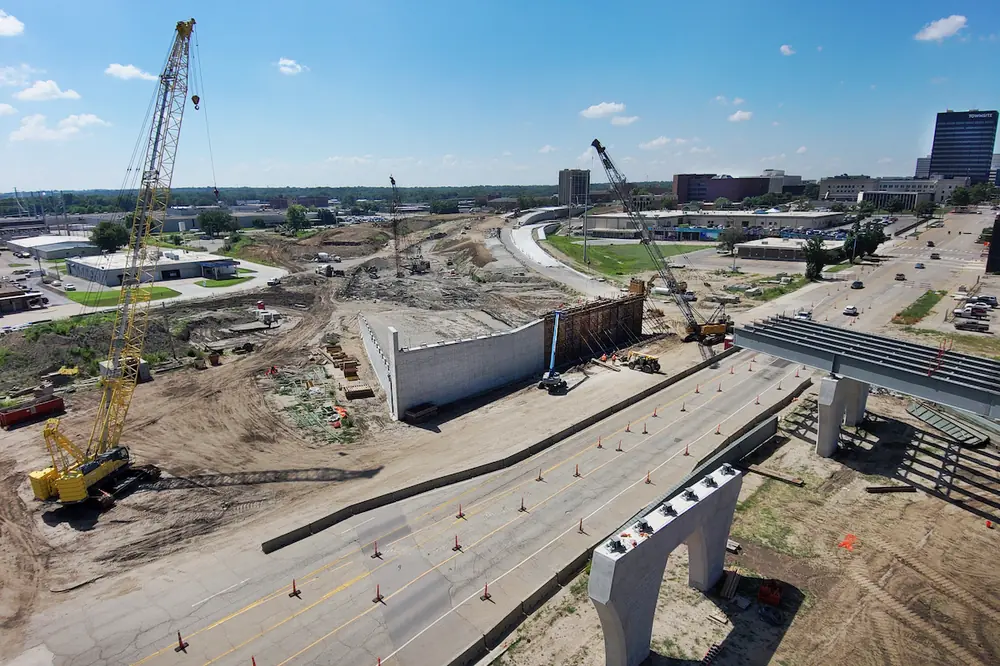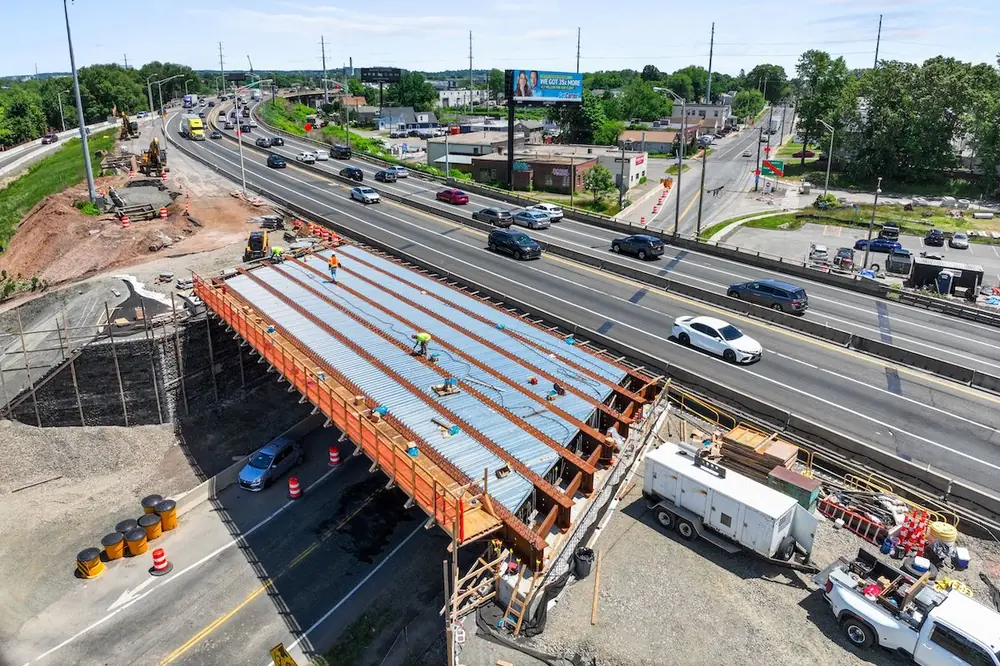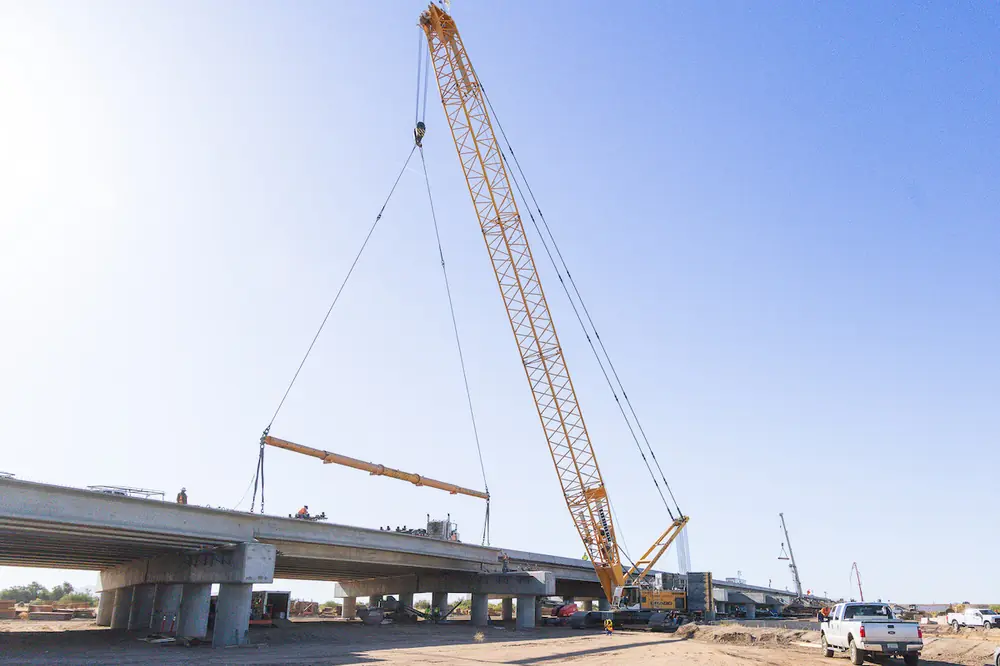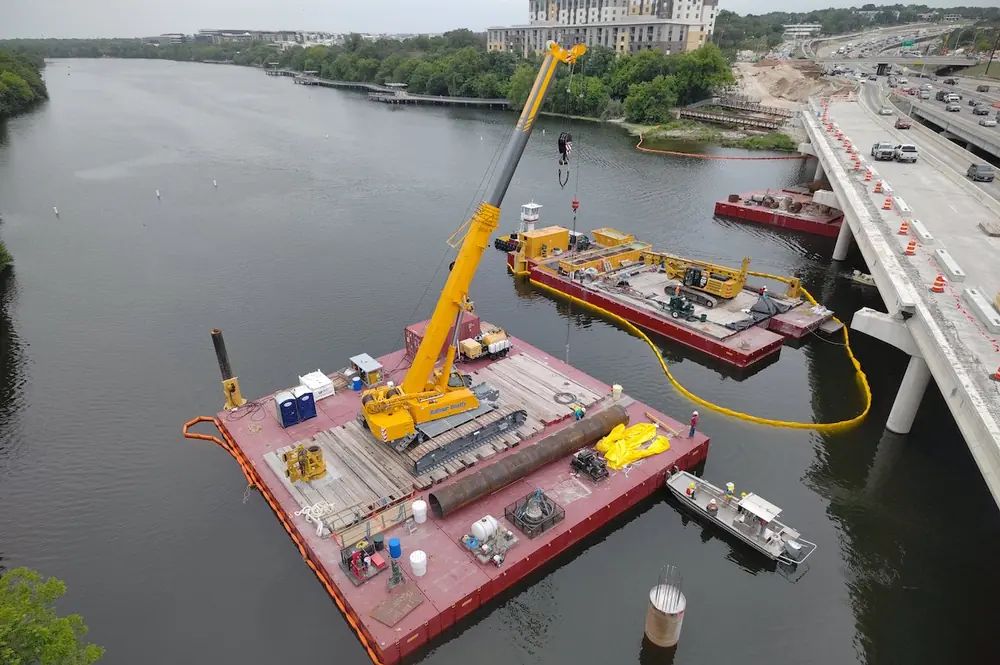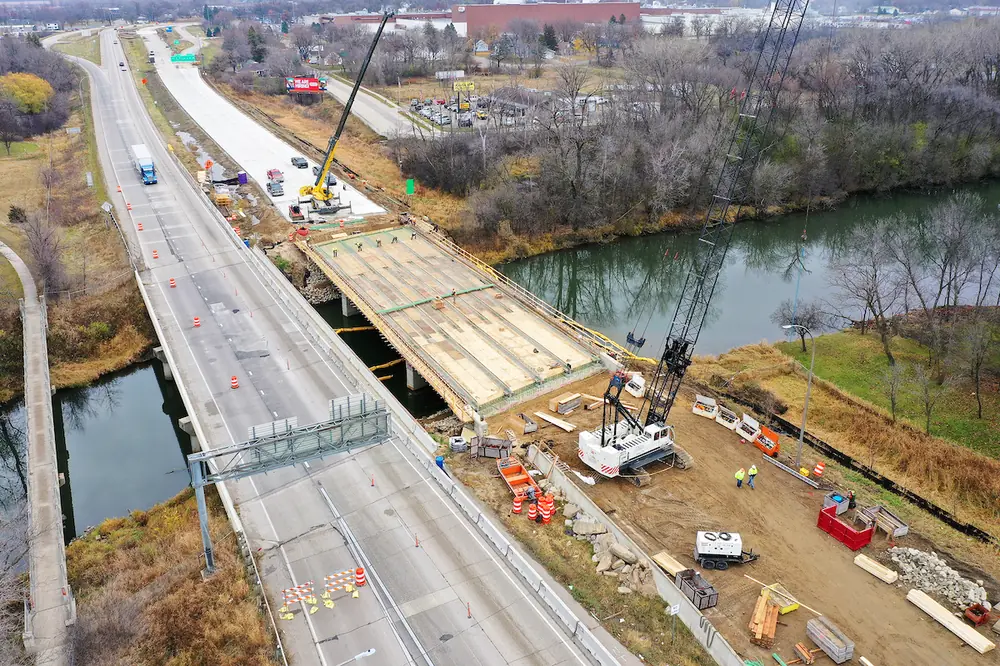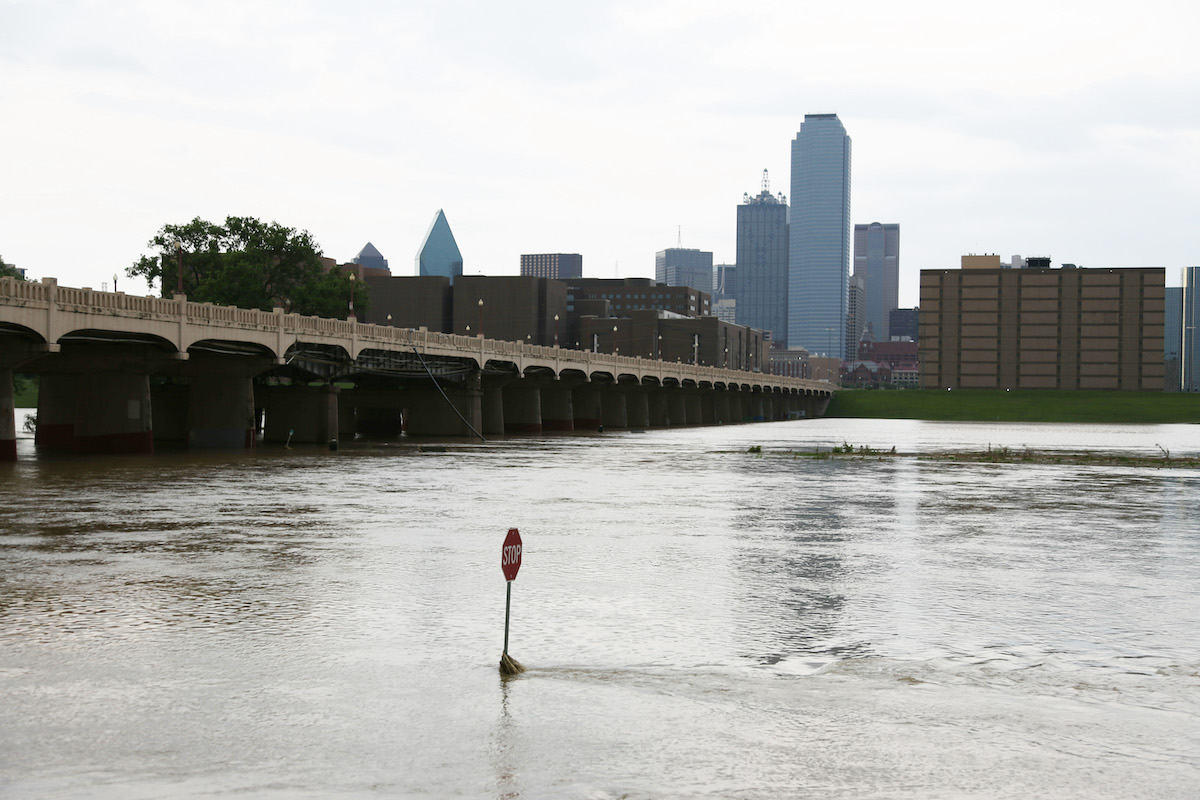
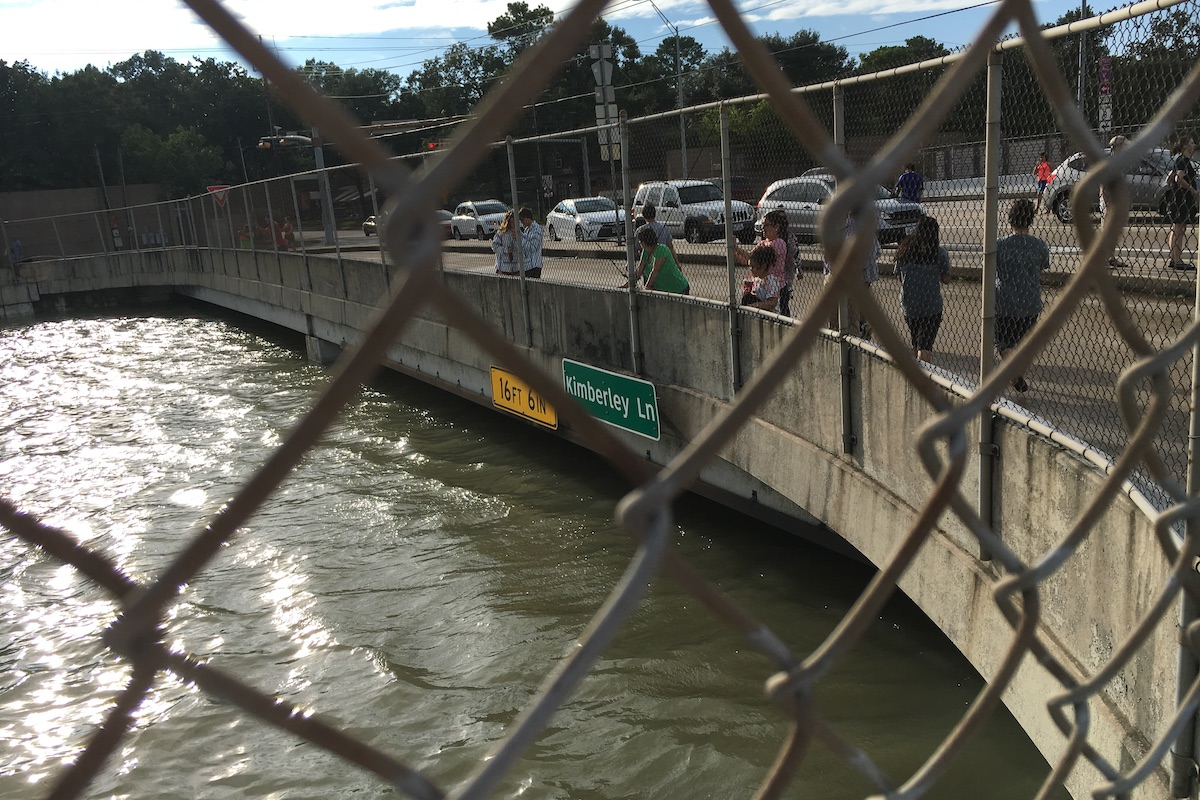
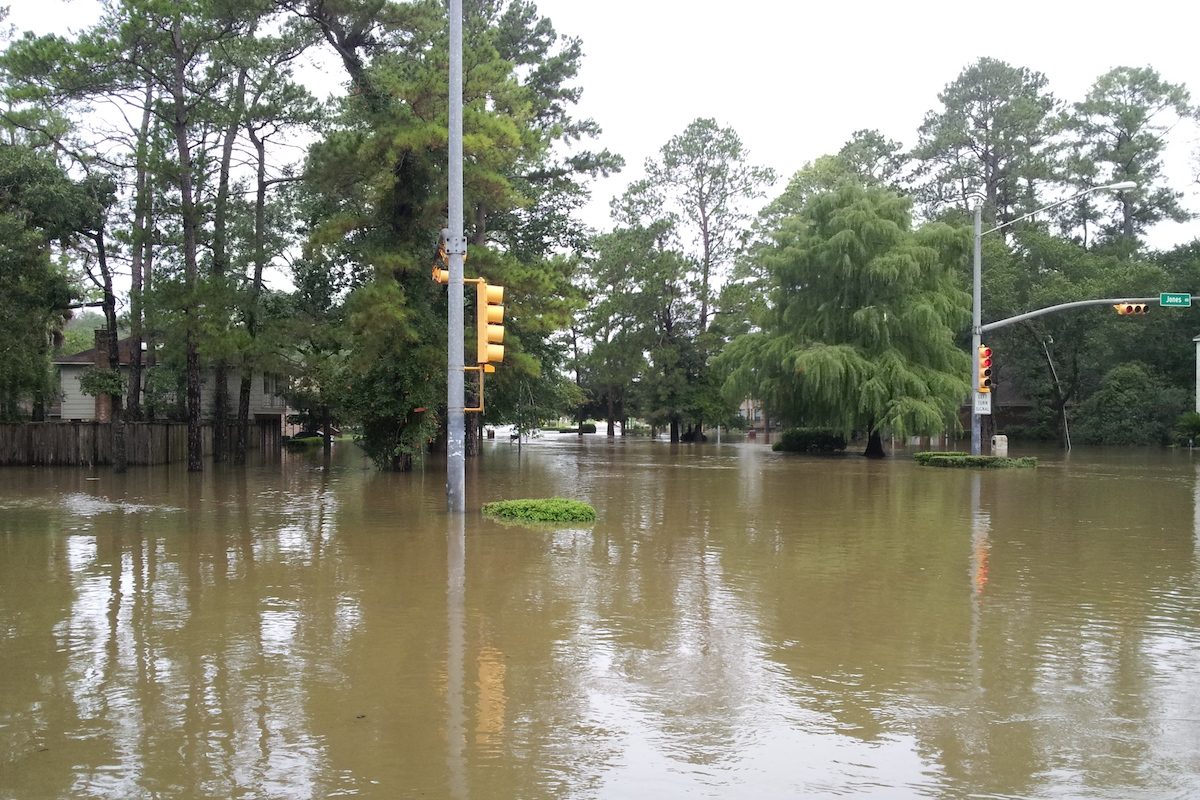
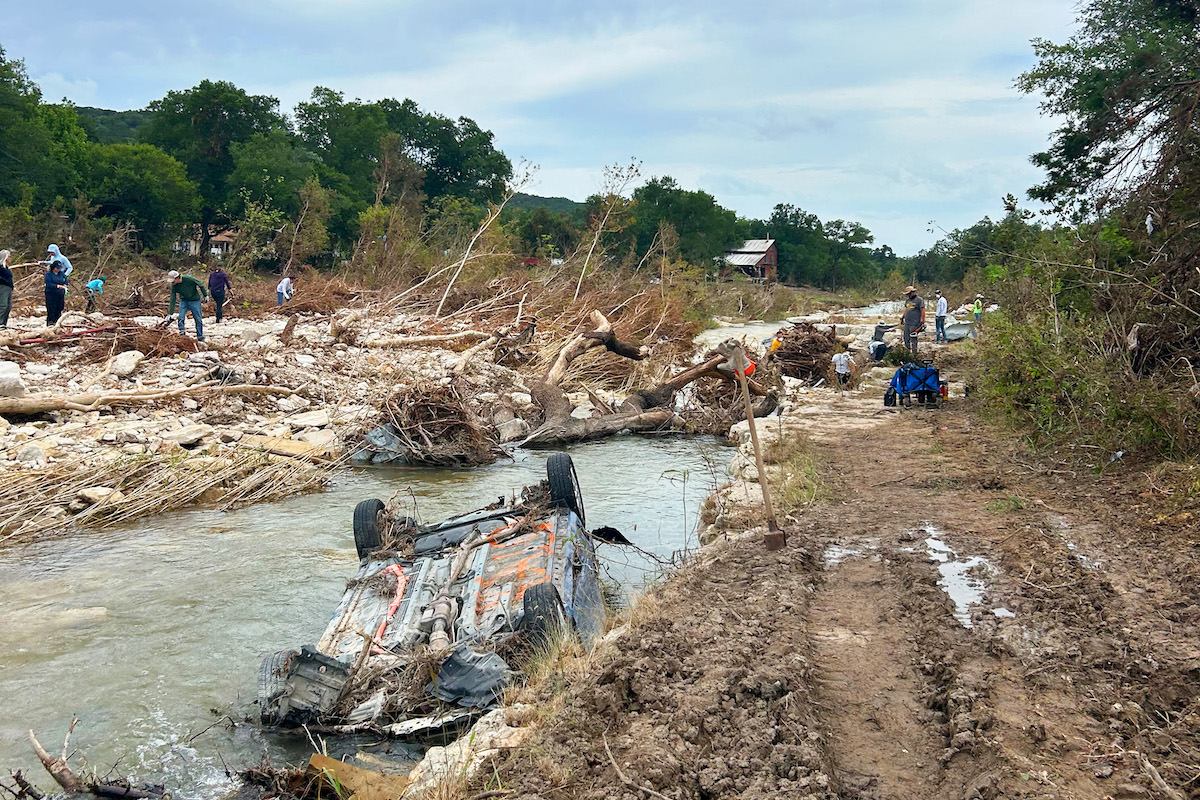

Large swaths of Texas, a state that I love, are still recovering from floods that claimed lives, swept away livelihoods, fractured communities, and damaged critical infrastructure. That is a hard reality to face. In some ways, an even harder truth is that I could have written these words last year. Or the year before. From 1980 through 2024, Texas logged 190 weather-related disasters costing $1 billion or more, the highest tally in the country.
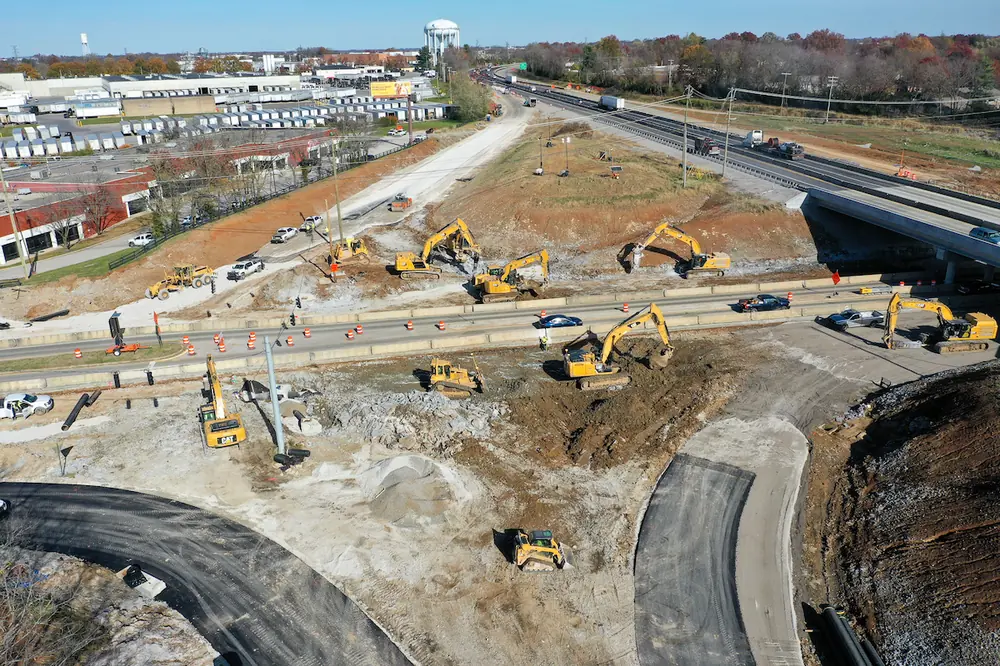
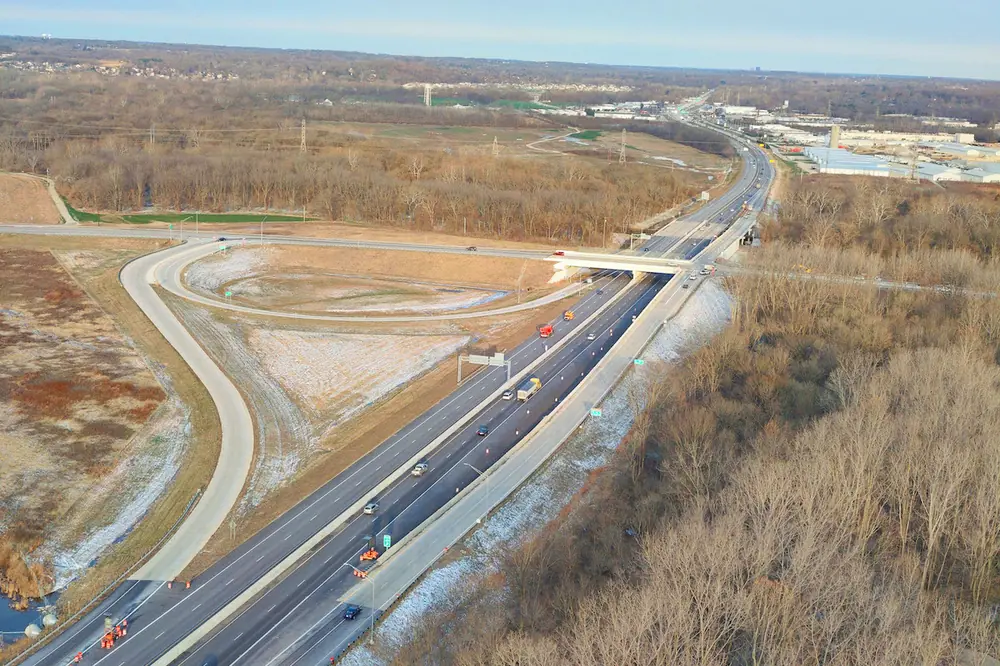
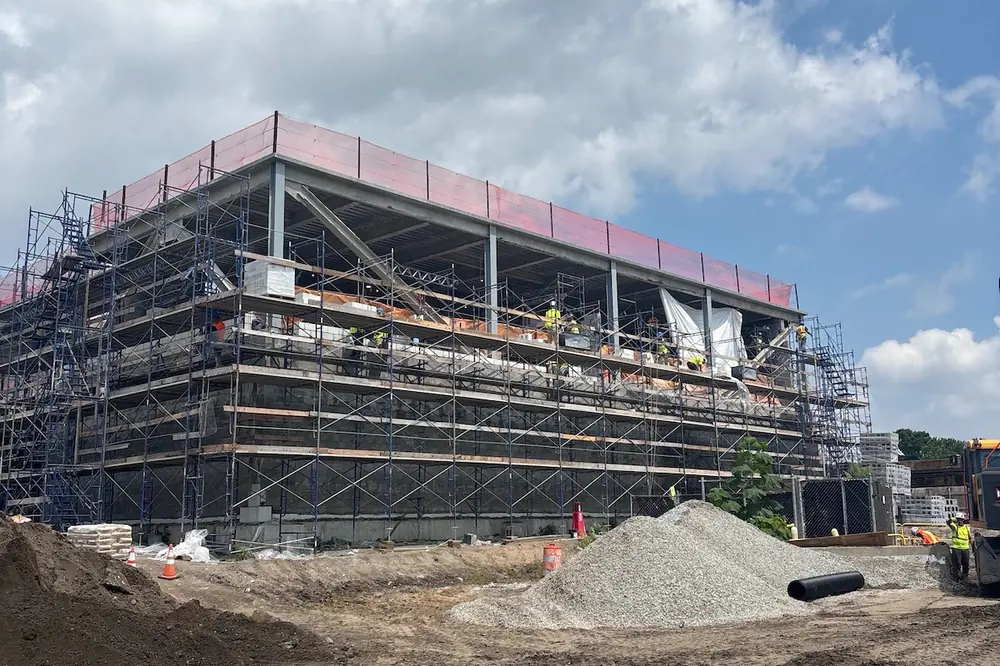
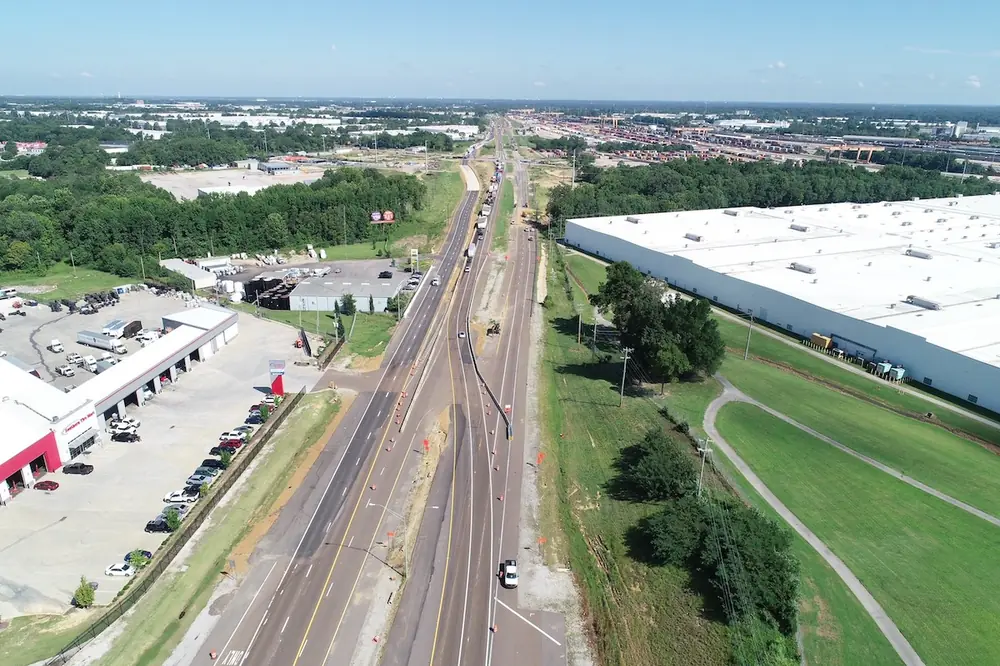
Rain might be unavoidable, but flooding can be prevented. Our choices around development can make a difference. Texas is rapidly developing, yet new roads, subdivisions, homes, commercial buildings, and supporting infrastructure are often built from impervious materials that don’t absorb water. The issue is compounded when heavy rains exceed what the soil can absorb and what sewer systems can process.
The choices we make now can help determine a different outcome in the future. Contractors have a critical role to play.
Protecting construction sites from flood risks and building resilient infrastructure starts with understanding what went wrong — and making better choices to prevent it from happening again.

| Your local Sennebogen LLC dealer |
|---|
| Brandeis Machinery |
Both weather and development patterns are changing. To use limited resources wisely and avoid costly surprises, contractors need to pinpoint potential pain points and vulnerabilities before construction begins. Identifying where flood-prone areas are, and analyzing these so-called “repetitive loss areas” helps contractors understand where to focus limited resources for the greatest return on investment.
Technology can help. Geographic Information System (GIS) tools can overlay multiple data layers — including topography, soil permeability, drainage infrastructure capacity, and historical flood claims — to create comprehensive risk profiles for specific sites. This can pinpoint places where stormwater controls or drainage tie-ins may need to be strengthened to protect the project. Augmented reality tools now allow property owners and contractors to experience accurate 2D or 3D renderings of potential flood scenarios. It’s one thing to analyze a paper map — and another to walk around with your phone and see how quickly an area might be underwater.
Engaging with regional flood control districts and municipal stormwater management departments can provide insights into planned infrastructure improvements, known drainage deficiencies and potential regulatory changes. Conducting site-specific hydrological assessments that model various storm scenarios, analyzing how proposed grading and development will affect water flow patterns, and coordinating with engineers to design appropriate drainage solutions can help ensure projects not only meet current code requirements but also withstand increasingly intense precipitation events that Texas has experienced in recent years.

| Your local Wirtgen America dealer |
|---|
| Brandeis Machinery |
Most construction standards were established years ago and aren’t designed for today’s realities. We need new approaches. That can mean incorporating stormwater solutions directly into design and sitework.
Permeable pavement can reduce runoff in walkways and low-traffic parking areas where subgrade conditions and loading requirements support its use. Even modest grading adjustments can redirect water away from foundations, utilities, access points, loading docks, and other critical areas of a project. Detention and retention basins can temporarily hold stormwater during peak events. Drainage swales and channels can slow water and guide it toward safe discharge points.
Engineers and risk assessment firms can help contractors educate clients on how resilience measures reduce long-term costs and insurance premiums, making the business case for higher upfront investments in flood mitigation.
Adaptation also means equipping project teams with new tools. Predictive analytics can forecast flood behavior hour-by-hour, using indicators like water volume and speed to provide a clearer picture of how storms may affect the work. When teams understand how a site is expected to respond to heavy rain, they can make more confident decisions in the moment and deliver projects that continue to perform reliably long after construction is complete. That kind of insight can make the difference between a quick recovery and a costly setback when the next storm hits.

| Your local Atlas Copco CMT USA dealer |
|---|
| Brandeis Machinery |
How we approach infrastructure development can help or can contribute to the challenge. Decisions in one area can have unexpected and surprisingly wide knock-on effects. That’s why we need greater collaboration to develop integrated flood management approaches. Whether using traditional models or design-build approaches, resilience should be a topic on every team’s agenda. When project teams share information early and work closely with local officials, the risk of late-stage redesign drops substantially.
Contractors can build competitive advantages and strengthen their market position by proactively collaborating with multiple stakeholders on flood resilience strategies. Partnering with civil engineers, hydrologists, and landscape architects during the design phase allows contractors to offer clients comprehensive solutions that address drainage holistically rather than treating it as an afterthought, positioning the contractor as a value-added partner rather than simply a builder.
Strategic alliances with knowledgeable engineers and suppliers of innovative drainage products, permeable paving systems, and resilient infrastructure solutions enables contractors to differentiate their services and capture the growing market for sustainable, adaptive construction. When positioned as a knowledgeable resource that coordinates across disciplines, contractors can win more bids, reduce costly change orders and delays, and help mitigate risk in ways that strengthen client relationships and firm reputation.

| Your local Case Construction Equipment Inc dealer |
|---|
| Birkey's Construction Equipment |
This isn’t just an issue for Texas. Communities across the country are vulnerable to similar unintended consequences of growth, as well as the impact of aging infrastructure, poor infrastructure maintenance, and a changing climate. A Senate report estimates that flooding costs the U.S. economy $179.8 billion to $496 billion per year (2023 dollars), and $70 billion to $345 billion in infrastructure upgrades are needed for flood protection.
By taking action now, contractors and their partners can enhance preparedness and build trust — key ingredients for reducing the impact of future storms.
Photos courtesy of WSP in the U.S.