

In 2014, New York City launched its 80×50 initiative, setting a goal to cut greenhouse gas (GHG) emissions 80 percent by 2050. Five years later, New York State advanced a broader framework through the Climate Leadership and Community Protection Act (CLCPA) — mandating an 85 percent statewide reduction in GHG emissions by 2050 and 100 percent zero-emission electricity by 2040. Together, these commitments form one of the nation’s most ambitious climate agendas.
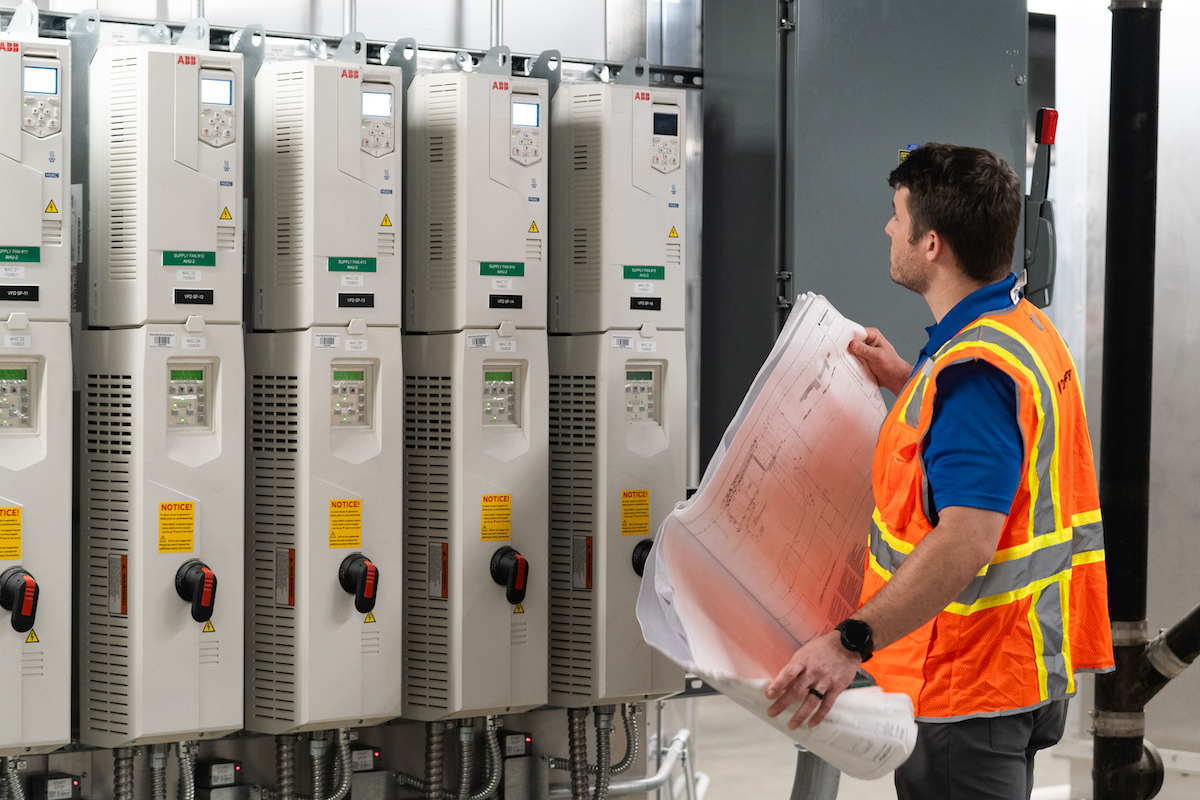
Within New York City, the path to meet these goals begins with addressing operational carbon — the GHG emissions generated from the day-to-day operations of buildings, primarily from the energy used for heating, cooling, and lighting. Unlike the U.S. as a whole, where buildings account for roughly one-third of total emissions, New York City’s density pushes that share to more than two-thirds — making buildings a well-suited target for achieving meaningful reductions.
Since 2009, New York City has taken steps to reduce operational carbon through a series of local laws focused on benchmarking, energy audits, retro-commissioning, submetering, and lighting upgrades, pushing building owners toward greater performance transparency and energy efficiency. Following these earlier requirements comes Local Law 97, the city’s most sweeping operational carbon regulation to date.
Enacted in 2019, Local Law 97 is the cornerstone policy of New York City’s climate agenda. It creates a regulatory framework for cutting emissions by setting carbon caps on most buildings larger than 25,000 square feet (roughly 50,000 properties citywide) and establishes defined timelines for compliance. The first compliance period began on January 1, 2024, and runs through 2029. Stricter limits take effect in 2030 and will continue tightening in succeeding periods. Buildings that fail to comply face fines.
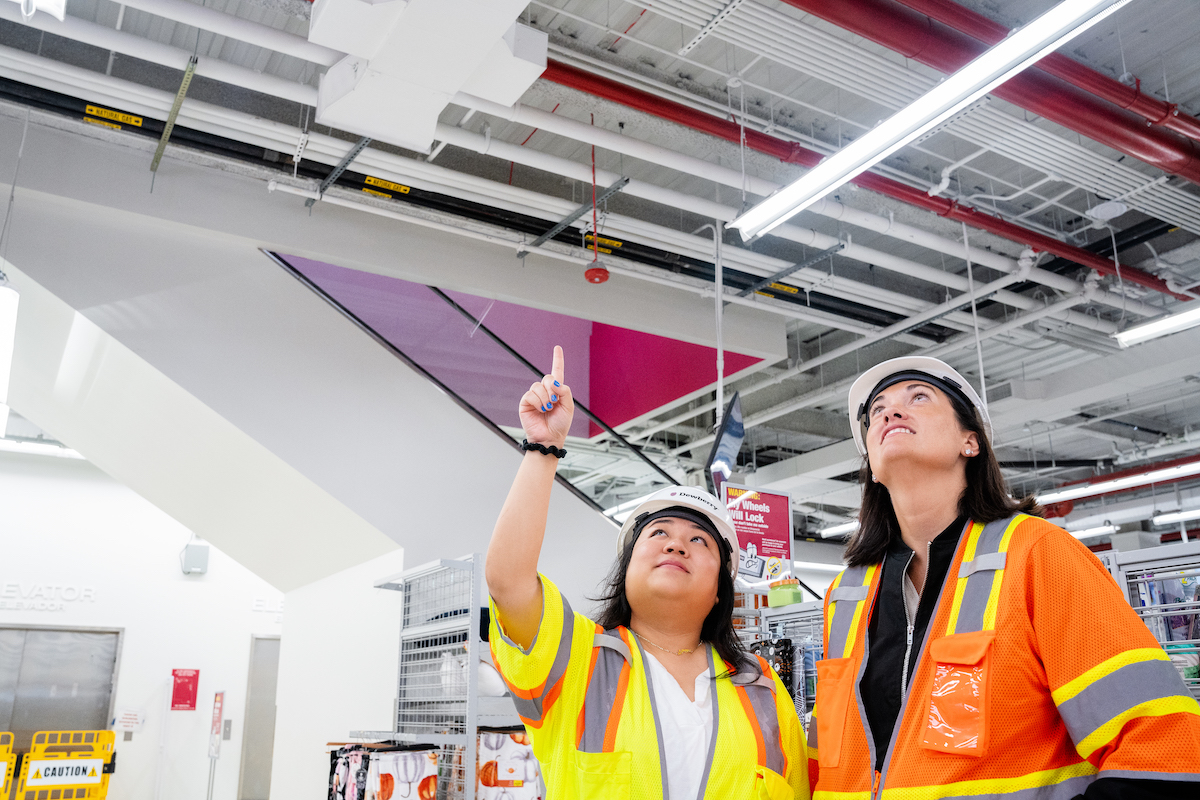
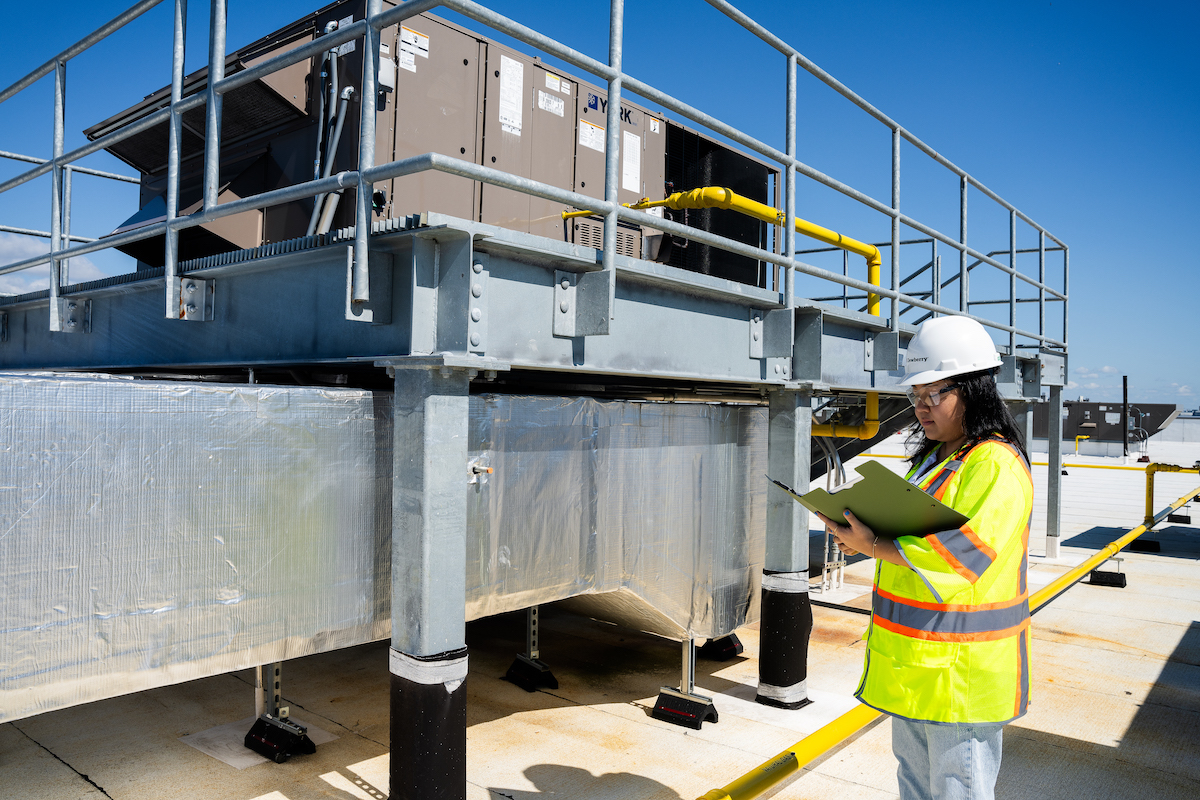
Local Law 97 is reshaping demands for how buildings are modernized, placing construction firms in a pivotal role. Building owners will increasingly need contractors who can deliver energy upgrades, system retrofits, and other improvements that keep properties in compliance. Understanding these requirements — and the broader trend toward performance-driven construction — offers contractors an opportunity to not only stay competitive, but to lead. Partnering with decarbonization and sustainability consultants can help contractors manage compliance standards, reduce project risk, and stand out in the rapidly growing market for decarbonization construction.

| Your local Manitou dealer |
|---|
| Star Equipment LTD |
As operational carbon emissions are addressed through Local Law 97 requirements, embodied carbon is emerging as the next major source of building-related emissions — and the next frontier in New York’s decarbonization strategy.
Embodied carbon refers to the GHG emissions associated with the entire life cycle of building materials — from raw-material extraction and manufacturing to transportation, installation, maintenance, and end-of-life disposal. As operational emissions fall through efficiency improvements, embodied carbon represents a growing share of total building-related emissions.
On construction sites, embodied carbon comes into play with the choices that project teams make regarding materials, the design decisions that influence material quantities, and — to a lesser extent — construction means and methods.
Across public-sector projects in New York City and New York State, the use of lower-carbon materials is becoming a greater priority. New York City now requires environmental product declarations (EPDs) — standardized documents that report the verified environmental impacts of a product — for concrete and steel on capital projects, giving teams clearer visibility into the carbon profile of common building materials. New York State’s “Buy Clean Concrete” guidelines establish global warming potential (GWP) limits for concrete used on qualifying state-funded construction projects. GWP refers to a numerical measure of a material’s embodied carbon based on the emissions associated with its production.

| Your local Leica Geosystems Inc dealer |
|---|
| Laser Specialist inc |
Whole-building life cycle assessments (LCAs) are also becoming more common as teams seek a clearer picture of total embodied carbon. The framework evaluates the environmental impacts of the materials and products used in a project over their life cycle, helping designers and builders compare design options and identify where material-related emissions can be reduced.
At both state and local levels, policy and agency momentum is providing clear support for advancing lower-carbon construction practices, reinforcing the recognition that material choices are essential to meeting New York’s climate commitments.
For example, New York City Executive Order 23 (2023) directs city capital agencies to adopt clean construction practices and use sustainable building materials, including submitting EPDs and meeting low-carbon material standards. New York State Executive Order 22 (2022) requires state agencies to prioritize sustainable procurement, including lower-carbon construction materials, to reduce the environmental impact of state-funded projects.
Major agencies are supplying further guidance. The Port Authority of New York & New Jersey’s Clean Construction Program requires contractors on large capital projects to submit EPDs, use lower-carbon materials, support project LCAs, and report construction emissions. Similarly, the Metropolitan Transportation Authority Clean Construction Program requires EPDs on select projects, integration of LCAs into project planning, the use of low-carbon materials, and reporting on equipment-related emissions.

| Your local Trimble Construction Division dealer |
|---|
| SITECH Midway |
| SITECH Mid-America |
| SITECH Central LLC |
Similar to the responsibilities of addressing operational carbon under Local Law 97, New York’s evolving embodied carbon landscape is defining a clear role for contractors to fulfill. As the key link between design intent and material delivery, contractors are responsible for implementing specified low-carbon requirements through procurement decisions and construction practices that align projects with embodied-carbon goals.
In practice, this includes documenting and reporting material-related carbon data during construction, integrating EPDs into submittal and procurement workflows, and working closely with suppliers and manufacturers to identify feasible low-carbon alternatives. It also requires coordination with engineers to validate substitutions while maintaining performance standards. By maintaining accurate and transparent carbon-tracking records, contractors can help building owners meet documentation requirements and strengthen their position in a market steadily moving toward greater embodied-carbon accountability.
Contractors can take steps to prepare for these developing expectations. It starts with the essentials — understanding the key terms, including what EPDs are and how they inform material choices. Early engagement with engineers and sustainability consultants can help clarify plans, expectations, and procedures. Additionally, shared LCA tools provide access to actionable data and support carbon-smart choices during material specification and procurement.
Contractors can also improve readiness by developing standardized communication and data-sharing practices related to material carbon. Establishing systems for cataloging and organizing EPDs — and knowing where to source low-carbon alternatives — helps streamline procurement. Tracking construction-phase emissions rounds out the picture and positions contractors to meet emerging documentation and compliance requirements.

| Your local Gehl Co dealer |
|---|
| Star Equipment LTD |
New York City and State are setting the pace for sustainability and decarbonization, and their influence is already shaping the broader construction market. As public agencies adopt stricter procurement standards, embodied-carbon disclosures are becoming a routine part of specifications and bid documents. These shifts are prompting greater alignment across the industry, with agencies, designers, and contractors increasingly approaching projects through the lens of full life cycle carbon performance.
Further momentum is coming from the New York State Embodied Carbon Working Group, which recently issued near-term recommendations outlining practical next steps for reducing embodied carbon in construction. The guidance signals a broader view of material impacts — one that is expected to expand beyond concrete and steel to include glass, wood, brick, and other commonly used building materials. While current requirements apply mainly to agency projects, the trajectory suggests that LCAs and embodied-carbon reporting could become standard practice on a wider range of construction projects.
Expanding from operational-carbon reduction to embodied-carbon management marks the next stage of New York’s climate strategy. Contractors who prepare for this shift will be well-positioned to lead as expectations continue to broaden across the construction market.
David Nowak, ENV SP, LEED AP, is a Senior Project Scientist for Dewberry based in New York City. He has more than 15 years of environmental consulting experience with a focus on helping clients advance and promote sustainability and decarbonization initiatives.