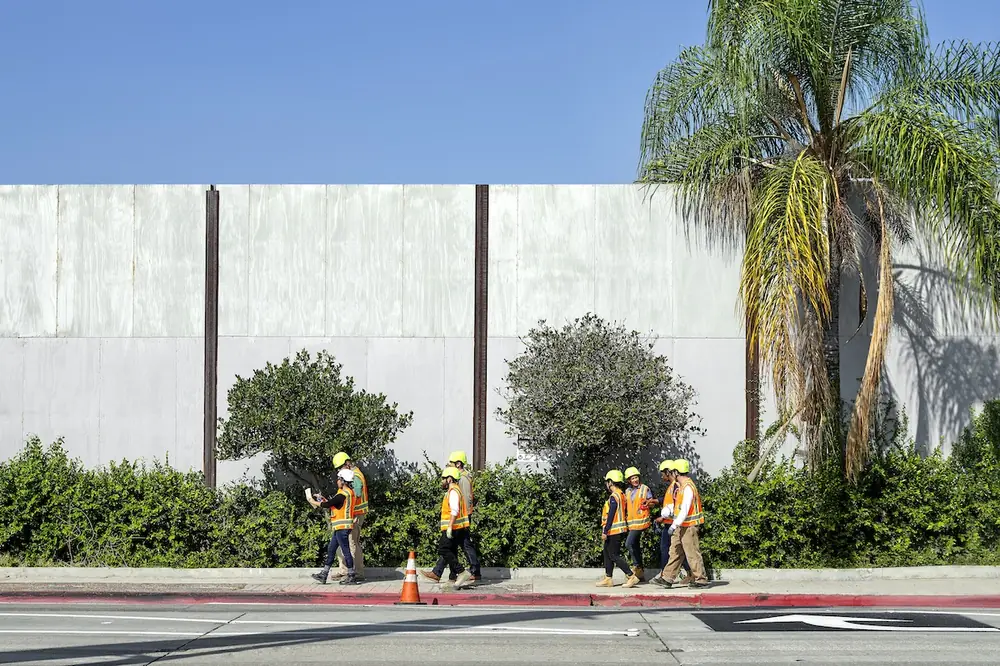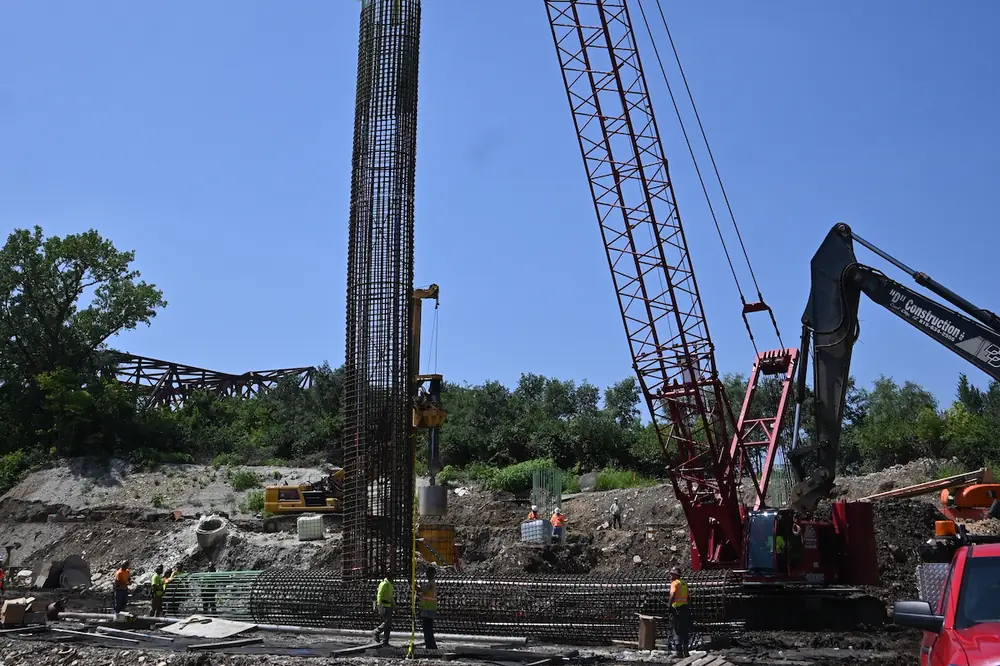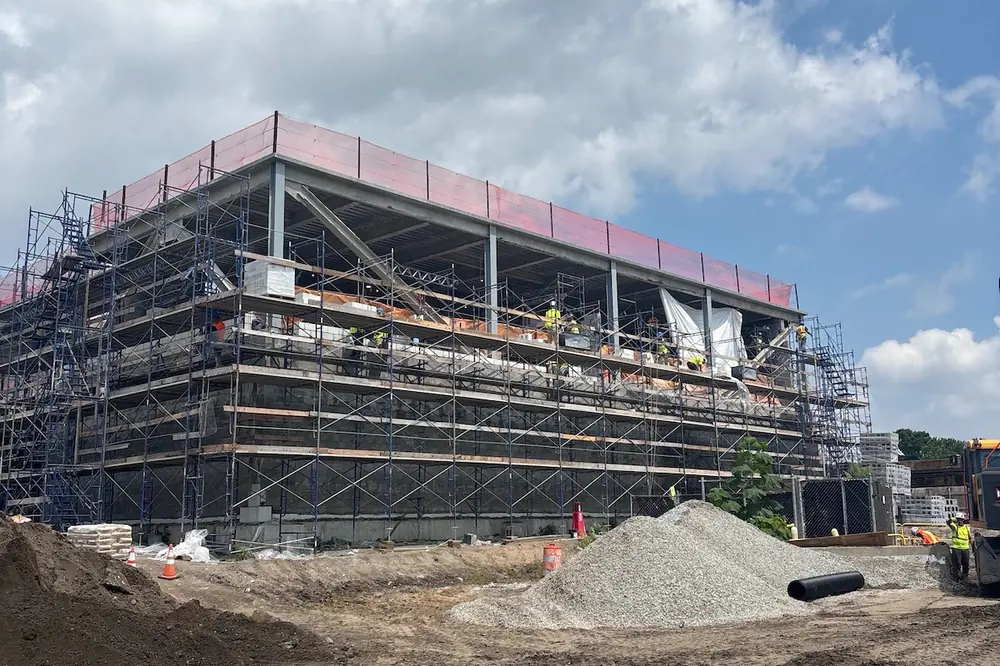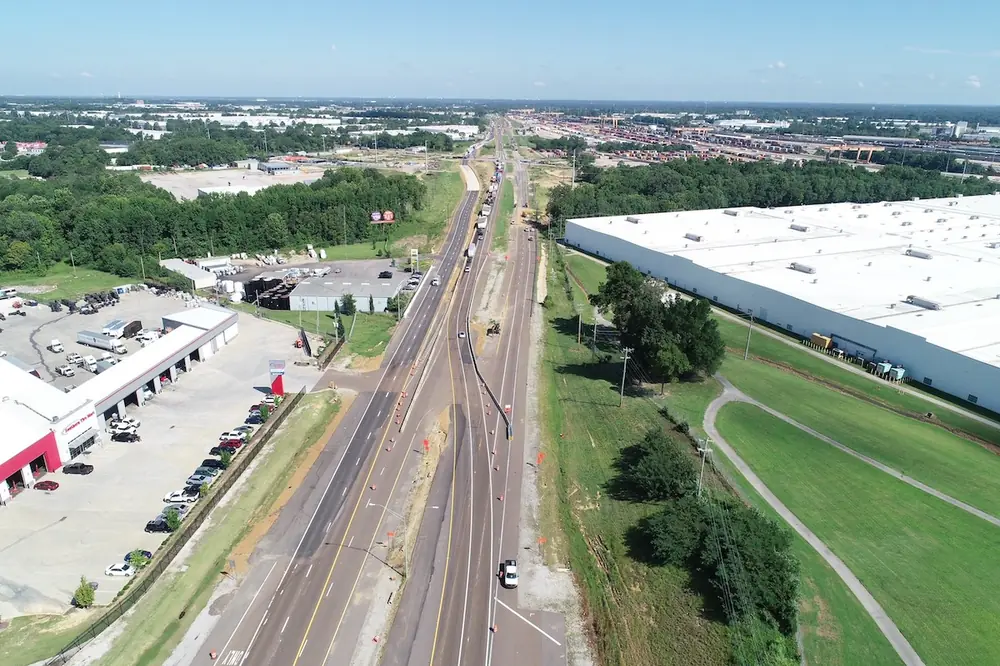

Every job site tells a story. Data just helps us listen better.
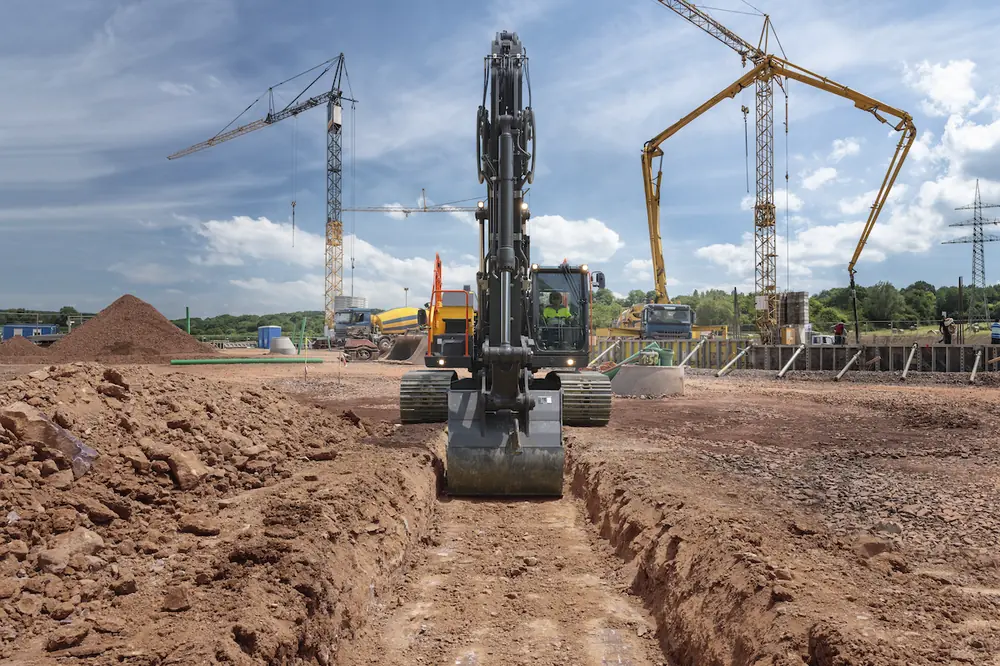
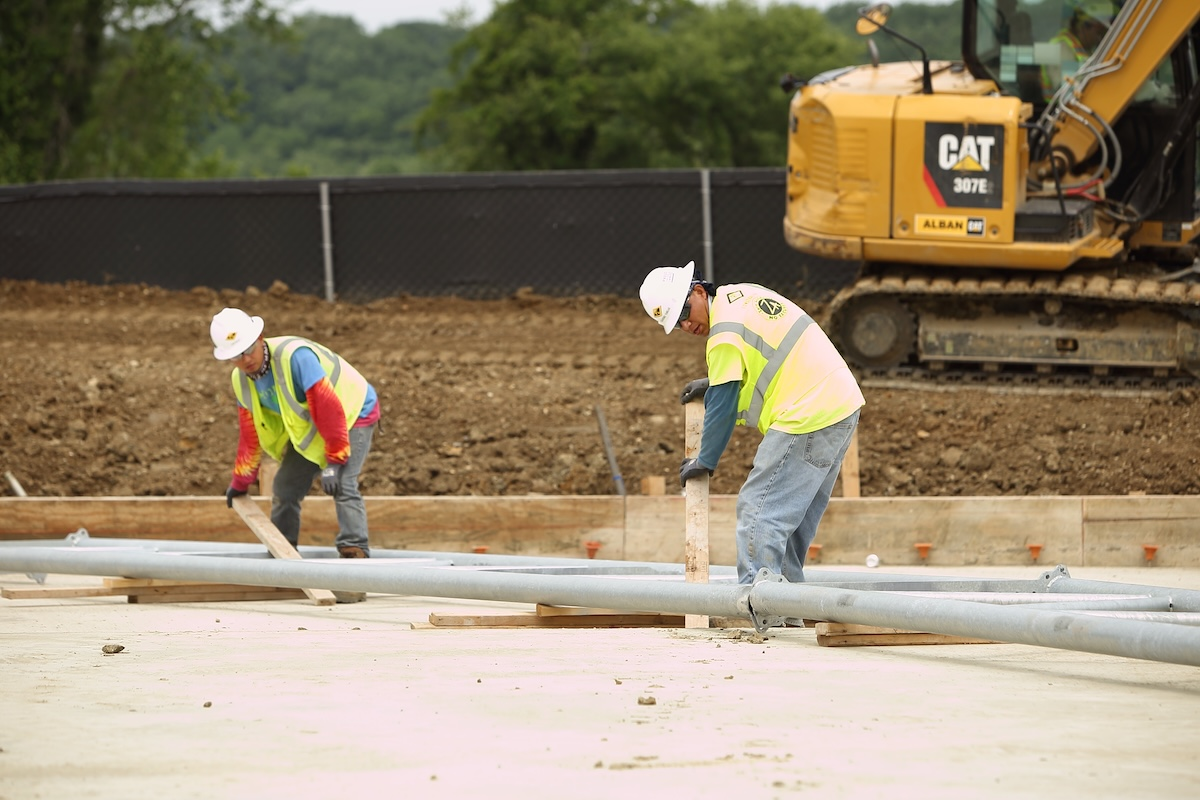
Anyone who spends time on a civil or infrastructure site knows where risks lie. They see them play out daily. The same types of events repeat themselves: strains during manual handling, slips on uneven ground, contact between workers and moving equipment.
None of these are new hazards. What’s new is how clearly the patterns emerge when data is connected at scale.
The recently launched “Safety at Scale 2025” industry report from HammerTech analyzed over 75,000 incidents recorded in HammerTech’s platform between 2018 and 2024. “Incidents” were defined as any unplanned event that affected, or had the potential to affect, the health and safety of people on site — from minor first-aid cases and near misses to serious, OSHA-reportable incidents.
The report found just three injury mechanisms — hitting objects with a part of the body, being hit by moving objects, and falls on the same level (including slips and trips) — account for over 60 percent of all recorded injuries.

| Your local Hyundai dealer |
|---|
| Equipment East |
Sound familiar? Environments where physical work meets complexity include shifting ground conditions, unpredictable weather, and multiple crews working simultaneously.
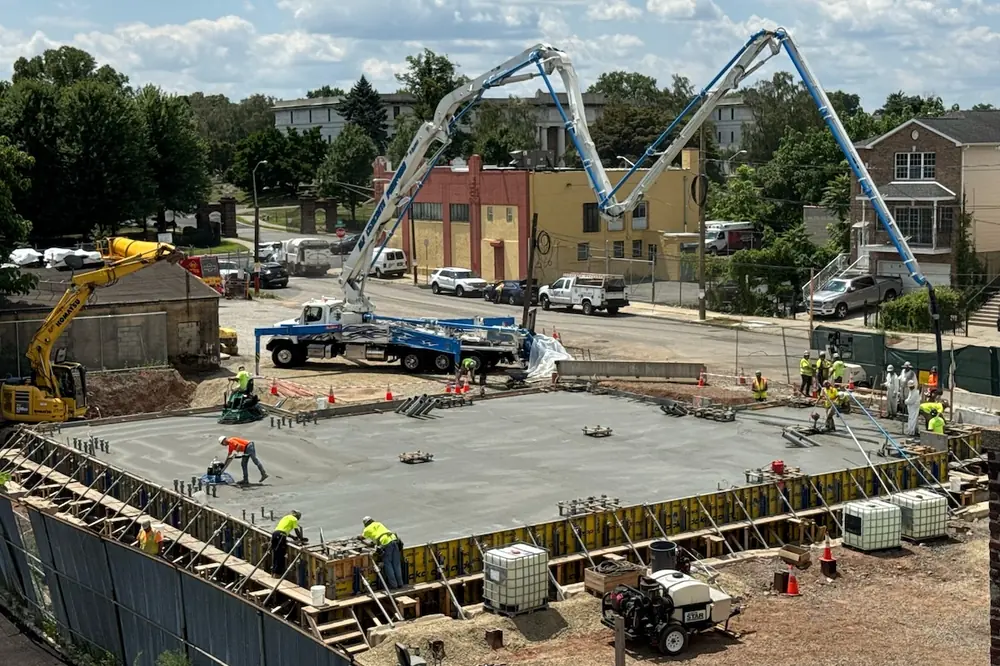
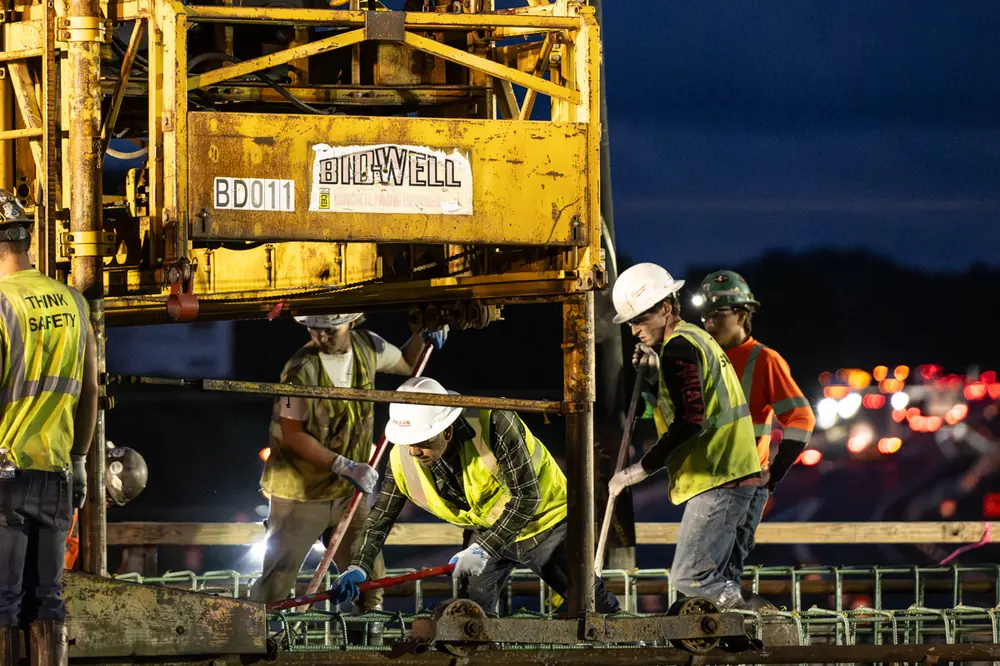
Injuries often occur in the most routine moments — moving formwork, shifting materials, or stepping between zones. Anyone who’s worked civil knows how quickly those moments can change with weather, sequencing, or crew movements.
One of these three injury mechanisms, hitting objects with a part of the body, is most closely associated with manual handling and contact injuries. These can be worsened by fatigue, uneven ground, or changes in sequence that aren’t communicated downstream.
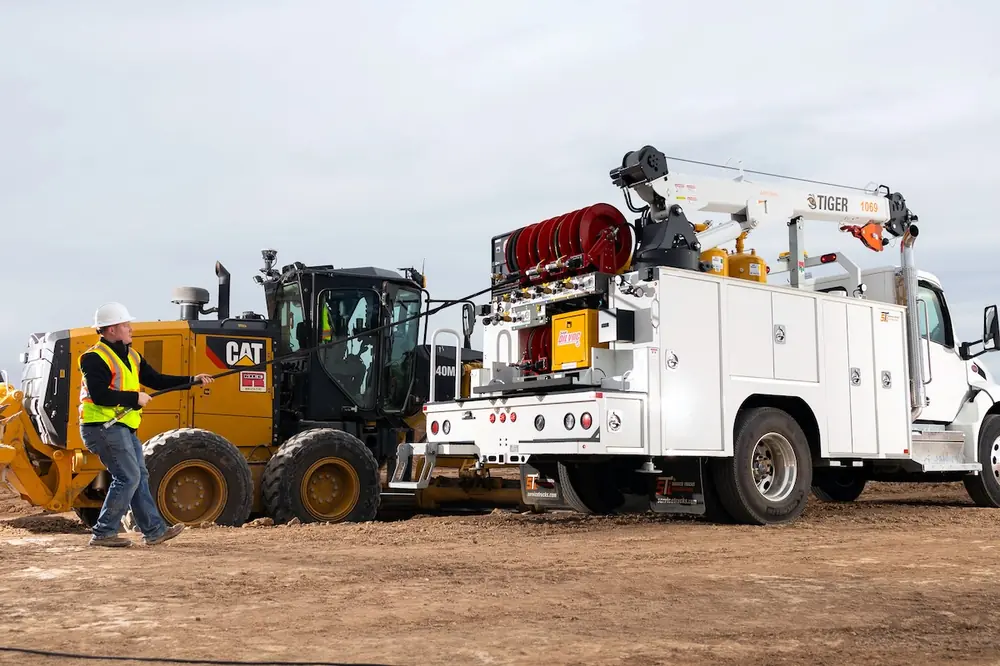
Falls on the same level rarely have a single cause. Temporary surfaces, weather conditions, and traffic from machinery can make footing unpredictable. Struck-by incidents can happen at the intersection of movement, where equipment meets people or one trade’s work overlaps with another’s.

| Your local Trimble Construction Division dealer |
|---|
| SITECH Northeast |
These are not extraordinary events but routine, everyday crew interactions. The solution lies in building safety into the flow of work, not layering new processes on top of it.
Leading contractors are finding that visibility, not volume, is the real driver of safer outcomes. When safety processes such as permits, inspections, and pre-starts live in a connected system, every action becomes structured data that can be reviewed, compared, and acted on quickly. And when information isn’t trapped in spreadsheets or inbox threads, patterns tend to surface sooner.
Connected data helps:
- Identify where sign-ons lag or where high-risk work clusters
- Reveal repeated near misses across projects
- Reduce duplication and tighten follow-up
- Focus effort on the few issues most likely to lead to harm
Some contractors now use live dashboards to:
- Track supervision coverage in real time
- Map near-miss data against task sequences to flag fatigue or workflow clashes
- See where safety and operations intersect to enable faster decisions

| Your local Esco Corporation dealer |
|---|
| Genalco |
The bottom line: The more connected the data, the clearer the picture of risk — and the faster teams can act before harm takes place.
Reporting is another area where connected systems have shifted the culture. For years, silence was often mistaken for success. Fewer reports were seen as fewer problems. The industry now understands that the opposite is often true.
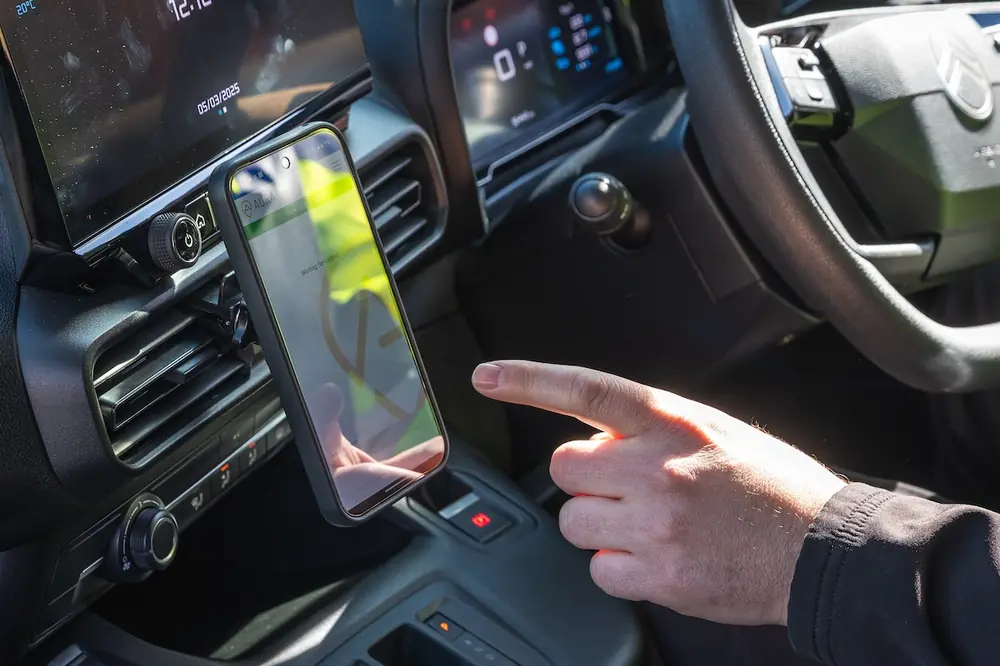
When reporting is easy, participation grows. If a worker can log an observation or hazard in under a minute from their phone, the true picture of site safety comes into focus. Workers who see their reports lead to action are more likely to keep raising issues. That’s how a transparent and resilient safety culture is built.
“Safety at Scale 2025” showed that as reporting increased across the HammerTech community, incidents involving injury fell proportionally. More data doesn’t mean more problems; it means earlier intervention.

| Your local Case Construction Equipment Inc dealer |
|---|
| Beauregard Equipment |
| Monroe Tractor |
Why does that matter?
- Ease drives engagement — Simpler reporting means more accurate data.
- Participation builds trust — When workers see follow-through, they keep contributing.
- Visibility builds accountability — Shared data turns safety into a team effort.
- Sync safety controls with work sequencing so they run in the same flow.
- Run short “start work” checks before beginning high-risk tasks.
- Schedule supervisor walk-arounds during mid-morning when focus dips.
- Auto-generate actions and photo close-outs from failed inspections.
- Use dashboards to flag unsigned documents or overdue observations.
Proactive safety doesn’t require a major overhaul. It’s about using the data you already have — like inspections, observations, or near misses — to identify where risks are trending and act before an incident occurs.
Practical ways to apply proactive safety:
Over time, these small, consistent actions create a proactive safety rhythm grounded in day-to-day site realities.

| Your local Wirtgen America dealer |
|---|
| United Construction & Forestry |
| WI Clark |
| Dobbs Equipment (SC) |
For all the progress in digital tools, the fundamentals of safety haven’t changed. People still get hurt doing familiar work in familiar ways. What’s changing is our ability to see the patterns behind those moments, and act on them while it still makes a difference.
That’s the power of connected data and proactive reporting. It turns every observation into a potential early warning and every near miss into an opportunity to learn and act. The goal isn’t just to lower incident rates. It’s to make every hour on site, every lift, every load, and every crossing a little more predictable and a lot safer.
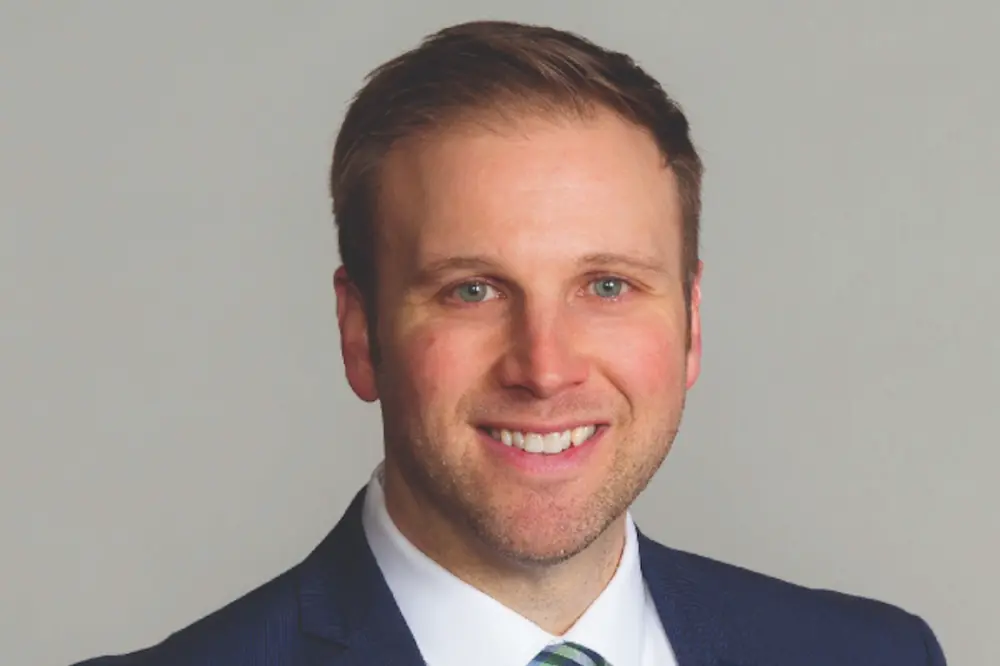
Dylan Hipple, CSP, CHST, a Senior Customer Success Manager at HammerTech, has nearly a decade of experience across construction, insurance, safety consulting, and technology.