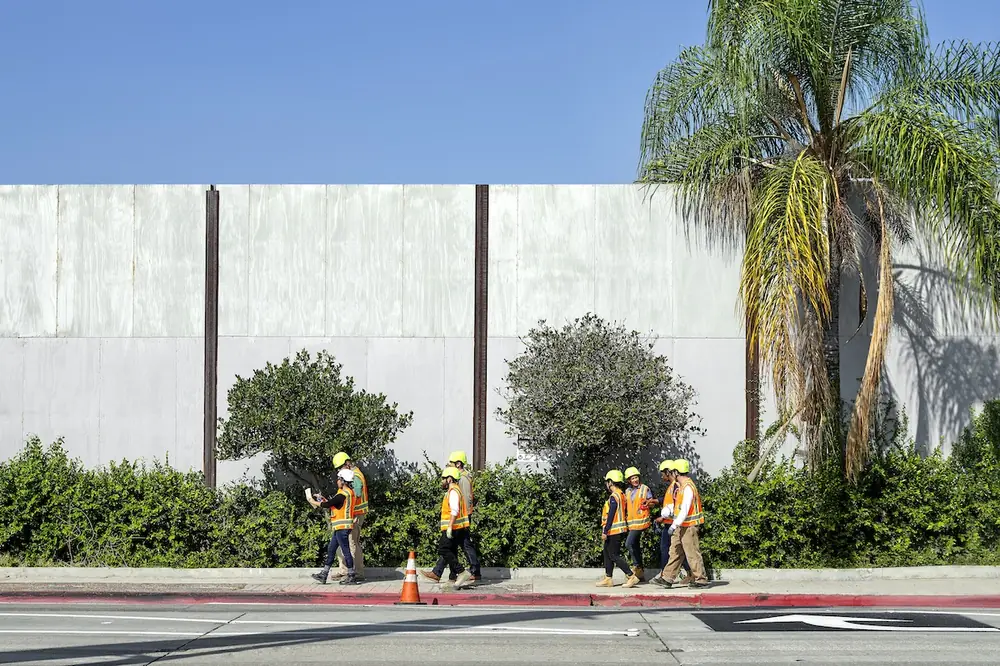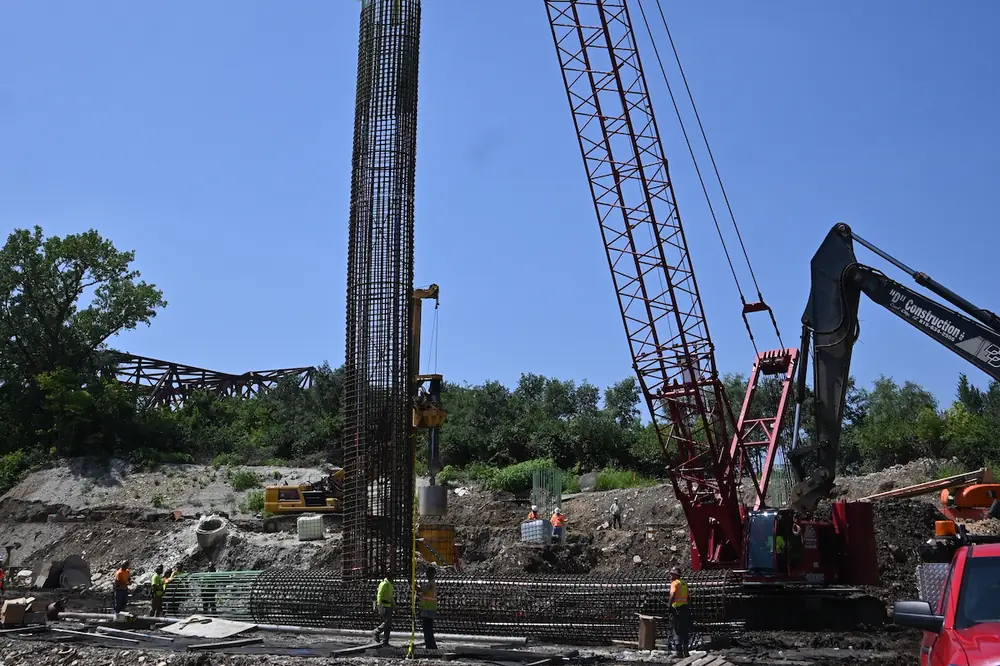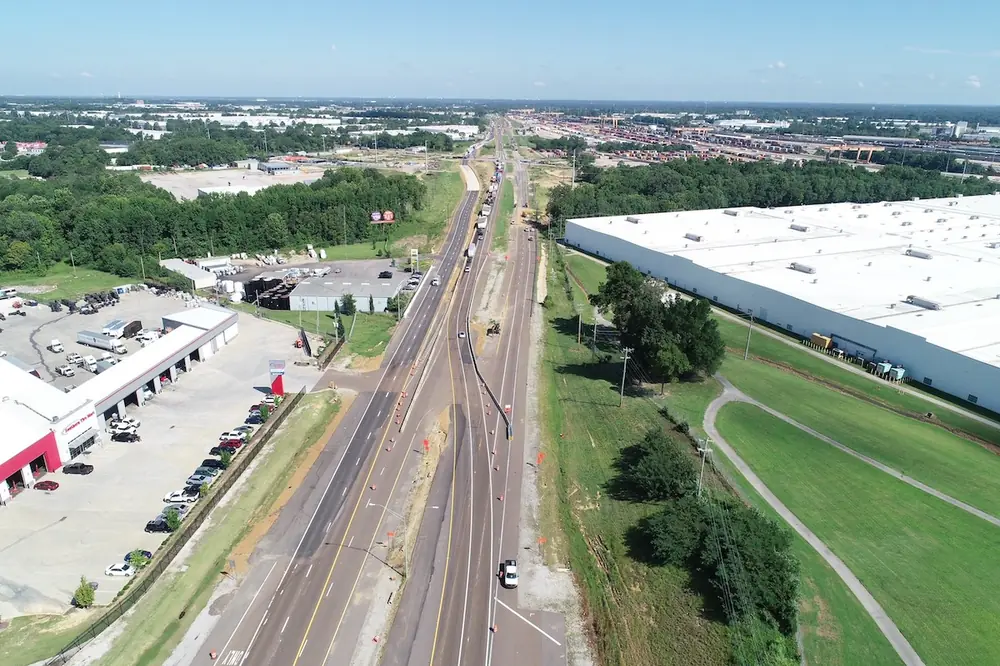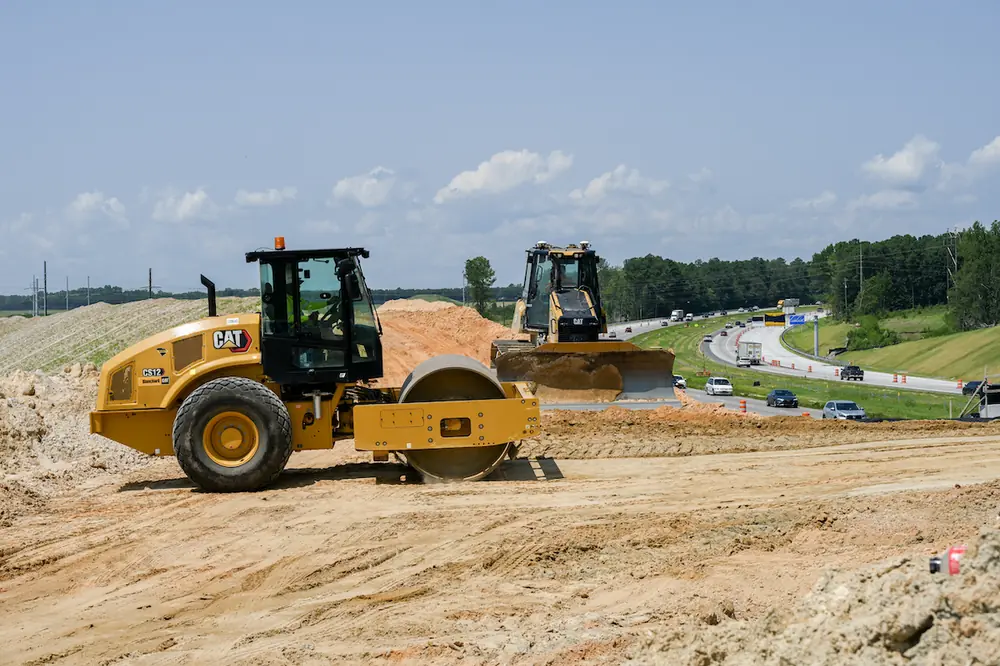
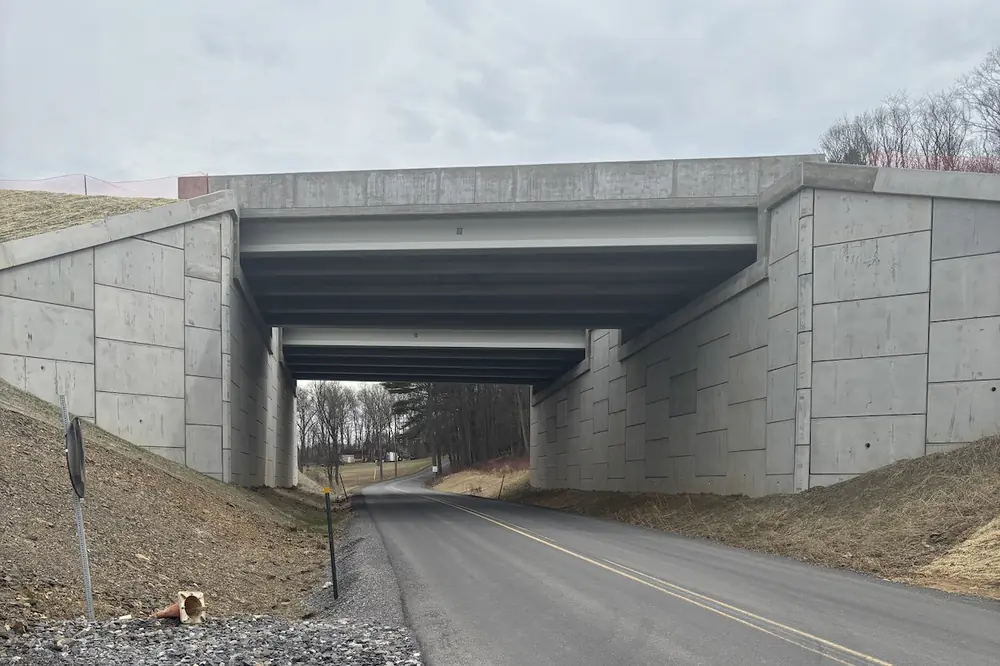

U.S. Route 15 carries substantial truck and automobile traffic through Snyder, Northumberland, and Columbia counties in central Pennsylvania, with portions of the highway passing through small towns. The Central Susquehanna Valley Transportation (CSVT) project is changing that by creating a new four-lane highway that will allow through traffic to bypass those towns.
The CSVT project has been in the works for decades. In the early 1990s, the Pennsylvania Department of Transportation (PennDOT) began studying potential improvements to the U.S. Route 15 corridor. However, the project did not move forward because funding was not available.
Typically, infrastructure projects in and around large metropolitan areas receive funding first, followed by federally owned roads. This section of U.S. Route 15 did not fall into either category, making it difficult to secure funding.
The project got a kickstart in 2013 when the state passed Act 89, which included funding for what would eventually become the CSVT. Construction work began on the project in 2015.
The CSVT is a 13-mile, four-lane, limited-access highway. It will enable the separation of trucks and local traffic, which will reduce congestion and improve safety. A 2003 Final Environmental Impact Statement noted that over 50 percent of automobiles and over 90 percent of trucks passed through the project area, and nearly half of accidents in the region involved trucks.

| Your local Trimble Construction Division dealer |
|---|
| SITECH Allegheny |
| SITECH Northeast |
The project was divided into northern and southern sections. The northern section was completed in July 2022. The southern section is in progress, with the scope including the following:
- Creation of 6.5 miles of new four-lane, limited-access highway that will connect with the CSVT’s northern section to the south
- Construction of an interchange/connector
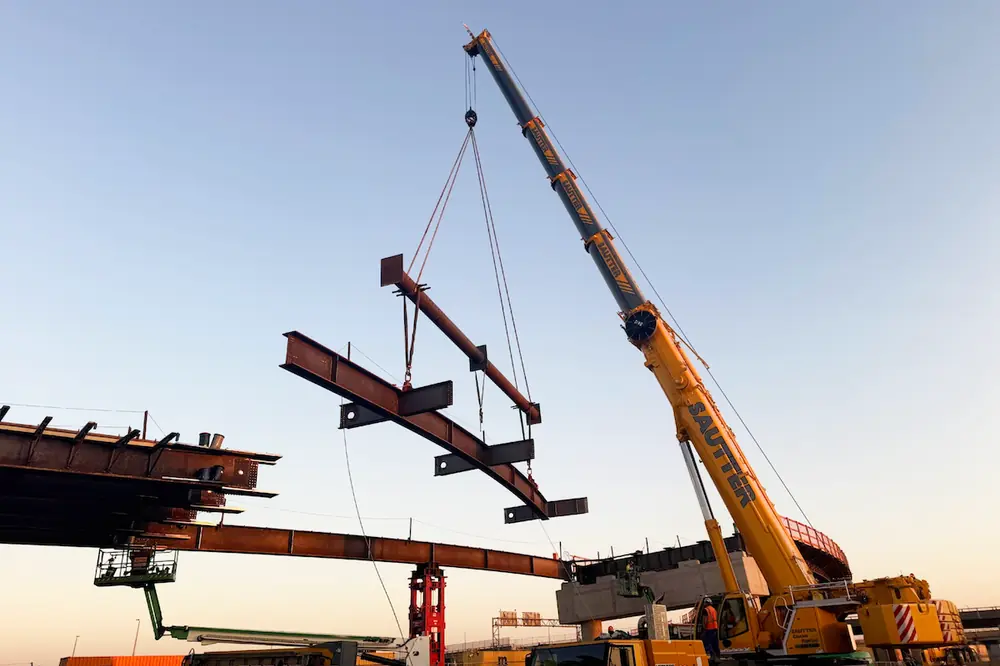
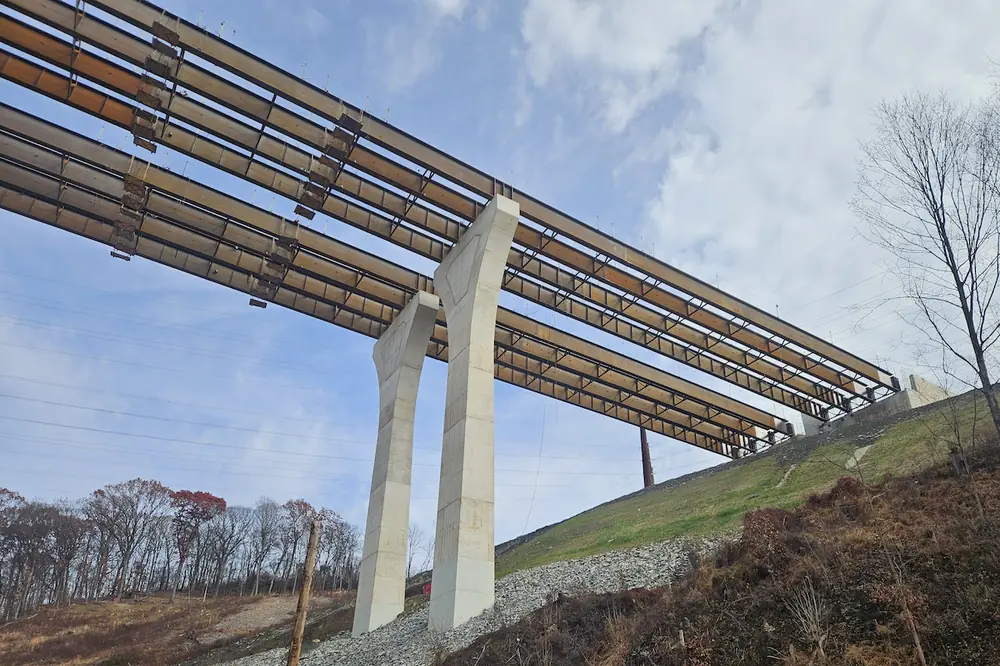
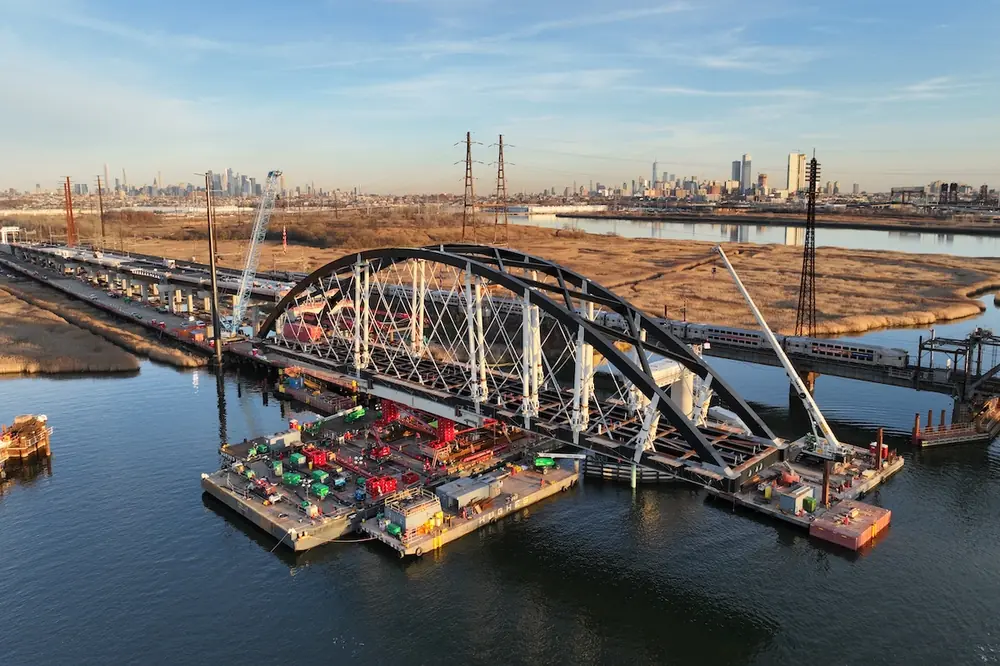
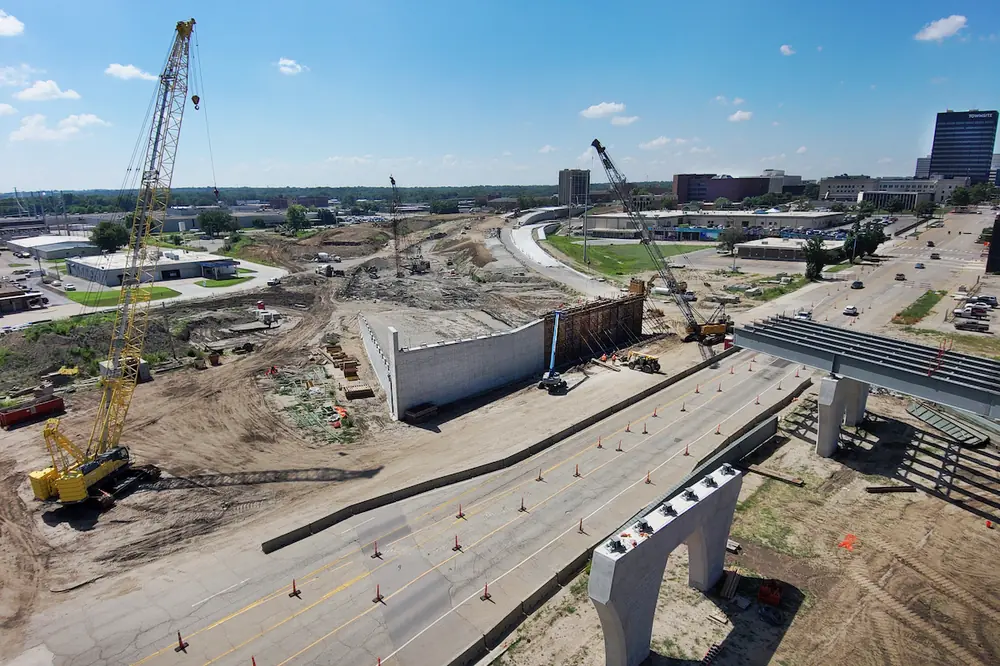
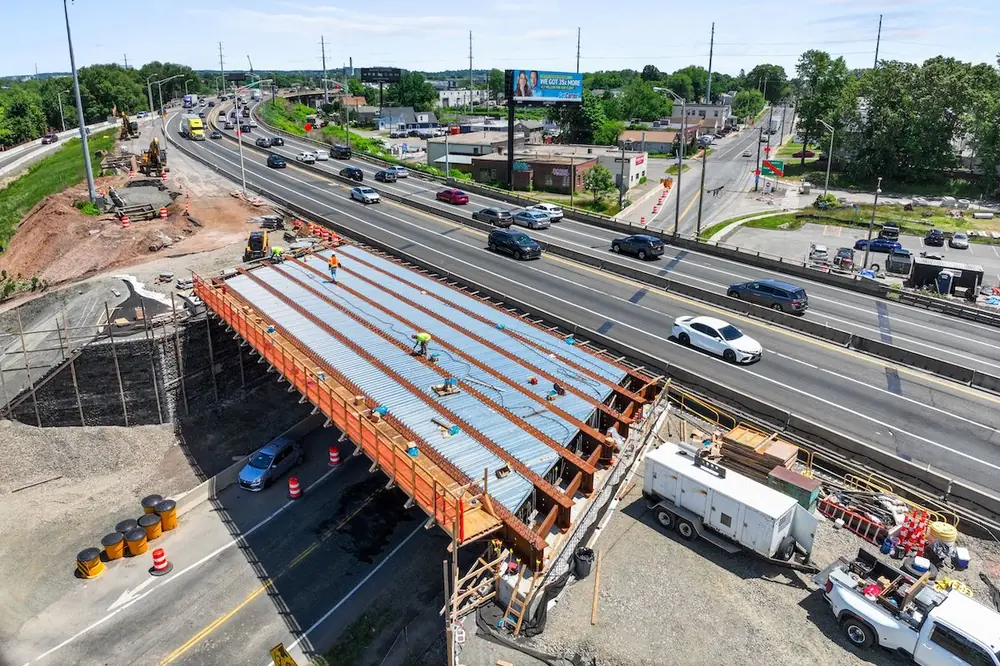
- Addition of nine new bridges and four noise walls
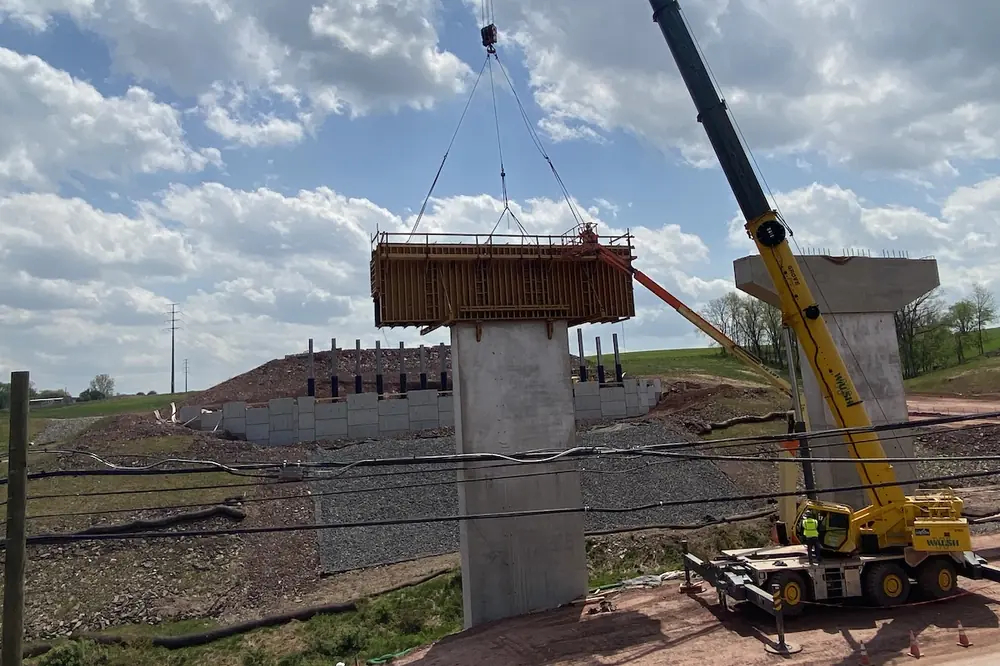
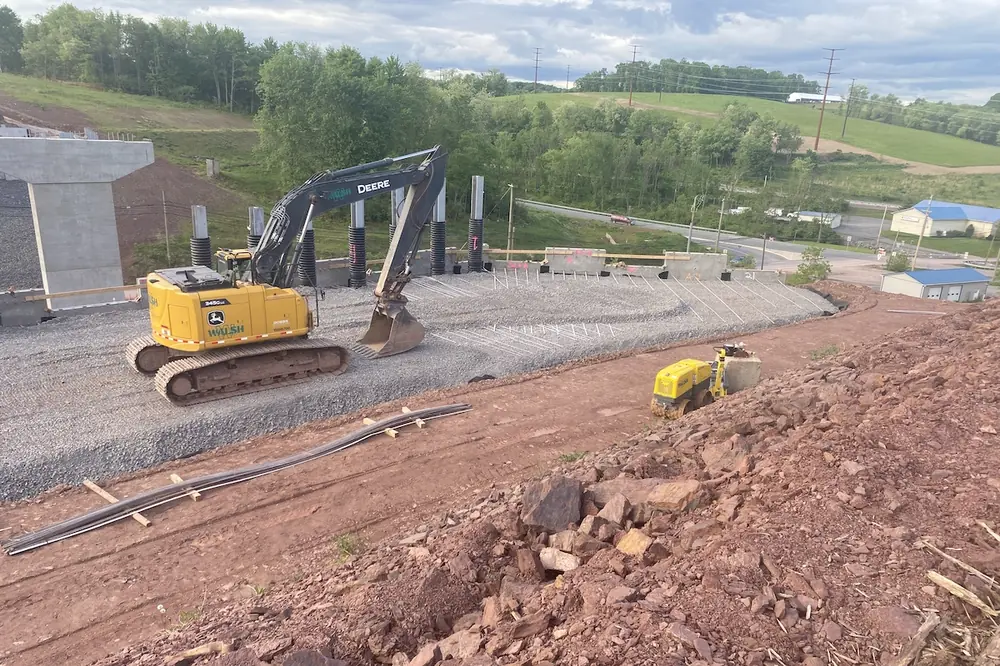
PennDOT broke the project into three contracts. The first contract focused on grading, the second on bridge work, and the third on paving. Walsh Construction (Walsh) is serving as the general contractor on the second contract.
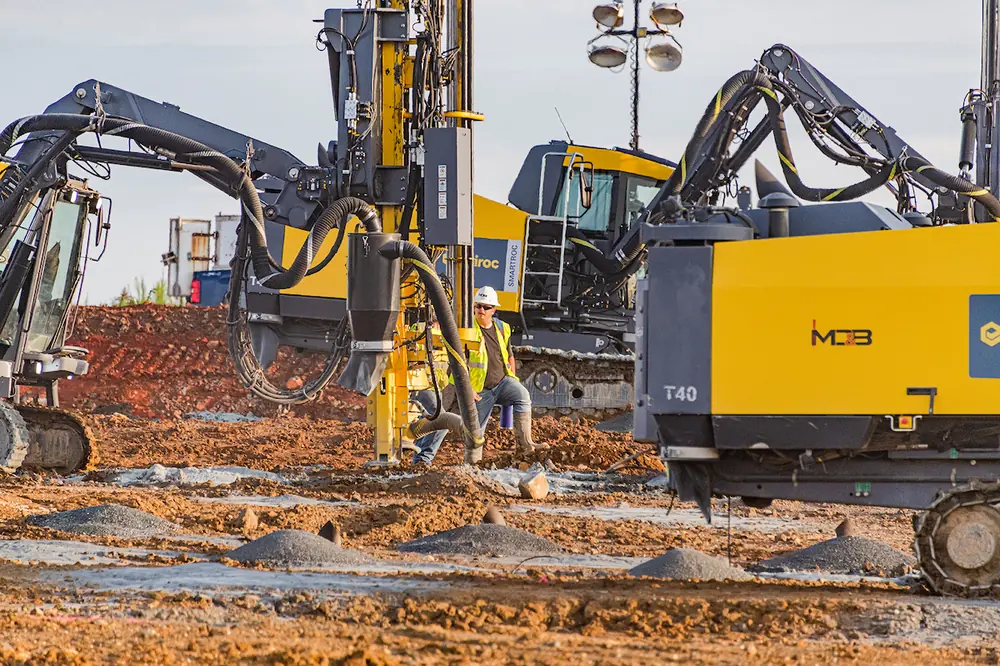
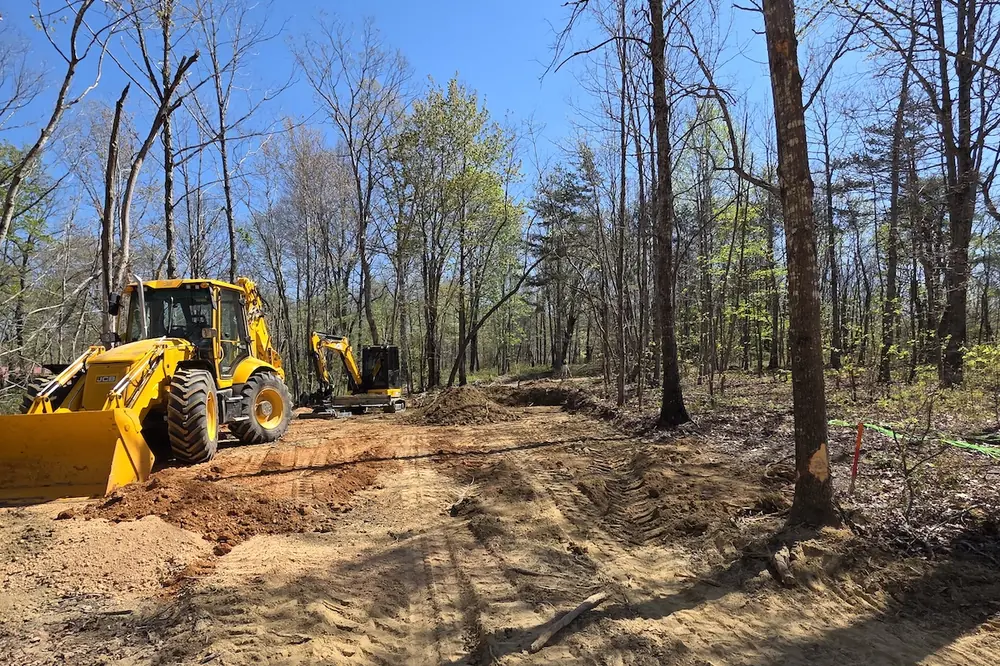
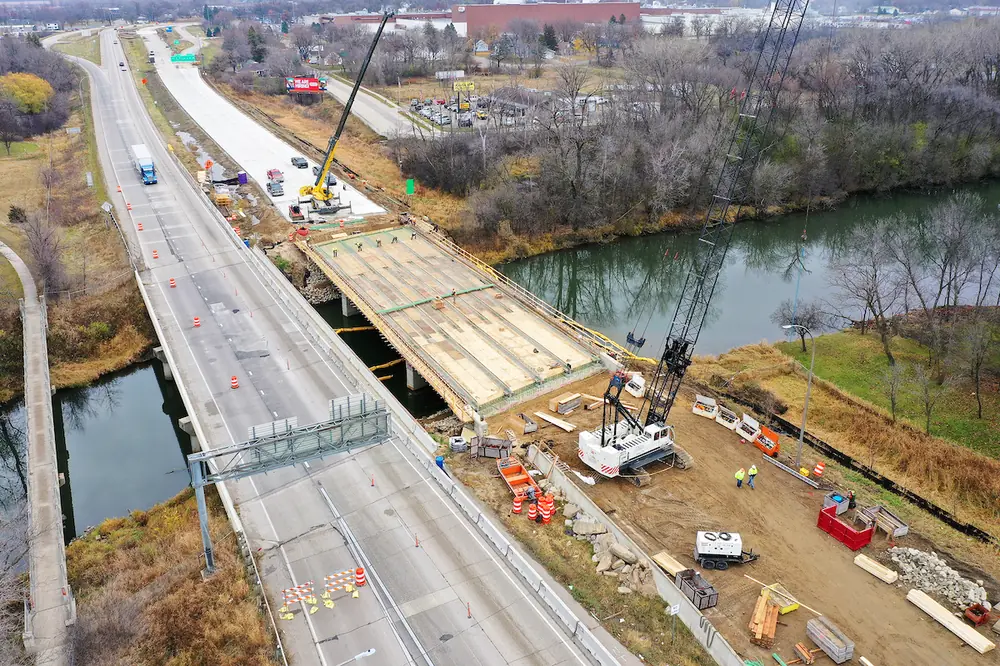
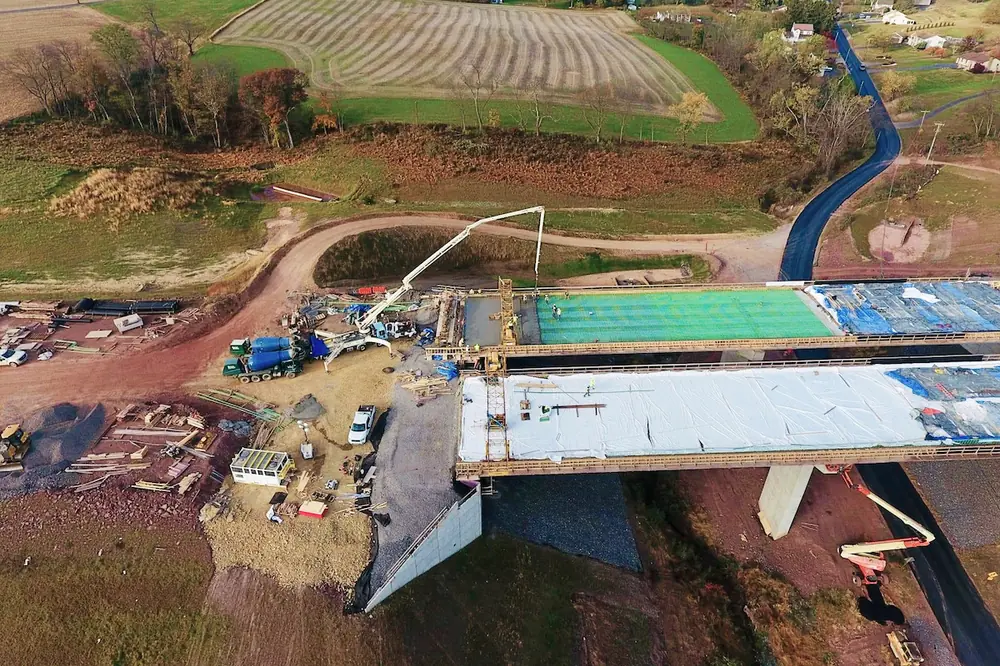
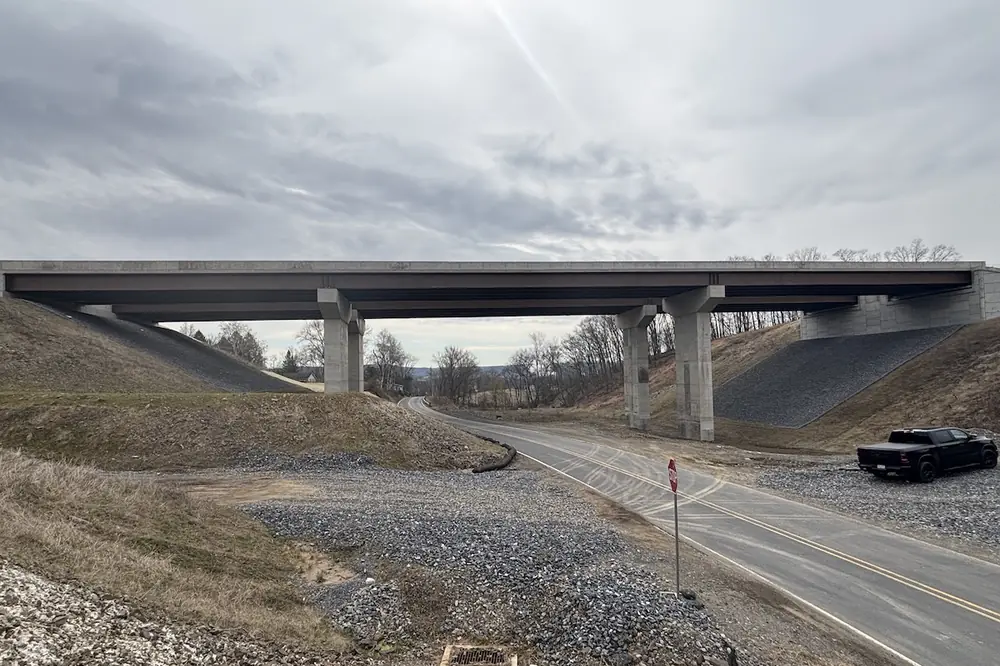
The southern section is a greenfield project, with much of the route running through farmland. The bridges are spread out over the 6.5-mile section. Some cross creeks, but most span existing roads.
| Your local Trimble Construction Division dealer |
|---|
| SITECH Allegheny |
| SITECH Northeast |
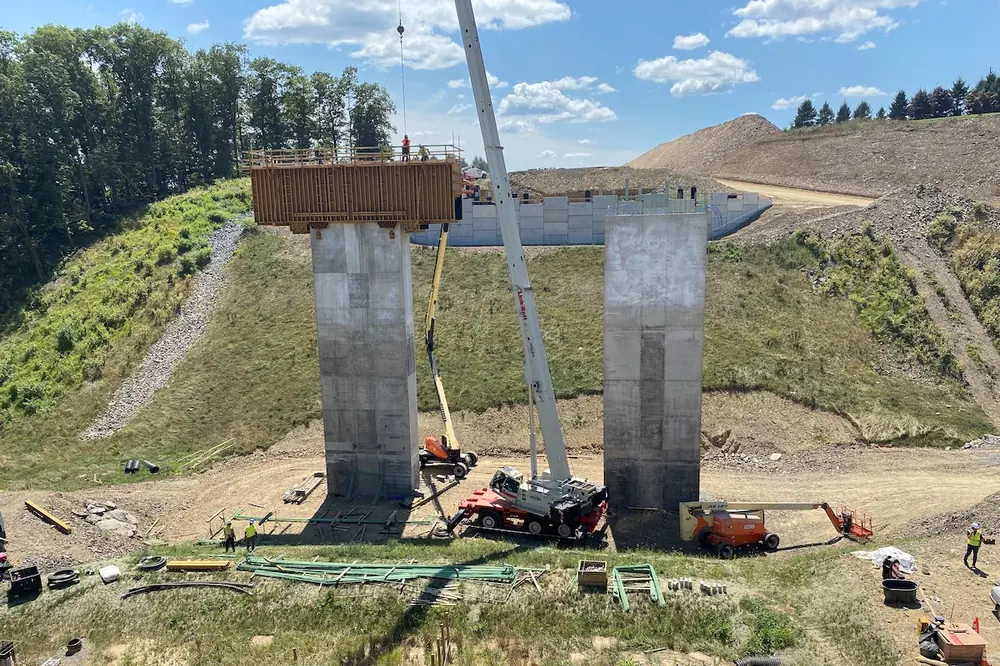
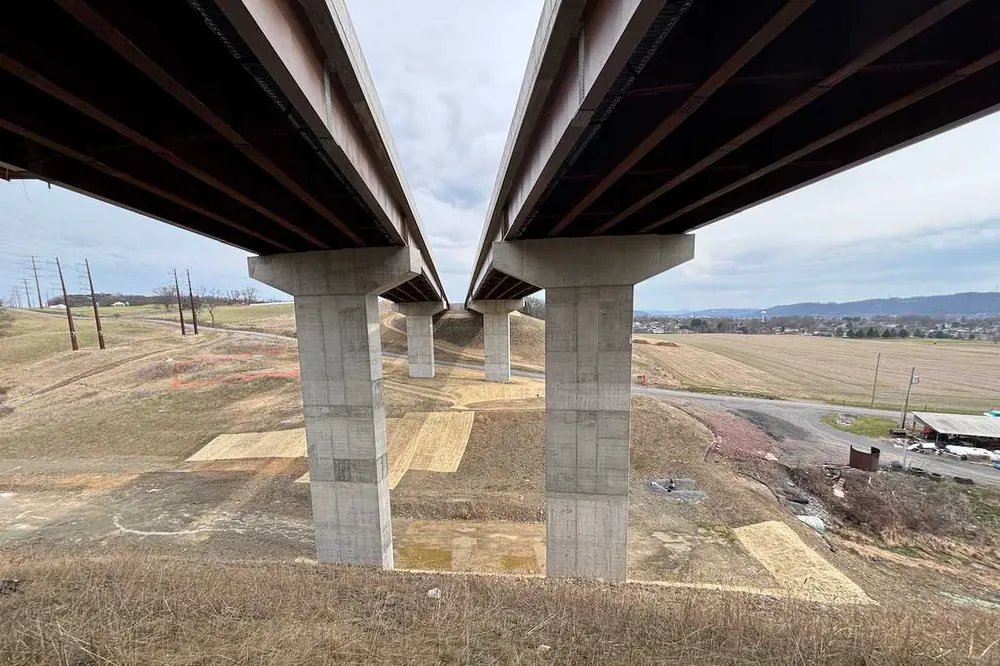
The bridges vary in size. The biggest is a three-span structure consisting of separate northbound and southbound bridges. It stands 80 feet high and extends 650 feet. The smallest bridge is just 60 feet long. All of the bridges are being built on steel piles.
The job and the required work were familiar to Walsh, but the project presented several challenges. One was taking over work that had already been started by another contractor, Trumbull Corporation.
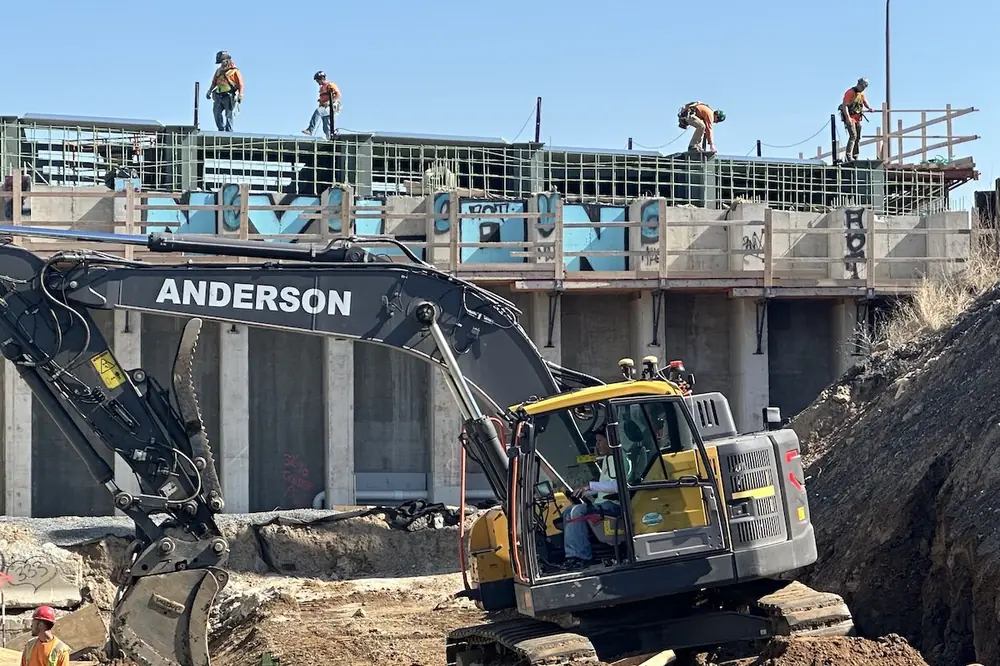
“They set up the dirt work, and we started excavating the structure foundations,” Walsh Senior Project Manager Brian Midlick said.
“Coming into a job that is being handed over meant we needed to coordinate with the other contractor, which could add headaches,” Walsh Project Manager Josh Santina said.
| Your local Trimble Construction Division dealer |
|---|
| SITECH Allegheny |
| SITECH Northeast |
“You don’t know what you’re walking into,” Midlick added, “which is much different than when you typically start a whole project on your own.”
The transition also required Walsh to coordinate around deadlines for each structure.
“Each structure was to be handed over by a specific date,” Santina said. “We were worried about time constraints because if structures were not handed over as they were supposed to be, it could have led us to struggle to maintain the schedule.”
According to Santina, PennDOT and the contractor did a good job overall and handed the structures over as planned. Some structures switched deadlines, but PennDOT and Trumbull kept Walsh informed throughout the process.
| Your local Trimble Construction Division dealer |
|---|
| SITECH Allegheny |
| SITECH Northeast |
“The owner had a great team, and they ensured the coordination went smoothly,” Midlick said.
Walsh also had to work around some design challenges that the owner encountered. The route ran through an area that was home to a former coal-fired power plant and fly ash waste basins. Removing the ash waste basins would have been time consuming, as it would have required environmental studies.
PennDOT ultimately revised the alignment so the route avoided the former home of the coal-fired power plant, eliminating the potential issue.
Walsh works regularly in major metropolitan areas in Pennsylvania and has an established relationship with PennDOT. However, the general contractor had not previously worked in this PennDOT district.
| Your local Trimble Construction Division dealer |
|---|
| SITECH Allegheny |
| SITECH Northeast |
“At bid time, we were concerned because we didn’t know tradespeople in the area and didn’t know if we would find sufficient numbers of workers and what quality they would be,” Santina said. “The situation turned out fine, as we found good people and even hired some for our staff.”
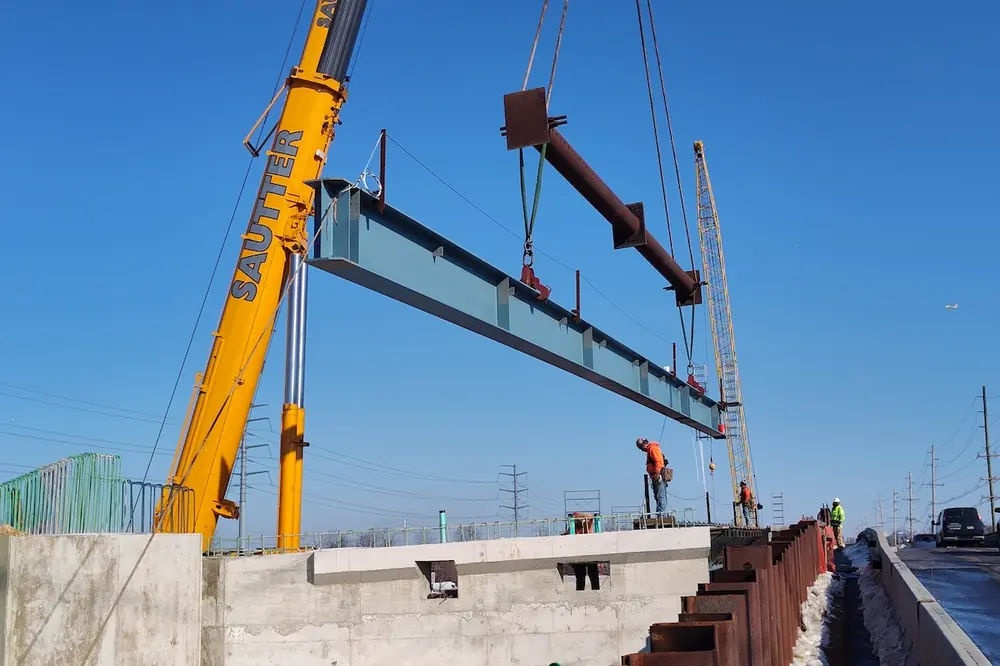
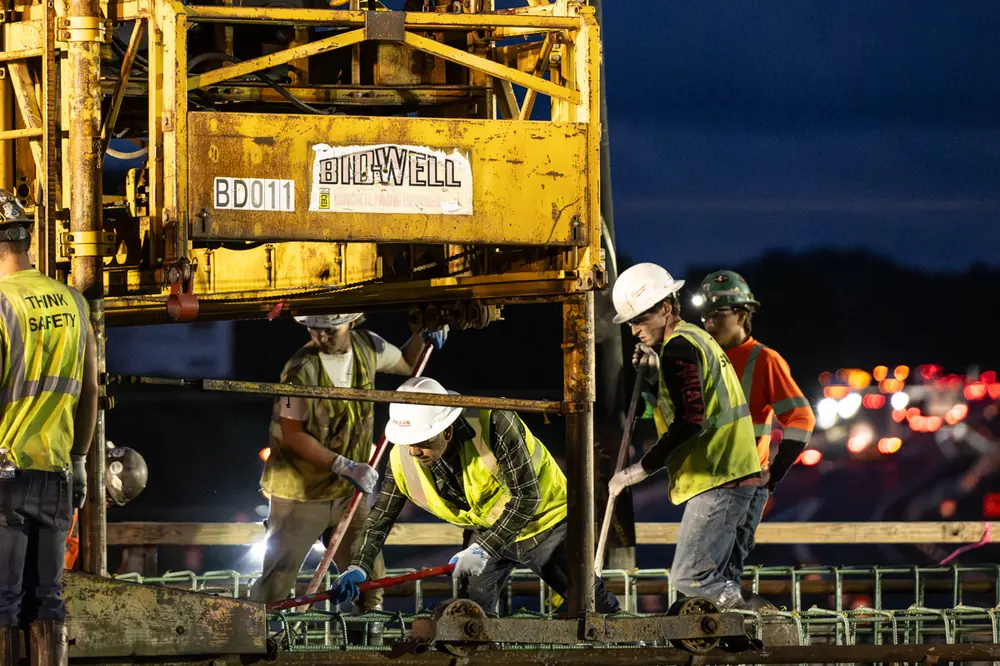
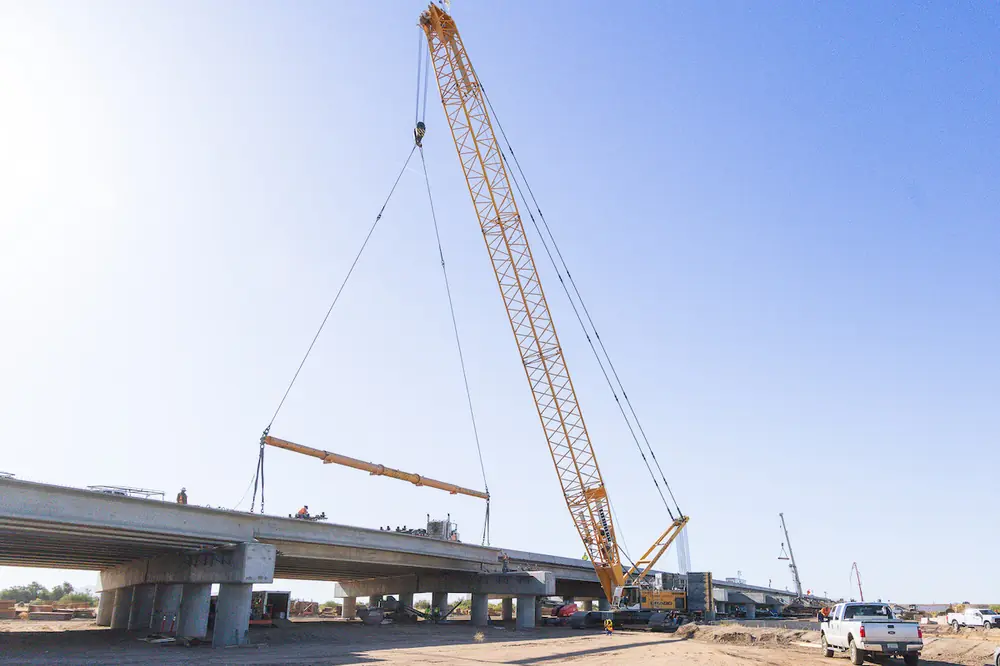
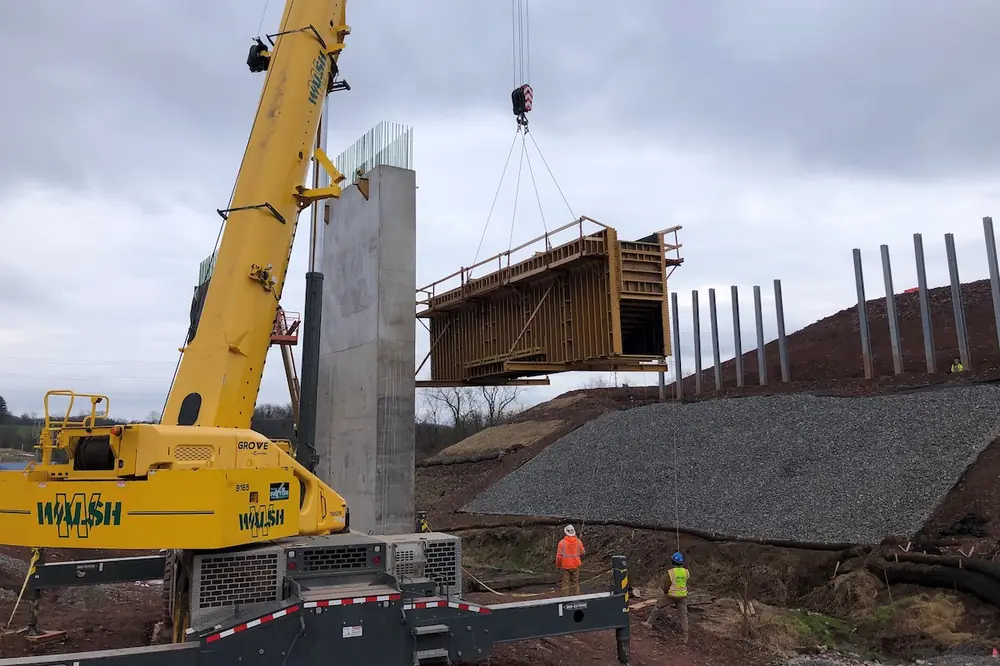
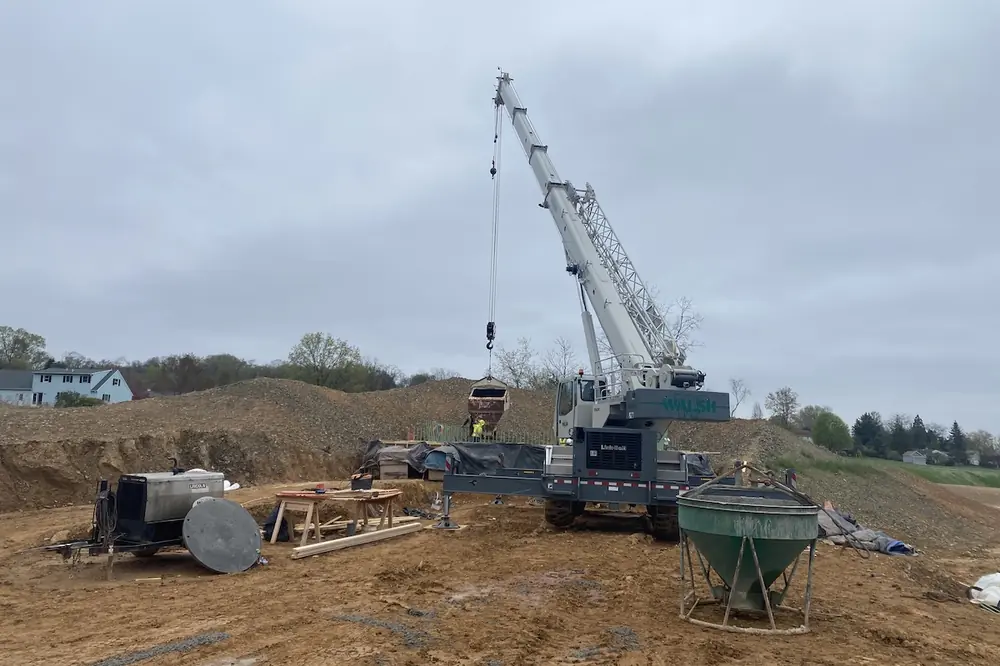
The project also required specialized equipment and construction techniques. The team used a large water chiller for mass concrete cooling on some of the bridge work. Walsh also used Link-Belt RTC-80160 and Grove GRT9165 Rough Terrain (RT) Cranes. The mobile cranes can lift loads up to 330,000 pounds.
“The two RTs helped us move materials more quickly and cheaply,” Midlick said. He noted that the larger RTs are relatively new and made a big difference on the project.
Walsh Construction has an office in Pittsburgh, Pennsylvania, but is part of The Walsh Group, a Chicago, Illinois-based, fourth-generation, family-owned company with a history dating back to 1898.
| Your local Trimble Construction Division dealer |
|---|
| SITECH Allegheny |
| SITECH Northeast |
One of the largest contractors in central Pennsylvania, Walsh saw the CSVT project as an opportunity to expand its presence in the area.
“There are few true $100 million projects that focus on structures,” Midlick said.
“The scope predominantly fit our team and specialties,” Santina added.
Walsh broke ground on the project in early 2024 and completed the bridges by the end of 2025, meeting the original time frame. However, the company was granted a time extension to May 2026. The team needed additional time for extra dirt work, including replacing borrow.
| Your local Trimble Construction Division dealer |
|---|
| SITECH Allegheny |
| SITECH Northeast |
“We couldn’t do the dirt work in winter,” Santina said.
The original construction budget was $106 million, but the final number was nearly $108 million.
The increase resulted in part from PennDOT expanding the scope after transferring some work from the first contract to the second contract. The work involved building a structure pier foundation and a section of the pier stem. This work was included in the first contract, as the pier was located at the toe of the large embankment for the bridge. The pier foundation and section of the stem needed to be constructed prior to the earthwork associated with the first contract.
“It made sense for us to do the work, as it fit our scope more and was a good benefit for us and PennDOT,” Midlick said.
| Your local Trimble Construction Division dealer |
|---|
| SITECH Allegheny |
| SITECH Northeast |
Walsh’s team had been concerned about the second year of construction because of the tight schedule. Completing some of the additional scope during the first year, when the schedule had more flexibility, helped ease that pressure.
“We hired people, and we were able to get a feel for them,” Santina said. He noted that the team was generally able to hire additional resources and work to recover whenever schedule delays occurred.
The third and final $186 million contract for the CSVT was awarded to a joint venture between Trumbull and Golden Triangle Construction. Their work, which includes paving the CSVT mainline, the Route 61 Connector, and various interchange ramps, started in late 2025. The southern section mainline is anticipated to open to traffic in 2027, and the Route 61 Connector is anticipated to open in 2028.
When the southern section of the Central Susquehanna Valley Transportation project is completed, trucks and through traffic will be able to avoid the small towns of central Pennsylvania, improving safety and reliability. According to data from PennDOT, the northern section of CSVT is already making an impact, with traffic counts on U.S. Route 15 and other nearby roads declining since its completion.
| Your local Trimble Construction Division dealer |
|---|
| SITECH Allegheny |
| SITECH Northeast |
- Owner: Pennsylvania Department of Transportation
- General Contractor: The Walsh Group, Chicago, Illinois
- Designer: GFT, New York, New York
- Other Contractors: High Steel Structures, Williamsport, Pennsylvania; Century Steel Erectors, Dravosburg, Pennsylvania; Faddis Concrete Products, Honey Brook, Pennsylvania; Kee-Ta Quay Construction, Hustontown, Pennsylvania