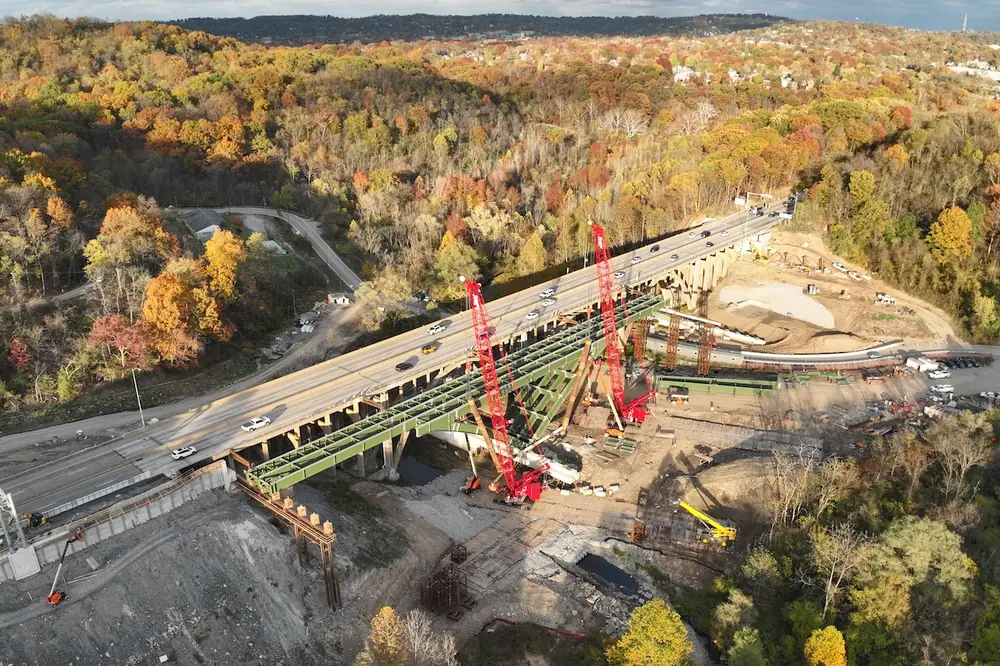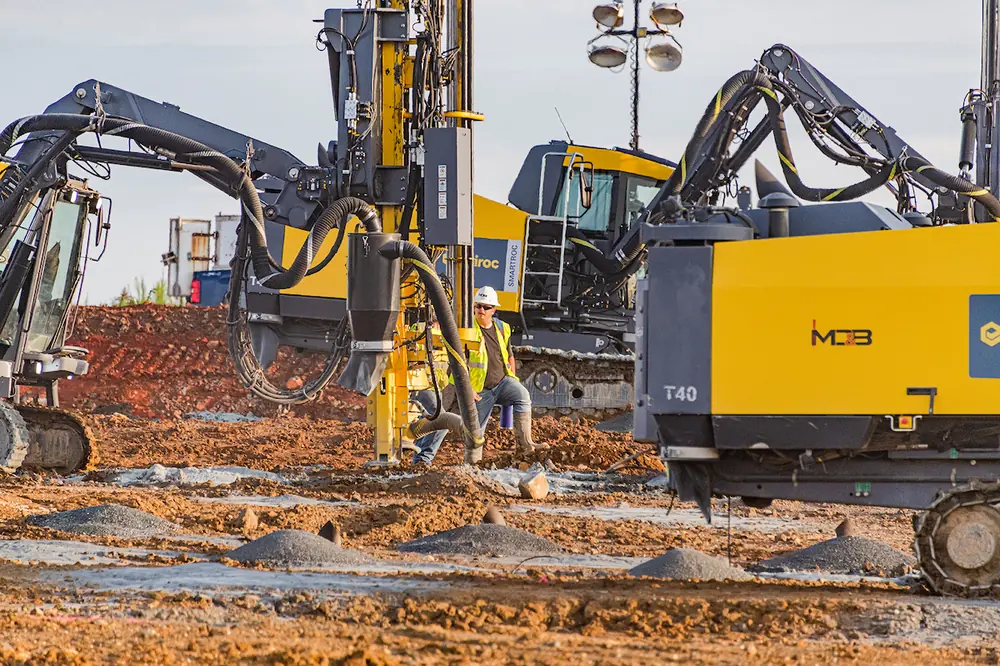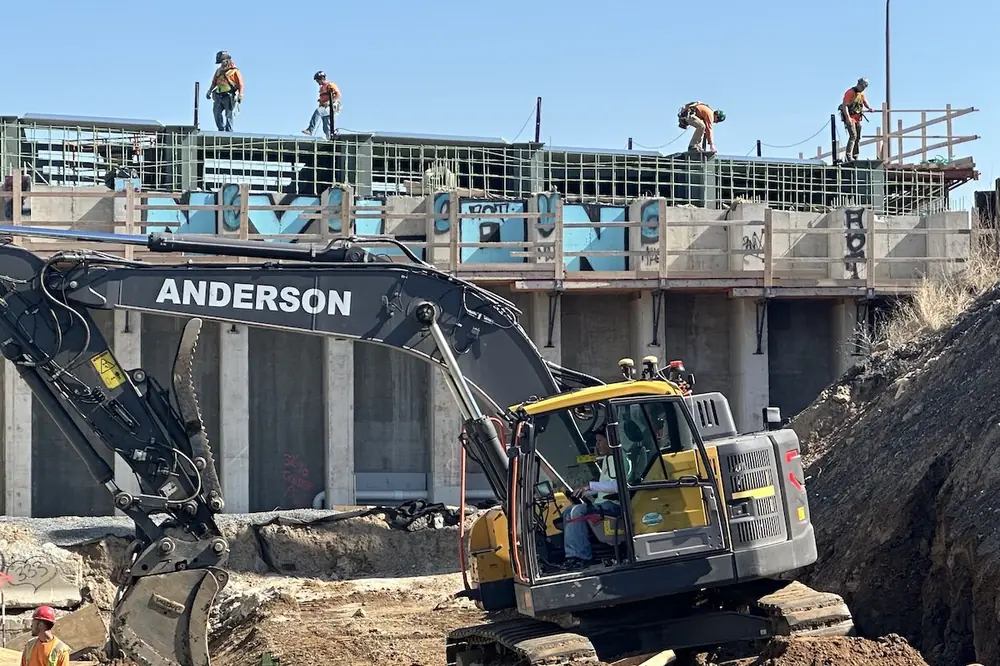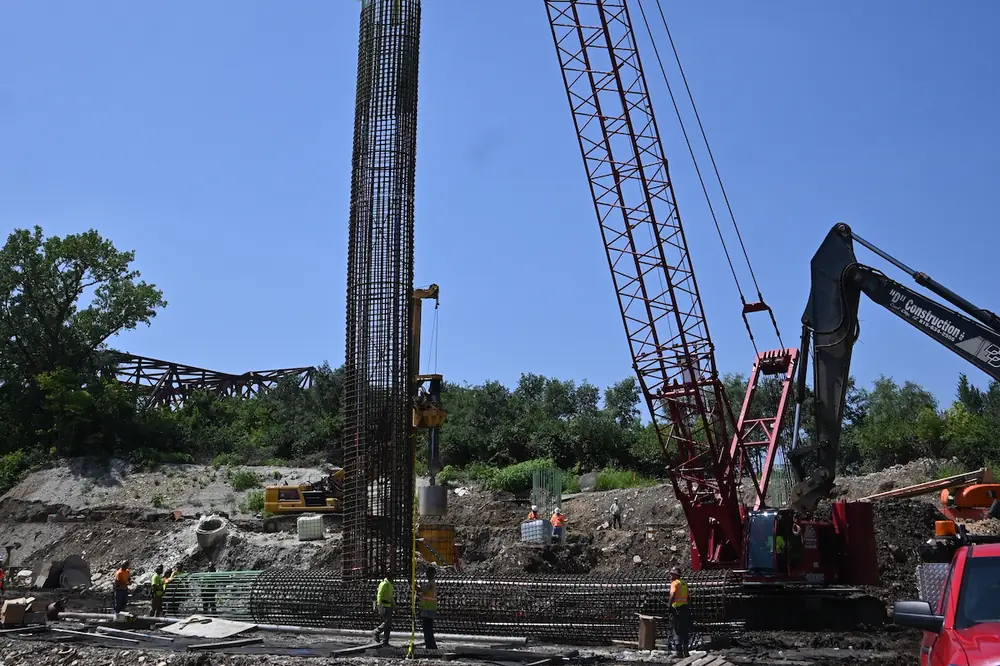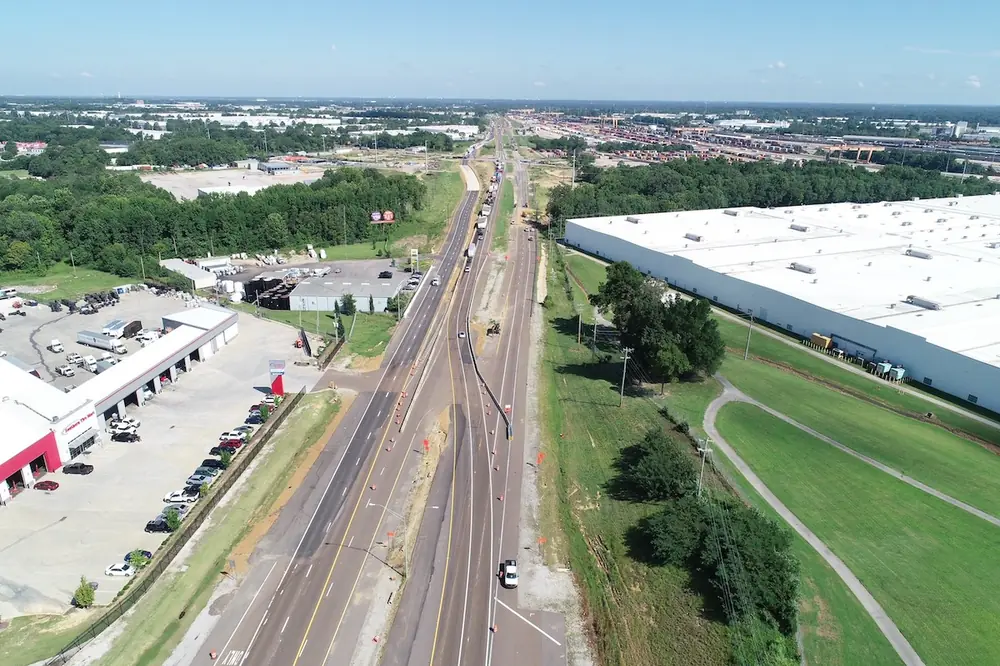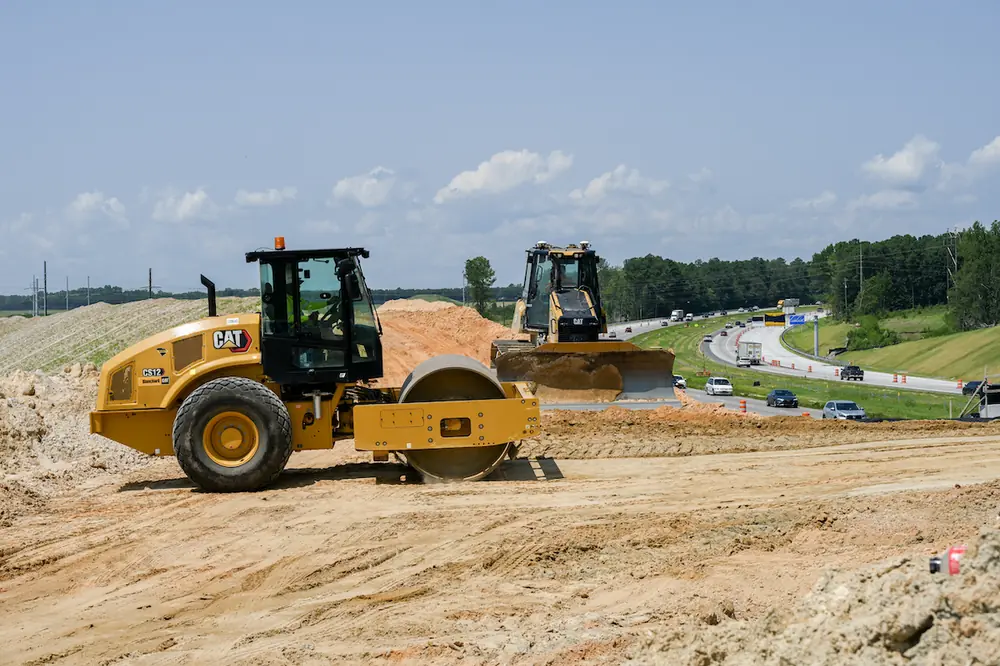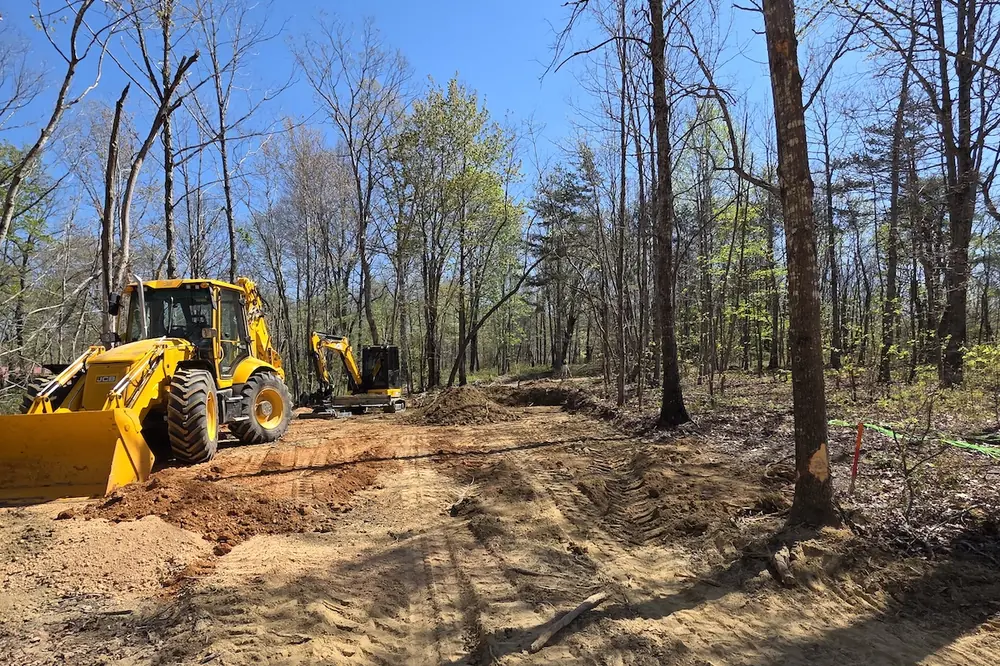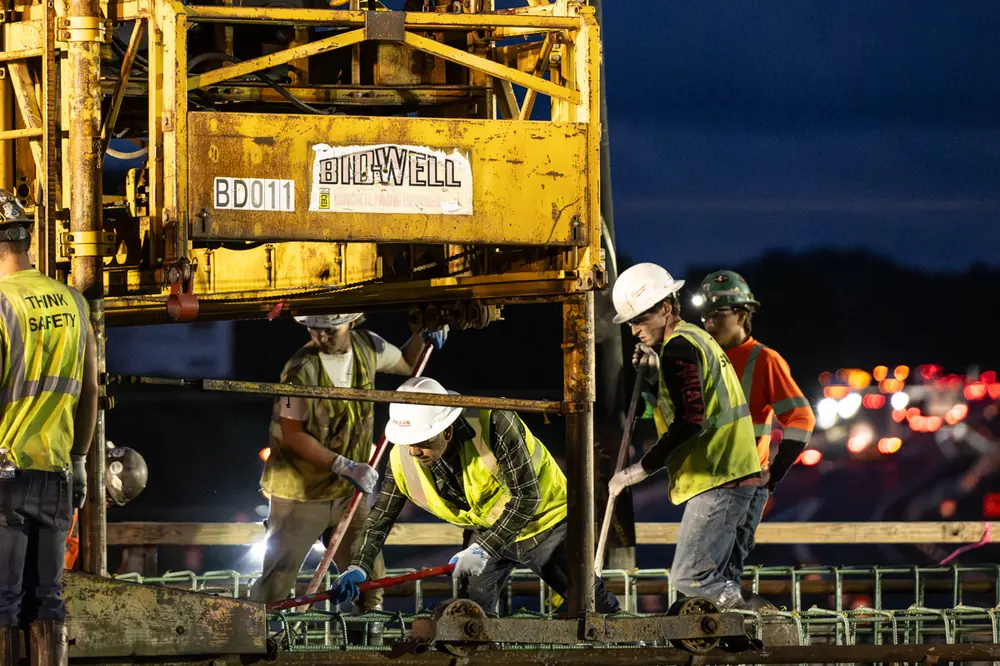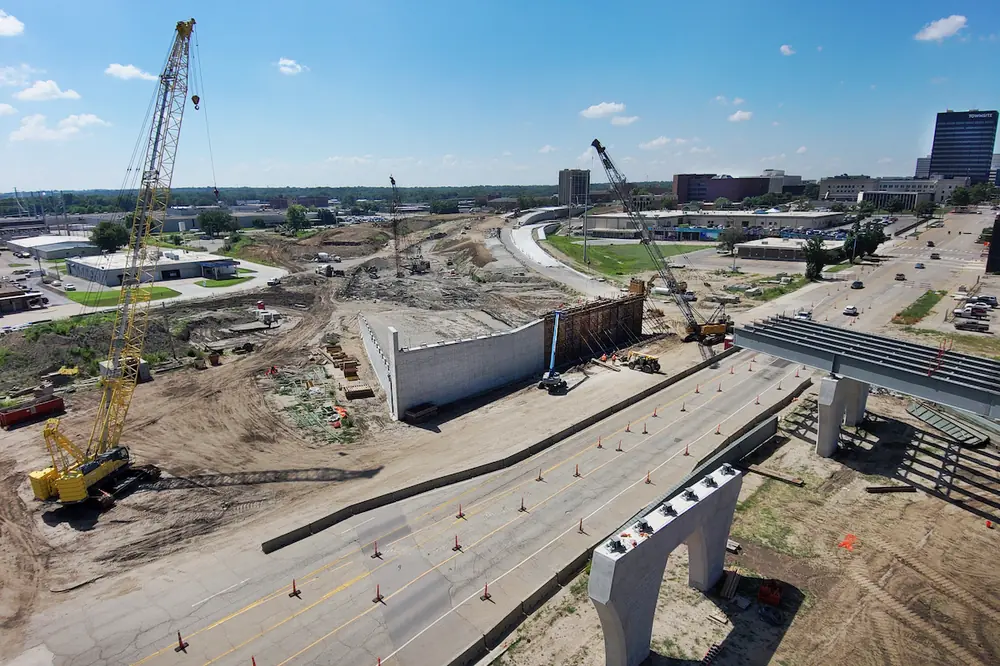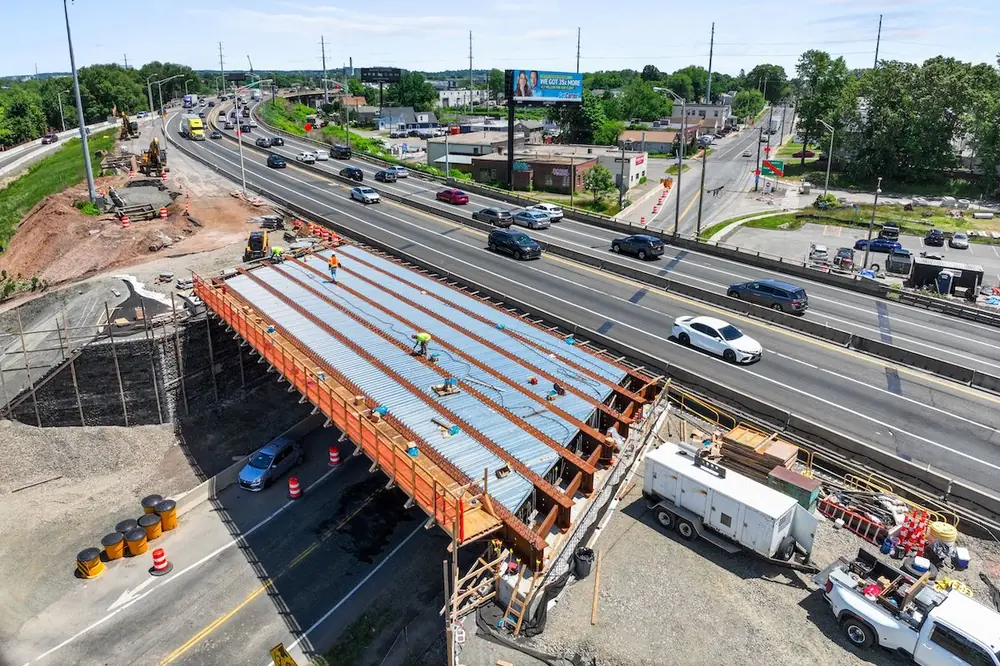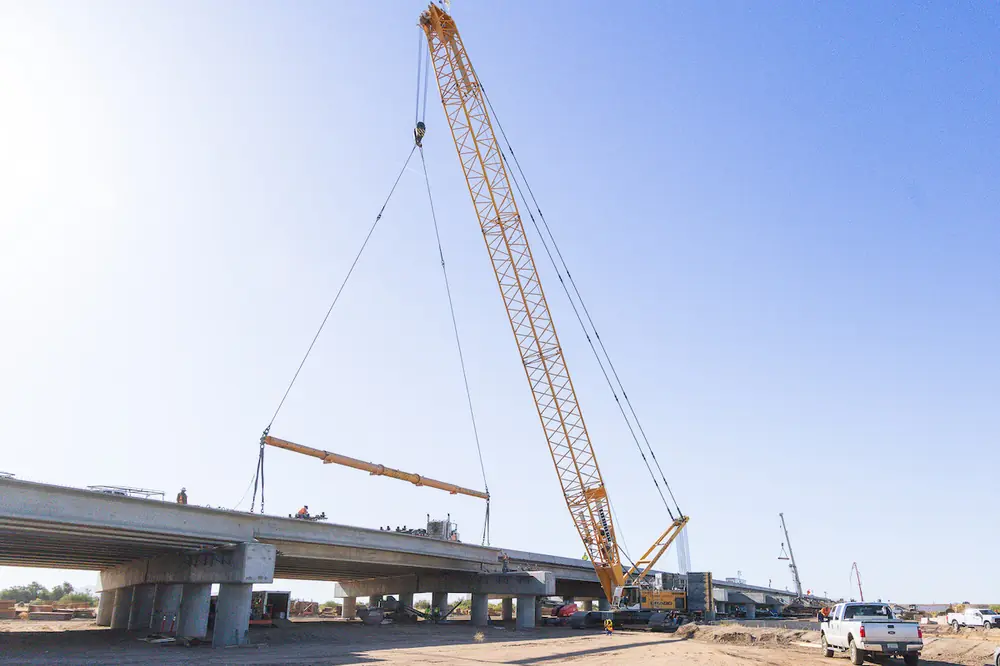
SYRACUSE, NY — New York State Department of Transportation (NYSDOT) Commissioner Marie Therese Dominguez announces that the Interstate 81 Viaduct Project has reached a historic turning point, as work now begins to focus on the removal of the outdated infrastructure that has separated the city of Syracuse for decades, as well as the construction of a new transportation network that will reconnect long-divided communities and improve access for all travelers — pedestrians, cyclists, and motorists.
To kick off the second and final phase of this project, NYSDOT has awarded the largest and one of the most complex construction contracts in its history to CNY Alliance, and work is set to begin imminently. The $2.1 billion contract is the sixth awarded for the project and it advances a wide array of work, including the reconstruction and realignment of a key stretch of Interstate 690, the rehabilitation of 25 local streets, and the buildout of new, easy-to-navigate access points to the city center.
“Across New York State, we are working to undo the mistakes of decades past and weave neighborhoods back together through meaningful community engagement and modernized infrastructure,” Dominguez said. “As Phase Two of the I-81 Viaduct Project commences, Syracuse is propelled another step closer to connectivity and a safer, more equitable transportation network for all.”
The I-81 Viaduct Project is the largest project ever undertaken by NYSDOT and is part of Governor Kathy Hochul's commitment to modernize New York State's infrastructure and invest in projects that promote equity, connectivity, and multi-modal transportation opportunities for communities across the state. The project will remove a 1.4-mile stretch of elevated highway that has divided the city of Syracuse for decades and implement a Community Grid that will reconnect neighborhoods, modernize infrastructure, give motorists additional ways to safely access downtown Syracuse, and improve mobility for pedestrians and bicyclists.
Phase One, which began in the spring of 2023, focused largely on improvements needed for the redesignation of Interstate 481 as the new I-81 and to keep traffic moving during removal of the viaduct. This included the reconstruction of the northern and southern interchanges of Interstate 481 and I-81, along with the preliminary work to create what will become Business Loop 81.

| Your local Trimble Construction Division dealer |
|---|
| SITECH Allegheny |
| SITECH Northeast |
Phase Two’s focus will be on dismantling the viaduct and creating the new infrastructure that will support the Community Grid. This phase begins with contract six, which is centered around the reconstruction of I-690 in both directions from Leavenworth Avenue on Syracuse’s near Westside, to North Crouse Avenue on the city’s Eastside. Fifteen lane miles of this east-west artery will be removed and rebuilt in a similar alignment to accommodate its connections with future Business Loop 81 and a full interchange at North Crouse and Irving avenues.
The ramps that currently link I-81 and I-690 will be closed and removed to make way for the construction of new ramps, bridges, and retaining walls that will be part of the new interchanges between the future Business Loop 81 and I-690.
Additionally, the full interchange at North Crouse and Irving Avenues, which is currently under construction as part of contract four, will be completed and serve as one of the primary gateways to University Hill, helping to distribute traffic more evenly, reducing bottleneck issues, and providing motorists with another way to reach their destination. The interchange replaces the McBride Street on-ramp to I-690 eastbound, which closed to traffic in November 2025, and the I-690 westbound off-ramp to Townsend Street.
The West Street interchange with I-690 will also be reimagined as a pedestrian-friendly, street level corridor. West Street will be lowered to meet West Genesee Street, creating an at-grade intersection that reconnects Syracuse’s Near Westside neighborhoods with downtown and links residents and visitors to the Onondaga Creekwalk. As part of this redesign, the ramps from West Street to Herald Place and from North Franklin Street to West Street will be eliminated.
| Your local Trimble Construction Division dealer |
|---|
| SITECH Allegheny |
| SITECH Northeast |
Also as part of contract six, 25 local streets will be rehabilitated and partially reconstructed, with new sewer and water lines added, replacing some of the city of Syracuse’s aging infrastructure beneath these roadways.
The project will also include the installation of new decorative lighting, sidewalks, shared-use paths, and trees. Additional enhancements as part of the Community Grid build out are as follows:
- Pearl Street will be extended to meet Erie Boulevard, and a second lane will be added on the entrance ramp to I-81 northbound (future Business Loop 81 northbound), improving mobility for motorists leaving downtown.
- The existing West Street/Franklin Street and Clinton Street/Salina Street off-ramps along I-81 southbound (future Business Loop 81 southbound) will be removed and replaced with a consolidated two-lane off-ramp, with one lane leading to a new connection at Oswego Boulevard, and one lane leading to Clinton Street. The Clinton Street off-ramp will also provide access to Franklin Street via Webster’s Landing.
- North Clinton Street, which runs parallel to existing I-81 southbound (future Business Loop 81 southbound), will be extended to meet Butternut Street, creating a new access point to the city’s urban core.
- The Butternut Street bridge will be replaced to accommodate the modified future Business Loop 81. Much like the neighboring bridges along Court and Spencer streets, the Butternut Street bridge will include a shared-use path on its north side, safely linking pedestrians and bicyclists from the city’s Northside neighborhoods to downtown.
The rebuilt I-690 will meet modern interstate standards with three 12-foot lanes and full-width shoulders, providing space for vehicles to safely pull over during emergencies. Improved roadway curves and longer merge areas will further enhance safety and traffic flow.