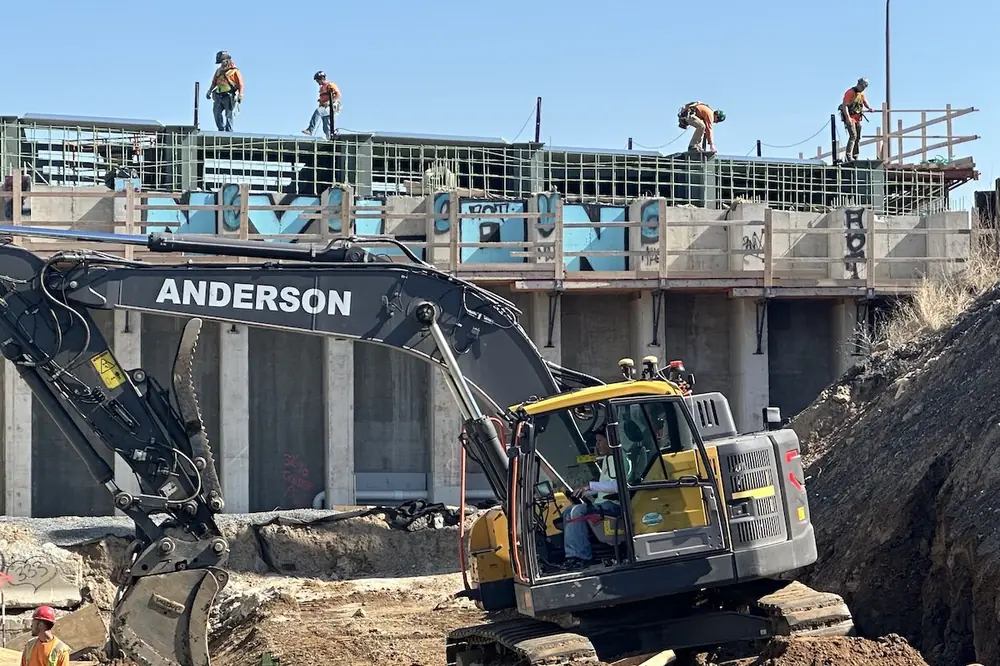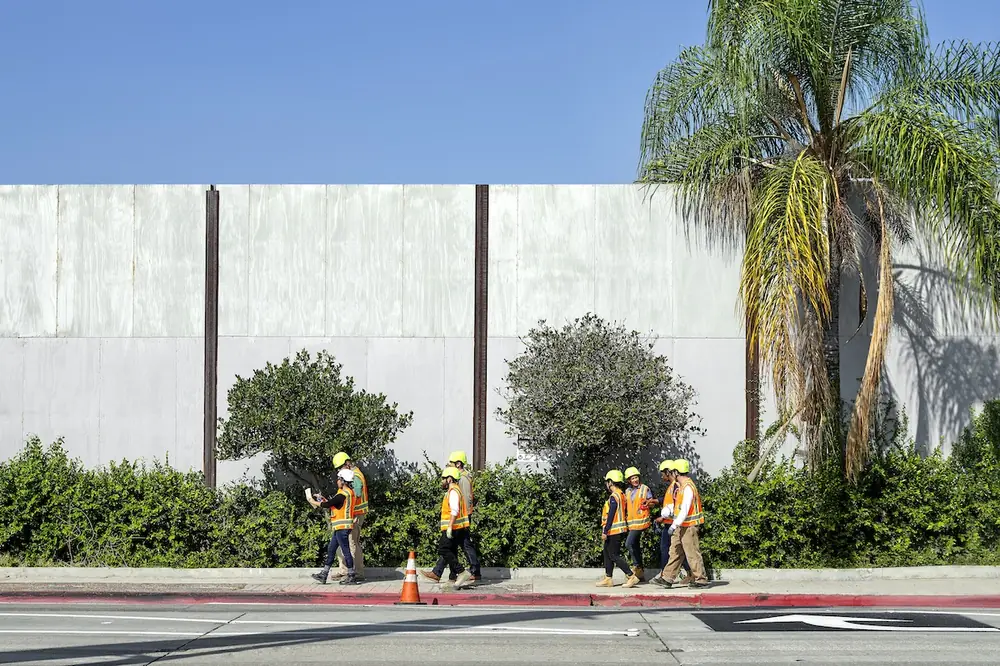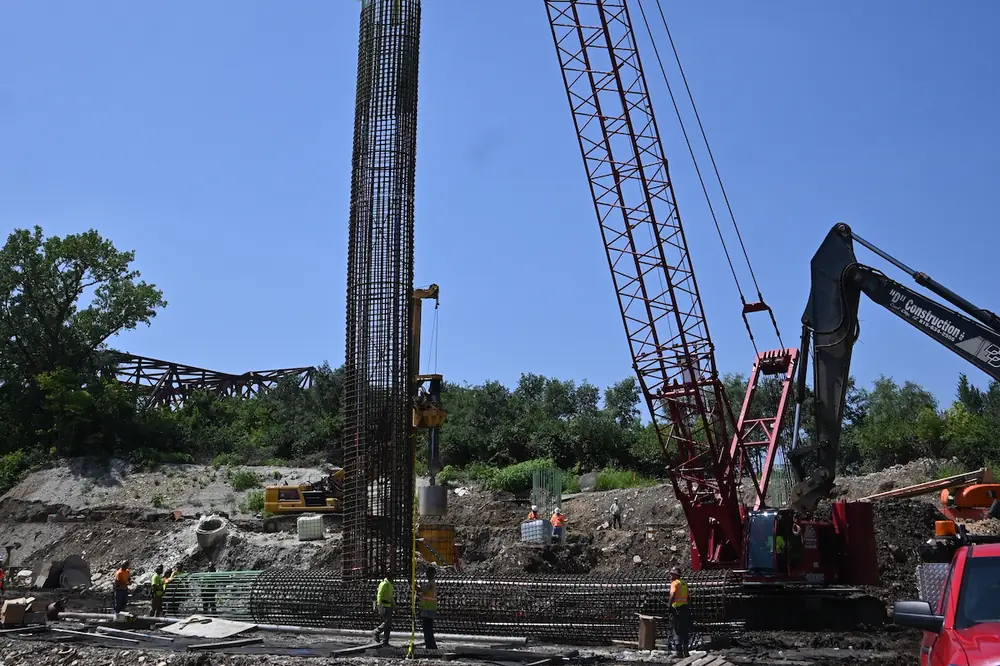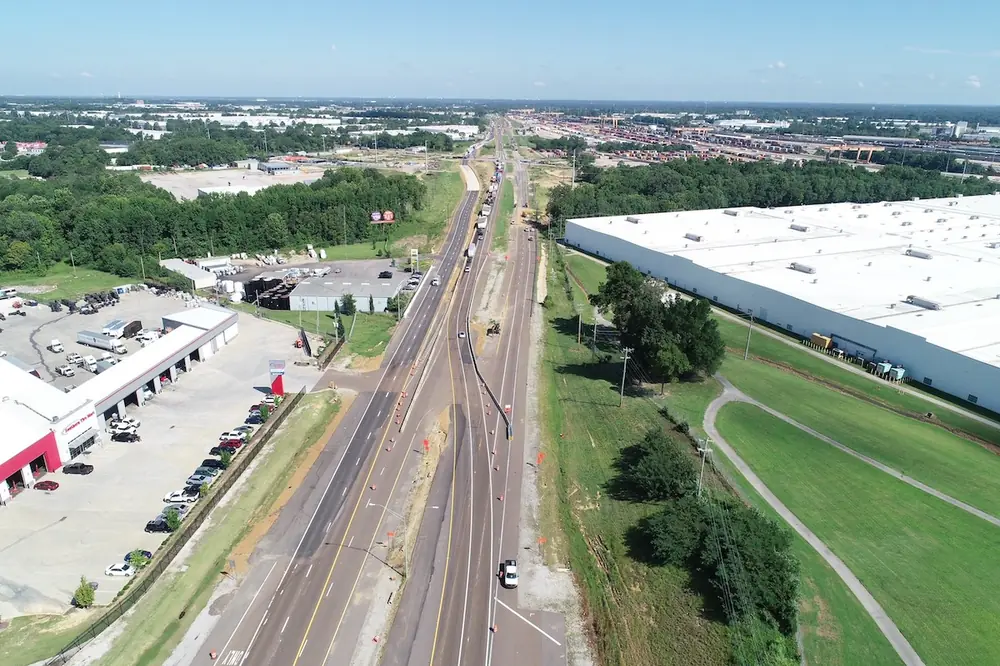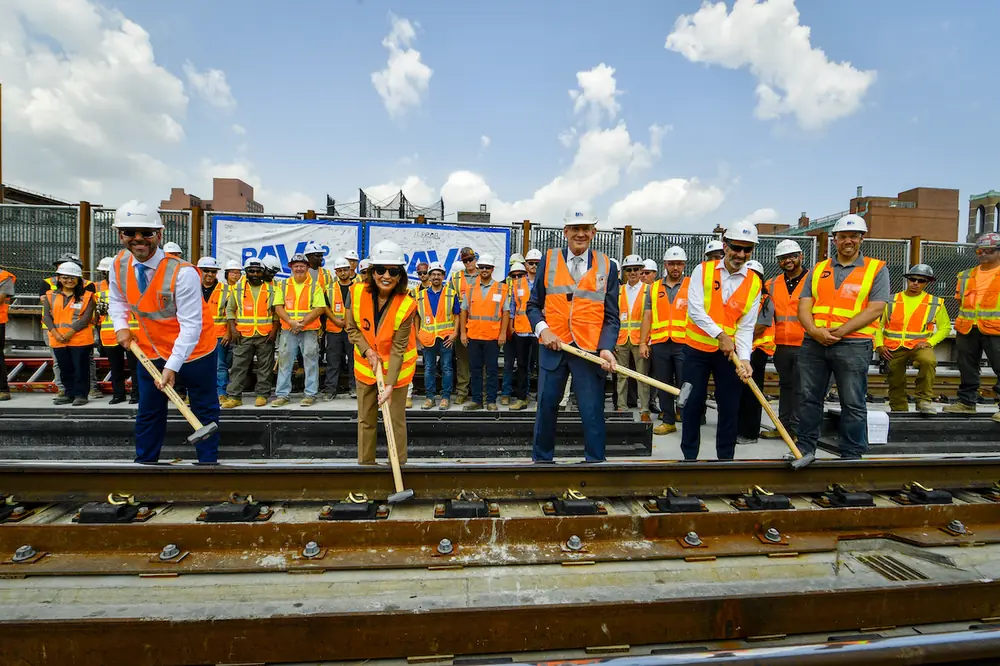
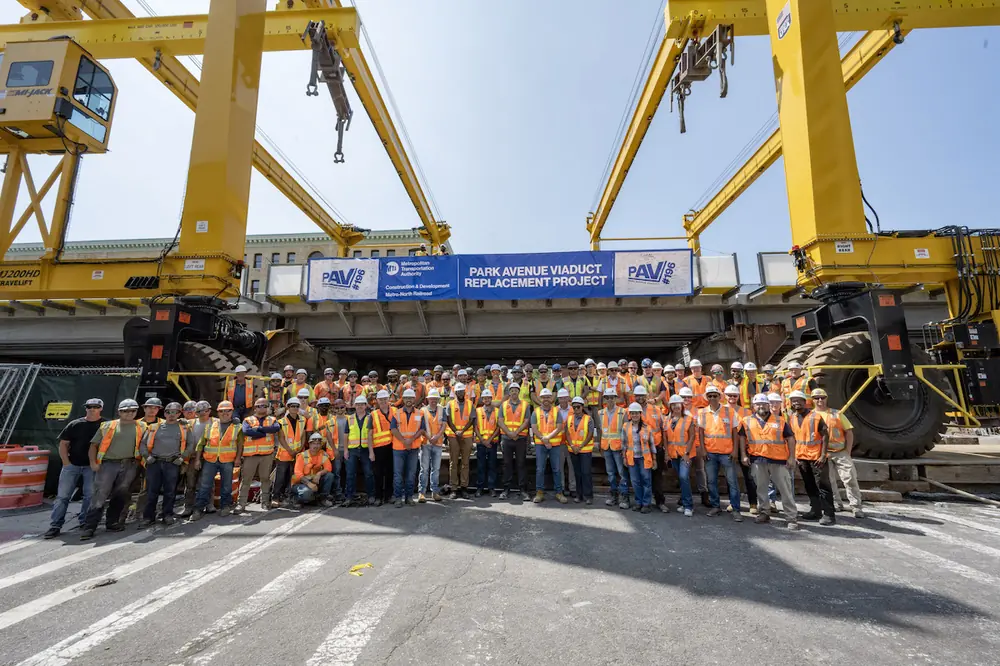
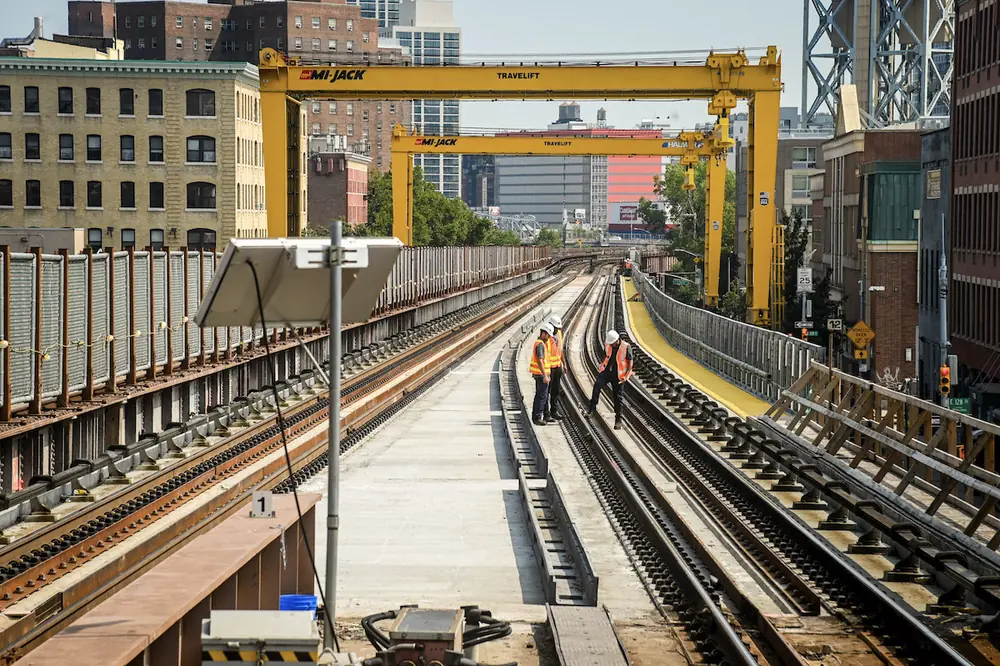

NEW YORK, NY — Governor Kathy Hochul announces the completion of major structural replacement work on the Metropolitan Transportation Authority’s (MTA) Park Avenue Viaduct, 60 months ahead of schedule and $195 million under budget. Since October 2023, crews have replaced 196 bridge structures and more than 12,600 feet of railroad over 28 weekends without delaying a single train. The $765 million project fortifies the long-term reliability and resiliency of the critical corridor that carries 98 percent of all Metro-North Railroad service and all trains traveling into and out of Grand Central Terminal.
“This is what it looks like when government delivers: a major project to modernize essential infrastructure completed years ahead of schedule and hundreds of millions of dollars under budget, all without impacting service,” Hochul said. “The Park Avenue Viaduct is critical, and by replacing infrastructure dating back to the Gilded Age, hundreds of thousands of Metro-North riders will now benefit from a smoother and more reliable ride.”
The 133-year-old Park Avenue Viaduct carries four Metro-North tracks above Park Avenue from the Park Avenue Tunnel at East 97th Street to the Harlem River, supporting approximately 750 trains and 260,000 passengers each day through one of New York City’s most constrained rail corridors. With nearly half of the viaduct’s girders dating to the 1890s, the MTA launched the project to reconstruct critical portions of the 1.8-mile structure between East 110th Street and the Harlem River Lift Bridge, including the replacement of aging sections between East 115th Street and East 132nd Street, while maintaining full Metro-North service.
“This project is the gold standard for major infrastructure work — modernize what matters most, without making riders suffer through disrupted service," MTA Chair and CEO Janno Lieber said. "The Park Avenue Viaduct may not be glamorous, but its continued deterioration was a real threat to the entire Metro-North system.”
“The Park Avenue Viaduct replacement is proof that modernization doesn’t have to come at the expense of great service," MTA Construction & Development President Jamie Torres-Springer said. "Using creative design and construction innovations, this project is a hallmark example of how the MTA is delivering major upgrades across the system better, faster, and cheaper — and all while keeping New Yorkers moving.”

| Your local Trimble Construction Division dealer |
|---|
| SITECH Allegheny |
| SITECH Northeast |
“This project touches nearly every Metro-North customer, and completing structural work of this scale without delaying a single train is an extraordinary achievement," Metro-North Railroad President Justin Vonashek said. "The modernized viaduct will remain a central artery of Metro-North’s operations, supporting safe, reliable service to and from Grand Central Terminal for decades to come.”
The structural replacement was completed in two phases. Phase 1, spanning East 115th Street to East 123rd Street, began in October 2023 and was completed 21 months ahead of schedule in October 2025. Phase 2, spanning East 127th Street to East 132nd Street, began in May 2024, with the final viaduct replacement completed during the weekend of July 25 to 26 — 60 months ahead of schedule. With the replacement of the structure complete, the remaining work, including track replacement, cable installation, and the removal of temporary fencing and girders, is expected to be completed by September 2027.
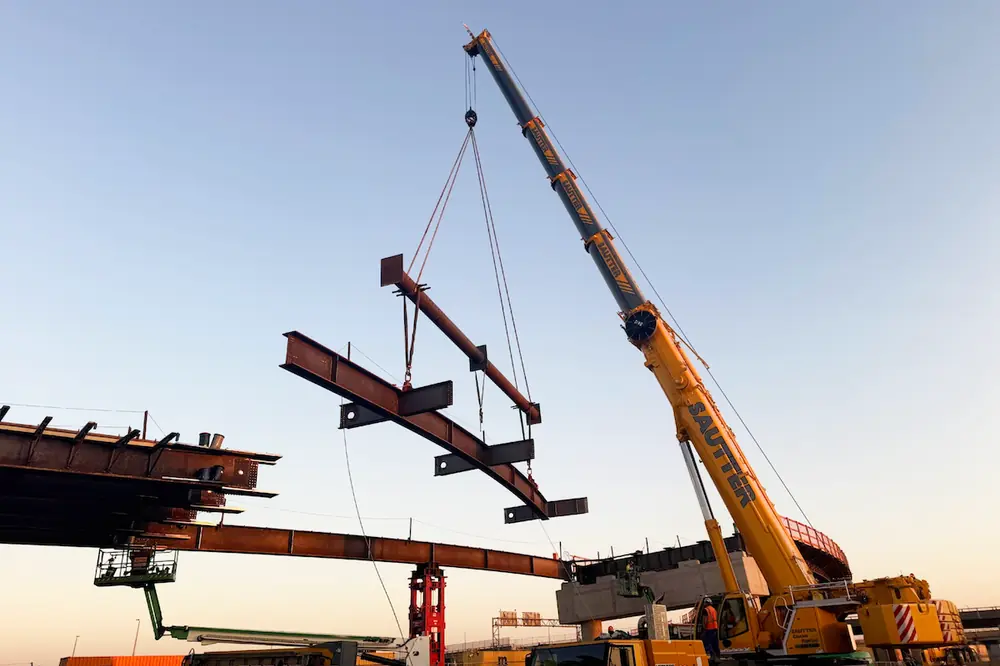
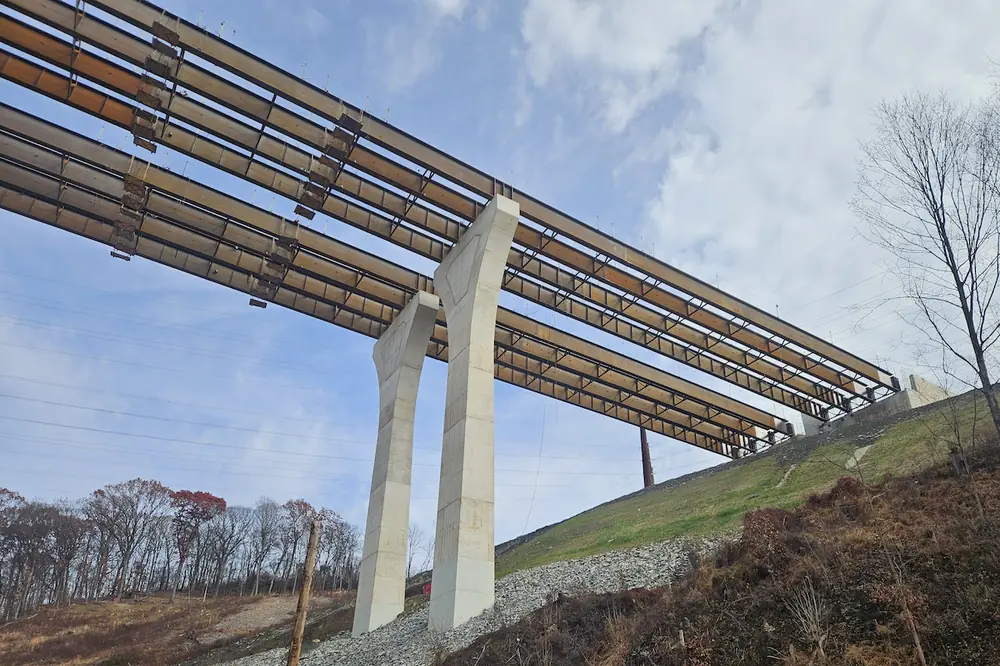
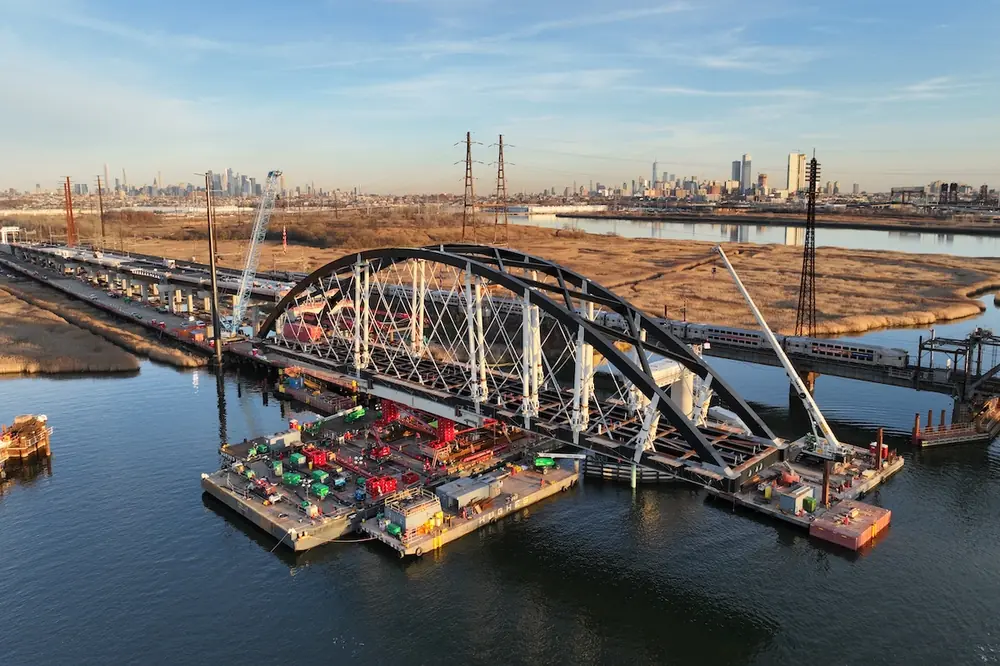
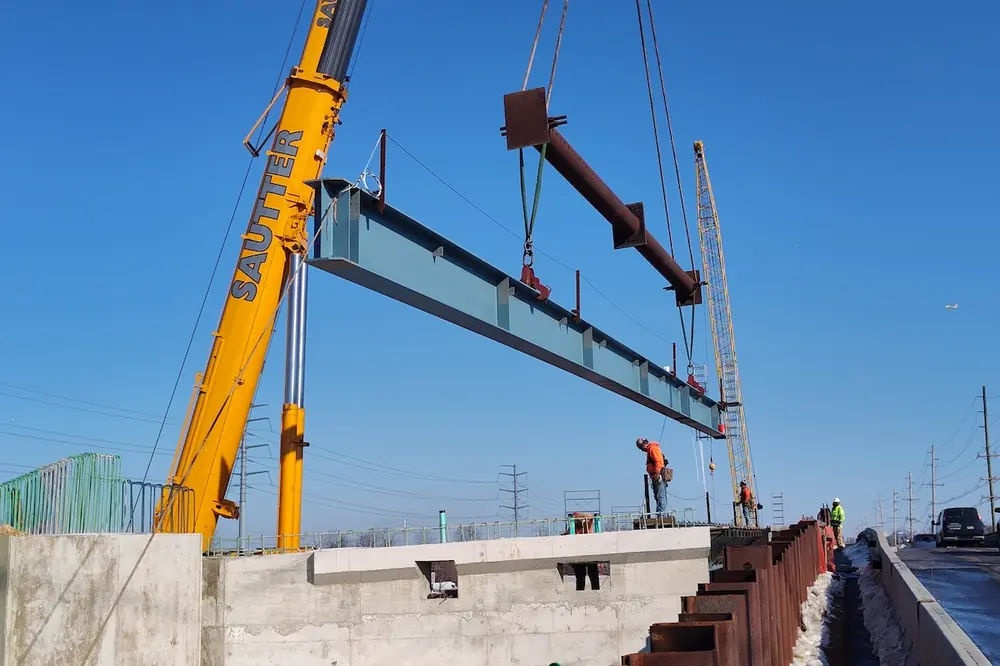
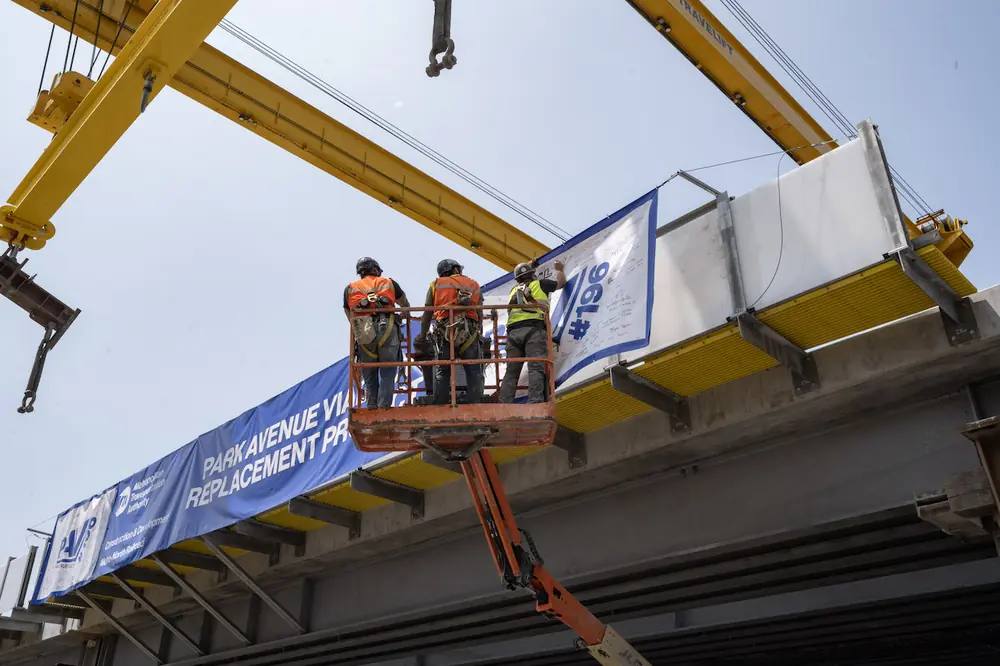
To maintain regularly scheduled train service and accelerate construction, the MTA used multiple custom-designed gantry systems to lift and precisely place prefabricated bridge units weighing nearly 190,000 pounds each. Unlike traditional crane operations, the gantries allowed crews to install the units during tightly coordinated weekend work windows without delaying service.
The project also used an intertrack containment system to create enclosed work zones between active tracks, allowing construction to proceed safely while trains continued operating on adjacent tracks. The approach reduced the need for flagging personnel, lowering project costs and providing a model for performing major construction in other narrow, active rail corridors.
| Your local Trimble Construction Division dealer |
|---|
| SITECH Allegheny |
| SITECH Northeast |
Bridge components were prefabricated and assembled off site, reducing the amount of work performed on the viaduct, limiting workers’ exposure to a high-risk environment, and creating more predictable weekend schedules. This allowed replacements to take place over 48-hour weekend work windows.
Metro-North is the second most heavily traveled commuter railroad in the country. As ridership and demand grow, major structures serving the vast majority of Metro-North customers — including the Grand Central Terminal train shed, Park Avenue Tunnel, and Park Avenue Viaduct — are more than 100 years old and in need of replacement. Together, these three structures make up the Grand Central Artery. To provide safer, more reliable, and more resilient service, the MTA is making major investments to modernize this critical infrastructure. Between updates along Park Avenue and the replacement of the Grand Central Terminal train shed, the MTA is making $2.9 billion in capital investments to improve Metro-North service for generations to come.