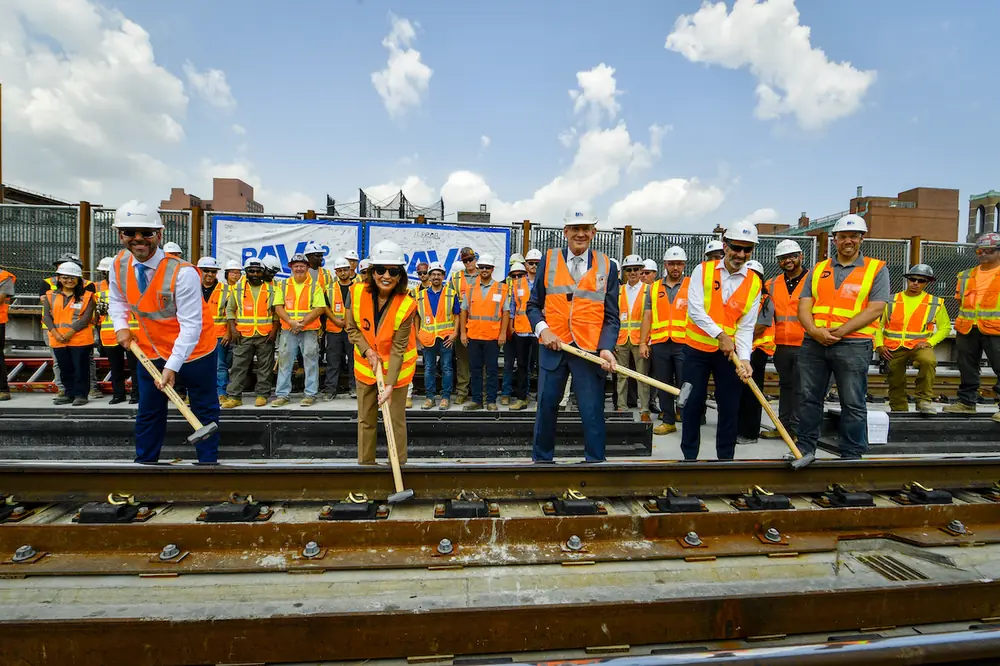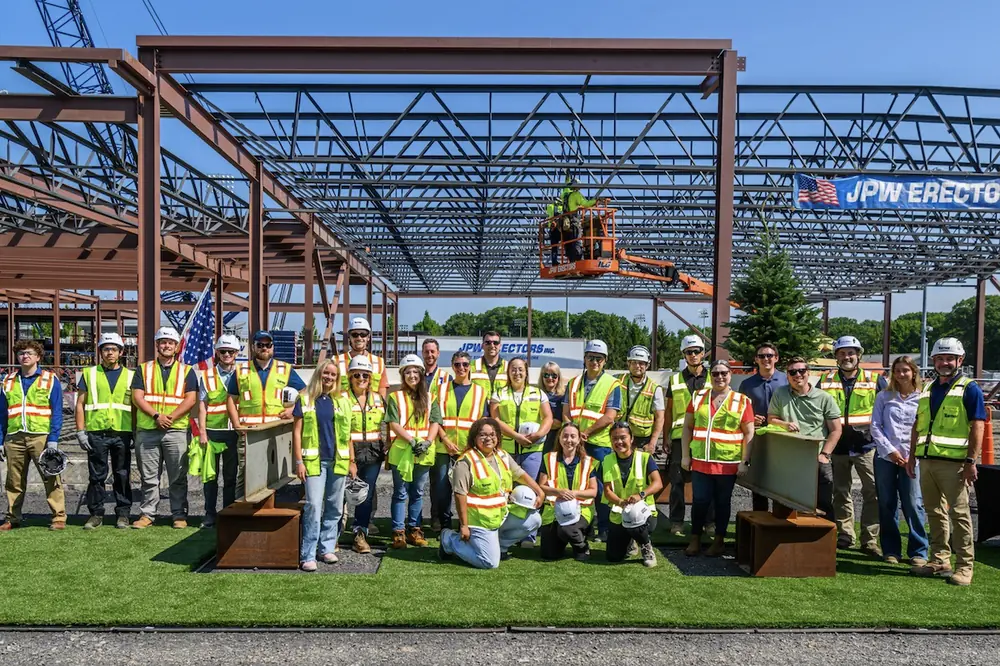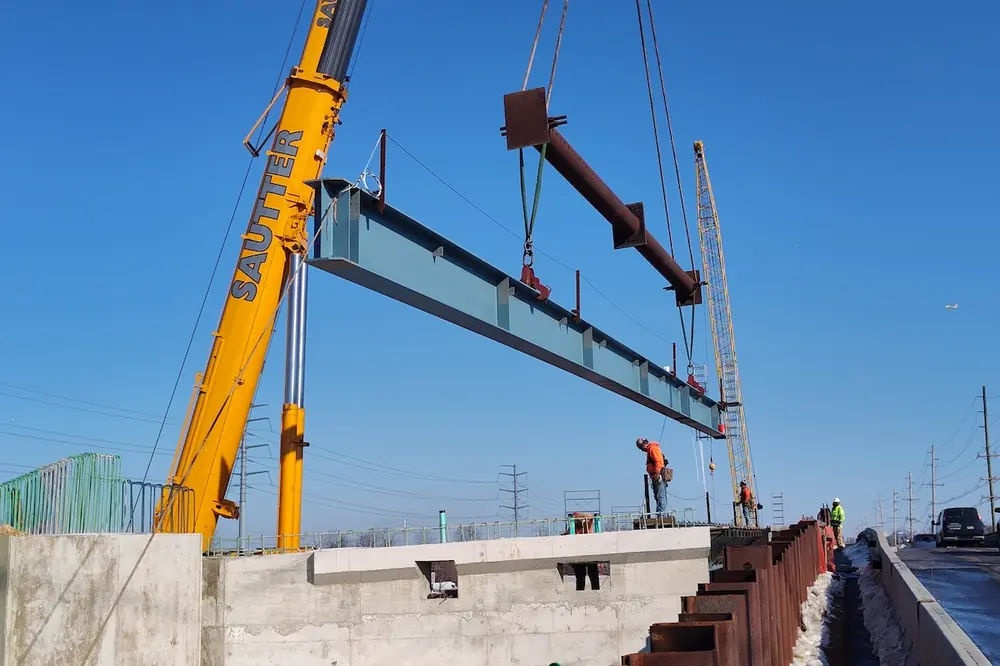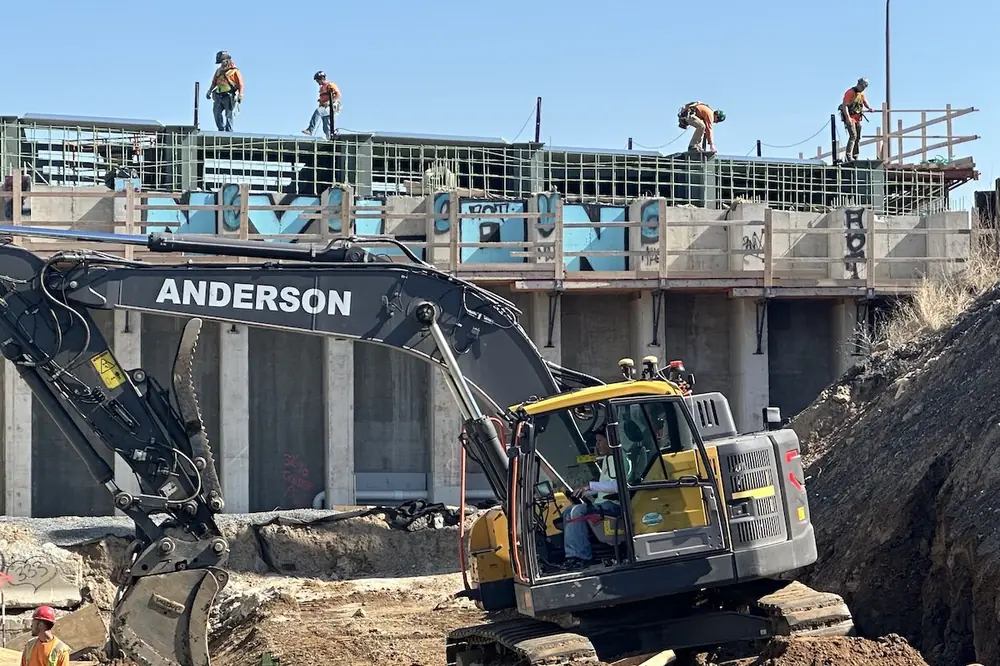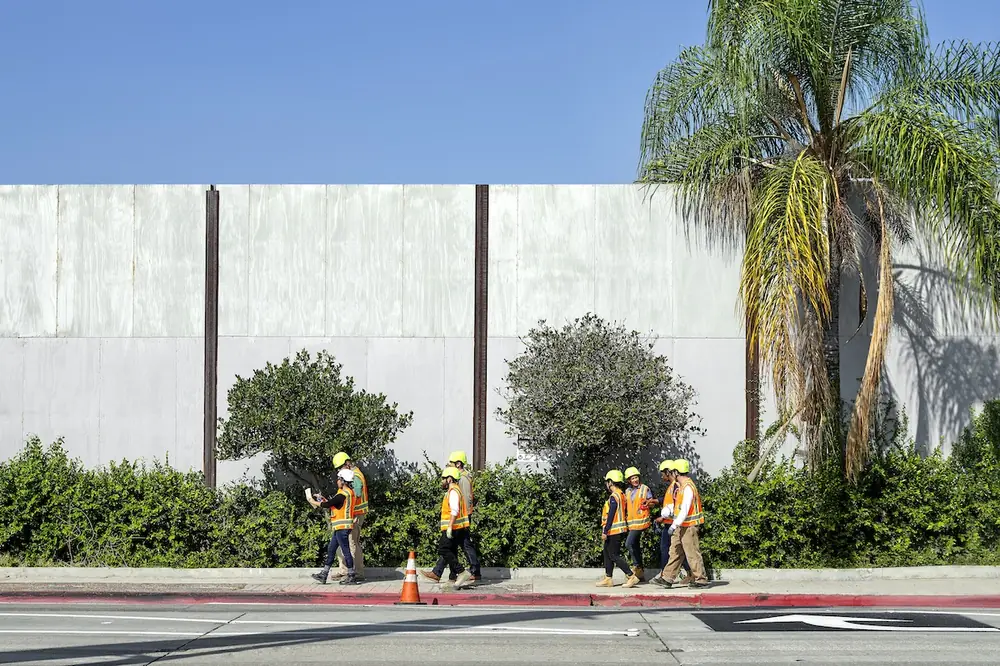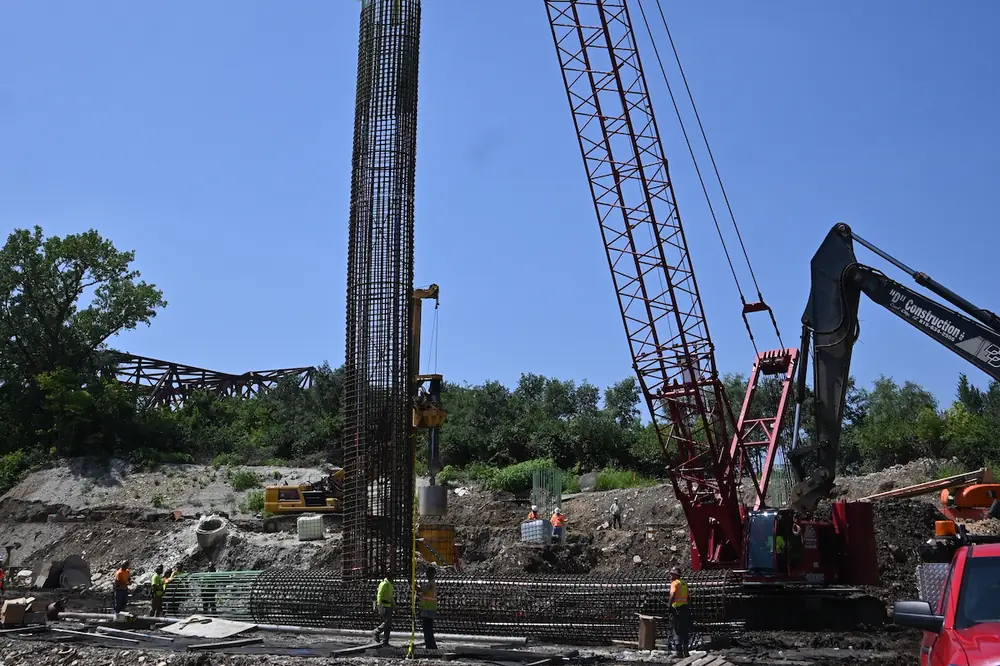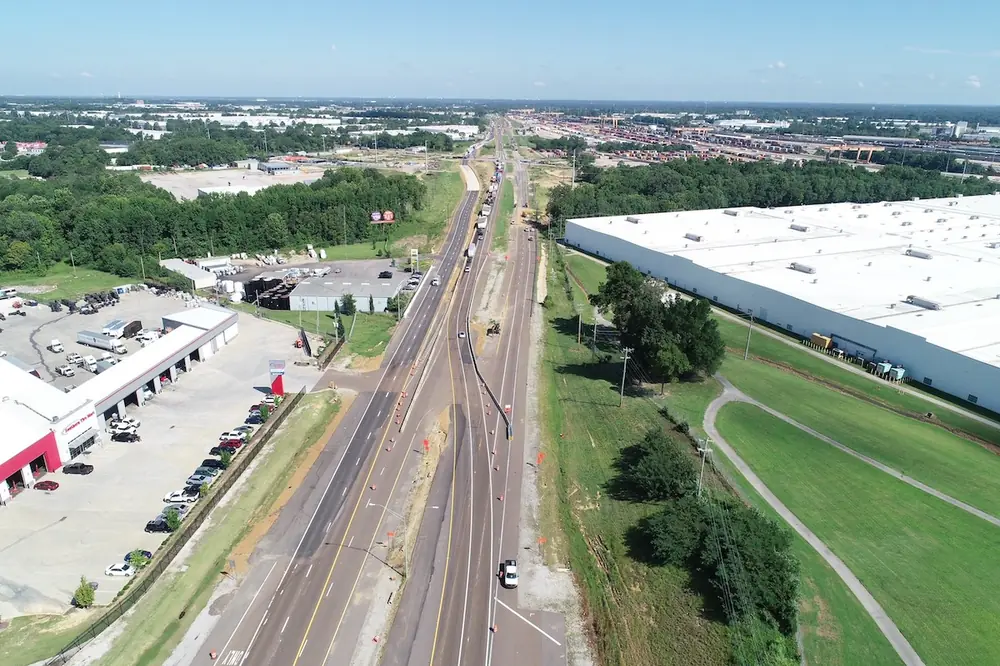
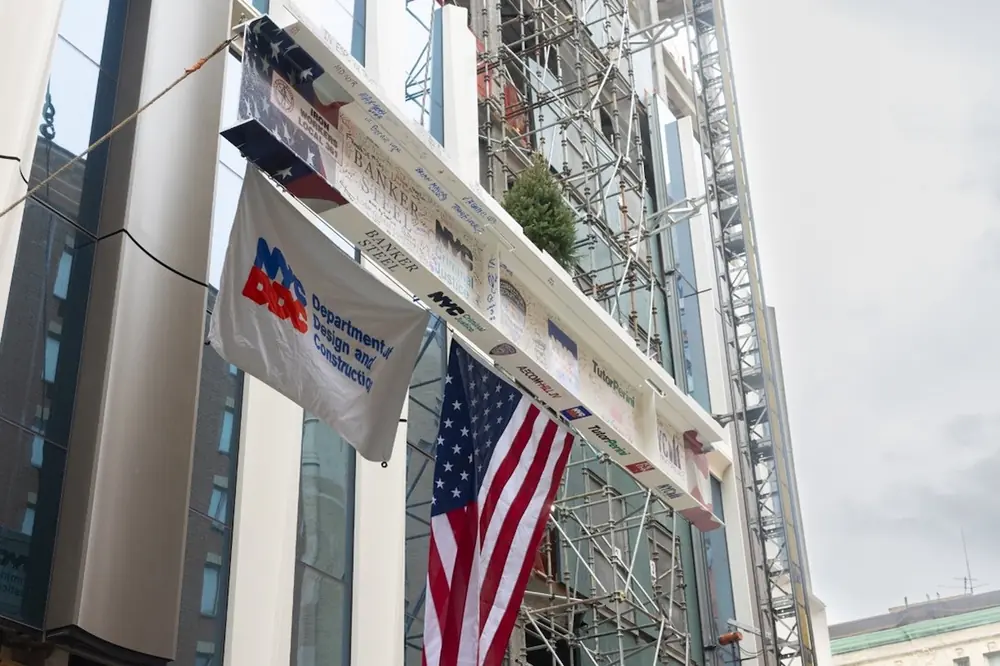

BROOKLYN, NY — The NYC Department of Correction (DOC), NYC Department of Design and Construction (DDC), and Mayor’s Office of Criminal Justice (MOCJ) joined more than 100 construction workers as the last piece of structural steel was placed atop the new Brooklyn jail in a traditional steel topping out ceremony. The jail, at the site of the former Brooklyn House of Detention, is one of four being built by the city to replace Rikers Island and is due to be completed in spring 2029 as part of the Borough-Based Jails program. Demolition and site preparation for three additional jails in the Bronx, Queens, and Manhattan is already completed, and the jails will be turned over in 2031 (Bronx, Queens) and 2032 (Manhattan). Construction and early work for the facilities has started at each of the sites.
“[This] milestone brings us one step closer to closing Rikers Island and providing facilities with better conditions for both those in custody and the staff who work there,” NYC DDC Acting Commissioner Eduardo del Valle said. “DDC has held extensive workshops with affected communities and local stakeholders to design safer, more humane facilities that resemble living spaces with natural lighting, provide on-site areas for health care, legal services, and visitation, and include exterior and community spaces that will serve as neighborhood assets. We are grateful for the collaboration of our agency partners and the local community, and we look forward to continuing the important work."
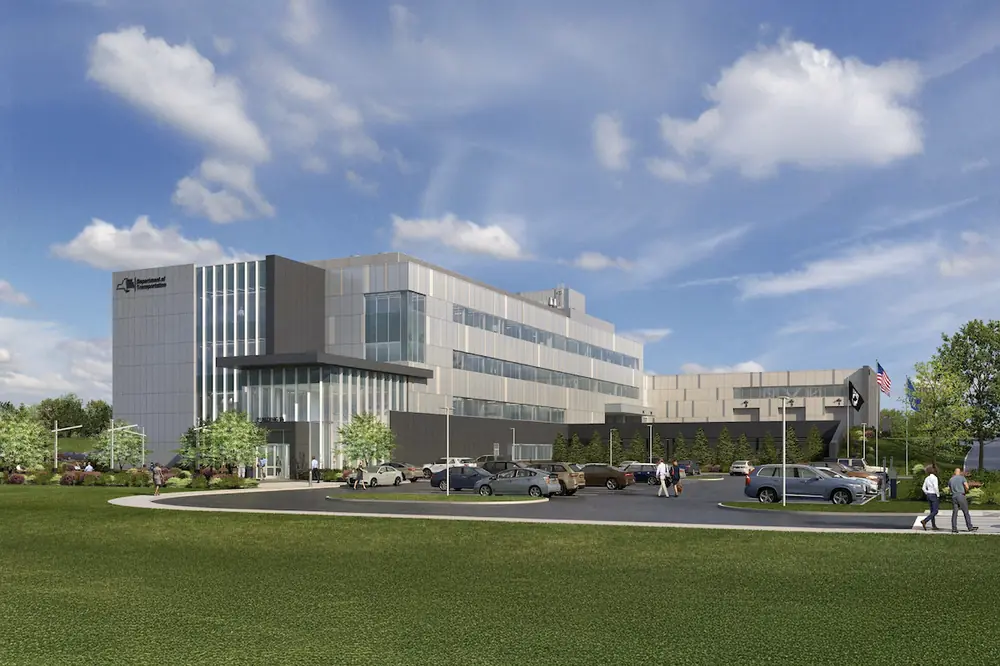
The new jail being constructed in Brooklyn is 15 stories, with a maximum height of 295 feet at the roofline plus mechanicals. The building will have a zoning floor area of 712,150 square feet, with over 30,000 square feet of that space designated as community space with separate entrances fronting Atlantic Avenue. It will have a capacity of 1,040 beds and will include 82 parking spaces below grade for authorized vehicles. It is being designed and constructed by the design-build team of Tutor Perini Corporation/HOK and has a projected budget of $2.959 billion. Construction began in November 2024 and is expected to reach substantial completion in spring 2029.
The design of the new facility was developed over several years and involved numerous community design workshops and other meetings with the justice-involved community. The design principles that the design-build team followed include supportive environments with residential-style spaces and natural lighting and includes on-site areas for health care as well as education and legal services. The building has been designed to be durable as well as to meet and exceed green building standards for sustainability, and the ground floor areas include visiting areas for the facility as well as uses that serve the surrounding neighborhood.
The transition to the Borough-Based Jail system depends on continued citywide efforts to safely reduce the jail population, lower rearrest, and promote stability for New Yorkers returning to their communities after involvement in the criminal legal system. Employing the support of MOCJ’s service provider partners, thousands of New Yorkers successfully move away from incarceration and are supported through their reentry journey each year.