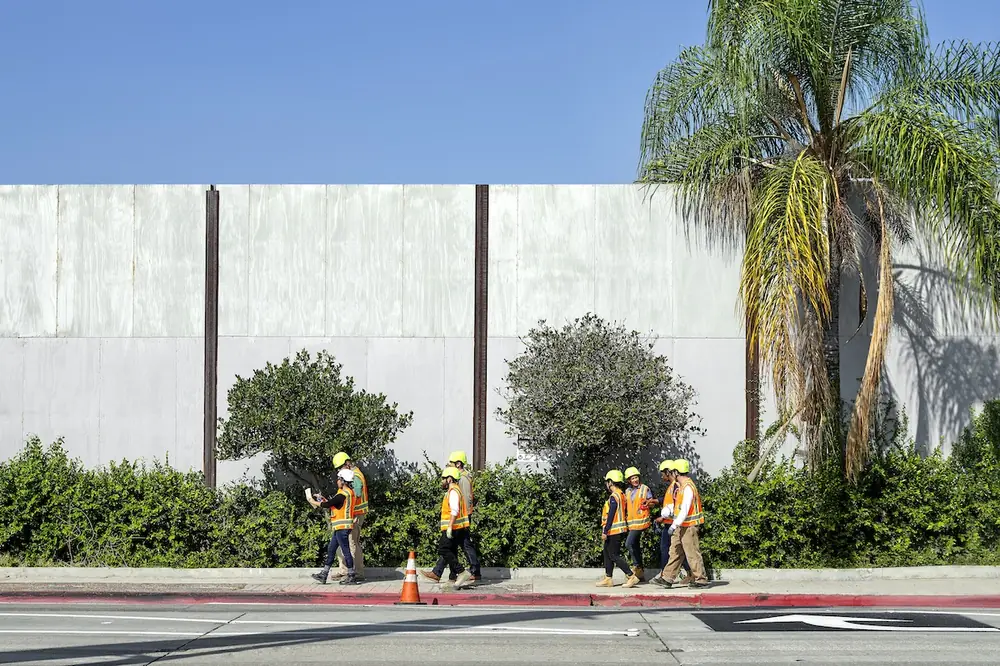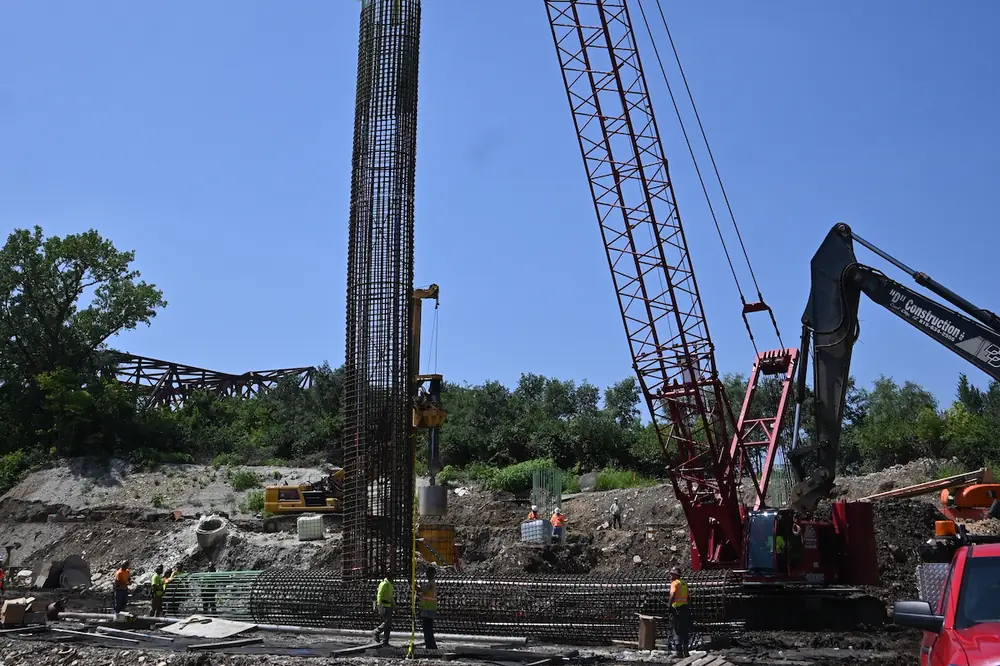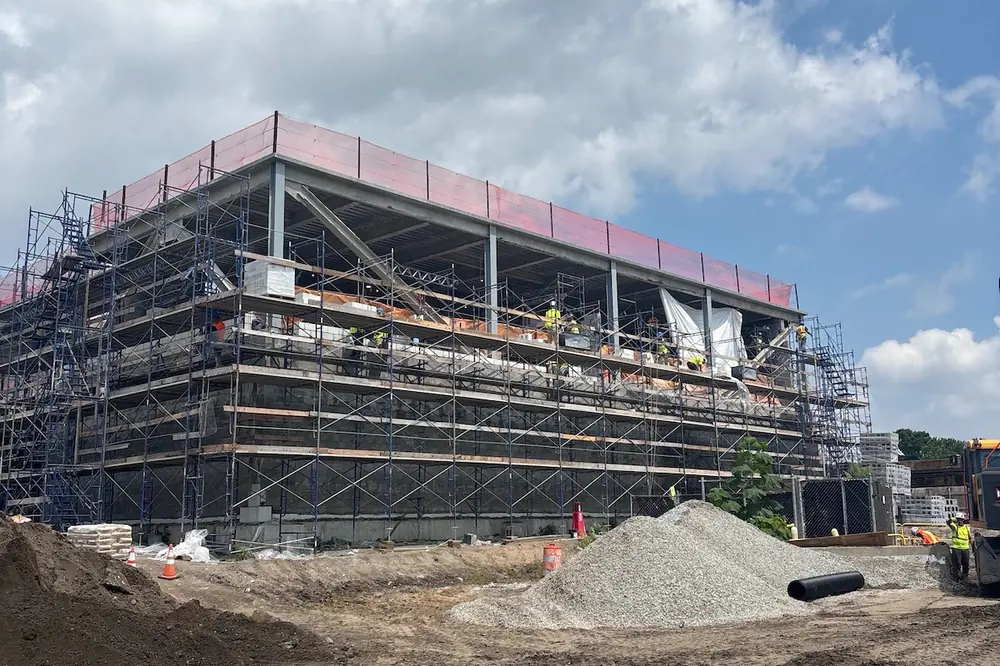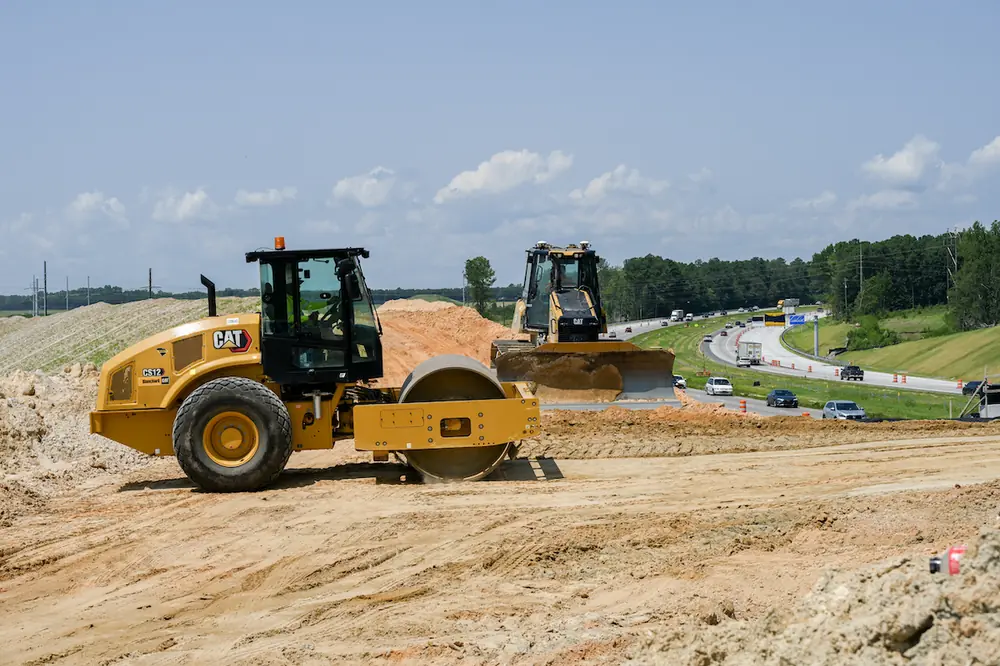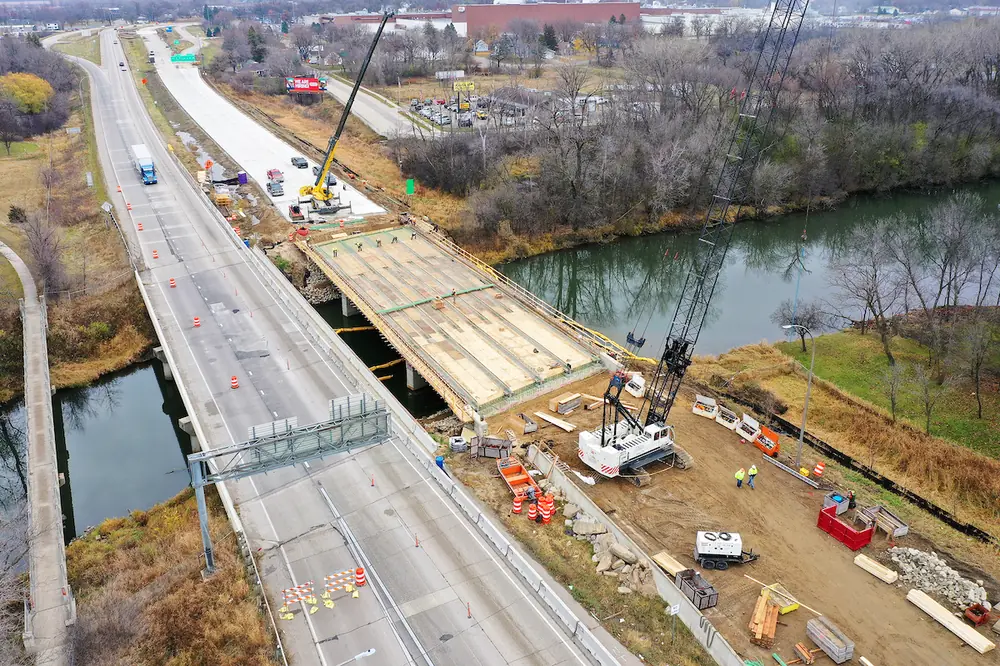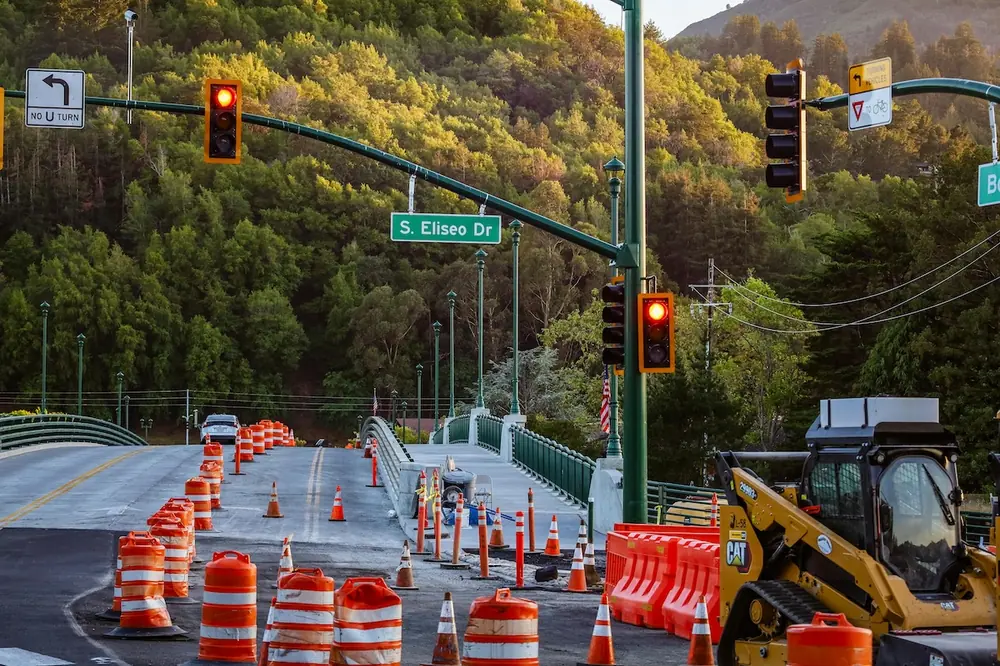

The Upper Midwest is experiencing a surge in infrastructure investment. However, this boom brings a significant challenge: managing safety in high-speed, high-volume work zones. Work zone safety isn't just a regulatory checkbox — it’s a critical operational challenge that impacts the lives of crews and the company's bottom line.
Recent data from TRIP, a national transportation research nonprofit, highlights sobering numbers. From 2020 to 2024, work zone fatalities in the Western Builder region totaled:
- Minnesota: 52 people
- North Dakota: seven people
- South Dakota: 13 people
- Wisconsin: 56 people
According to TRIP’s analysis, in addition to the human toll, the economic cost imposed by traffic crashes in 2024 alone was:
- Minnesota: $6.1 billion
- North Dakota: $812 million
- South Dakota: $1.7 billion
- Wisconsin: $7.9 billion

| Your local Trimble dealer |
|---|
| WPI |
| Kirby-Smith Machinery |
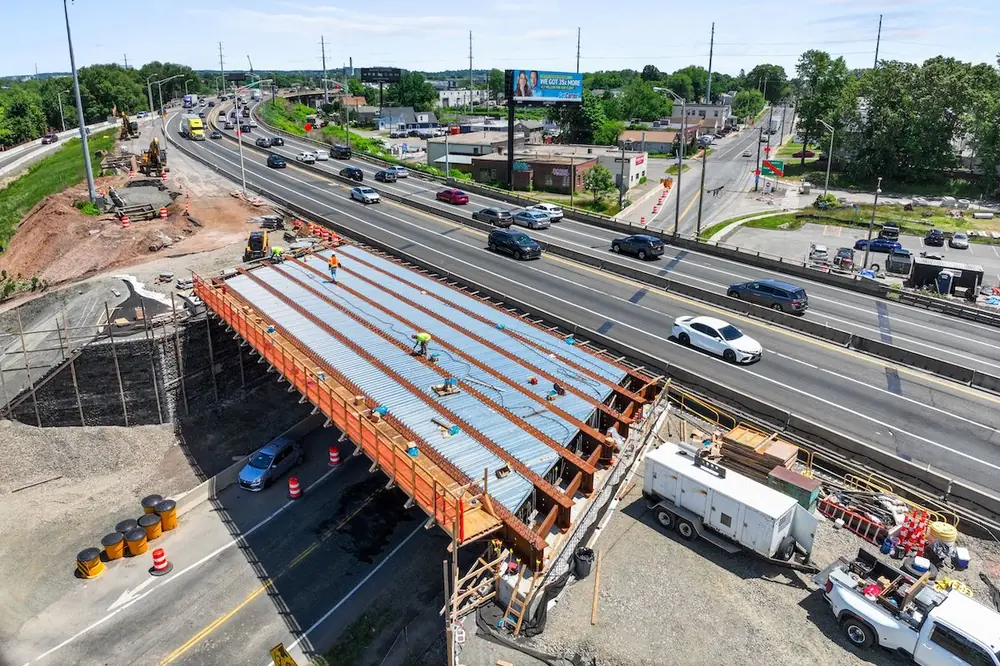
Work zones are among the most dangerous environments for both motorists and highway workers.
State legislatures are responding to these rising numbers with stricter enforcement while stakeholders explore new technology.
For instance, the Minnesota Department of Transportation (MnDOT) is working with researchers from the University of Minnesota to test and refine a device that would alert drivers of risky behavior before they reach the work zone. The device provides both audio and visual alerts to vehicles approaching work zones at a high speed and on a dangerous trajectory.
MnDOT is also supporting research at North Dakota State University (NDSU) to develop a more easily deployable, affordable alert system for workers.

| Your local Komatsu America Corp dealer |
|---|
| WPI |
| Kirby-Smith Machinery |
“We saw a need for a practical, scalable approach that can address both near-miss accidents between workers and equipment and vehicle intrusion, while producing consistent, trustworthy data that supports proactive safety management,” said Youjin Jang, lead researcher and an NDSU Assistant Professor of Civil, Construction, and Environmental Engineering, in a university press release.
The prototype uses a set of small smart devices that communicate with each other. Workers can wear them, equipment can carry them, and some can be positioned at a work zone boundary. The system records events so teams can review what happened in order to improve safety training, planning, and procedures.
After initial field tests, the next step is a larger pilot in several active work zones under different traffic, equipment, and weather conditions. Based on the findings, researchers will continue to improve alert settings and device durability before wider deployment.
For construction firms, a safety incident is a multi-layered disaster. Beyond the tragic human cost, a single work zone intrusion can result in project delays, insurance premium hikes, and a damaged reputation among potential employees and clients.

| Your local Gomaco dealer |
|---|
| Clark Machinery |
How can you mitigate these risks?
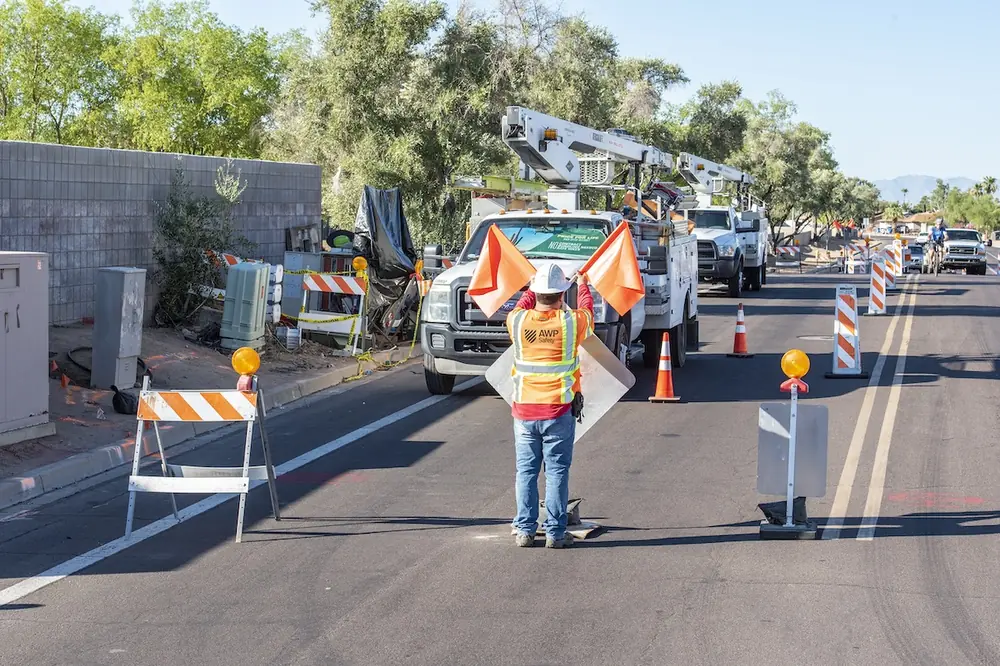
“Improving safety in construction work zones demands a comprehensive approach, one that combines physical separation like concrete and movable barriers, automated speed enforcement, traditional traffic controls such as flagging and signage, and real-time digital alerts that keep drivers informed and workers protected,” said Rocky Moretti, TRIP’s Director of Policy and Research. “It is important that work zone strategies are fully implemented by adequate planning and design, which leads to less casualties and accidents.”
Each spring, National Work Zone Awareness Week — a campaign founded by the American Traffic Safety Services Association, the American Association of State Highway and Transportation Officials, and the Federal Highway Administration — brings attention to work zone safety. But protecting workers and your business requires constant effort. By combining enforcement tools with rigorous internal safety protocols, contractors can ensure that the men and women building the future of the Upper Midwest return home safely after every shift.