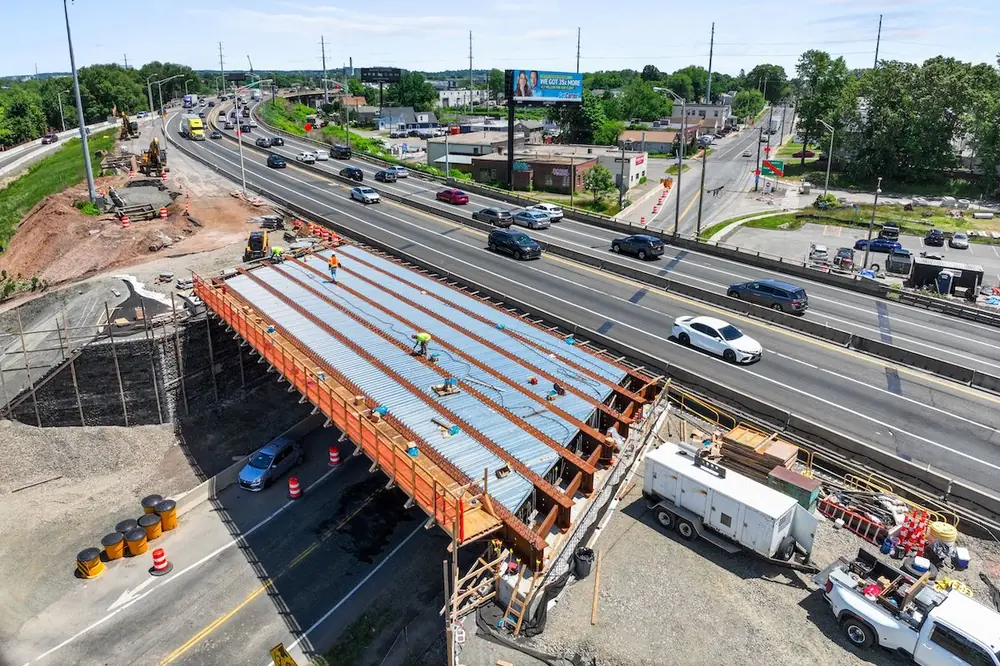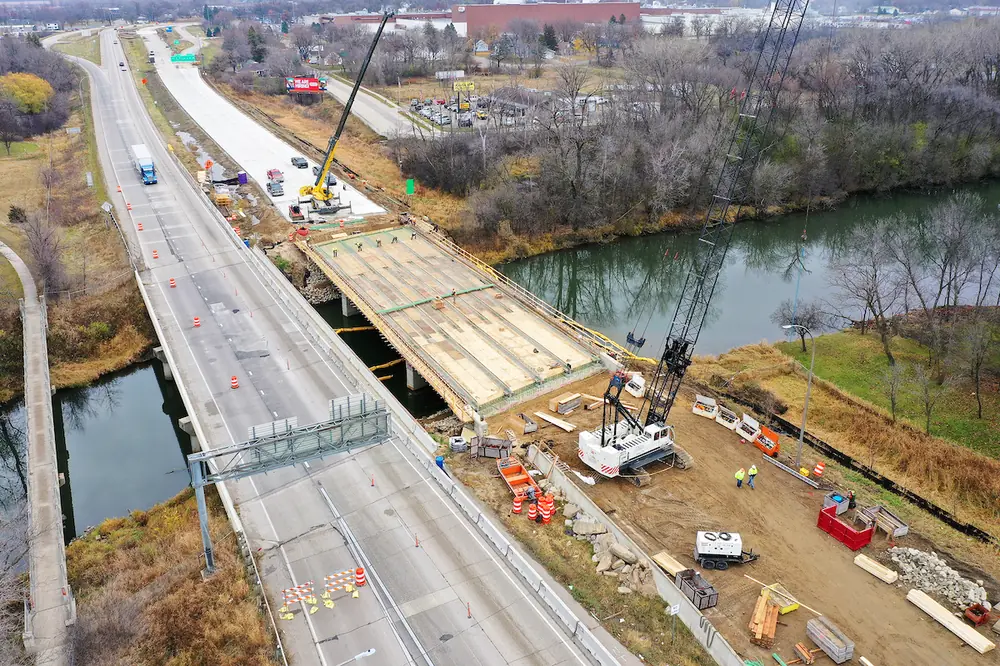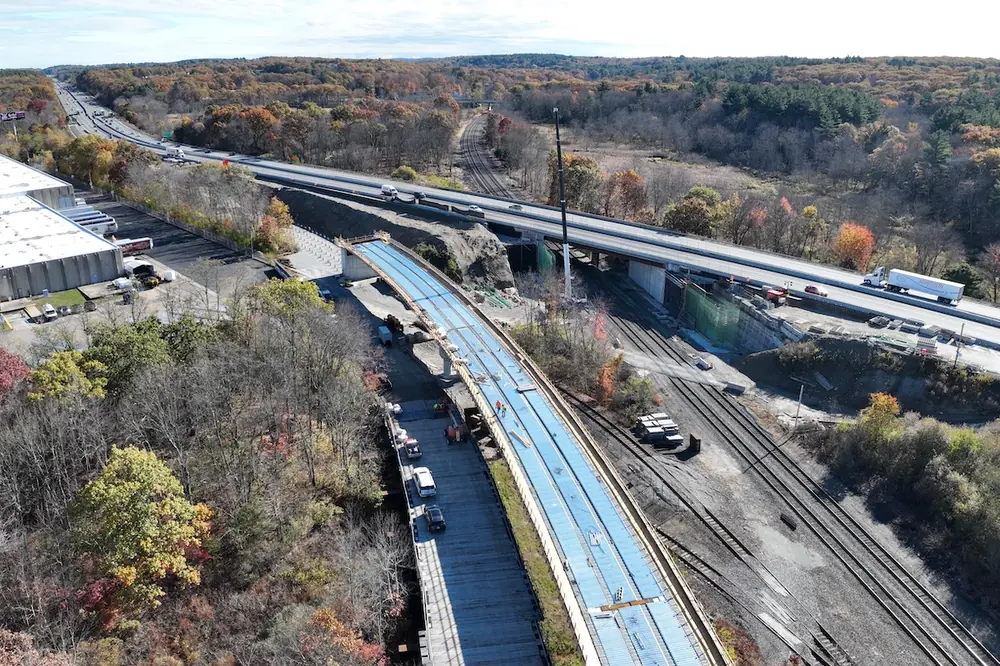
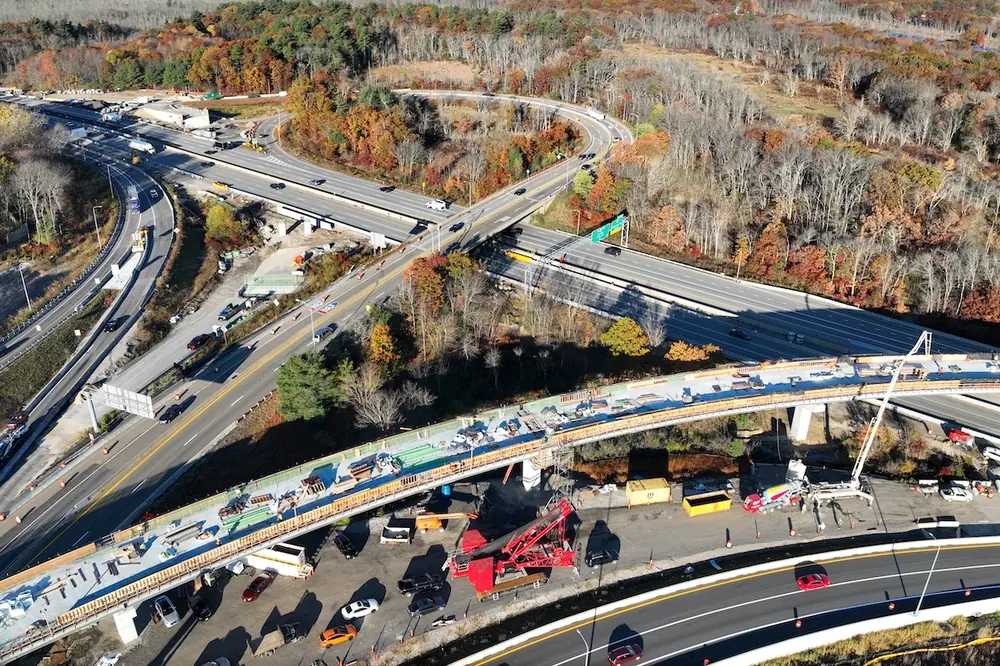
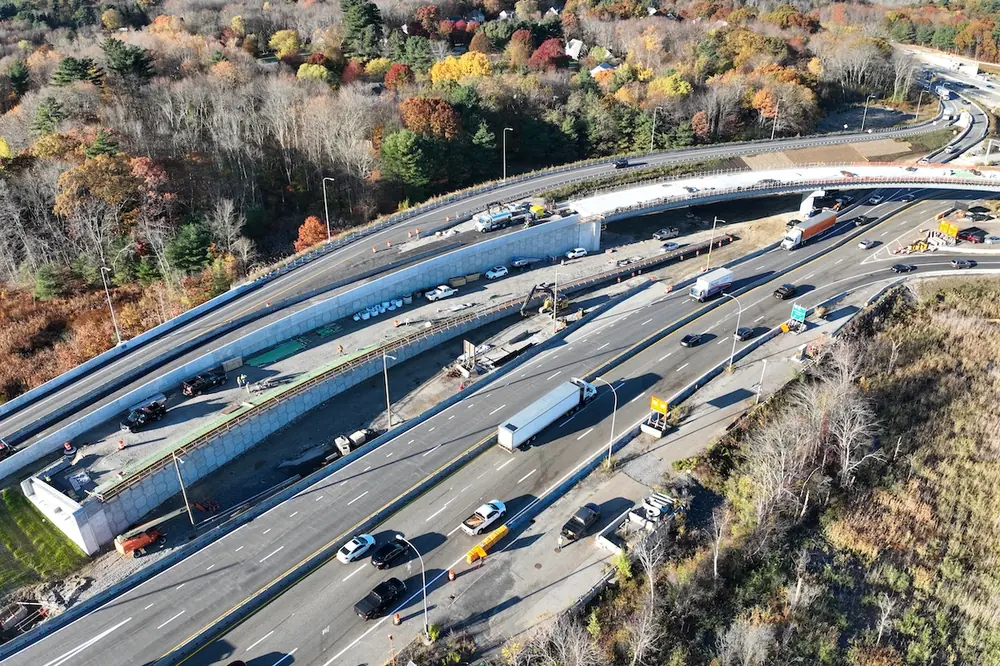
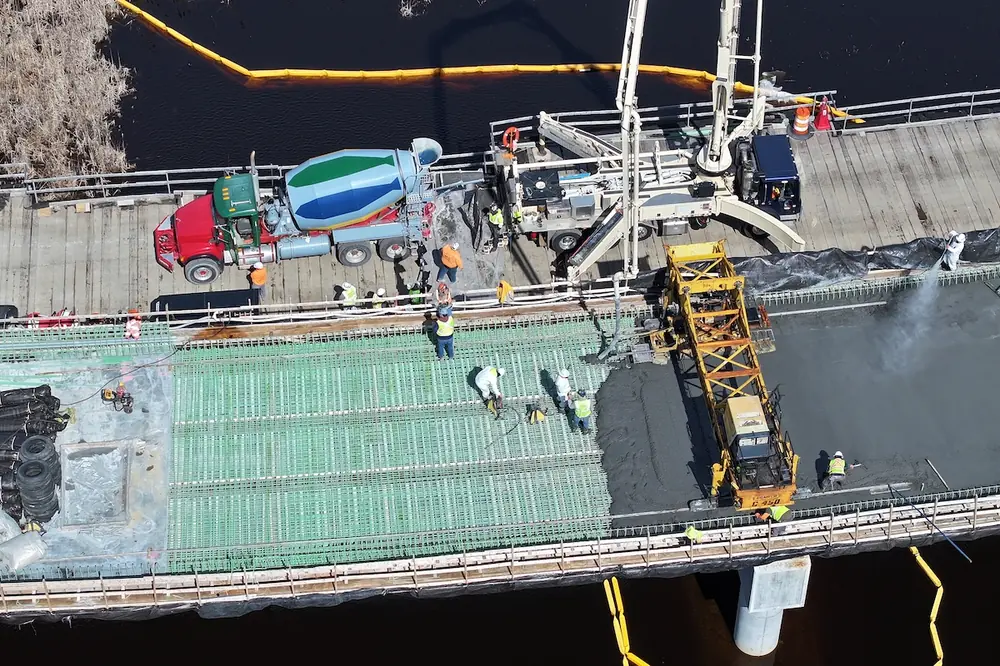
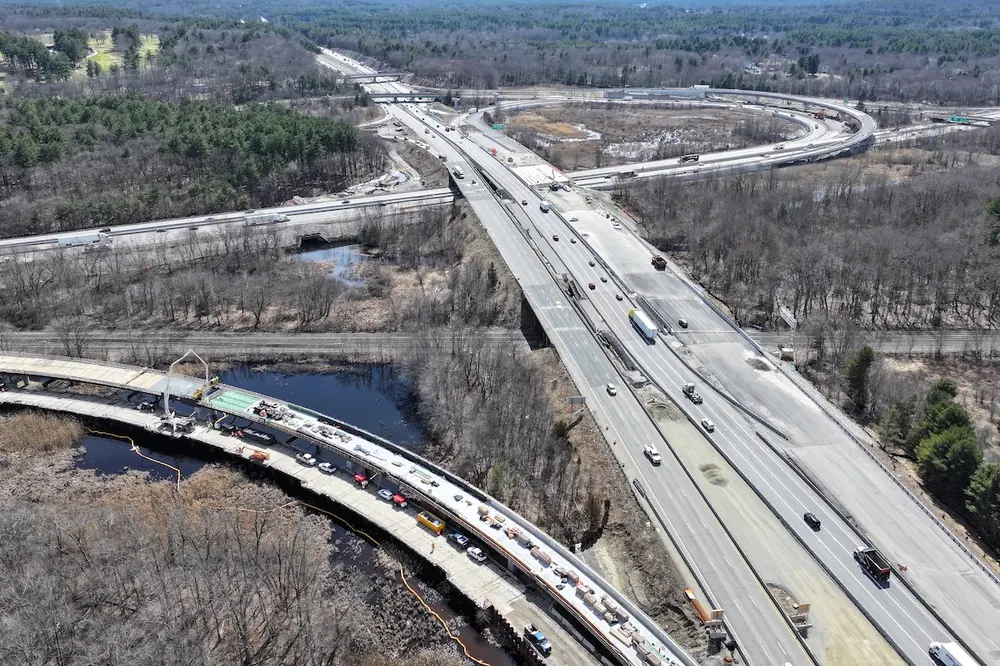
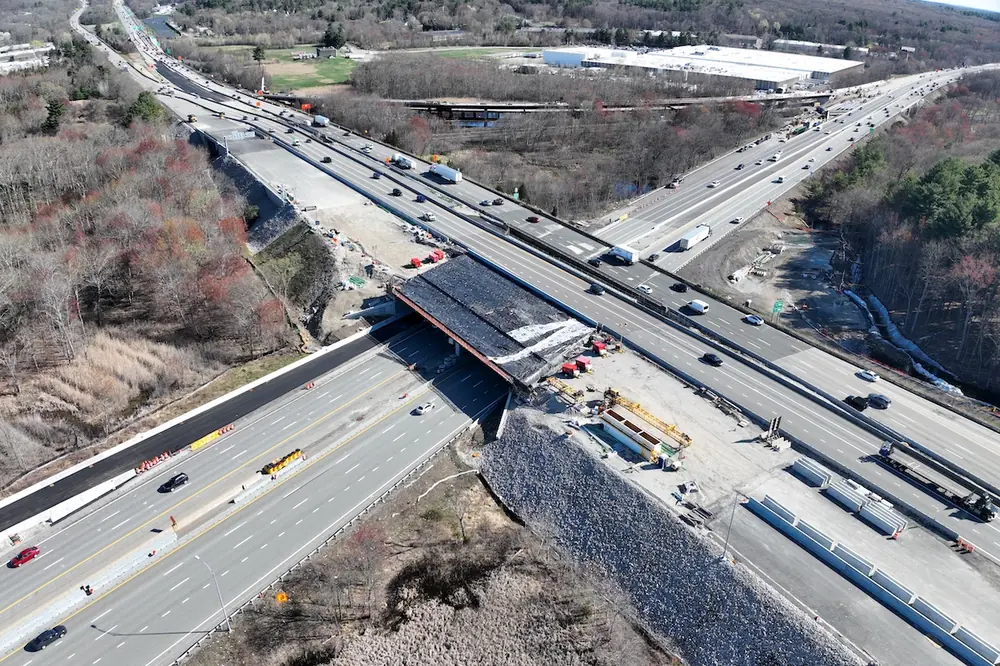
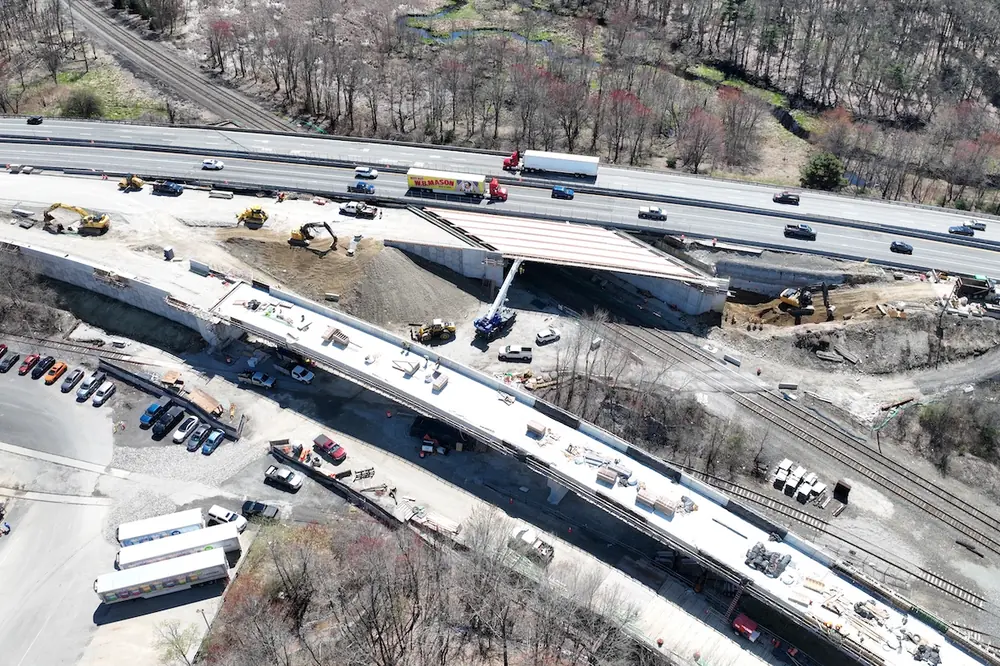
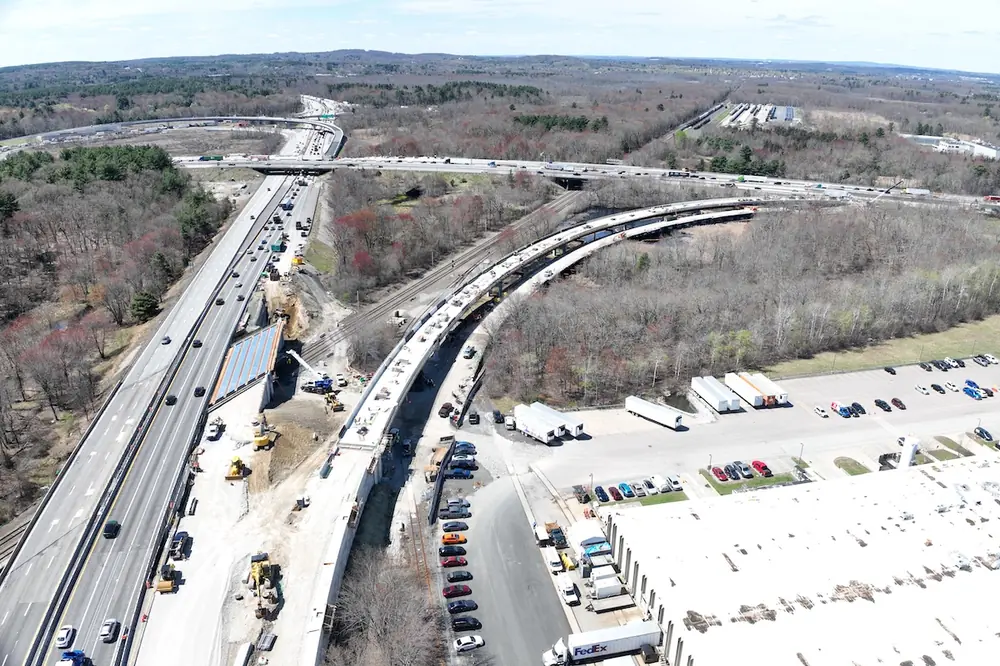
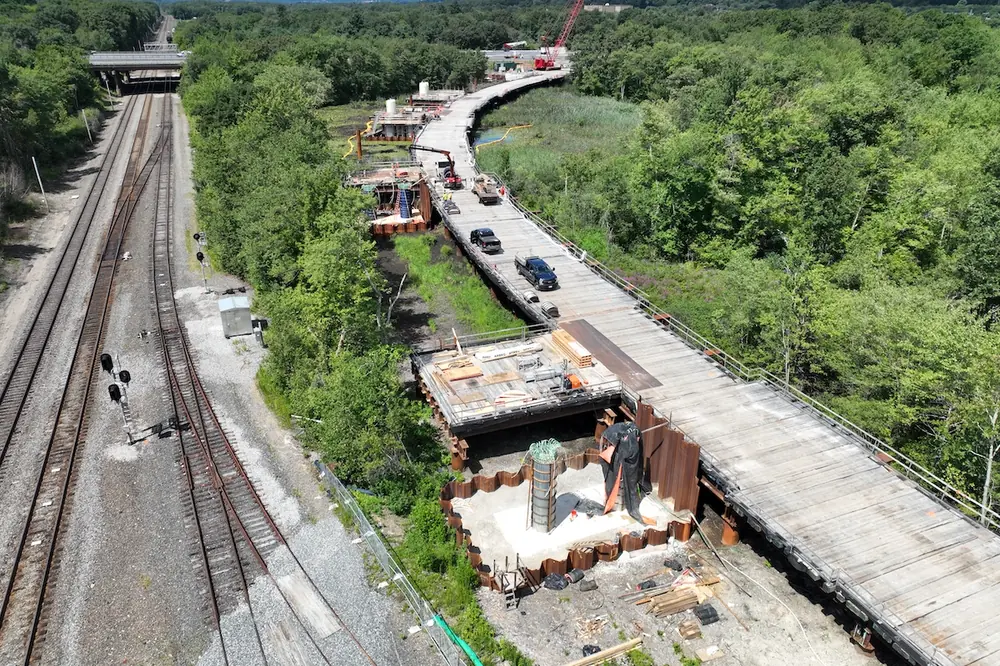

In response to years of mounting congestion and safety concerns, the Massachusetts Department of Transportation (MassDOT) is in the midst of a full reconstruction of the I-495/I-90 interchange, one of eastern Massachusetts’ most heavily traveled highway junctions.
The project, which started in 2021, is designed to address longstanding operational deficiencies while improving mobility for both passenger vehicles and freight traffic moving through the region.
Located at the crossroads of two major arteries, the interchange has long struggled to keep pace with demand. On an average day, more than 100,000 vehicles travel along both I-90 and I-495, with approximately 75,000 navigating the interchange itself, including a significant share of truck traffic entering the eastern part of the state. These volumes have routinely created bottlenecks that ripple across the regional transportation network.
“The I-495/I-90 interchange has experienced traffic demands exceeding its capacity for years,” MassDOT Spokesperson John Goggin said. “The deficient geometry concentrates movements through the former toll plaza area, resulting in queuing onto the interstate mainlines and crash rates that are twice the statewide average.”
The current project aims to resolve those issues through a comprehensive redesign that replaces the outdated interchange with a modern configuration focused on safety, efficiency, and long-term capacity.

| Your local Bomag Americas dealer |
|---|
| WPI |
The interchange overhaul is part of a broader MassDOT initiative to modernize key junctions across the state.
“This project is one of several interchange improvement efforts underway,” Goggin said, noting similar initiatives at I-90/I-95 in Newton and Weston, Route 27/9 in Natick, and I-195/Route 18 in New Bedford.
Combined, these projects reflect a strategic effort to improve the movement of both people and goods throughout Massachusetts. At the I-495/I-90 location, that mission is especially critical given the interchange’s role as a key freight gateway.
Given the scale and complexity of the interchange reconstruction, MassDOT selected a design-build delivery method throughout the project life cycle.

| Your local Trimble dealer |
|---|
| Kirby-Smith Machinery |
| WPI |
“MassDOT uses design-build for large and complex projects to allow the contractor and designer to work together on all phases of the project in an effort to reduce costs and expedite delivery,” Goggin said.
The project is being delivered by a joint venture (JV) that includes Barletta Heavy Division, O&G Industries, and Aetna Bridge Co., with VHB serving as the designer. Coordination among these entities, as well as with MassDOT and preliminary design consultants, has been a central component of the project’s execution.
To streamline communication and maintain alignment, the team has relied on a centralized digital platform for document control, along with frequent coordination meetings.
“A project-wide SharePoint site has served as the clearinghouse for all design and construction submittals,” Goggin said. “Regular project update meetings and discipline-specific coordination sessions have enhanced communication throughout the duration of the work.”

| Your local Wirtgen America dealer |
|---|
| Kirby-Smith Machinery |
At the heart of the project is a complete reconfiguration of the interchange geometry, aimed at eliminating the operational inefficiencies that have plagued the site for decades.
The existing design funnels traffic through a constrained area near the former toll plaza, creating weaving movements and forcing vehicles to merge and diverge in tight spaces. The new design addresses these issues through improved ramp geometry, better spacing between entry and exit points, and the addition of acceleration and deceleration lanes.
“Construction of the interchange has been particularly challenging due to its location within environmentally sensitive wetlands, necessitating complex construction phasing to maintain uninterrupted traffic operations while protecting these resources,” said Mark Shamp, Project Manager at Barletta Engineering Corporation, who led the joint venture. “The team has collaborated with its design team [VHB] to minimize phasing while evaluating the challenges of waiting for the completion of individual phases or re-engineering to mitigate the timeline.”
Another hurdle was encountering the historic organic material that was prevalent throughout the project limits and designing ground improvement strategies to overcome.

| Your local Gomaco dealer |
|---|
| Clark Machinery |
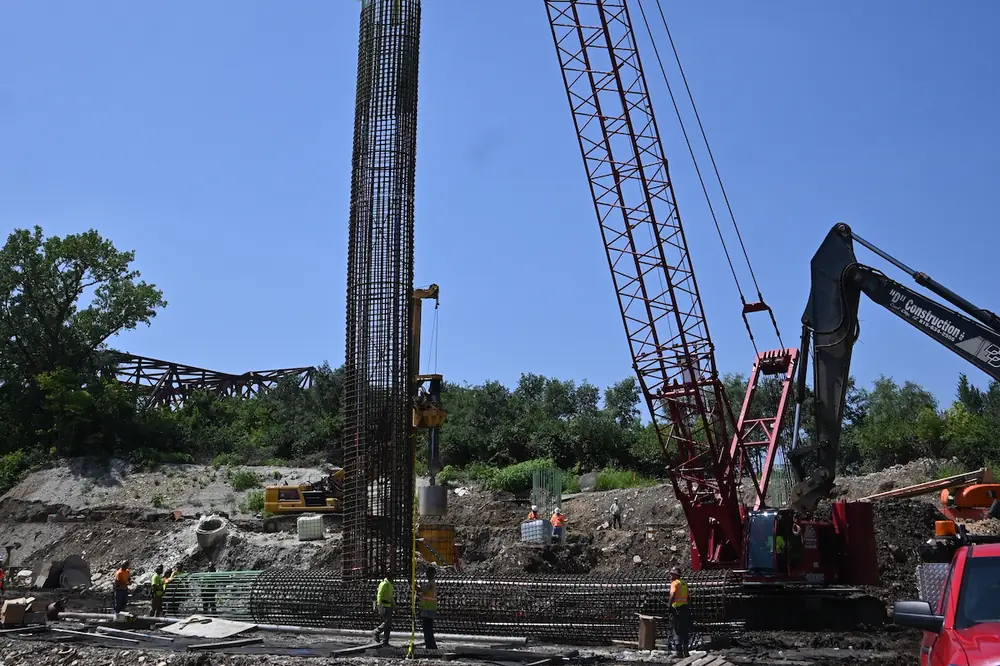
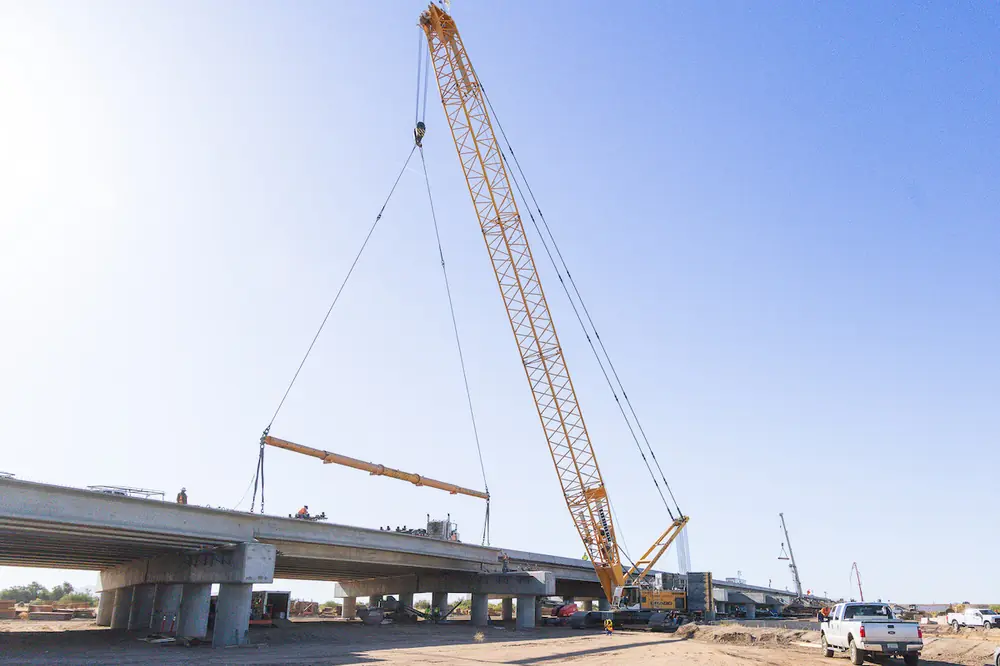
“The JV has leaned on the experience of each partner,” Shamp said. “For example, Aetna has provided valuable experience and resources for the installation of the bridge structural steel, while O&G and Barletta have provided experience in the field and operational management for the bridge substructures, retaining walls, and utility installations that have mirrored many of their recent interchange projects throughout New England.”
Advanced digital tools have played a significant role in shaping the project’s design and helping stakeholders understand its impacts.
“Traffic microsimulation was critical during the design process to evaluate how different configurations would affect travel time and queuing,” Goggin said.
Also, 3D renderings and virtual drive-through simulations were used to communicate the proposed changes to local communities and regional stakeholders, providing a clearer picture of how the finished interchange would function.

| Your local Hitachi dealer |
|---|
| CLM Equipment Co |
“These tools allowed us to present the project in a way that is more accessible than traditional design plans,” Goggin said.
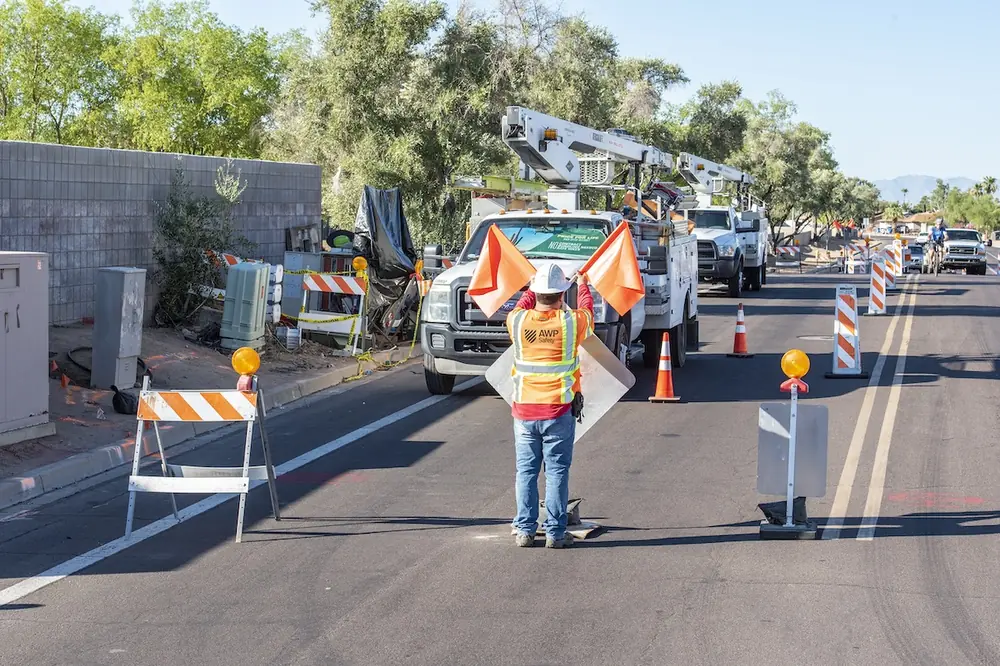
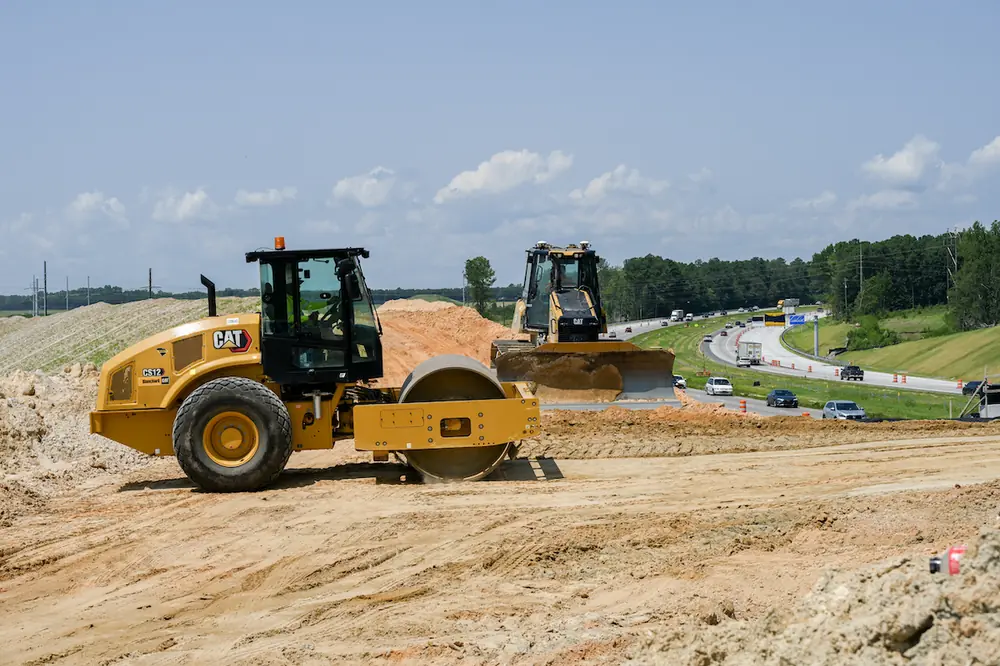
One of the most challenging aspects of the project has been maintaining traffic flow through the interchange during construction. With tens of thousands of vehicles passing through the area daily, any disruptions would cause significant ripple effects.
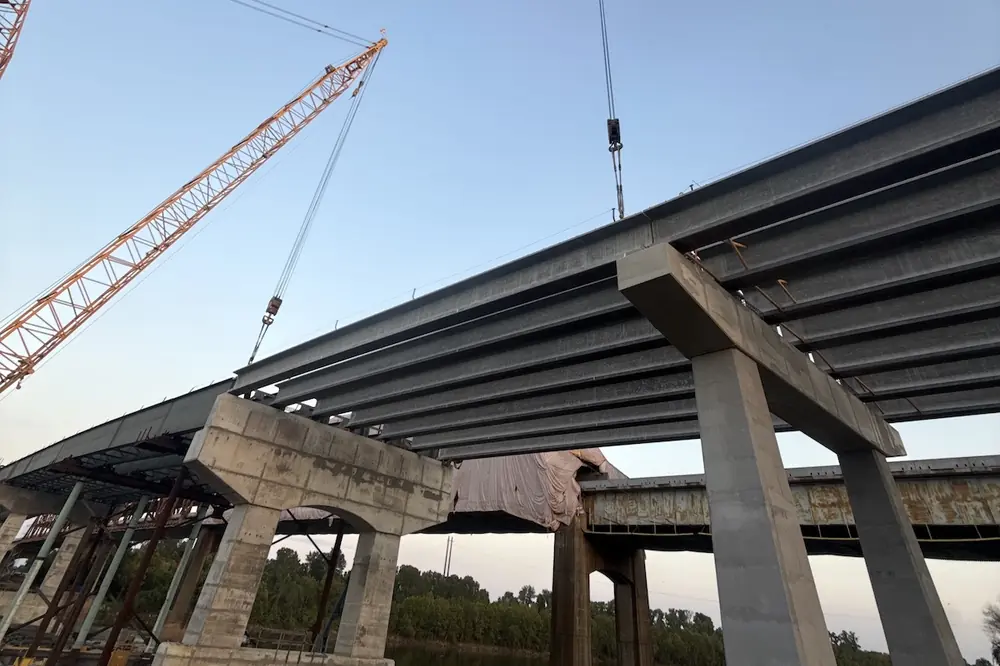
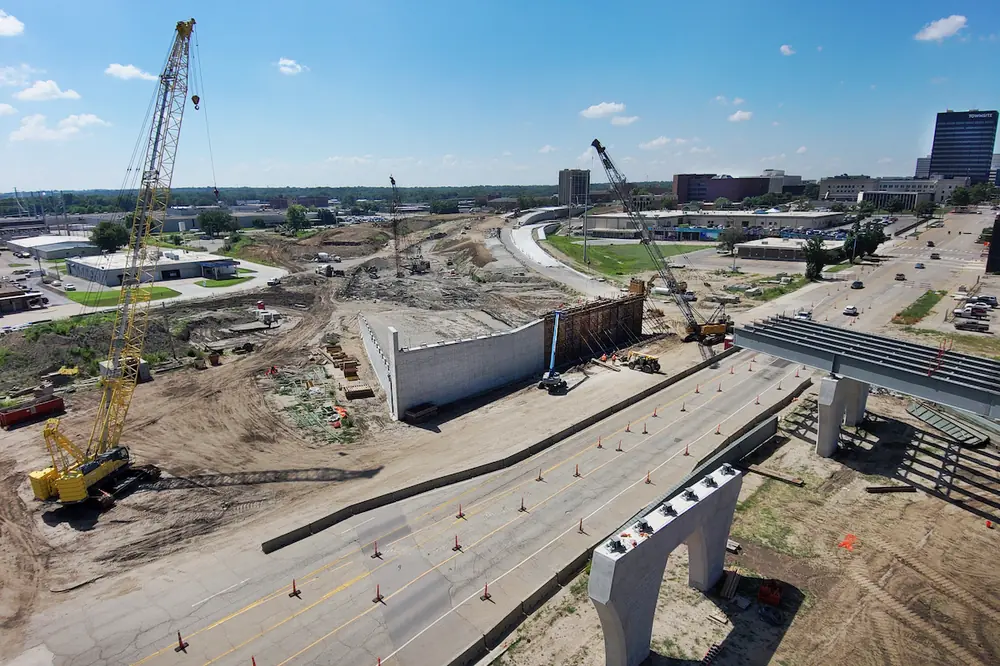
There have also been major traffic shifts utilizing the existing median of I-495 and I-90 in order to build the new bridge and flyover structures off-line. In some instances, the entire highway has needed to be shifted to construct just one pier of a future structure.
“Each traffic move has to remain open for the traveling public throughout the interchange, so detours are limited and locations of integral structures have to be designed to allow for the continued safe flow of traffic,” Shamp said.

| Your local Hitachi dealer |
|---|
| CLM Equipment Co |
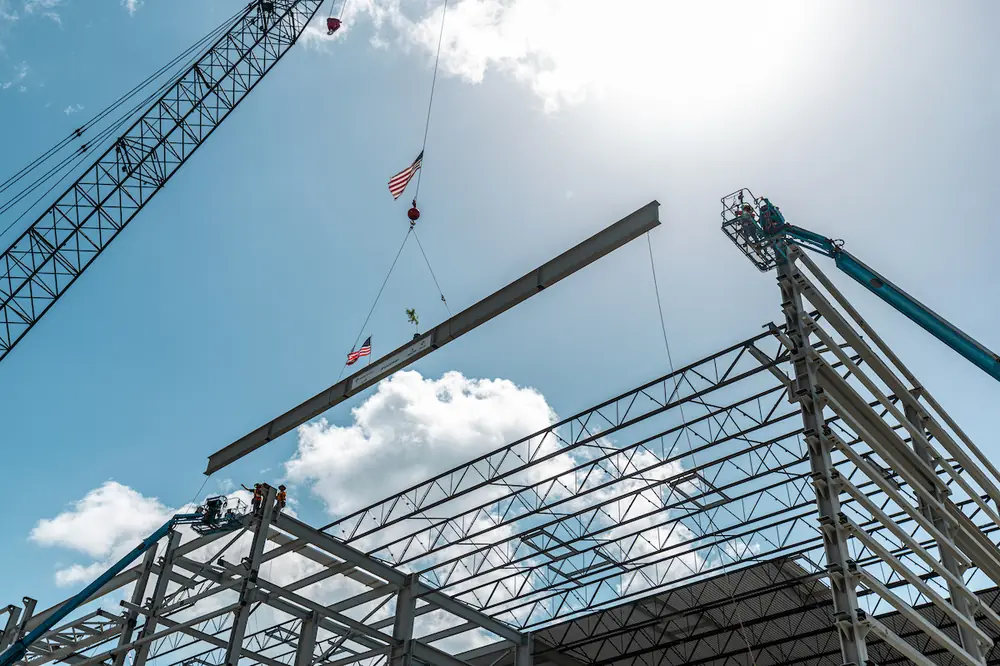
Additionally, the project features a series of major structural elements, including a new I-495 bridge over I-90, new bridges carrying both highways over rail lines, and several additional structures to support the redesigned roadway network.
Among the notable components are a new Fruit Street Bridge, a new northbound I-495 bridge over Flanders Road, and an auxiliary lane connecting I-495 northbound to Route 9. These upgrades are intended to create a more intuitive and efficient interchange, reducing travel times and improving reliability for motorists, according to MassDOT.
Construction sequencing has also prioritized the early completion of certain direct-connection ramps, allowing some traffic to be diverted away from the most congested areas and making subsequent phases easier to manage.
“The staging strategy has allowed us to remove some traffic from the existing interchange area early in the process,” Goggin said.

| Your local Magni dealer |
|---|
| Kirby-Smith Machinery |
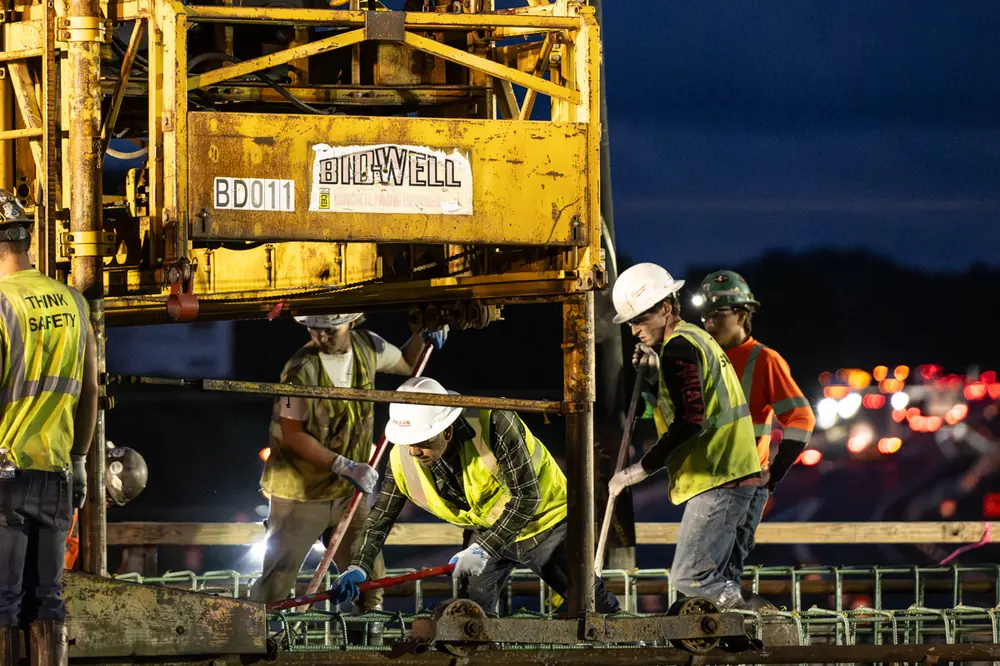
Many of the traffic shifts have been carried out at night to reduce disruption, requiring precise coordination and execution.
Working within one of the state’s busiest interchanges has presented numerous challenges.
“Maintaining vehicular travel through the interchange during both bridge and roadway work has been among the most challenging aspects of the project,” Goggin said.
The project team has addressed this challenge by maximizing opportunities for offline construction, building new elements adjacent to existing roadways before shifting traffic onto them.

| Your local Wirtgen America dealer |
|---|
| Kirby-Smith Machinery |
Environmental considerations have also played a significant role. The project area includes an Area of Critical Environmental Concern, requiring extensive permitting and ongoing coordination with regulatory agencies.
“There is a significant environmental compliance effort required throughout construction,” Goggin said. “Frequent meetings with environmental regulators have helped address both long- and short-term concerns.”
Additionally, the team has had to adapt to varying subsurface conditions encountered during construction, requiring rapid design adjustments to maintain progress.
“Reacting to differing subsurface conditions has been another challenge, but the team has been able to respond quickly and keep the project moving forward,” Goggin said.

| Your local Case Construction Equipment Inc dealer |
|---|
| ASCO Equipment |
As the project advances toward completion, the focus is shifting toward final construction activities and schedule optimization.
“Now that the project is largely out of the ground, the team is refocusing on schedule mitigation to deliver the project as quickly as possible,” Goggin said.
Once finished, the new interchange is expected to deliver substantial benefits, including improved safety, reduced congestion, and more reliable travel times.
By eliminating the outdated toll plaza configuration and associated weaving movements, the project will address one of the primary sources of delay and crashes in the corridor.

| Your local NPK Construction Equipment Inc dealer |
|---|
| WPI |
When the interchange is complete, traffic weaves will be eliminated throughout the interchange, providing a safer route for traffic.
“Drivers will notice the continued opening of the phased bridge structures and the beginning of the opening of the flyover structures this year,” Shamp said. “Two of the largest structures — Ramp WS and Ramp WN — are scheduled to open in [summer] 2026 and will hopefully alleviate much of the traffic impacts for the WB [westbound] commuters. As the largest design-build project that MassDOT has let to date, we are most proud of the continued partnership and collaborative attitude that has allowed the project to overcome many of the challenges that a project of this size and complexity has presented.”
Overall project completion is targeted for June 2027.
- Owner: Massachusetts Department of Transportation
- Contractors: Barletta, Canton, Massachusetts; O&G Industries, Torrington, Connecticut; Aetna Bridge Company, Warwick, Rhode Island
- Designer: VHB, Watertown, Massachusetts