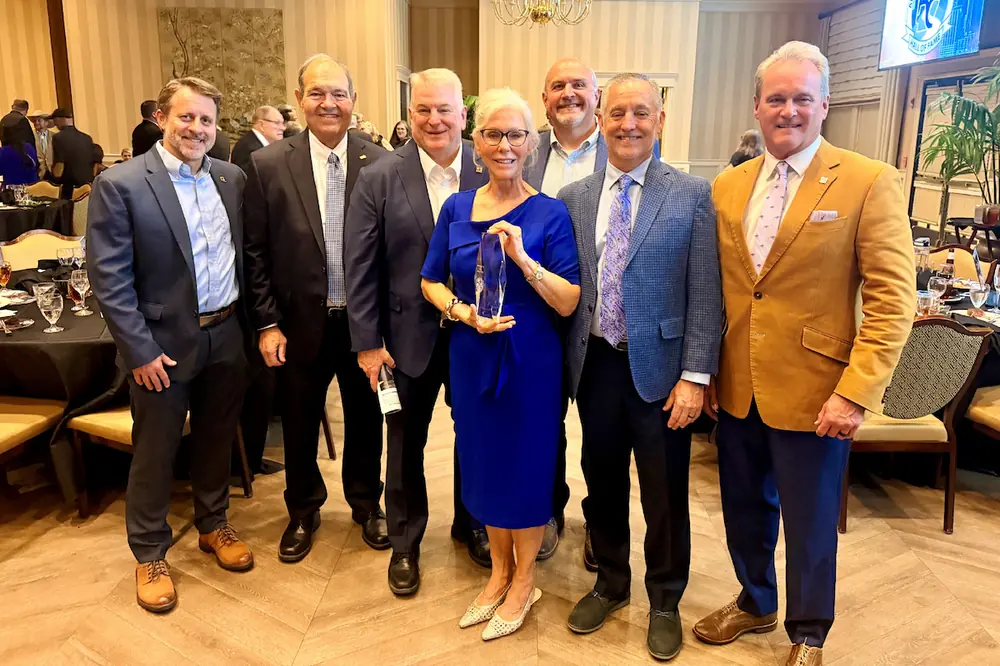
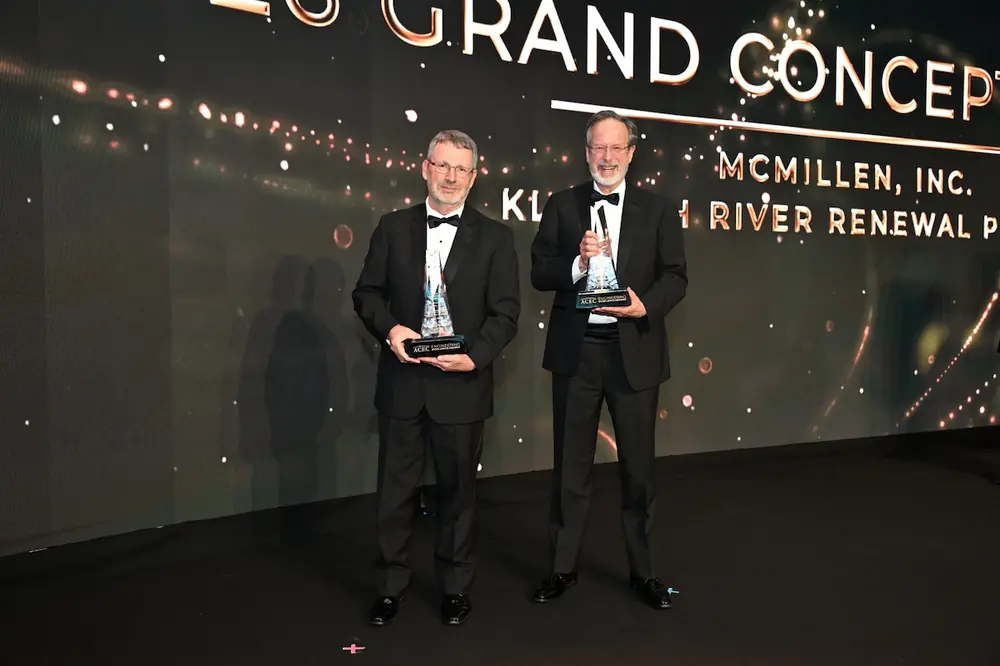

The American Council of Engineering Companies (ACEC) recently awarded McMillen, Inc., of Boise, Idaho, its top honor in the annual Engineering Excellence Awards. The 2026 Grand Conceptor award recognized the Klamath River Renewal Project in Hornbrook, California, and Klamath Falls, Oregon — the world’s largest dam removal and river restoration effort.
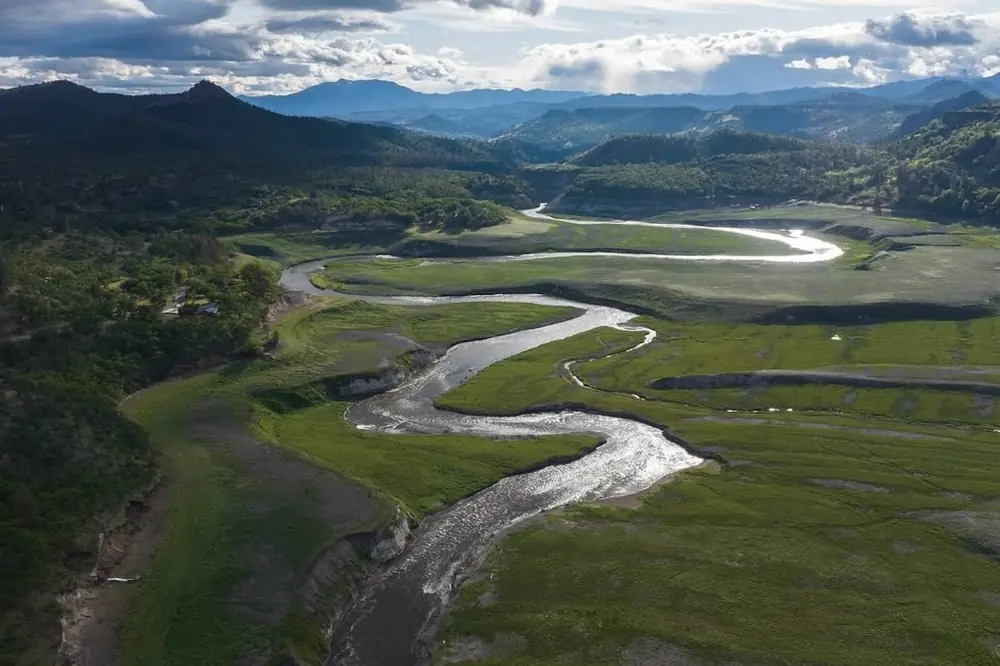
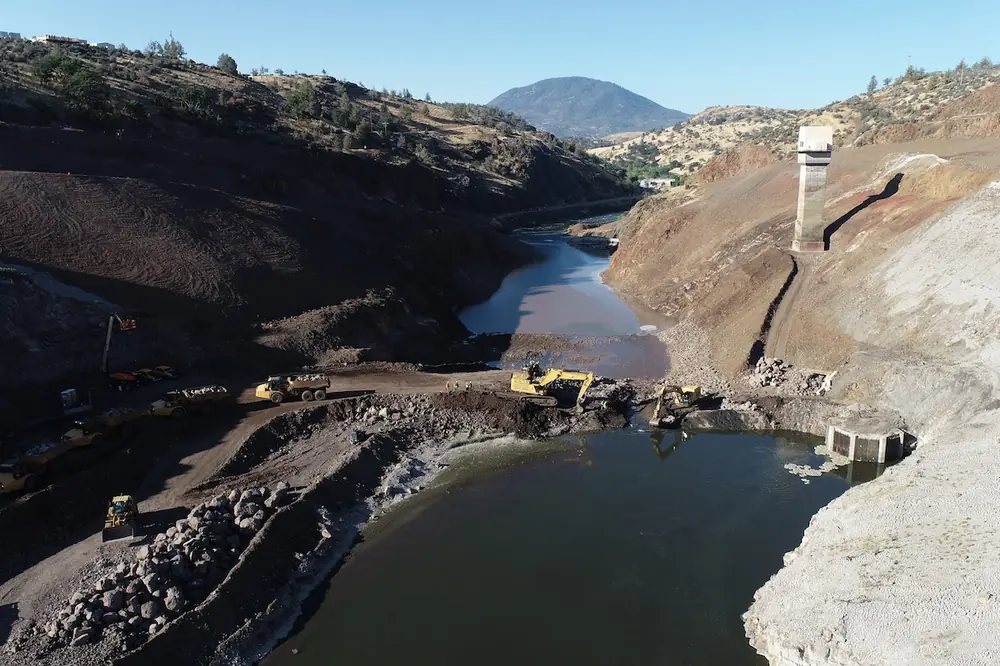
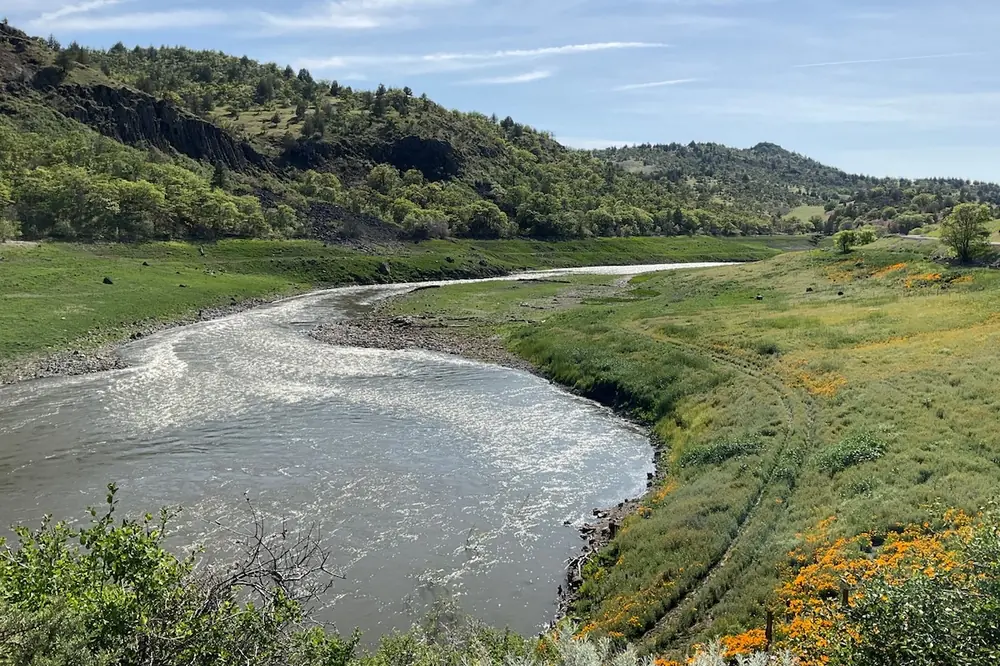
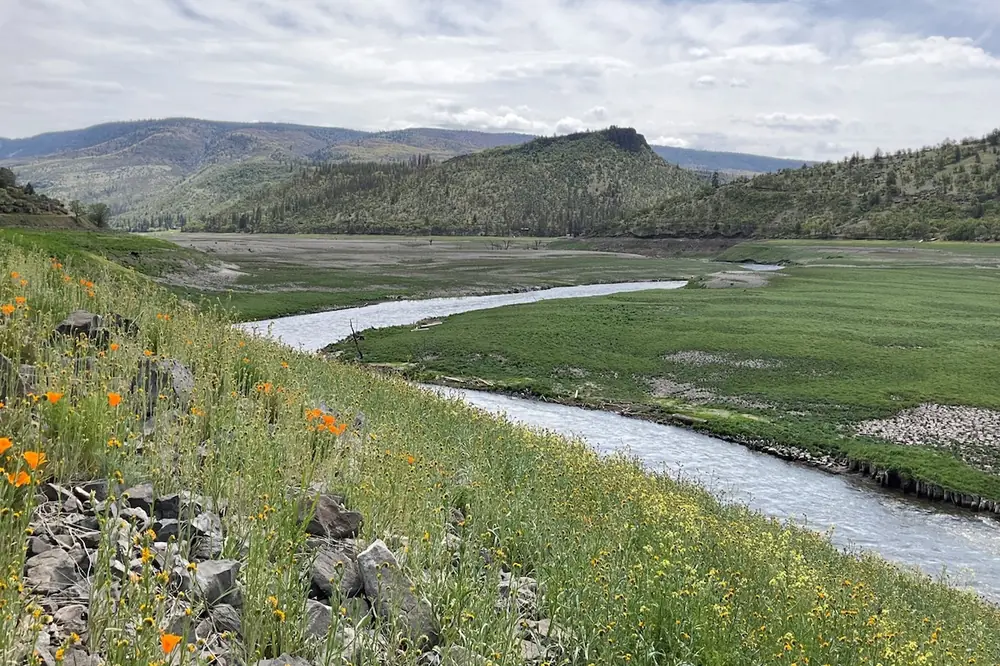
Once the third-largest salmon-producing river system on the West Coast, the Klamath River had been blocked for more than a century by four aging hydroelectric dams. The $504 million project, which stretched across 60-plus miles of river and 2,300 acres, reopened over 400 miles of habitat for salmon and other species, reconnected tributaries, and returned numerous river corridors and floodplains to their historic alignment.
As Owner’s Representative and Construction Manager for the Klamath River Renewal Corporation (KRRC) — a private, independent nonprofit organization formed to oversee the project — McMillen’s team provided technical expertise and helped the project overcome decades of division to translate competing goals into a coordinated and executable path forward.
“This project showed that engineers do more than solve technical problems,” said Mort McMillen, McMillen’s Senior Executive Vice President. “By listening closely, leading with facts, and staying focused on outcomes, engineering became the connective tissue that held an incredibly complex effort together, and ultimately helped a river flow freely again.”
Judges for the ACEC award included 32 leaders in the built environment, along with experts from government, media, and academia. Award criteria focused on uniqueness and originality, technical innovation, social and economic value, and excitement generated toward the engineering profession.

| Your local Hitachi dealer |
|---|
| ASCO Equipment |
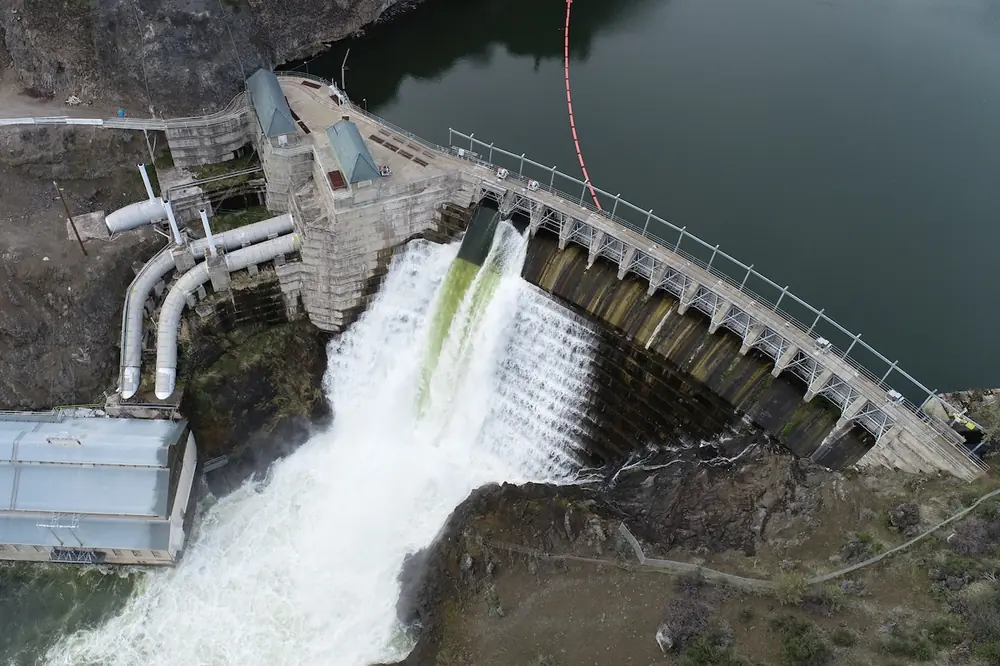
The history of the dams dates back to the early 1900s, when the California Oregon Power Company (Copco) — a predecessor of today’s PacifiCorp energy firm — began building four hydroelectric dams along a 30-mile stretch of the Klamath River that runs from northern California into southeastern Oregon.
The California dams are Copco Nos. 1 and 2, built between 1912 and 1925, as well as the Iron Gate Dam, completed in 1964. The fourth dam in Klamath County, Oregon, about 12 miles north of the state border, was built between 1956 and 1958.
Eventually, PacifiCorp developed enough generating capacity to no longer need power from the dams. However, “The scale and complexity of this project posed a significant challenge: aligning the competing interests of various state agencies, tribal nations, conservation organizations, industry partners, and local communities into a plan that worked for everyone,” McMillen said. “Navigating that balance required engineering and management leadership grounded in facts, transparency, and trust.”
To achieve consensus, “Technical facts became our common language, and helped all stakeholders align around what was feasible, what carried risk, what was essential, and where tradeoffs made sense,” McMillen said.

| Your local Iowa Mold Tooling Co Inc dealer |
|---|
| Nichols Fleet Equipment |
Early in the project, the team formed technical working groups for each major environmental and stakeholder area, including aquatics, terrestrial, fire management, recreation and whitewater, counties, and local government.
“Through iterative collaboration, facilitated workshops, and continuous technical support, [our] experts and the project team translated the competing goals of this multi-stakeholder consortium into a single, executable plan,” McMillen said.
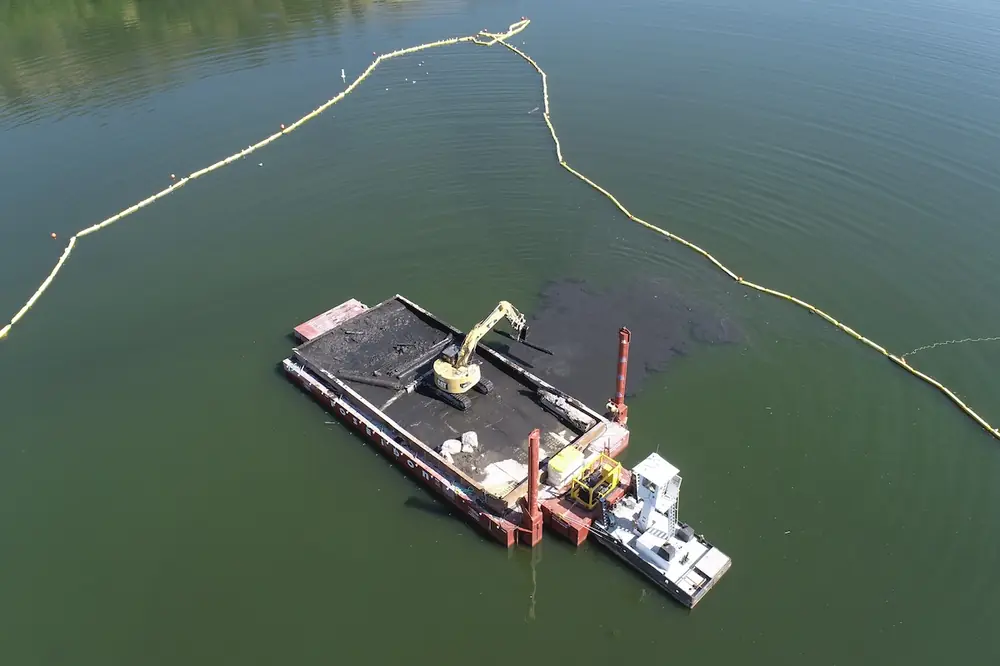
Once they reached consensus, “The next challenge was translating that agreement into practical, technically innovative solutions at a scale that had never been done before,” McMillen said. “With no precedent to use as a model, removing four large hydroelectric dams and managing the release of 5 million cubic yards of sediment required innovative engineering solutions to minimize downstream impacts while meeting ecological and permitting goals.”
The team used advanced hydraulic modeling to optimize performance of the river bypass systems at each of the dams and mechanical assistance measures within the reservoir and tributary connections to enhance sediment resuspension and movement downstream.

| Your local Bomag Americas dealer |
|---|
| WPI |
Throughout the process, environmental and hydraulic engineers worked in close coordination to analyze potential effects on the local area and the broader river ecosystem.
“This collaborative approach allowed the project to balance environmental protection, regulatory compliance, and cost considerations,” McMillen said. “Detailed modeling of drawdown schedules and sediment transport ensured that sediment movement occurred at the optimal time to minimize impacts on native fish populations, stabilize upstream sediments, and establish the best long-term operation and maintenance practices for the restored river system.”
Despite the many complexities, the project finished on time and within the program budget.
McMillen’s team provided oversight and facilitation throughout the project. “We led value engineering and constructability reviews; developed technical memoranda, cost estimates, and schedules; and facilitated proactive risk management,” he said. “Quarterly risk assessments … enabled the team to identify potential regulatory, construction, and site-related challenges and implement mitigation measures before they could affect the schedule or budget.”

| Your local Wirtgen America dealer |
|---|
| Kirby-Smith Machinery |
He cited the dam removal sequencing plan as a key example. Initially, the four dams were slated for concurrent removal, posing significant risks to river flow and reservoir control.
“Close coordination with the U.S. Bureau of Reclamation, the contractor, and the stakeholders on flow management and risk-reduction measures resulted in a revised sequencing approach, removing one dam during the pre-drawdown period and the other three post the reservoir drawdown,” McMillen said. “This modification optimized construction sequencing, reduced complexity, minimized risk exposure, and improved overall project efficiency — ultimately enabling all dam removals to be completed on schedule and within budget.”
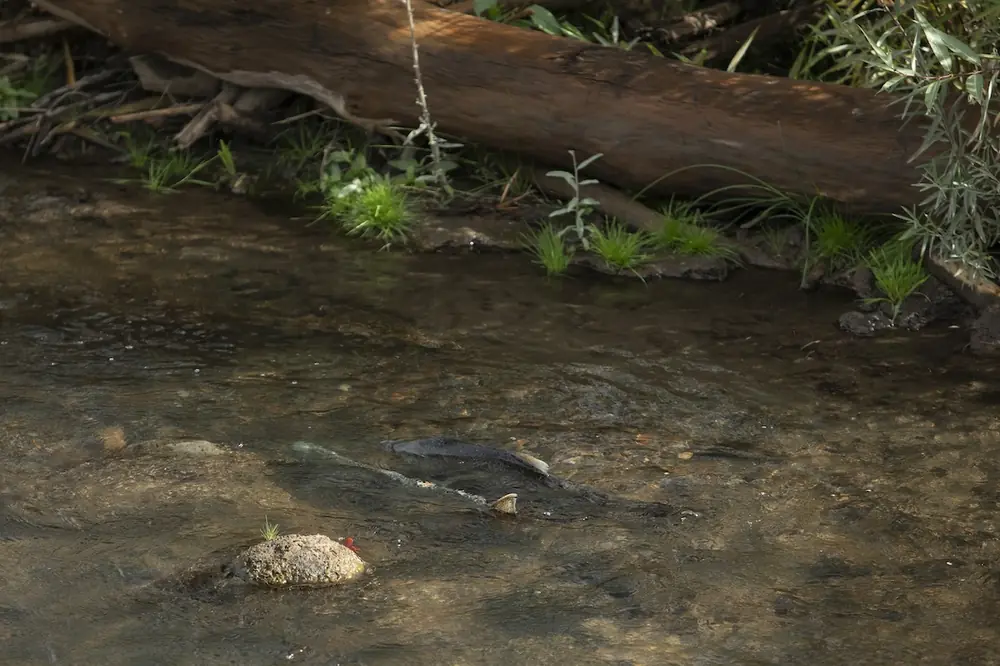
Within months of the final dam removal, Chinook, Coho, and Pacific Lamprey fish began returning to the Klamath River in numbers not seen for over a century. In fact, “Chinook salmon were observed spawning in tributaries that had been inaccessible for generations, with the rapid return exceeding scientists’ expectations,” McMillen said.
The significance extends beyond this project, as dams across the country face decisions related to relicensing, aging infrastructure, and long-term maintenance, McMillen said. “The upstream passage of a single salmon represents the broader potential for replication, offering a powerful signal that restoration can yield measurable results and inform future decisions nationwide.”

| Your local Komatsu America Corp dealer |
|---|
| WPI |
| Kirby-Smith Machinery |
The project also exemplified how engineering can support social justice, sustainable development, and cultural restoration, McMillen said.
“Led by the Yurok, Karuk, and other tribal nations whose ancestral lands and ways of life were directly impacted by the dams, the effort represents the culmination of decades of tribal advocacy, persistence, and partnership,” he said. “Their leadership ensured that the project went far beyond technical achievement — it became an act of cultural renewal and environmental healing.”
Economically, KRRC’s direct work and contractor engagement created hundreds of jobs, with indirect economic stimulation expected to support more than a thousand additional jobs in commercial and recreational fisheries and related industries.
“By balancing technical rigor with ecological restoration, cultural values, and tangible economic outcomes, our team ensured that a highly complex set of priorities could be achieved in a single, executable vision for the river,” McMillen said.