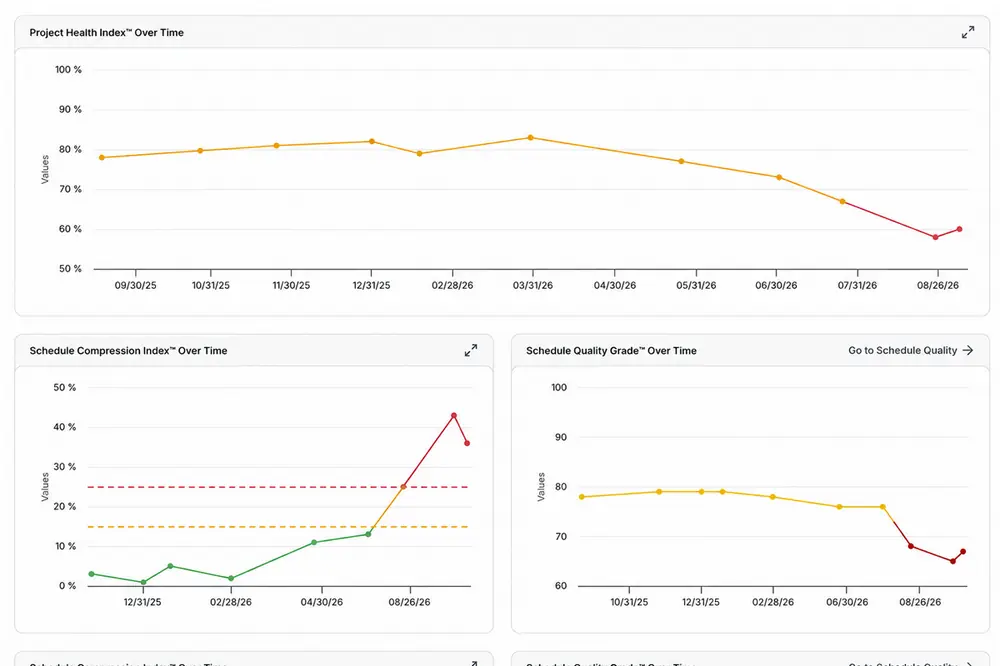
Contractors rarely lose a job on one bad transaction. Margins erode in small increments: a purchase order here, an unlogged receipt there, a change order that sits unresolved for six weeks. By the time the numbers surface at month-end close, the job may already be underwater.
Costs pile up in the field every day, but the reporting that's supposed to catch problems doesn't always catch up until weeks later. For contractors running multiple job sites with materials, equipment, subcontractors, and change work all moving at once, that lag compounds fast.
What controls can be set to catch problems early before the numbers turn into a bad surprise at month-end?
The estimate breaks costs down one way but the enterprise resource planning (ERP) system sets up cost codes another way, and project management software might use a third. When those three don't match, someone ends up coding an invoice to a cost code that technically doesn't exist anymore or means something different in the ERP than it does in the field. Nobody catches it until close, and by then three or four more invoices have been coded the same wrong way.
The fix is making sure the estimate, job/phase/cost-code hierarchy, purchase commitments, field purchases, and accounting records all point back to the same structure before the job breaks ground — not after the first invoice dispute forces someone to dig through it.

| Your local Bomag Americas dealer |
|---|
| Linder Industrial Machinery |
When that mismatch happens, someone in the field needs to flag it instead of guessing and moving on. The project manager has to actually resolve which code is right, not just approve whatever gets submitted. And finance has to fix the structure so the same invoice doesn't get miscoded again next week.
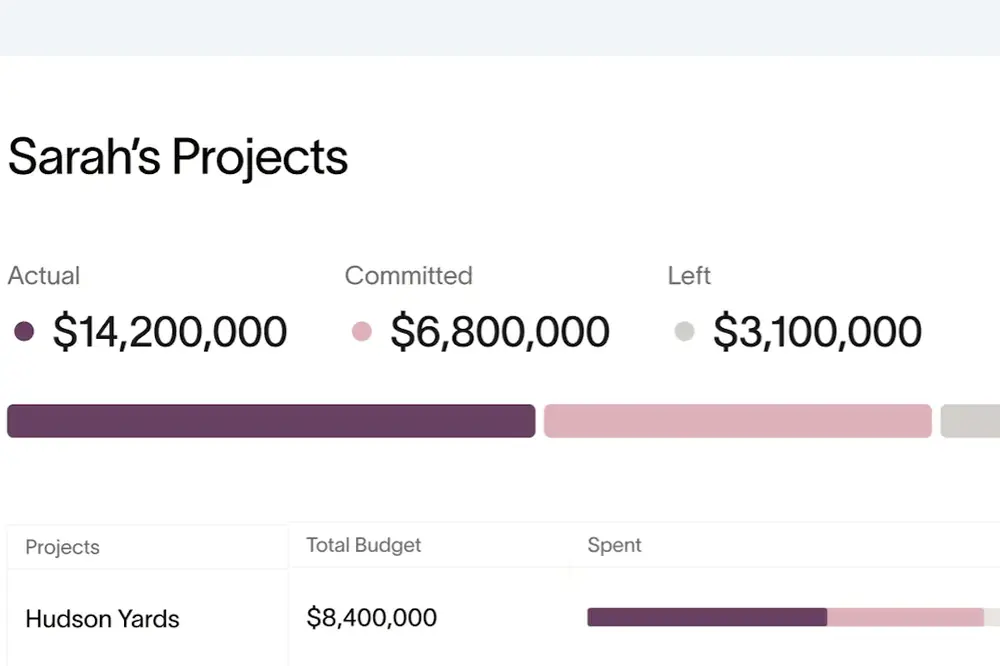
A budget-versus-actual report only tells you what already happened. It won't show you the purchase orders sitting open, the subcontracts already signed, or the change work still waiting on approval — even though all of that is money the job is already on the hook for.
The fix is reviewing exceptions weekly instead of waiting for month-end, and daily on jobs that are moving fast. A problem that sits unnoticed for four weeks is a much bigger problem than the same one caught in week one.
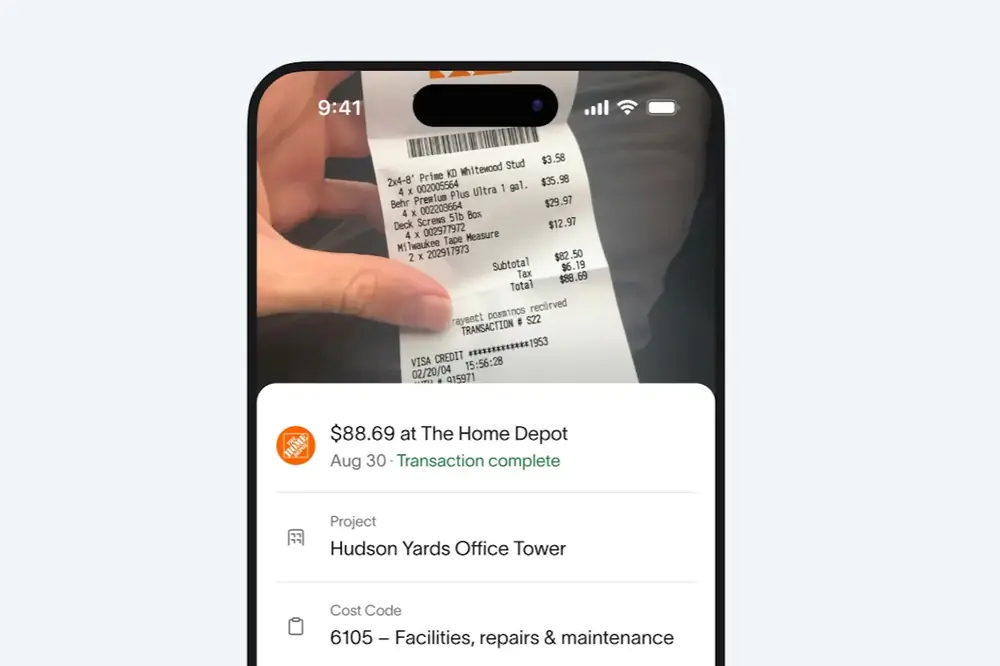
Every field purchase, receipt, invoice, and equipment or material charge should get coded to the right job and cost code the day it happens, not weeks later. On the day it happens, the person who made the purchase still remembers the context. By the time it gets reconciled at the office, that context is gone and the coding turns into a best guess.

| Your local Trimble Construction Division dealer |
|---|
| SITECH Mid-South |
| SITECH Tri-Rivers |
Approval thresholds and project-specific purchasing rules help catch this earlier too, flagging exceptions before the money actually goes out the door.
Change orders cause problems when they live in emails, texts, and verbal agreements instead of one system. Give each one a single record that tracks scope, approval status, expected cost, committed cost, and recovery status so there's no ambiguity about what's actually been approved and what hasn't.
That also means keeping approved, pending, and disputed work clearly separated. It's tempting to count work you expect to get paid for as margin already earned, but that's exactly how a job can look profitable right up until the day it isn't.
Before any payment goes out, match the invoice against the original commitment, the supporting documentation, and the correct job. This can stop most mismatches before they turn into disputes down the line.

| Your local Wirtgen America dealer |
|---|
| Dobbs Equipment (DXC) |
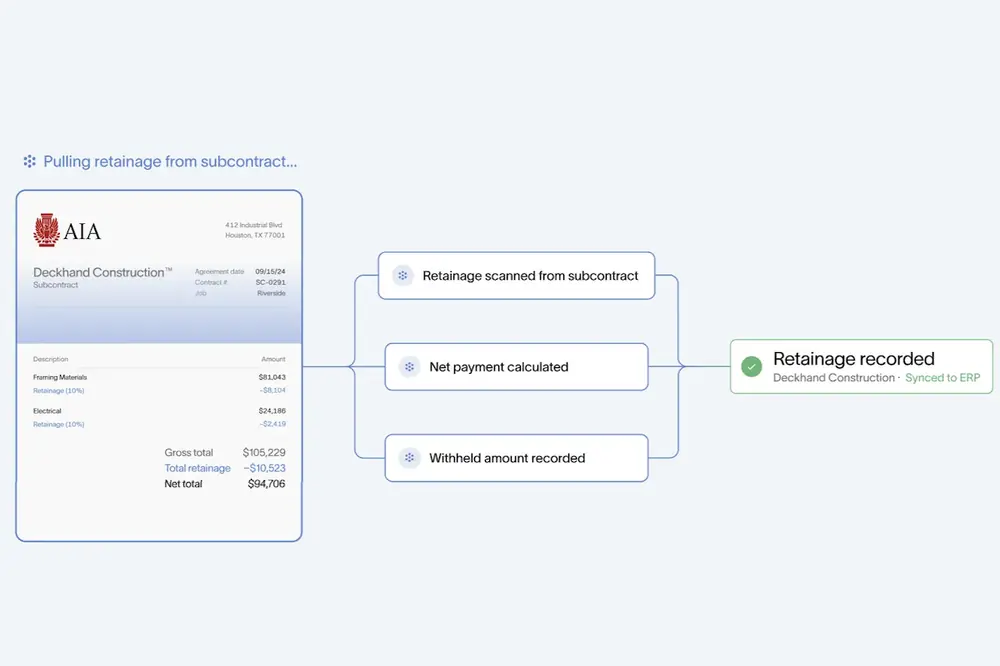
Retainage, compliance documents, and milestone-based approvals should be visible to both the project team and finance, not siloed on one side. When only one group can see the full picture, payments either stall or go out on the wrong terms.
Set a few clear escalation rules: a cost-code variance past a certain threshold, a missing receipt, an invoice that doesn't match, or a change that was never approved. These are the handful of things that actually need someone's attention.
The goal is a short list a project manager can act on in a few minutes, not another dashboard they have to maintain on top of everything else they're already tracking. If that exception list is running long, it's usually a sign the thresholds need tightening.
No system will change the realities outside a contractor’s control: jobs delayed by the weather, scope changes, swings in material prices.

| Your local Komatsu America Corp dealer |
|---|
| Linder Industrial Machinery |
What is within a contractor's control is whether they look at real numbers in real time or find out at month-end that a job they thought was fine has already slipped. Protecting tight margins requires spotting problems early enough to act on them.
Carl King is Product Manager, Construction, for Ramp.