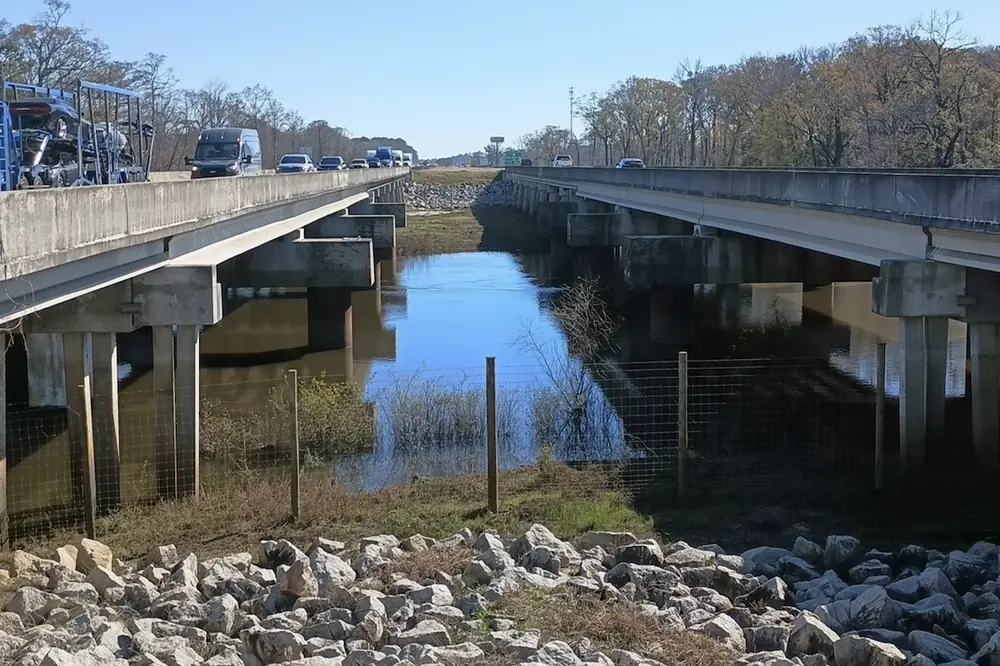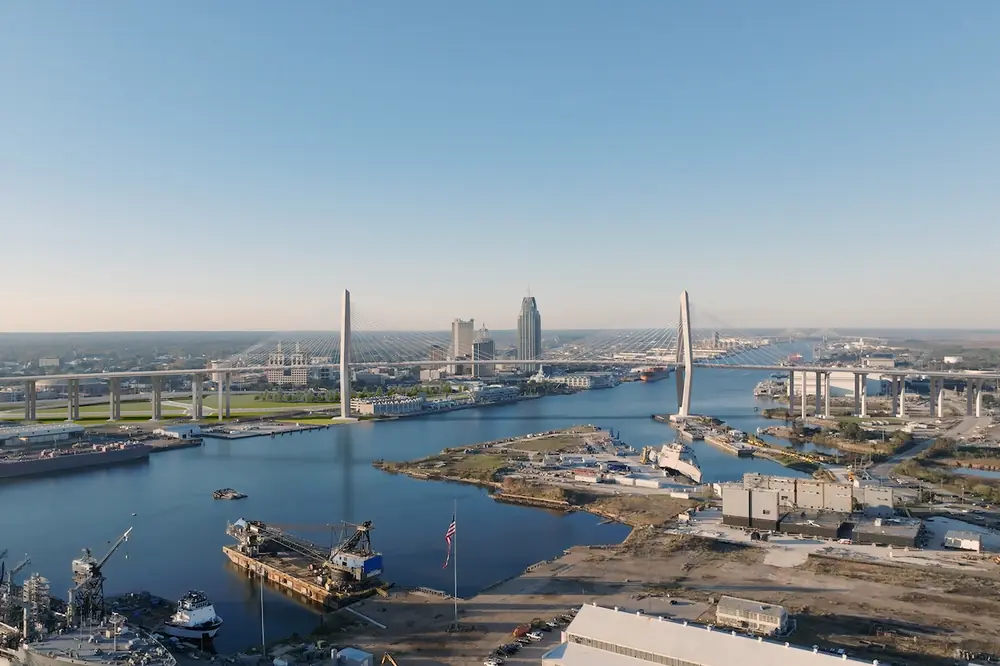

MOBILE, AL — After decades of planning, the Mobile River Bridge and Bayway Project is moving forward with support from federal, state, and local partners. The Alabama Department of Transportation (ALDOT), the Mobile Metropolitan Planning Organization (MPO), and the Eastern Shore Metropolitan Planning Organization announced a revised project approach that positions construction to begin before the end of 2026, pending anticipated approval of a federal Transportation Infrastructure Finance and Innovation Act (TIFIA) loan.
The revised approach preserves the project’s primary goal of increasing I-10 capacity across Mobile Bay while reducing overall costs through a phased construction strategy.
Rather than constructing every component simultaneously, ALDOT has developed a two-phase plan designed to keep the project financially viable. This will also deliver traffic improvements sooner.
Phase One includes:
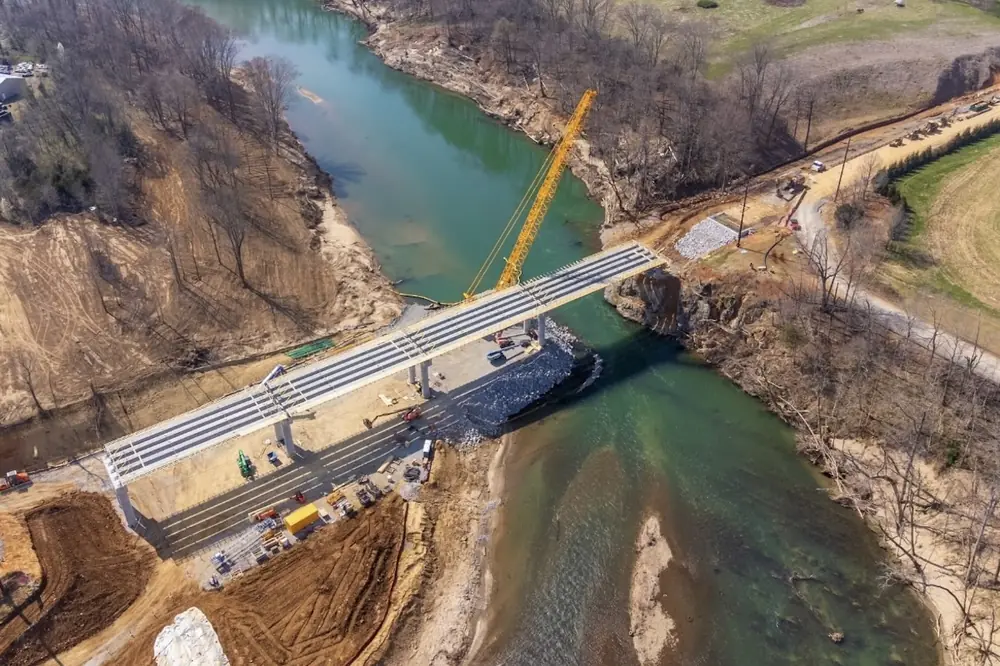
- Construction of a new six-lane cable-stayed bridge
- Restriping the existing Bayway to provide six lanes of traffic across Mobile Bay
- Improvements to major interchanges, intersections, and traffic flow throughout the corridor in Mobile and Baldwin counties

| Your local Wirtgen America dealer |
|---|
| Dobbs Equipment (DXC) |
Phase Two includes:
- Construction of a new Bayway structure as additional funding becomes available, with future toll revenue helping finance the project
The revised phased approach allows construction to move forward while maintaining the project’s long-term vision. Phase One is currently estimated to cost approximately $3.2 billion.