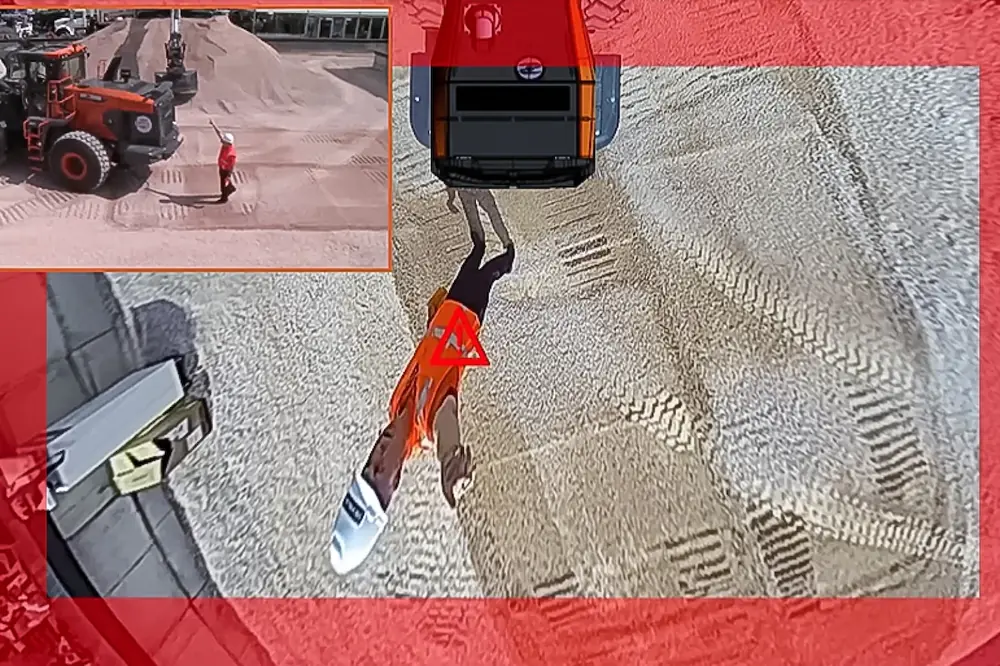
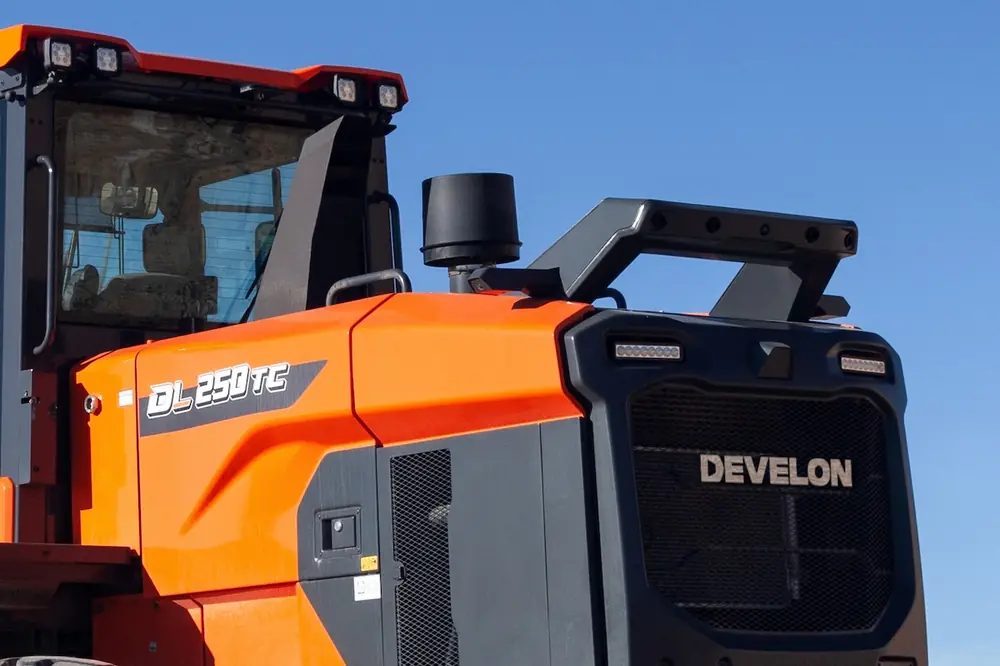

It only takes a second for a routine job site maneuver to turn critical. When a worker walks in front of a moving wheel loader, an accident seems inevitable. However, what used to be a dangerous blind spot is now a clear line of sight, thanks to new technology that allows the operator to spot the danger and stop instantly.
Situations like this one, as well as other hazards associated with heavy equipment at job sites, can pose significant risks to both equipment operators and workers in the area. According to the National Safety Council, a single medically consulted workplace injury averages $48,000 in direct costs — a figure the Occupational Safety and Health Administration notes can balloon by three to five times when factoring in indirect costs like job site downtime and legal expenses. Additional risks may include collisions, limited visibility, overturning and rollover incidents, falling objects, and entanglements.
To help minimize or avoid these dangers, the construction industry is increasing its efforts to promote safety. Safety at work sites remains a top priority for company owners and operators, as well as manufacturers. Equipment companies are taking steps to implement new technologies that make it safer for operators to work, especially in areas where other machines or people are working.
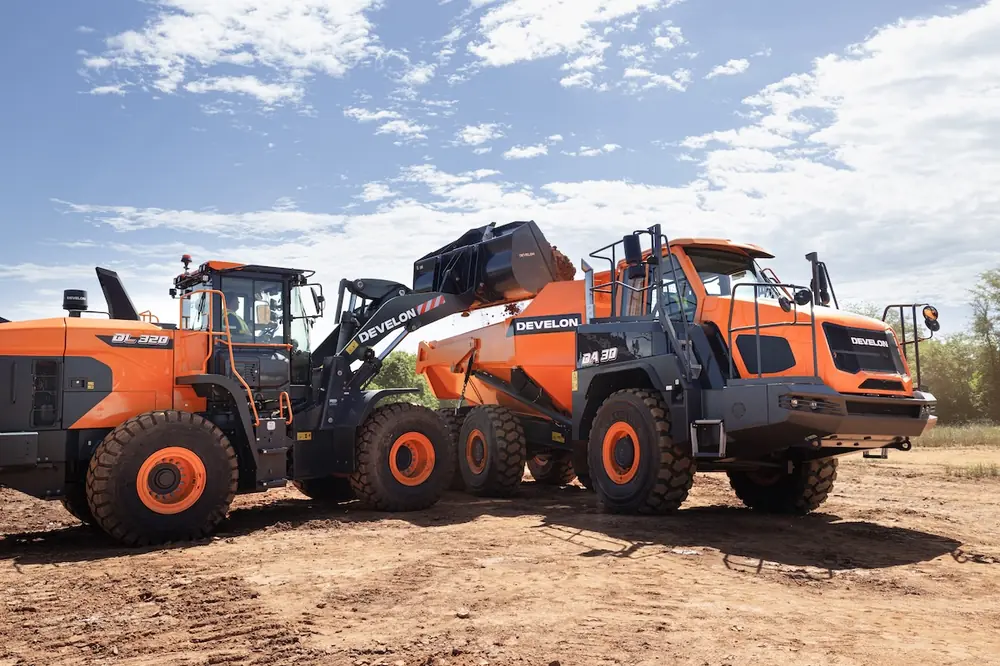
Wheel loaders and attachments are staple products for the construction industry. According to Jay Patel, DEVELON’s Wheel Loader Product Manager, they’re critical to the continued success of many operations today because of their reliability, versatility, and productivity.
“Wheel loaders rack up countless hours every day at job sites across the country,” he said. “They’re often put in situations where they’re required to work more than 12 hours a day, performing repetitive tasks in busy environments.”

| Your local Bobcat dealer |
|---|
| Pinnacle Central Co Inc |
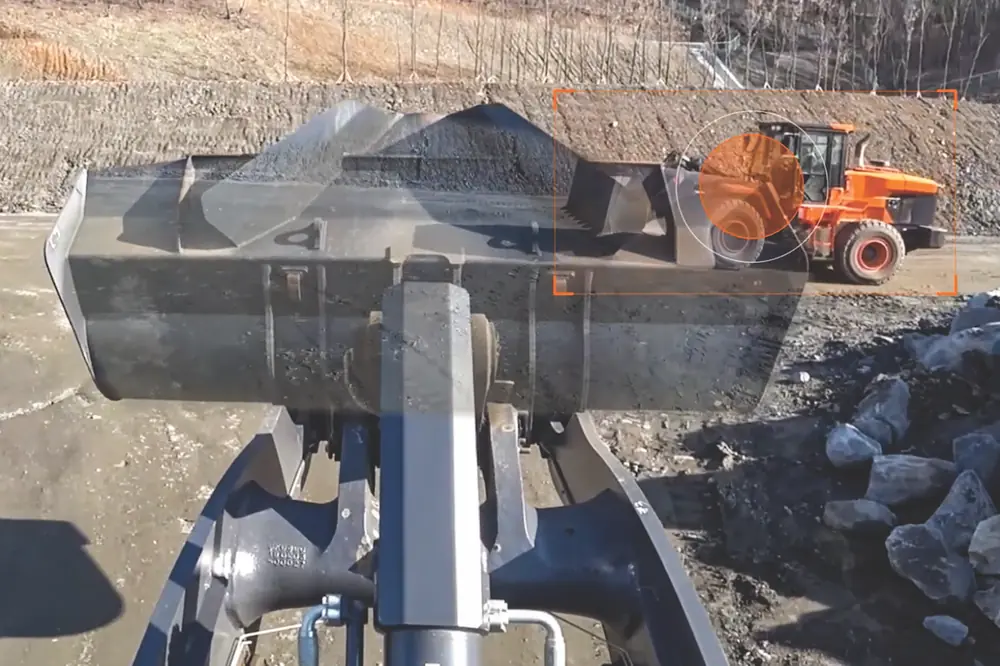
Manufacturers are increasingly incorporating new technologies. These advanced safety features, coupled with machine design changes, enhance safety for both operators and those around them. One of the recent breakthroughs is transparent bucket technology, which helps minimize blind spots for wheel loader operators when the bucket is raised.
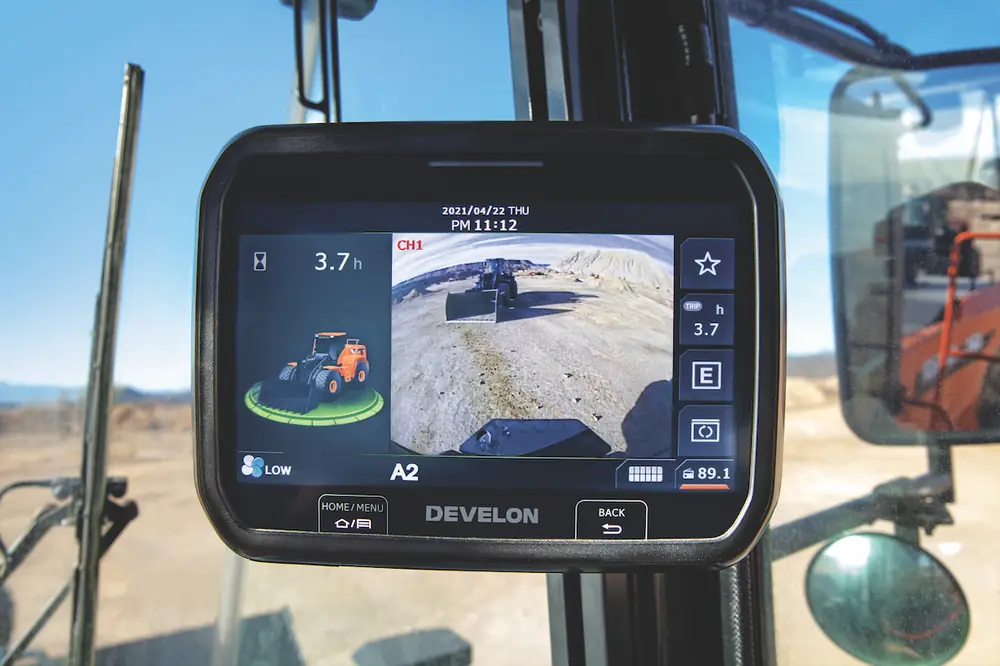
“The transparent bucket offers a supplemental view from a monitor inside the wheel loader cab,” Patel said. “Using two cameras and stitching together the video feeds, operators can ‘see through’ the bucket to the area in front of them.”
Rearview cameras, now common in most wheel loaders, also increase visibility. Wheel loader operators can easily activate the rearview camera and see what’s behind the machine before backing up.
Manufacturers are now expanding their offerings with features such as optional around view monitor (AVM) camera systems.

| Your local Komatsu America Corp dealer |
|---|
| Linder Industrial Machinery |
“AVM camera systems can provide up to 270 degrees of enhanced visibility,” Patel said. “AVM camera systems use three cameras and several sensors mounted on the rear of the wheel loaders. When activated, the system significantly increases the operator’s visibility around the machine.”
Some AVM camera systems also provide alerts from object detection. Ultrasonic proximity sensors installed on wheel loaders notify operators when an object is within a certain distance from the machine, using color cues and audio alerts:
- Flashing green caution box when there’s an object 8 to 12 feet behind the wheel loader
- Yellow caution box when the object is 4 to 8 feet away; the system also emits a beeping sound to provide an audio alert to operators
- Red triangle and red border notification when the object is closer than 4 feet
When wheel loaders combine an AVM camera system with transparent bucket technology, it can give operators nearly 360 degrees of visibility. This technology complements updated wheel loader cab designs, with some manufacturers offering increased glass area in the front windows and side windows for enhanced operator visibility.
Additional wheel loader safety features available for the construction industry include a rollover protective system for the cab, backup alarm system, rotating beacon, and smart load weighing system. The weighing system tells operators the weight of the material in the bucket and helps minimize overloading the attachment.

| Your local Iowa Mold Tooling Co Inc dealer |
|---|
| Nichols Fleet Equipment |
None of these technologies are intended to substitute for operator training, Patel said.
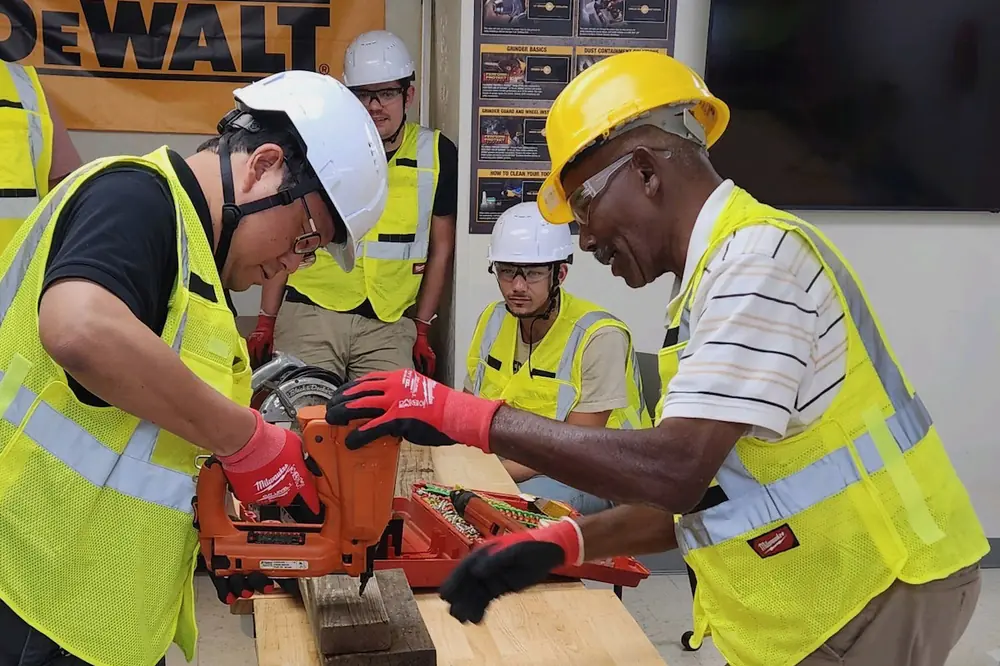
Before employees operate a wheel loader, it’s important that they have a good understanding of how the machine works. Operators should familiarize themselves with the operation and maintenance manual and basic operating procedures before getting in the machine.
“We strongly recommend that all operators, particularly new ones, receive proper training before using wheel loaders,” Patel said. “In addition to the manual, there are in-person training opportunities at dealerships, providing detailed instructions for how to properly operate and maintain heavy construction equipment. We encourage fleet managers to routinely coach even seasoned operators on machine operation and safety features.”
At job sites where operators may change attachments, Patel recommends they have a clear understanding of how the attachment mounting system works. For example, when changing from a bucket to a pallet fork, operators should ensure that the coupler is fully seated and the locking pins are completely engaged to prevent the attachment from shifting or disconnecting during operation.

| Your local Wirtgen America dealer |
|---|
| Dobbs Equipment (DXC) |
Training and proper operating procedures will always be critical for job site safety. Combined with new technologies and evolving equipment design, they help create safer work environments for wheel loader operators and the crews around them.