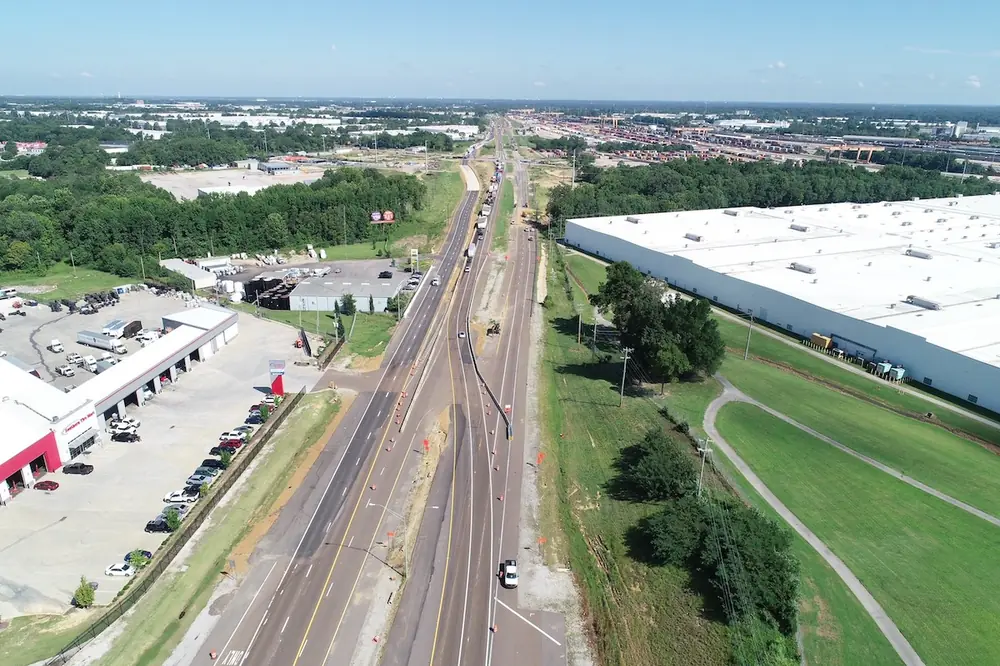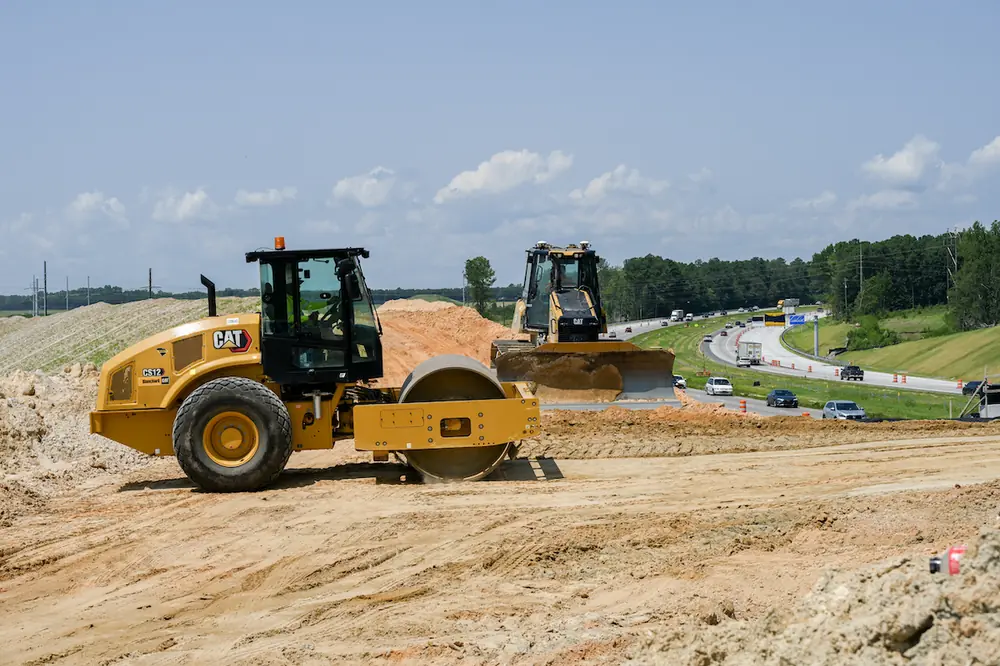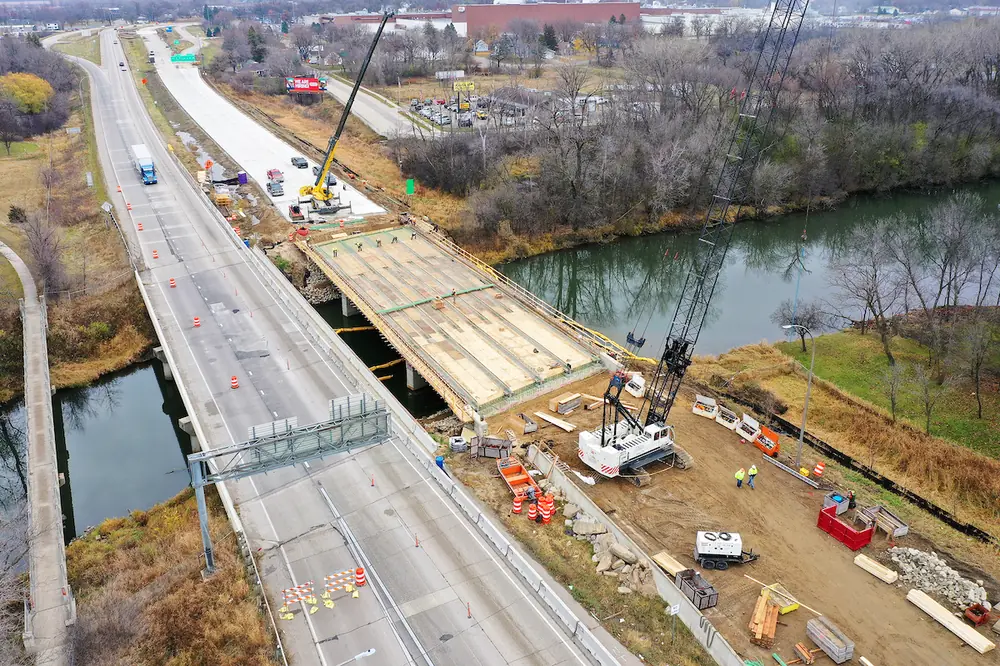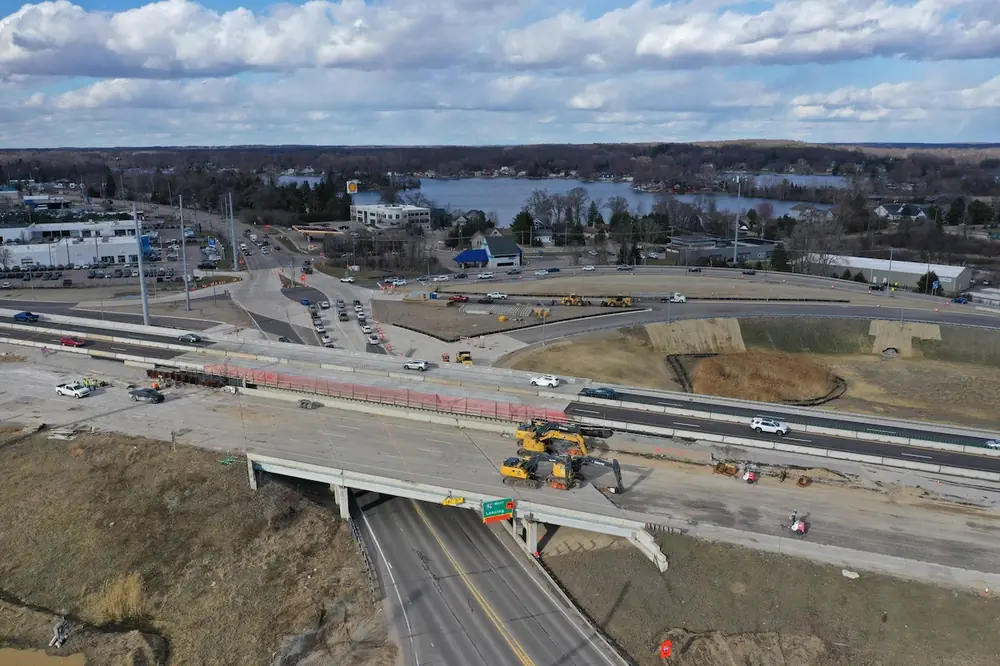
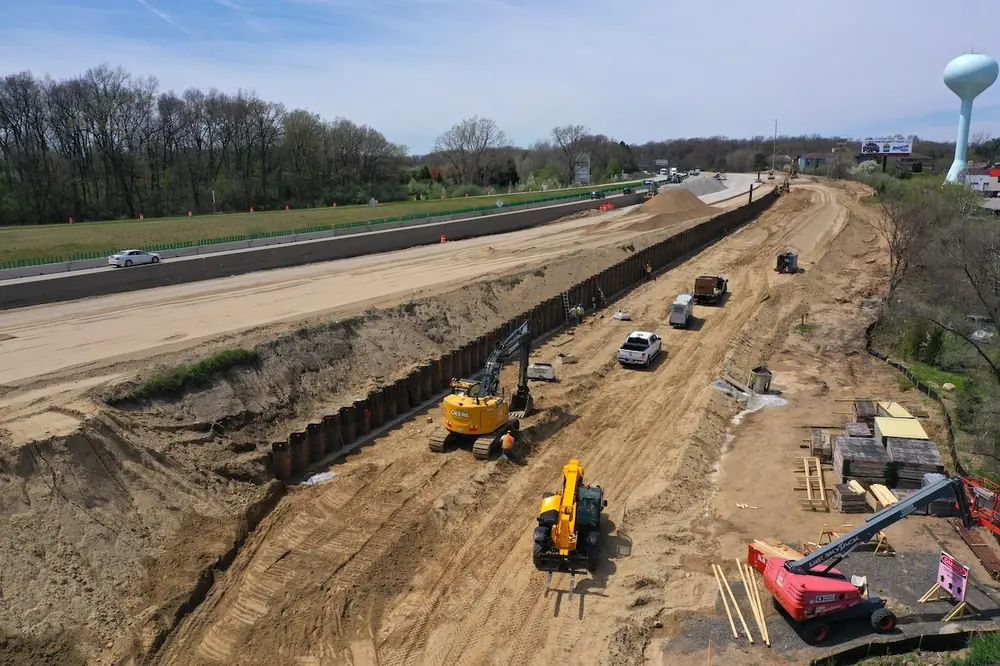
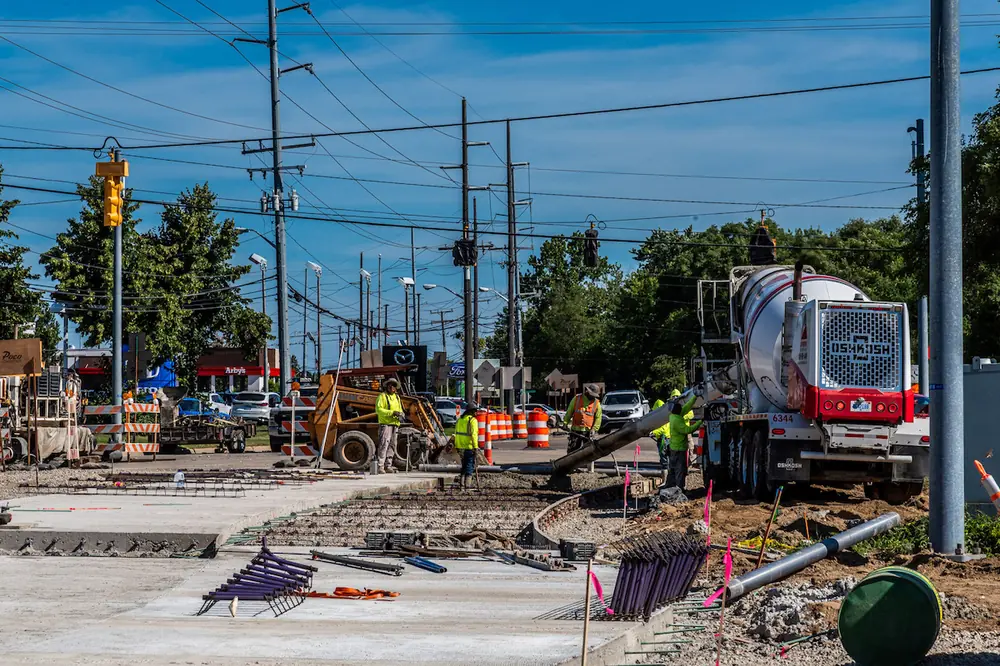
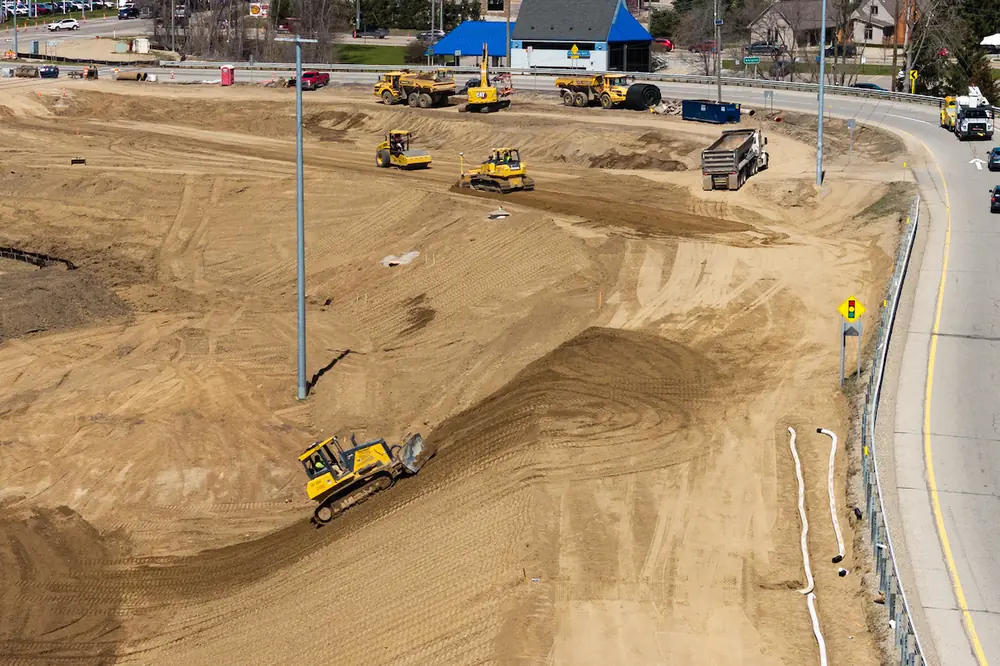
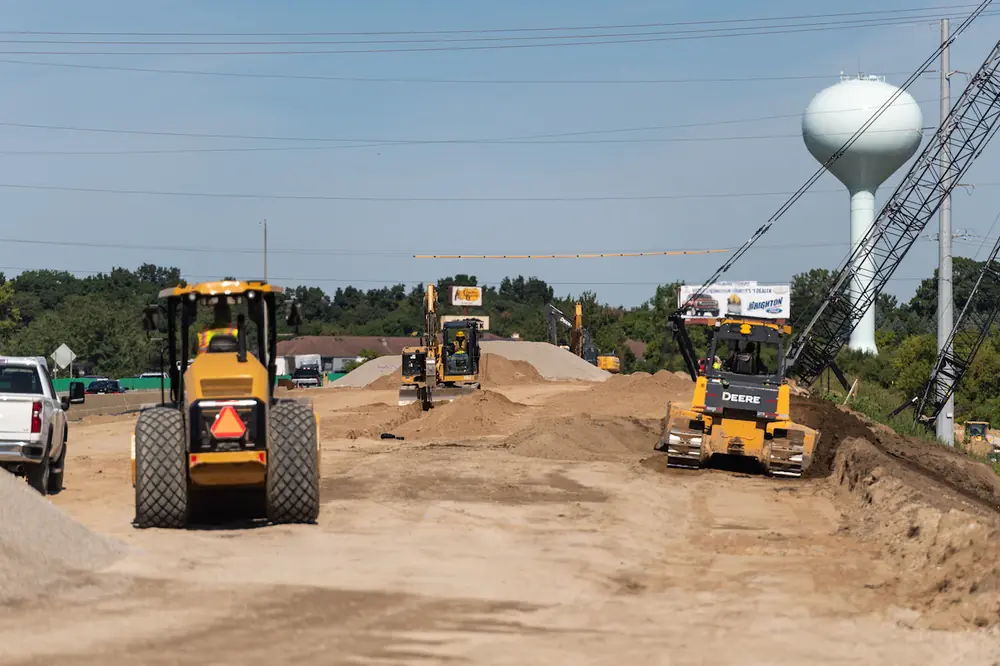
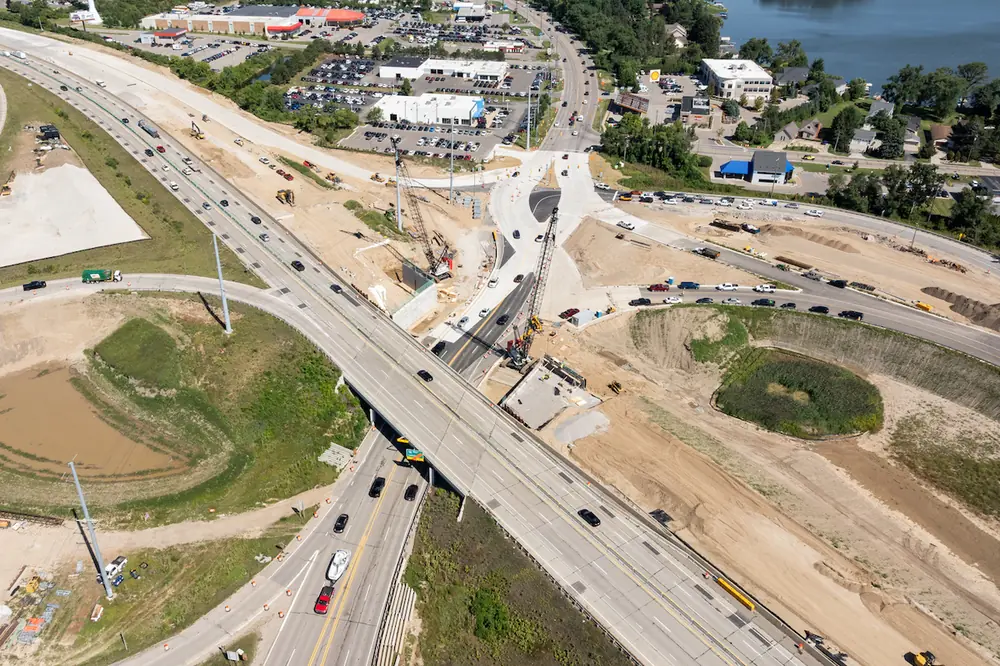
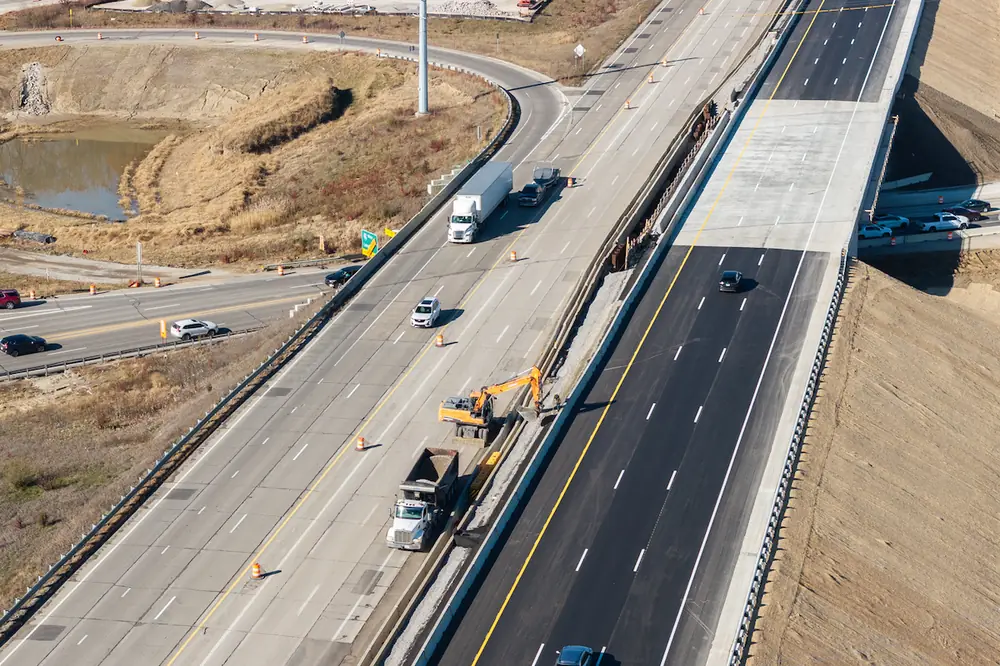
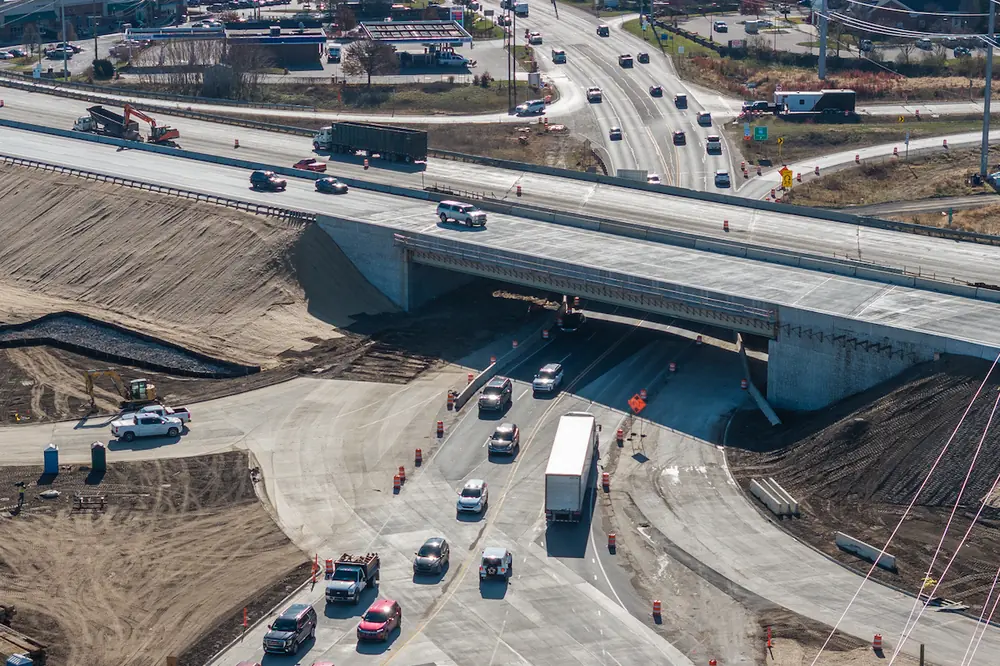

The Michigan Department of Transportation (MDOT) continues progress on the I-96/Grand River Avenue diverging diamond interchange (DDI) project, with significant construction activities planned throughout 2026. Work this year includes:
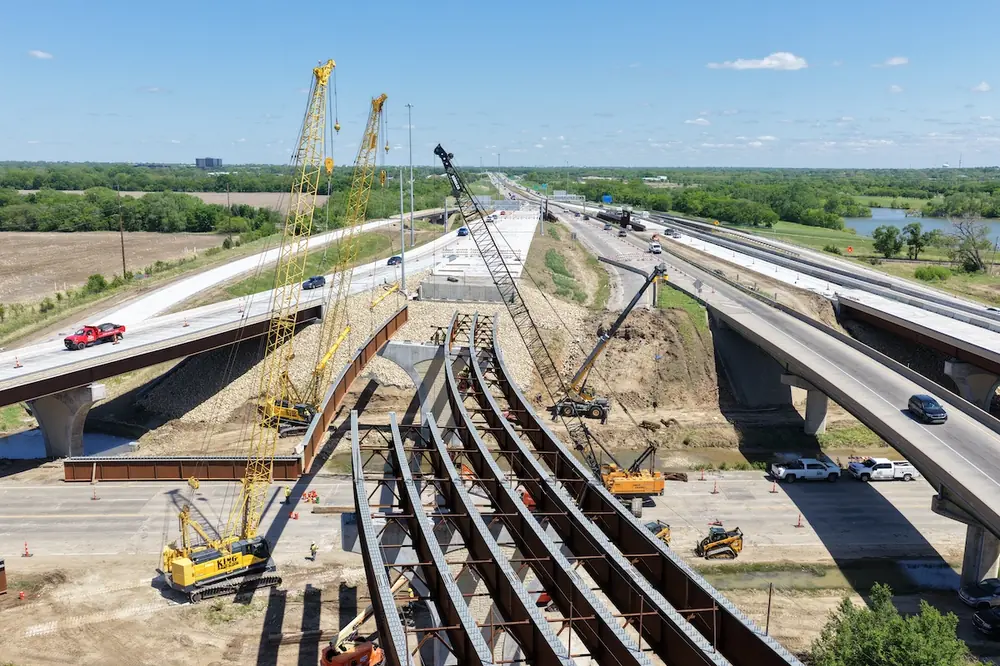
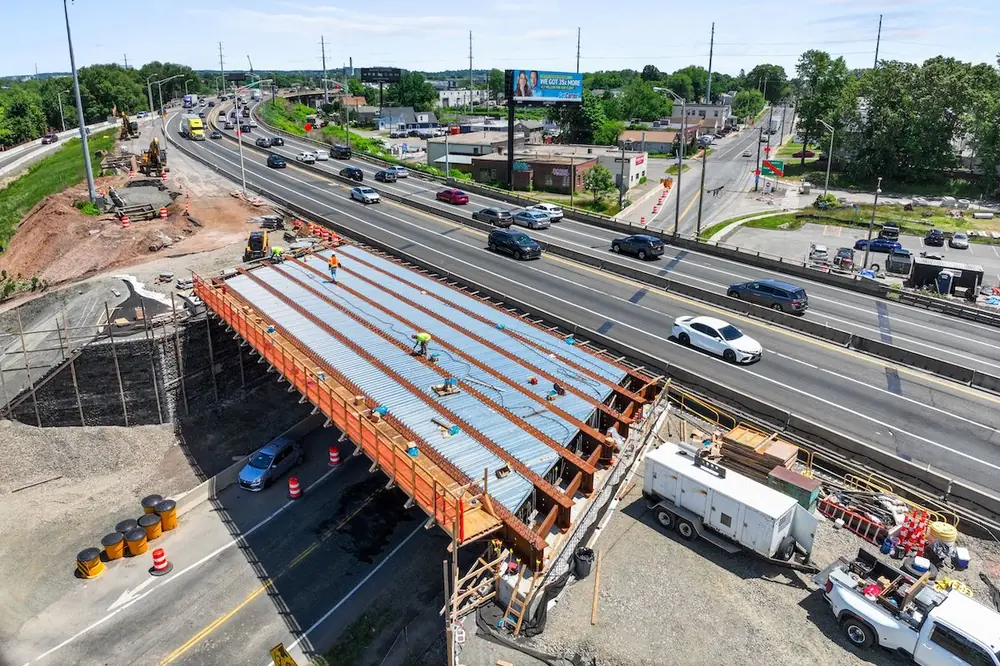
- Rebuilding the two interstate bridges over Grand River Avenue
- Rebuilding approximately 0.7 miles of I-96 approaches to accommodate the bridge replacements
- Rebuilding and reconfiguring the interchange ramps to complete the DDI conversion
Once complete, the new interchange will be one of six DDIs in Michigan, with three currently in operation and three others either planned or under construction.
The project also includes a real-world trial of highly modified asphalt (HiMA), supplied by Kraton Corporation, the company that developed the technology for highly modified asphalt binders.
In a social media post about using the new material, Rieth-Riley Construction, the project’s paving contractor based in Goshen, Indiana, noted that this marked the first use of HiMA on a Michigan project. According to the contractor, the trial will allow engineers to evaluate material performance, identify suitable applications, and assess how HiMA may perform on future routes with extremely heavy loads or accelerated paving schedules. The post said that the trial will help Rieth-Riley “understand where HiMA can provide the most value in terms of creating durable, high-performance pavement.” Bit-Mat Products of Michigan Inc., based in Bay City, was a partner on the HiMA work.

| Your local Iowa Mold Tooling Co Inc dealer |
|---|
| Star Equipment LTD |
Construction activities in 2026 are focused on traffic shifts, pavement removal, and bridge replacement operations.
Initial work involves shifting eastbound I-96 traffic to the westbound roadbed. The next steps will be to remove the eastbound pavement. Then, the eastbound I-96 bridge over Grand River Avenue will be demolished. These closures are estimated to end mid-November.
Aaron Jenkins, media contact for MDOT’s University Region based in Jackson, Michigan, mentioned key learnings from the 2025 construction season that are likely to be helpful as the project advances. He said that MDOT “learned a lot about the traffic patterns along Grand River Avenue and how to minimize inconvenience to the motoring public through adjustments to signal timing.”
MDOT’s construction teams coordinated with the agency’s signals staff to adjust signal timing, primarily to balance green-light traffic for westbound Grand River Avenue versus traffic on the westbound I-96 exit ramp. Multiple adjustments were made to the same signals once the newly constructed westbound I-96 entrance ramp was opened to traffic.

| Your local Gehl Co dealer |
|---|
| Star Equipment LTD |
“This added an additional movement to the queue,” Jenkins said. “These changes took some trial and error to work through.”
Jenkins said that the most significant challenges in 2025 were related to rain events and the resulting stormwater, which accumulated along the median of westbound I-96 and at the in-progress bridge abutments.
“The inclined grade along westbound I-96, combined with a fully superelevated horizontal curve, resulted in some truly impressive runoff events,” he said.
To compensate, construction teams used a number of controls to manage the stormwater, including diversion ditches. Dan’s Excavating built a temporary barrier wall, set as a backstop, and utilized a geotextile/sand/stone berm to divert runoff down the front slope of I-96 and away from the bridge abutment, which was being constructed at the time. The diverted water collected in the infield area, where it was either pumped away or infiltrated into the existing sandy soils.

| Your local Manitou dealer |
|---|
| Star Equipment LTD |
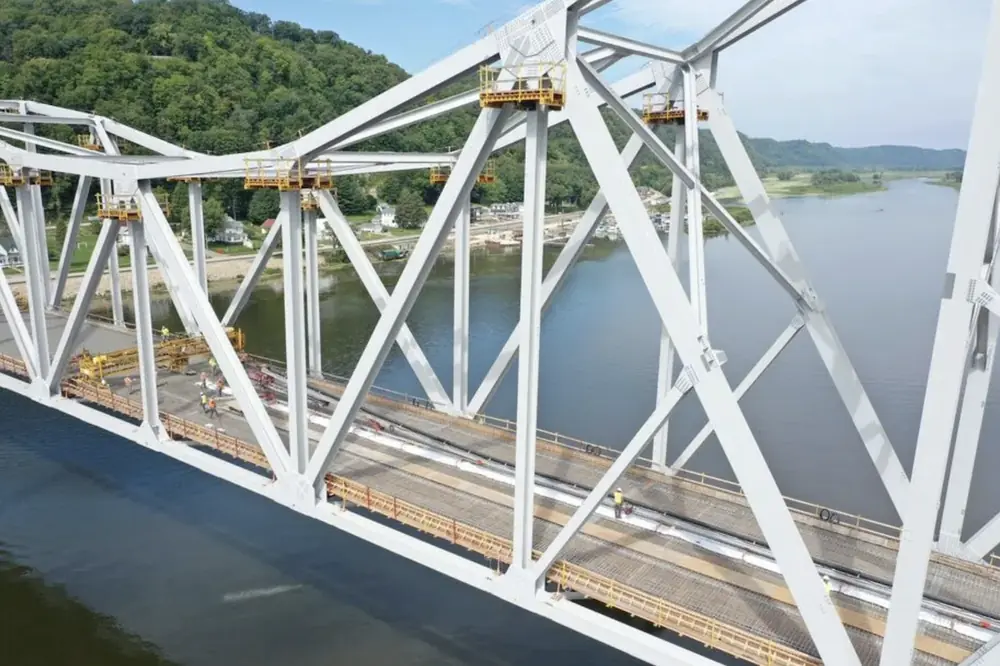
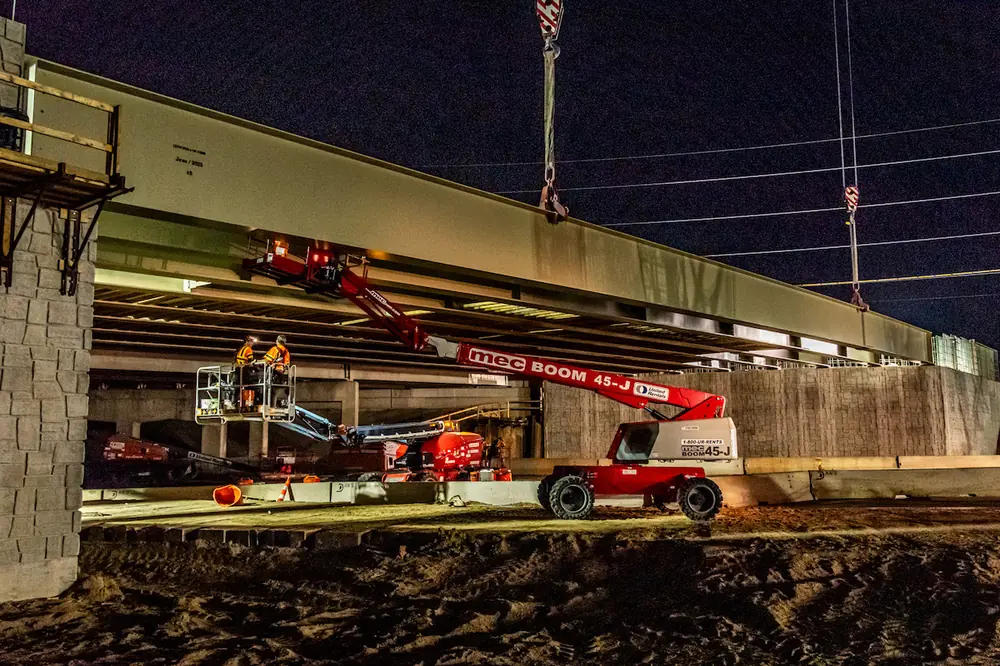
The westbound I-96 bridge was demolished and rebuilt during the 2025 construction season. Nighttime demolition helped minimize disruptions and was completed safely and without incident, according to Jenkins.
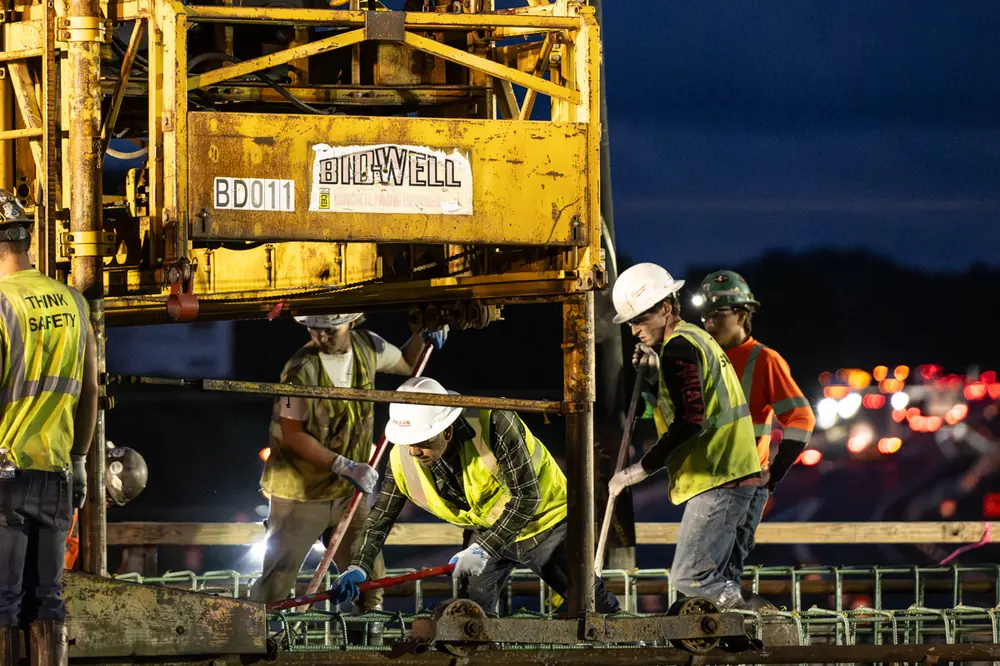
The eastbound I-96 bridge will be replaced during the 2026 construction season. C.A. Hull is the bridge subcontractor. Bridge demolition and beam setting over Grand River Avenue will be performed at night — the only remaining night work anticipated in 2026. That work is expected to occur around the Fourth of July and will likely take two to three nights.
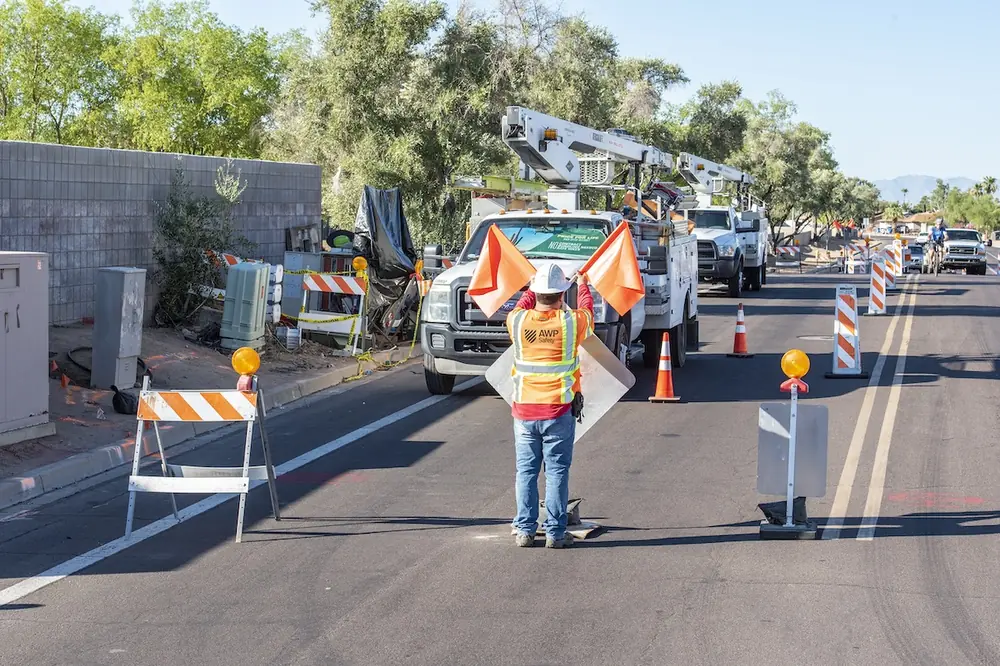
Safety remains a central focus for MDOT in 2026. Jenkins said the mixing of construction traffic with the motoring public “is a concern that we will be monitoring.” He explained that there is significantly less room to work on the south side of I-96 compared to the north side work zones that were established during the 2025 construction season.
MDOT is coordinating with the Michigan State Police and local law enforcement agencies to support traffic control and worker safety.

| Your local Link Belt dealer |
|---|
| Kirby-Smith Machinery |
“We depend on law enforcement, and they have done a great job keeping our workers safe,” Jenkins said.
HiMA was used as the top course on the I-96 mainline pavement and on the ramps connecting to Grand River Avenue. The roadway itself consists of 9-inch nonreinforced concrete.
Dave VanderWeele, Regional Quality Control Manager for Rieth-Riley, explained that HiMA is added to the liquid asphalt mixture that typically consists of about 5 percent liquid asphalt and 95 percent aggregate. According to VanderWeele, HiMA generally contains a significantly higher amount of polymers than conventional modified binders. Traditional modified binders contain about 2 to 4 percent styrene-butadiene-styrene polymers, while HiMA is generally in the range of 7 to 8 percent.
Rather than following a single standard recipe, HiMA formulations are tailored to meet performance demands, with the goal of improving resistance to both cracking and rutting.

| Your local Takeuchi Mfg Ltd dealer |
|---|
| Kirby-Smith Machinery |
| Star Equipment LTD |
While new on this Michigan project, HiMA has been used successfully in other states for several years, with many project reports and case studies published. Performance to date has shown strong resistance to rutting and cracking, which are generally competing distresses.
VanderWeele said the new I-96 pavement will be monitored periodically and checked to compare distresses with similar projects using conventional mixtures. The focus will be mostly on performance milestones to help understand life cycle benefits.
VanderWeele cited some challenges with modified asphalt:
- Higher up-front cost: As usage increases, costs should decrease.
- Experience: Agencies and contractors have limited experience.
- Production: Stiffer asphalt binders present both a challenge and a risk because they require adjustments in production and placement operations. The binder continues to stiffen over time, which means the asphalt must be produced and placed in a very short period. This requires significant planning and communication.

| Your local Magni dealer |
|---|
| Kirby-Smith Machinery |
VanderWeele said that the Rieth-Riley team did have to make some adjustments to their operations, but these challenges were anticipated and crews were able to adapt as necessary. He emphasized one key takeaway for other contractors working with the material: “Follow the recommended guidelines for the HiMA and respect it.”