


The construction industry is facing a pivotal moment. With global demand projected to surge — and workforce availability shrinking — improving productivity is no longer optional. A 2024 report from McKinsey & Company warned of a potential $40 trillion shortfall in construction output by 2040 if productivity doesn’t improve. The message is clear: The industry must evolve.
While technology often dominates the conversation, the real key to unlocking productivity lies in the strategic balance of people, process, and technology. When these three elements align, construction teams can deliver projects more efficiently, predictably, and profitably.
Lean construction practices offer a powerful framework for achieving this balance. Rooted in the principles of continuous improvement and respect for people, lean is not just a set of tools — it’s a philosophy that transforms how work is planned, executed, and improved.
Companies that embrace lean practices on individual projects often see impressive results, including reduced waste, improved collaboration, and fewer delays. But the real value emerges when lean is applied comprehensively across all projects within a company. This consistency allows leaders to identify systemic blockers to productivity, gather meaningful data, and drive improvements that scale.
Lean planning tools like the Last Planner System (developed by the founders of the Lean Construction Institute to improve workflow and project predictability) are central to this approach. These tools encourage teams to collaboratively plan work, identify constraints early, and make reliable commitments. When working in a digital realm, these practices become even more powerful — providing real-time visibility, accountability, and data for continuous improvement.

| Your local Metso Minerals Industries Inc dealer |
|---|
| PacWest Machinery |
| Westate Machinery Co |
Technology and process are critical, but they’re only as effective as the people who use them. Skilled tradespeople, forepersons, and project managers bring deep expertise and practical insight to every job site. Yet too often, they’re excluded from the detailed planning process. This is a missed opportunity.
Frontline teams have firsthand knowledge of what’s working, what’s not, and what’s coming next. They understand the blockers that slow progress, the dependencies that affect sequencing, and the resource needs that impact delivery. When they’re fully engaged in planning, work flows better, surprises are minimized, and productivity improves.
Engaging all teams — GCs, trades, suppliers, and subcontractors — in the planning process isn’t just respectful, it’s strategic. It ensures that human and material resources are available in the right quantity and at the right time. It builds trust, fosters ownership, and creates a culture of accountability.
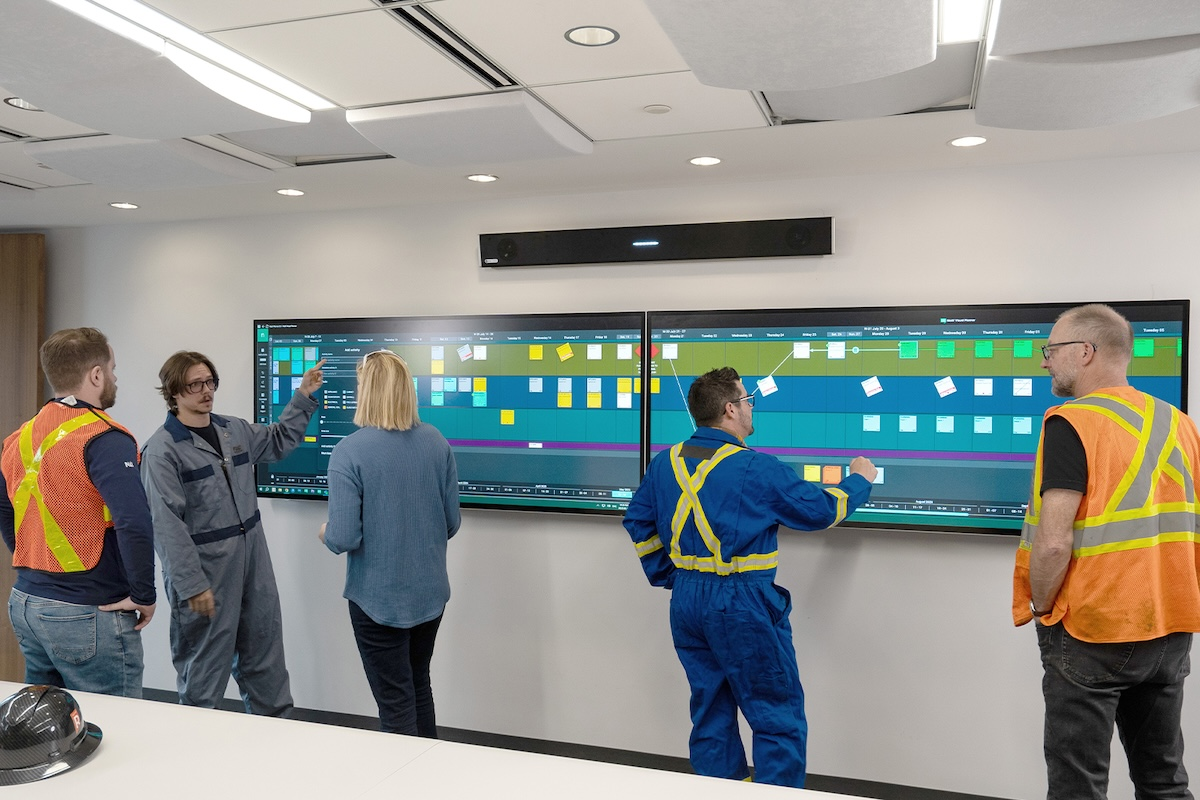
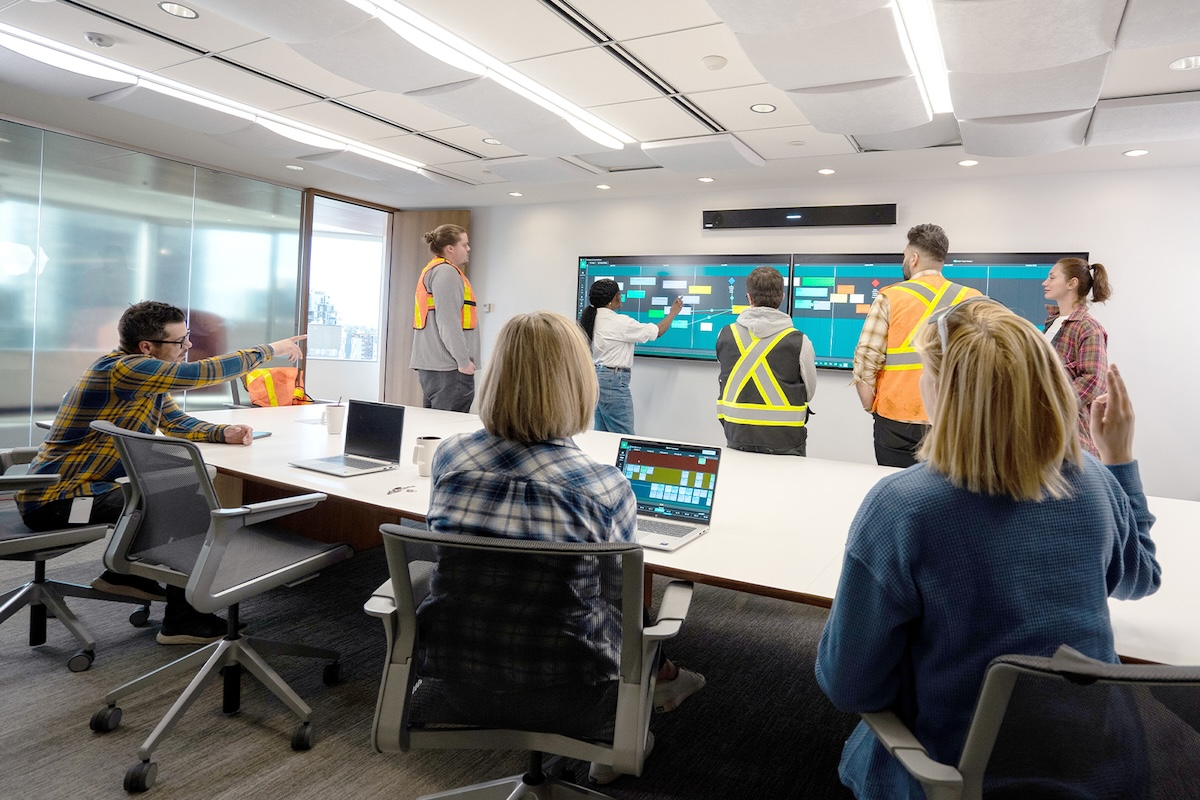
One of the most overlooked yet powerful aspects of lean construction is the physical act of standing together at an interactive display for planning. Gathering around a shared visual plan creates a dynamic environment for collaboration. It’s not just about seeing the plan — it’s about seeing it together.

| Your local Gomaco dealer |
|---|
| Gomaco -Contact For a Dealer Near You |
When teams stand shoulder to shoulder, they engage in real-time dialogue. Tasks are moved, blockers are discussed, and adjustments are made until everyone agrees the plan is achievable. This process builds alignment and trust. It ensures that the schedule reflects reality, not just what’s ideal on paper. And it gives every team member a voice in shaping the work ahead.
Contrast this with planning done in isolation — behind a computer screen, in a siloed office, or through email chains. These methods often miss the nuance of field conditions, overlook interdependencies, and delay critical decisions. Standing collaboration brings immediacy, clarity, and consensus. It transforms planning from a passive activity into an active, shared commitment.
The value of this approach goes beyond the meeting itself. Teams walk away with ownership. They understand the plan, believe in it, and are more likely to follow through. This reduces rework, improves coordination, and keeps projects on track.
Lean construction provides the process framework that enables this engagement. The Last Planner System, for example, encourages collaborative planning at multiple levels — from milestone planning to weekly work plans and daily huddles. It shifts the focus from top-down scheduling to bottom-up commitment, where those closest to the work make realistic plans and take ownership of outcomes.

| Your local Trimble Construction Division dealer |
|---|
| SITECH Northwest |
This approach reduces variability, improves handoffs, and enhances predictability. It also creates a feedback loop where teams can reflect on what went well, what didn’t, and what can be improved. Over time, this leads to smarter planning, better coordination, and higher productivity.
But for lean processes to succeed, they must be applied consistently — not just on flagship projects but across the entire portfolio. This consistency enables companies to gather meaningful data, identify trends, and make informed decisions that drive performance.
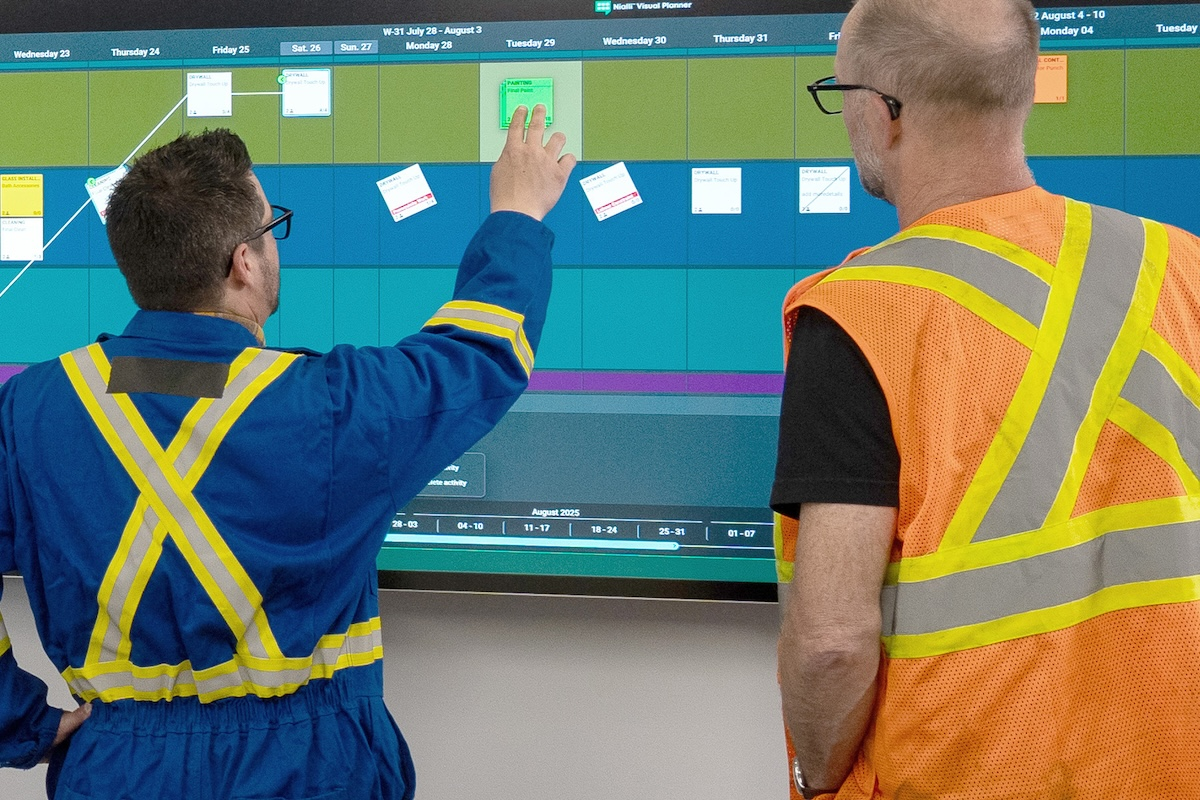
Technology plays a critical role in scaling lean practices and making them stick. Digital tools can bring the Last Planner System to life, allowing teams to share plans, flag blockers, and track progress in real time. These tools don’t replace people — they empower them.
When used consistently, digital planning tools (versus analog sticky notes) generate valuable data. Leaders can analyze this data to uncover patterns, identify recurring constraints, and make targeted improvements. They can see which teams consistently meet commitments, which trades are facing delays, and which workflows need adjustments.

| Your local Superior dealer |
|---|
| Westate Machinery Co |
Technology also enhances transparency. Everyone on the job site, from the GC to the trades, can see the plan, understand their role, and coordinate their efforts.
When people, process, and technology are in balance, construction teams can achieve remarkable results. Consider a scenario where:
- Trades are fully engaged in weekly planning sessions, sharing insights on upcoming work and potential blockers.
- Lean processes guide the planning, ensuring that commitments are realistic and constraints are addressed early.
- A digital platform captures the plan, tracks progress, and provides visibility to all stakeholders.
- Teams stand together at interactive displays, moving tasks and negotiating timelines until consensus is reached.
In this environment, work flows smoothly. Resources arrive when needed. Teams are aligned. And productivity improves, not just on one project but across the portfolio.
The construction industry has long struggled with productivity. But the tools, practices, and insights needed to change that are already here. What’s needed now is commitment to engage people, apply lean processes consistently, and leverage technology to scale and sustain improvements. Companies that embrace this approach will not only deliver better projects, they’ll build stronger teams, improve margins, and gain a competitive edge in a demanding market.
| Your local Metso Minerals Industries Inc dealer |
|---|
| PacWest Machinery |
| Westate Machinery Co |
Let’s stop treating productivity as a puzzle and start treating it as a system — one that works best when all the pieces fit together.
Nancy Knowlton is President and CEO of both Nureva Inc. and Nialli Inc., companies she co-founded with her husband David Martin. She has earned numerous awards for her work in education and business.
Rick Kennedy is Founding Director at Nialli, bringing over 25 years of experience in smart technology integration and collaborative workflows.