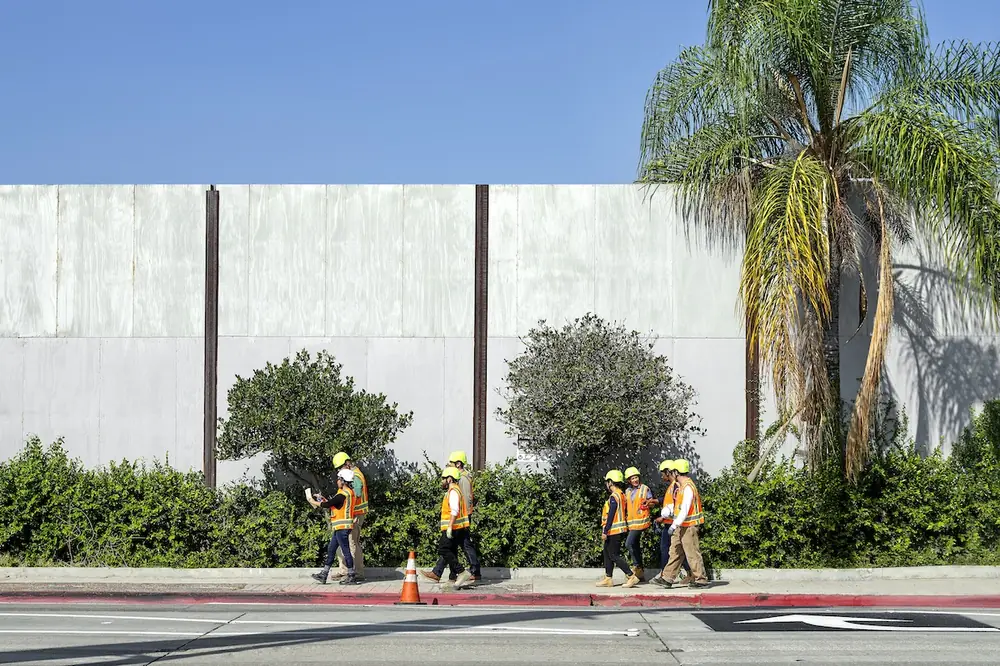

The construction sector is changing — and women in construction are at the forefront. From job sites to corporate offices, women are increasing their presence in a field long dominated by men.
That progress reached a milestone in August 2025, when women accounted for 14.5 percent of all construction workers, the highest percentage on record. By December, this figure was 14.4 percent, indicating a lasting change in hiring patterns that started during the COVID-19 pandemic.
Since January 2020, the female construction workforce has grown more than 21 percent, compared to less than 8 percent for men. Even in 2025, when overall industry hiring slowed, women filled 12,000 of the 14,000 construction jobs.
Much of this growth comes from office and support roles rather than traditional trades, but the trend shows women steadily gaining ground. Industry employment data counts anyone working for a construction firm, from marketing professionals to onsite carpenters.
Despite overall progress, women in trades remain underrepresented. Front-line trades remain predominantly male.

| Your local Metso Minerals Industries Inc dealer |
|---|
| PacWest Machinery |
| Westate Machinery Co |
Occupational data from 2024, the most recent available, show that women make up only 4.3 percent of construction and extraction roles, including less than 5 percent of carpenters and under 3 percent of electricians and bricklayers. Even roles with the highest percentage of women, such as painters (10.8 percent) and building inspectors (11.5 percent), fall short of the industry’s overall female workforce share.
Over the past four decades, I’ve personally seen the growth of women not only in construction bookkeeping, but also in C-suite and ownership roles. The number of women who own construction companies has steadily grown.
Policy initiatives and procurement opportunities opened doors, while mentorship networks and trade associations helped build skills and credibility. As more women leaders demonstrated strong performance in safety, quality, and client relationships, they created visible pathways for others to follow.
Still, challenges remain.

| Your local Gomaco dealer |
|---|
| Gomaco -Contact For a Dealer Near You |
Access to financing and large contracts can be uneven, and bias hasn’t disappeared. But the long-term trend points to a more inclusive and dynamic construction sector where women-owned firms play an increasingly significant role.
Having women mentors creates a powerful pipeline. Visible role models, practical guidance, and credible advocacy help emerging professionals navigate job site dynamics, procurement processes, and paths to ownership.
Progress has been steady, even if slow. In 2010, women held only 2.6 percent of positions in construction and extraction. Over the past five years, the share increased from 3.5 percent to 4.3 percent, reflecting consistent and meaningful progress.
Looking ahead, construction career opportunities for women are expected to increase, especially in white-collar roles. Higher college enrollment among women and a lack of experienced female mentors in the trades suggest that representation in traditional field positions may remain below 5 percent in the near future.

| Your local Trimble Construction Division dealer |
|---|
| SITECH Northwest |
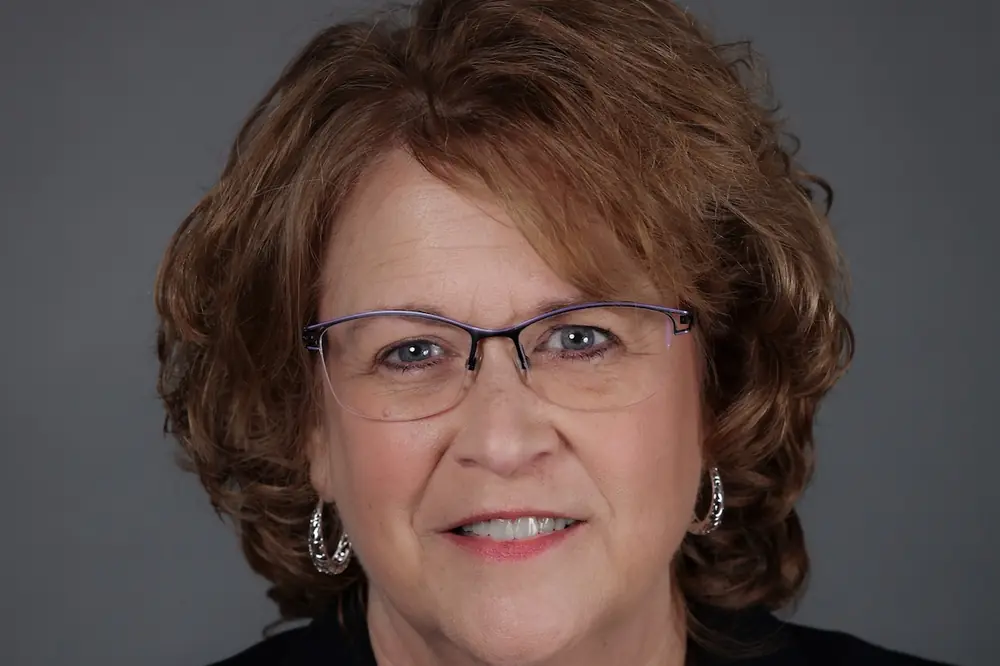
Joyce Farris is Managing Director at CBIZ.