
As the construction industry continues to navigate labor shortages, supply chain uncertainty, and increasingly complex project demands, one trend has become clear: strong partnerships with small and local businesses are becoming essential to successful project delivery.
Across the industry, contractors, developers, and public agencies are recognizing that resilient project delivery depends on building a stronger and more connected subcontractor ecosystem. That means engaging small businesses earlier, investing in long-term relationships, and creating clearer pathways for firms to participate in larger and more technically demanding work.
According to Associated Builders and Contractors, the construction industry needs an estimated 349,000 net new workers in 2026 to meet demand, highlighting the continued strain on project teams nationwide. While workforce challenges are often discussed through recruitment and retention, another critical part of the conversation is strengthening the network of small and local businesses that help projects move forward every day.
From subcontractors and suppliers to specialty trades and workforce partners, small businesses provide local expertise, specialized capabilities, and workforce flexibility that are increasingly difficult to replace in today’s environment. Engaging these firms earlier and more collaboratively can significantly improve project outcomes.
Historically, many subcontractor relationships were approached transactionally, with firms brought into projects later in the procurement process to execute a defined scope of work. Increasingly, however, the industry is shifting toward a more collaborative model that prioritizes early engagement, shared planning, and long-term partnership building.

| Your local Metso Minerals Industries Inc dealer |
|---|
| PacWest Machinery |
| Westate Machinery Co |
When small and local businesses are engaged early, project teams gain valuable insight into labor availability, sequencing, logistics, and local market conditions before challenges emerge in the field. These conversations can help teams identify risks earlier, improve coordination, and create more realistic execution strategies from the start.
This approach also allows smaller firms to better prepare for upcoming opportunities, invest in workforce development, and scale their operations more sustainably over time.
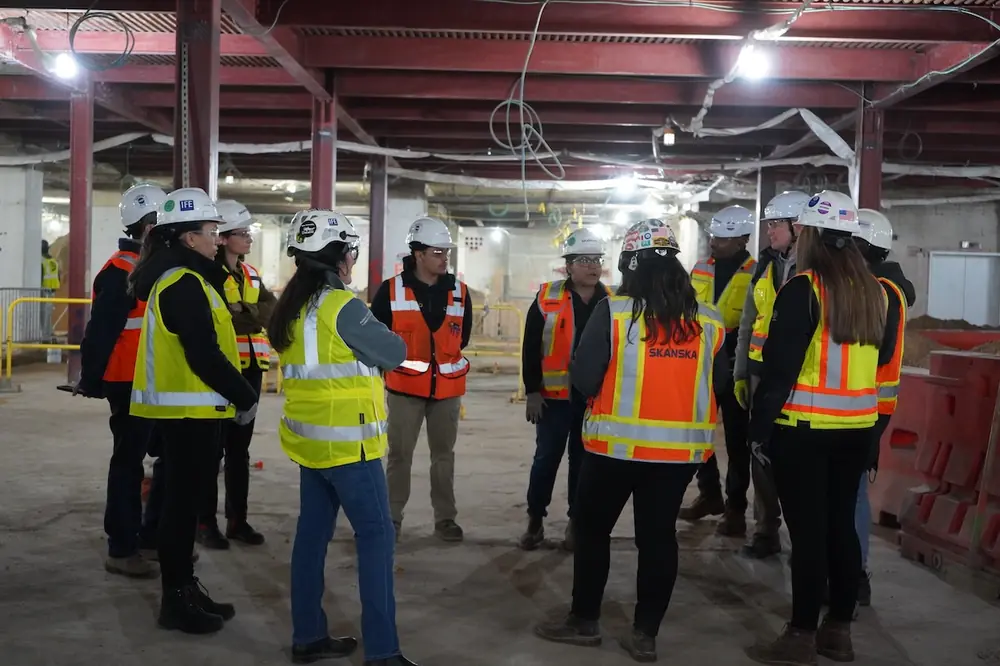
One example of what early engagement can look like is bringing small and local partners into preconstruction conversations before scopes are finalized. On several recent projects, we’ve invited key trade partners to participate in early design and planning meetings, where they can provide input on constructability, phasing, and workforce availability.
For instance, by engaging a local electrical subcontractor months before procurement, the team was able to identify potential labor constraints tied to competing projects in the region. Together, the team adjusted sequencing, prepurchased long-lead materials, and built a more realistic staffing plan. This not only reduced risk during execution but also allowed the subcontractor to proactively hire and train additional workers ahead of peak demand.

| Your local Gomaco dealer |
|---|
| Gomaco -Contact For a Dealer Near You |
This type of collaboration shifts the dynamic from reactive problem-solving in the field to proactive planning at the outset, creating stronger alignment across the project team and better outcomes for both the project and the participating firms.
The industry’s workforce shortage is not simply about the number of available workers. It is also about supporting businesses that can continue training, hiring, and retaining skilled workers within their communities.
Small businesses play an important role in that ecosystem. Many serve as entry points into the construction industry for local workers and emerging tradespeople, while others provide specialized expertise that larger firms may not maintain internally. Supporting the growth and stability of these businesses has therefore become directly tied to the industry’s broader workforce resilience.
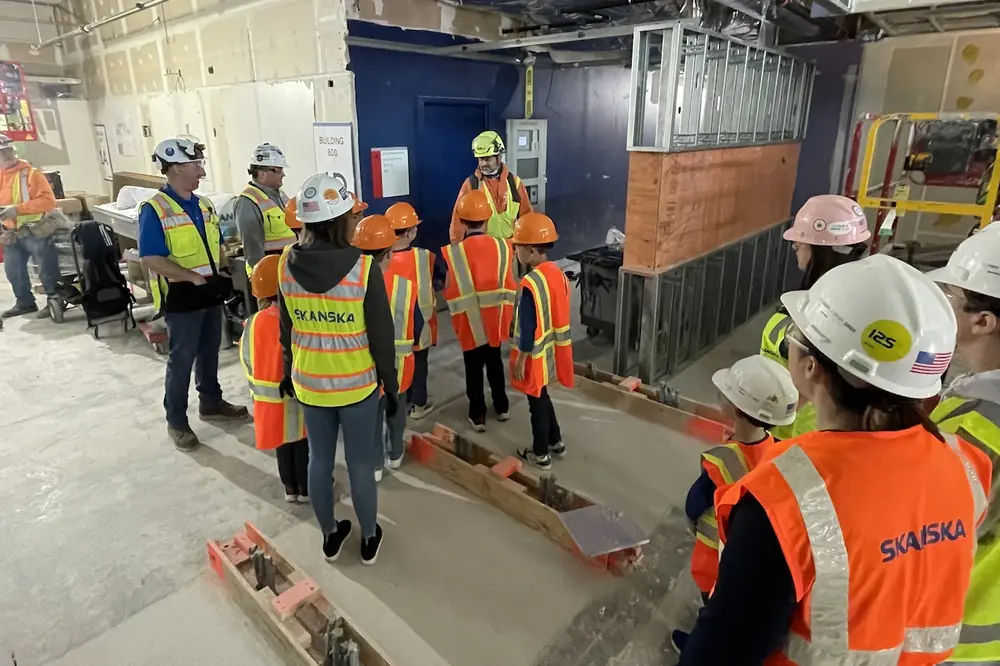
At Skanska USA Building, this focus has shaped long-term engagement efforts with small and diverse businesses across projects and regions through programs like the Excellence in Construction Leadership Program (ECLP) and Construction Management Building Blocks (CMBB). Since 2007, CMBB has supported more than 900 small and diverse businesses, helping participants secure nearly $1 billion in contracts on Skanska projects. More recently, ECLP participants across Skanska regions have collectively generated more than $20.4 million in awarded project spend over the last two years.

| Your local Trimble Construction Division dealer |
|---|
| SITECH Northwest |
Programs like ECLP and CMBB are designed to help businesses strengthen operational capabilities, navigate prequalification requirements, access mentorship opportunities, and better position themselves for larger-scale project participation.
For many participants, the value extends beyond project opportunities alone. Several firms noted that the program provided greater insight into preconstruction planning, budgeting, quality control processes, and the operational expectations of large general contractors.
One of the biggest challenges we see for small and local businesses isn’t capability — it’s access. Whether it’s navigating prequalification requirements, managing cash flow, meeting bonding thresholds, or simply having enough visibility into upcoming opportunities, many firms are trying to grow while operating with limited resources. When we engage earlier and more intentionally, we can help remove some of those barriers and create a more level playing field for participation.
The impact of stronger small business engagement extends beyond construction schedules and procurement strategies. It also influences how projects support local economies and community development over time.

| Your local Superior dealer |
|---|
| Westate Machinery Co |
Many public and institutional clients today are looking more closely at the broader economic impact of their projects, including local workforce participation, supplier diversity, and opportunities for neighborhood businesses. Construction teams that can effectively engage and support local firms are often better positioned to align with these priorities while also improving project execution.
Across Skanska regions, these partnerships continue extending beyond active projects into mentorship, training, and industry engagement initiatives. In New York, for example, Skanska teams are hosting programming for New York City Economic Development Corporation’s Waterfront Pathways Program focused on helping minority- and women-owned business enterprise (MWBE) firms strengthen leadership, collaboration, and organizational performance capabilities.
At the Fair Oaks Recreational Complex project with the City of Tampa, Florida, targeted outreach, prebid meetings, job fairs, and direct engagement with local firms connected residents and minority-owned businesses to real opportunities, with more than $10 million directed to local businesses. One trade partner was a retired Tampa Police Captain who grew up in the neighborhood, making his work on the project a powerful example of local pride coming full circle.
When local businesses participate meaningfully in construction projects, the economic benefits often extend well beyond the job site itself. Firms gain experience, expand their capacity, and create additional employment opportunities within their communities.
| Your local Metso Minerals Industries Inc dealer |
|---|
| PacWest Machinery |
| Westate Machinery Co |
As construction demand continues to evolve, the industry’s ability to deliver projects successfully will depend not only on financing, technology, or design innovation, but also on the strength of the relationships supporting execution in the field.
The organizations best positioned for long-term success will be those that recognize small and local businesses as essential strategic partners rather than supplemental participants. That means investing earlier in collaboration, creating clearer pathways for participation, and helping businesses build the operational capacity needed to grow alongside increasingly complex projects.
In an environment defined by labor constraints, technical specialization, and rising expectations around community impact, stronger engagement with small businesses is becoming a critical component of resilient project delivery and long-term industry growth.
Photos courtesy of Skanska.
| Your local Metso Minerals Industries Inc dealer |
|---|
| PacWest Machinery |
| Westate Machinery Co |
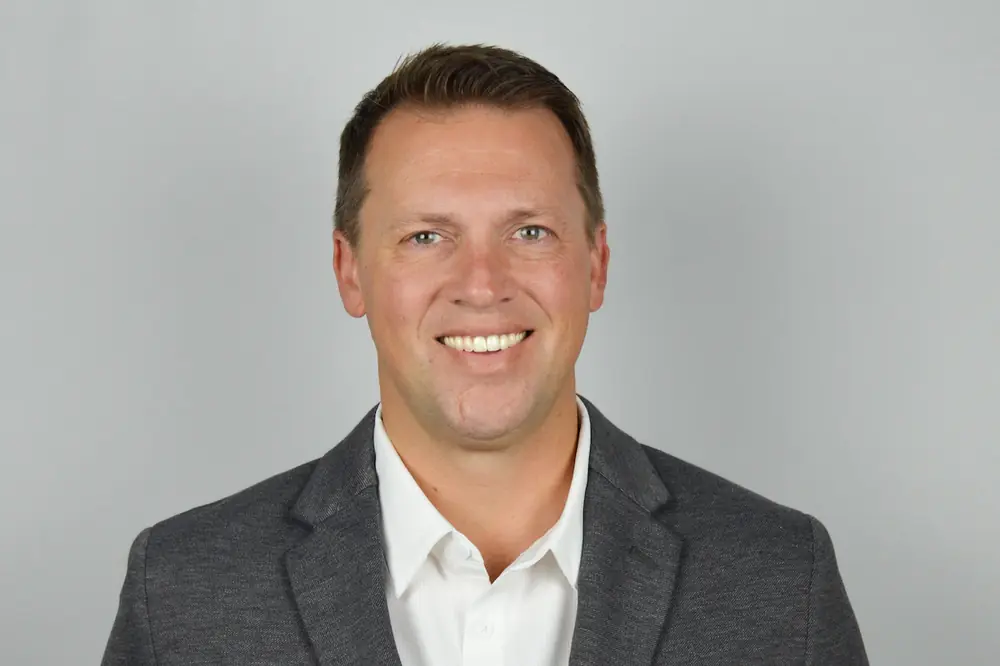
Joycelyn Yue is the National Director of Subcontractor Engagement at Skanska USA Building.