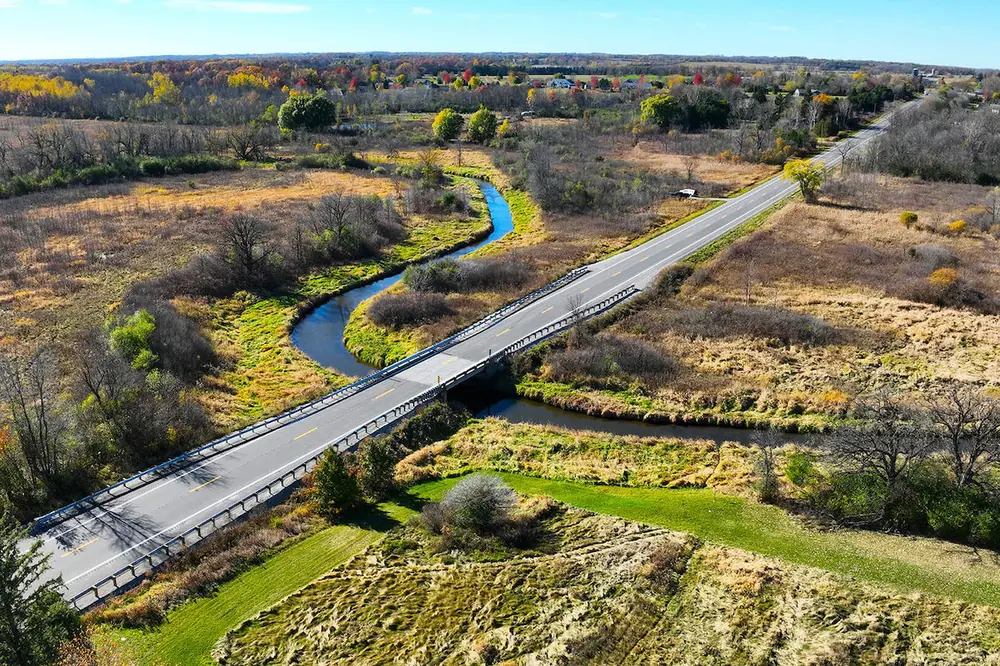



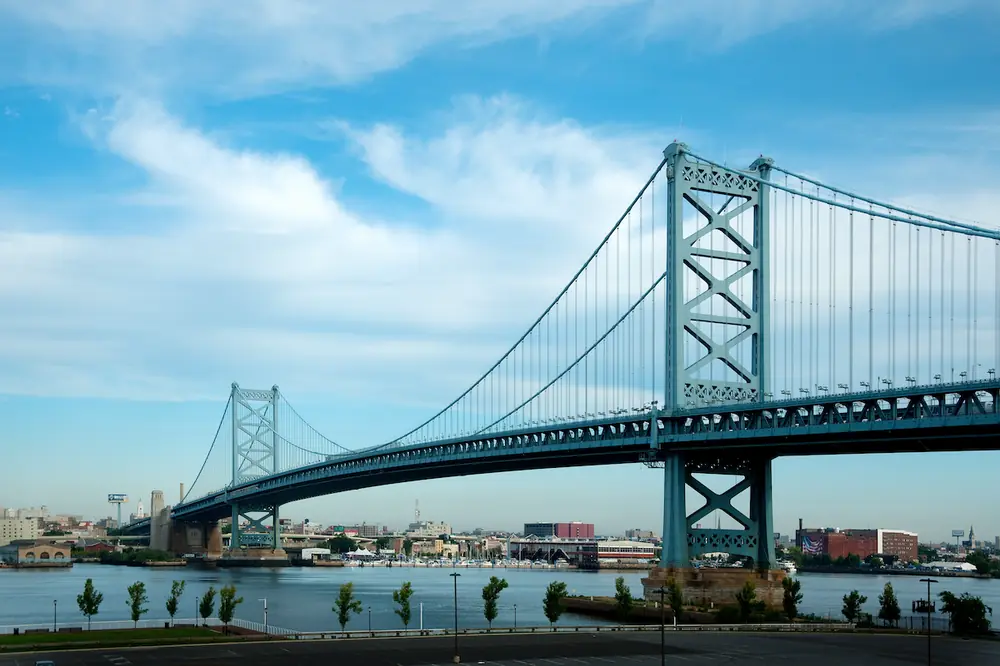

As the U.S. celebrates its 250th anniversary, an iconic bridge marks a milestone of its own. In July 2026, the Benjamin Franklin Bridge connecting Philadelphia, Pennsylvania, and Camden, New Jersey, turns 100 years old. The chief engineer of the bridge was Polish-born Ralph Modjeski, founder of the firm now known as Modjeski and Masters.
When the Benjamin Franklin Bridge opened in 1926, it was the longest suspension bridge in the world. Today, it remains one of the busiest transportation links in the Northeast corridor, carrying millions of vehicles each year and the PATCO commuter rail lines between two major economic centers.
What makes the bridge remarkable isn’t that it has lasted a century. It’s that a structure designed for the America of the 1920s continues to carry the weight of the America of 2026.
Today’s transportation demands bear little resemblance to those of a century ago. Traffic volumes are higher. Trucks are heavier. Shipping activity is more complex. Public expectations around safety and reliability are far greater than the engineers of 1926 could have anticipated.
Yet the bridge continues to safely serve modern transportation demands — not because infrastructure that lasts remains unchanged, but because it evolves. A bridge does not reach 100 years of service by accident. Longevity requires continuous inspection, preservation, rehabilitation, and modernization over generations. It also requires something that often gets overlooked in public conversations about infrastructure: stewardship.

| Your local Komatsu America Corp dealer |
|---|
| Road Machinery and Supplies Company |
Every phase of that stewardship depends on the people responsible for building, maintaining, and rehabilitating infrastructure. While design may establish a structure’s foundation, construction quality, material selection, execution, and ongoing rehabilitation often determine how successfully it performs decades later.
Across the U.S., transportation systems built during earlier periods of industrial and economic expansion continue to support modern mobility. Most Americans rely on infrastructure built decades ago without thinking twice about it. The reason they can is that generations of engineers, inspectors, transportation agencies, and contractors have kept those systems functioning behind the scenes, often with limited funding and growing performance demands.
When I started in bridge engineering in the late 1970s, conversations around infrastructure focused heavily on expansion. Today, preservation, resilience, new materials and construction practices, and funding are just as central to the discussion.
America has never had much trouble rallying around new infrastructure. Preserving older infrastructure has always been the harder sell. Yet much of the infrastructure work taking place today involves rehabilitation, strengthening, and modernization rather than entirely new construction.

| Your local Trimble Construction Division dealer |
|---|
| SITECH Northwest |
| SITECH Mid-America |
| SITECH Dakotas c/o Butler Machinery |
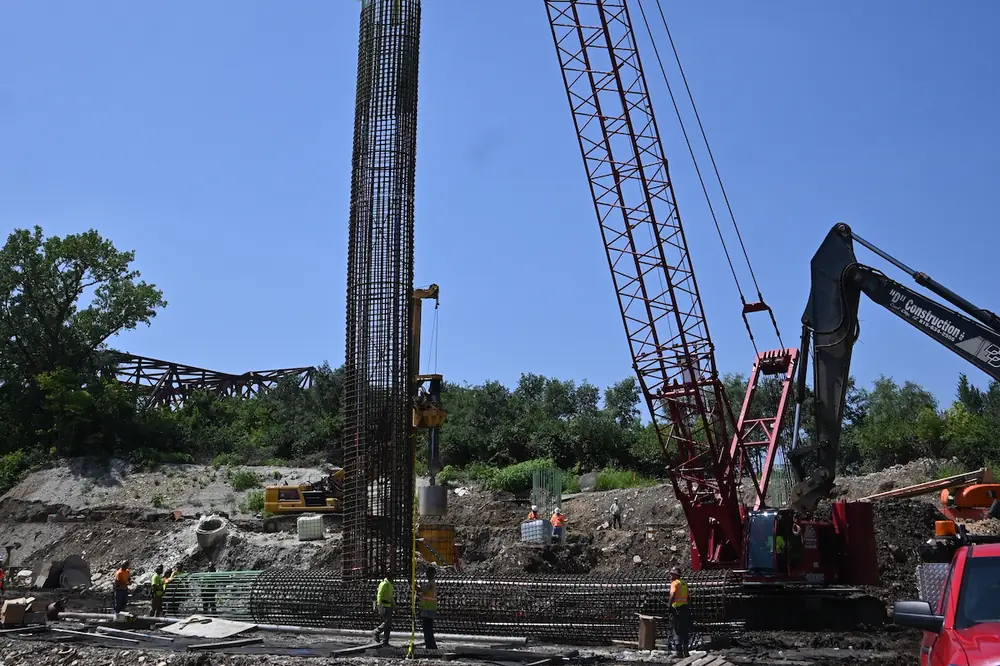
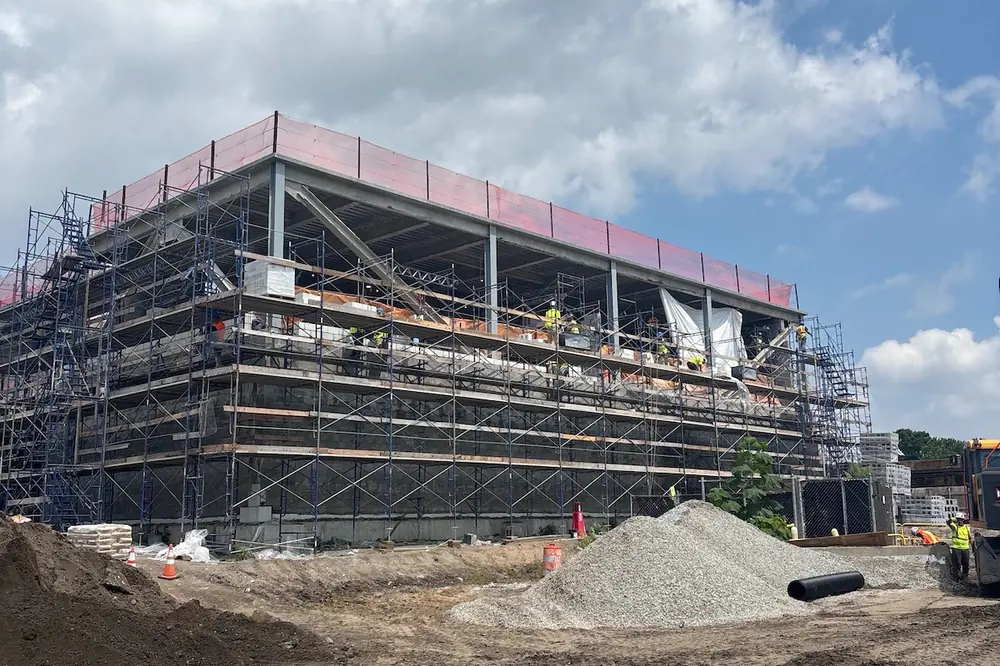
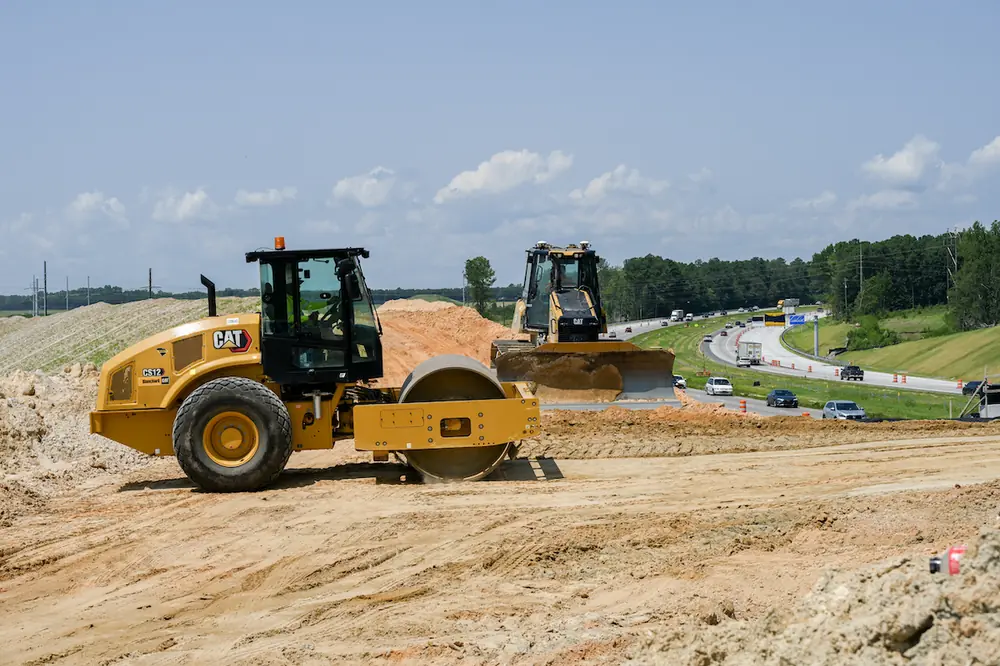
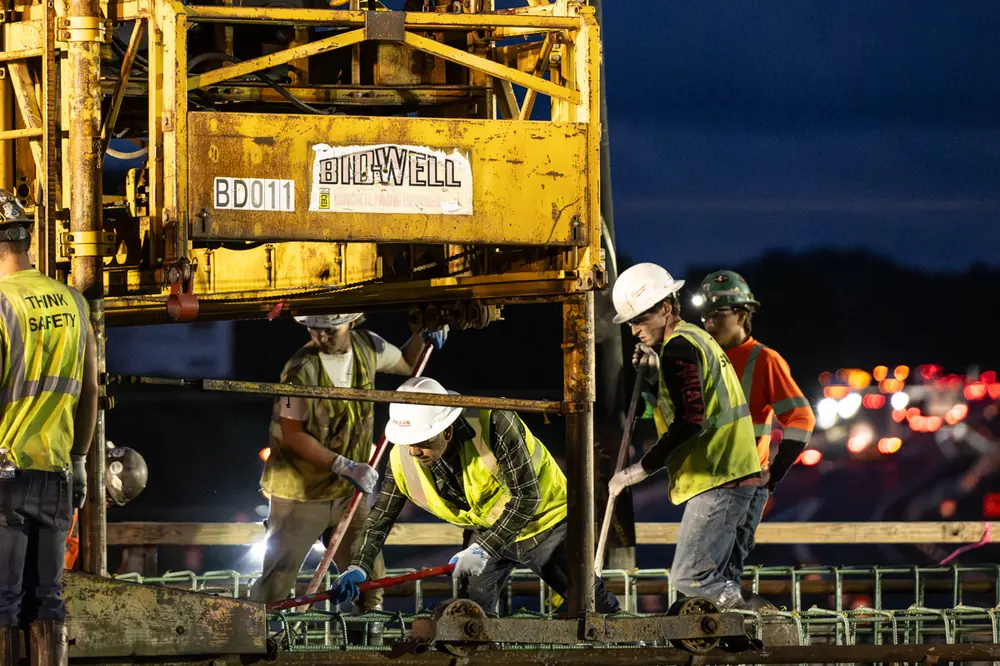
For contractors, one of the most important lessons from century-old infrastructure is that long-term performance begins during construction and rehabilitation. Decisions around material selection, quality control, constructability, and lifecycle durability can influence how an asset performs for decades.
As owners increasingly focus on resilience and service life, contractors who understand both immediate project requirements and long-term asset performance will be best positioned to deliver lasting value.
Too often, public conversations about infrastructure focus almost entirely on what will be built next. New projects understandably attract attention, but preserving and modernizing existing transportation systems is just as important to the country’s long-term mobility and economic strength.
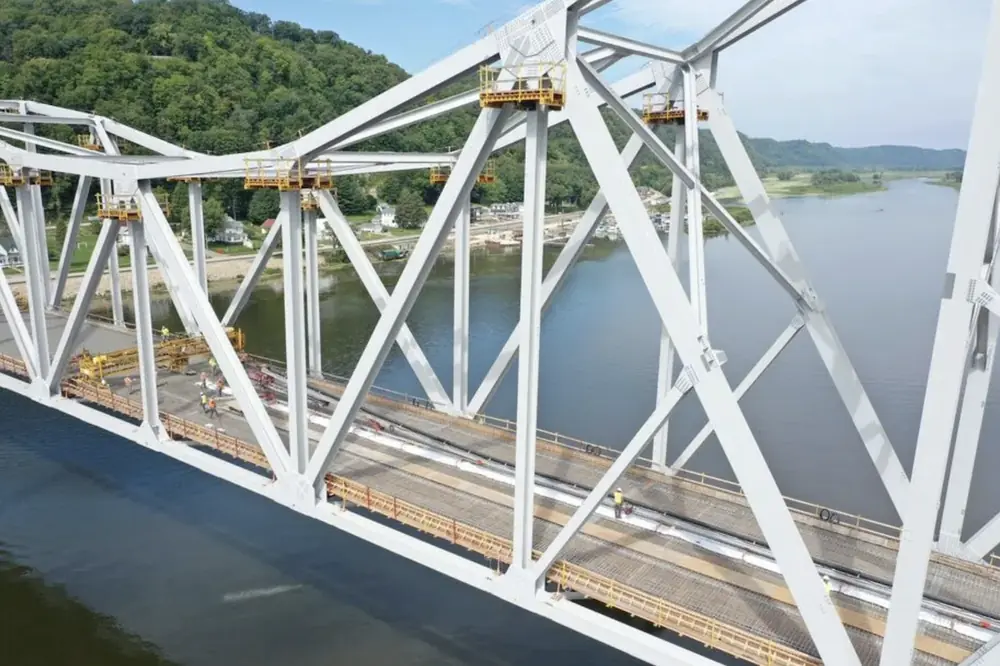
The Benjamin Franklin Bridge reflects that reality. What began as a defining engineering achievement of the early 20th century remains viable because it has been continuously maintained and adapted over decades.

| Your local Gomaco dealer |
|---|
| Gomaco -Contact For a Dealer Near You |
The Ambassador Bridge connecting Detroit, Michigan, with Windsor, Ontario, Canada, tells a similar story. Since construction began in 1929, Modjeski and Masters has partnered with various owners to help preserve and maintain the critical crossing, which remains one of North America’s busiest international trade links more than 90 years later. Like the Benjamin Franklin Bridge, its continued relevance is not simply a function of original design, but of long-term adaptation and stewardship.
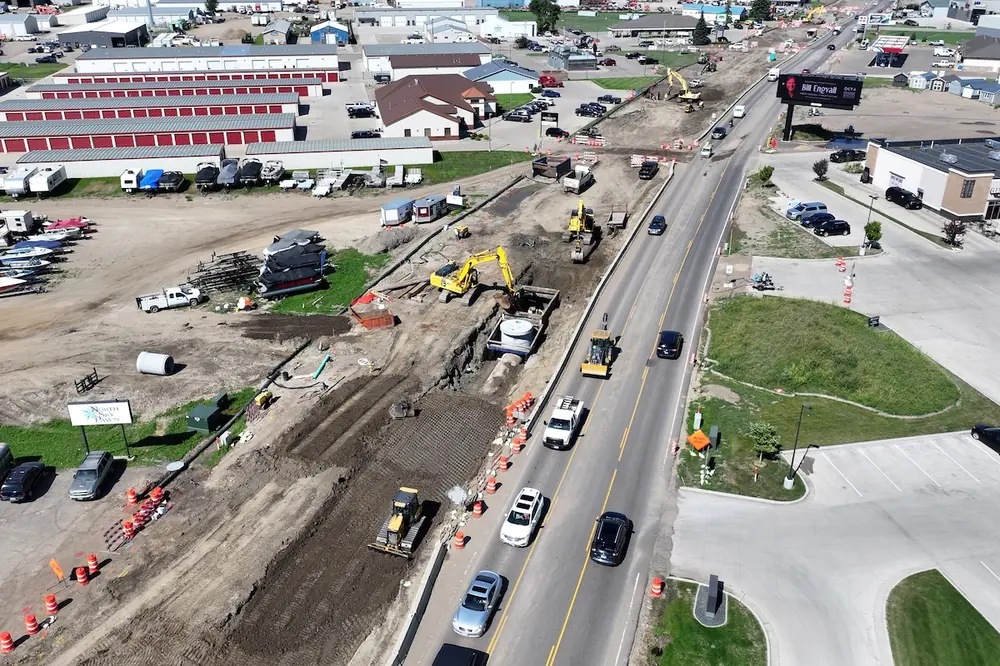
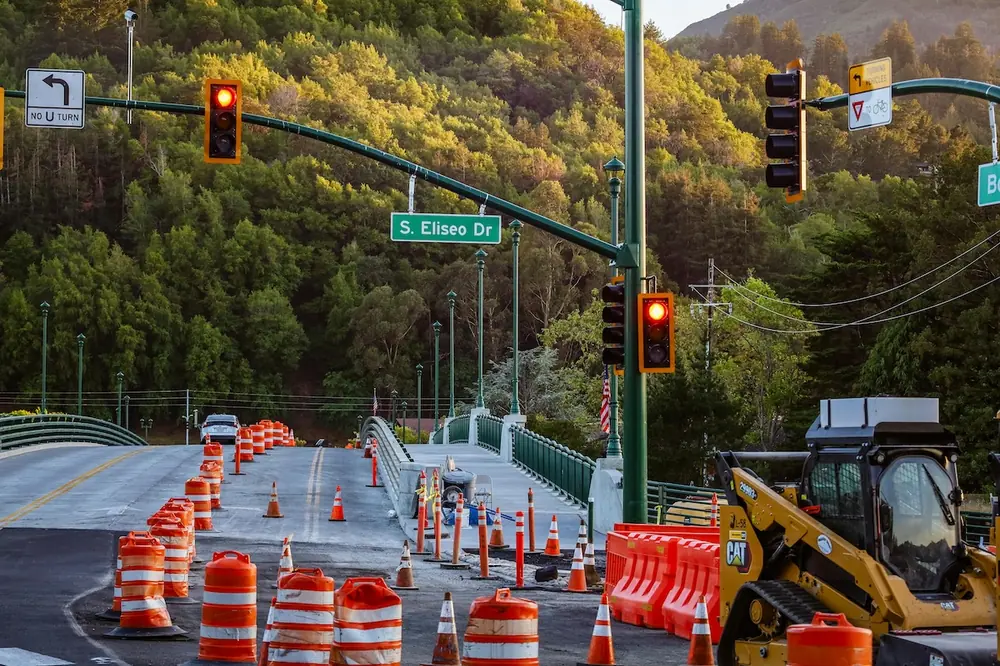
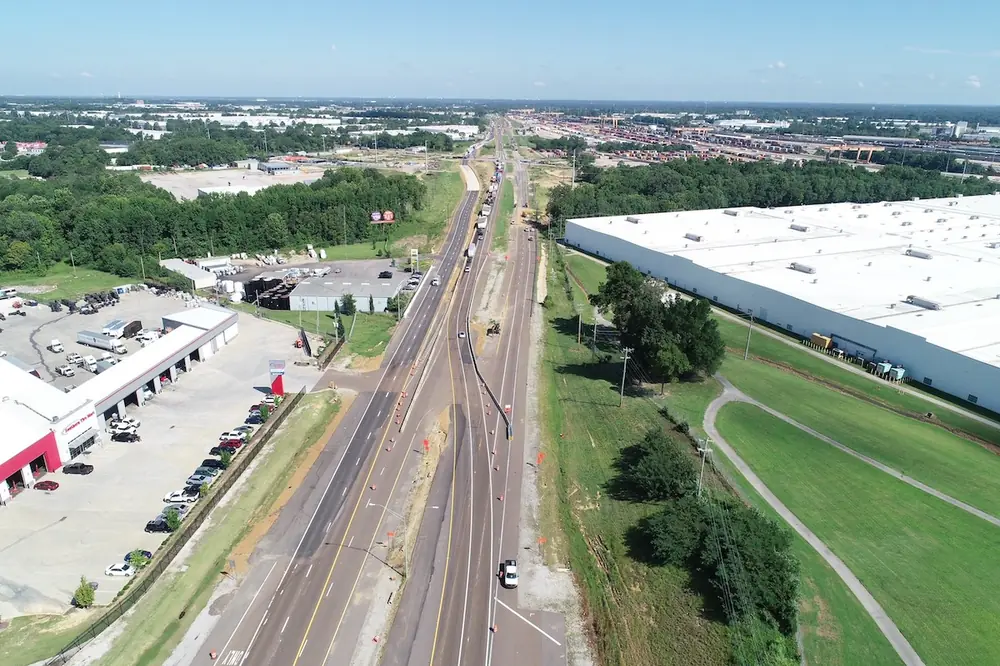
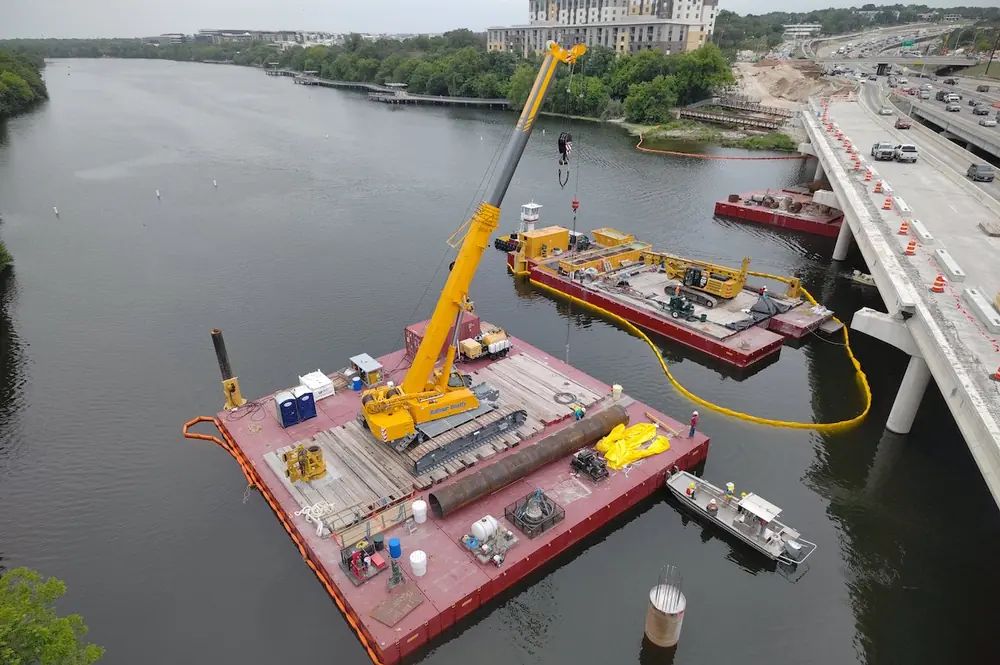
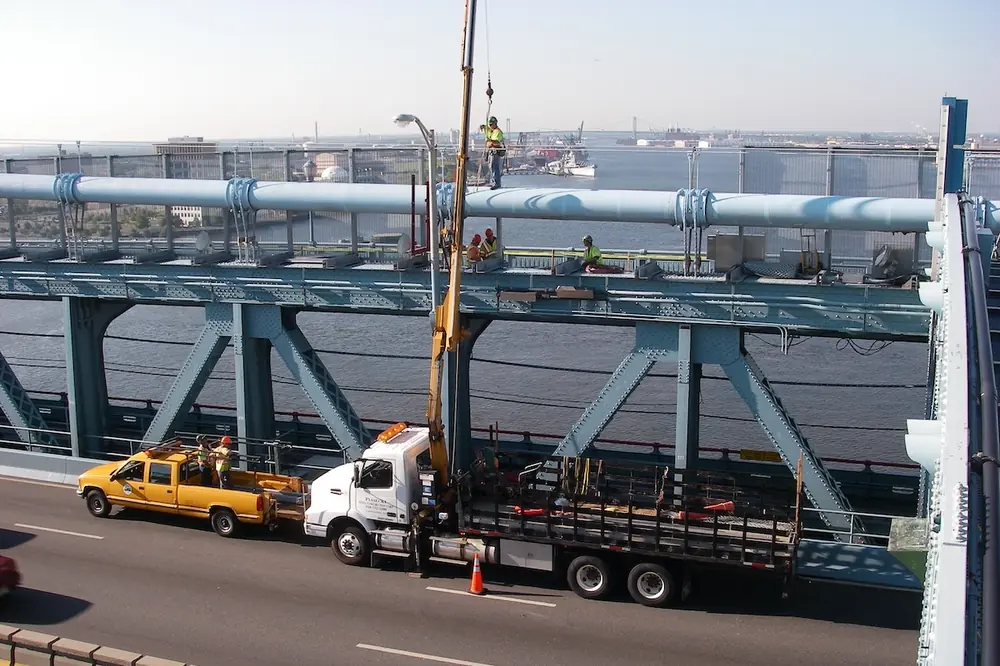
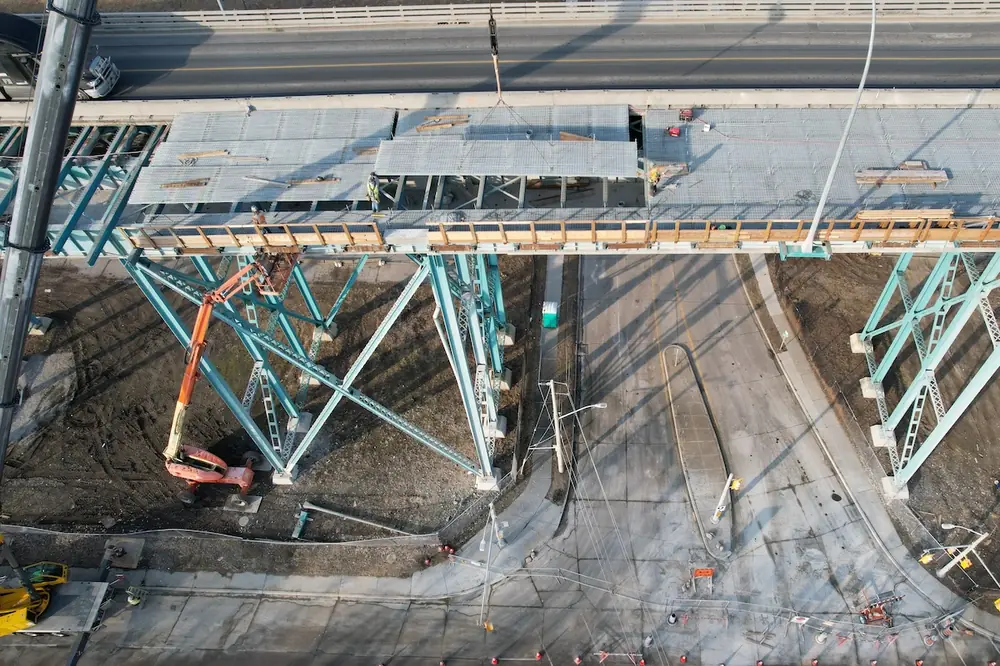
That work also illustrates the challenges unique to infrastructure preservation. Unlike new construction, rehabilitation projects often must be completed while keeping critical transportation assets in service, minimizing disruptions to travelers, and adapting to conditions that may not be fully understood until work is underway.
Extending the life of aging infrastructure requires not only sound engineering, but careful planning and coordination among owners, engineers, and contractors.
Engineers today are evaluating conditions that earlier generations could not predict. Vessel traffic, freight demands, and traffic patterns have all changed. Infrastructure systems that once operated with wide margins are now expected to perform continuously, often under far more demanding conditions.

| Your local Volvo Construction Equipment dealer |
|---|
| Nuss Truck & Equipment |
Recent bridge failures and vessel collision incidents also have renewed attention on how infrastructure systems are evaluated for modern risks and long-term performance. Those events have reinforced the importance of understanding evolving risks and ensuring critical assets remain resilient in changing operating environments.
But the lesson is not that older infrastructure is incapable of meeting today’s demands. In many cases, some of the country’s most important transportation infrastructure continues to perform remarkably well precisely because they have been maintained and improved over time.
The Benjamin Franklin Bridge and Ambassador Bridge offer a reminder that infrastructure longevity rarely happens by accident. It requires decades of investment, adaptation, and commitment from the people responsible for building, maintaining, and improving these assets.
America’s next century of transportation infrastructure will require that same mindset: not simply ambitious construction projects, but sustained attention to preservation, modernization, resilience, and quality execution across the systems already connecting the country.
| Your local Komatsu America Corp dealer |
|---|
| Road Machinery and Supplies Company |
Longevity is not simply a product of good design. It is the result of generations of owners, engineers, and contractors committed to maintaining and improving an asset over time. The same will be true of the infrastructure being designed, built, and rehabilitated today.
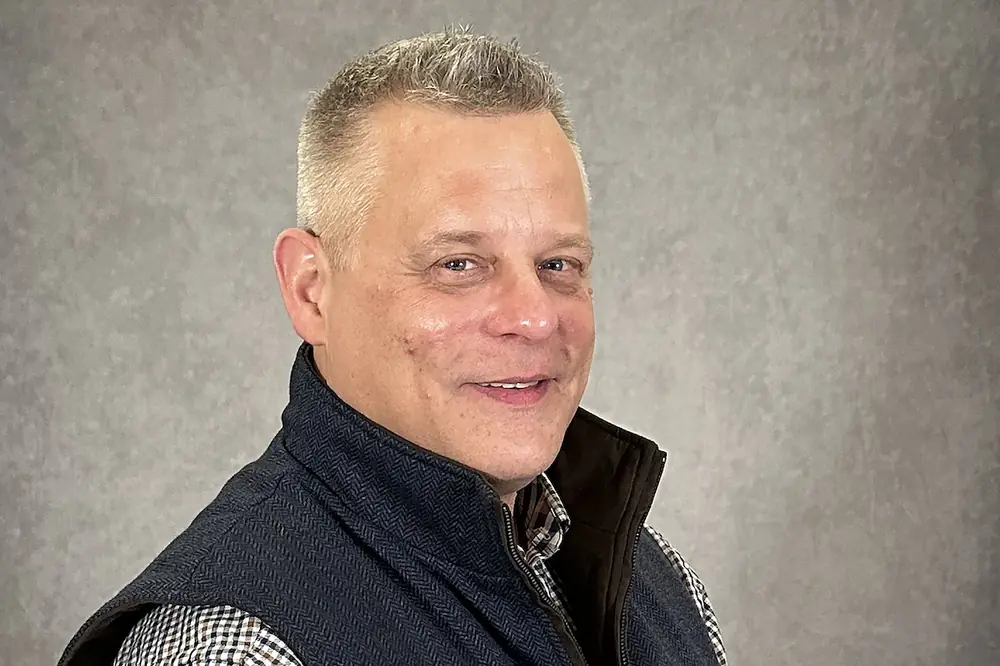
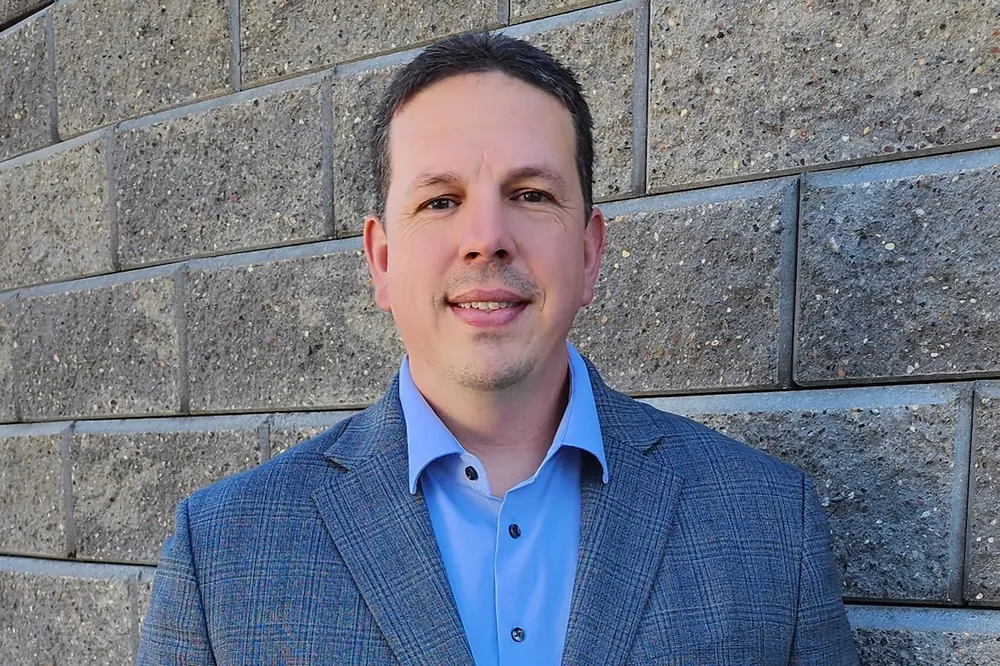
Mike Britt is President and CEO of Modjeski and Masters, a transportation engineering firm founded in 1893 by bridge engineer Ralph Modjeski. With more than four decades of experience in bridge engineering and infrastructure stewardship, Britt oversees the firm’s nationwide bridge design, inspection, and preservation practice.