




Upstream injury response offers a practical way to reduce workers’ compensation costs, prevent recordables, and keep projects moving. It works by giving injured workers quick access to clinical guidance at the moment something goes wrong.
In a six-year national case analysis conducted by Axiom Medical, involving thousands of workplace injuries across construction and industrial settings, early clinical intervention:
- Resolved up to 75 percent of cases with first aid
- Reduced claim costs by as much as 91 percent
- Lowered recordable injuries by as much as 59 percent
Those results reflect what I have seen repeatedly in my own work. Before moving into occupational health, I spent years in emergency and trauma care, where timing often determined everything. It still does. Small issues turn into expensive problems when early care is delayed, especially in high-risk work environments where conditions change quickly and crews are working under significant pressure.
To understand why upstream response is effective, it helps to look at how injuries unfold when early action is missing.
Construction is one of the most expensive sectors for downstream injury management — not because every injury is severe, but because access to care is often slow. It is not unusual for a worker to spend two to four hours traveling to a clinic, sitting in a waiting room, getting evaluated, and making the trip back. During that time, swelling increases, pain worsens, and functional limitations set in. By the time the worker returns to the job site, the chance of resolving the injury with first aid has dropped significantly.

| Your local Komatsu America Corp dealer |
|---|
| Road Machinery and Supplies Company |
Early clinical evaluation also shortens recovery times because symptoms are managed before they intensify. When workers receive guidance quickly, they often remain onsite or return to duty sooner, which stabilizes crewing, limits schedule interruptions, and reduces the ripple effects that occur when experienced workers are unexpectedly unavailable.
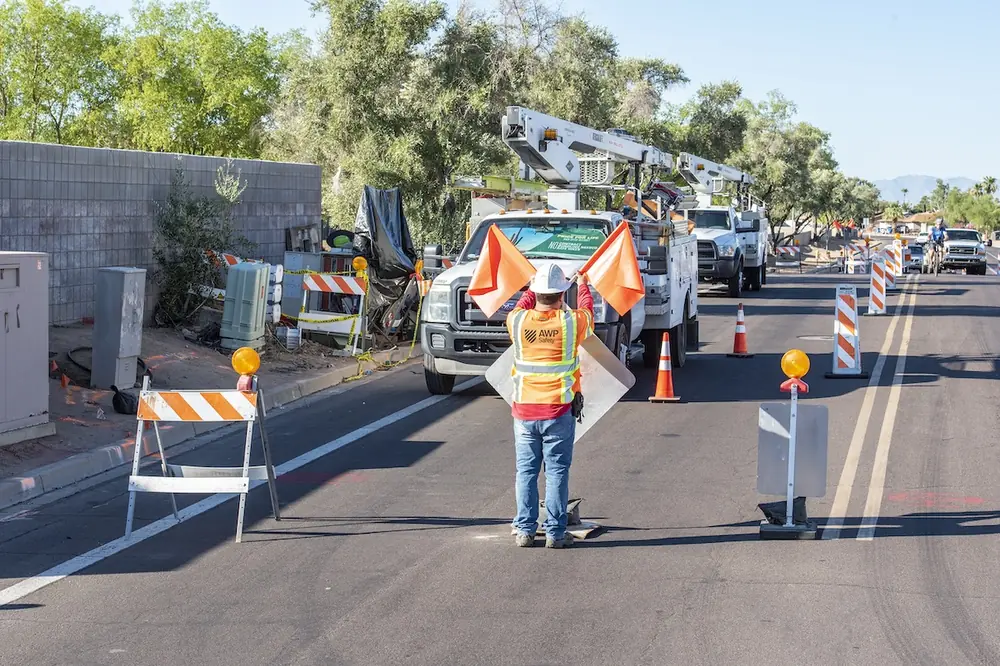
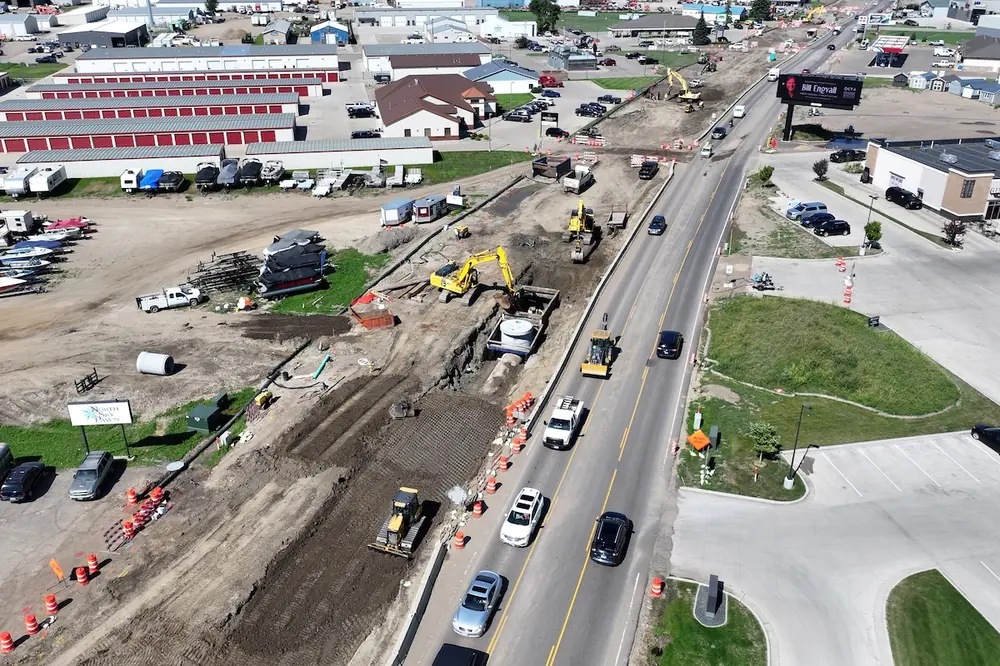
Heavy civil work compounds this problem. Crews move constantly. Subcontractors rotate. Job sites may be miles from town. When a worker strains their shoulder setting forms for concrete, feels dizzy in the heat, or gets debris in their eye, it is common for them to push through and finish the task. That decision often delays needed care and increases the likelihood of the injury becoming recordable.
Upstream injury response interrupts that pattern. When workers can report an incident and receive clinical guidance quickly, symptoms are addressed before they escalate. That reduces severity, prevents unnecessary offsite care, and keeps projects running on schedule.
Once the financial picture is clear, it becomes easier to see how timing affects injury outcomes. Reporting during the first 60 minutes is ideal. Our multi-year review shows that just waiting until the following day significantly increases the likelihood of an injury becoming recordable. That shift often has less to do with the original severity and more to do with how long symptoms are left unchecked.

| Your local Trimble Construction Division dealer |
|---|
| SITECH Dakotas c/o Butler Machinery |
| SITECH Northwest |
| SITECH Mid-America |
However, several factors make timely reporting difficult:
- Long distances and remote work areas — Bridge restoration, trenching, roadway expansion, and pipeline installation frequently take place far from clinics or main offices.
- Staying productive under pressure — Workers often push past discomfort to avoid slowing down pours, crane picks, lifts, or other time-sensitive tasks.
- Misjudging early signs — A little swelling, mild dizziness, or a sore back can seem easy to ignore until it is not.
- Supervisor uncertainty — When supervisors do not have immediate clinical input from a licensed medical provider, they often default to sending workers offsite just to be safe. This can unintentionally raise the likelihood of a recordable.
Supervisors also cannot ask workers for personal medical details or probe their health history, which limits their ability to judge symptom severity or determine the appropriate level of care without clinical guidance.
A real-world example shows how much timing matters. Two workers performing physically demanding outdoor tasks developed heat-stress symptoms on the same day. The first worker reported feeling off right away and followed guided cooling steps onsite. After a short recovery period, he safely resumed work. The second worker waited as symptoms worsened, hoping they would pass. By the time he reported, he required ER evaluation and ultimately had a lost-time outcome.
The work was similar. The timing changed everything.

| Your local Gomaco dealer |
|---|
| Gomaco -Contact For a Dealer Near You |
Upstream injury response works because it brings consistency and clarity to the moment an injury occurs. Instead of relying on guesswork or placing supervisors in difficult judgment calls, it creates a predictable process that workers and leaders can follow across every phase of a project.
Key elements include:
- Immediate reporting — Workers have one simple, well-communicated way to report injuries.
- Rapid clinical assessment — A licensed medical provider evaluates the situation within minutes and determines the safest path forward.
- Evidence-based first aid — When symptoms fall under OSHA’s first-aid criteria, workers receive clear guidance and supervisors receive documentation support.
- Escalation only when needed — Offsite care is recommended only when clinical indicators support that decision.
- Onsite recovery when safe — Allowing a worker to recover onsite, when appropriate, minimizes lost time and preserves scheduling stability.
This structure works especially well on multi-contractor projects and linear jobs with constantly shifting work zones.
Once the blind spots are resolved, the advantages of upstream injury response become even more visible. Our six-year analysis showed:
- Up to 75 percent first-aid resolution when clinical assessment occurs quickly
- As much as 91 percent lower workers’ compensation costs where early intervention is routine
- Nearly 59 percent fewer recordables
- Fewer hours lost to clinic travel and waiting rooms
- Higher reporting rates
- More predictable crew availability and project planning

| Your local Volvo Construction Equipment dealer |
|---|
| Nuss Truck & Equipment |
These improvements benefit safety leaders, operations teams, and anyone responsible for schedule reliability.
Contractors can see upstream benefits quickly by tightening reporting and assessment processes. Train supervisors to initiate reporting immediately, use one consistent reporting method, and make it mobile-friendly through QR codes or decals. Document cases in real time to strengthen OSHA accuracy, review cases weekly with safety and operations, and incorporate fatigue and environmental risk into daily planning.
Field leaders often tell me their biggest challenge is maintaining a reliable workforce while managing tight production schedules. When workers have immediate access to clinical support, minor issues stay manageable, productivity stays intact, and contractors gain more control over outcomes. It’s not just a health strategy — it’s a competitive advantage.
Holly Foxworth, RN, Director of Marketing Communications at Axiom Medical, is a workplace health strategist with more than 20 years of experience in emergency care, occupational health, and injury prevention.