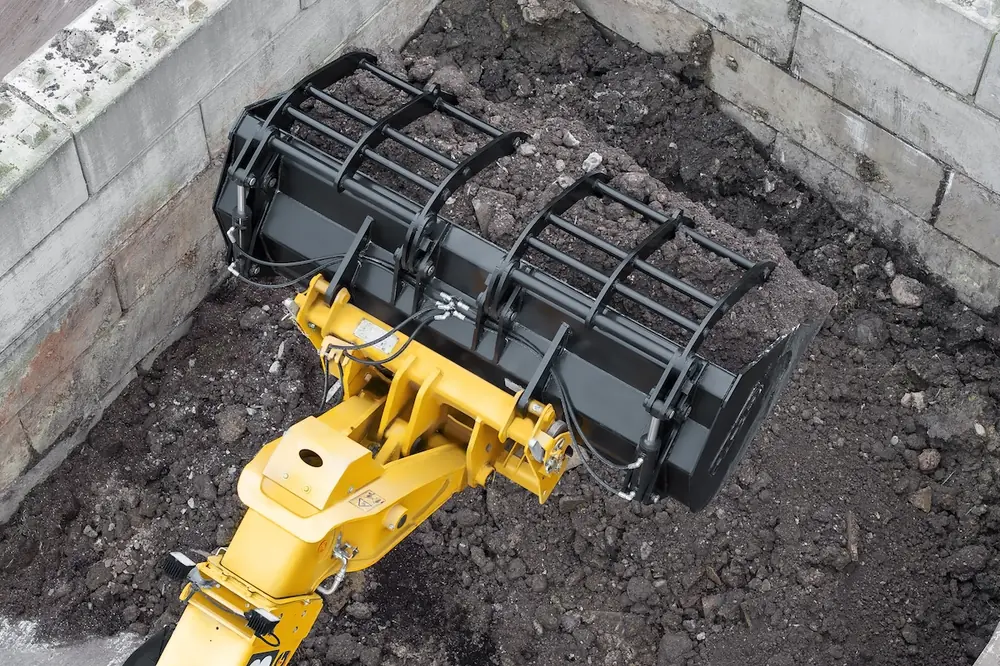

With today’s tighter schedules and growing cost pressures, there is less room than ever for equipment that only handles a single task.
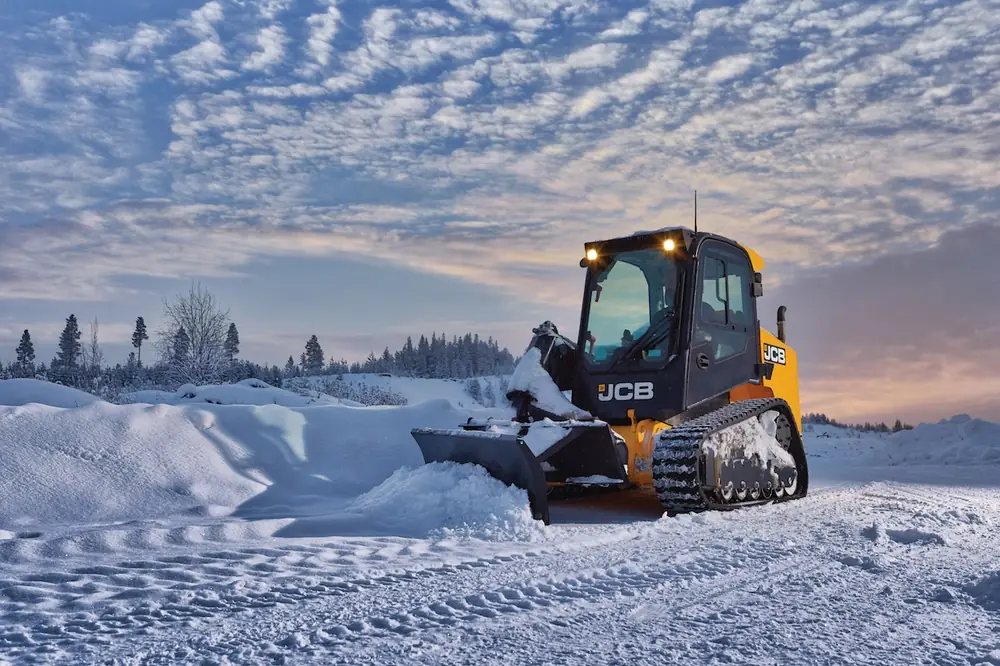
That is why attachments have become such a valuable tool for compact equipment fleets. The right attachment can take a machine from a one-trick pony to a true workhorse capable of handling multiple phases of a project in the same day. A skid steer moving material in the morning might be trenching utilities by lunch and handling pallets before crews head home. Instead of tying up multiple machines — and multiple operators — contractors are increasingly relying on compact equipment to carry more of the workload across the site.
But deciding what attachments to buy versus rent is not always straightforward. Some tools quickly earn their keep through daily use. Others make more sense as occasional rentals. The challenge is figuring out which attachments deserve a permanent spot in the trailer and which are better left at the rental yard until they are truly needed.
For most contractors, the buy-versus-rent decision starts with a simple question: How often is the attachment actually going to get used?
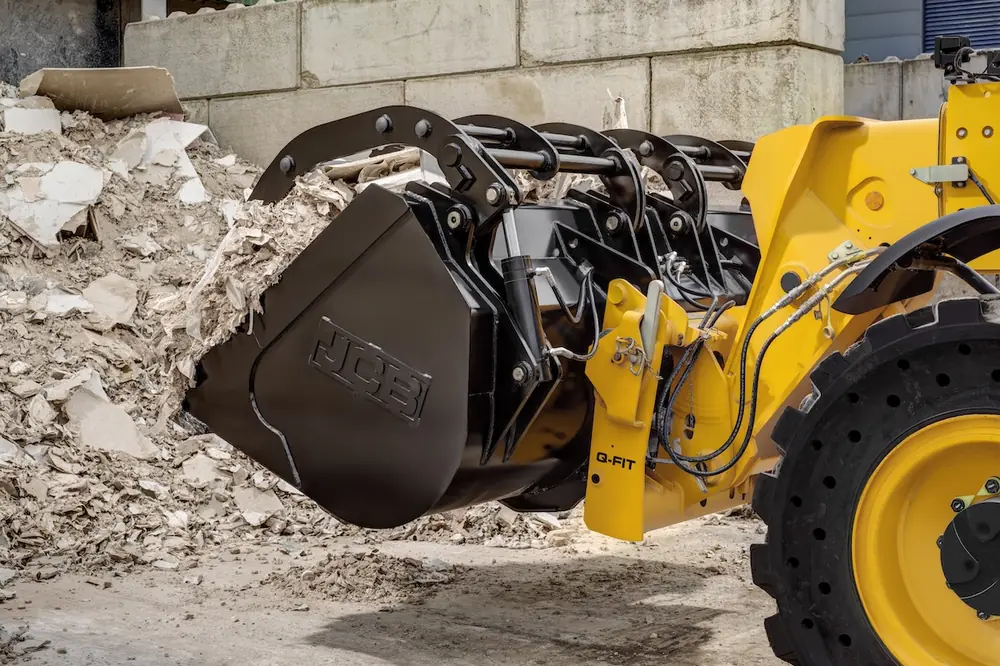
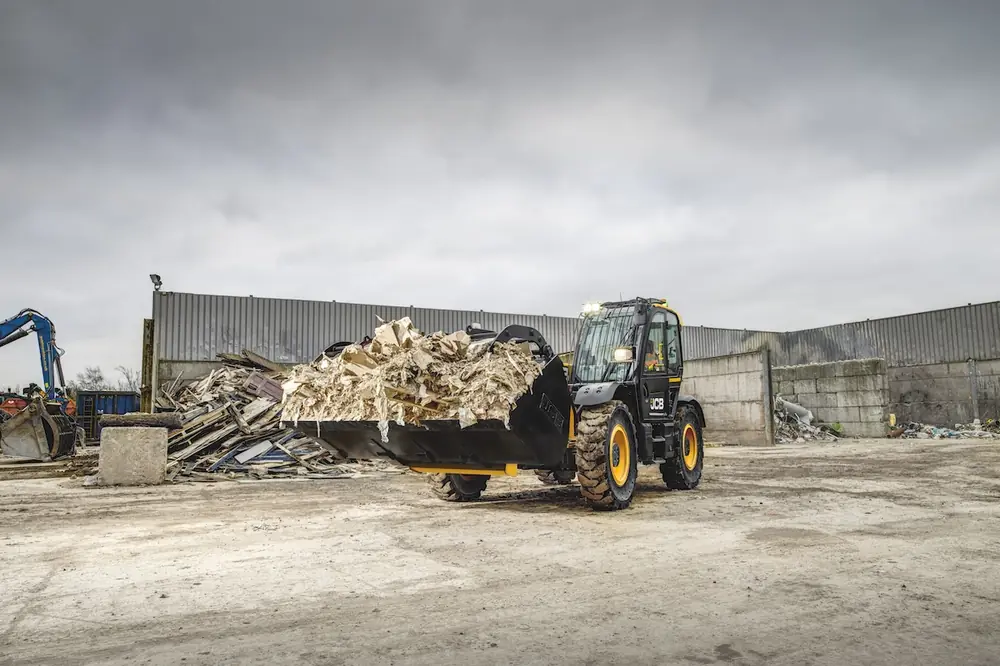
Some attachments almost immediately justify ownership because they stay in constant rotation. Buckets and forks are easy examples. On most job sites, they have become the everyday workhorses crews rely on across nearly every phase of a project.

| Your local Gomaco dealer |
|---|
| Clark Machinery |
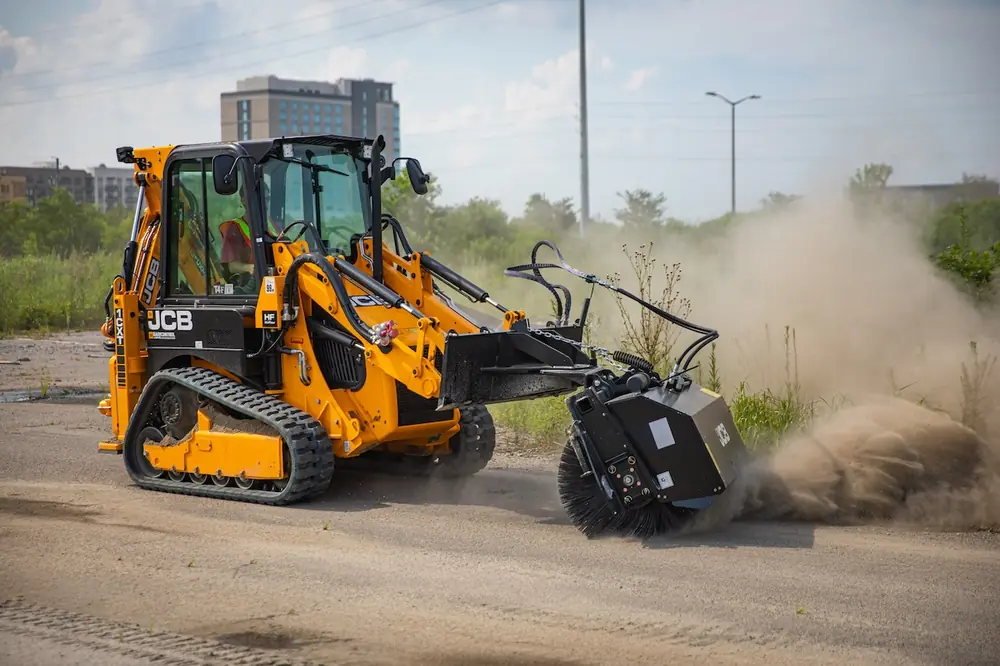
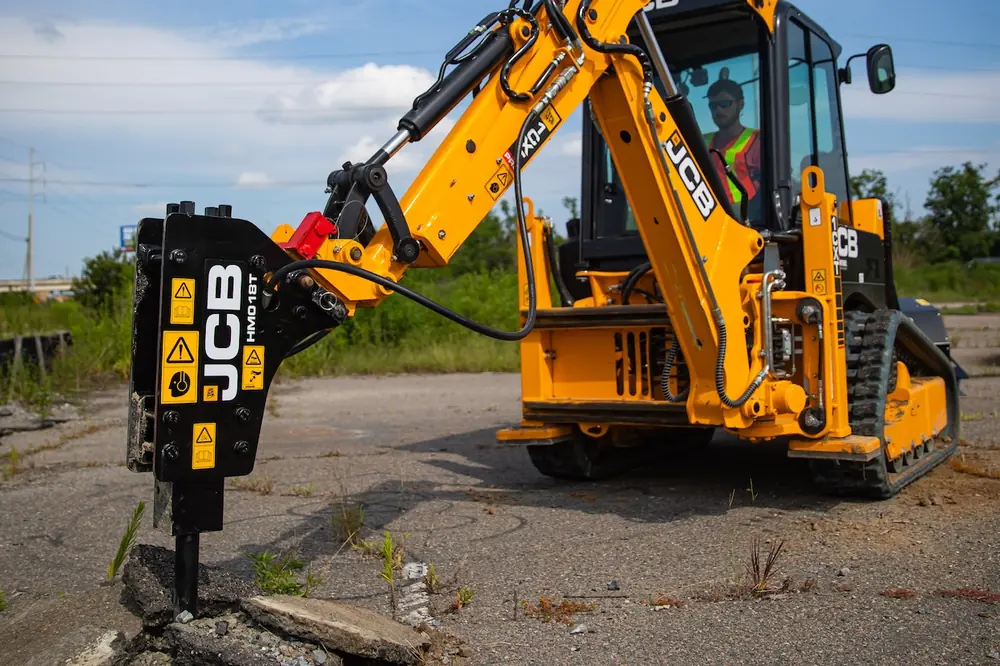
The decision becomes more complicated once contractors move into specialized hydraulic attachments like augers, trenchers, brush cutters, planers, and mulchers. These tools can dramatically expand what a compact machine is capable of doing, but they also represent a much larger investment — not just in purchase price, but in maintenance, transportation, and storage as well.
That is where usage frequency becomes critical.
A site prep contractor trenching utilities several times each month may quickly justify ownership of a trencher attachment because crews rely on it regularly to keep projects moving. A road crew, meanwhile, may only need a planer attachment for occasional patching work, making rental the more practical option.
If an attachment only comes out a few times each year, renting often makes more sense than ownership. But if crews are calling the rental house every other week for the same attachment, that tool has probably already proven it belongs in the fleet full time.
| Your local Hitachi dealer |
|---|
| ASCO Equipment |
The conversation does not end with the purchase price versus rental price. To determine whether renting or buying really makes sense, contractors need to look at how an attachment affects day-to-day operations.
The real cost of renting often includes time spent coordinating pickup and drop-off, delays waiting on availability, and downtime when crews are ready to work but the attachment is not onsite yet. All of those variables can affect productivity without ever appearing on a balance sheet.
This becomes especially important during busy construction seasons when specialized attachments may be harder to find locally. Basic tools are usually easy to source. High-demand hydraulic attachments can be a different story, particularly in areas with limited rental inventory.
That is why it helps to work closely with a trusted rental partner when evaluating whether a new attachment truly belongs in the fleet. Rental providers often have valuable insight into local demand trends, historical availability, and which attachments contractors are consistently requesting in a given market.
| Your local Trimble dealer |
|---|
| WPI |
| Kirby-Smith Machinery |
Ownership comes with operational considerations, too.
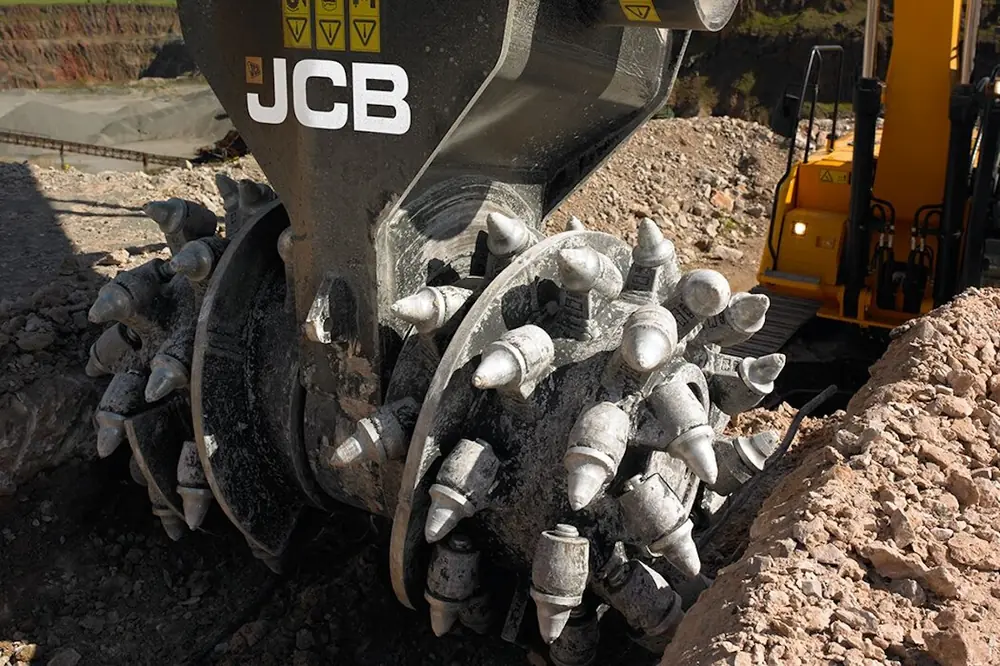
Attachments require maintenance, just like the machines powering them. Teeth wear down. Hydraulic components need service. Cutting edges dull over time. A brush cutter or mulcher that is not maintained properly can quickly start slowing production instead of improving it.
Storage and transportation can also become larger factors than many contractors initially expect. Compact equipment is often attractive because it can be hauled efficiently without stepping into larger transport requirements. But attachment weight adds up quickly. A compact machine may tow easily behind a 1-ton truck — until a 3,000-pound mulcher gets added to the trailer. Suddenly, trailer capacity, hauling logistics, and transport regulations all become part of the equation.
Operator familiarity matters as well. Specialized hydraulic attachments often require additional training, routine inspections, and more attention to wear components. Without that, contractors risk increasing repair costs and reducing attachment life long before the tool delivers a return on investment.

| Your local Trimble Construction Division dealer |
|---|
| SITECH Tri-Rivers |
Neither approach is automatically right or wrong. The key is evaluating the operational impact alongside the financial one. Sometimes the cheapest option on paper is not the one that keeps crews working most efficiently in the field.
A lot of attachments look good on paper. But the best investment decisions are usually built around job site performance, not show-pony flair.
One of the best places to start is talking to the people who use the equipment every day. Operators and crew leads usually know pretty quickly whether an attachment is improving workflow, helping crews move faster, or creating more frustration than value. Rental partners can provide insight, too, especially when it comes to local demand trends, seasonal usage patterns, and which attachments contractors consistently come back for.
Seasonality should factor into the decision as well.

| Your local ASV dealer |
|---|
| CLM Equipment Co |
Some attachments stay busy year-round, while others may only make sense for a few months or a handful of projects each year. A site prep crew clearing and grading pads every week may keep a land plane or trencher attachment active throughout the year, while a brush cutter used primarily for occasional clearing work may spend long stretches parked in the yard. Contractors should take an honest look at whether a tool is going to remain productive enough to justify the investment, maintenance, and storage that come with ownership, or if the attachment is likely to spend most of the year sitting unused.
For contractors still on the fence, renting an attachment a few times can be one of the best ways to evaluate its long-term value.
The most effective attachment strategies are usually built around tools that crews trust, machines can support efficiently, and job sites consistently demand. Contractors who let real-world performance guide purchasing decisions are often the ones getting the strongest return from both their equipment and their crews.
Attachments can dramatically expand what compact equipment is capable of doing, but the best attachment strategies are usually the ones built around real operational needs rather than simply adding more tools to the trailer.
| Your local Magni dealer |
|---|
| Kirby-Smith Machinery |
Contractors who take the time to evaluate job frequency, seasonality, operator familiarity, and real-world performance are often better positioned to make smarter purchasing decisions and avoid unnecessary capital strain.
At the end of the day, the goal is not owning the most attachments. It is building a fleet that stays productive, flexible, and ready to keep work moving from one job to the next.
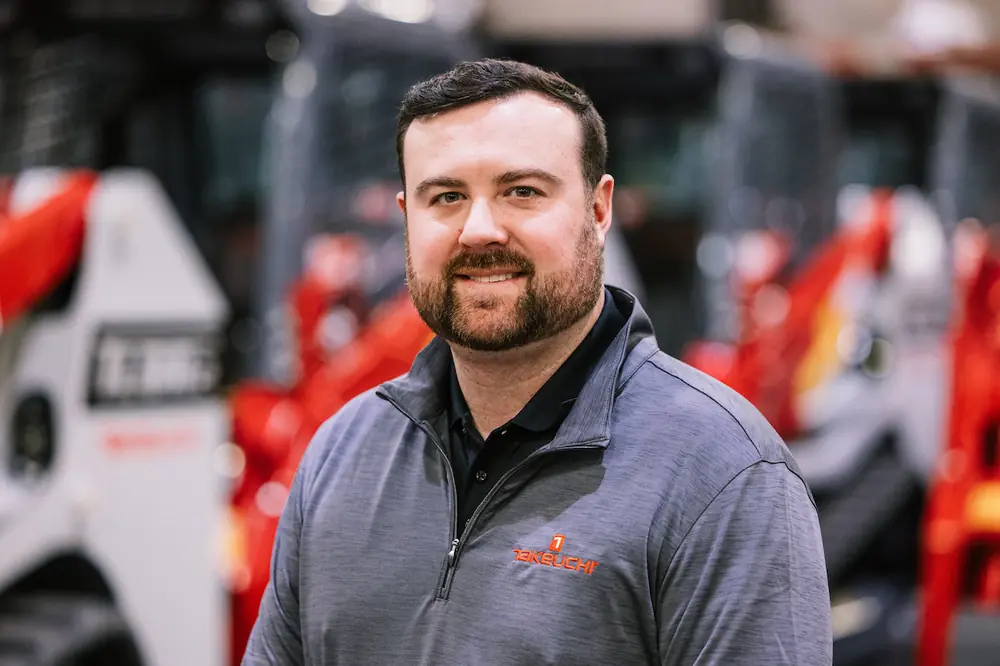
Lee Tice is a Product Manager for JCB North America.