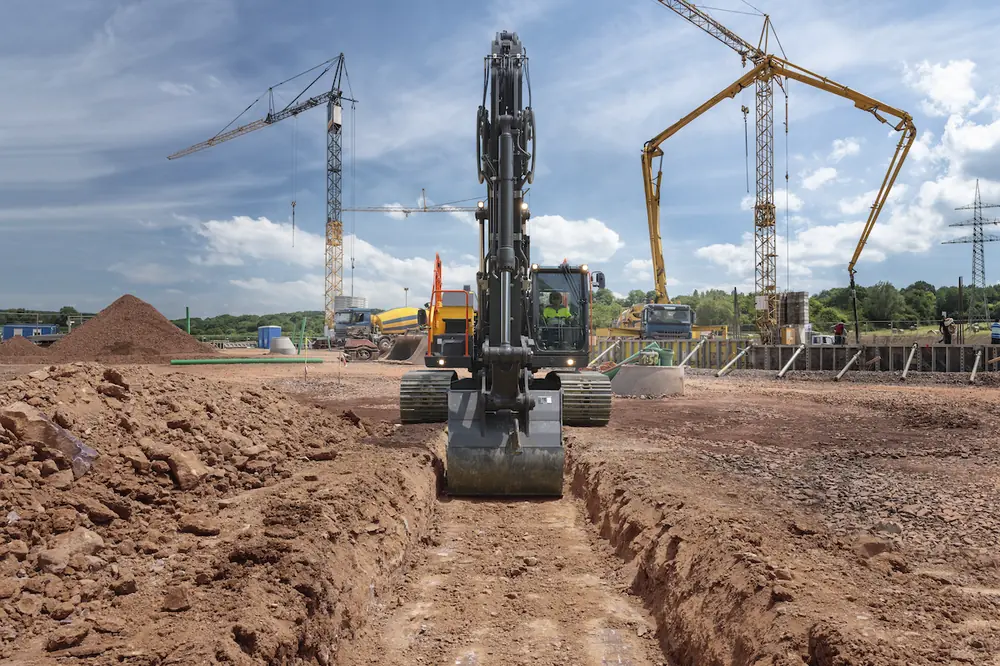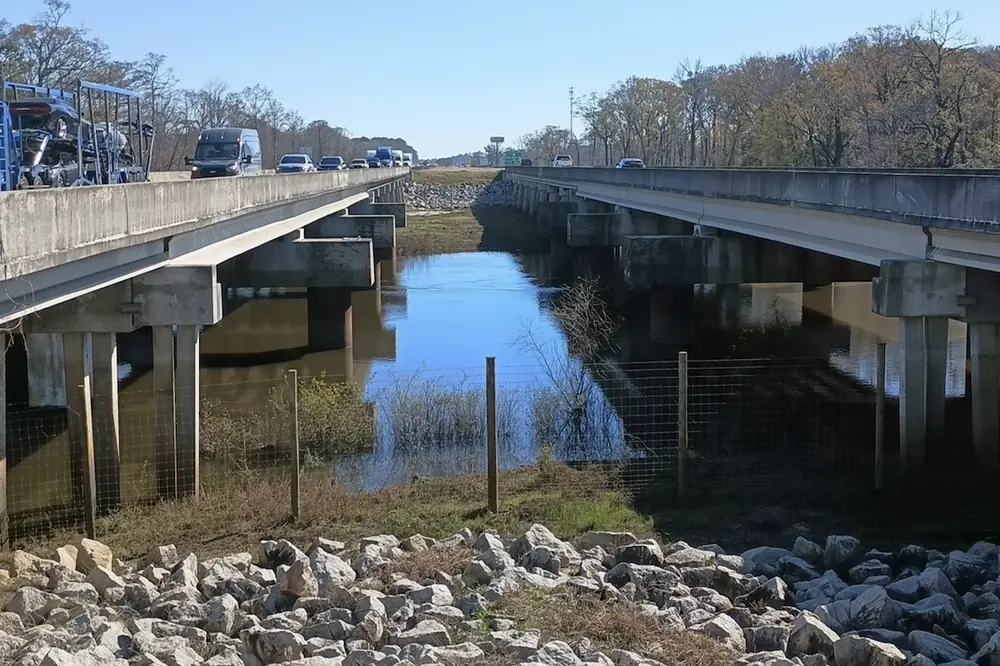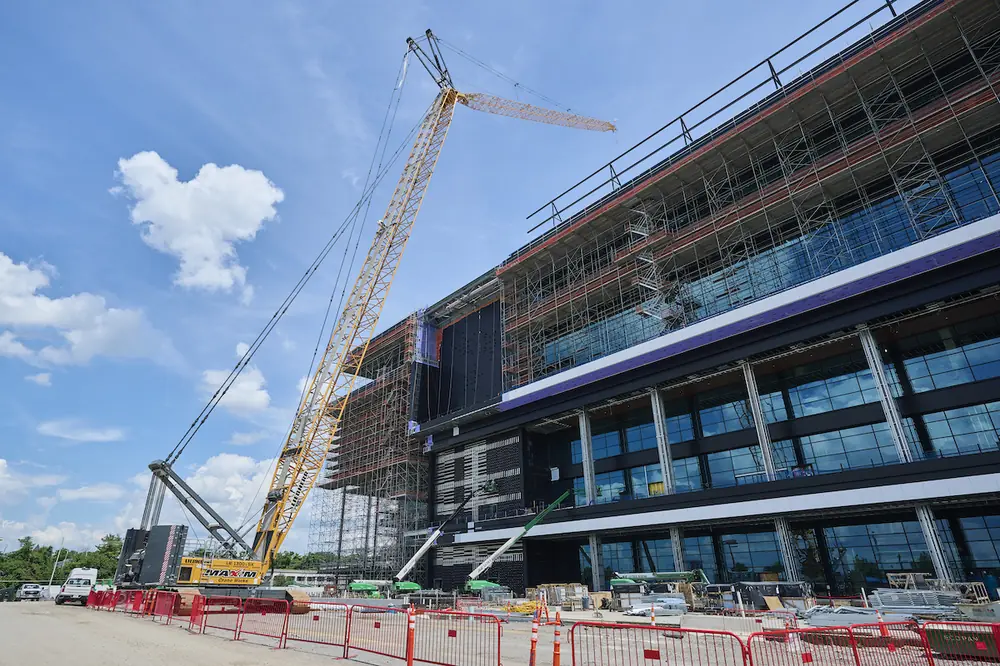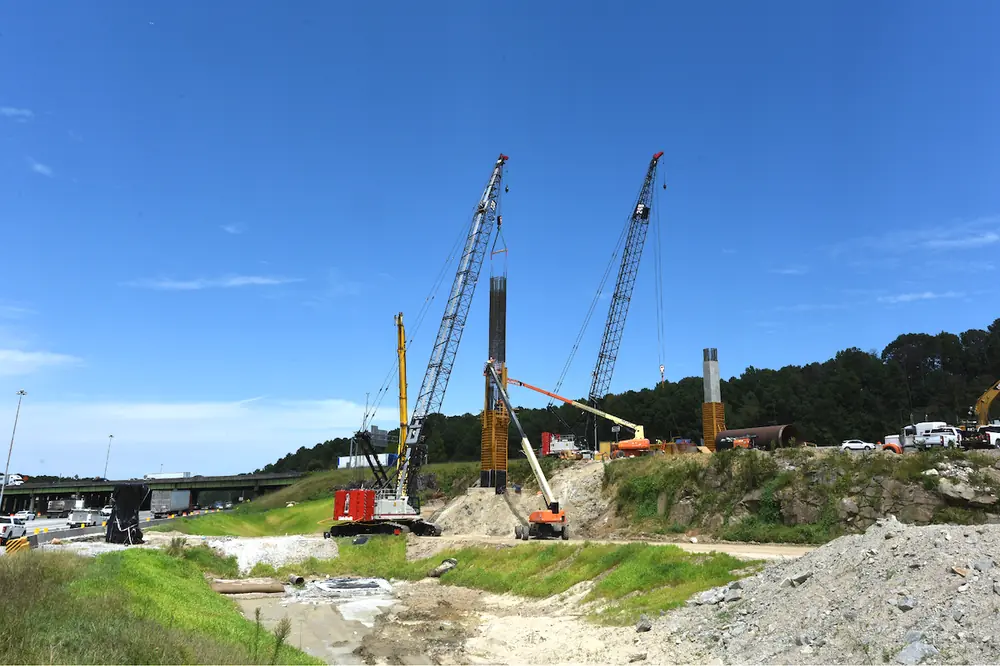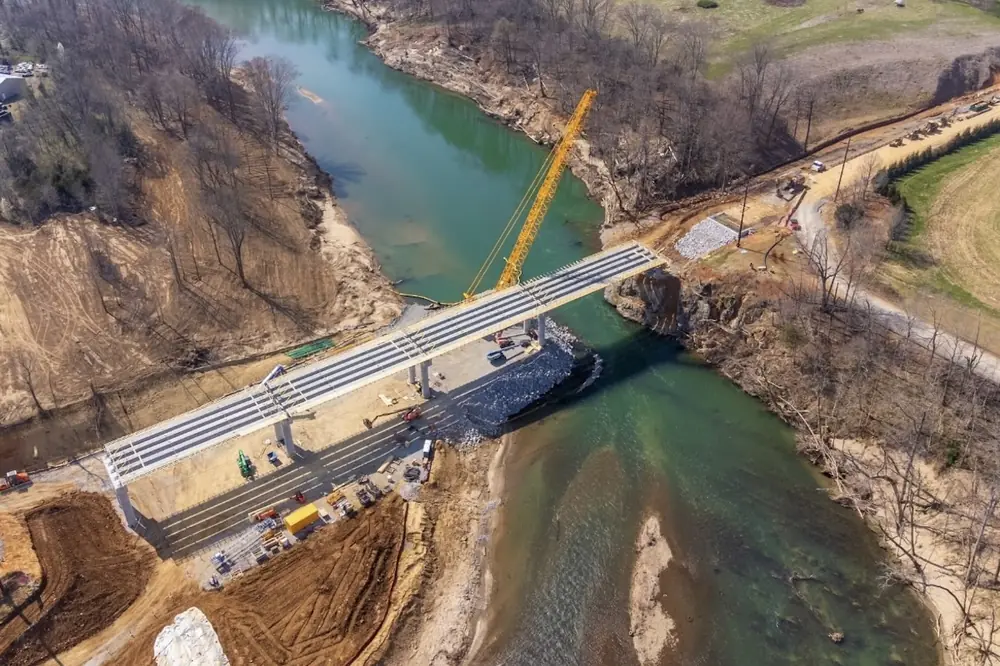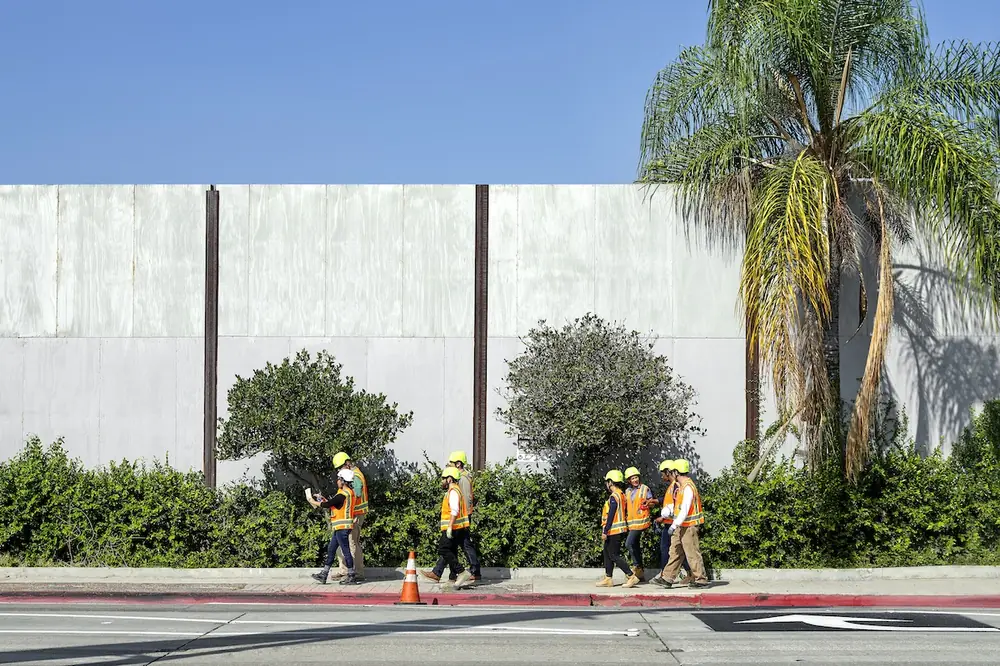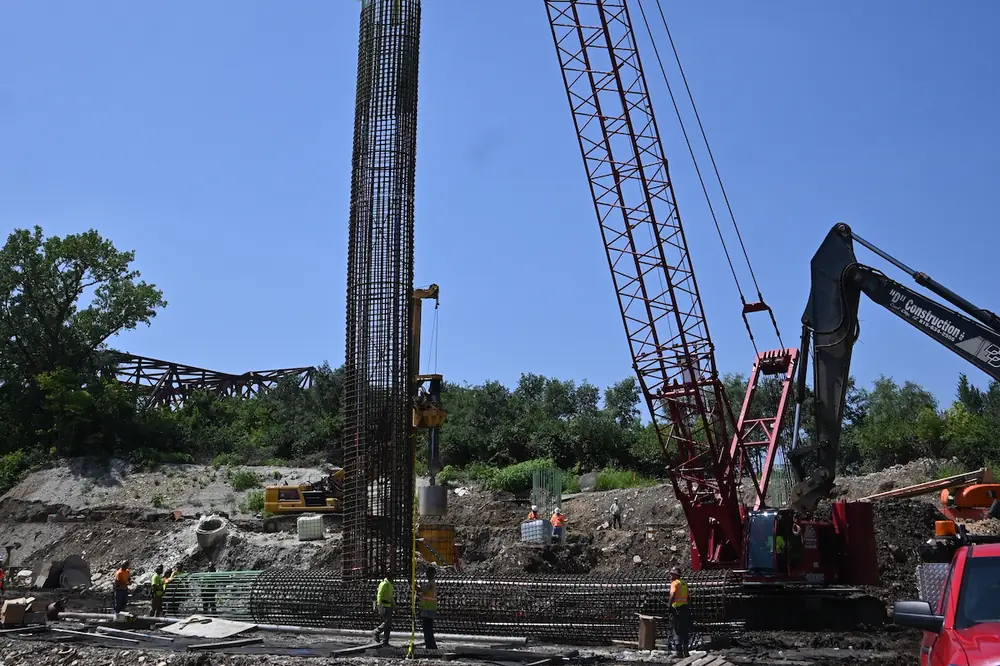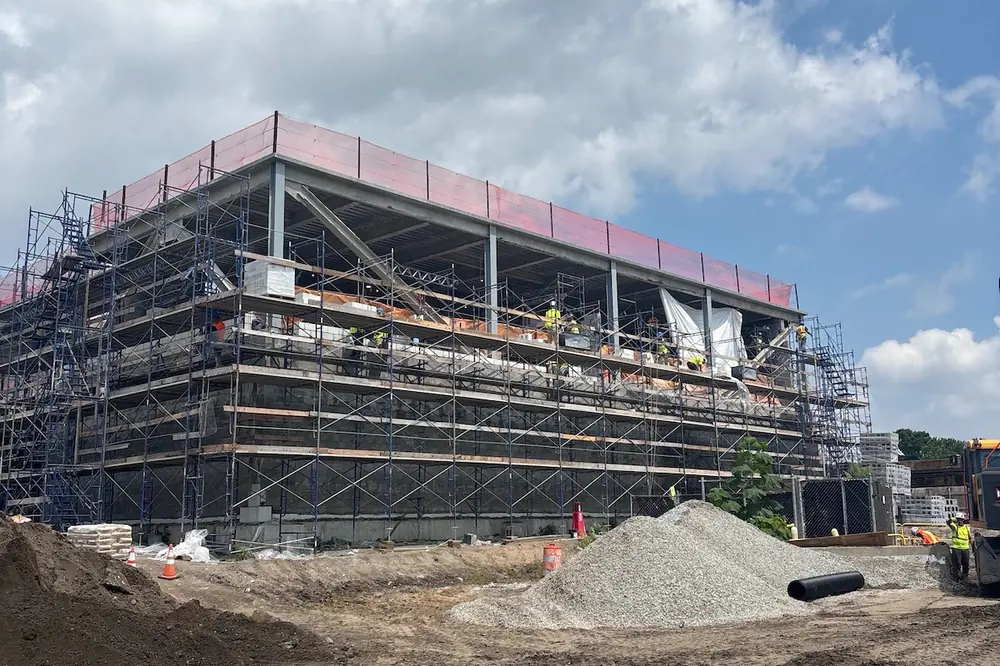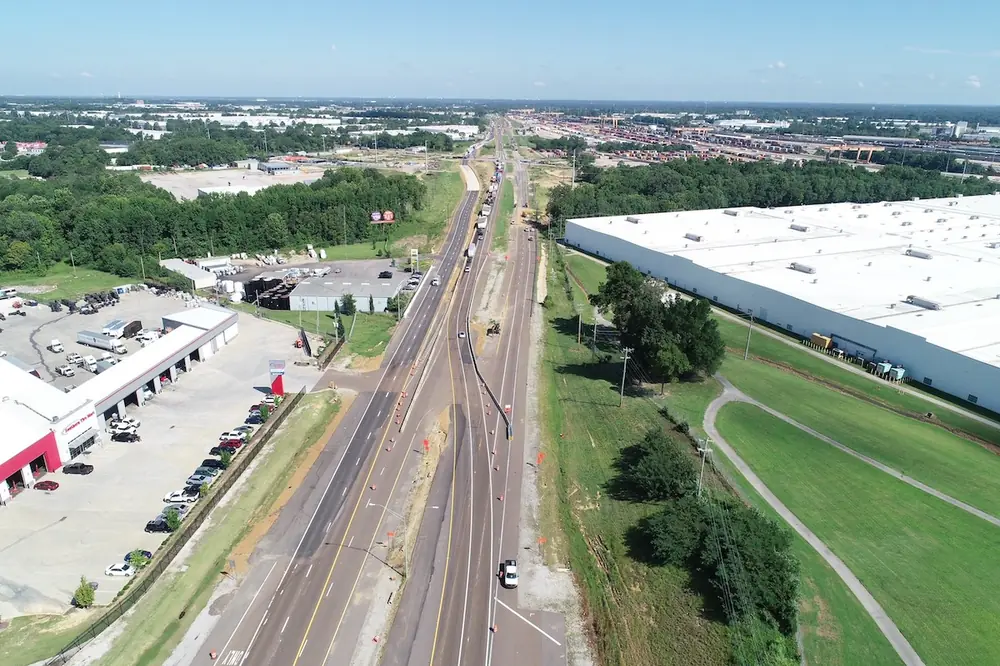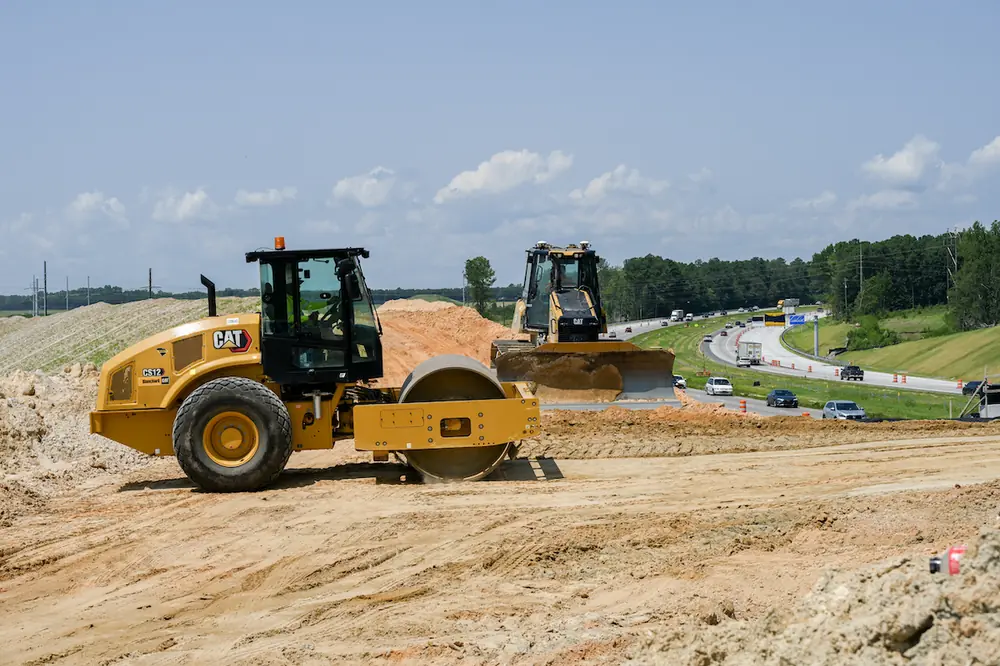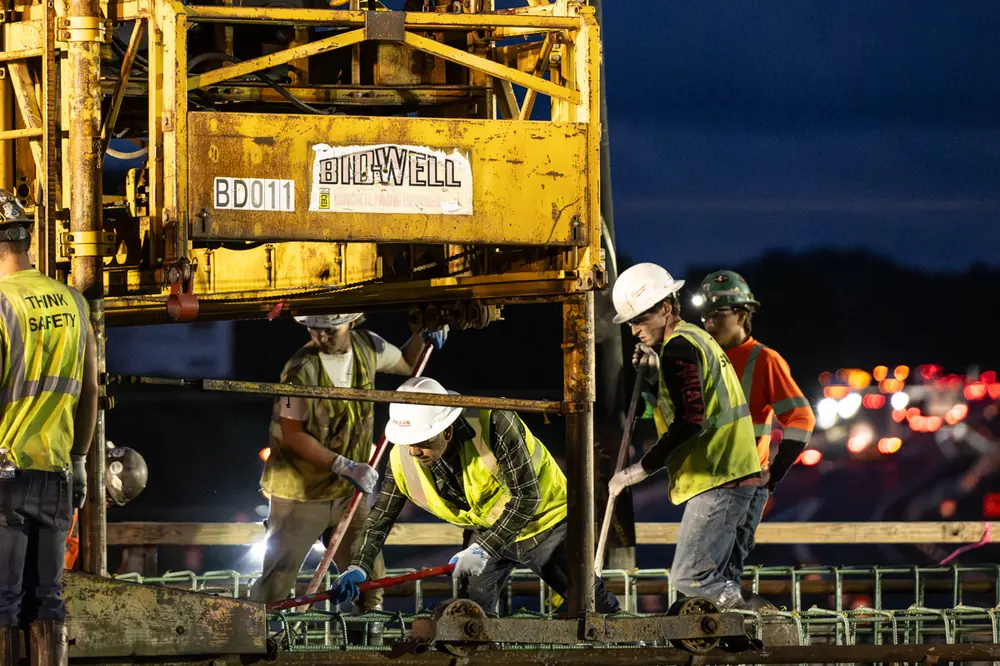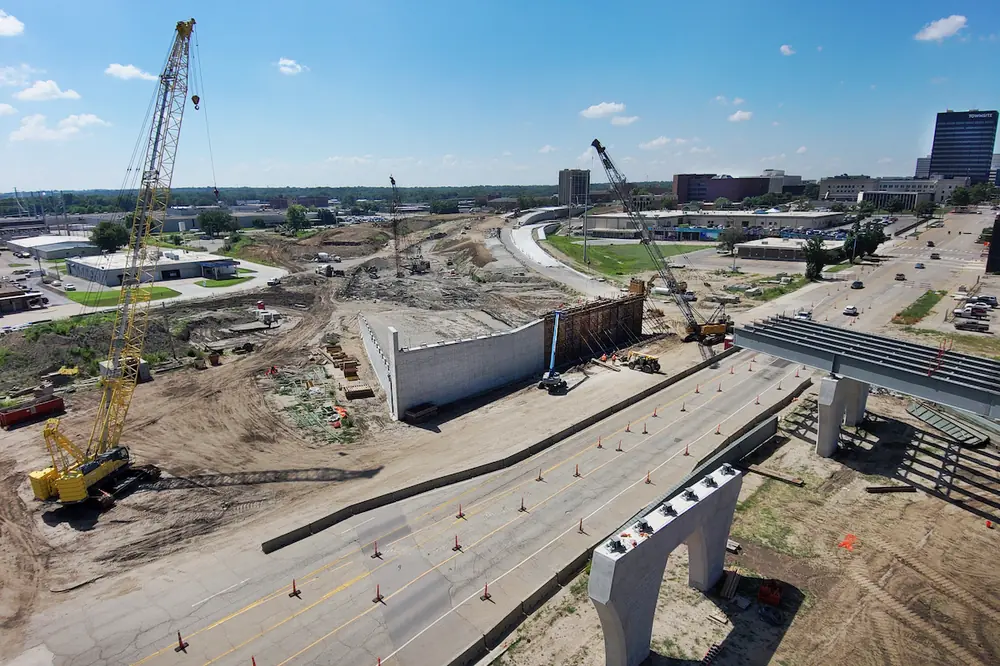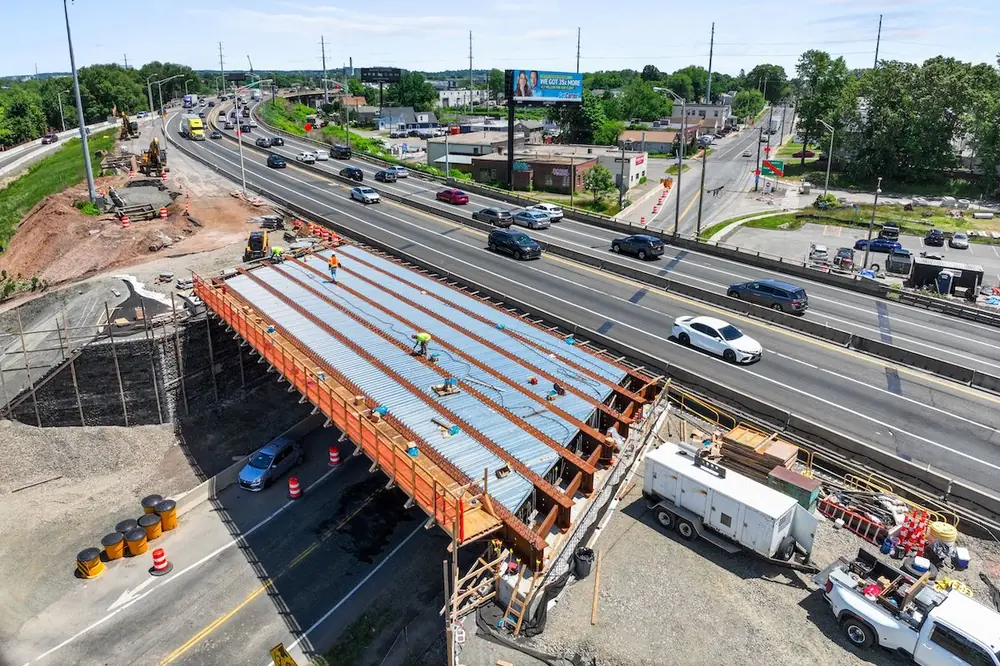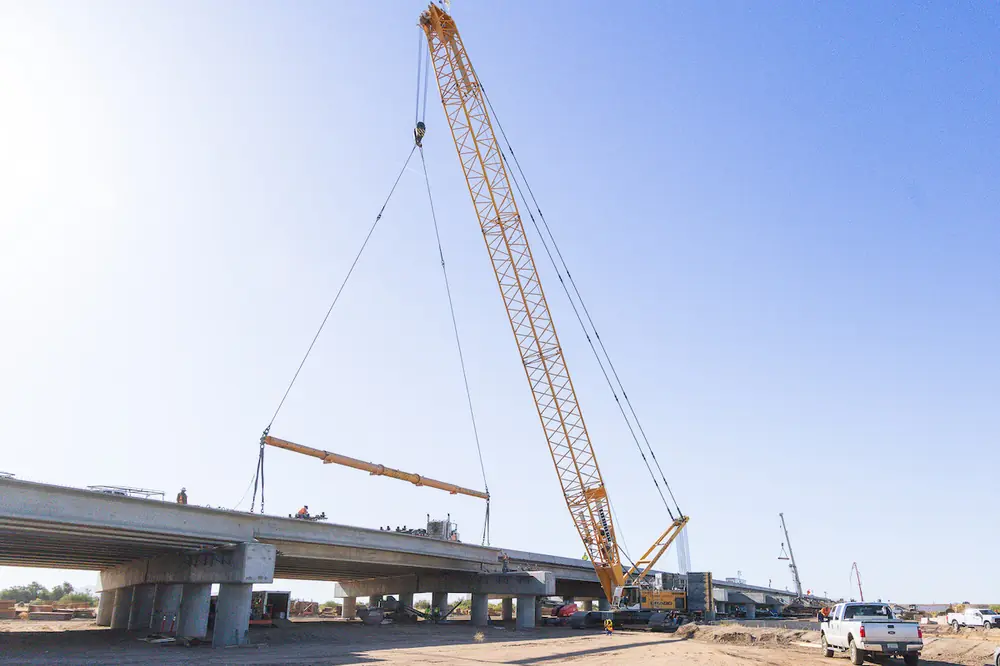
The heavy civil sector builds the roads, bridges, tunnels, and large earthworks that keep communities and commerce moving. These projects are measured in months and years, not days. Crews rotate between remote camps, work long hours, and often pull night shifts to meet critical deadlines. The work is physically demanding and tightly coordinated. When schedules are compressed and mistakes carry steep consequences, the pressure on individual workers can be intense.
The construction industry has one of the highest suicide rates in the U.S. compared to other industries. This data from the Centers for Disease Control and Prevention demands our attention and action.
Long stretches away from family, frequent project turnover, chronic pain from injuries, and the logistical challenges of remote sites can all raise the risk that distress will go unnoticed until it becomes acute. Cultural expectations about toughness can make it harder for workers to reach out for support. That's why accessible, practical resources and training matter to help supervisors and crews recognize warning signs and connect workers to help when they need it.
To protect workers and sustain safe operations, contractors need practical steps they can use onsite to identify distress, connect workers to help, and reduce immediate risk. The American Foundation for Suicide Prevention (AFSP) developed Hard Hat Courage, a national suicide prevention initiative, to translate research into practical, site‑ready tools and training that equip supervisors and construction crews to recognize warning signs, reduce stigma, and connect workers to timely help.
To move from understanding to action, consider how small adjustments to daily safety routines can reduce risk and connect workers to help. We’re calling on you to join us in our efforts to show that every life matters and every conversation counts by communicating available resources, demonstrating leadership commitment, and normalizing conversations.

| Your local Gomaco dealer |
|---|
| Ring Power Corporation |
Start by treating mental wellbeing like any other safety priority. Integrate it into multiple layers of your safety program — from evidence-based training programs for everyone on the job site, to regular conversations in daily briefings and toolbox talks, to short, repeatable reminders at shift start.
This multi-tiered approach normalizes caring behavior and makes mental health support part of standard practice rather than a one-off awareness event. Tell crews where help is available, encourage quick check-ins with team members, and make a clear promise of confidentiality.
These actions, from structured training to everyday interactions, turn looking out for one another into standard workplace practice.
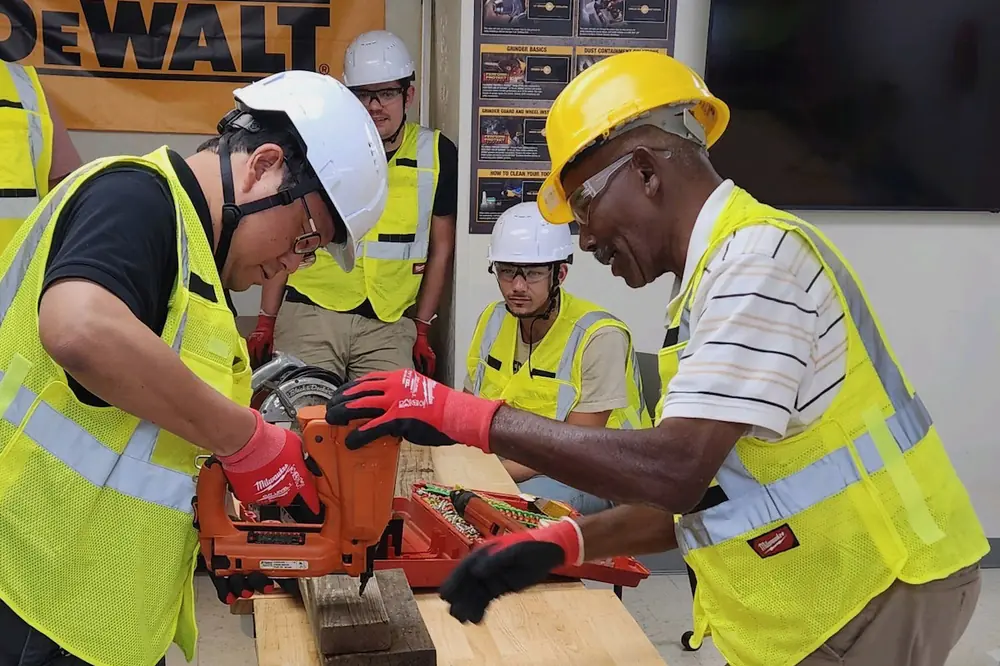
Supervisors are the essential link between policy and the crew. Short, scenario-based sessions that fit into a foreman meeting or a lunch period build confidence and practical skills.

| Your local Wirtgen America dealer |
|---|
| Beard Equipment Co - AL |
| Tractor & Equipment |
Training should focus on how to create a private space, how to express concern without judgment, how to recognize signs of distress, and how to make a clear referral to help. For evidence-informed materials, supervisors can turn to Hard Hat Courage’s Talk Saves Lives: Construction, a ready-to-use program that’s part of the Suicide Prevention Resource Center’s best practices registry.
Ian Perry, a superintendent at Sachse Construction, got involved in Hard Hat Courage after seeing the impact of suicide and substance use in the industry and now trains others in the Talk Saves Lives: Construction program. He makes a point of checking in with crew members, asking how they are doing, and following up when someone seems off. Small actions can make a big impact on job sites.
Beyond his day to day, Perry also delivers presentations to other workplaces. Suicide prevention crosses organizational boundaries, and everyone has a role to play in this cause.
Post laminated, one-page resource cards at time clocks, sign-in points, lunch areas, and job site trailers. The cards should list local and national helpline numbers, text options, the onsite safety or human resources contact, and simple next steps. Push digital copies into crew messaging platforms so workers can access information even when supervisors are off site.

| Your local Bomag Americas dealer |
|---|
| Linder Industrial Machinery |
In addition, consider downloading Hard Hat Courage stickers with the 988 suicide and crisis lifeline number as an easy reminder for everyone on the job site. These visible, accessible tools remove barriers to seeking help.
Beyond the tactical tools, real change happens when culture changes. Prevention science points to control, support, and predictability as protective factors. Normalizing conversations about mental health, training leaders to notice warning signs, and making help easy to find are evidence-informed steps that reduce risk. Sharing free resources and programs tailored to construction from Hard Hat Courage makes mental health part of everyday conversations and routines.
Heavy civil work demands mental clarity as much as physical capability. Normalize short check-ins, equip supervisors with concise observation and referral skills, make inexpensive support visible on site, and integrate voluntary safety measures into human resources practice.
These operational changes fit into the routines safety teams already run. They protect workers, strengthen crews, and support the long-term resilience of every project.

| Your local Trimble Construction Division dealer |
|---|
| SITECH Mid-South |
| SITECH Tri-Rivers |
To access ready-to-use materials or set up a Talk Saves Lives training on your site, visit hardhatcourage.com.
Trisha Calabrese is Senior Vice President of Programs at the American Foundation for Suicide Prevention, where she leads national strategies in education, healing support, workplace mental health, and community engagement.
Photo courtesy of Robby Brown and Sundt Construction