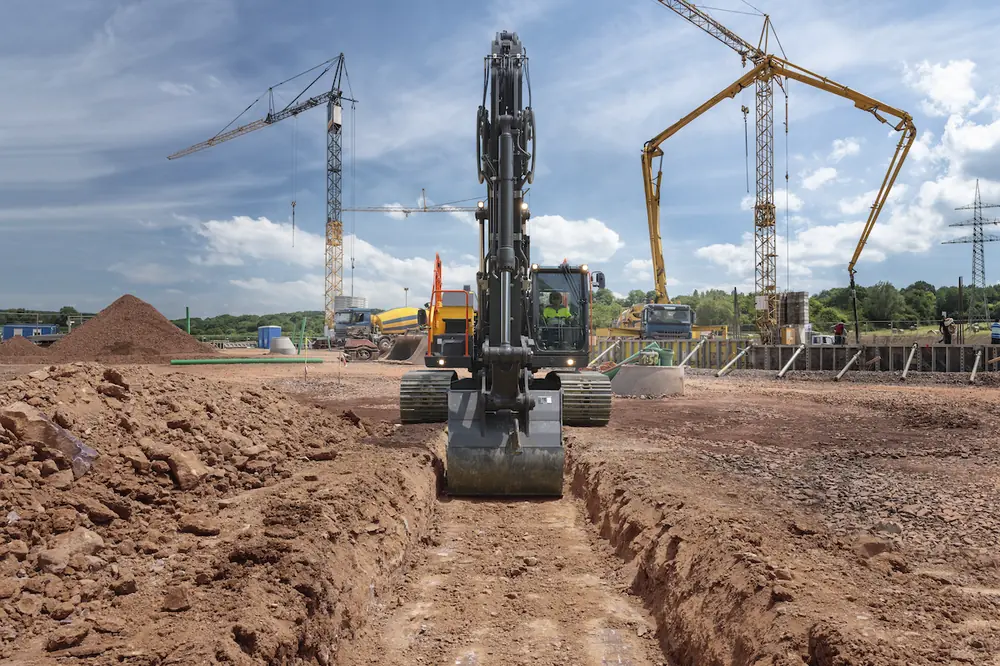

Technology is reshaping how contractors plan, choose, and manage rental equipment, turning the once-transactional activity of renting into a powerful lever for continuous improvement.
The common thread isn’t a single software platform or digital tool but a shift toward integrated systems that provide clearer visibility and enable faster, more confident decision-making across fleets and projects.
Rising costs, aggressive schedules, labor constraints, and growing project complexity are pushing contractors to find efficiencies wherever possible. Data has become foundational to increasing productivity and profitability.
Because of that, many rental companies routinely include data-generating telematics devices on most mobile equipment and can add aftermarket devices to customer-owned equipment, as well. Manufacturer-agnostic fleet management platforms from the same companies ingest and process the telematics data — as well as data from other devices — and deliver it how, when, and where contractors need it.
With the insights gained from telematics devices and connected job site ecosystems, contractors can build repeatable playbooks for planning right-sized fleets, boosting utilization, and increasing safety and efficiency across projects.

| Your local Gomaco dealer |
|---|
| Gomaco -Contact For a Dealer Near You |
Telematics devices stream location and utilization data so contractors can quickly find assets spread across large or multi-site projects and see which units are working and which are idle. That visibility makes it easier to right-size fleets and redeploy, sell, or return underused assets before unnecessary costs add up.
To reduce unplanned equipment downtime on critical applications, customers can use telematics to set up low fuel, low battery, and low diesel exhaust fluid (DEF) alerts. Other configurable alerts include excess idle alerts, which help reduce fuel consumption and emissions, and geofencing alerts, which mitigate the risk of theft and equipment misuse.
Telematics devices also enable advanced equipment monitoring. Generator load monitoring, for example, informs project setups and helps contractors right-size power generation and battery energy storage equipment.
Rental technology has evolved to support tool tracking, as well. One IoT-enabled rental storage solution automatically logs who took which tool and when, increasing accountability and reducing the risk of tool loss. Bluetooth tags added to the tools track them as they move throughout the site. Real-time location data boosts productivity by slashing the time crews spend hunting for tools they need.

| Your local Trimble Construction Division dealer |
|---|
| SITECH Southwest |
| SITECH Rocky Mountain |
| SITECH Northwest |
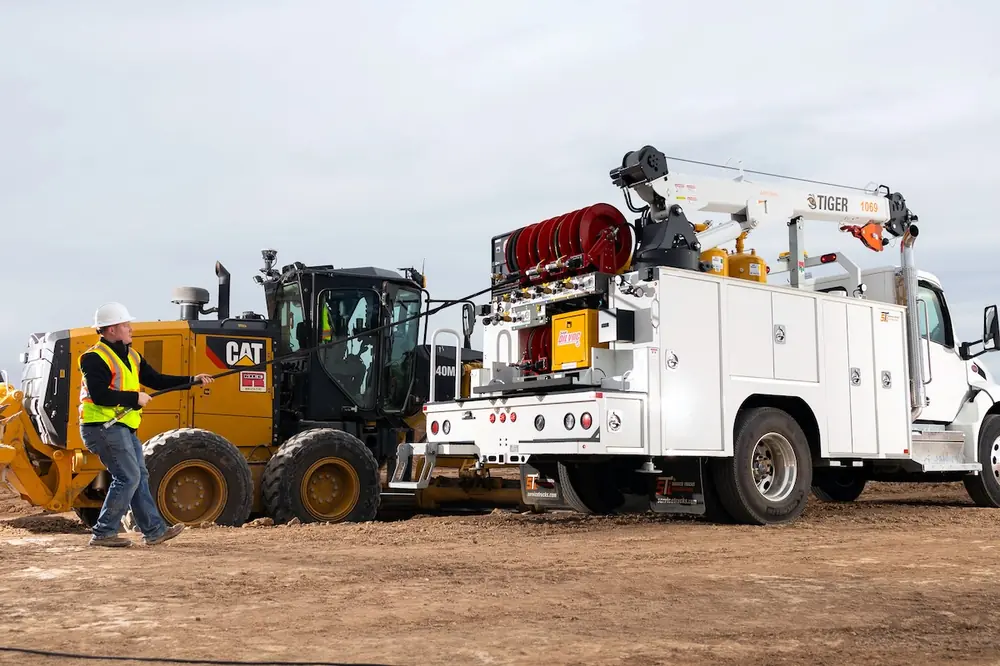
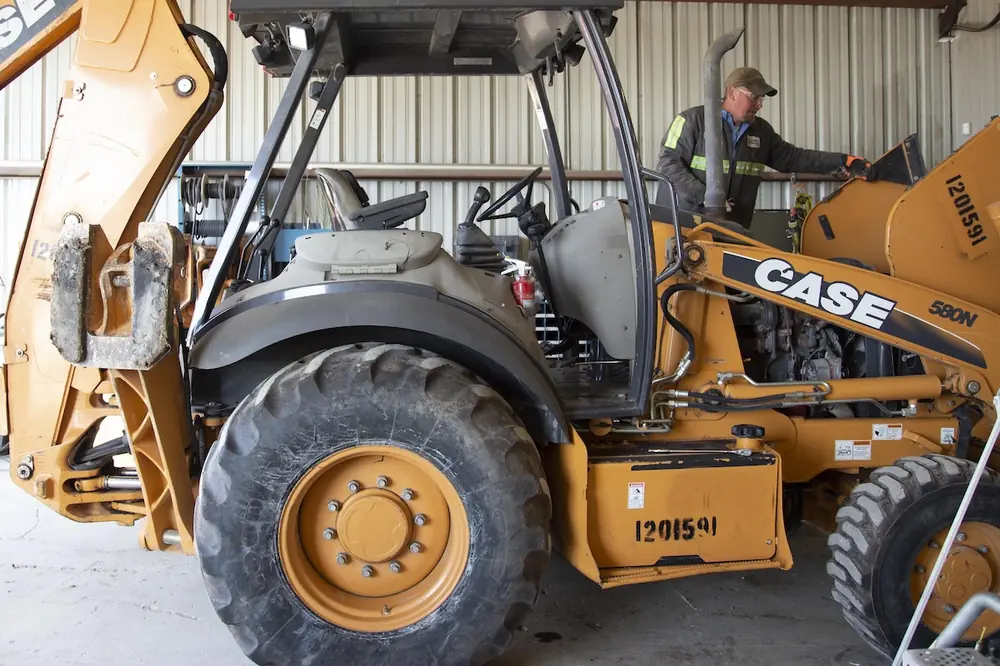
Technology is improving how equipment is serviced. Easy access to engine hours and run times enables just-in-time (JIT) preventative maintenance. JIT maintenance is based on equipment wear. It may be more efficient and cost effective than calendar-based maintenance, which can lead to under-maintenance of heavily used equipment or over-maintenance of lightly used equipment.
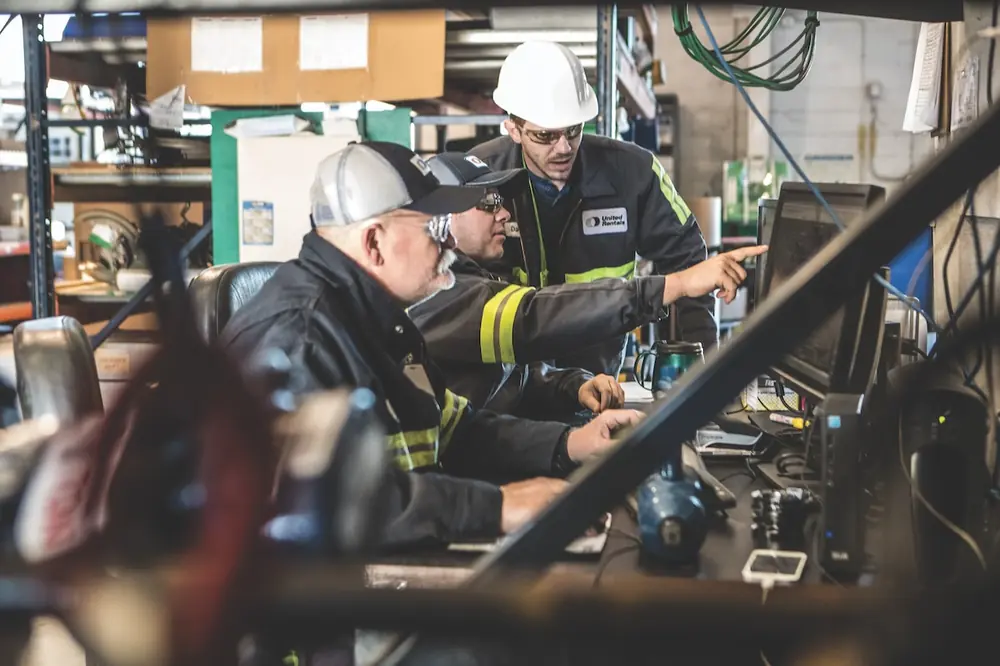
Rental technology data is also driving faster service. When a machine develops a mechanical issue, telematics devices can send diagnostic trouble codes (DTCs) to the vendor’s maintenance team. DTCs, along with AI-powered maintenance applications adopted by some vendors, help maintenance teams identify issues and complete repairs more quickly, reducing unplanned downtime and emergency calls.
Beyond telematics devices, other rental technologies are enabling greater control of the job site to improve safety, productivity, and sustainability. Two examples are equipment access management and remote environmental monitoring and control.
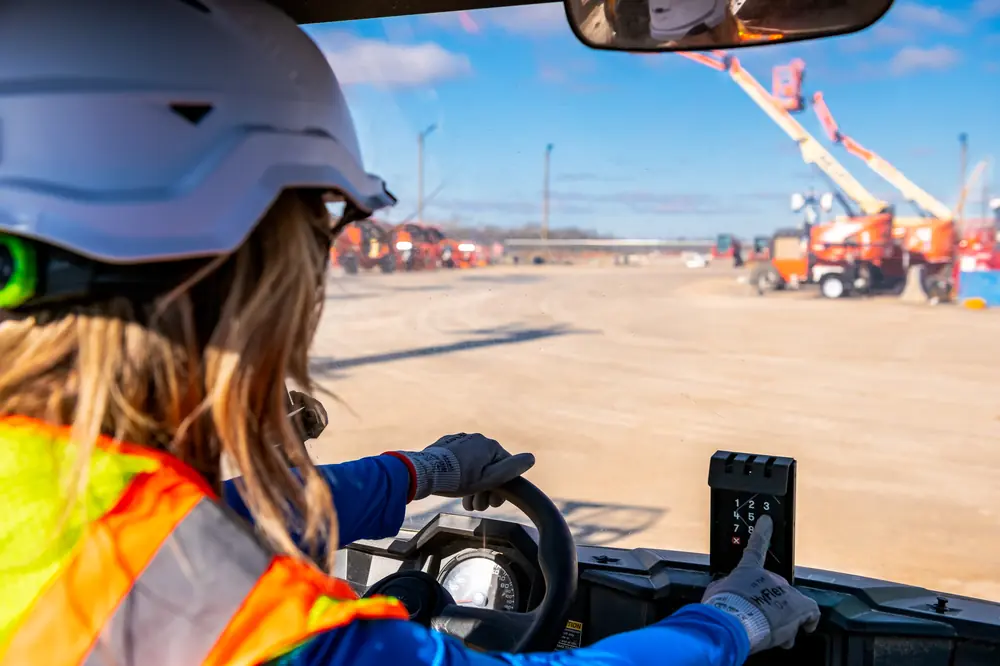
Most companies make efforts to prevent unauthorized workers from operating equipment, but it isn’t always easy. Rental companies are solving the problem by automating equipment access management. Some allow managers to assign rights to operate specific units or categories of equipment from within their cloud-based platforms. Approved operators swipe an RFID-enabled ID badge — the same one they use to enter the site — at readers installed on ignition keypads. Badge-based systems simplify access management and generate usage records that support incident investigations and targeted safety training.

| Your local Bobcat dealer |
|---|
| Ditch Witch West |
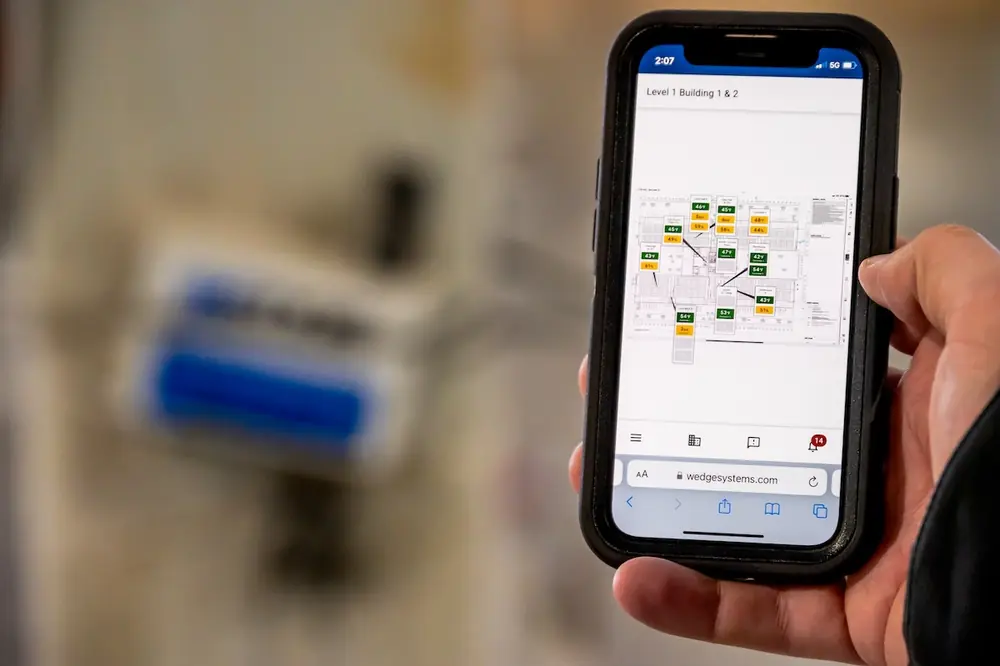
When it comes to monitoring environmental conditions such as temperature and humidity, wireless sensors curtail the need for site walks. Dashboards let crews monitor concrete curing and temporary heating and cooling remotely. Devices added to heaters, air conditioners, and chillers allow them to control conditions without rolling a truck or forcing workers to climb stairs in extreme heat, cold, or dark.
Remote HVAC control conserves fuel, too. Running this equipment as needed rather than 24/7 lowers fuel spend and reduces a project’s environmental impact.
Identifying the exact type or model of equipment needed for a specific task can be challenging. Inadvertently renting a machine that can’t reach required heights, dig to required depths, fit through doorways, or operate safely on job site terrain can waste time and money and pose safety hazards.
Some rental equipment companies are investing in AI tools that reduce the complexity of selecting equipment and improve equipment planning. Well-trained AI agents allow managers to ask questions about equipment models; compare models; and get specific, informed guidance on the best options for specific tasks and site conditions.
| Your local Gomaco dealer |
|---|
| Gomaco -Contact For a Dealer Near You |
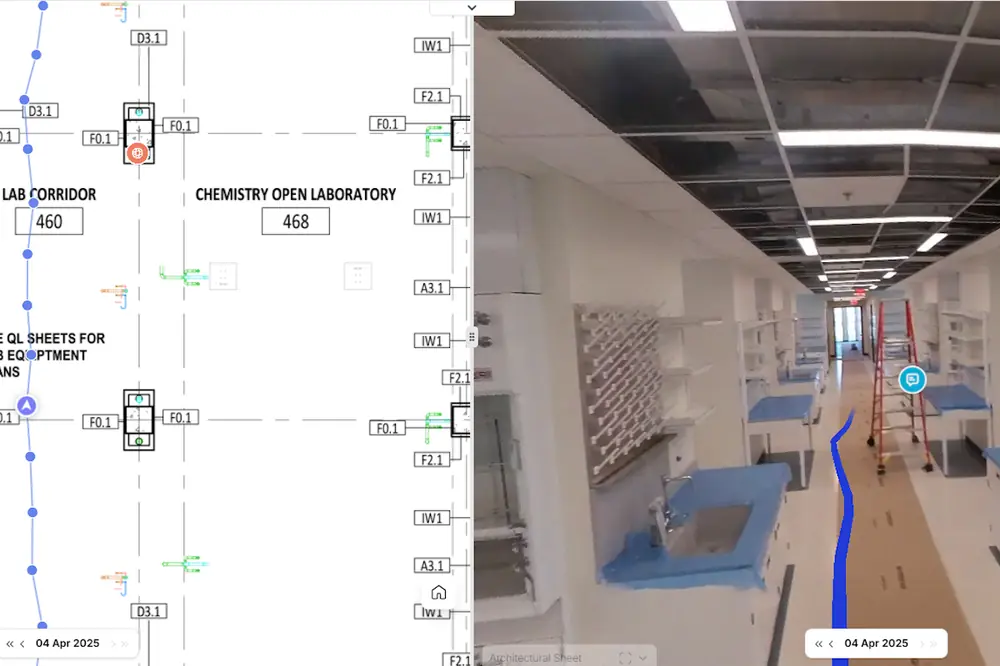
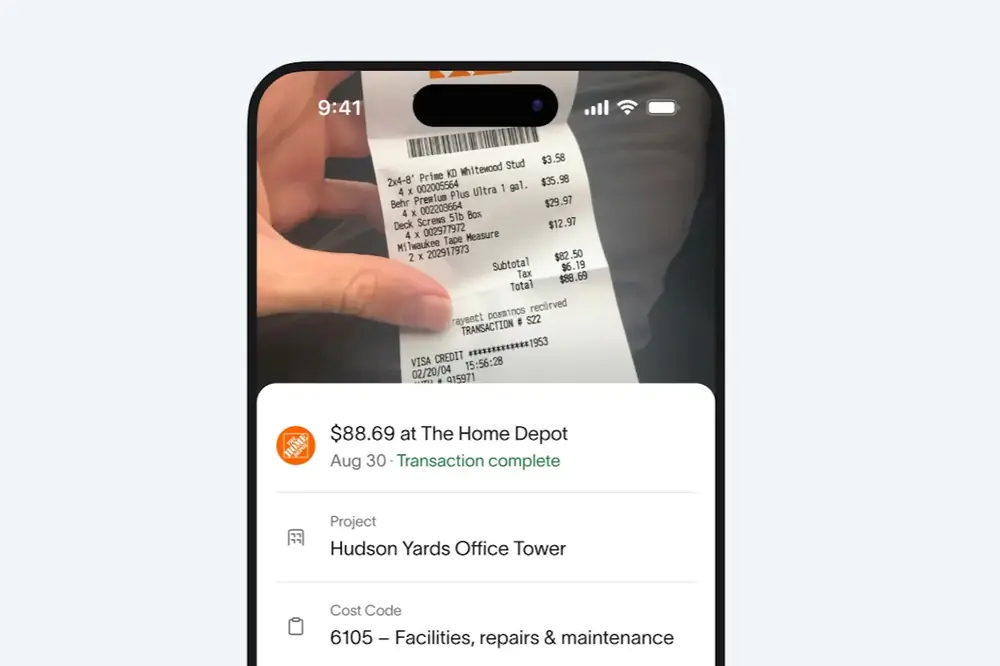
Contractors typically use a variety of third-party software tools to manage fleets and projects. They may work in equipment maintenance platforms, construction management platforms such as Procore, fleet management platforms (including those from different equipment and truck manufacturers), and enterprise resource planning (ERP) systems.
Increasingly, fleet management platforms from rental equipment companies can share data with these software tools via application programming interfaces (APIs) and connectors. This capability allows them to function as extensions of the contractor’s own technology stack, consolidating visibility and reducing the need for multiple systems.
The role of rental equipment vendors shifted dramatically over the last few decades. They have evolved from equipment partners to solutions partners, and most recently, technology partners. Connected job site offerings and cloud-based platforms are helping contractors do more with less — and do it more safely, sustainably, and profitably.
As rental companies continue to innovate new tools and technologies for optimizing fleets and improving job site performance, they will unlock even greater competitive advantages for the partners they serve.
| Your local Gomaco dealer |
|---|
| Gomaco -Contact For a Dealer Near You |
John Mongan joined United Rentals in 2019 and currently serves as Vice President of Advanced Solutions. He previously held positions at Second Foundation Advisors, Point72, and McKinsey & Company.